Camping Gear
Hilleberg Mesh Inner for Nammatj 2 Review: A Summer Conversion Kit for a Four-Season Tent
A close look at the Hilleberg Mesh Inner for the Nammatj 2, a removable mesh inner that converts a four-season tent into a shelter you can actually use in warm weather.
Introduction
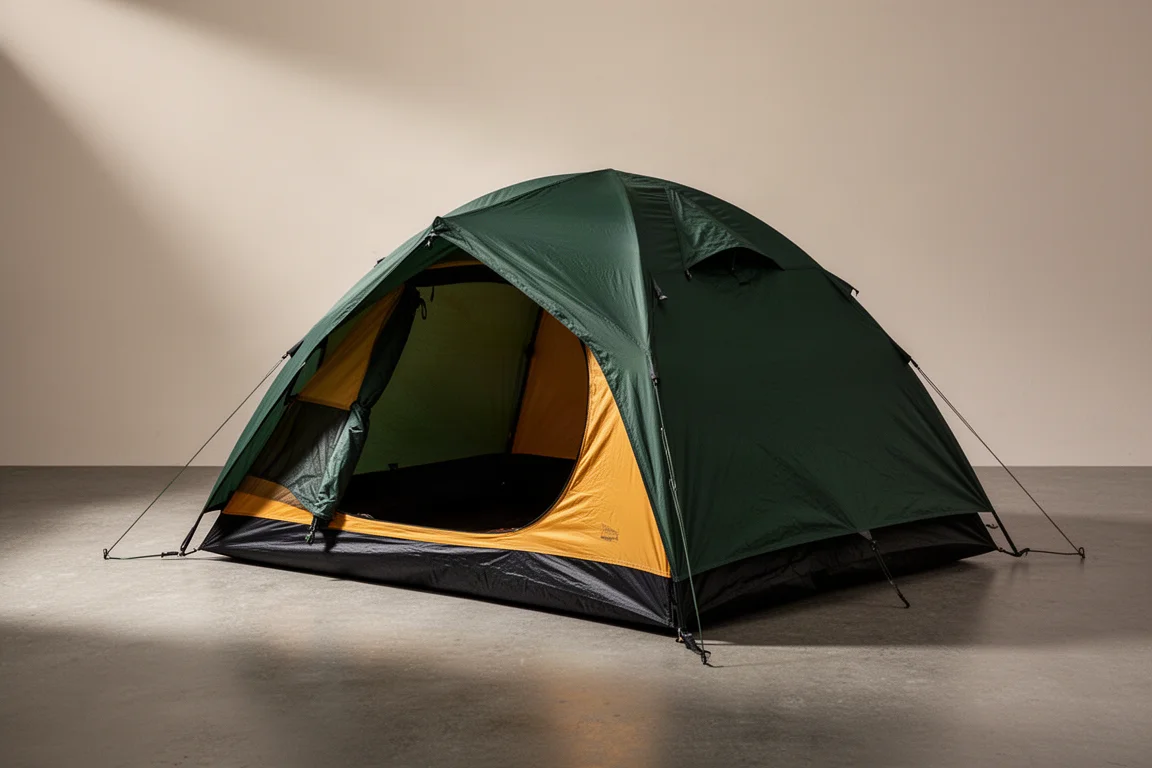
The Hilleberg Nammatj 2 is a two-person, true four-season tent, and it is built for the weather most shelters are not: cold, wind, snow and long storms. Hilleberg has a strong reputation for its shelters, and the Nammatj 2 sits firmly inside that reputation. The design that makes it excellent in winter is the same design that makes it awkward in summer. Its inner tent is fabric rather than mesh. Fabric walls block wind, keep out spindrift and hold warmth inside, which is precisely what you want in a winter storm and precisely what you do not want on a warm, still afternoon. In direct sun, the interior of a fabric-walled four-season tent can run far hotter than the air outside it.
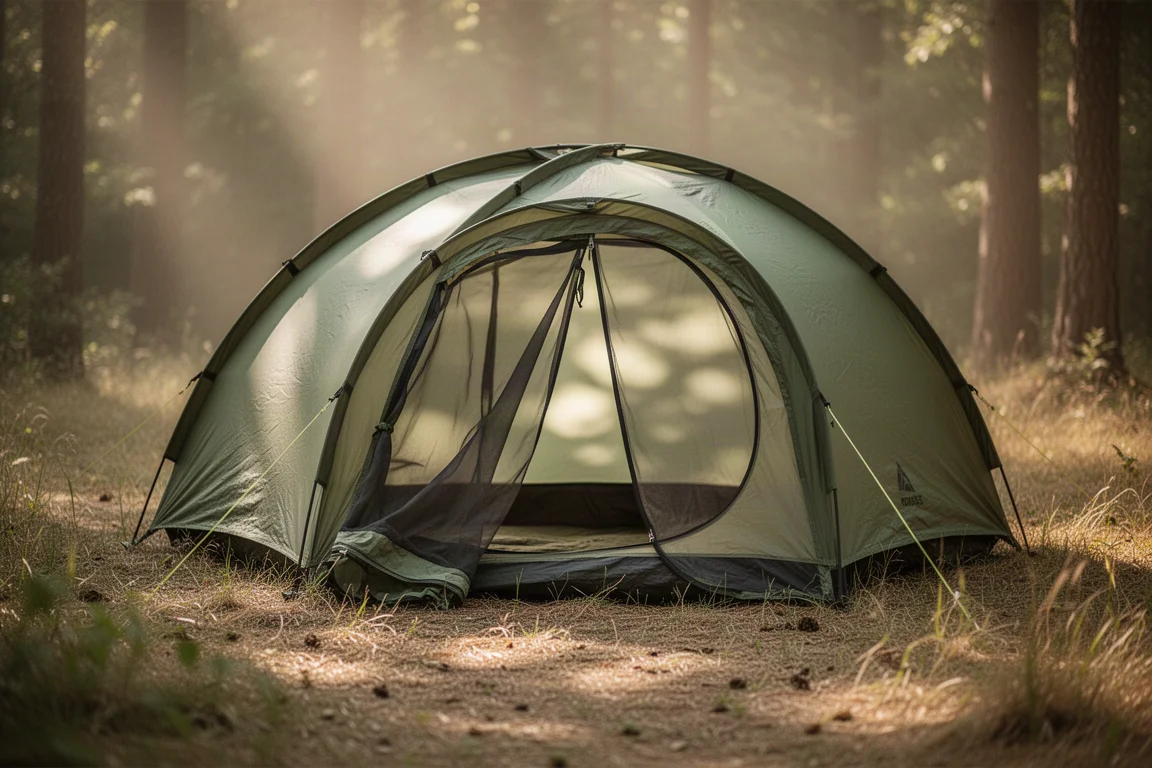
The Hilleberg Mesh Inner for the Nammatj 2 addresses that problem directly. It is a removable replacement inner that swaps the fabric body for a mesh body, turning the Nammatj 2 from a four-season shelter into a genuine three-season tent. It is a small accessory with one very specific job, and for the right owner it changes how much of the year the tent is actually usable.
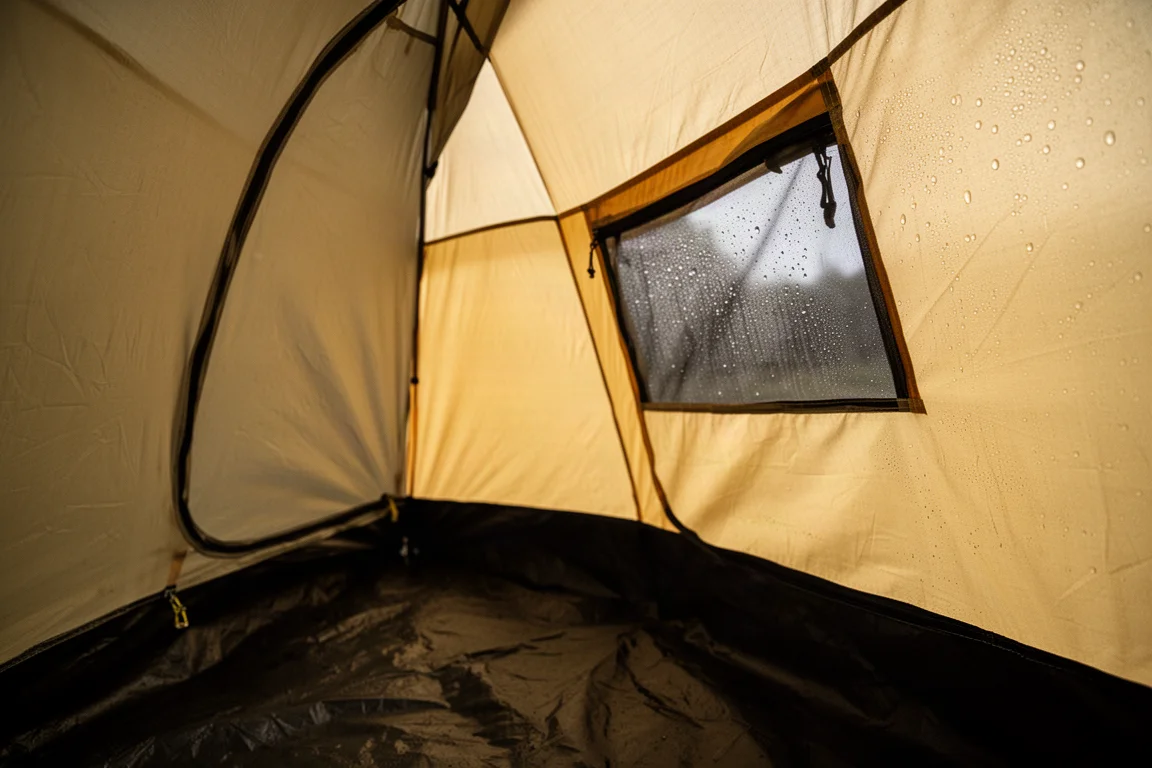
It is also a genuinely rare accessory. Hilleberg has focused its production capacity on complete tents, and mesh inners are made in much smaller numbers, so tracking one down can take patience. Owners who already run a Nammatj 2 in summer conditions should treat availability as the first practical hurdle, ahead of price.
That framing matters, because the mesh inner is not a general-purpose upgrade. It is a conversion part for a tent that many owners only use for part of the year.
What the Mesh Inner Changes
On the Nammatj 2, the fabric inner is removable. It attaches to the fly with a series of toggles around the front and the rear, and releasing those toggles leaves the tent without an inner at all. The mesh inner takes its place using the same attachment points, so the conversion is a straight swap rather than a modification.
Installation is simple. The process looks more involved than it is, and in practice it comes down to walking around the front and rear of the tent, releasing the toggles, removing the fabric inner and reattaching the mesh inner in the same positions. The whole job takes under ten minutes.
The mesh inner fits the Nammatj 2 and the Nammatj 2 GT. It can be used with the tent as normal, and it can also be pitched on its own: all the hardware needed for a standalone setup is included, and the poles from the tent can be used to raise the inner by itself.
There is a weight difference as well. The mesh inner weighs 2 lb 2 oz, and it is noticeably lighter than the fabric inner it replaces, which matters for anyone carrying the tent on long approaches.
Who This Product Is For
This product is for existing Nammatj 2 and Nammatj 2 GT owners who want to use their tent in warm conditions. Without a mesh inner, the choices are a fabric inner that traps heat, or no inner at all, which removes bug protection and leaves the sleeping area open to insects and anything else that finds its way inside.
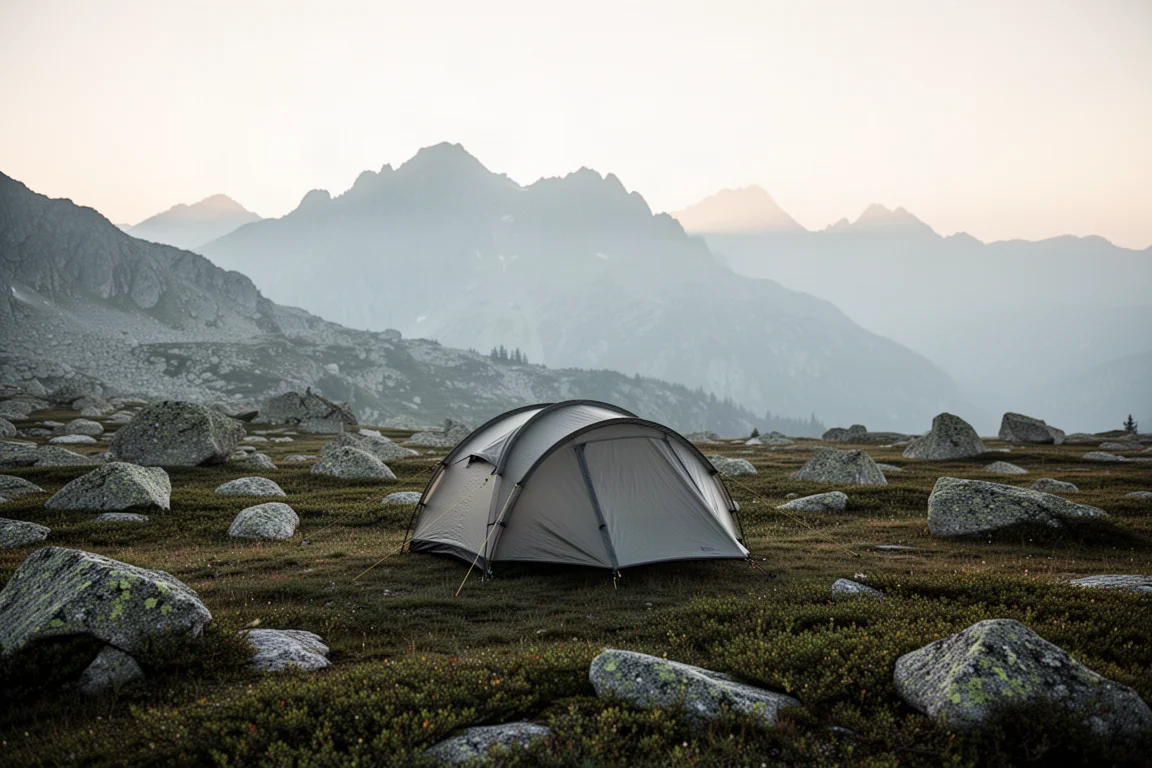
It also suits anyone who wants one strong shelter to cover more of the year. The Nammatj 2 remains a very sturdy tent after the conversion, so it can be taken to high elevations in summer, where airflow and ventilation are welcome but summer storms still demand a shelter that holds up.
It is not aimed at someone shopping for a lightweight summer tent. The mesh inner does not turn the Nammatj 2 into an ultralight three-season shelter. It makes an existing four-season tent usable in warm weather.
Main Strengths
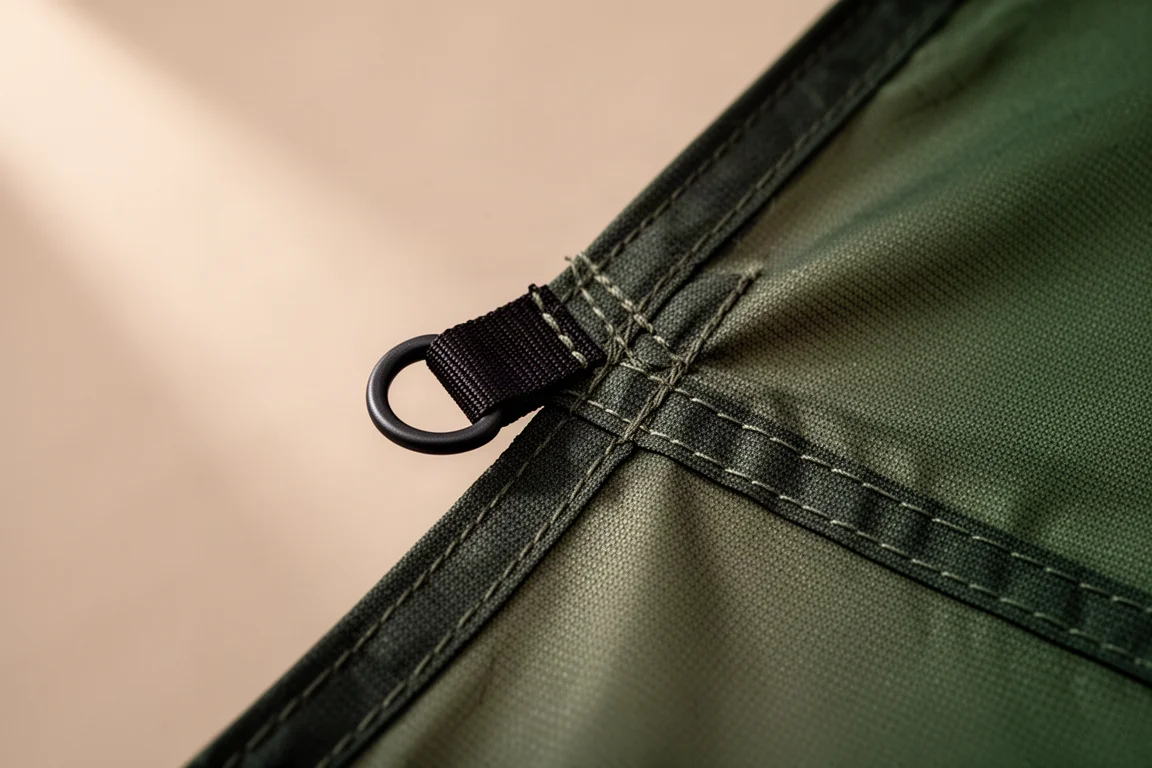
Build quality is the first thing that stands out. The seam work and stitching are clean, with no loose threads, which is what you would expect at this price and reassuring to see on a part that has to attach precisely to the tent.
Installation is genuinely easy. Toggle attachment points make the swap straightforward, and there is nothing in the process likely to trip up a first attempt.
The performance change is the real story. With the fabric inner in place, the tent interior feels still and enclosed, with almost no air movement. With the mesh inner fitted, air moves through the tent in a way you can feel immediately. In warm weather that difference is not subtle.
Weight is another point in its favour. At 2 lb 2 oz it is lighter than the fabric inner, so the summer configuration of the tent is also the lighter one.
Things to Consider Before Buying
Price is the obvious consideration. The mesh inner costs $285, which is a lot for what is, physically, a mesh tent body with hardware. That pricing is consistent with Hilleberg’s wider range, where materials and construction carry a premium, and the mesh inner is built to the same standard as the tents themselves.
Availability is the second consideration, and it can be the harder one. Hilleberg has been prioritising complete tents over inners, so mesh inners can be very difficult to find. Anyone who needs one for an upcoming season should start looking early rather than assuming stock will be there when they want it.
The third consideration is expectation. A mesh inner improves airflow, but it does not make a tent cool in direct sun. Any tent sitting in the open on a hot day will heat up. What the mesh inner changes is that the heat is no longer trapped and the air is no longer still, so the interior becomes workable rather than unbearable.
Finally, the no-inner option is worth weighing honestly. Camping without an inner is possible and costs nothing, but it leaves the sleeping area without bug protection and without a barrier against anything that might get inside. For most people, that trade-off is the reason the mesh inner exists.
How It Performs in Warm Weather
In practice, the mesh inner does what it claims. With it fitted, air flows through the tent and the interior stops feeling like a sealed box. In warm, sunny conditions the tent is still warm, because sunlight on the fly will always raise the temperature inside, but the difference between a fabric inner and a mesh inner is easy to feel the moment you climb in.
That makes the Nammatj 2 far more versatile. It stays a winter shelter for cold, snowy and windy trips, and with the mesh inner fitted it becomes a strong summer tent for high-elevation camps where storms remain a real possibility. Very few tents cover both ends of that range, and the mesh inner is what allows this one to do it.
Buying Advice
If you own a Nammatj 2 or Nammatj 2 GT and you want to use it in the warmer months, the mesh inner is the sensible answer. The alternatives are an overheated tent or no inner at all, and neither is a good summer solution. In that situation the purchase is straightforward despite the price.
If you do not already own a Nammatj 2, this accessory is not a reason to buy one. The mesh inner only makes sense as part of an existing four-season setup, where it extends the usefulness of a tent you have already invested in. Checking availability before committing to a summer trip is worth the effort, because stock is limited and inners are produced in far smaller numbers than the tents they fit.
Conclusion
The Hilleberg Mesh Inner for the Nammatj 2 is a niche accessory with a clear purpose: it converts a four-season tent into something you can genuinely use in warm weather. The build quality matches the tent it fits, installation takes minutes, and the airflow difference is immediate. It is expensive and hard to find, and it will not make a sunlit tent cool, but for Nammatj 2 owners who want one shelter to work across more of the year, it is the part that makes that possible.
Product link
View more details for Hilleberg Mesh Inner for Nammatj 2
This product is mentioned in the review. Check the specifications, options, and compatibility before buying.
View more details for Hilleberg Mesh Inner for Nammatj 2Further reading
Related Reviews
Camping Gear
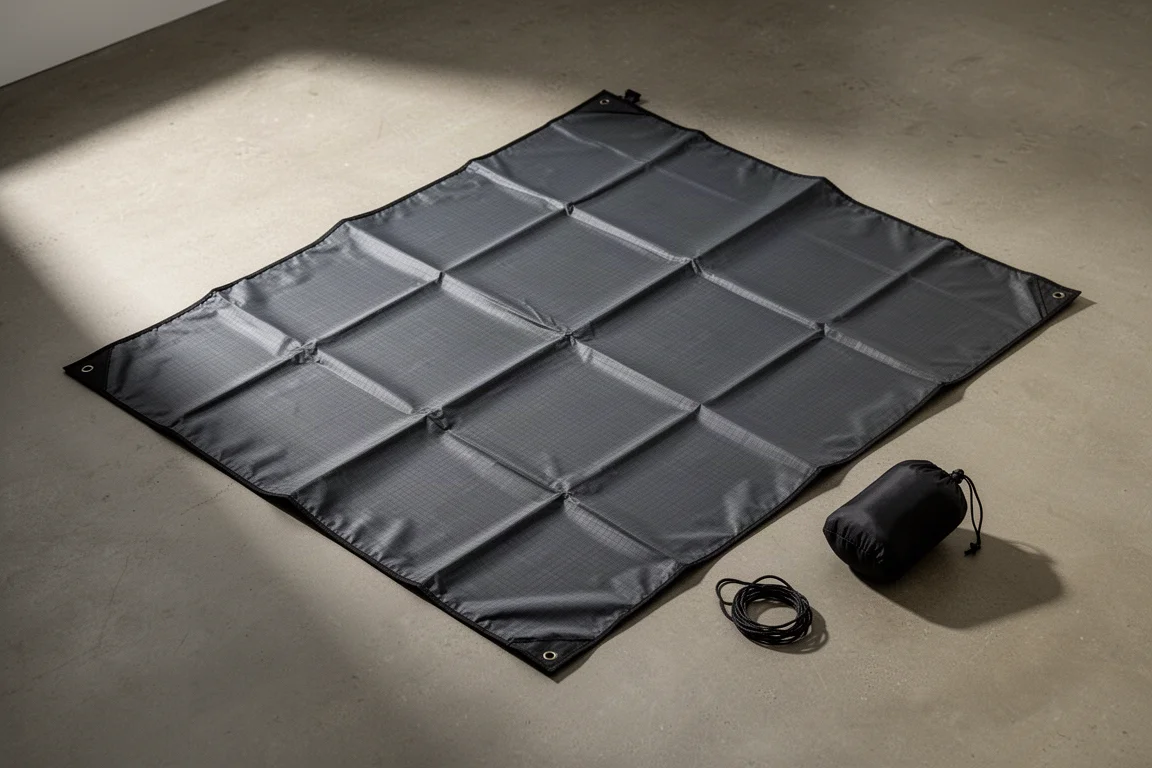
3FUL Ultralight Ground Sheet Review: A Two-Person Footprint Worth Packing
A 6.7 oz two-person ground sheet in ripstop silnylon, priced around $30. Here is what it protects, what it does not do, and who should pack it.
Camping Gear
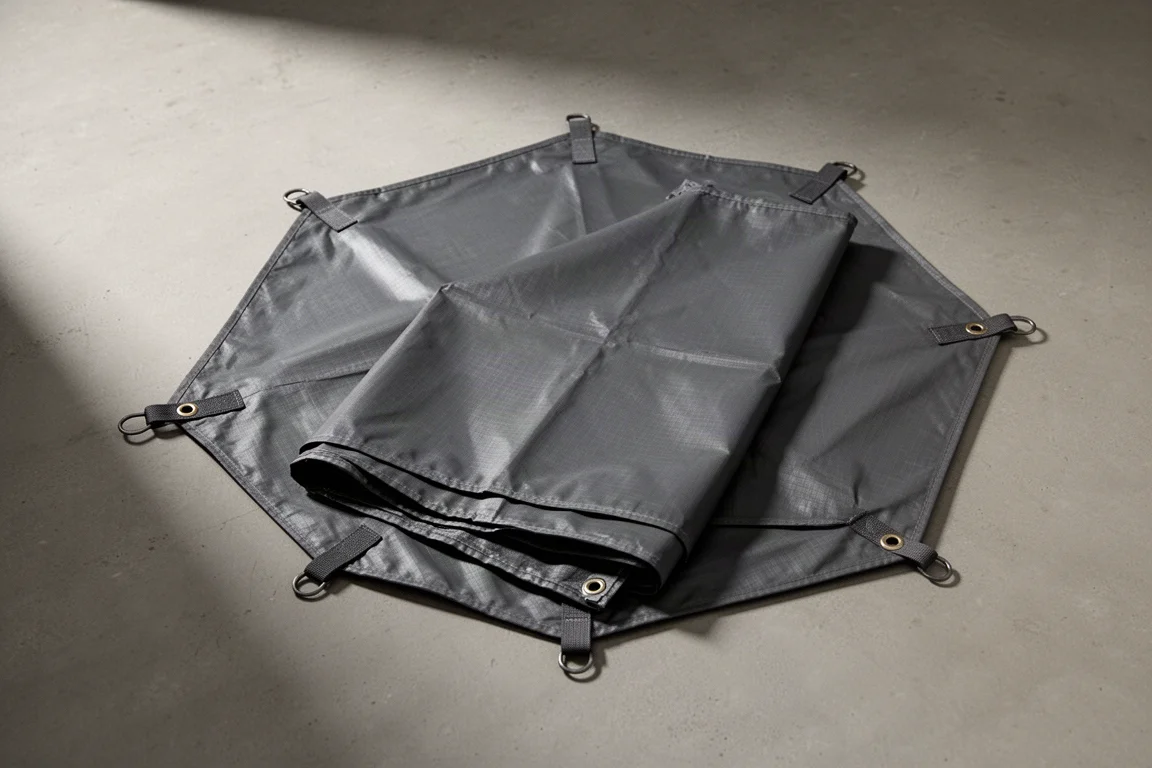
Backcountry Light Dual-Function Tarp and Floor Review: A Footprint First
A dual-purpose tent floor and tarp that keeps falling rain off you, but cannot block wind. Here is where it works and where it does not.
Camping Gear
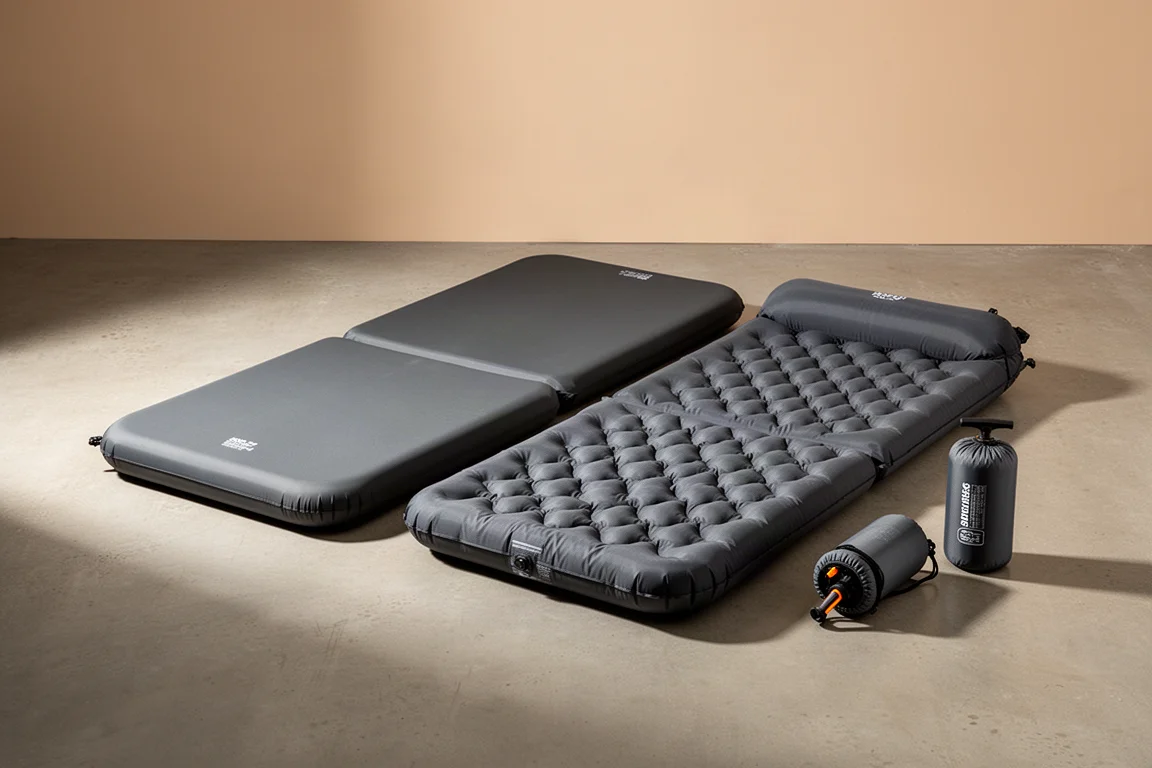
Best 2-Person Camping Mattresses for Couples: 10 Options Compared
A practical comparison of ten two-person camping mattresses, covering self-inflating pads, air pads and air mattresses for couples.