Tents
Hilleberg Akto Review: A Four-Season Tunnel Tent Built for Hard Weather
A practical look at the Hilleberg Akto, a 1.3 kg four-season tunnel tent with a large porch, full-height sitting space, and a clear winter focus.
Introduction
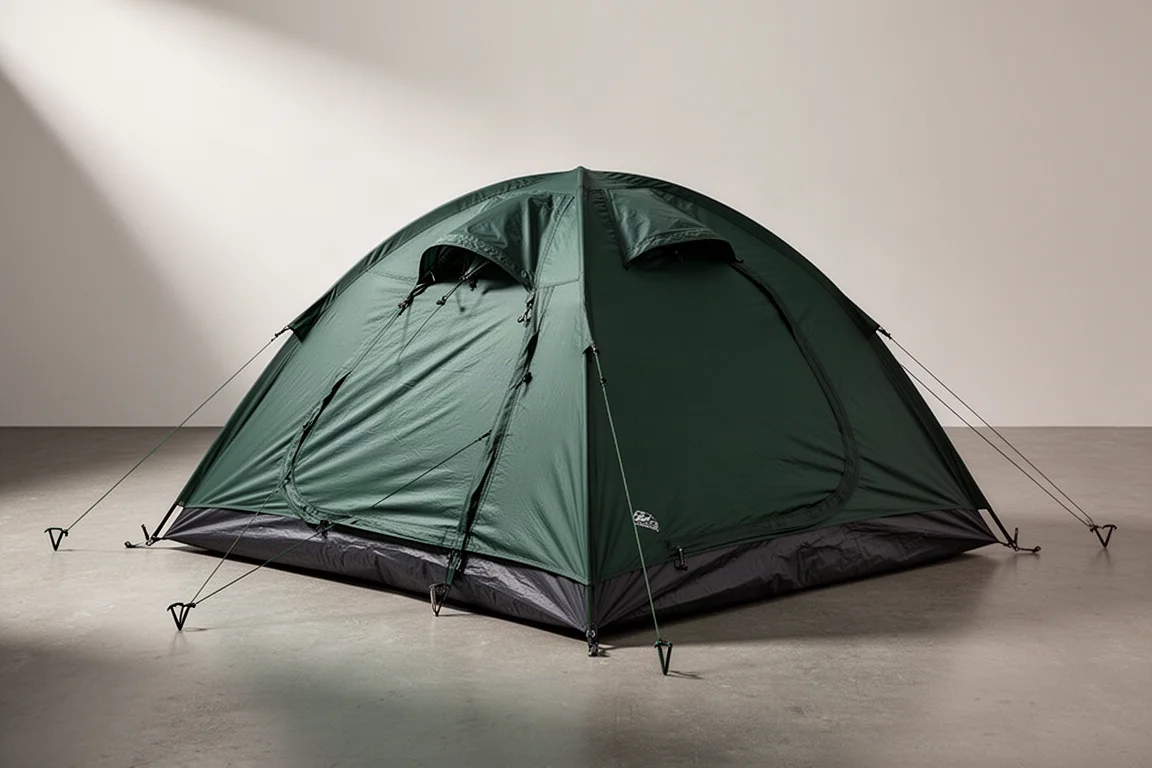
The Hilleberg Akto has been part of the four-season backpacking landscape for more than two decades, and it is still one of the tents that comes up first when the conversation turns to hard weather. It is a tunnel design with a single entrance, a fly sheet that reaches all the way to the ground, and a weight of 1.3 kg. It is also a serious purchase at around £680, so the useful question is not whether it is well made. The useful question is whether your trips actually match what this tent was built for.
Who the Hilleberg Akto Is For
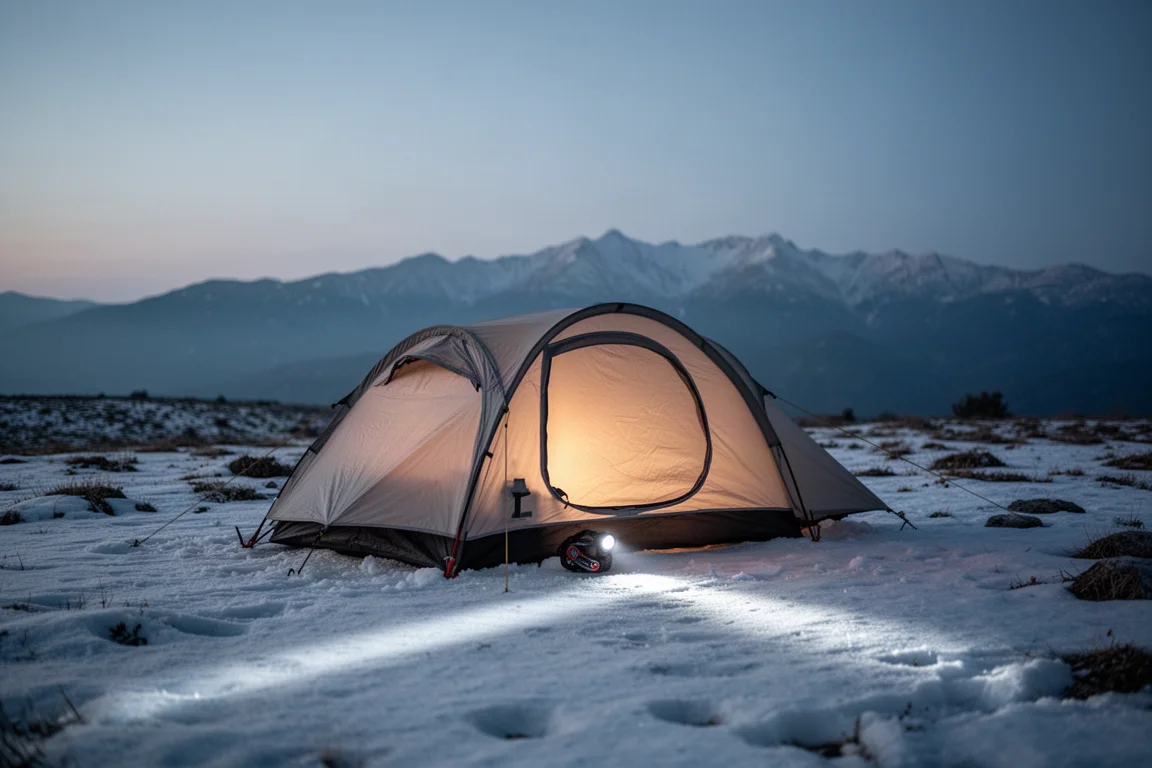
The Akto is a winter tent first. It suits solo backpackers heading out in snow, mountaineers who want a shelter that stays put when the weather turns, and winter trekkers who value a solid structure over saving the last few grams. It can carry a full backpacking season as a main shelter, but its clearest strengths show up when conditions are genuinely rough.
It is also a comfortable tent for one person rather than a cramped one. At 5 ft 7 in you can sit up straight inside, which makes long evenings in bad weather far more bearable, and there is usable space at the head and foot of a sleeping mat rather than a tight cocoon.
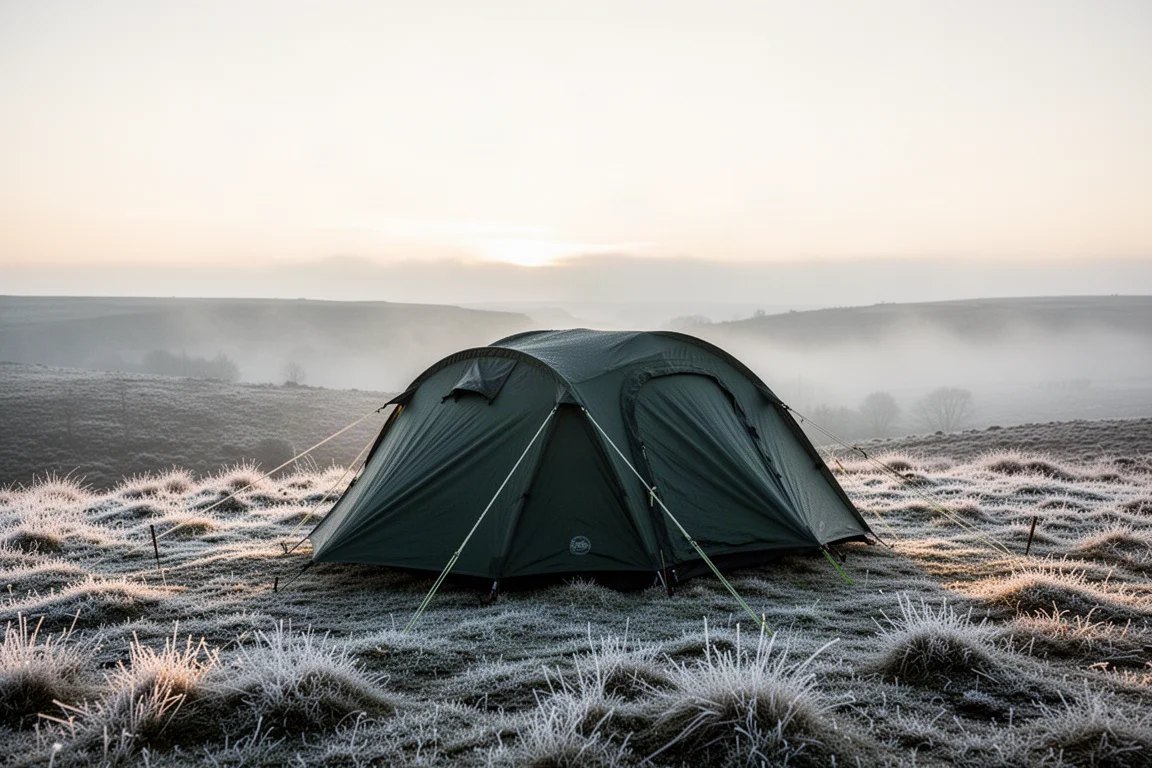
Where it makes less sense is fair-weather camping. If most of your nights are warm and dry, a lighter three-season shelter will usually serve you better, and the Akto’s extra structure and fabric weight are simply not needed.
Design and Pitching
The Akto is a tunnel design, which is a large part of why it manages such a good space-to-weight ratio. It is not self-standing, so it relies on guy lines and solid pegging points, but the basic pitch is refreshingly simple: four pegs are enough to get the whole shelter standing. The inner and outer can be pitched together, or separated, with the outer used alone as a shell.
The connection between inner and outer is a straightforward toggle system. A plastic loop and toggle sit together with elastic between them, running all the way around, with two attachment points at each end. That matters in practice. Taking the inner down first on a wet morning keeps it dry even when the outer is soaked, so the tent packs away without a damp inner.
The poles are 9 mm DAC Featherlite sections in a gold finish, which makes them easy to identify against other tents’ hardware. A pole repair kit is included, with a spare pole section and a sleeve. Pole failure is rare, but poles can bend and become vulnerable, so carrying the repair kit is sensible insurance on a long winter trip. The pole sleeve runs forward and terminates in a substantial leather patch that holds the pole securely and keeps it out of the weather.
There are ten DAC V-shaped pegs, lightweight and finished to match the poles. The V profile resists pull-out in soft or windy ground, and they are the kind of pegs you stop thinking about because they simply hold.
Weather Protection and Ventilation
The outer fly sheet is made from Kerlon 1200, and the ground sheet uses a thick denier weave that resists snagging and tearing on sharp or spiky ground. The fly sheet comes all the way down to the ground, which is exactly what you want when snow is drifting against the side of the tent.
Hilleberg’s rain sleeve design is one of the Akto’s best details. The top of the entrance can be opened for ventilation without letting rain or snow in, because a protective sleeve covers the opening. The main zip is covered by the same kind of plasticky rain cover, so driving rain does not find its way in through the closure. The zips themselves are large and glove compatible, which sounds minor until you are wearing bulky gloves with numb fingers.
Vents sit at both ends of the tent, tucked under the logo, and can be opened to keep air moving. Because this is such a solid four-season shelter with the fly sheet sealed to the ground, that airflow is not a luxury, it is the thing that keeps the interior liveable. The guy lines are thick, strong, and finished with crocodile clips, and the attachment points on the tent are stitched and reinforced so they are unlikely to be damaged in a storm.
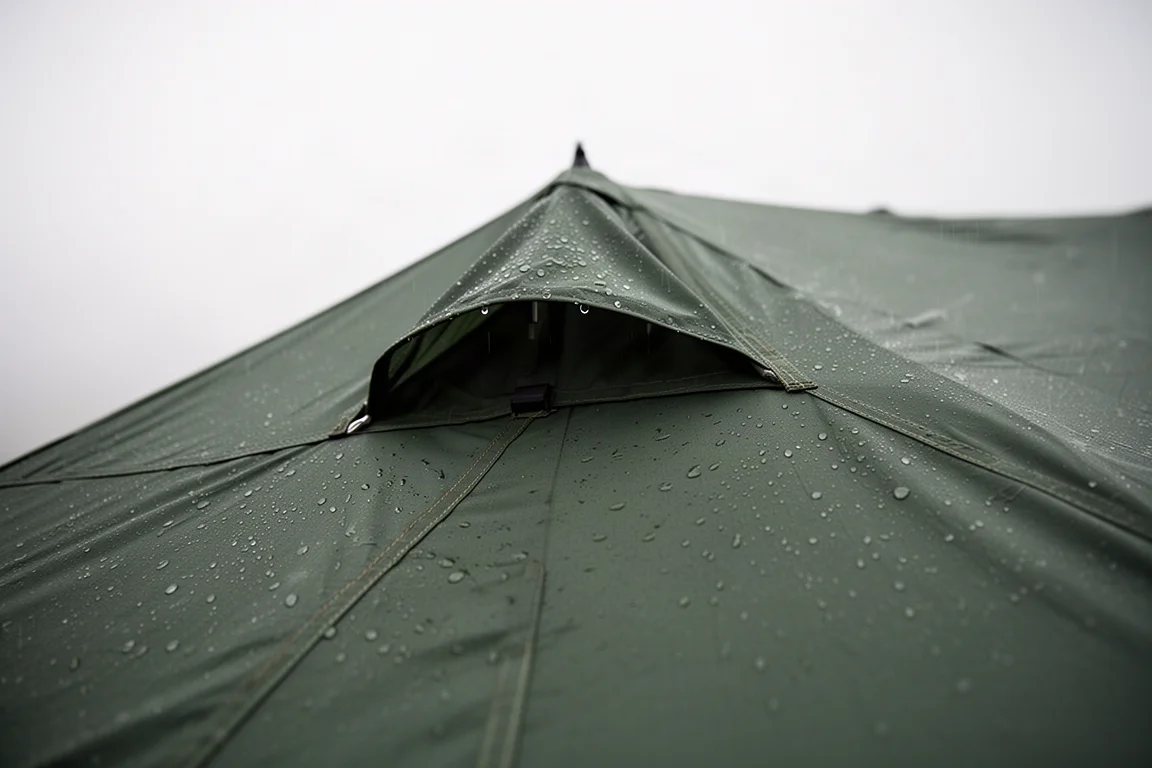
Pulling the outer tight and pegging it out properly makes a visible difference to how the tent sits in wind. Pitched loosely, the outer door can hang into the inner door, so it is worth taking the extra minute to tension everything.
Living Space and Interior Details
The porch is genuinely large for a solo tent. A rucksack, waterproof layers and a stove can all sit in there with room to spare, and a pair of boots is no problem at all. That is the difference between managing wet gear calmly and wrestling with it inside your sleeping space.
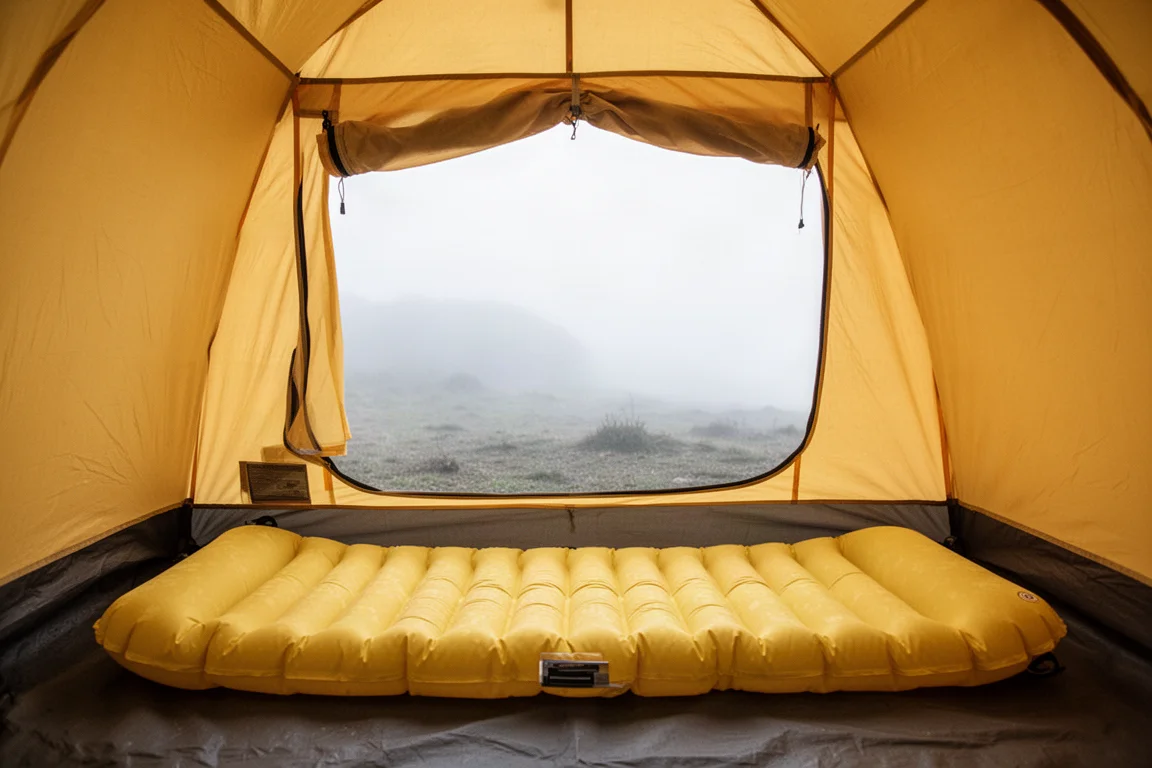
The inner is a warm yellow, which brightens the interior considerably on a cold, grey day. The inner door unzips almost the full length of the tent and rolls back with a simple toggle and elastic, opening up a very wide view. On a clear morning it turns a small tent into somewhere you actually want to sit.
Interior storage is deliberately minimal: a single pocket at one end, and no vents in the inner itself, since ventilation is handled by the outer. With a wide sleeping mat in place there is still clear space at the head and at the foot, enough to compartmentalise camera gear, clothes or a small bag. Two people can fit in an emergency, though it is snug rather than comfortable.
Things to Consider Before Buying
The Akto is not self-standing, so it needs ground you can peg into and enough guy line points to hold it steady. On rock, hard-packed ground or a platform, that becomes a real limitation.
At 1.3 kg it is not the lightest solo tent you can carry. That weight buys four-season structure, stronger fabrics and a more durable build, so it is a fair trade rather than a flaw, but it is still weight you notice on a long approach.
Condensation is the main practical annoyance. Outside winter conditions the tent can build up heavy moisture, and although it vents reasonably well, gear ends up damp and the tent needs drying afterwards even when the weather itself was dry. This is a shelter that rewards being used in the conditions it was designed for.
Finally, the price. Around £680 puts the Akto firmly in premium territory, and it is worth trying one before committing if you can, so you know the tunnel layout and the interior height suit the way you camp.
Long-Term Ownership and Value
The Akto has been sold for well over twenty years, and it carries an award-winning reputation built on that longevity. Look after it and it should serve you for the rest of your camping life, which changes the maths on the asking price considerably.
Colour choice matters more than it first appears. The dark green is excellent for low-profile stealth camping, while red stands out better in snow and can be useful for a mountaineering group, and sand sits somewhere between the two.
There is also a healthy second-hand market. Plenty of Aktos come up for sale because buyers are drawn in by the price tag and the reputation, then never use the tent in the environments it was designed for. A well-kept example, whether new, second hand or third hand, is still a good tent, and it will see you through winter seasons just the same.
Buying Advice
Before buying, ask yourself three questions: why you want this tent, where you will use it, and when. If the honest answer is winter mountains, winter trekking and cold-weather backpacking, the Akto makes a great deal of sense and the cost is easier to justify. If the answer is summer weekends and campsites, a lighter three-season tent will be cheaper and more pleasant.
If you decide it is the right shelter, buy with confidence and treat it well. Keep the pole repair kit with you, dry the tent properly after every trip, and it will keep doing its job for years.
Second-hand is a genuinely sensible route here, particularly if you want to confirm the layout works for you before spending full price on a new one.
Conclusion
The Hilleberg Akto is a specialist, and it is honest about that. It is not the lightest, not the cheapest, and not self-standing, but for solo winter camping and mountaineering it offers a rare combination of weather protection, interior space and long-term durability. Match it to the conditions it was built for and it will look after you for a very long time.
Product link
View more details for Hilleberg Akto
This product is mentioned in the review. Check the specifications, options, and compatibility before buying.
View more details for Hilleberg AktoFurther reading
Related Reviews
Tents
Black Dog Instant Setup 5 to 8 Person Tent Review: Fast Pitch, Serious Weather Problems
A quick-pitching Black Dog tent that goes up in seconds, but wet-weather testing revealed seam leaks, an overstated capacity claim, and awkward doors.
Tents
Lightfighter Dragoon Review: An Eight-Person Four-Season Military Shelter
The Lightfighter Dragoon is a 57-pound, eight-person expedition tent built for extreme weather. Here is what its materials, size, and setup demands mean for real buyers.
Tents
Lone Rider Motorcycle Tent Review: A Big Shelter That Stays Dry
A double-wall motorcycle tent with two large awnings, two entry points, and enough interior height to stand up, plus the pack size trade-off to weigh first.