Backpacking Tents
Hill Zero Matis Review: A Spacious Two-Person Trekking Pole Tent
A close look at the Hill Zero Matis, a single-wall trekking pole tent with generous interior space, a low price point, and a few pitching quirks worth knowing about.
Introduction
The Hill Zero Matis is a two-person, single-wall trekking pole tent built from 20D sil/PU coated ripstop nylon. That fabric choice is the main reason the tent lands at a much lower price than shelters made from premium materials, and it is also the reason the Matis weighs a little more than the very lightest options on the market.
It comes in at $219 on Amazon, or $260 when bought directly from the brand’s website. On the scale, the full kit weighs just over 44 oz, and that figure includes the tent body, the 14 carbon fiber stakes that ship with it, and the two carbon fiber end struts that do much of the work in this design.
Hill Zero Matis: Design and Construction
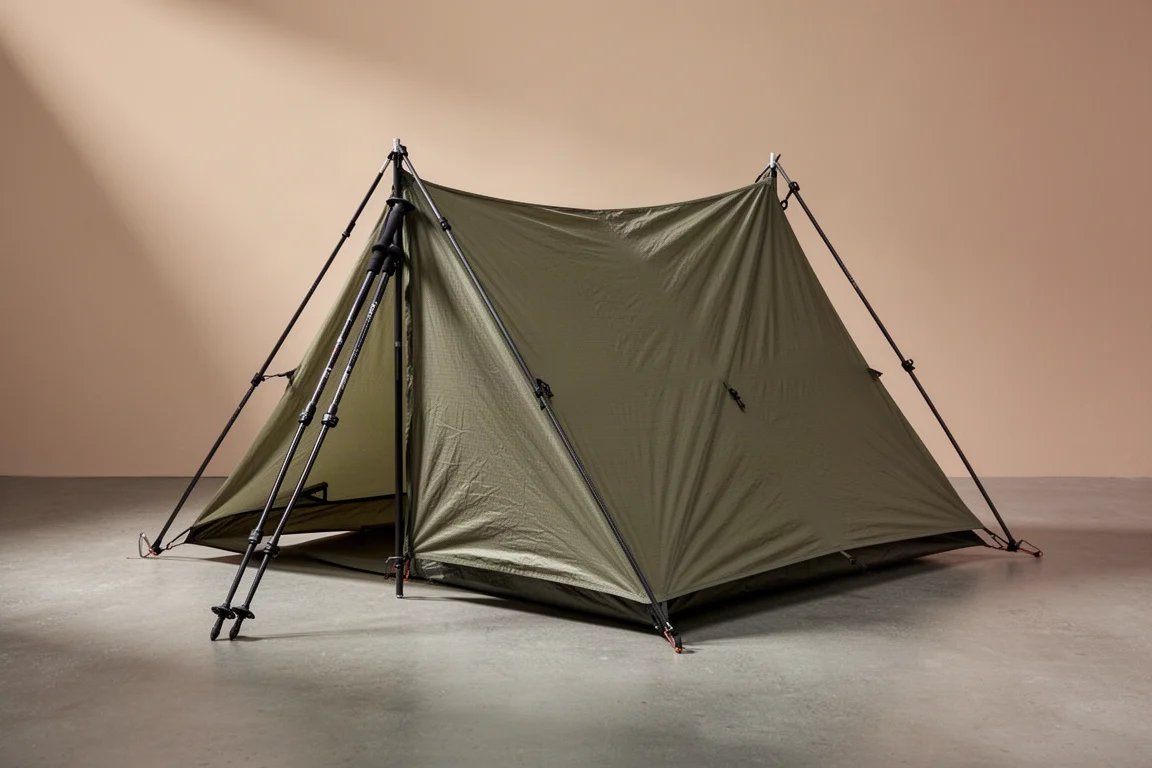
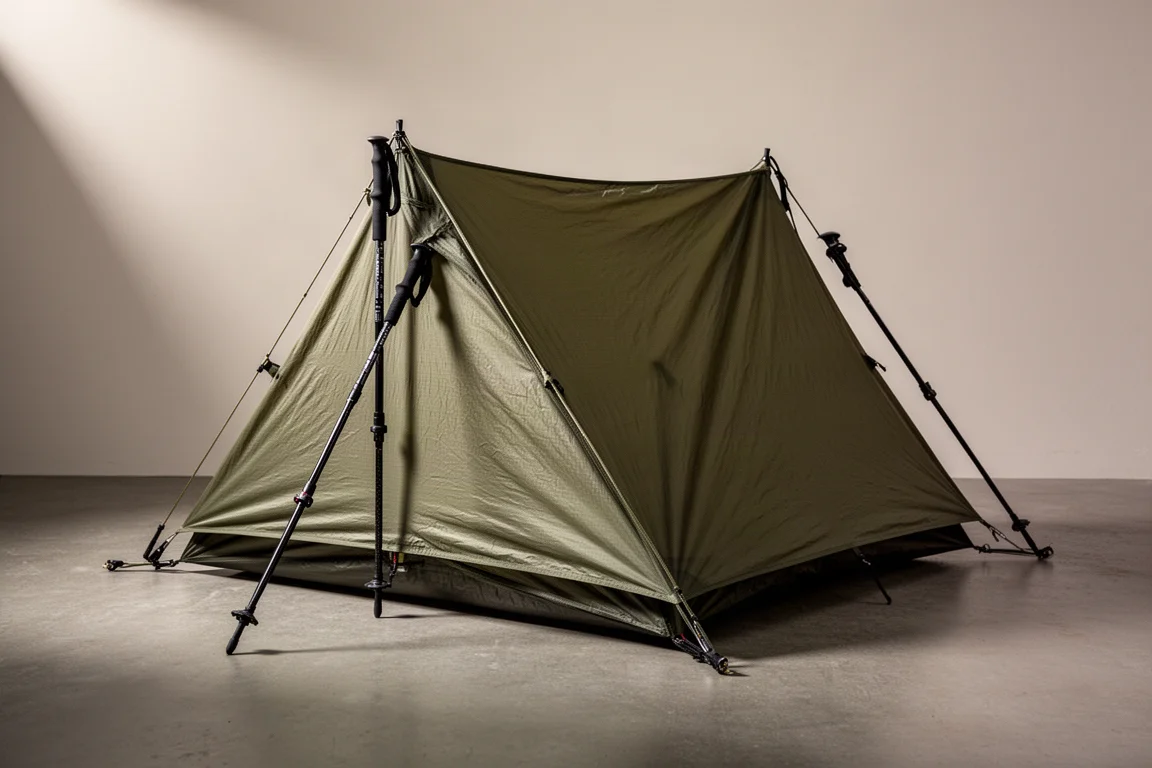
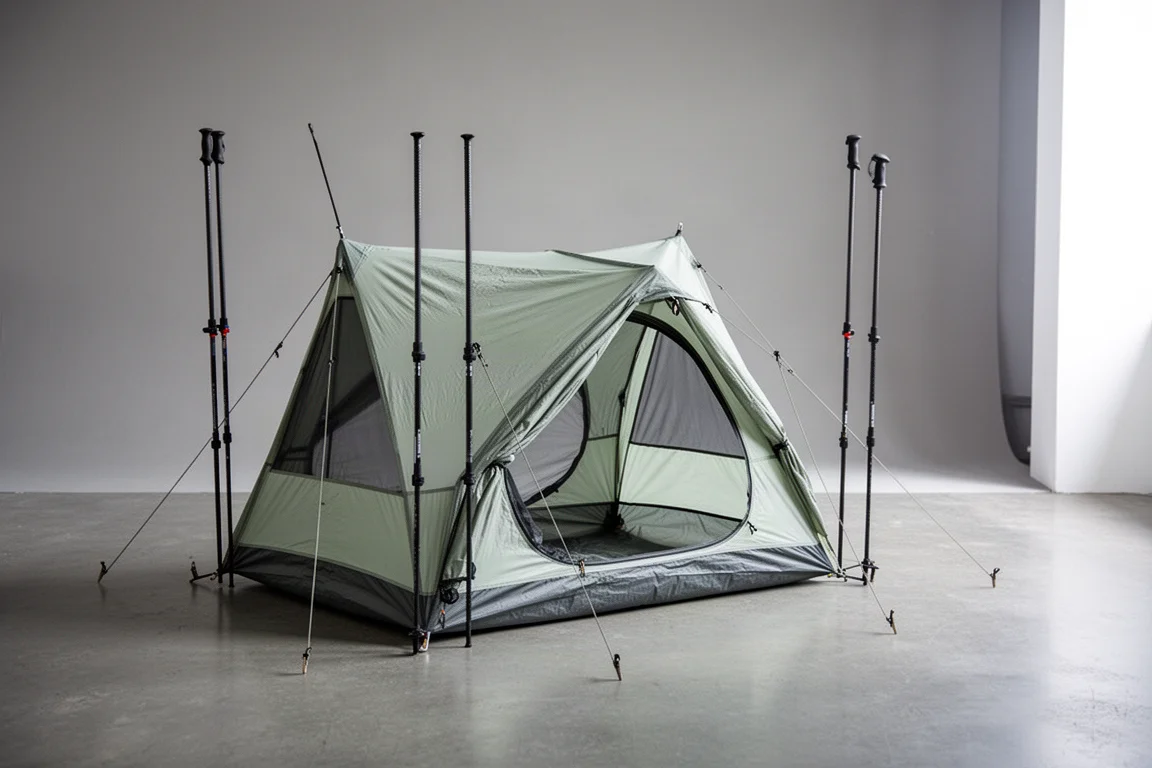
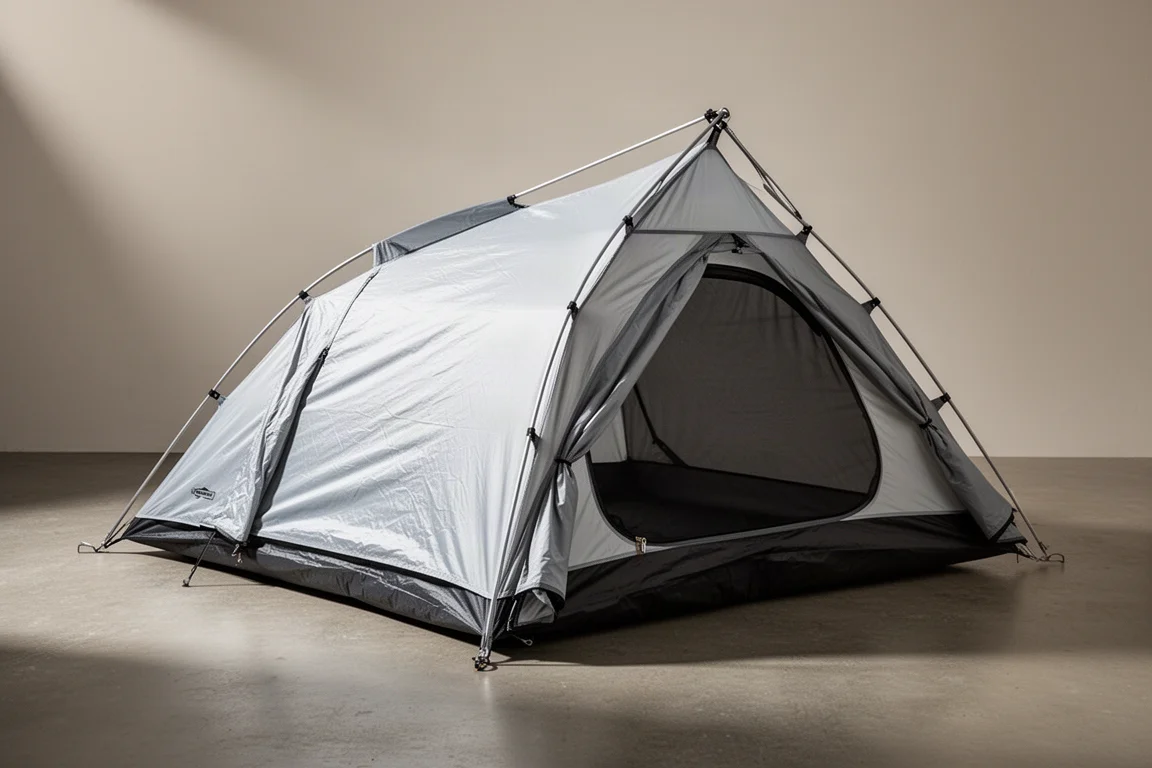
The Matis is a single-wall shelter with a trekking pole at each end and a carbon fiber strut at the head and foot. Each strut measures 13 in and lifts the end of the canopy, which is what gives the tent its unusually generous internal volume for its footprint.
The struts are not vertical. They lean outward so the canopy overhangs the sleeping area, and that angle does two useful things: it increases the usable space above the head and feet, and it lets water shed off the ends instead of running straight down them. The strut also anchors a mesh vent panel, and the panel itself can be tensioned from the outside.
Peak height is listed at 49 in, though measured height came in at 46 in with the poles set to 125 cm, which was the setting that produced the best pitch. The floor measures 82.6 in long and 47 in wide. Because of the overhang, the usable length at roughly 12 in above the floor, the height where a sleeping bag and feet sit, measured 99 in from vent zipper to vent zipper.
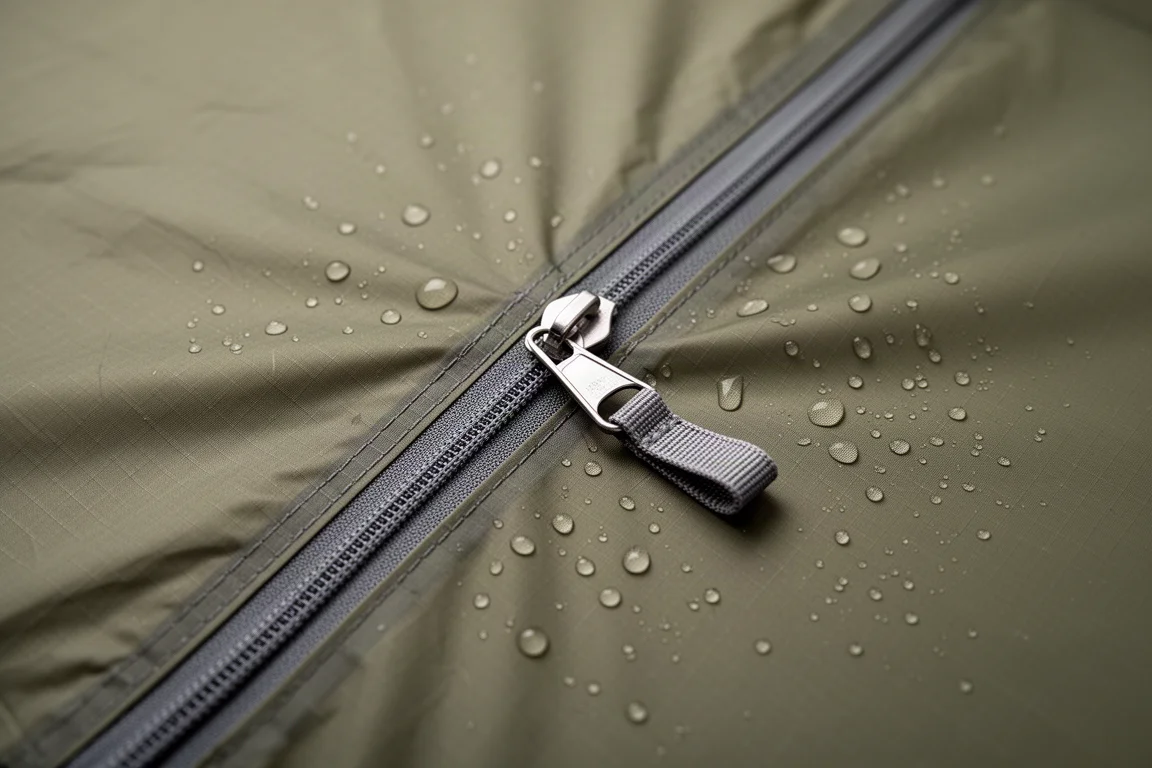
Two doors and two vestibules are part of the package, and the doors use YKK zippers with a center pull that splits to both sides. Every seam in the tent is taped, down to the small toggles.
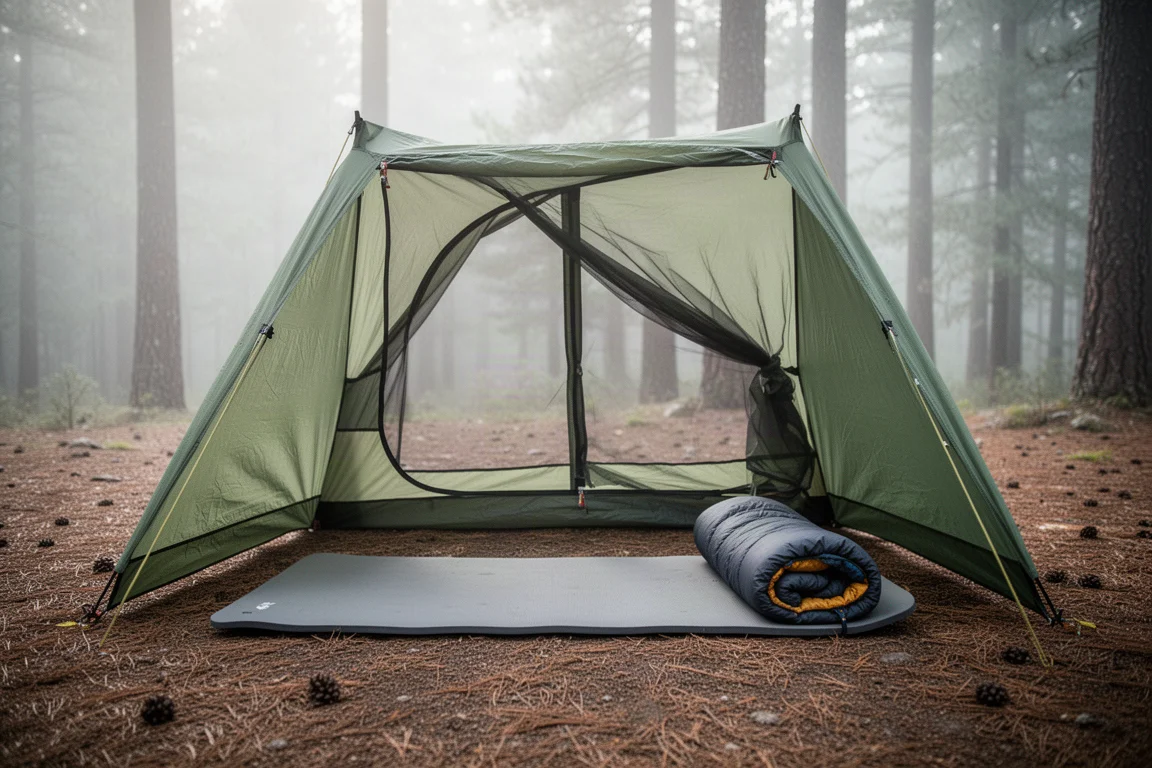
That level of seam taping matters more than it might seem on a nylon shelter. Nylon absorbs some water and stretches when it gets wet, and the Matis has been designed with that in mind: the tensioning points and the additional seams along the ends let the canopy be pulled tighter after rain, which keeps the panels from flapping the way a single large untensioned panel would.
Interior Space and Livability
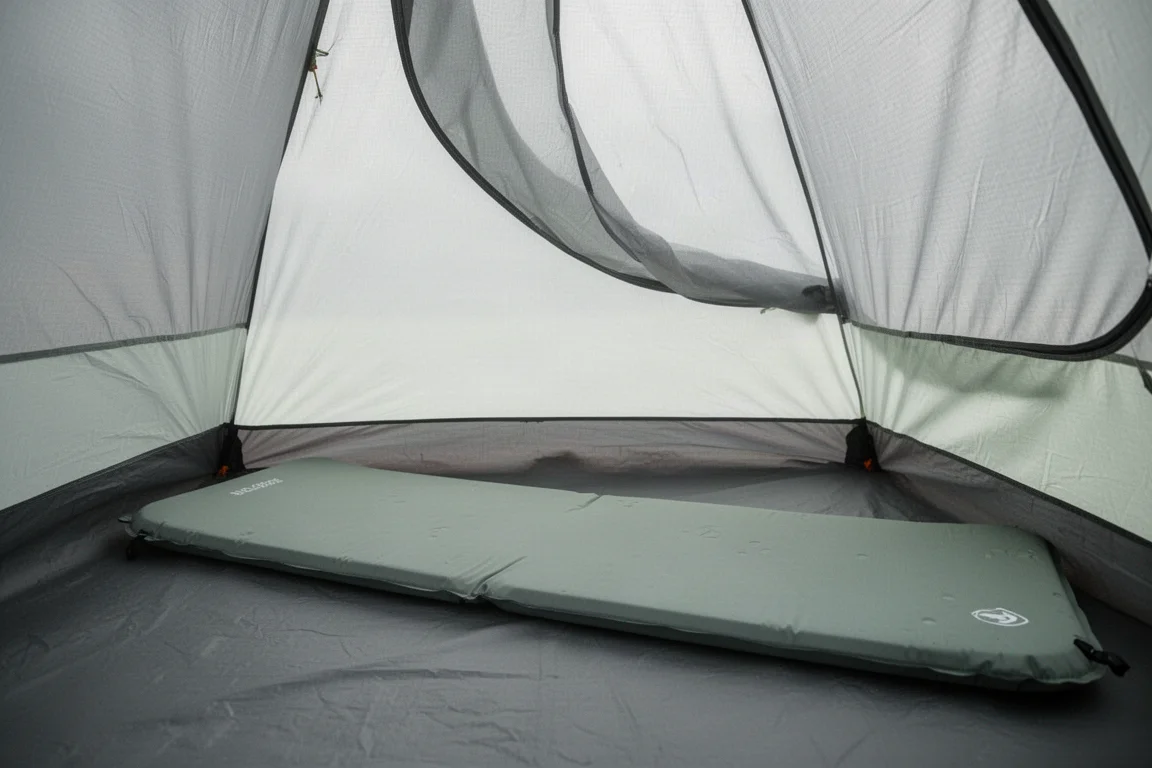
Inside, the Matis is genuinely roomy for a tent of this weight. A 26 in wide pad and 79.5 in of length fit with space to spare, and the vertical side walls and lifted ends make the interior feel three-dimensional rather than tapered.
As a solo shelter, it is close to luxurious. There is enough headroom above the face that a rain-soaked panel is not resting on a sleeping bag, and enough room to sit up without brushing condensation. With two people it still works. Two 20 in wide pads fit comfortably, and two sleepers can lie side by side, but the 47 in width will not accommodate two 25 in wide rectangular pads, and elbow room between two adults is limited.
Four internal pockets are sewn above the floor level rather than sitting on it, which keeps small items off the ground and within reach of a sleeping pad. Zippered panels at the head and foot ends close off the vents when splashback from heavy rain becomes a concern.
Weather Performance and Ventilation
Single-wall tents live or die by ventilation, and the Matis offers a lot of ways to move air. There are vents at the top of the canopy on both sides, each with an additional zipper pull that lets the vestibule door be rolled down further for more airflow at the peak. The mesh on both doors can be rolled back completely, which also makes getting in and out far easier than a single D-shaped or L-shaped opening would.
When rain arrives, the wet nylon will stretch, and the tent’s structure helps here as well. Because the end panels can be tensioned and the struts hold the canopy shape, the shelter stays comparatively taut and stable in wind and rain instead of turning into a large flapping surface.
Condensation is still the trade-off of a single-wall design, and the Matis manages it rather than eliminating it. Opening the peak vents, rolling back the door mesh, and pitching with airflow in mind make a real difference on humid nights.
Setup and Pitching Notes
The Matis needs eight stakes for a tight pitch: four corners, the two vestibule ends, and the head and foot strut points. Two more can be added to pull the doors out and roll them back. Setting the trekking poles to 125 cm produced the best result, and staking the peak line keeps the ridge tensioned.
There is one irritation worth knowing about before buying. The trekking pole tip sits at the floor with nothing underneath it to hold it down, so the pole can be pulled upward while unzipping a door. It is not a deal breaker, but it does make one-handed entry and exit clumsier than it should be.
Hill Zero Matis vs Tarptent Dipole 1 DW
The closest point of comparison is the Tarptent Dipole 1 DW, and the two shelters share more design DNA than their specifications suggest. Both use a strut at the head and foot ends to raise the canopy and add volume.
The differences are structural. The Matis is a two-person single-wall tent, while the Dipole 1 DW is a single-person double-wall tent. The Dipole’s struts are 18 in tall and sit vertically, while the Matis uses 13 in struts with an outward overhang, so the two raise space in different ways. The Dipole’s floor is shaped like an hourglass or trapezoid, which lets it be pitched with only four stakes and means the head and foot ends do not need staking to hold tension. The Matis, by contrast, wants its eight stakes.
For anyone who wants a single-wall Tarptent, the option in that range is the Lithium, which uses Dyneema composite fabric and carries a significantly higher price. A Dipole 2 DW is also on the way.
None of these differences make the Matis a lesser shelter. It is a different answer to the same question, and for a solo backpacker who wants maximum living space at a low price, the extra stakes and the single-wall construction are reasonable things to accept.
Who Should Buy the Hill Zero Matis
This tent suits a solo backpacker who wants a genuinely spacious shelter without paying premium fabric prices. It also works for two people who are comfortable on 20 in wide pads, particularly couples who value having two doors and two vestibules.
It is a less natural fit for anyone who needs to accommodate two wide rectangular pads, for backpackers counting every ounce, or for anyone who would rather not deal with the condensation management that a single-wall tent requires.
Buying Advice and Considerations
The price gap between channels is worth noting. The Matis is $219 on Amazon and $260 direct from the brand, a difference that comes down to shipping and production volume rather than any difference in the tent itself.
It is also worth knowing who makes it. Hill Zero is based in China and operates as a cottage-style company rather than a mass production facility. The designs are independent and produced in house, with an in-house studio used for testing and for making changes based on user feedback, rather than white-label products carrying a new label.
Weight is the main compromise. Just over 44 oz for the full kit is heavier than some alternatives, largely because of the nylon fabric and the two struts. The struts buy a lot of interior volume in return, and the nylon keeps the price down, so the trade is a clear one. Buyers should also plan on carrying eight stakes and be prepared to manage condensation on humid nights.
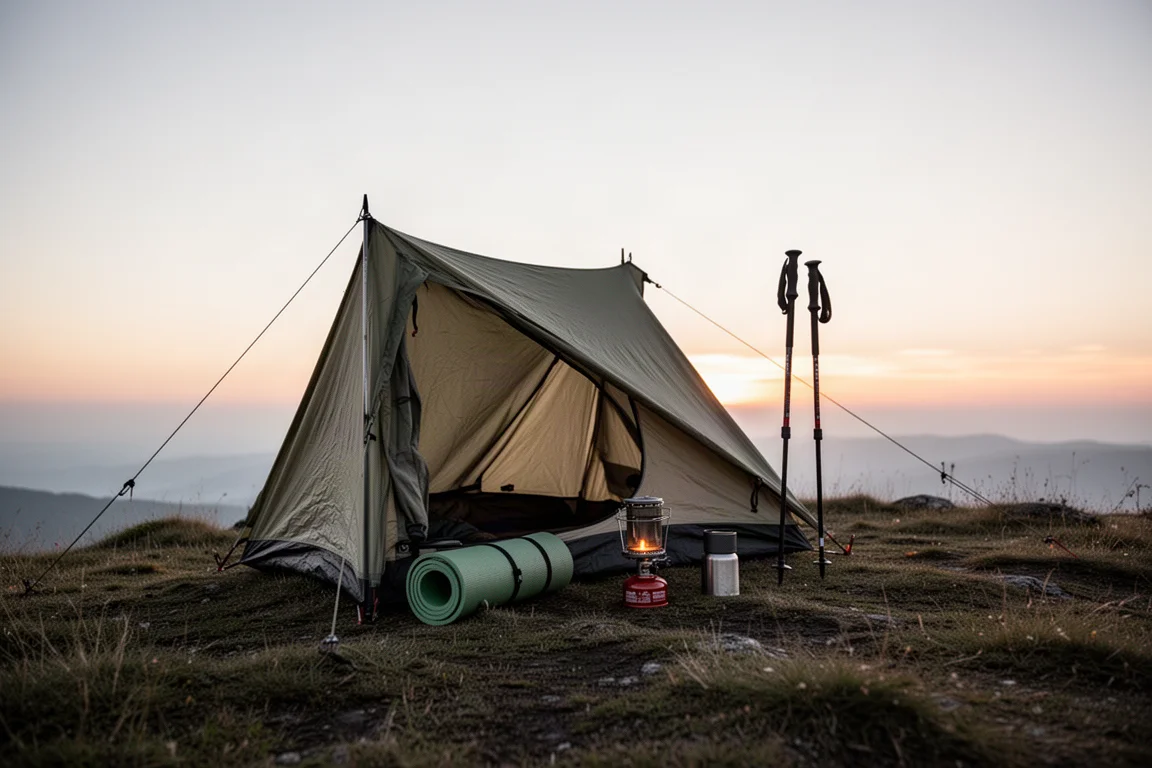
For the money, the Matis delivers a level of interior space that is hard to match in this price bracket, and the seam taping, YKK zippers, and well-placed pockets suggest the details were considered rather than added on.
Conclusion
The Hill Zero Matis turned out to be a more compelling shelter than its price suggests. It is roomy, well vented for a single-wall design, carefully finished, and priced well below tents using premium fabrics. The eight-stake pitch and the loose pole base are honest drawbacks, but neither changes the fact that this is a very livable tent for solo backpackers and a workable one for two.
Further reading
Related Reviews
Backpacking Tents
3F UL Lanchan Pro 1 Review: A 1 lb 8 oz Single-Wall Trekking Pole Tent
A practical look at the 3F UL Lanchan Pro 1, a single-wall trekking pole shelter with a 1 lb 8 oz weight, 20D silnylon fabrics, and a roomy 90 x 31 x 49 inch interior.
Backpacking Tents
3F UL Taiji 2-Person Tent: A Convertible Backpacking Shelter Worth a Closer Look
A practical look at the 3F UL Taiji two-person tent, covering its materials, true two-person interior, fly-first pitching, and the seasonal inner swap that lets one shelter cover more of the year.
Backpacking Tents
3FUL Lanshan Twoerson Pro Review: A Light Trekking Pole Shelter That Struggled in Rain
A two-person trekking pole shelter with a 2026 redesign, pitched with sticks and put through a night of steady rain. Here is what worked, what did not, and what to check before buying.