Backpacking Tents
Hill Zero Gear Scout One-Person Tent Review: A Livable Three-Season Shelter at $259
A close look at the Hill Zero Gear Scout one-person camo tent, including its freestanding structure, Nylon 66 fabric, roomy interior, and the trade-offs to weigh before buying.
Introduction
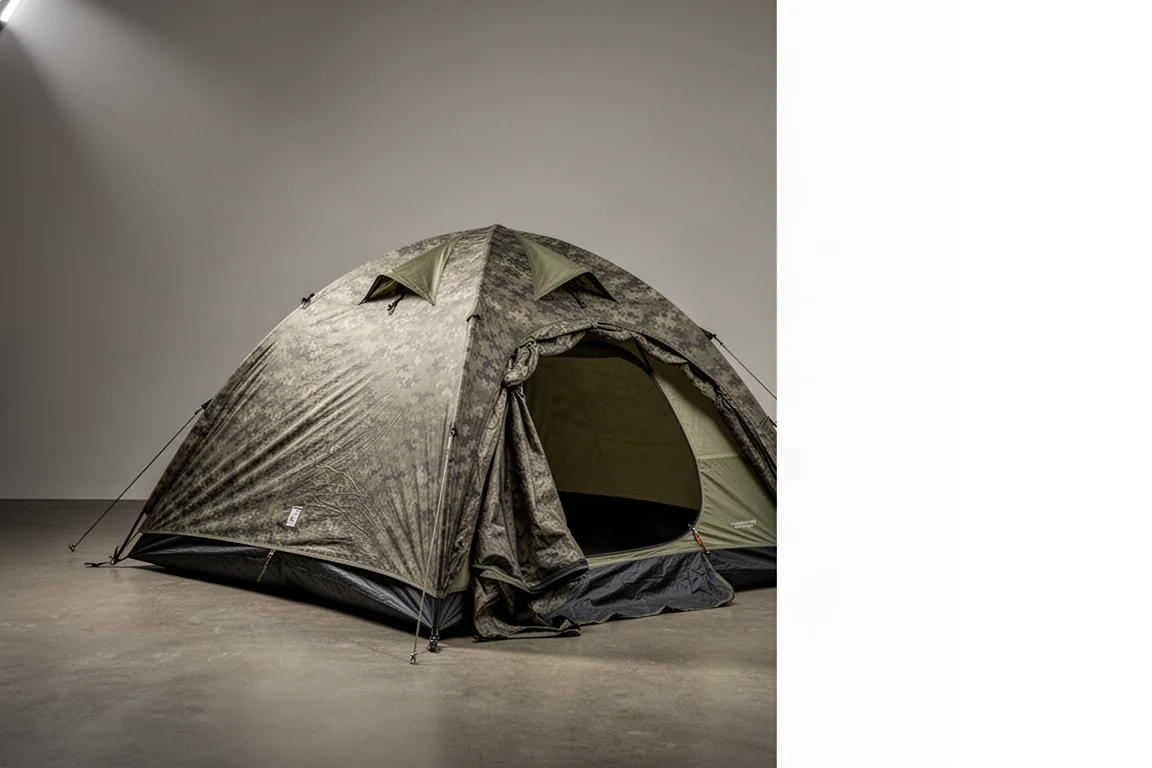
The Hill Zero Gear Scout one-person tent does not attempt to reinvent tent design. It takes the familiar freestanding dome that most backpackers already understand and refines it with stronger materials, a beefier pole structure, and an interior that is genuinely pleasant to spend time in. Two versions are available: a standard model that comes in under $200 for the one-person size, and the camo version covered here, which raises the price to $259 in US dollars in exchange for an upgraded fabric and a better pole set. A two-person version is also offered for anyone who wants the same approach with more floor area.
What makes the Scout interesting is how much of its performance comes from details rather than novelty. The result is a true three-season shelter that holds up in difficult weather while staying well below the price of comparable tents from established brands.
Who This Tent Is For
The Scout suits backpackers who want a real three-season shelter that can handle wind, sustained rain, and the possibility of snow load without moving into premium pricing. The camo fabric adds a stealthy appearance that blends into forest surroundings far better than the bright colors most tents use, which matters to anyone who prefers to keep a low profile at camp.

It is also a good fit for campers who would rather carry a little more weight in exchange for a more rigid, more confidence-inspiring structure. At 3.19 lbs the tent sits on the heavier side for a one-person shelter, but that weight is spent on stability rather than on excess features.
Anyone taller than six feet should compare the floor dimensions carefully before buying, because the Scout’s floor runs shorter than many competitors.
Main Strengths
The strengths of this tent cluster around three areas: weather performance, interior space, and ventilation. Each one is worth examining on its own.
Weather Performance and Structure
The fly and the body are made from a 20-denier ripstop Nylon 66 fabric with a silicone coating and a 2,000 mm hydrostatic head rating. Nylon 66 is a higher quality material than the nylon 6 found on many inexpensive tents: it is stronger, and it stretches far less when it gets wet. That last property is what keeps a shelter taut and aerodynamic through a long, wet night instead of sagging out of shape.
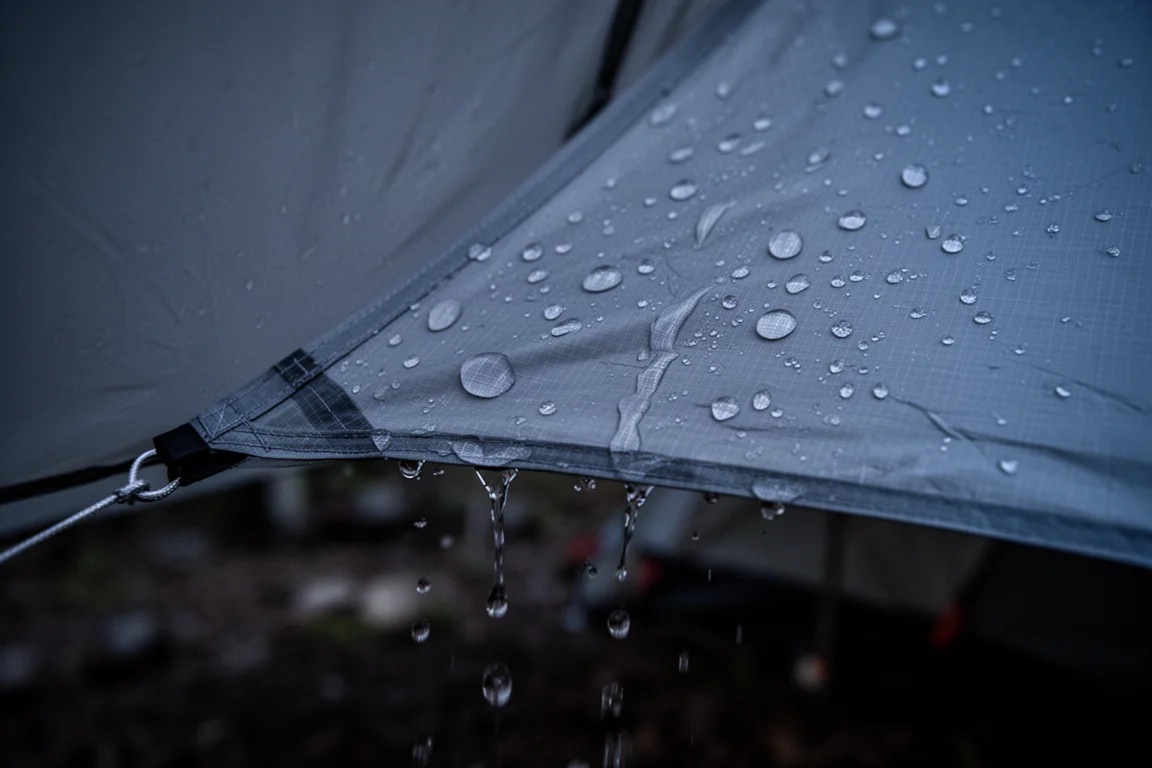
The frame uses an 8.6 mm pole structure, which is thicker than what you would usually see on a semi-freestanding design or on an ultralight-focused freestanding tent. Paired with the fully freestanding layout, that extra diameter produces a very rigid shelter that stays planted in strong wind. In intense rain, hail, and wind, the tent held its shape without needing to be guyed out.
Because the tent is fully freestanding, the stretch that nylon can exhibit is less of a practical concern: there are more points available to tension the shelter as conditions change.
Interior Space and Livability
Inside, the Scout measures roughly 85 inches long, 37 inches wide, and 41 inches at the peak, with a fully rectangular floor. That 37-inch width is the standout number. It leaves room to run a wide sleeping pad and still keep gear beside you inside the tent, so you are not forced to leave everything in the vestibule the way you often are in a one-person shelter.
Four interior pockets handle small items, and a loop at the top of the tent holds a headlamp or a lantern. The walls stay fairly vertical and the brow pole is wide, so sitting up and moving around feels natural rather than cramped.
Ventilation, Doors, and Vestibules
Two peak vents sit high on the rainfly, one at each end. Their position matters: they are not at the very apex, and they are not halfway down the side wall where vents often end up on freestanding tents. Air moves through the tent and out, which reduces condensation buildup overnight.
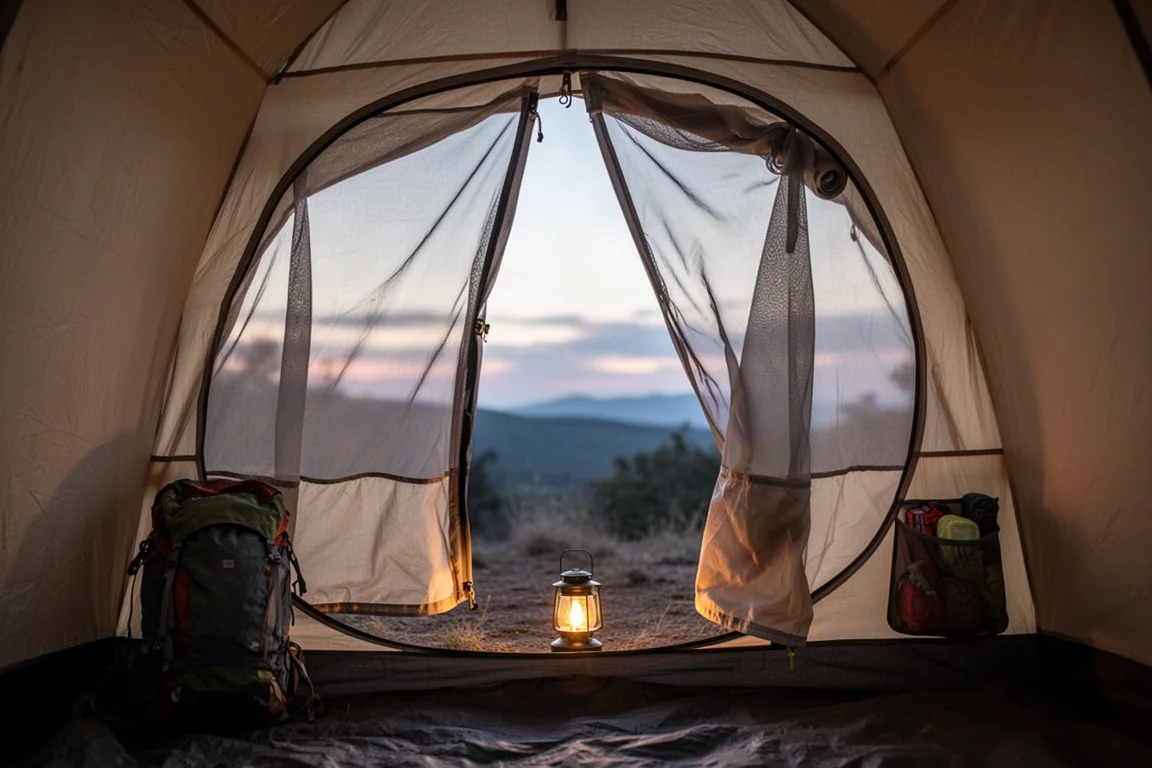
The tent also carries two doors and two vestibules despite being a one-person design, which doubles gear storage and entry options. Because the peak vents do the ventilation work, the vestibule zippers are not required to double as vents, so you can roll both doors back for a wide, open view and easy access without compromising airflow. The rainfly itself is a full coverage design that comes low to the ground, adding meaningful weather protection.
Things to Consider Before Buying
The most significant limitation is that the Scout cannot be pitched fly-first. The inner body has to go up before the rainfly is attached, which is a real drawback for anyone who regularly camps in wet climates and wants the fly already standing before the inner tent is exposed.
The 85-inch floor length is shorter than the 88 to 90 inches that is more typical, so taller buyers should treat this as a deciding factor. Weight is the other trade-off: 3.19 lbs is heavier than many one-person tents. Trimming weight would mean a thinner fly fabric and a lighter pole set, but that would also give up much of the stability that makes this tent work in bad weather.
One design preference worth noting: a higher bathtub floor, with more solid breathable fabric above the zipper, would help keep blown sand and dust out of the mesh. That matters most in desert and windy conditions, where fine grit finds its way through mesh panels.
Buying Advice
At $259 in US dollars for the camo version, the Scout sits well below the roughly $500 that comparable three-season tents from established brands often command. For that money you get a strong freestanding structure, high quality fabric, two doors, two vestibules, and a genuinely livable interior, which is a lot of tent for the category.
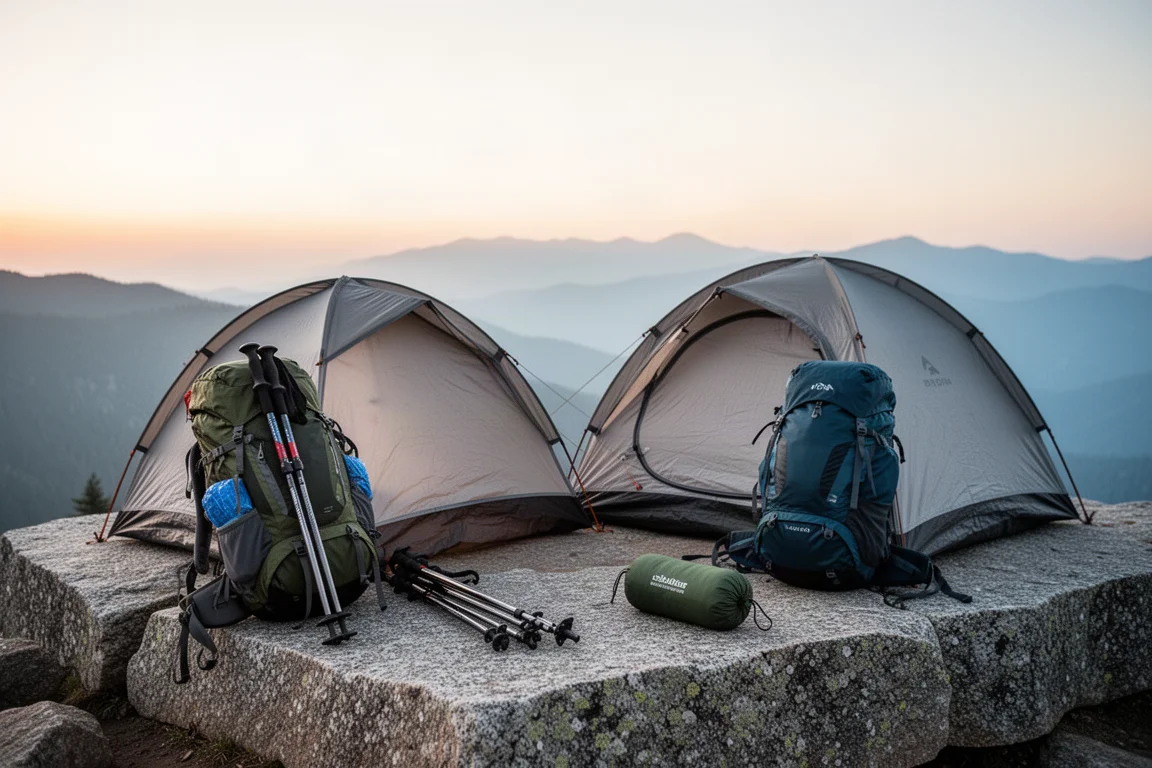
If budget is the priority, the standard version keeps the one-person price under $200 while accepting a more generic pole structure and a heavier nylon fabric. The camo version costs more but delivers the upgraded fabric, the better pole set, and stronger overall performance, along with the low-profile camo appearance.
Buyers who want more room for a partner or a dog can look at the two-person version of the same tent. For solo backpackers under six feet who want a stable three-season shelter without paying premium prices, the camo Scout is a straightforward choice.
Conclusion
The Hill Zero Gear Scout one-person tent earns its place by executing a familiar freestanding dome design with better materials and a sturdier frame than its price suggests. Its 37-inch-wide rectangular floor and dual doors make it unusually comfortable for a solo shelter, and its 20-denier Nylon 66 fabric and 8.6 mm poles give it the composure to handle serious weather. The lack of a fly-first pitch and the shorter floor length are the main reasons to look elsewhere, but for most solo backpackers under six feet tall, this is a well-judged three-season tent at a value price.
Product link
View more details for Hill Zero Gear Scout One-Person Camo Tent
This product is mentioned in the review. Check the specifications, options, and compatibility before buying.
View more details for Hill Zero Gear Scout One-Person Camo TentFurther reading
Related Reviews
Backpacking Tents
3F UL Lanchan Pro 1 Review: A 1 lb 8 oz Single-Wall Trekking Pole Tent
A practical look at the 3F UL Lanchan Pro 1, a single-wall trekking pole shelter with a 1 lb 8 oz weight, 20D silnylon fabrics, and a roomy 90 x 31 x 49 inch interior.
Backpacking Tents
3F UL Taiji 2-Person Tent: A Convertible Backpacking Shelter Worth a Closer Look
A practical look at the 3F UL Taiji two-person tent, covering its materials, true two-person interior, fly-first pitching, and the seasonal inner swap that lets one shelter cover more of the year.
Backpacking Tents
3FUL Lanshan Twoerson Pro Review: A Light Trekking Pole Shelter That Struggled in Rain
A two-person trekking pole shelter with a 2026 redesign, pitched with sticks and put through a night of steady rain. Here is what worked, what did not, and what to check before buying.