Thermal Imaging
Hikmicro B20 Thermal Camera Review: A Big Screen and Smooth Imaging for DIY Diagnostics
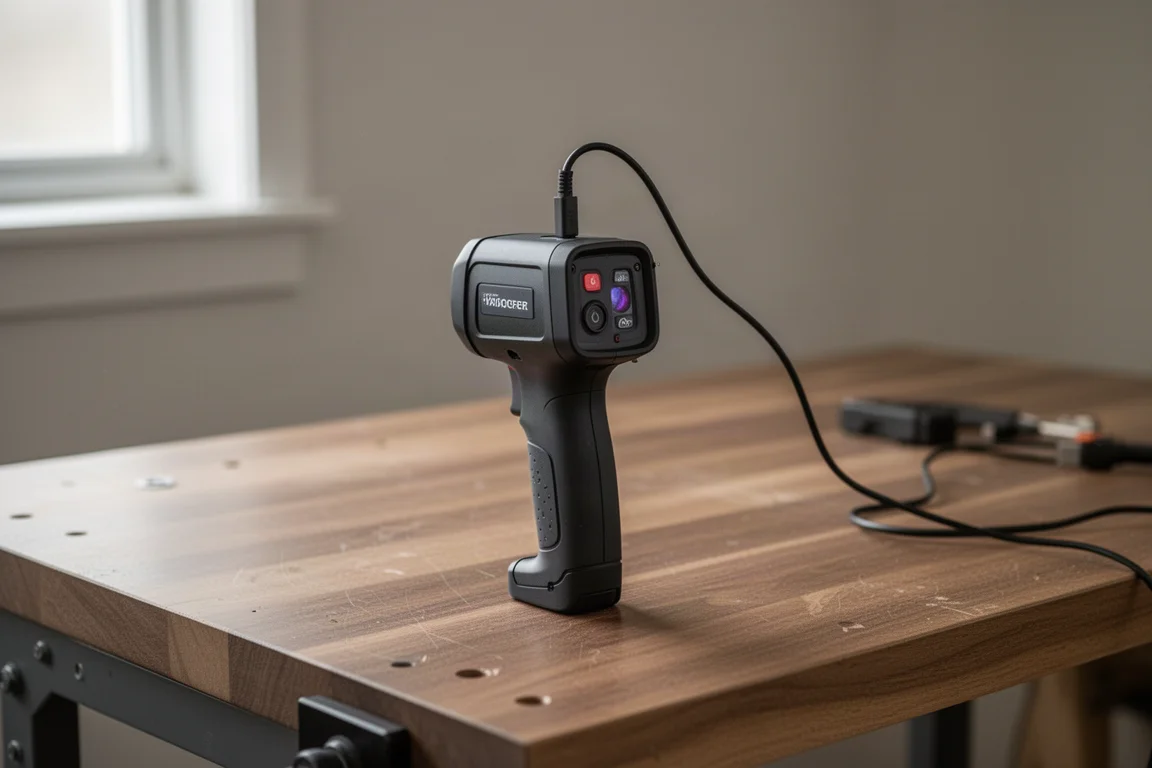
The Hikmicro B20 thermal imaging camera pairs a large screen with fluid, real-time imaging, making it a practical pick for finding leaks, hot spots, and insulation gaps.
Introduction
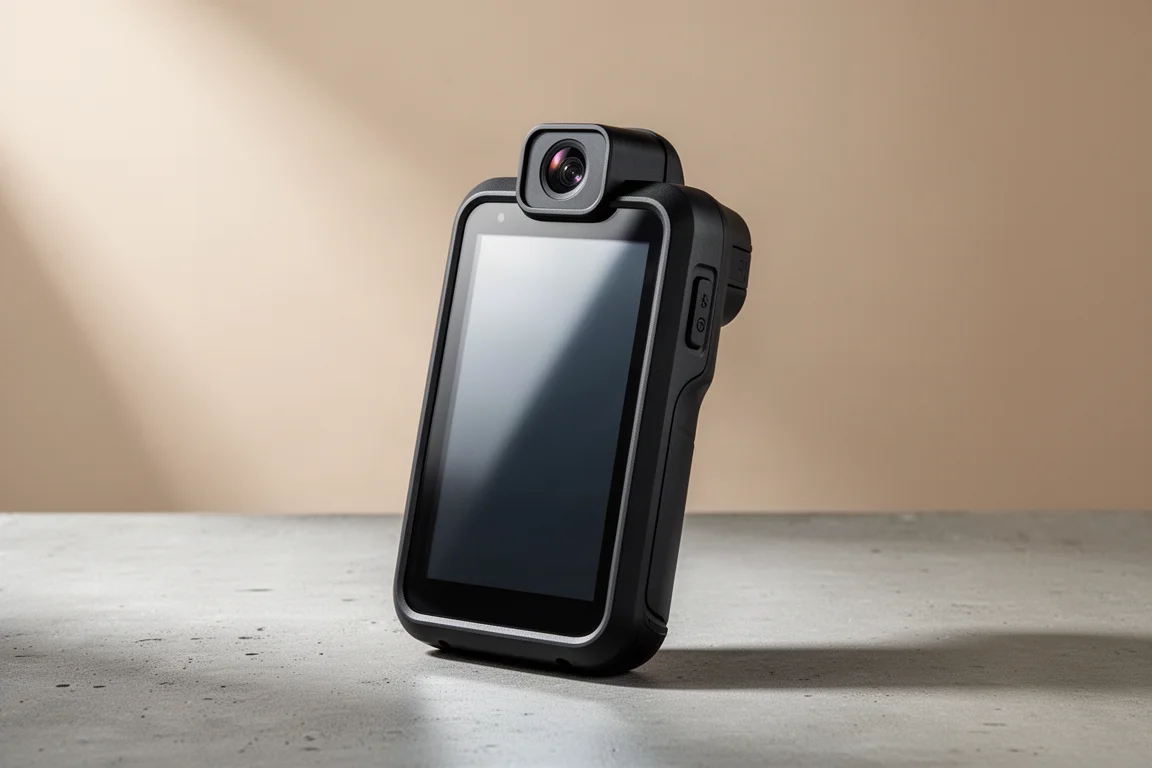
Thermal imaging cameras are one of those tools that are genuinely fun to own. They are a bit like flashlights: you always want to try a new one to see what is out there, and you end up with favorites. The Hikmicro B20 caught our attention for one obvious reason: the huge screen. Paired with good resolution and a very fluid live image, it stands out from the smaller, choppier units that dominate the entry end of the market.
Who This Product Is For
The B20 fits DIYers and anyone doing diagnostics around the house, vehicles, HVAC, or electrical work. If you want a thermal camera that stays simple in everyday use but has serious depth when you start exploring settings, this is the profile to look for. It is also a good match for people who find small screens frustrating, because the display is noticeably larger than most in this class.
What You Can Actually See With It
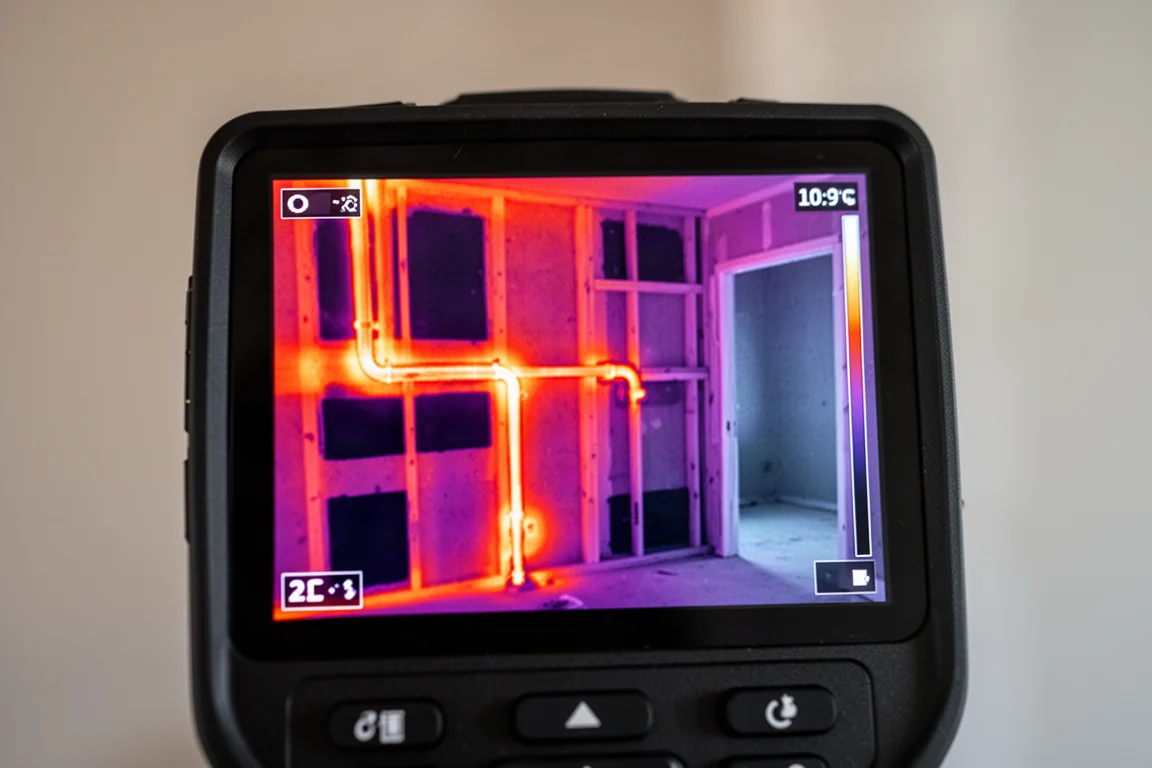
Point it at a wall and the camera reveals a surprising amount: a warm gas line reads red, the black lines show where the 2x6 studs sit, and the blown-in insulation between them is clearly visible. Cold air coming through a door shows up as a darker area. Even a phone that was picked up three minutes earlier still registers as a warm spot on the surface where it was sitting. That kind of residual heat detection is exactly what makes thermal cameras useful for tracking down problems you cannot see with your eyes.
Simple to Start, Deep When You Want It
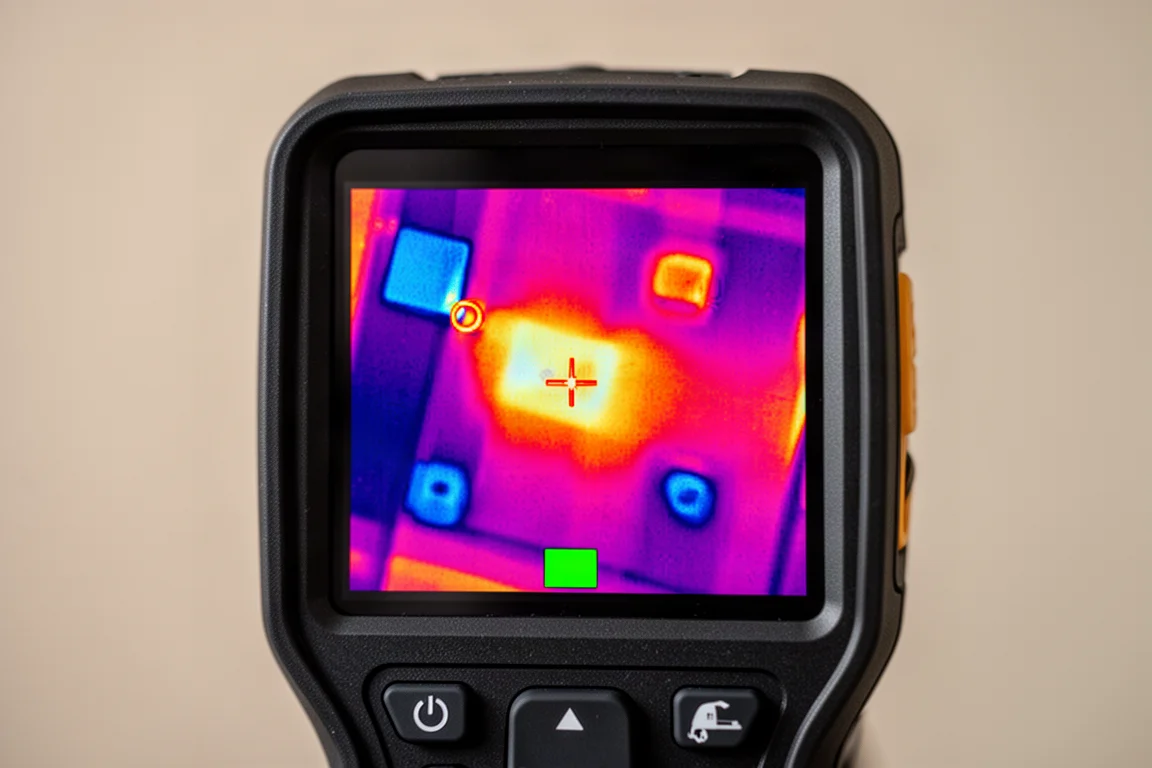
Out of the box, the B20 can be used in a very easy mode: it displays a temperature range, marks the hot spot with red crosshairs, the cold spot in blue, and the center point in green, along with max temperature, distance, and an emissivity setting around 0.97. That alone covers most quick checks.
Dive into the menus and it opens up considerably. You can enable hot spot tracking, connect it to the internet, cast the screen to a phone or tablet, change picture types, switch between color palettes and schemes, adjust emissivity, and set measurement ranges. There is even a white light you can turn on to use it as a flashlight. It is easy to keep simple, but there is a lot to explore.
Real-World Use: Finding a Coolant Leak
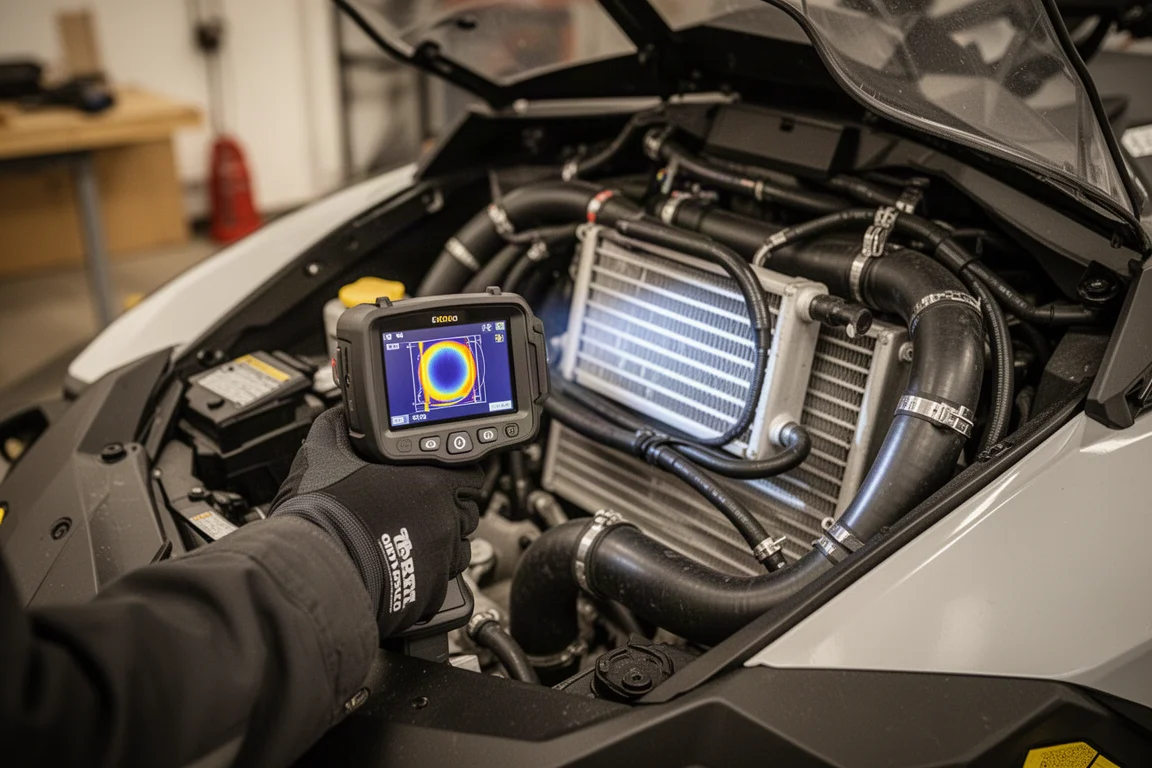
During testing, the camera was used to scan the coolant system on a snowmobile to hunt down a suspected tiny leak. The thermal images of the tunnel radiator and the areas around the engine were clear and detailed. The camera is on the larger side, so getting into tight spaces took a little maneuvering, but the big screen made it possible to work it into awkward angles and still see a large, readable picture.
The feedback is excellent. Move the camera and the image follows immediately, with no pausing, no frozen frames, no stutter between updates. That fluidity matters when you are scanning slowly around hoses and fittings. The excellent battery life helped here too: it made it possible to trace warm liquid to a hose that was leaking and dripping, a leak that would have been nearly impossible to spot visually in that cramped space.
Battery and Everyday Handling
The battery is internal and the camera runs for about six hours per charge, which is plenty for a full session of troubleshooting. A USB-C port on the top handles charging. There is also a flip cover on the side that closes over the lens area for a bit of protection, a small touch that makes it easier to toss into a tool bag.
Things to Consider Before Buying
At around $549, the B20 sits a bit above many entry-level options. What you are paying for is the larger screen and the noticeably more fluid imaging compared with cheaper units. Brands like FLIR offer models that climb into a much higher price range to reach this kind of smooth image quality, while some compact options such as small 9V-powered thermal cameras are cheaper and better for tight spaces but lack the screen size and fluidity. The B20 is not positioned as a competitor to high-end professional FLIR units, but for DIY-level diagnostics it delivers a very satisfying experience.
Buying Advice
If your work centers on home inspections, HVAC, or electrical troubleshooting, a thermal camera with this screen size and smooth live imaging will make problem-finding faster and less frustrating. If you mainly work on vehicles and powersports equipment, the B20 handles that well too, as the snowmobile coolant leak search showed. Just be aware that the larger body is slightly harder to wedge into very tight spaces than compact units.
Conclusion
The Hikmicro B20 earns its place with a big screen, fluid real-time imaging, strong battery life, and a feature set that scales from dead-simple to deeply configurable. It costs more than basic thermal cameras, but the experience gap is easy to feel the moment you start scanning. For anyone who geeks out on finding hidden hot and cold spots, it is a genuinely enjoyable tool to keep around.
Product link
View more details for Hikmicro B20
This product is mentioned in the review. Check the specifications, options, and compatibility before buying.
View more details for Hikmicro B20Further reading
Related Reviews
Thermal Imaging
Best Thermal Imaging Cameras 2026: Top Picks for Accuracy and Value
We tested 12 thermal imaging cameras across accuracy, image quality, and durability to find the best value picks for home and professional use.
Thermal Imaging
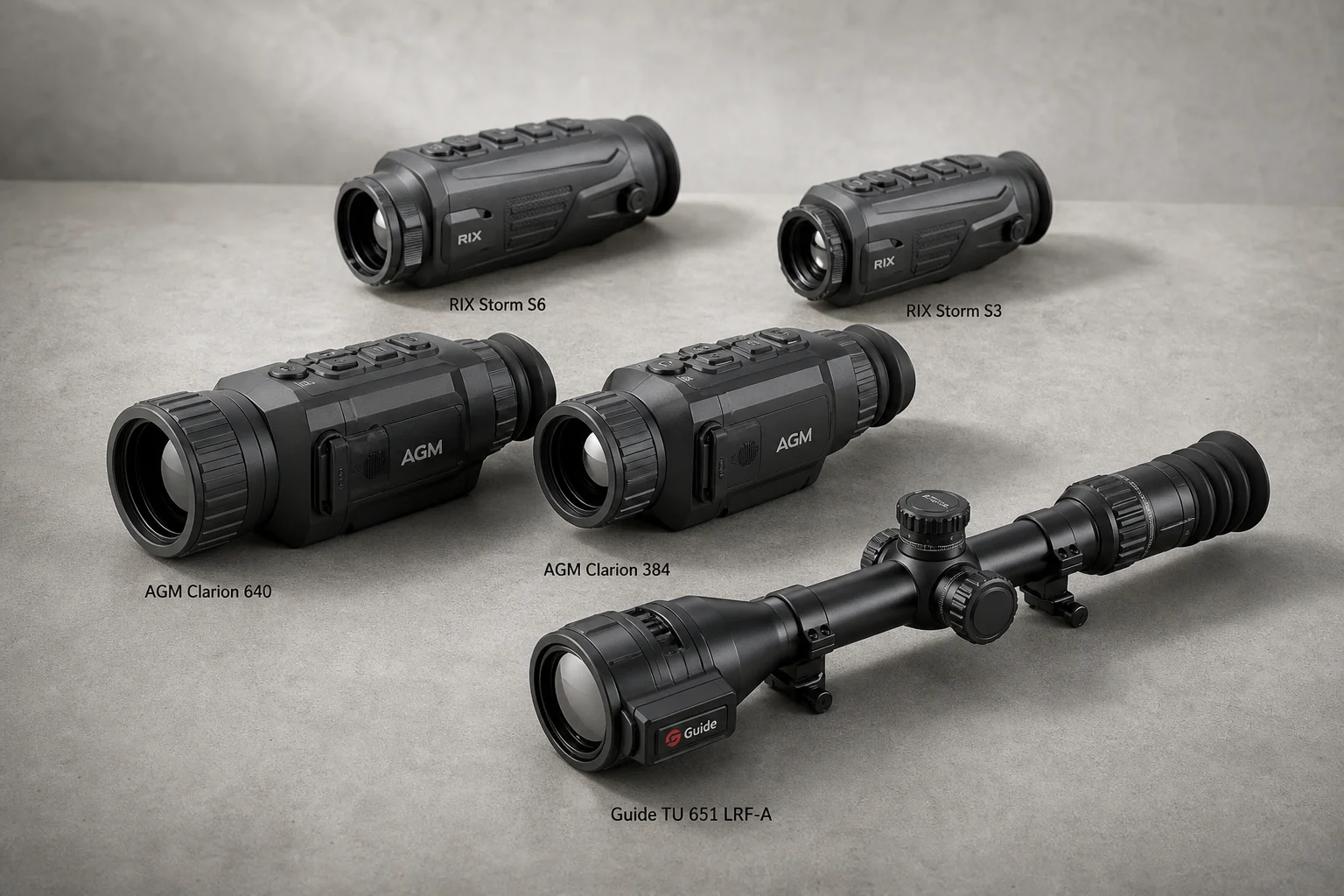
Best Thermal Imaging Deals Summer 2026: Five Units Worth Considering
Five thermal imaging scopes with strong summer pricing, from compact monoculars to rangefinder-equipped tube designs. Real strengths and trade-offs for different hunting needs.
Thermal Imaging
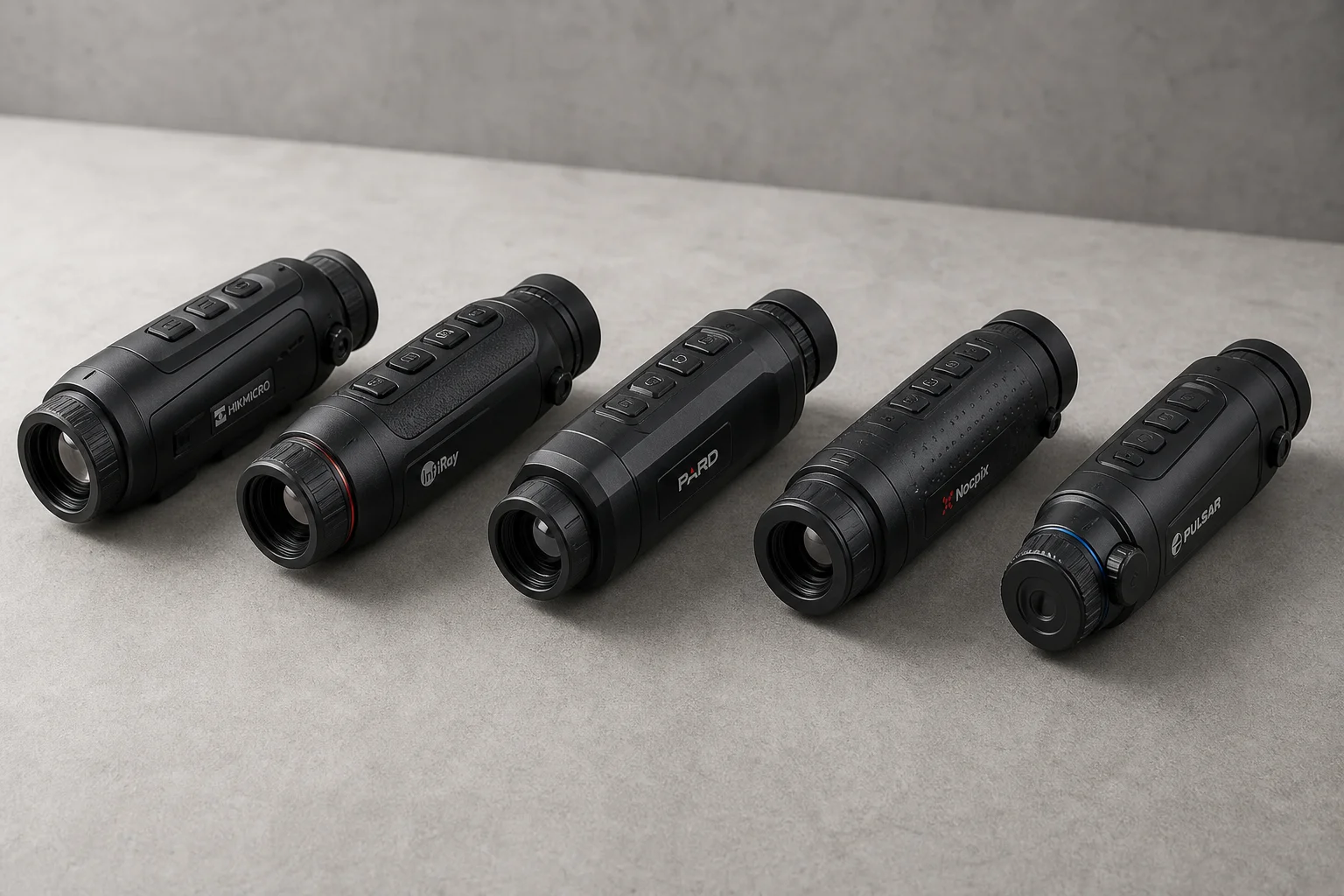
Best Thermal Monocular Under $1,000: Five Practical Options for Night Vision
Five thermal monoculars that balance heat detection clarity, battery life, and usability without premium pricing. Real strengths and trade-offs for hunters and night explorers.