Thermal Imaging
Best Thermal Imaging Cameras 2026: Top Picks for Accuracy and Value
We tested 12 thermal imaging cameras across accuracy, image quality, and durability to find the best value picks for home and professional use.
Introduction
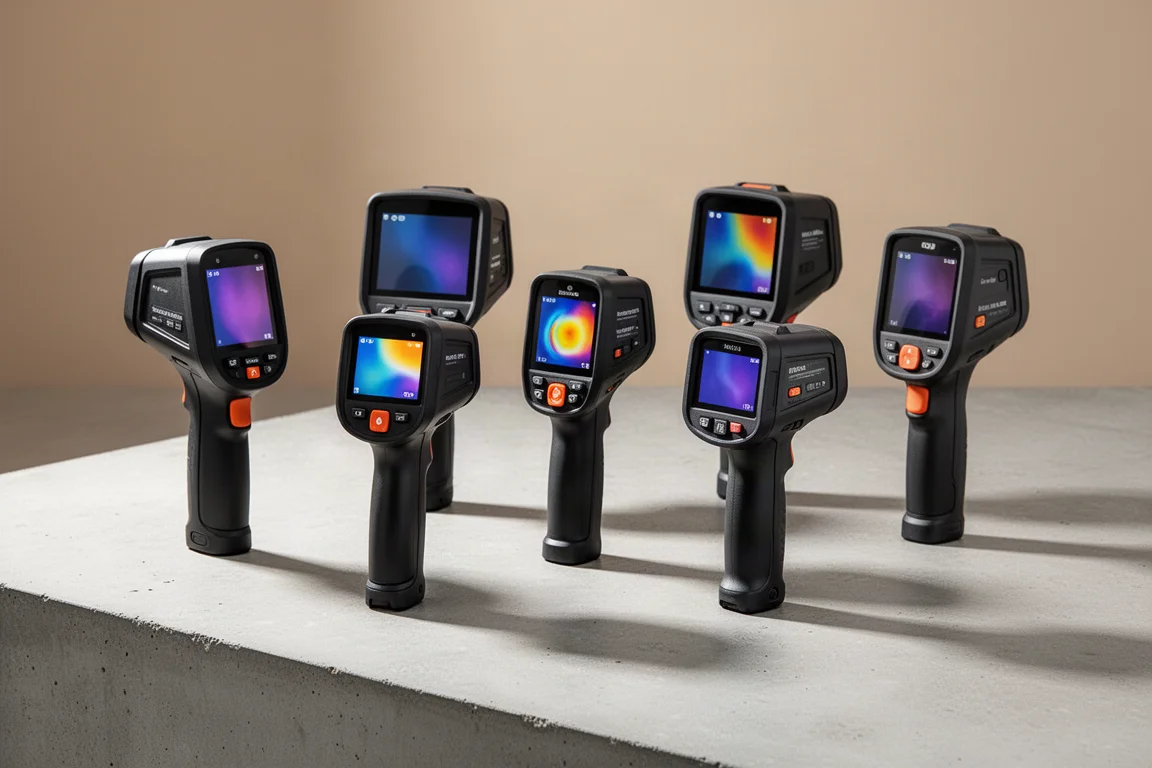
Thermal imaging cameras have become essential tools for home inspectors, electricians, and DIY enthusiasts who need to see temperature differences that are invisible to the naked eye. From finding air leaks and insulation gaps to detecting hot circuit breakers and roof leaks, these devices save time and money by pinpointing problems quickly.
We tested 12 thermal imaging cameras across a wide price range, from a budget-friendly $110 model to a premium $438 unit. Each camera was evaluated on temperature accuracy, image quality, display clarity, boot-up speed, and durability. We measured performance across multiple scenarios including concrete floors, high-temperature steel, frozen objects, shiny aluminum surfaces, and space heaters.
The results reveal significant differences in accuracy and image quality, even among cameras priced similarly. Some budget models performed remarkably well, while a few premium options missed the mark on low-temperature readings. Here is what we found.
How We Tested
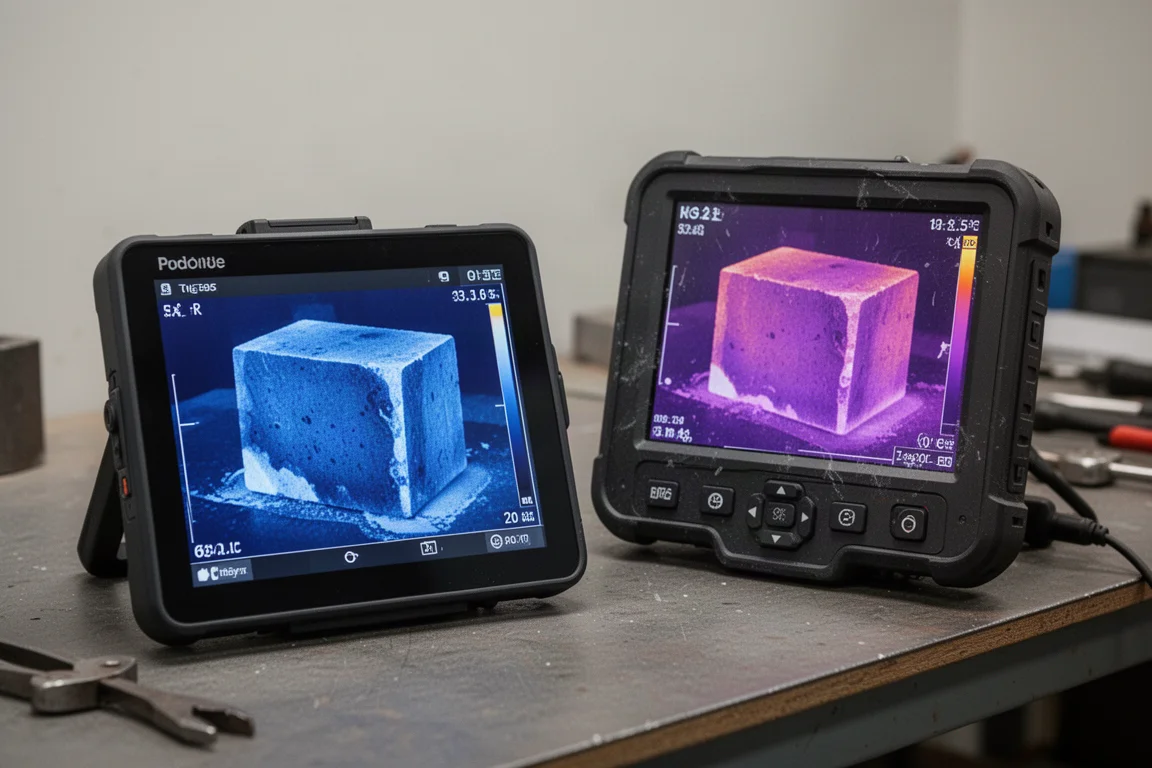
Our testing process covered several real-world scenarios to evaluate each camera’s practical performance. We started with temperature accuracy on a concrete floor calibrated to 64.9 degrees Fahrenheit, then moved to high-temperature measurements on steel heated to 440 degrees. Cold performance was tested on a steel block held at 14 degrees Fahrenheit, and we also measured accuracy on a shiny aluminum wheel at 23.1 degrees.
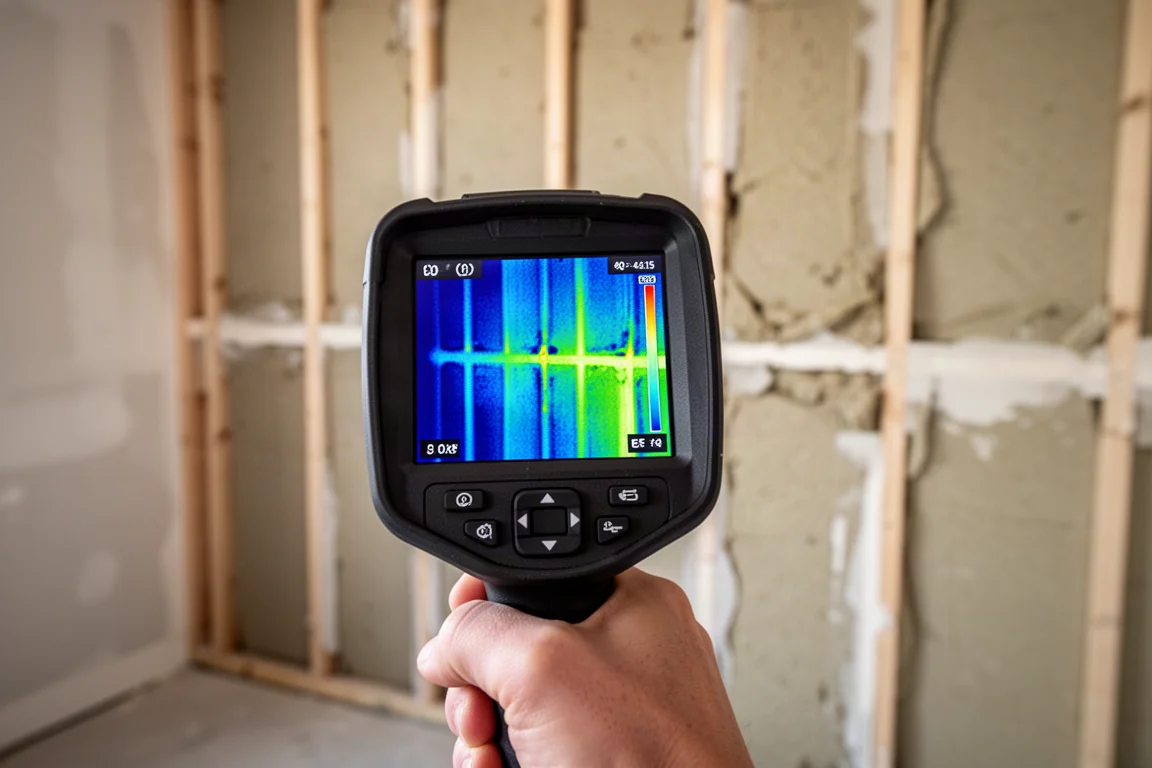
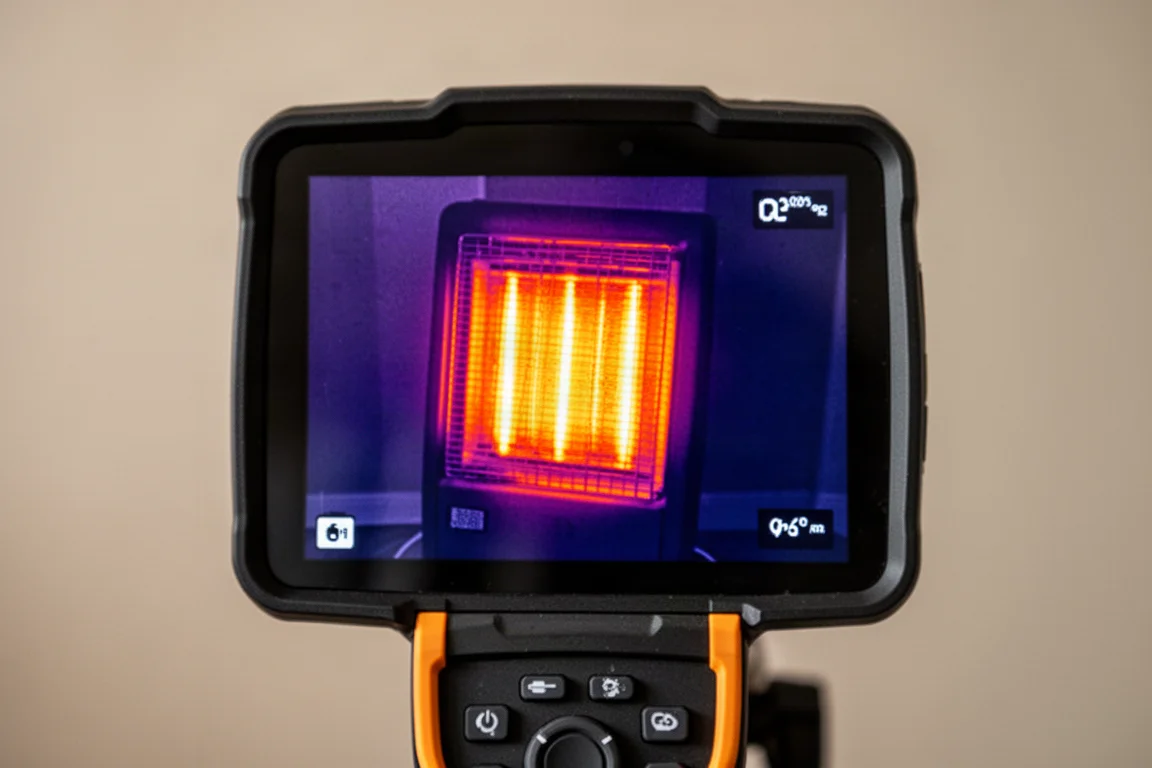
For image quality, we assessed each camera’s ability to display temperature contrast on walls with insulation gaps, space heaters with visible heating elements, and other objects with significant temperature variation. We also timed how long each camera took to boot up and tested drop resistance from about 6.5 feet.
Each camera’s emissivity settings were adjusted where possible to improve accuracy, and we noted how well each unit handled objects with different surface properties. The results were ranked across all tests to determine the overall winners.
Best Overall Value: HF96
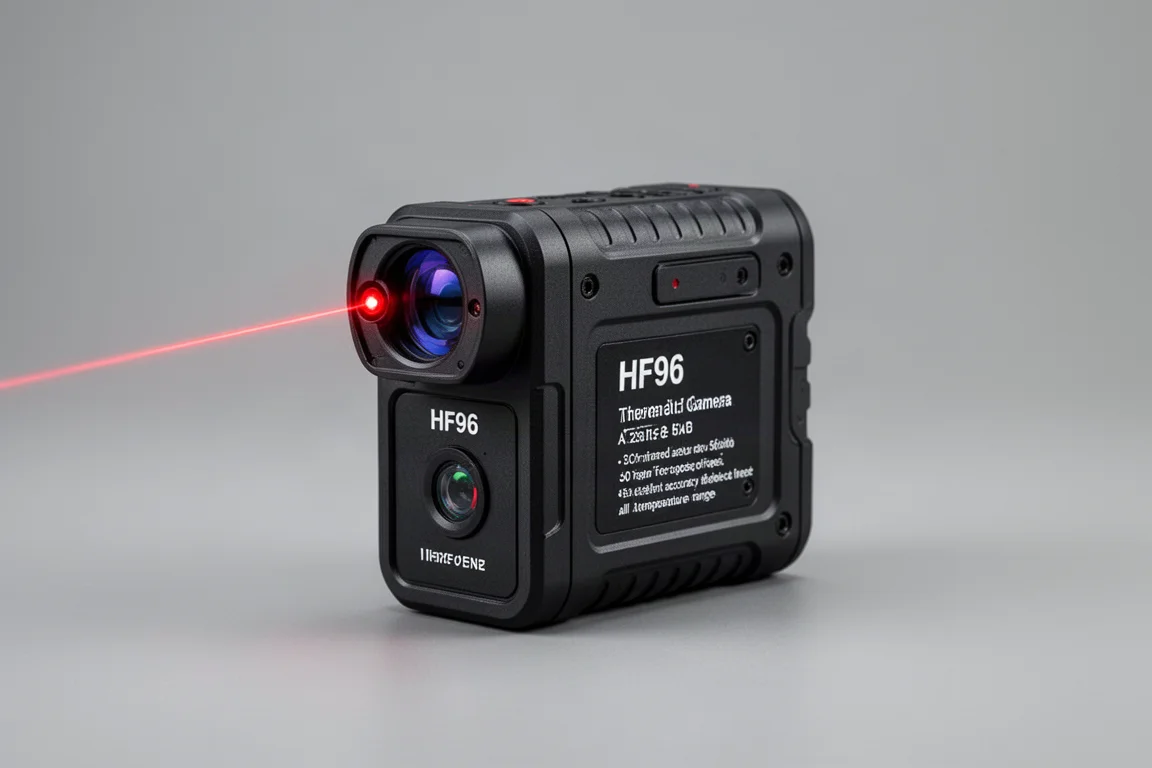
At a price of around $166, the HF96 delivered the best average finish across all our tests with a score of 4.7. This 25 Hz infrared camera offers an integrated laser pointer for locating inspected objects in low light, thermal sensitivity below 50 MK for high-definition details, and a 50-degree field of view.
The HF96 was the fastest camera to boot up at just 7.74 seconds, and it performed impressively in accuracy tests. It came within 0.6 degrees of the target temperature on the concrete floor test, within 2.2 degrees on the high-temperature steel test, and nailed the 14-degree frozen steel target exactly. Its display provided excellent detail with multiple colors representing temperature variation, making it easy to identify studs, nails, and insulation gaps in walls.
The HF96 weighs 296 grams and has a compact display measuring 1.45 by 1.95 inches. It is rated accurate within plus or minus 3.6 degrees Fahrenheit and offers 11 hours of claimed run time. For the price, this camera delivers an outstanding balance of accuracy, image quality, and speed.
Best Display Quality: F2W
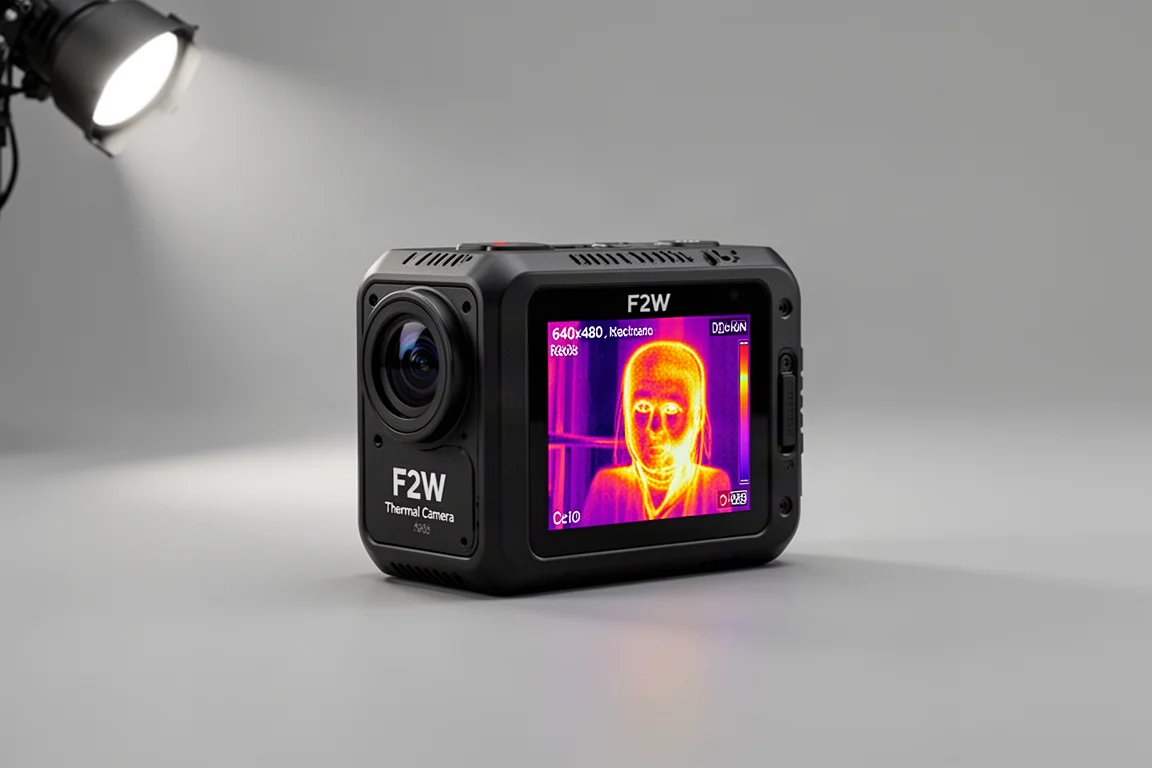
The F2W from HSF Tools is our favorite thermal camera in the lineup, despite its higher price of around $299. It tied for second place overall with an average finish of 4.9, and its display quality is genuinely impressive. The 640x480 super resolution delivers high-definition details that other cameras in this price range simply cannot match.
In our temperature contrast tests, the F2W was in a league of its own. Even the grill on a space heater was visible in complete darkness from the start of the test. The broad range of colors, including red, yellow, green, blue, and orange, provided tremendous detail on temperature variation. The F2W received the best rating of 1.5 in our subjective image quality assessment.
The F2W offers app image transfer and PC analysis, a built-in 16 GB storage capacity, and a battery rated for up to six hours of continuous operation. It weighs 376 grams and has one of the largest displays in the lineup at 1.85 by 2.54 inches. In accuracy tests, it came within 0.5 degrees on the high-temperature steel test and within 1.3 degrees on the frozen steel test.
Best Budget Pick: H128
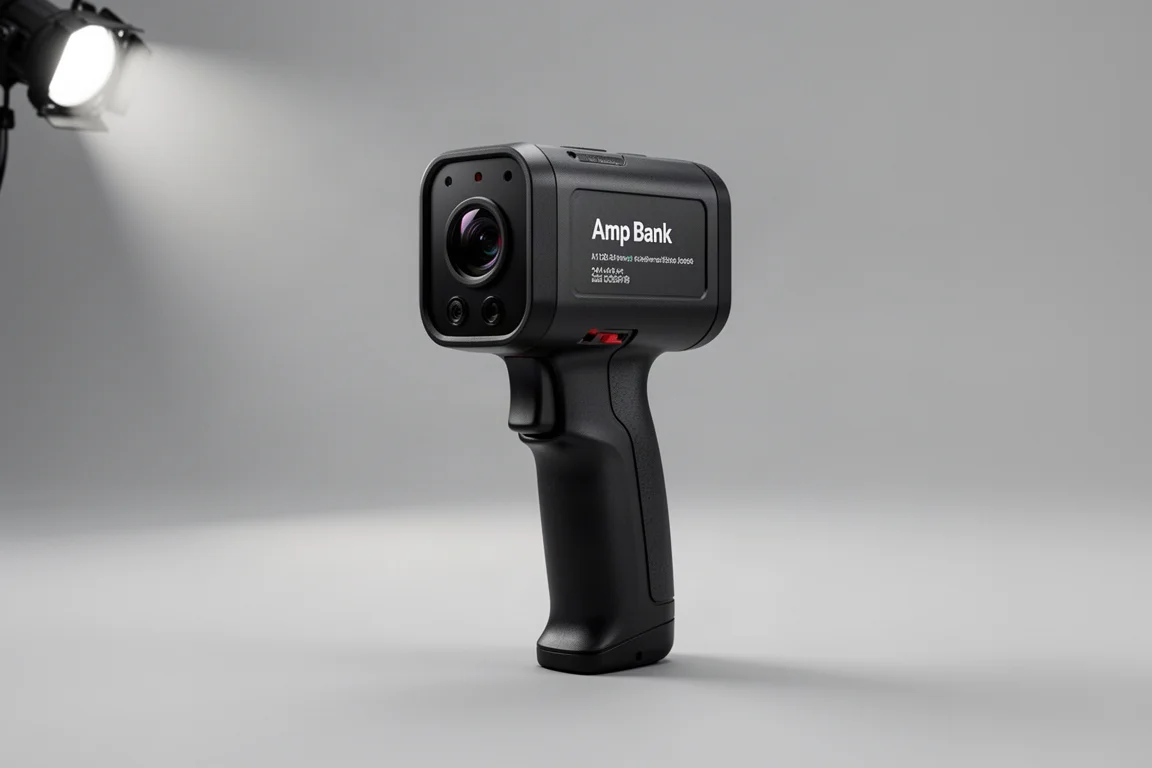
For budget-conscious buyers, the H128 from Amp Bank is incredibly hard to beat at around $133. It tied with the F2W for second place overall with an average finish of 4.9, making it the best value in the entire lineup. The H128 offers a claimed 24-hour battery life, temperature resolution of 0.1 degrees Celsius, and accuracy within plus or minus 3 percent.
The H128 was the second-fastest camera to boot up at 8.2 seconds, and it performed exceptionally well in accuracy tests. It came within 0.1 degrees of the 440-degree high-temperature target and within 0.1 degrees of the 14-degree frozen steel target. On the shiny aluminum wheel test, it was off by 6.9 degrees, which was more than average, but its overall performance across all tests was consistently strong.
The H128 weighs 350 grams and has a relatively small display at 1.4 by 1.9 inches. While the display resolution is not as detailed as some pricier models, the camera’s accuracy and battery life make it an excellent choice for those who prioritize performance per dollar.
Other Notable Contenders
Several other cameras performed well in specific areas. The Flag Front, priced at $130, came closest to the target temperature on the concrete floor test, missing by just 0.1 degrees. It also performed well on the frozen steel test, coming within 0.2 degrees of the target. However, its display quality was not as crisp as the GH192 or HF96.
The Topdon, priced at $299, offered the best temperature resolution of plus or minus 1 degree Fahrenheit and came within 0.2 degrees on the high-temperature steel test. It also performed well on the aluminum wheel test with a delta of only 0.7 degrees. However, it was the heaviest camera in the lineup at 502 grams and took nearly 17 seconds to fully boot up.
The Thermal Master, priced at $399, offered impressive image quality with a 512x384 IR resolution and a 60 Hz refresh rate. It tied with the HF96 for a very good rating of 2 in our image quality assessment. However, it was significantly off target in low-temperature tests, missing the 14-degree frozen steel target by a wide margin.
The Teslong, priced at $176, was the first camera to hit the 23.1-degree target on the aluminum wheel test, but it missed the high-temperature steel target by around 67 degrees, which was the worst performance in that test.
Practical Uses for a Thermal Camera
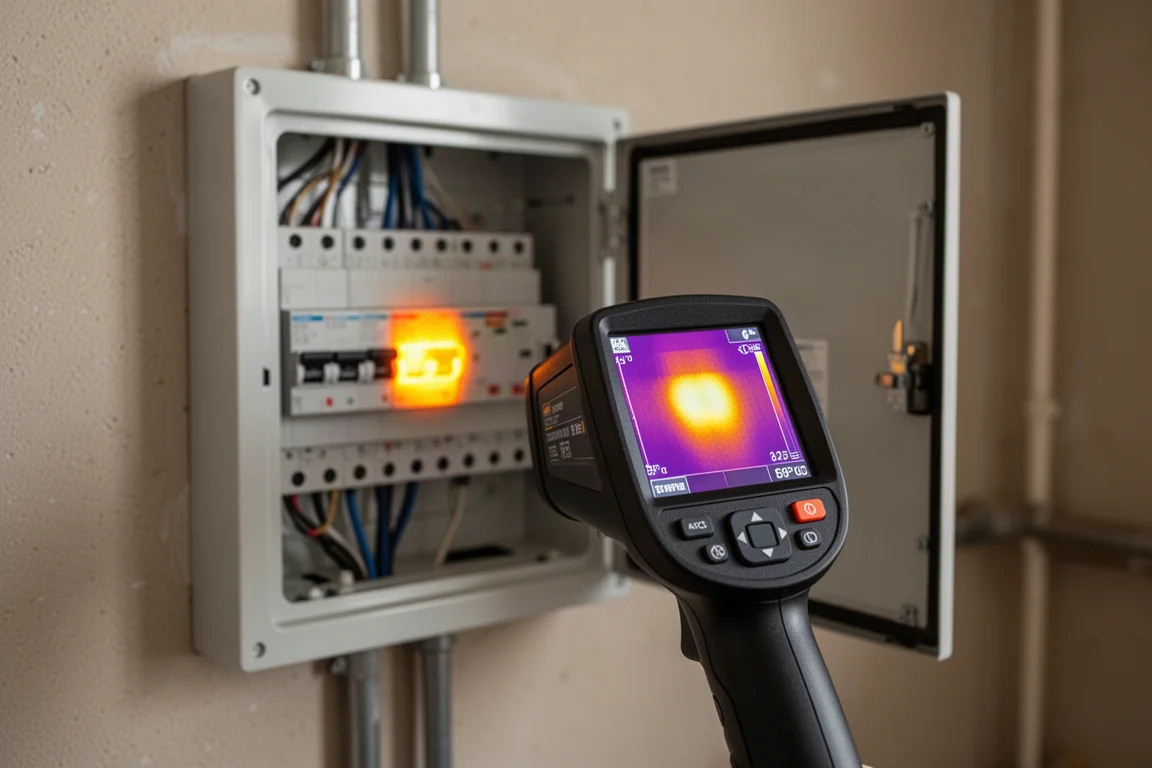
Thermal imaging cameras have numerous practical applications around the home and workplace. One of the most valuable uses is finding hot circuit breakers in electrical panels, which can indicate overloaded circuits or loose connections that pose fire risks. The cameras make it easy to spot these hot spots before they become serious problems.
Another excellent use is determining hot spots on engines, which can help diagnose cooling system issues or identify components that are working harder than they should. Thermal cameras are also invaluable for finding roof leaks and wet drywall, as even the tiniest leak or wet spot is easy to locate with thermal imaging.
Night vision capability is another standout feature. Thermal cameras work far better than flashlights in complete darkness, allowing you to spot things that would normally only be visible during daylight hours. This makes them useful for wildlife observation, security checks, and navigating dark spaces safely.
Buying Advice
When choosing a thermal imaging camera, consider what you will use it for most often. If accuracy and value are your priorities, the HF96 at around $166 is the clear winner. It offers excellent performance across all test categories at a reasonable price.
If display quality and resolution matter most, the F2W at around $299 is worth the investment. Its 640x480 super resolution and outstanding color contrast make it ideal for detailed inspections where identifying subtle temperature variations is critical.
For budget buyers, the H128 at around $133 delivers remarkable accuracy and battery life at a fraction of the cost of premium models. While its display is smaller and less detailed, it consistently performed near the top in our accuracy tests.
Conclusion
After testing 12 thermal imaging cameras across multiple scenarios, the HF96 emerged as the best overall value with the highest average finish. The F2W offers the best display quality for those willing to spend more, while the H128 is the standout budget pick.
All cameras survived our drop test from about 6.5 feet without damage, demonstrating that durability is not a differentiator in this category. The key differences come down to accuracy, image quality, and boot-up speed, all of which we measured extensively.
Whether you are a professional inspector or a homeowner looking to identify energy inefficiencies, there is a thermal imaging camera in this lineup that fits your needs and budget.
Further reading
Related Reviews
Thermal Imaging
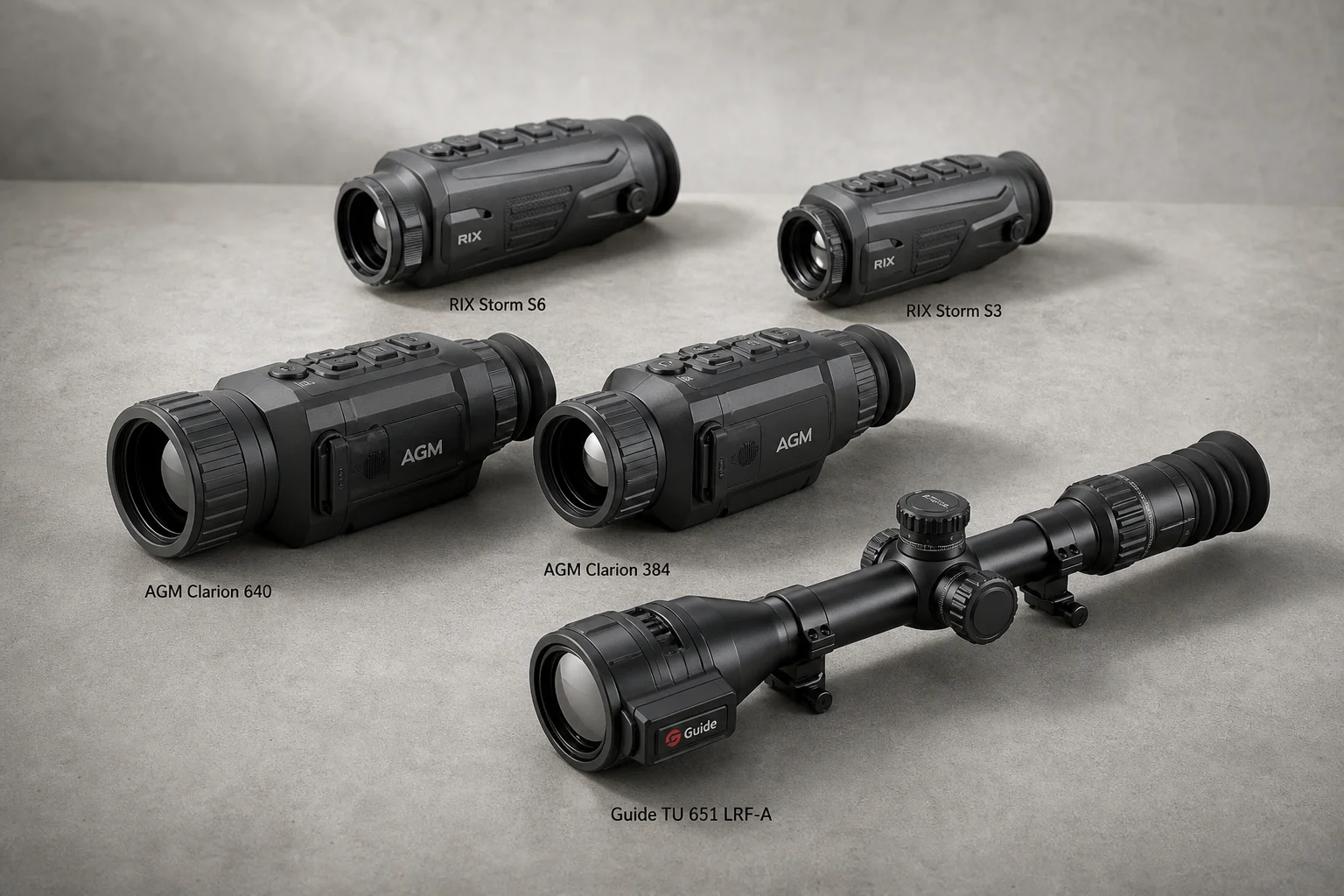
Best Thermal Imaging Deals Summer 2026: Five Units Worth Considering
Five thermal imaging scopes with strong summer pricing, from compact monoculars to rangefinder-equipped tube designs. Real strengths and trade-offs for different hunting needs.
Thermal Imaging
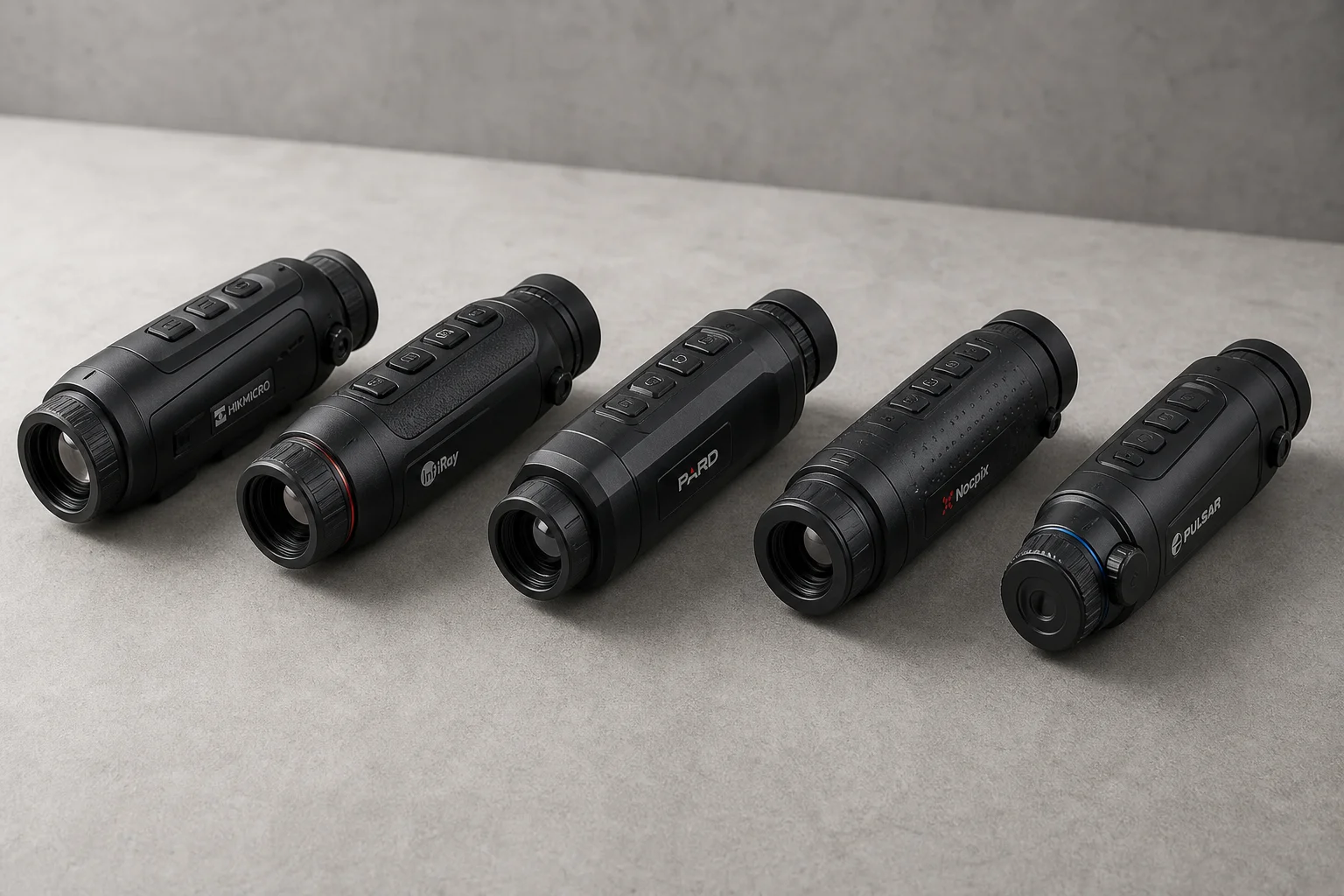
Best Thermal Monocular Under $1,000: Five Practical Options for Night Vision
Five thermal monoculars that balance heat detection clarity, battery life, and usability without premium pricing. Real strengths and trade-offs for hunters and night explorers.
Thermal Imaging
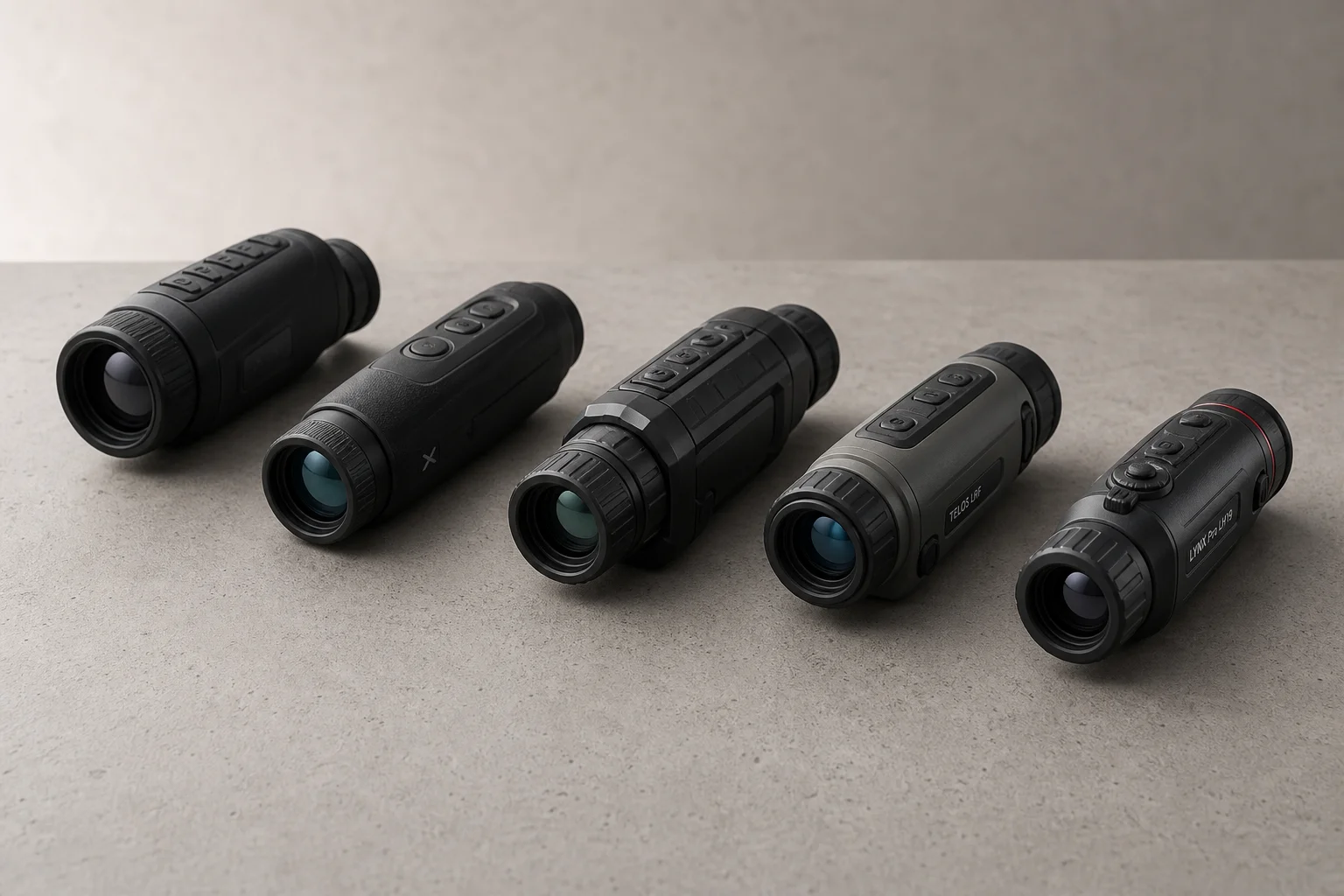
Best Thermal Monoculars 2026: Five Reliable Options for Night Vision and Heat Detection
Five thermal monoculars tested for real-world handheld use, from compact entry-level models to rugged field performers. Find the right balance of detection clarity, battery life, and portability for your needs.