Running Shoes
Three Stability-Friendly Daily Trainers for High Mileage: Diadora Nucleo 2, Puma ForeverRun, and Hoka Skyflow
Three daily trainers with built-in guide-rail style stability for runners who want support on tired legs, compared on ride, design, and price.
Introduction
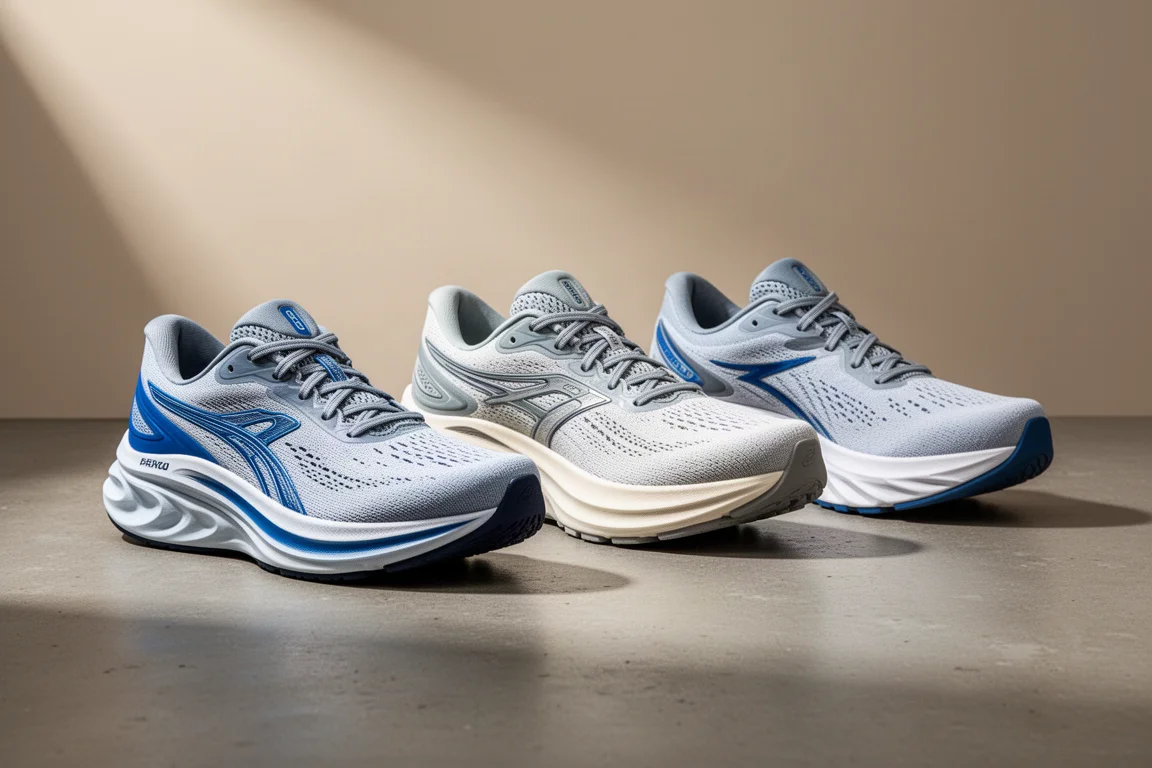
Some runs ask for pure cushion. Others, especially deep into a high-mileage training block, ask for something subtler: a soft ride that quietly keeps your foot from wandering. That is the narrow niche these three shoes all aim at. The Diadora Nucleo 2, the Puma ForeverRun, and the Hoka Skyflow are all daily trainers with stability elements built into the midsole itself, mostly through guide-rail-style sidewalls rather than heavy posts.
They are not pure stability shoes, and they are not neutral shoes in the traditional sense either. They sit in between, and that in-between spot is exactly where a lot of runners land when their legs are beat up and they want a little extra structure under their ankles.
How We Evaluate Stability in a Daily Trainer
The interesting shoes in this category achieve stability through geometry rather than through stiff, motion-control hardware. Guide rails create a seat for your foot to sit within and prevent the shoe from rolling too far in either direction. If your foot lands squarely, you may not notice them at all. If you drift, they are there.
That distinction matters. A lot of runners dislike stability elements in otherwise neutral shoes, but guide-rail designs tend to be the rare exception. They add structure when needed without changing the ride when it is not.

Diadora Nucleo 2
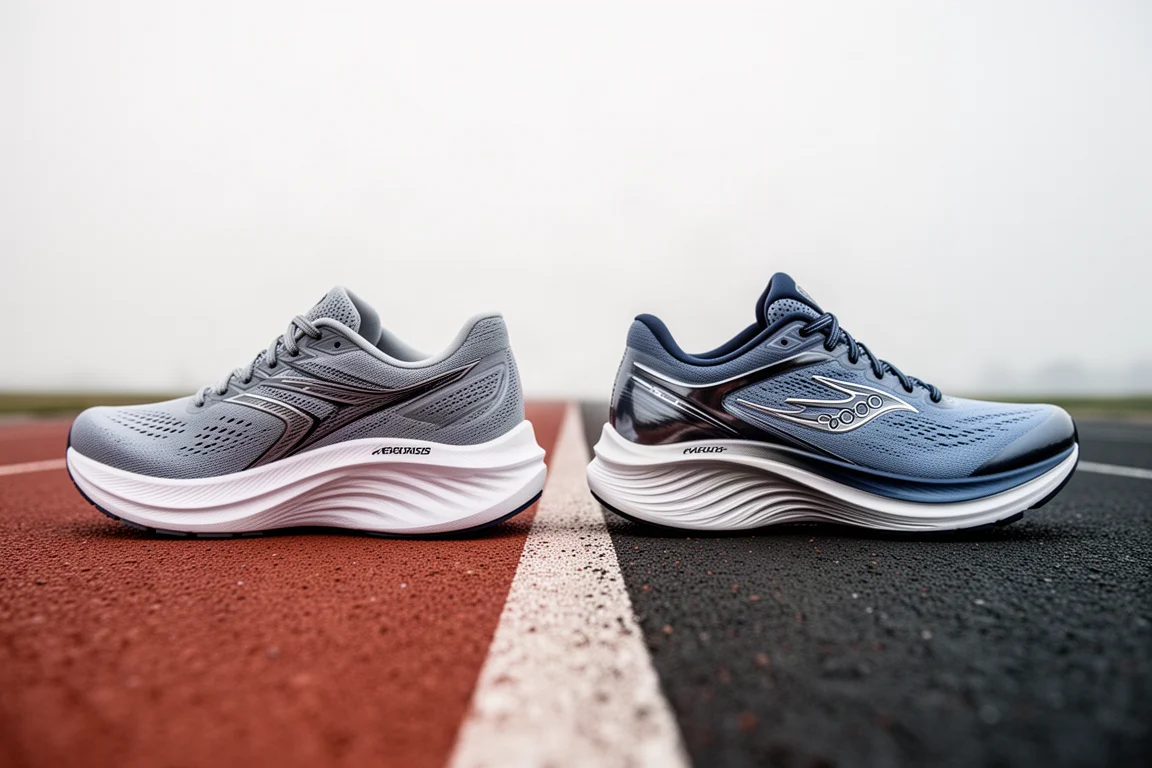
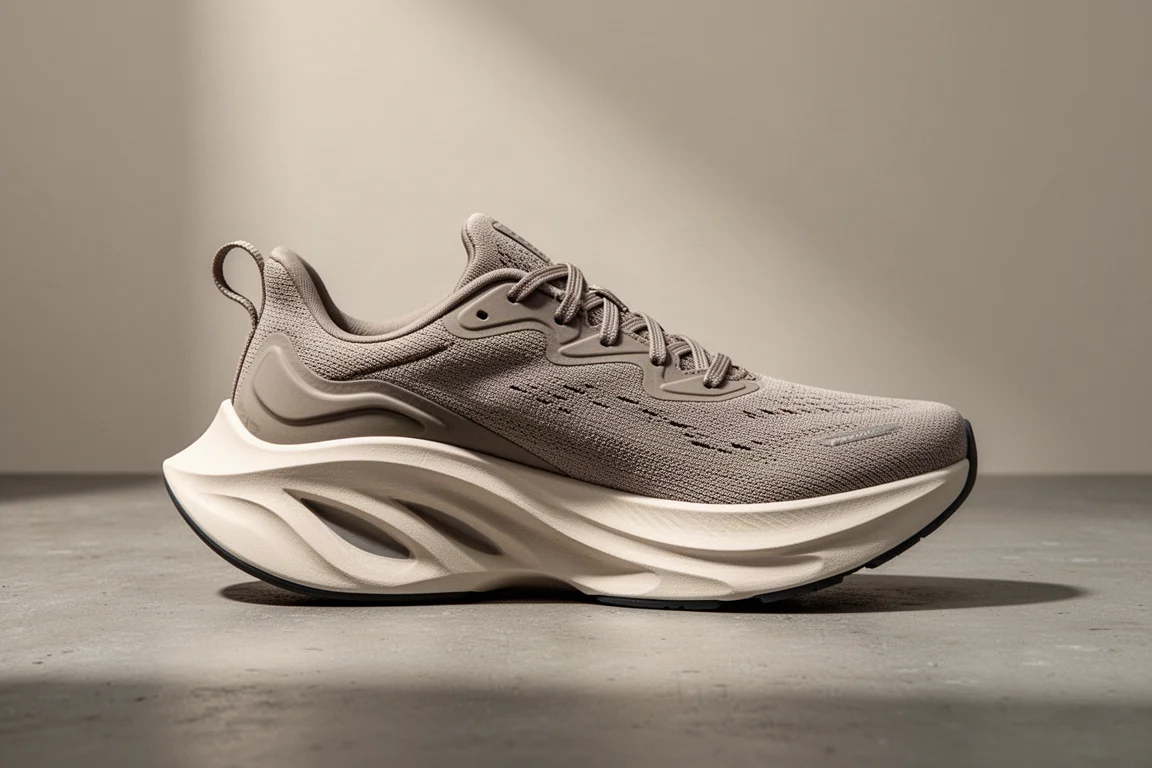
The Nucleo 2 leads with Italian styling, and the design genuinely is fantastic. But there is real engineering underneath. The midsole is a single piece of updated Anima foam, likely compression-molded EVA, with blue sidewalls on both the medial and lateral sides acting as guide rails. A second medial sidewall sits near the ball of the foot under the big toe, and the foam densities and geometry are tuned so the medial side compresses less than the lateral side. The outsole is Duratech 5000, a high-wear rubber with cutouts that keep the shoe easy to bend.
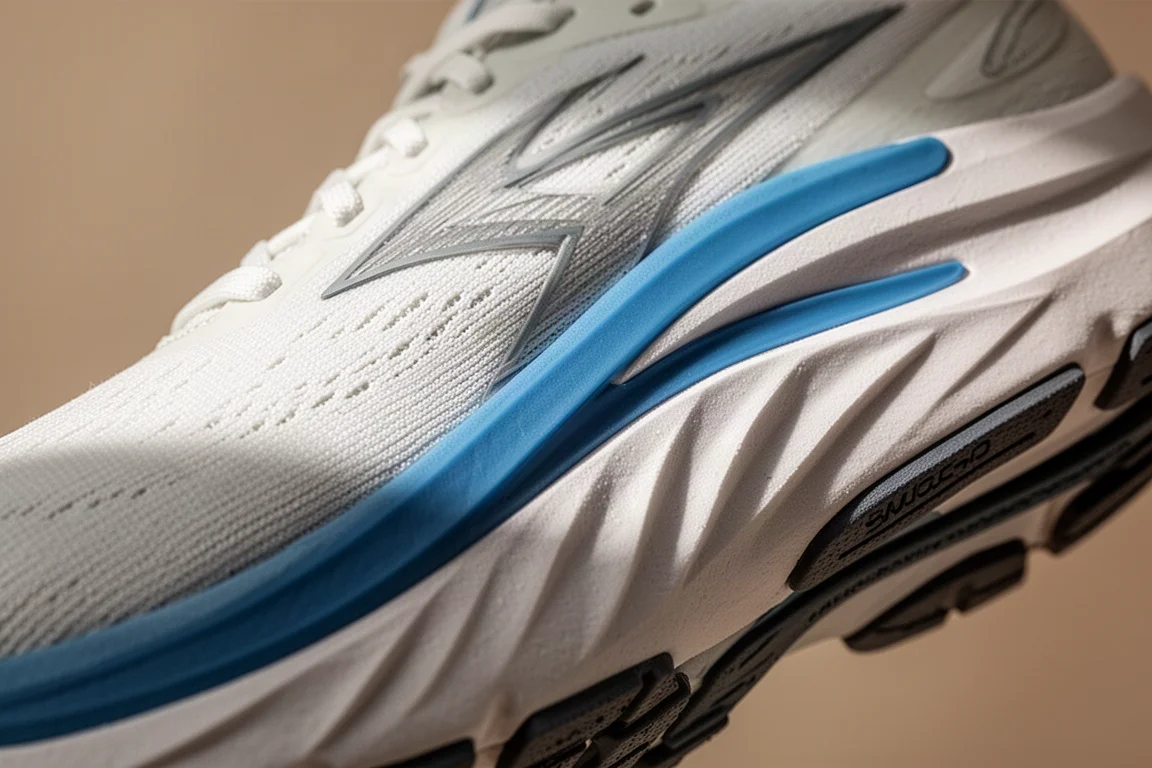
On the road, it sends two messages. The heel feels very firm with little movement despite a relatively tall stack height, while the forefoot is pleasantly soft and squishy. That split is the shoe’s defining characteristic. The upper is a comfortable mix of padded overlays, with a puffy gusseted tongue and generous Achilles padding, slightly more plushness than some daily trainers carry. It fits true to size and weighs a claimed 9.7 oz (275 g) with a 5 mm drop.
For high-mileage weeks where you want recovery-run softness up front and a bit of structure around the ankle, this could be the shoe you need, even if it is not quite the shoe you want. At $160 it is a touch expensive for the category, but the design is arguably the best of the three.
Puma ForeverRun
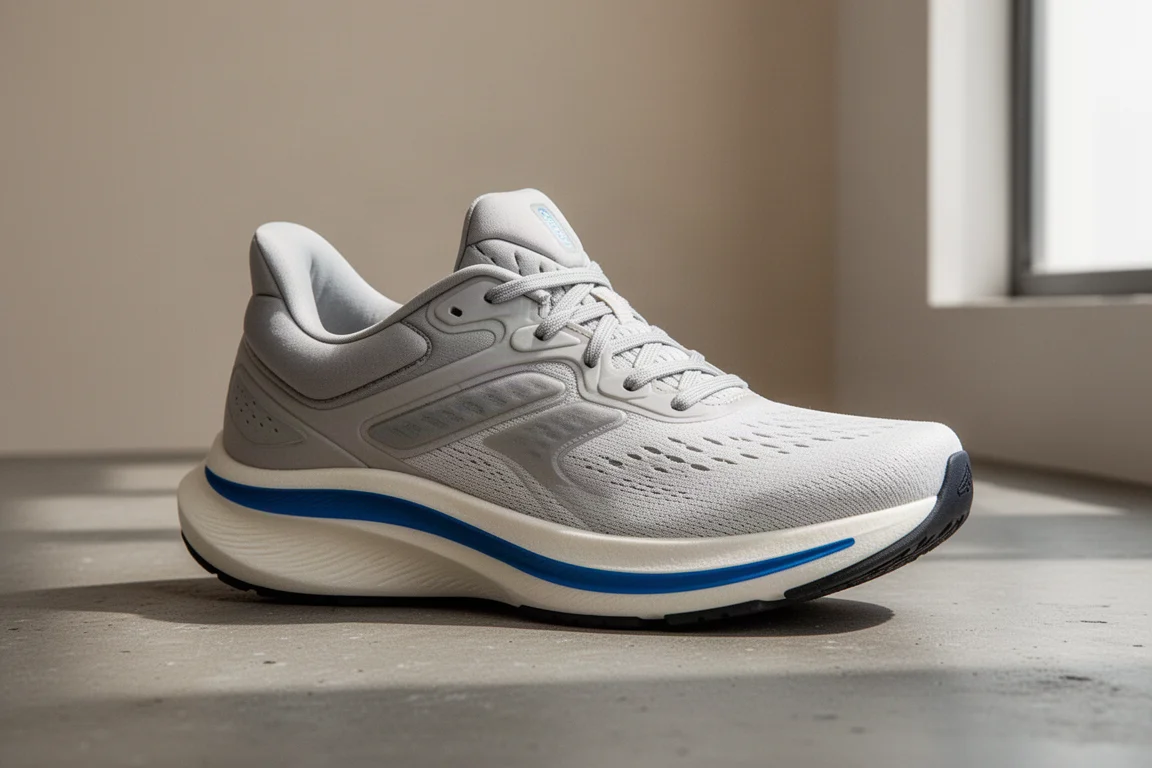
The ForeverRun chases the same function using two different densities of Puma’s NITRO foam to create its guide-rail effect. It carries more cushion than the Nucleo 2, so think of it as a heavily cushioned stability trainer rather than a stabilized daily trainer.
Functionally, it serves the exact same purpose: a stable, soft platform for tired legs. Performance-wise, the transition between the stability elements and the non-stability parts is smoother and more dynamic than in the Nucleo 2. It costs $150, a small discount, but it has been on the market for a long time and is overdue for a successor. If an update is coming, a version 2 is expected to lean even further into stability, so the current shoe’s niche may disappear. Even at full price, it may be worth picking up before it changes.
Hoka Skyflow
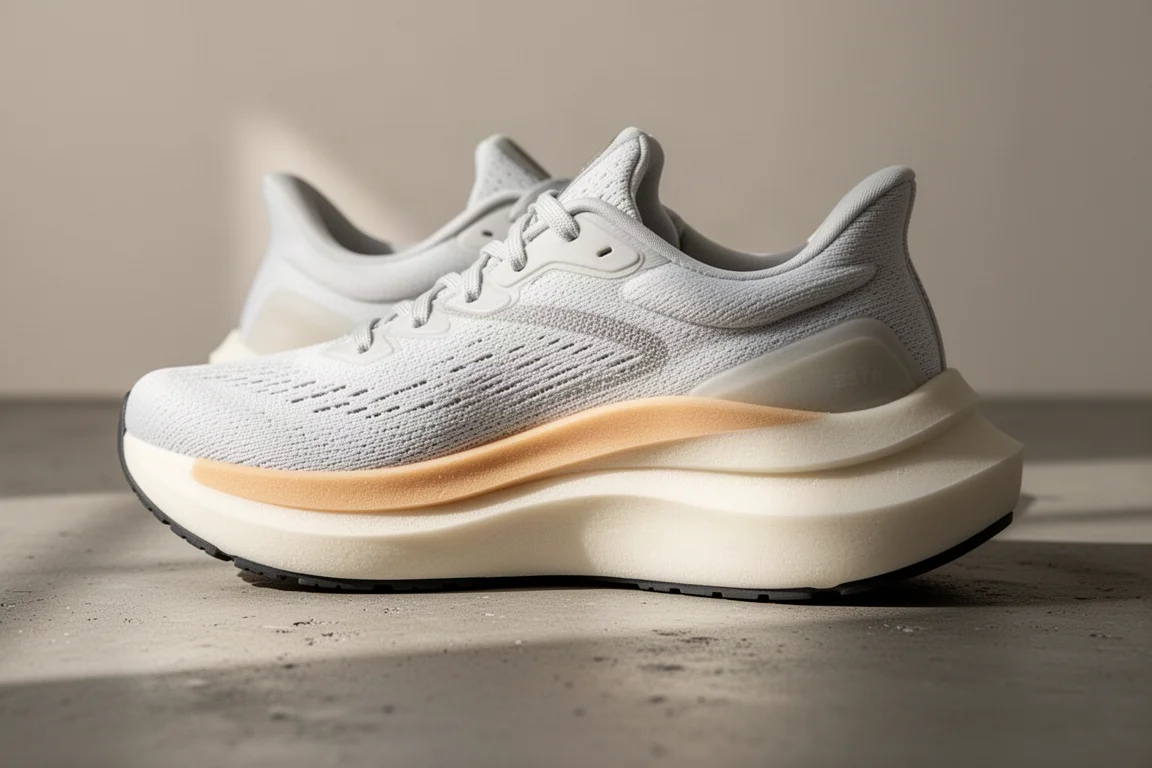
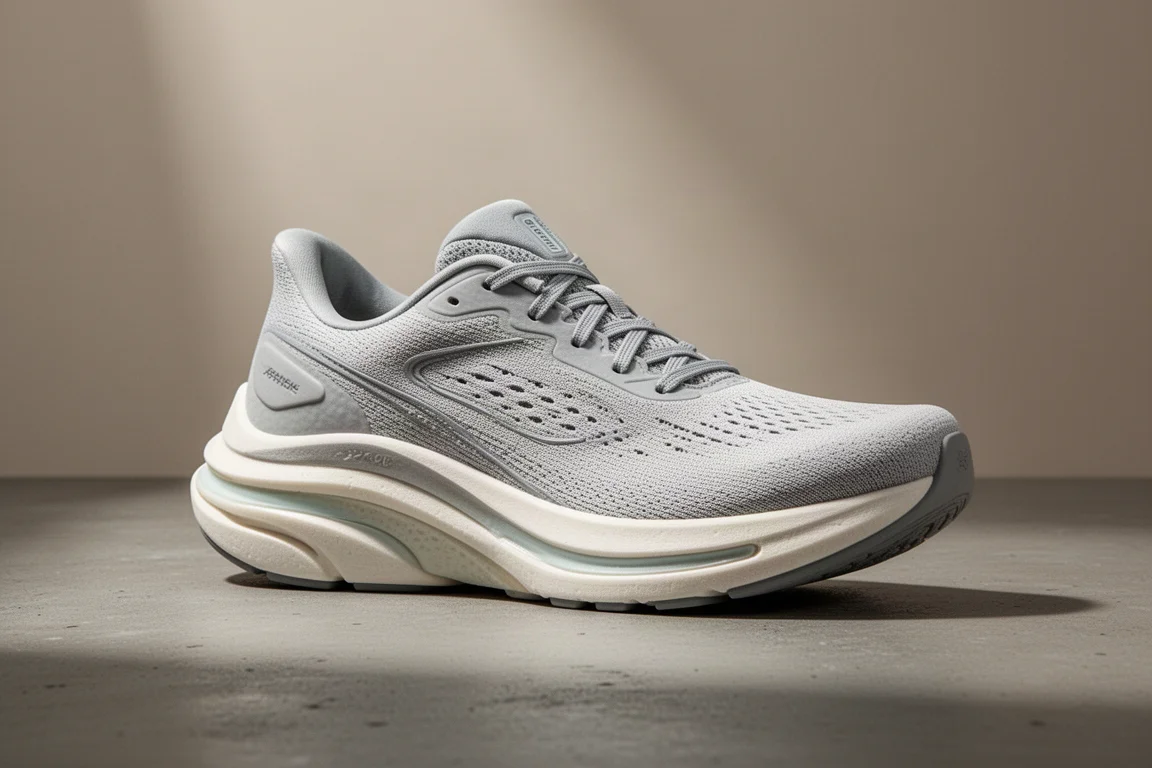
The Skyflow felt like a stabilized version of a firm daily trainer: consistent, with a heel and forefoot that are both firmer than the Nucleo 2’s split-personality ride. It skips Hoka’s J-Frame, but sculpted compression-molded EVA on the medial side prevents the shoe from rolling too far inward while encouraging a bit more compression on the lateral side.
The midsole design similarities with the Nucleo 2 are striking. Both shoes are clearly trying to do the same thing through sculpted foam and medial-side control features. The best way to put the difference: the Skyflow is mac and cheese where the Nucleo 2 is cacio e pepe. Familiar versus refined, same ingredients, different flavor. Price is identical at $160.
Which One Should You Buy
If design and a soft forefoot matter most and you accept a firm heel, the Nucleo 2 is the most characterful choice, though its $160 price is a hurdle. If you want the smoothest blend of cushion and guide-rail stability, the ForeverRun at $150 is the most immediately comfortable of the three. If you prefer a firm, consistent platform from heel to toe, the Skyflow delivers the most predictable ride.
All three fill the same role: high-mileage daily trainers with a touch of stability for the tired days. Choose based on whether you want softness up front, maximum cushion overall, or firmness throughout.
Conclusion
Guide-rail-style stability built into a daily trainer is one of the more quietly useful ideas in running shoes right now. The Nucleo 2, ForeverRun, and Skyflow all execute it well, each with a slightly different balance of cushion, firmness, and style. Match the ride feel to your own high-mileage needs and any of the three should hold up over the long weeks of a training block.
Further reading
Related Reviews

Running Shoes
Best Road-to-Trail Running Shoes: Three Versatile Options for Mixed Terrain
A practical guide to three road-to-trail running shoes that handle both pavement and mild trails, with clear strengths and trade-offs for different runner types.

Running Shoes
Best Running Shoes for Achilles Tendonitis: Three Options Explained
Three running shoes with different heel drops and support features designed to help reduce Achilles tendon pain during walking and running.

Running Shoes
Best Running Shoes for Women: Five Top Choices Ranked
A ranked guide to five women's running shoes, from versatile daily trainers to high-performance racing options, with real strengths and trade-offs for each.