Cookware
HexClad vs Henckels HXagon: Which Hybrid Cookware Is Worth It?
Two hybrid non-stick pans go head to head in egg, pancake, burger, and chicken tests, plus heat conduction, retention, and induction performance.
Introduction
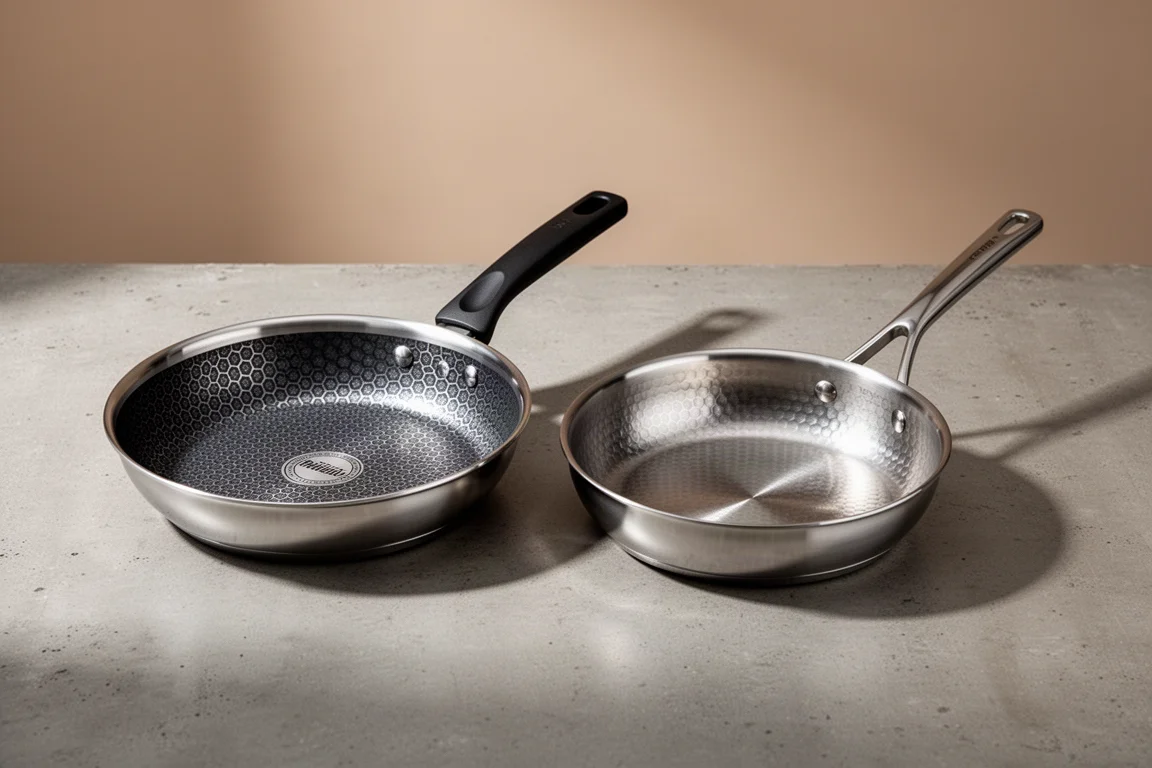
Hybrid cookware promises the best of both worlds: the searing power of stainless steel and the easy release of non-stick. Two names dominate the conversation. HexClad, the heavily marketed brand fronted by celebrity chefs, and Henckels HXagon, a newer, significantly cheaper alternative that uses a very similar design.
Both pans integrate raised stainless steel hexagons into the cooking surface to protect the non-stick coating underneath. The question is whether HexClad’s roughly double price buys meaningfully better performance. To find out, both brands were tested head to head cooking eggs, pancakes, burgers, and chicken, along with heat conduction, heat retention, and induction efficiency.
How They Cook: Everyday Food Tests
The first test involved eggs. Both pans were preheated on low for a couple of minutes, then an egg was added to each without greasing the surface. The eggs stuck to both pans and fell apart when moved. This is a notable departure from traditional non-stick pans, which can usually cook eggs with little to no oil. Because of the raised steel hexagons, neither hybrid surface is as slick, so delicate foods are more likely to stick if the surface is dry.
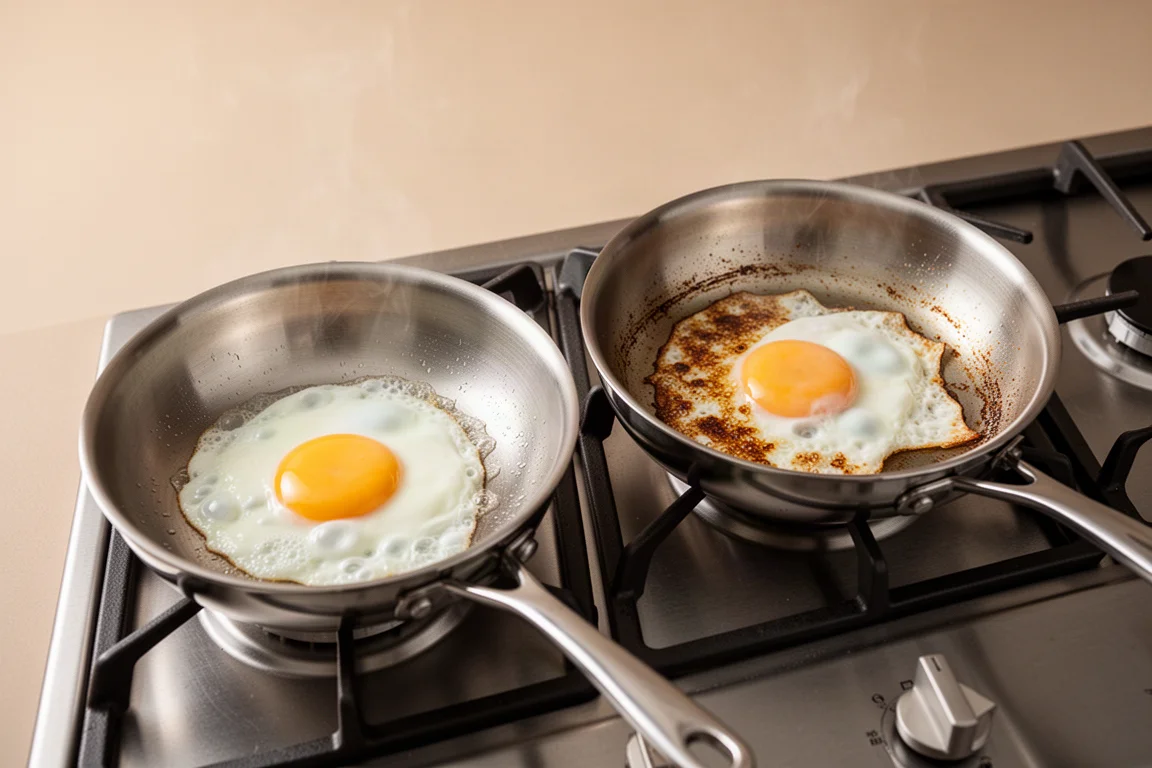
The test was repeated with oil and butter, and this time eggs released from both pans with no issue. One difference stood out: the Henckels pan heated much faster. With both burners set to the same level, the egg in the Henckels pan cooked faster and got crispier on the outside.
Pancakes told a similar story. Both pans heated evenly and the pancakes released without sticking, but the Henckels pancake cooked faster with more visible browning after the flip.
Chicken thighs tested browning. After preheating on medium and greasing with oil, the piece in the Henckels pan was significantly browner on the first flip, while the HexClad piece cooked more evenly. After a second flip, the browning was much more similar, and after a barbecue sauce brush and a finish in the oven, there was no noticeable difference in the end result.
Burgers were nearly a draw. On the first flip the sears were almost identical, with both pans forming a good crust. On a second flip the Henckels sear was slightly lighter, possibly from heat lost to the cold meat or imperfect contact with the pan. Either way, both burgers cooked evenly and the difference was minor.
Heating Speed and Heat Retention
Two simple experiments measured how fast each pan heats and how well it holds temperature. Two cups of cold water, starting at 55°F, were heated in each pan on the highest setting of the same electric burner.
The Henckels pan brought the water to a boil at the 2-minute 19-second mark. The HexClad pan was slightly slower, boiling at 2 minutes 30 seconds.
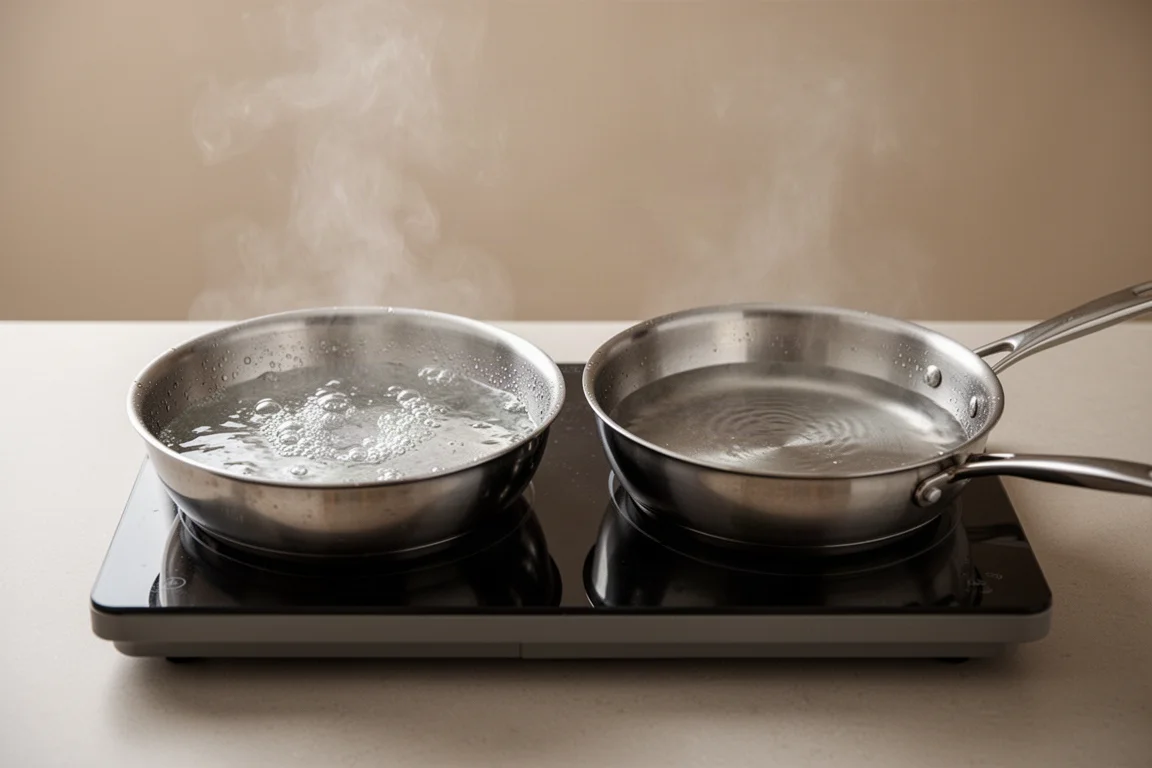
Heat retention told the reverse story. After five minutes off the heat, the water in the Henckels pan had cooled to 113°F while the HexClad water sat at 120°F. After ten minutes, the Henckels water was 96°F and the HexClad water 102°F. The explanation is straightforward: HexClad pans are 3 mm thick and Henckels pans are 2.4 mm thick, and with the same materials, thicker pans heat slower but retain heat better.
Induction Performance
Induction cooktops work differently from electric and gas. Instead of hot coils or flames heating the pan, magnetic fields generate electric currents directly in the pan, making the pan itself the heat source.
Using the 8-inch frying pans from each brand, two cups of water were heated side by side at 248°F, the highest shared setting. The HexClad pan started to bubble first, around the 2-minute 10-second mark, and by about 5 minutes 30 seconds it reached a full boil while the Henckels water was still simmering.
This is the one area where HexClad clearly outperformed, likely because of its thicker, more responsive base on induction. On electric and gas, the Henckels pans were the faster heaters.
Design Differences That Matter
Both pans use rounded handles that fork at the end to disperse heat, but the details differ. Henckels handles are angled higher, keeping your hand further from the heat, and are a half inch longer with a logo and a slight thumb indentation. HexClad handles sit more even with the rim of the pan and are smooth with no engravings. The longer, higher-angled Henckels handle is the more comfortable choice in practice.
On the cooking surface, both brands have raised stainless steel peaks and non-stick valleys, but Henckels uses a higher ratio of steel to coating. In testing, this did not translate into more sticking with eggs.
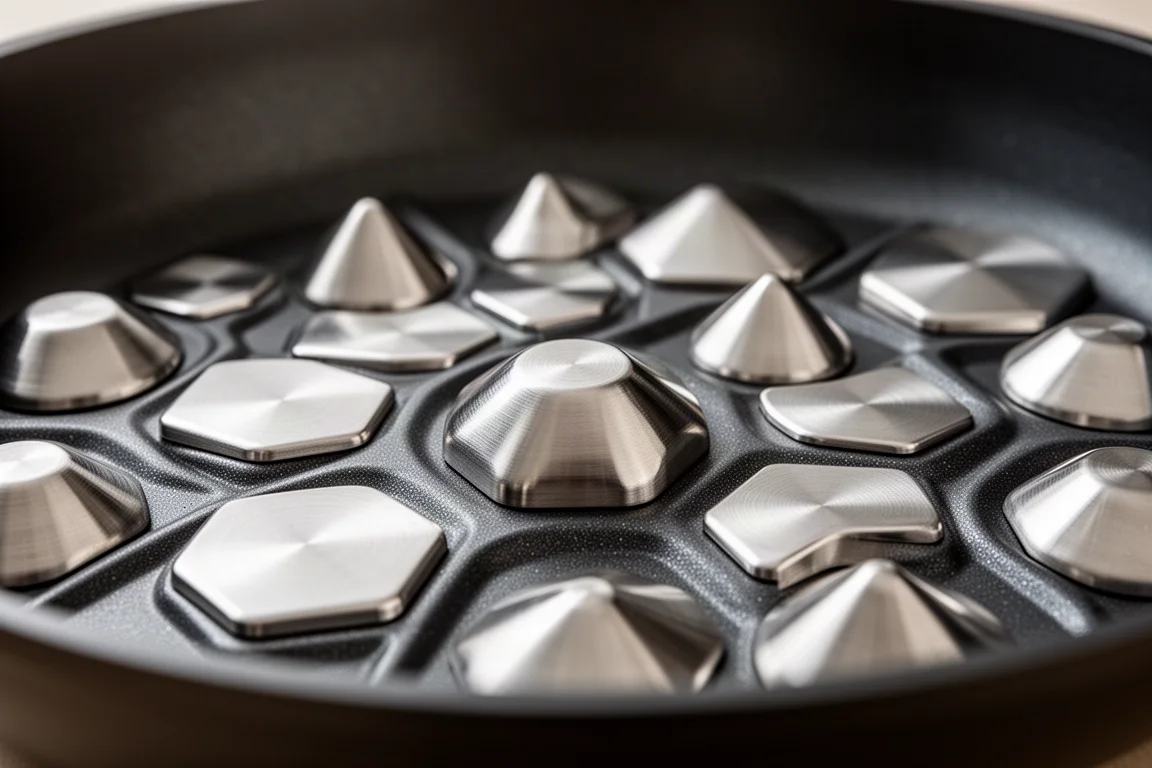
Rivets are worth a look too. HexClad’s rivets are flatter, while Henckels rivets stick out more, which means they are more likely to trap oil and food and are slightly harder to clean.
The bottoms differ as well. HexClad extends its non-stick and hexagon pattern to the base, making it a bit easier to clean. Henckels pans have polished steel bottoms that are more prone to staining and discoloration, so occasional cleaning with a product like Bar Keepers Friend is needed to restore shine.
One caveat for HexClad: a reader reported that the raised hexagon pattern on the bottom of her HexClad pan left noticeable scratches on her glass cooktop. Similar complaints are rare across thousands of retail reviews, so it does not appear to be common, but it is a potential risk if you have a glass cooktop. Henckels’ smooth polished bottom avoids this entirely.
So, Is HexClad Worth the Higher Price?
Price is the most significant difference. The 12-inch HexClad frying pan is listed on HexClad.com for $179, while the Henckels 3-piece set, which includes 8, 10, and 12-inch frying pans, is listed at only $87 on Costco.com. That is more than double the price for roughly similar real-world performance.
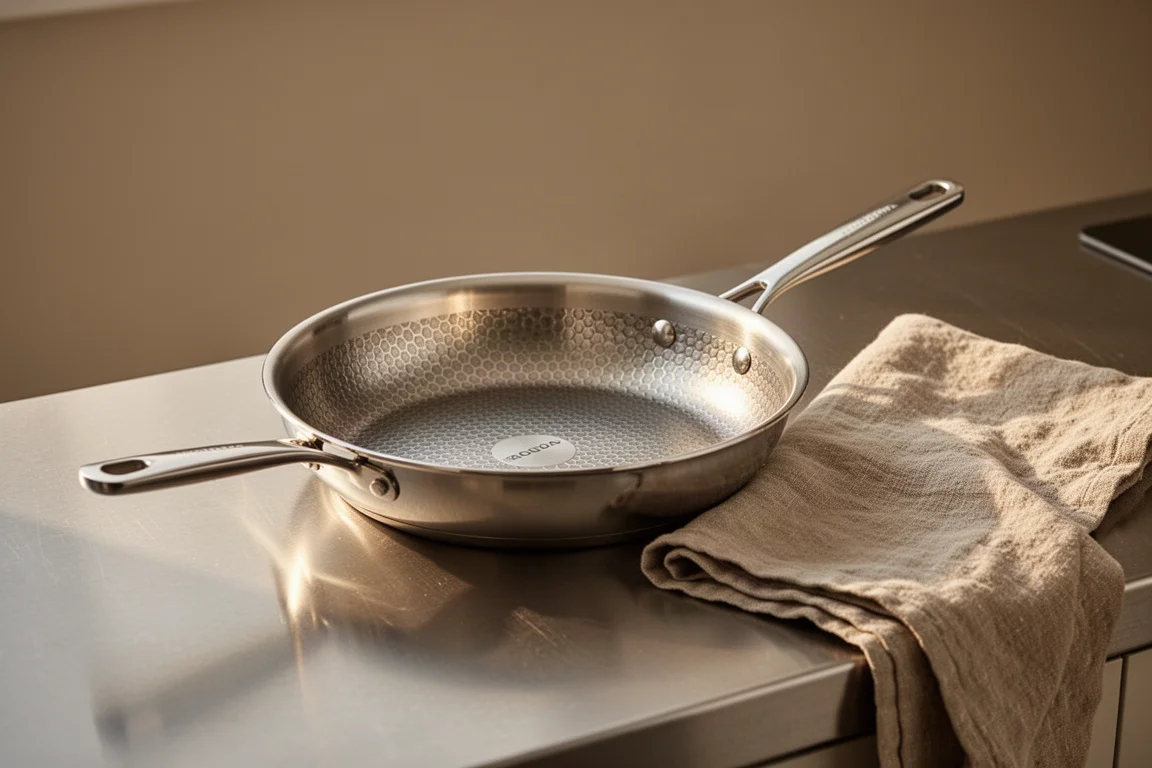
Based on the testing, the differences are not significant enough to justify paying more than twice as much for HexClad. Both pans heat evenly, release food without sticking when greased, and sear meat well. HexClad retains heat better and heats faster on induction, but the margins are small, and Henckels offers longer handles and a cooktop-friendly smooth bottom.
That said, HexClad has real advantages. It has been on the market for years, is one of the most popular cookware brands, and has proven itself in extensive use. While some dismiss it as a gimmick, thousands of happy customers disagree, and long-term use confirms it is one of the more versatile pans available, flaws included.
Henckels has a long heritage, but the HXagon collection is brand new. The hybrid design should outlast traditional non-stick cookware, though only time will tell, and its significantly thinner construction may make it more prone to warping.
Conclusion
Both HexClad and Henckels HXagon deliver on the core hybrid promise: even heating, good searing, and non-stick release when the surface is greased. Choose HexClad if you cook on induction, value proven long-term durability, and prefer easier-to-clean bottoms. Choose Henckels if value matters most, since a full three-piece set costs less than half of one HexClad pan and performs nearly identically in everyday cooking.
Product link
View more details for HexClad Hybrid Frying Pan
This product is mentioned in the review. Check the specifications, options, and compatibility before buying.
View more details for HexClad Hybrid Frying PanFurther reading
Related Reviews
Cookware
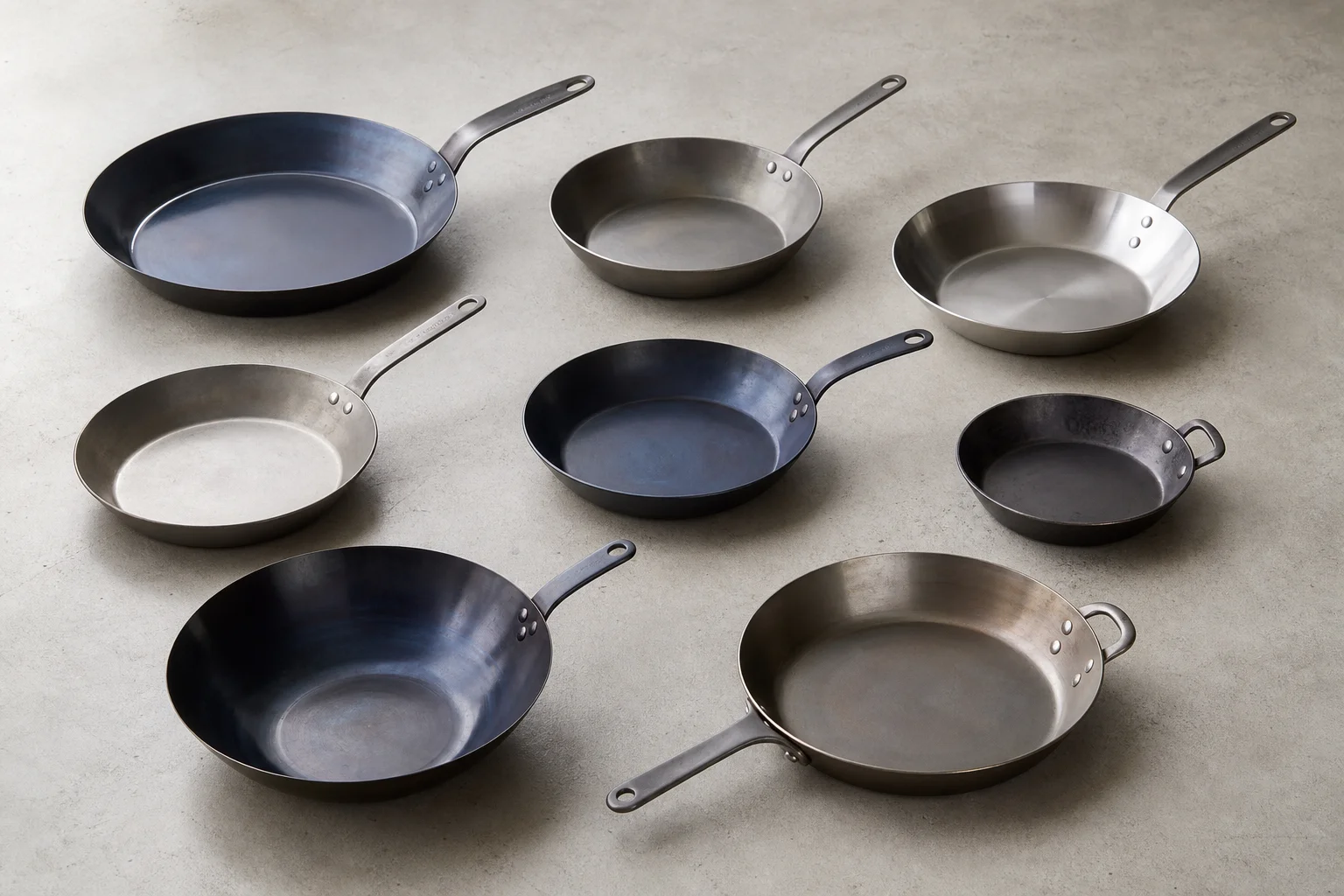
Best Carbon Steel Pans Tested: Which Brands Deliver Real Value
We tested eight popular carbon steel pans with controlled durability, heat, and cooking tests. Here's which ones perform best and which to avoid.
Cookware
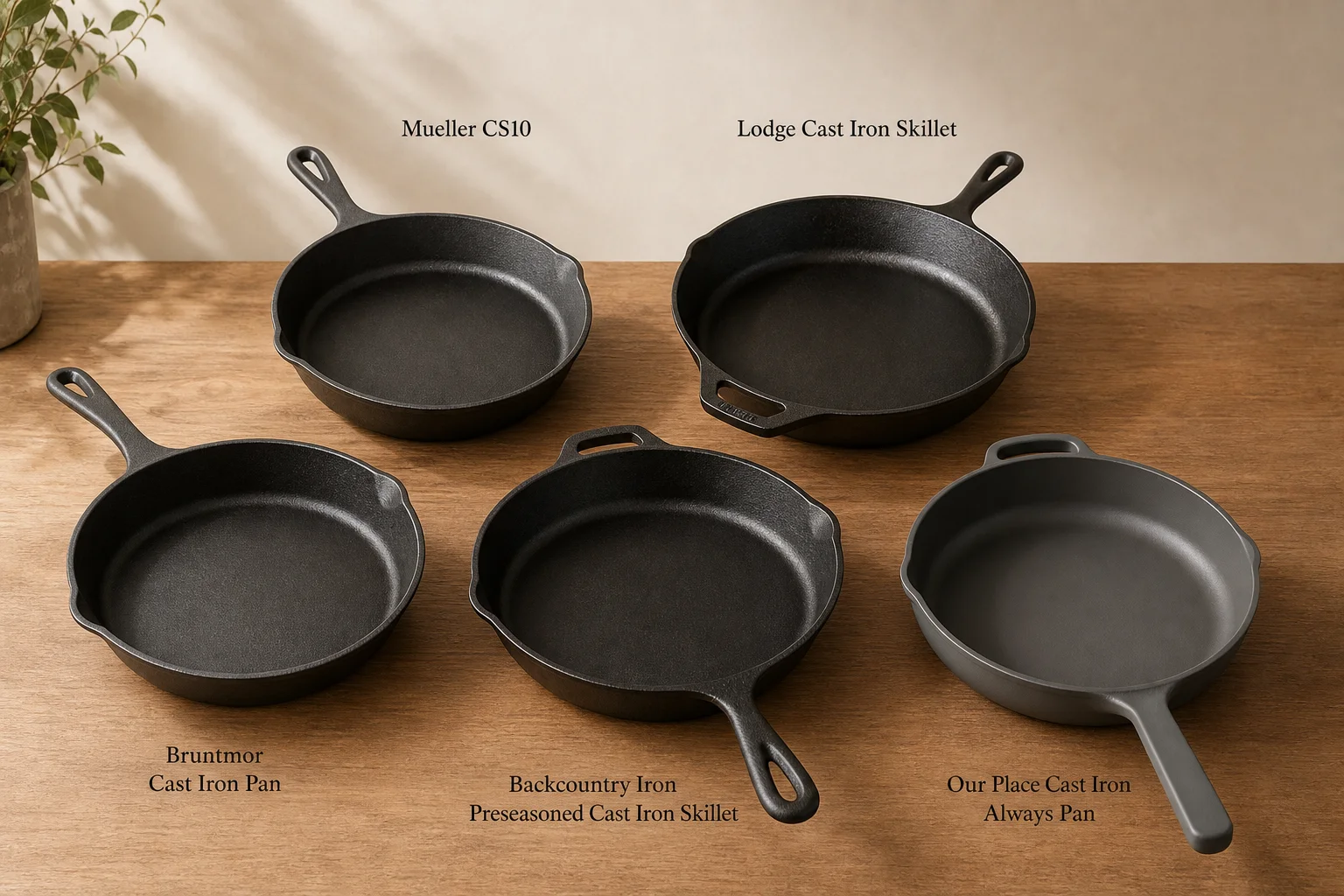
Best Cast Iron Pans 2026: Five Options from Budget to Premium
A practical breakdown of five cast iron skillets, from affordable Mueller to premium Our Place, with clear strengths and trade-offs for different cooking needs.
Cookware
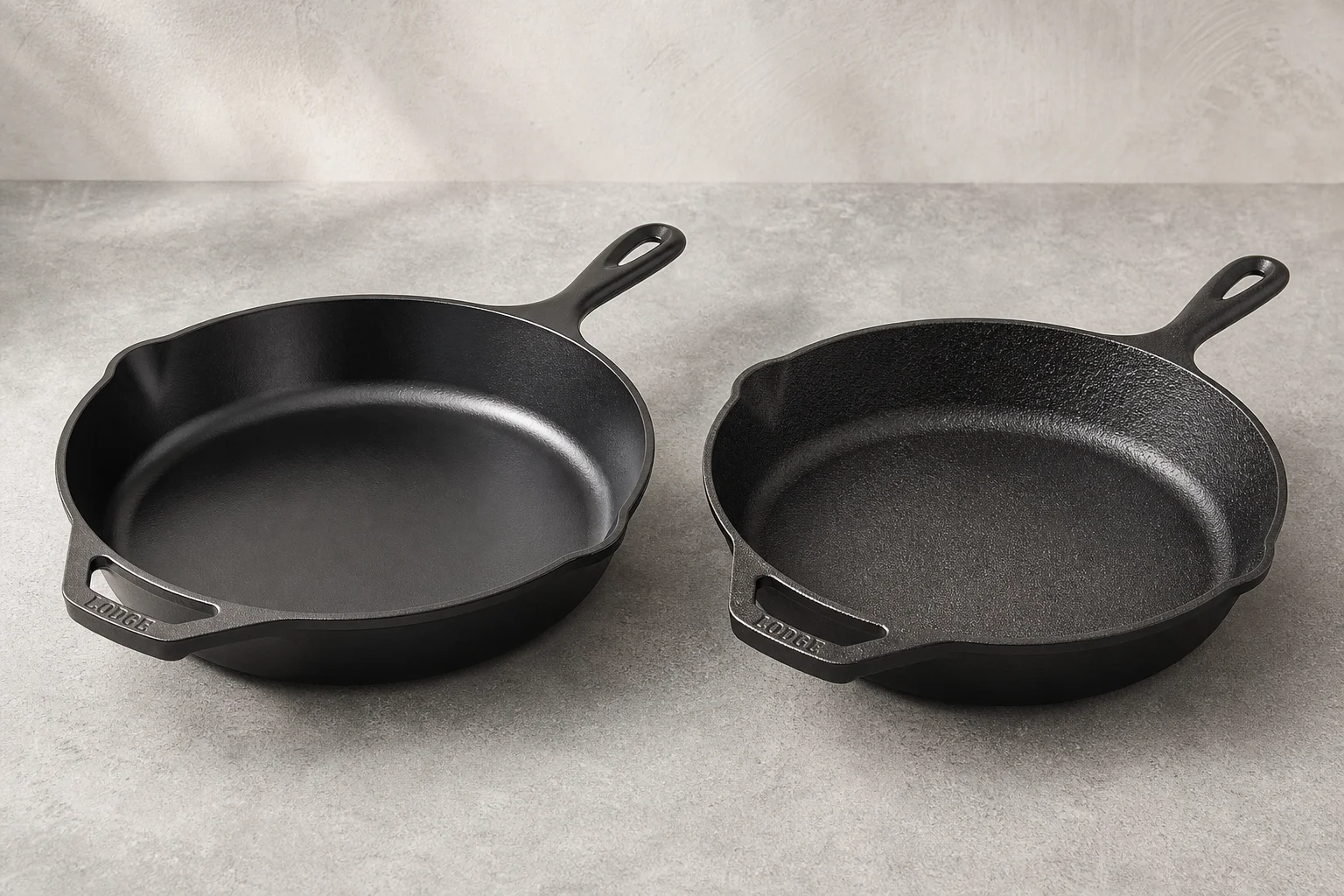
Best 12-Inch Cast Iron Skillets: Premium Craftsmanship vs. Reliable Budget Option
Two standout 12-inch cast iron skillets tested for heat retention, surface finish, and durability. One premium choice and one budget-friendly alternative that both deliver.