Cookware
HexClad vs Anolon X: Which Hybrid Cookware Should You Buy?
Both pans blend stainless steel with non-stick coating, but their construction, handles, heat behavior, and prices differ in ways that matter.
Introduction
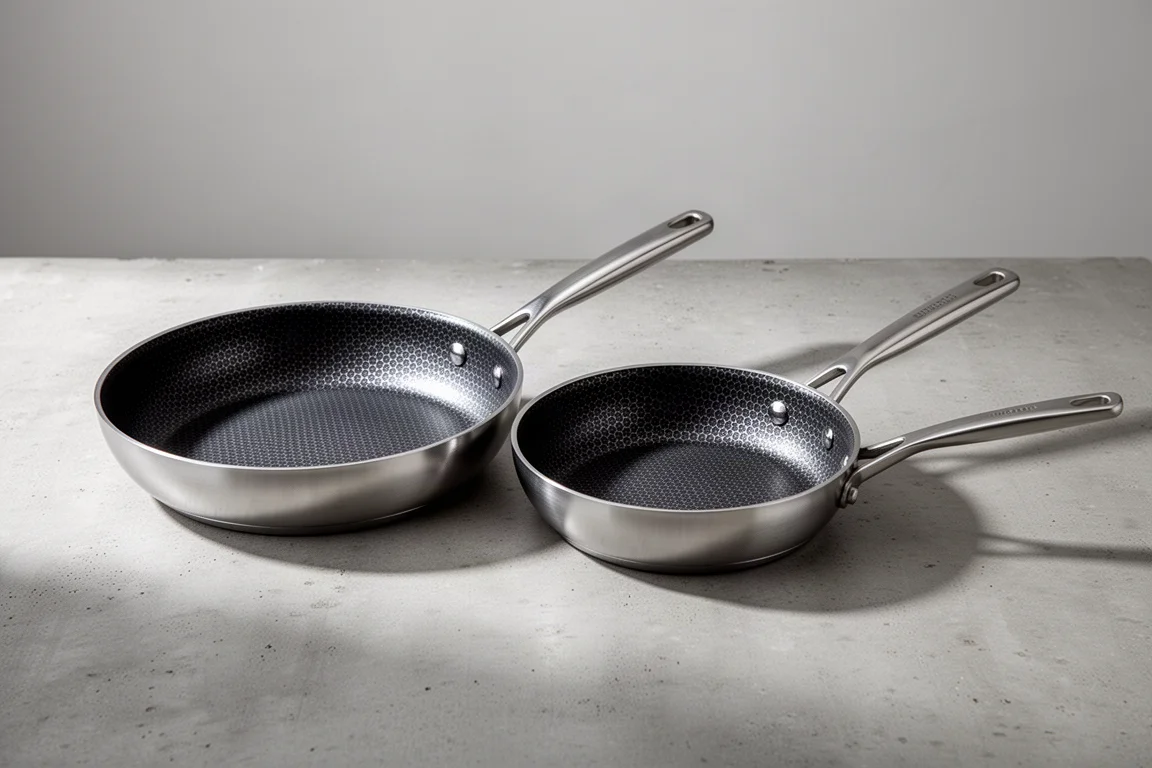
Hybrid cookware promises the best of both worlds: the searing behavior of stainless steel and the easy release of non-stick. HexClad and Anolon X are the two best-known names in this category, and at a glance their cooking surfaces look remarkably similar. Both integrate stainless steel with a non-stick coating, but the way each brand builds that surface leads to meaningful differences in durability, handling, and price. Here is what separates them before you decide which one belongs on your stovetop.
HexClad: Laser-Etched Steel Peaks Across the Whole Pan
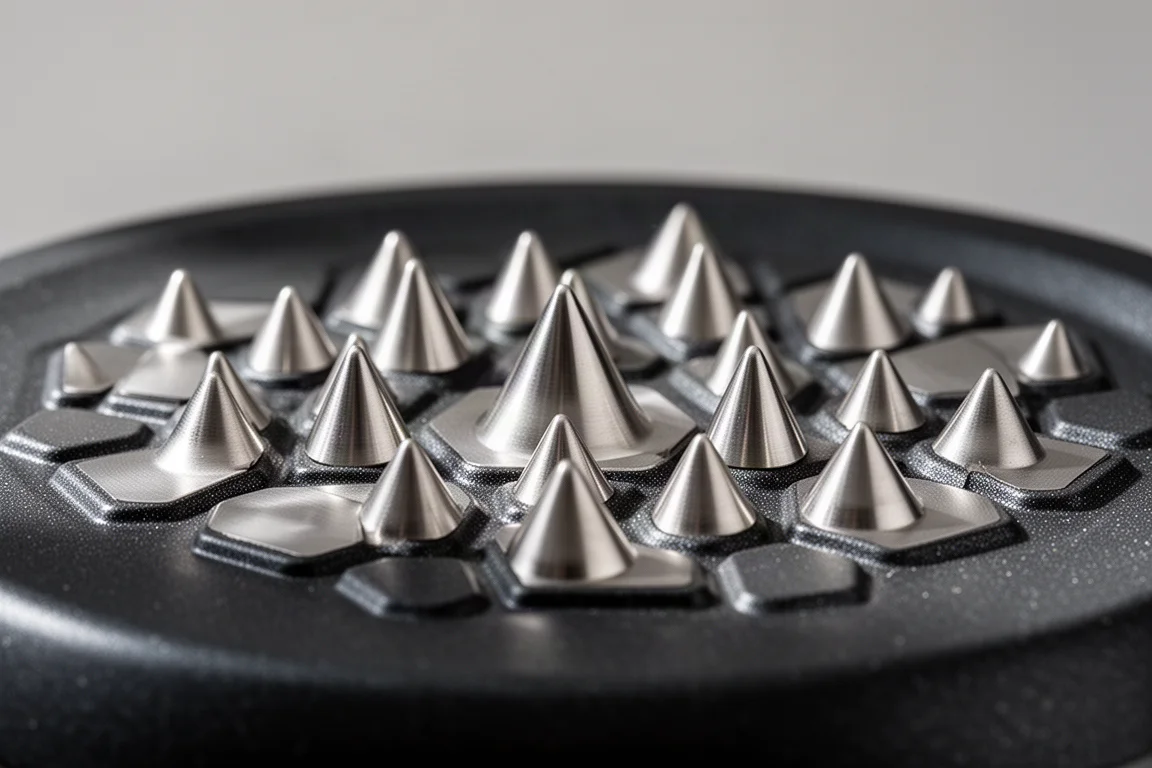
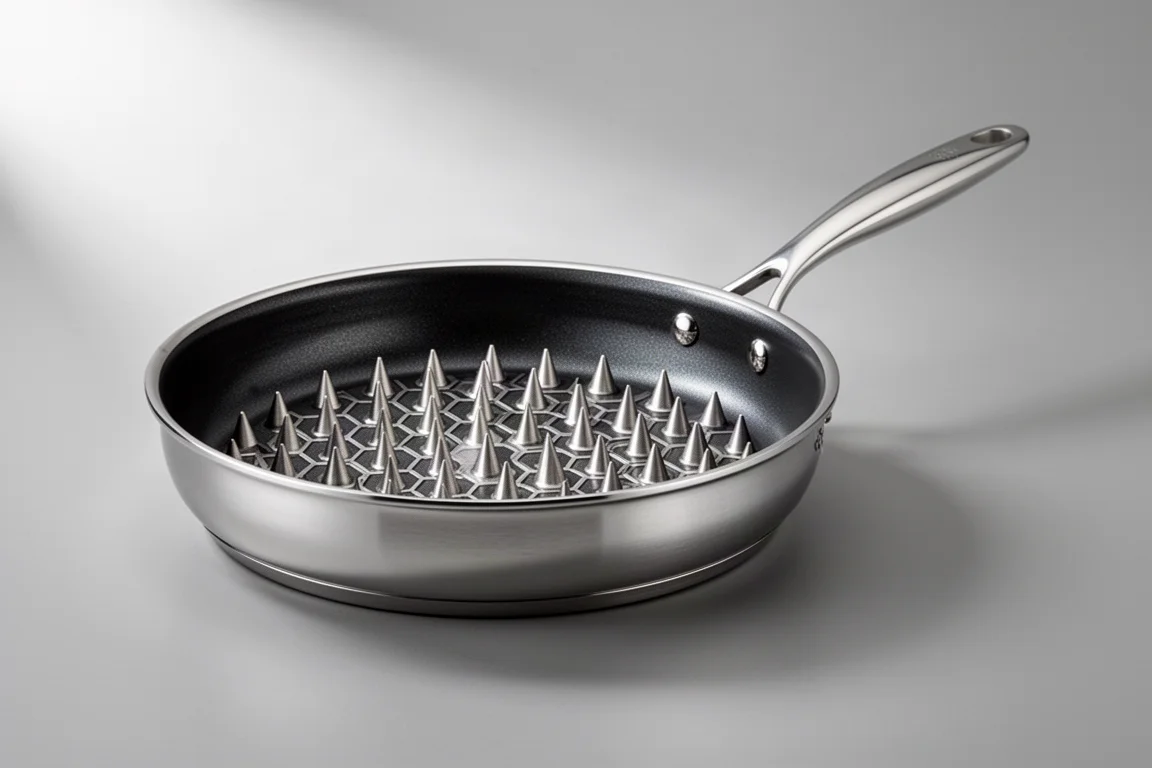
HexClad pans use a network of stainless steel peaks and non-stick valleys that form tiny hexagons. The pattern runs up the sides of the pan and ends in a solid steel band around the rim. The idea is that the steel peaks keep spatulas, tongs, and forks from ever touching the non-stick coating, so you can cook with metal utensils without scratching and ruining the pan. The top layer of steel is laser etched to create those peaks, and the construction is fully clad stainless steel with a thicker base. That thickness shows up in testing: HexClad pans are heavier than Anolon X, heat a little slower, and retain heat better.
Anolon X: A More Secure Handle and Flush Rivets
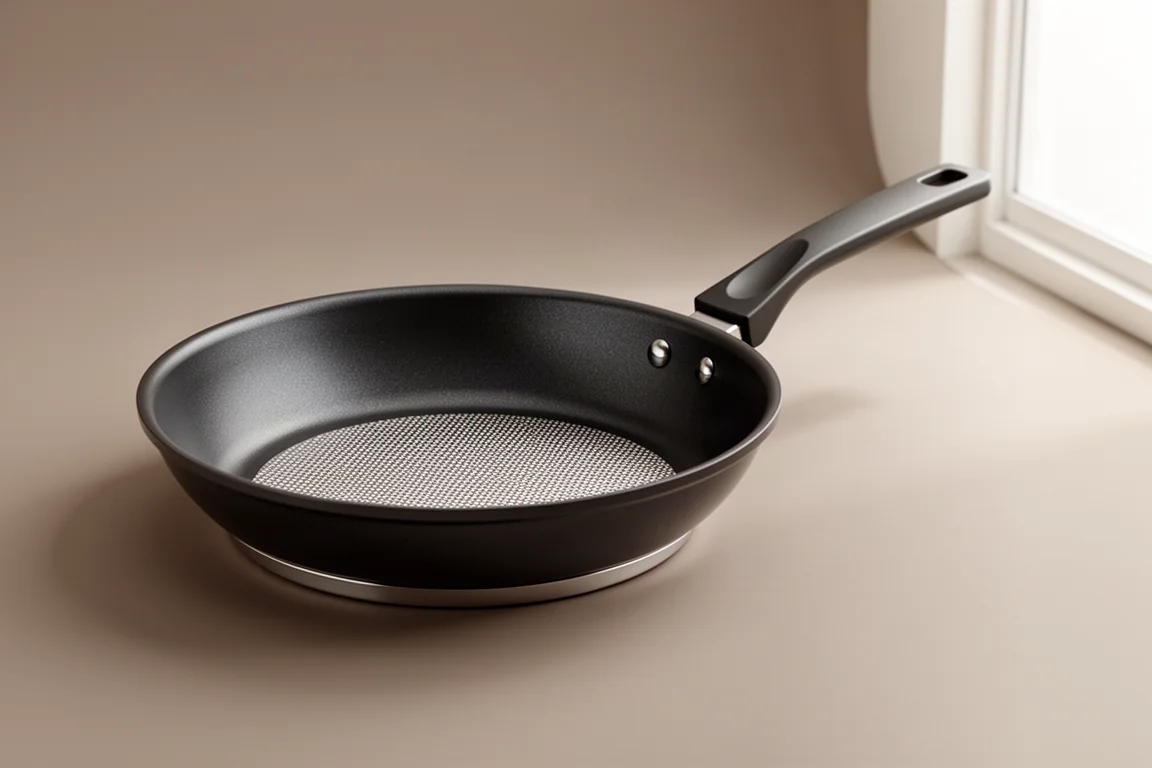
Anolon X takes a different route to a similar surface. Instead of laser-etched ridges, a steel mesh is fused into the non-stick coating. The mesh sits only on the flat part of the cooking surface, so the walls have no protection if you accidentally scrape them. The texture is subtler too: rub a hand over HexClad and you feel a gritty surface, while Anolon’s mesh is flatter with steel that is not raised as high. Because the pattern exposes more non-stick coating, Anolon X is more likely to scratch overall.
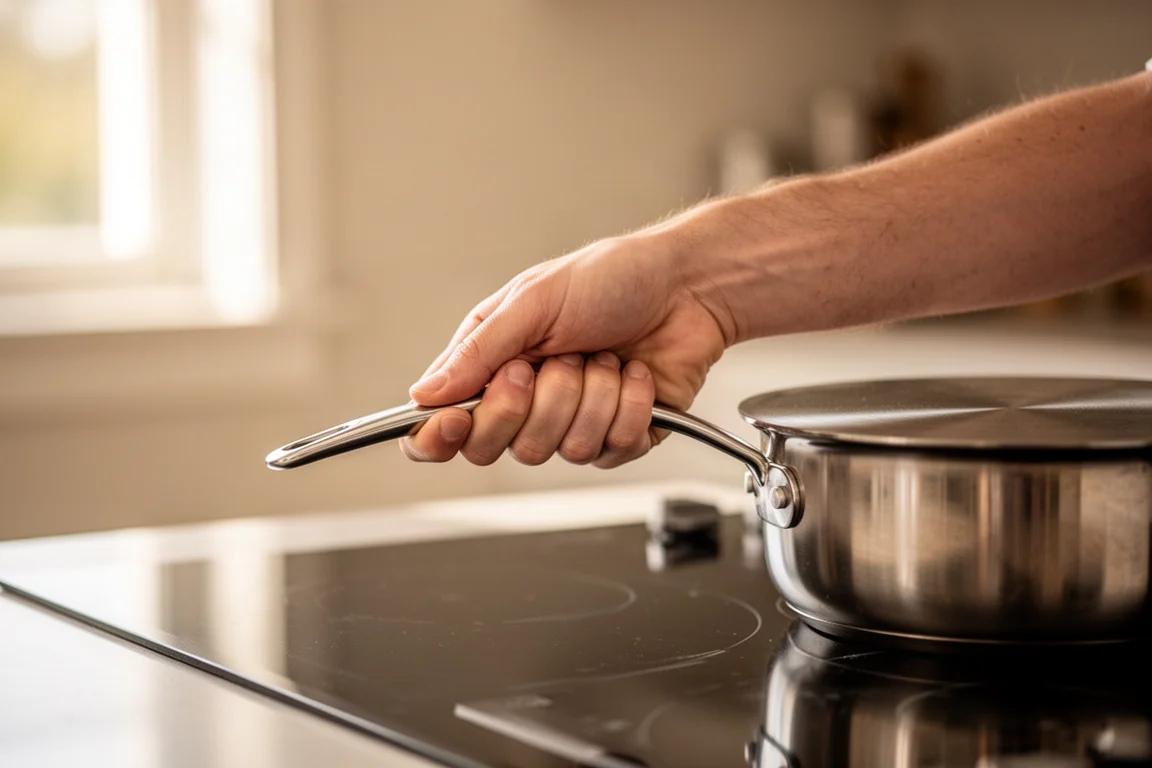
Where Anolon X genuinely pulls ahead is handle design. HexClad’s round handles are comfortable but can rotate in your hand, especially when your hands are greasy or wet or you are holding a towel. Anolon X handles are flat on the top and bottom with a slight curve for your thumb, giving a more secure grip and reducing the risk of the pan rotating. Anolon’s rivets are also flush with the cooking surface, while HexClad’s standard protruding rivets interrupt the surface and collect oil and grime.
How They Cook: Searing, Eggs, and Oil Control
In everyday cooking, both pans behave more like non-stick than stainless steel, but because the surfaces are not completely smooth they grip and sear meat better than a traditional non-stick pan. Cooking bacon, chicken, pancakes, and vegetables, both heat up quickly, hold a stable temperature, and deliver consistent results. Heat testing showed both distribute heat evenly, with Anolon X heating slightly faster and HexClad retaining heat better.
Eggs are the tricky part for both. They will stick unless you properly grease the pan; unlike a traditional non-stick surface, you cannot get away with no oil or butter. With grease, eggs stick less and a spatula slides underneath without much trouble, though HexClad’s surface is a bit slicker: shake the pan and the eggs loosen and move, while they stay put in Anolon X.
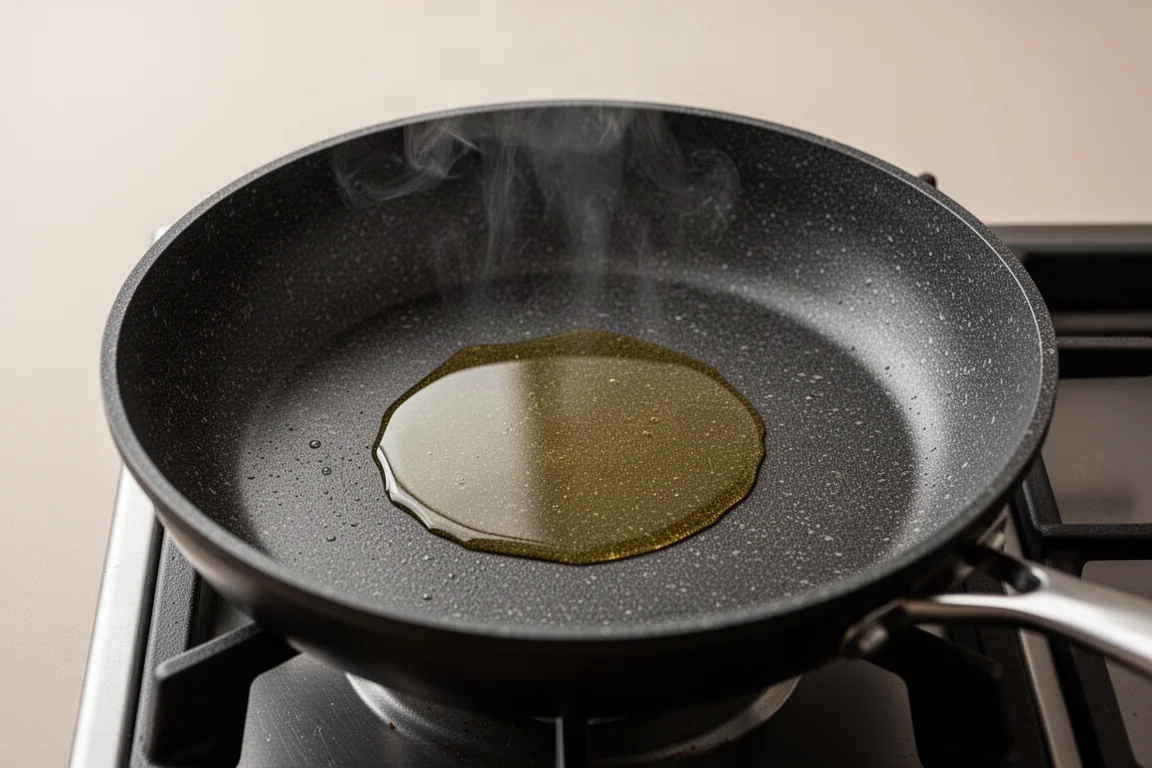
Anolon also claims its mesh design keeps oil directly under the food rather than letting it run to the edges, promising less sticking, more even caramelization, and a better sear. Pouring oil into a hot Anolon X pan confirms the mesh does hold oil in the center; you can tilt the pan to spread it evenly, but it does not immediately rush to the edges and leave the center dry. Oil in the HexClad pan drifts slightly off center but remains easy to control and coat across the whole surface.
Which One Should You Buy?
If hybrid cookware is right for you, HexClad comes out ahead for a few reasons. Its fully clad stainless steel base is thicker, so it retains heat better. The stainless steel hexagons protect the entire pan, not just the flat cooking surface. And eggs behaved better in the HexClad pan. One quality concern also surfaced with Anolon X: the steel base plate on the tested pan was not completely sealed all the way around. It does not affect performance now, but it could break off in the future and raises questions about quality control.
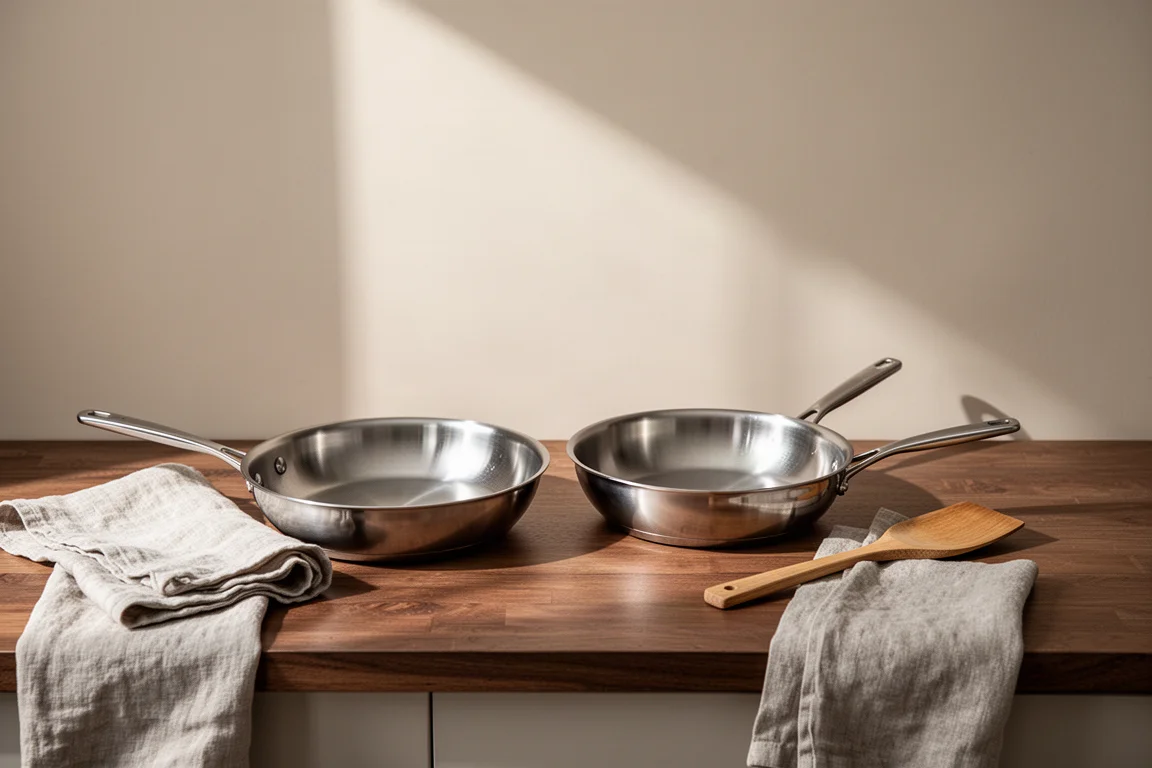
Price is the counterweight. HexClad pans are significantly more expensive, costing roughly 40 to 80 percent more than Anolon X depending on the product, because producing fully clad stainless steel with laser-etched ridges costs more than installing a steel mesh on top of an aluminum pan. If budget is the priority and you are careful with utensils on the walls, Anolon X remains a capable cook.
Conclusion
Both pans deliver on the hybrid promise of easy release with better searing than standard non-stick. HexClad wins on durability across the whole surface, heat retention, and egg performance, while Anolon X counters with a more secure handle, flush rivets, faster heating, and a noticeably lower price. Choose based on whether long-term surface protection or upfront value matters more to you.
Further reading
Related Reviews
Cookware
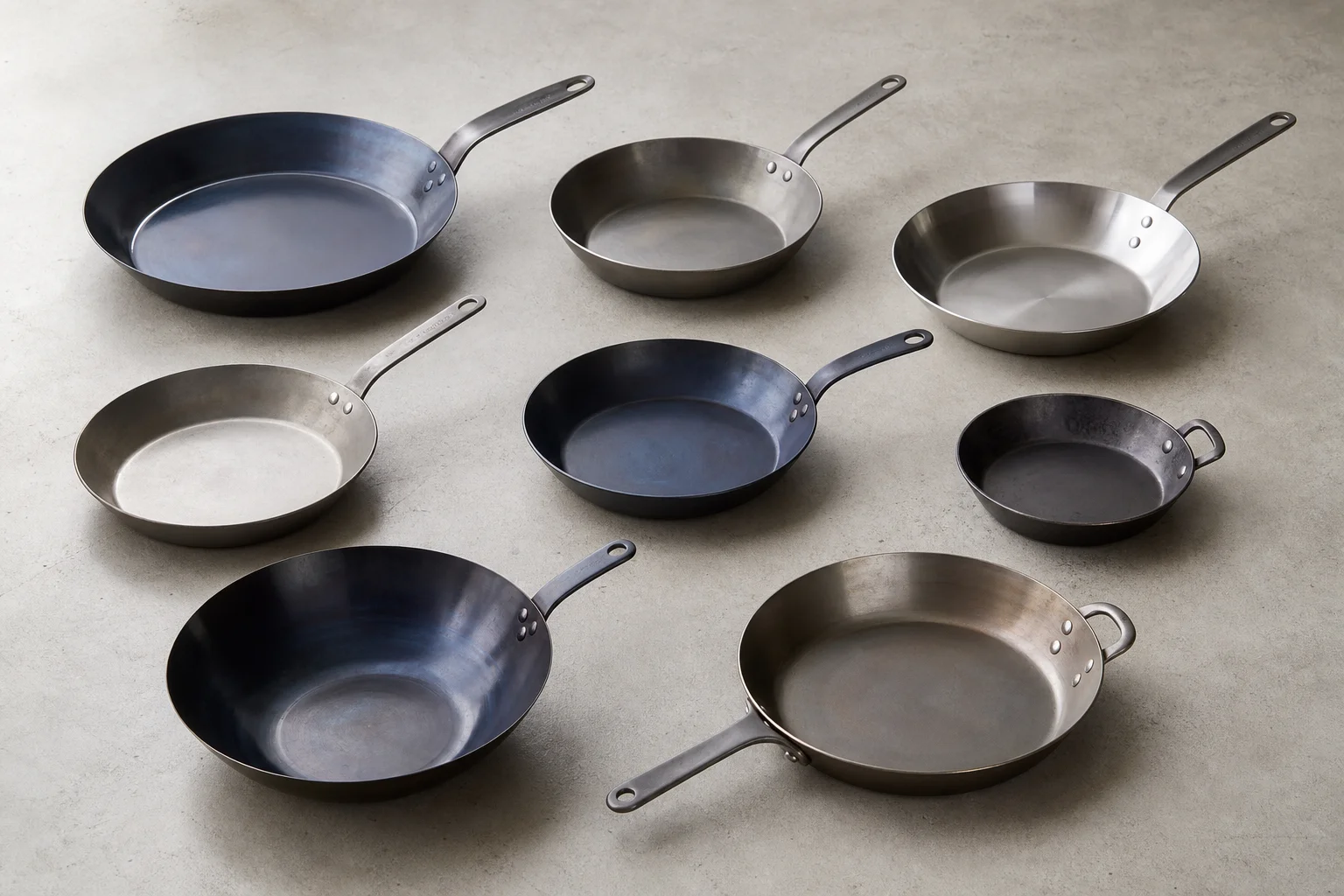
Best Carbon Steel Pans Tested: Which Brands Deliver Real Value
We tested eight popular carbon steel pans with controlled durability, heat, and cooking tests. Here's which ones perform best and which to avoid.
Cookware
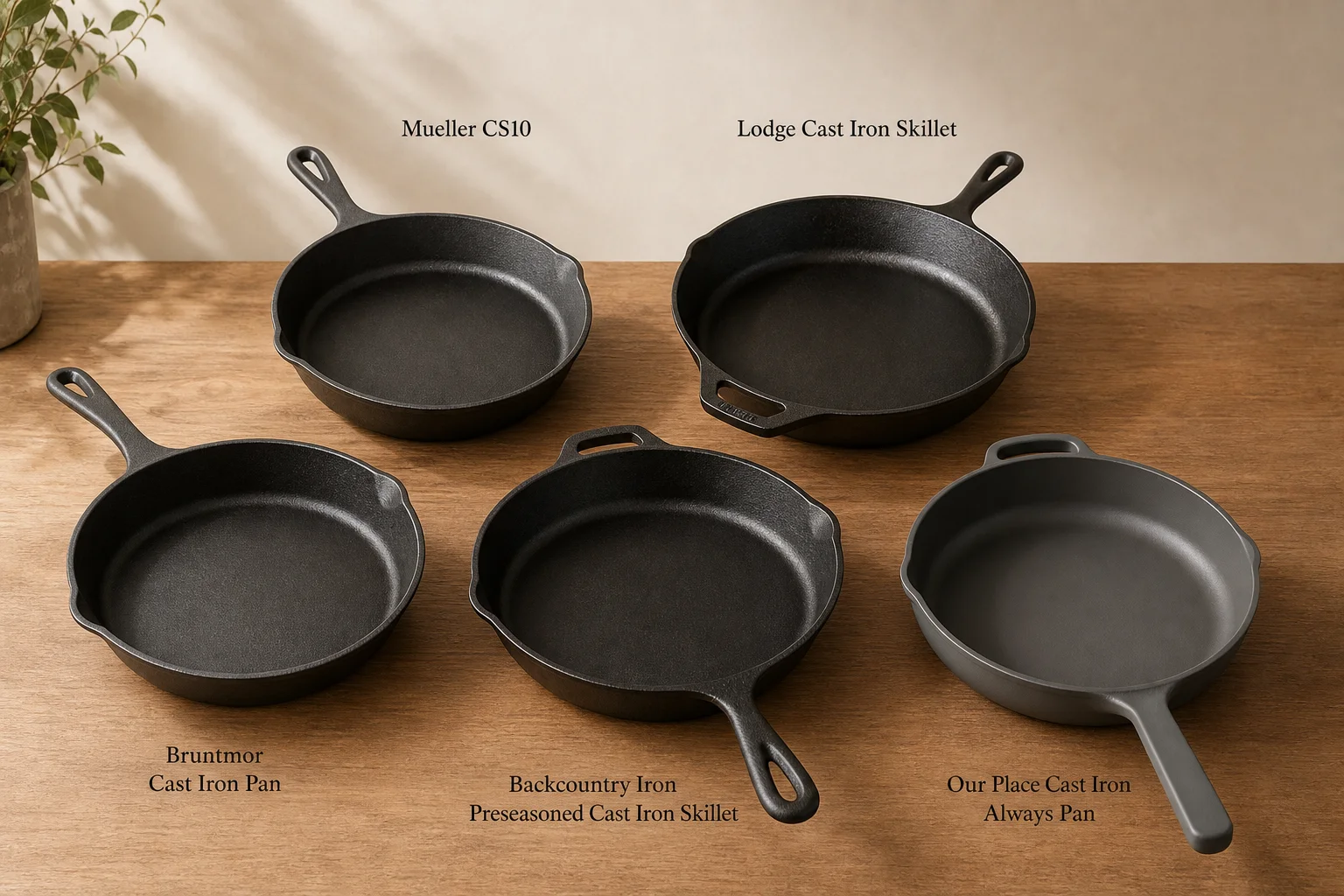
Best Cast Iron Pans 2026: Five Options from Budget to Premium
A practical breakdown of five cast iron skillets, from affordable Mueller to premium Our Place, with clear strengths and trade-offs for different cooking needs.
Cookware
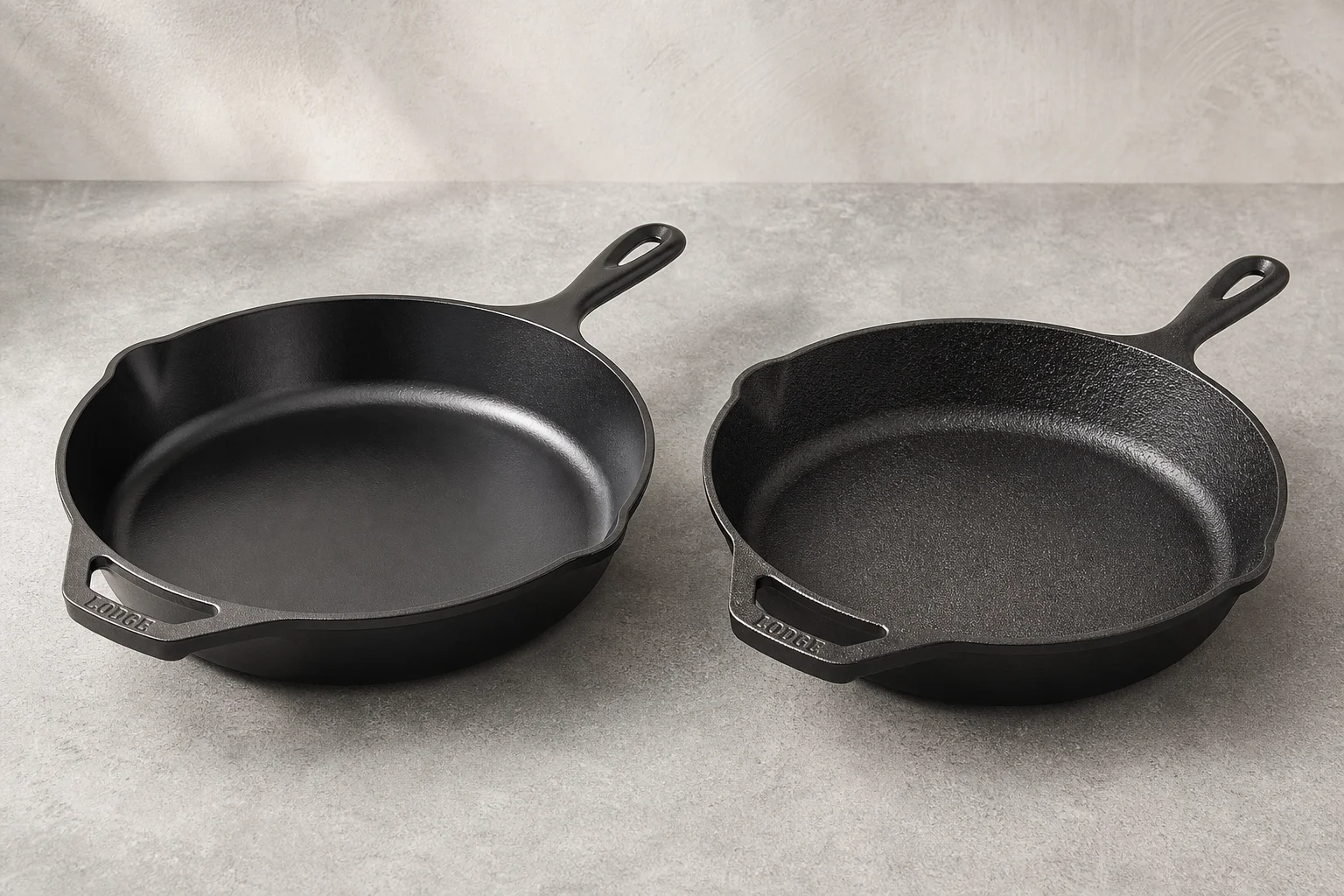
Best 12-Inch Cast Iron Skillets: Premium Craftsmanship vs. Reliable Budget Option
Two standout 12-inch cast iron skillets tested for heat retention, surface finish, and durability. One premium choice and one budget-friendly alternative that both deliver.