Cookware
HexClad Pans Review: Are the Hybrid Non-Stick Pans Worth the Hype?
Two chefs put HexClad's hybrid non-stick and stainless steel pans through five real kitchen tests, from tarte tatin to sticky salmon skin.
Introduction
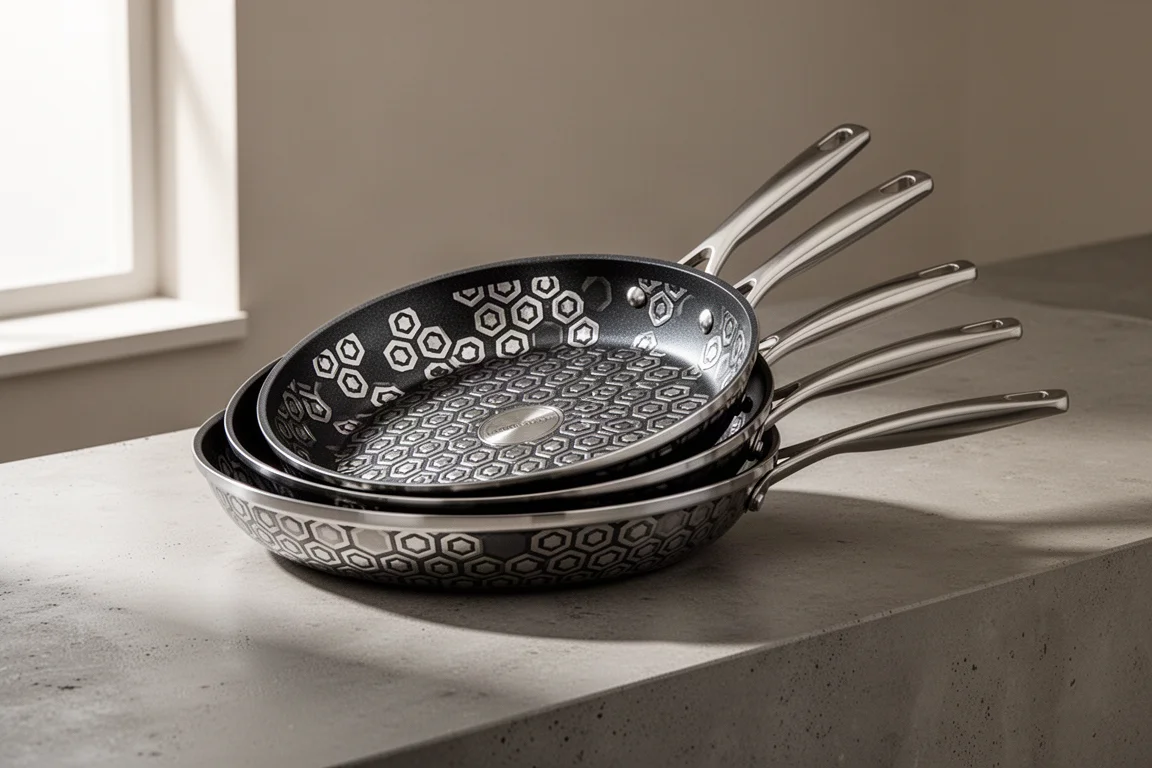
HexClad pans have been impossible to miss lately, endorsed by Gordon Ramsay and appearing everywhere. The pitch is a hybrid: a pan that combines non-stick convenience with the searing ability of stainless steel. To find out whether the hype holds up, we handed a four-pan set (three lids, including a wok) to two professional chefs and asked them to cook a full range of dishes in it. Here is what they found.
First Impressions and Seasoning
The set arrives with protective bags for each pan, intended to keep them safe in storage. In practice, the chefs judged them likely to end up shoved in a cupboard, though the underlying point stands: storing pans stacked directly on top of each other is how they get damaged. A layer of kitchen paper or pan pads between pans is a cheaper fix.
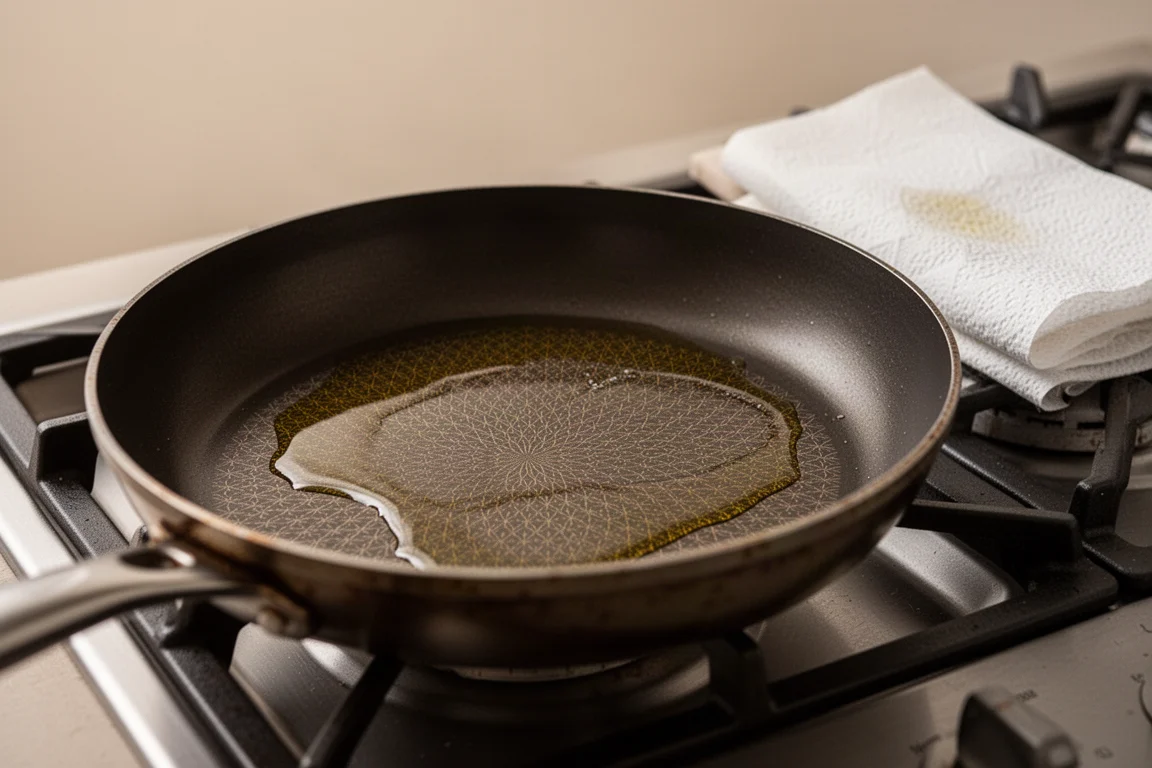
HexClad recommends seasoning the pan before first use. The chefs noted this is unusual, since seasoning is traditionally for high-iron cookware like cast iron or woks, where it protects against rust and builds non-stick properties. Here it is a much lighter process: a thin layer of neutral, high-temperature oil such as vegetable oil, warmed slowly over a medium heat for a couple of minutes. More of a light oiling and warming than a proper wok-style seasoning.
What the Pans Actually Are
These are hybrid pans combining non-stick and stainless steel. The non-stick layer is non-Teflon, described as a ceramic compound, forming the black base. The texture you can feel is lightly raised stainless steel hexagonal dots, which is where the name comes from. In theory, this hexagonal design should deliver even heat distribution and heat retention. The pans work on any heat source, including gas, electric, and induction, and are oven-safe.
Test One: Apple Tarte Tatin
The first test was a dry caramel for a tarte tatin: caster sugar over a medium-high heat, no water. The pan heated somewhat unevenly on a domestic electric hob, partly because of the hob itself, but the caramel came together well. Butter, apples, and a pre-shaped puff pastry lid went in, and the whole pan went into the oven.
Test Two: Steak and Pan Sauce
Steak is where the hybrid design requires a mindset shift. These pans do not like super high temperatures, which is what you would traditionally use to sear a steak. Starting with hot oil until it shimmers, then a few turns of the steak, butter, and basting produced a good sear despite only medium heat, thanks to plenty of stainless steel contact.
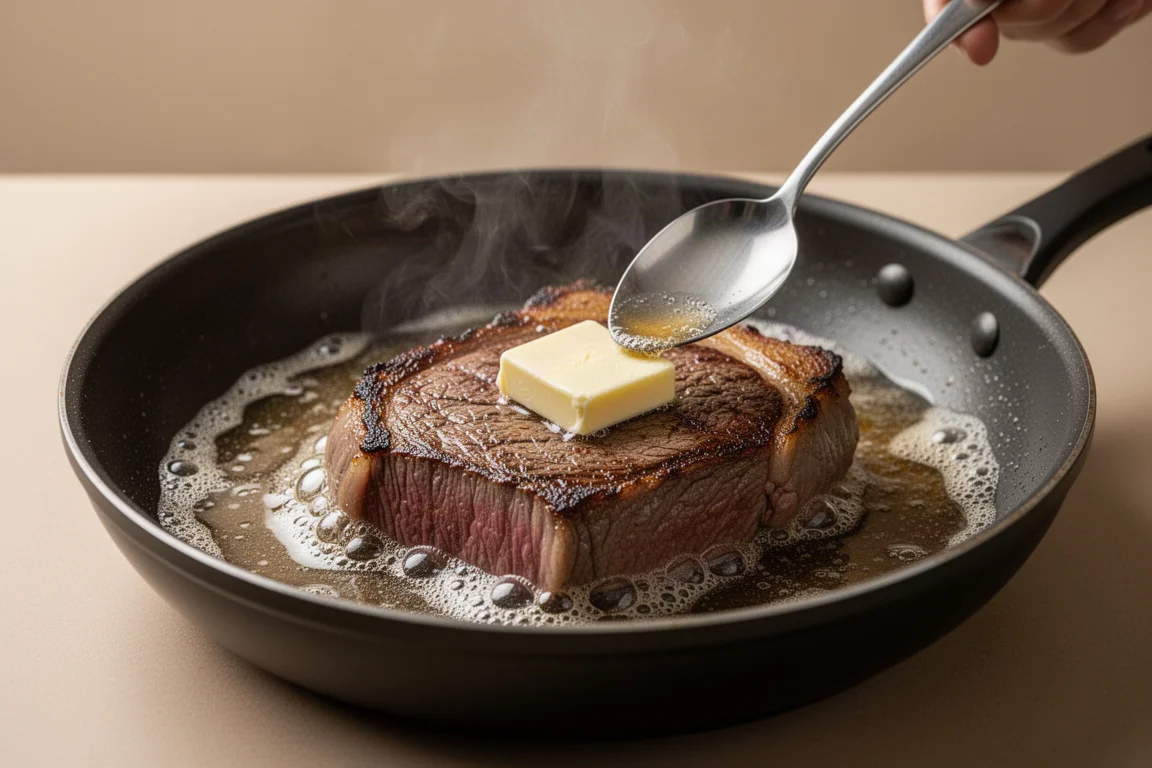
The honest verdict: a full stainless steel pan would likely have produced a better sear, and the raised hexagons are not pronounced enough to leave grill lines. But because the pan is doing two jobs at once, the argument is that it does each to around 80 or 85 percent while adding durability, making it an all-rounded good pan. The resulting steak was described as having a buttery sear and being damn delicious, even without the smoky char-grill character of cast iron.
One standout detail: the handles are hollow with a wide shape, so they stay cool on the hob even while the pan is searing hot. No tea towel needed. Metal utensils are fine, though avoid stabbing anything sharp into the pan between the raised hexagons. Cleaning took about two seconds, and because the whole pan is non-stick inside and out, both surfaces wipe clean easily.
Test Three: Potato Cakes and Sticky Proteins
Bubble and squeak patties made from leftover mashed potato are notoriously wet and sticky in the pan, and halloumi and fish skin are classic sticking hazards. The key technique: get the food in and do not move it. The patties came out hot all the way through and crisp outside, something the chefs agreed would have been more difficult in a stainless steel pan.
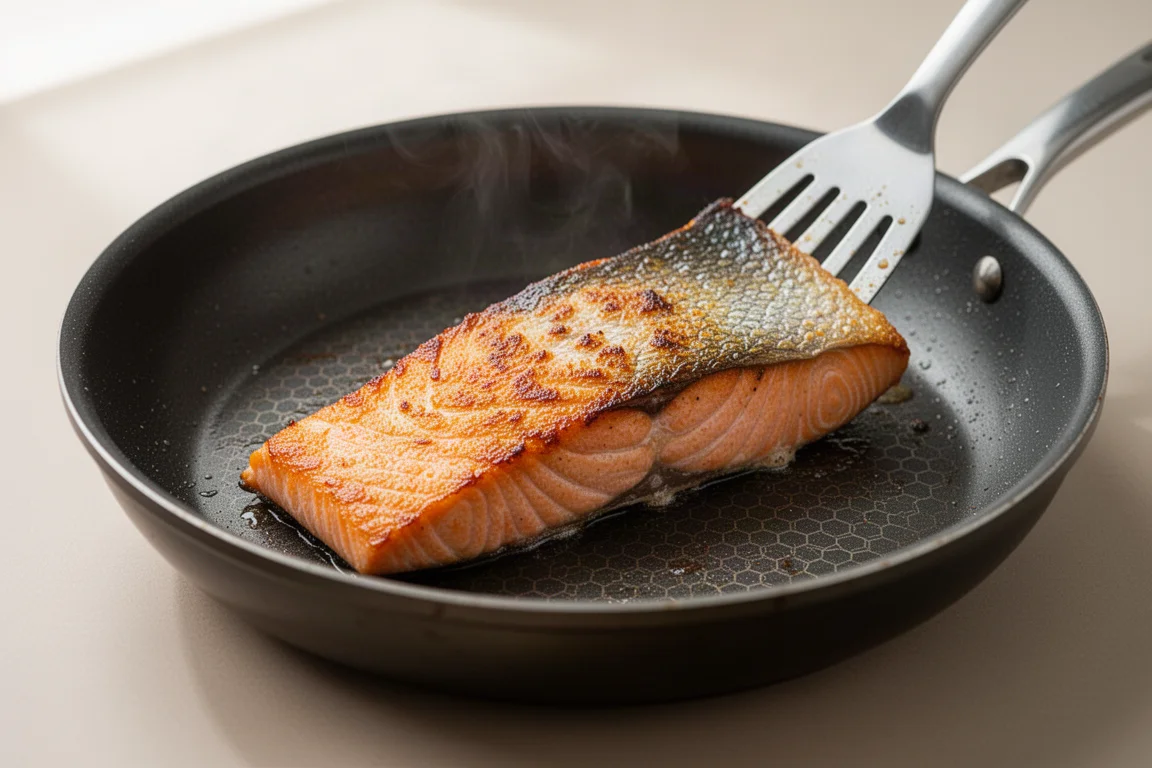
The salmon test was the most revealing. One fillet was dried out uncovered in the fridge for two days, one was not. Both cooked without sticking, even the wet-skinned one, which impressed the chefs most. The dried fillet produced a rich bronze, crackling-crisp skin with noticeably better colour and flavour. The lesson: the pan handles both, but drying your fish skin first gets a better result.
Test Four: Mac and Cheese
A roux turned bechamel turned mornay, whisked directly in the pan, which you would normally never do in a non-stick pan. The taller pan’s depth was praised for whisking and stirring without sauce slopping over the sides. After loading in Comte, cheddar, parmesan, pecorino, and smoked provolone, the pan went into a 230-degree oven until bubbling and golden.
One caution worth repeating: the handles stay cool on the hob, but they absolutely get hot in the oven. Even after baking, caramelised bits on the pan wiped away easily where an enamel dish or baking tray would have needed serious soaking.
Test Five: Crepes
A thin batter of one part flour, one part egg, two parts milk, laced with brown butter. Not a hint of sticking across several crepes, which emerged golden and lacy with a distinctly hexagonal colour pattern. The chefs also noted that HexClad says the pans improve with a couple of weeks of use as they naturally season themselves. As one chef put it: you season food to get it ready to eat, and you season the pan to get it ready to cook.
The Tarte Tatin Verdict
The finished tarte tatin flipped straight out of the cooled pan with nothing stuck, no need to reheat the base to loosen it, just a little caramel on the edges as expected. Soaking in warm, lightly soapy water dissolves the remaining sugar, and the pans are also dishwasher-safe.
Price and Buying Advice
The four-pan set with three lids tested here costs 420 pounds. That is expensive, and the chefs were clear that the price makes looking after them even more important. Their advice if you already own pans: start with a single pan, the medium frying pan, test it, and only buy the full set if you like it and can adjust your cooking.
These pans reward a small change in habits. Recipes will tell you to crank the heat to high for steak, but HexClad performs best at a lower medium temperature for longer. Buy it understanding what it does, adjust your cooking, and the results are genuinely strong. As one chef put it, there has been little true innovation in pans since non-stick arrived, and this hybrid is exactly that.
Conclusion
Across five demanding tests, the HexClad pans delivered: a clean tarte tatin release, a respectable steak sear at medium heat, effortlessly released sticky proteins, a whisked sauce and oven bake, and perfect crepes. They are not a replacement for a fiercely hot stainless steel pan or cast iron, and the price demands care, but as a durable, genuinely non-stick everyday pan that can also go in the oven, they live up to most of the hype.
Product link
View more details for HexClad Hybrid Pans
This product is mentioned in the review. Check the specifications, options, and compatibility before buying.
View more details for HexClad Hybrid PansFurther reading
Related Reviews
Cookware
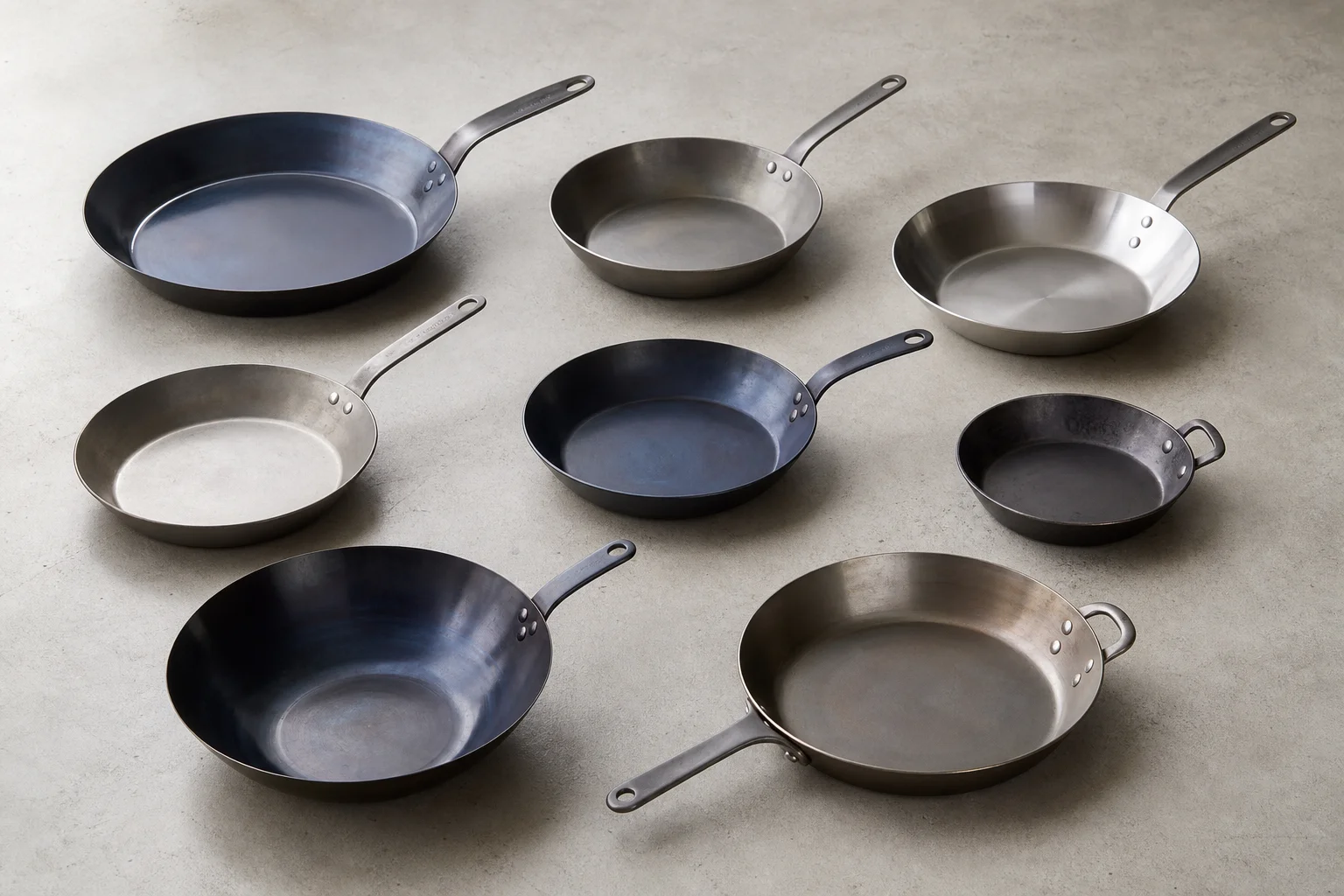
Best Carbon Steel Pans Tested: Which Brands Deliver Real Value
We tested eight popular carbon steel pans with controlled durability, heat, and cooking tests. Here's which ones perform best and which to avoid.
Cookware
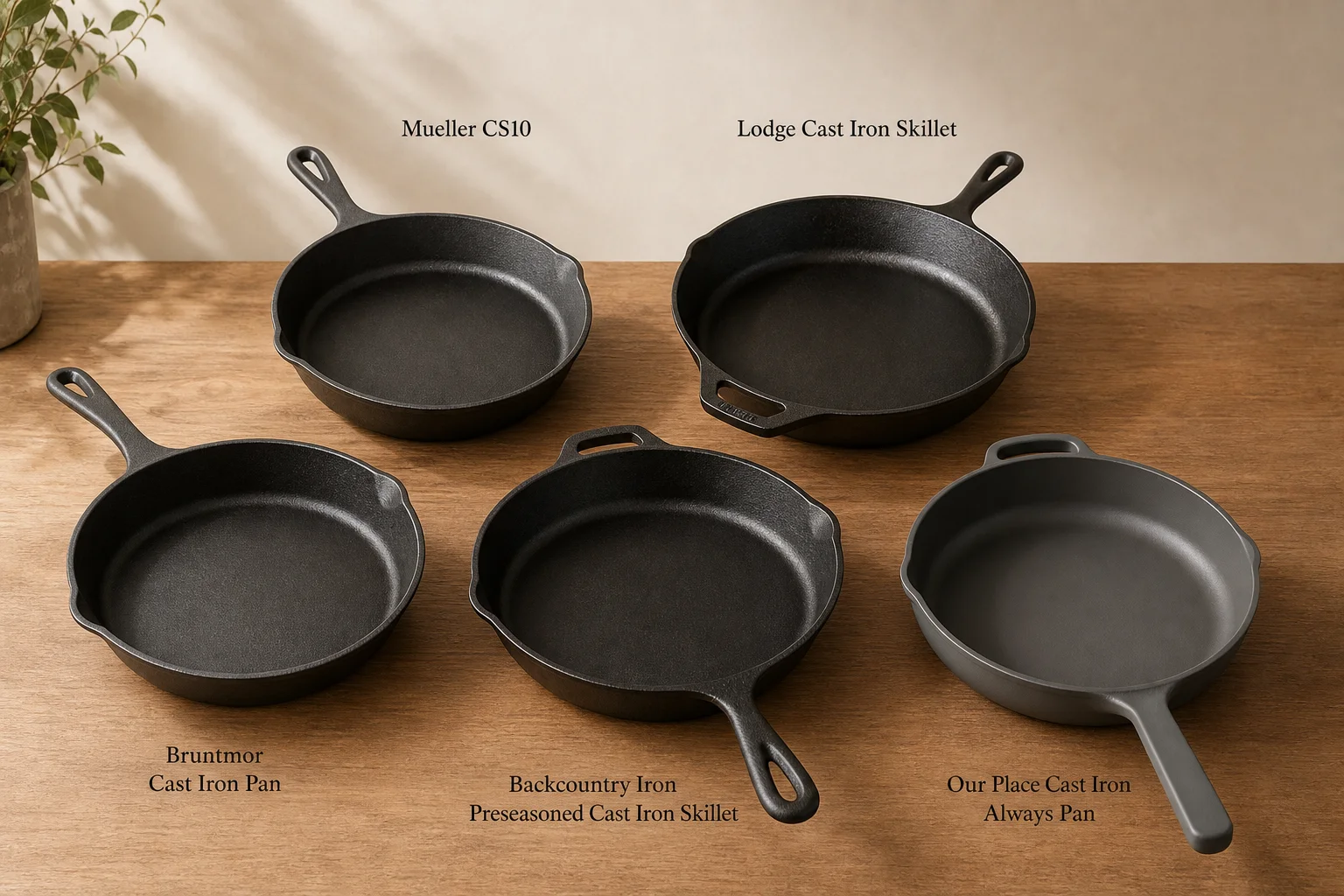
Best Cast Iron Pans 2026: Five Options from Budget to Premium
A practical breakdown of five cast iron skillets, from affordable Mueller to premium Our Place, with clear strengths and trade-offs for different cooking needs.
Cookware
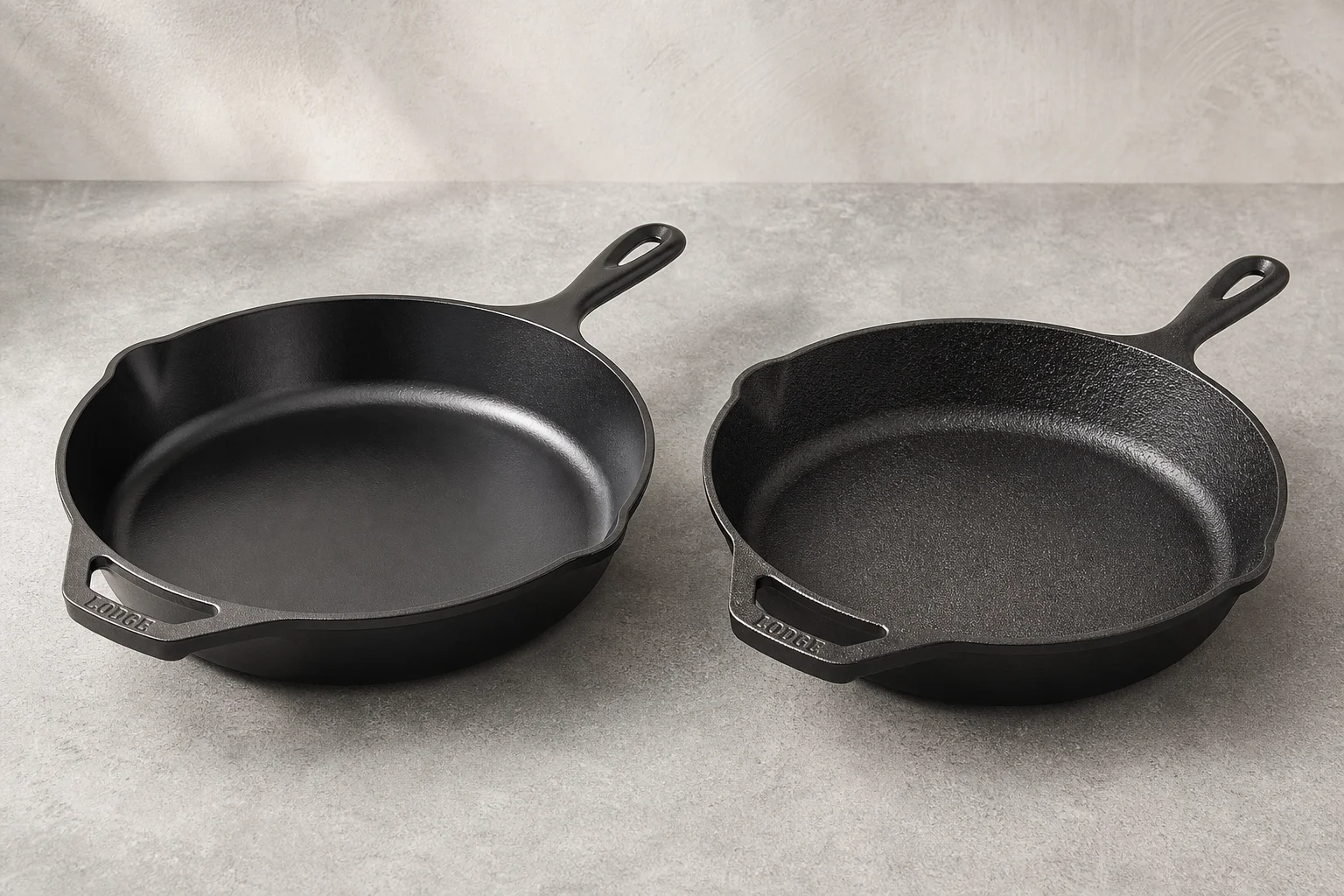
Best 12-Inch Cast Iron Skillets: Premium Craftsmanship vs. Reliable Budget Option
Two standout 12-inch cast iron skillets tested for heat retention, surface finish, and durability. One premium choice and one budget-friendly alternative that both deliver.