Cookware
Hestan NanoBond Fry Pans Review: Titanium-Bonded Stainless Gets a 10
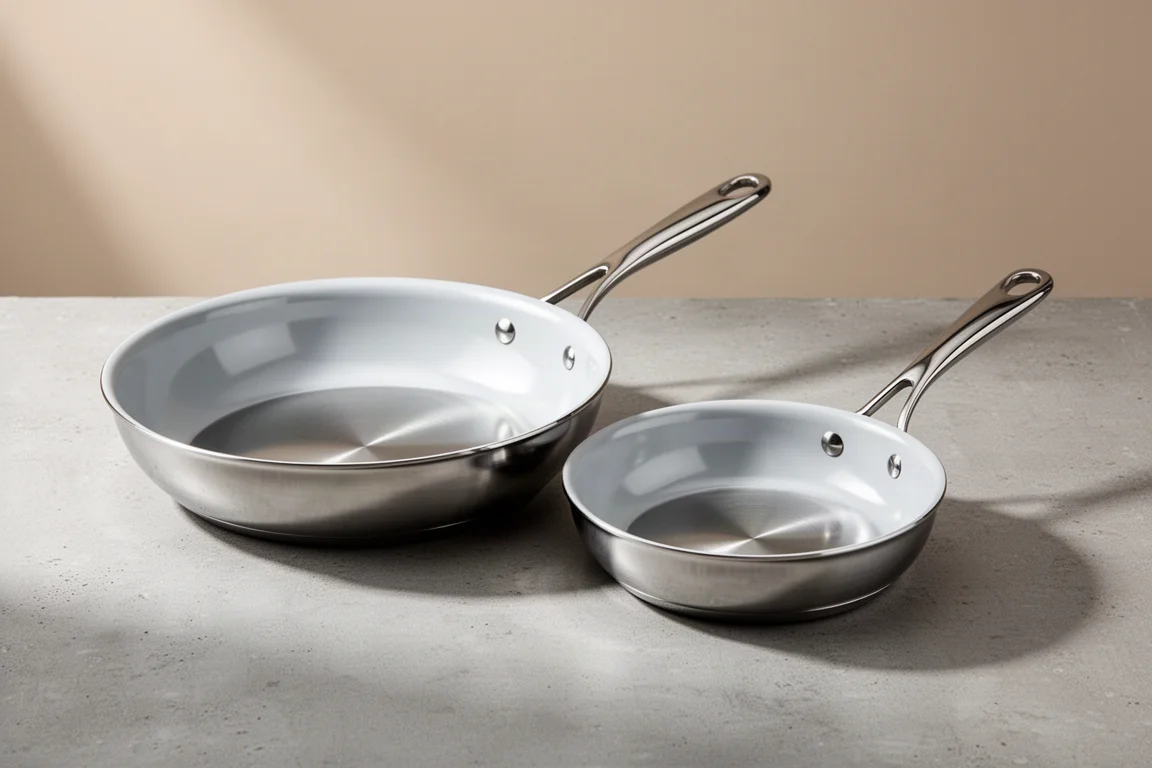
The Hestan NanoBond 11-inch and 8.5-inch fry pans earn perfect scores across the board, thanks to a titanium-reinforced surface that outperforms ordinary stainless steel in nearly every way.
Introduction
The Hestan NanoBond fry pan line represents a genuine technological step forward for stainless steel cookware, a category many cooks already consider the most versatile in the kitchen. Both the 11-inch and 8.5-inch versions scored a perfect 10 across every evaluation category, which is rare enough that it deserves a close look.
The catch is the price. These pans currently retail for $160 (8.5-inch) and $320 (11-inch), which is firmly ultra-luxury territory. The good news is that Hestan’s remaining patents on the core technology appear close to expiring, and history suggests what happens next: when All-Clad’s tri-ply patent expired in 2014, competitors caught up quickly and prices came down across the board. If you can wait, this tech will likely get cheaper. If you cannot, these pans are still worth the ask today.
What Makes NanoBond Different
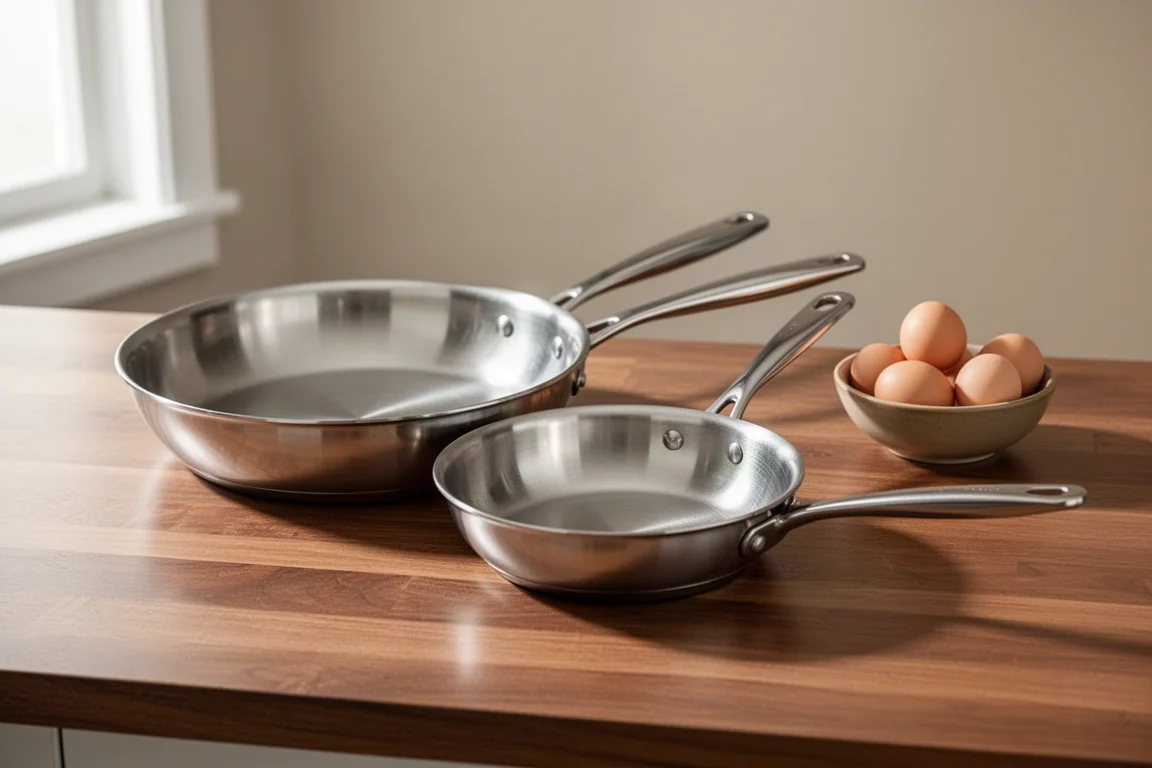
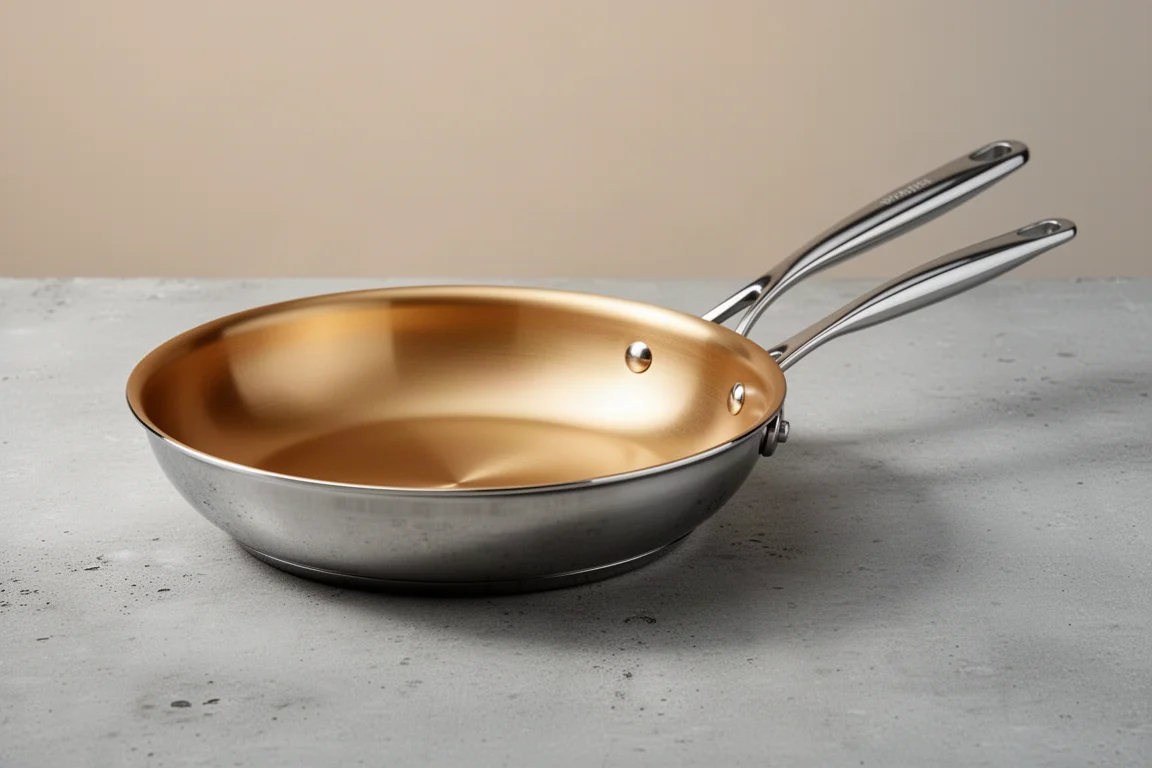
NanoBond starts with familiar tri-ply construction: stainless steel on the outside, pure aluminum in the middle. Hestan adds extra aluminum to help the pan heat faster and more evenly, then completely seals the edges in steel, which makes the pans fully dishwasher safe.
The real magic happens in a vacuum chamber, where vaporized titanium and a few other metals are deposited onto the pan through a process called cathodic arc deposition, building up extremely thin, shiny layers of ceramic. This is nothing like the brittle, self-sacrificing ceramic coatings on non-stick pans. The same technology is commonly used on titanium-reinforced drill bits designed to bore through concrete and metal, and at roughly 9.5 on the hardness scale, few materials short of diamond are likely to scratch it.
Cooking Performance: Better Than Regular Stainless
The bonded coating is less reactive than ordinary stainless steel, which makes the surface noticeably slicker. Testing included things cooks rarely trust to stainless: frying and scrambling eggs came off without issue, and chicken thighs slid around with almost no sticking.
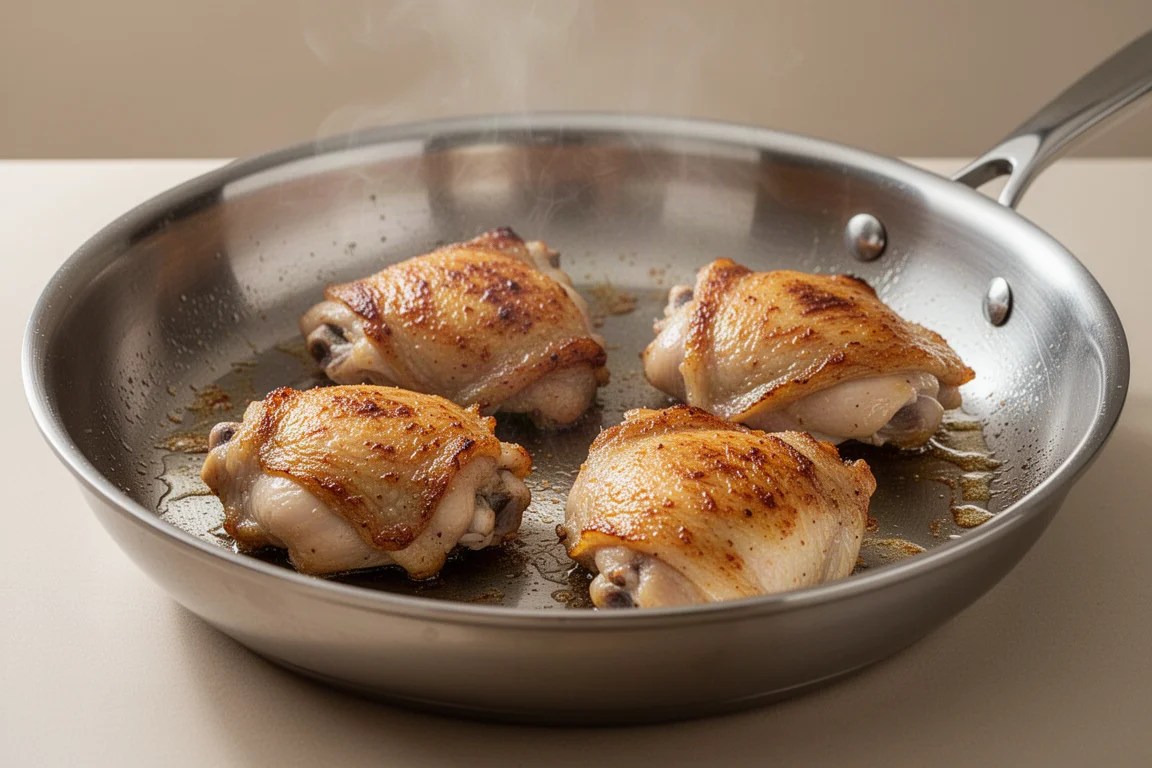
It is not truly non-stick, and honesty matters here. Tacky foods like certain sticky egg preparations can fully adhere, and fish requires deliberate attention to keep it moving. Think of the surface as a handrail rather than an escalator: it helps you get where you are going, but it will not do the work for you. Combined with excellent heating and durability, the materials still earn a 10.
Care and Maintenance
Because the edges are fully sealed in steel, these may be among the most dishwasher-safe pans ever tested. In practice, they need very little cleaning effort. The only time elbow grease was required was when a sticky egg residue clung on, and even then steel wool would not leave a single scuff on the surface, which is remarkable to see.
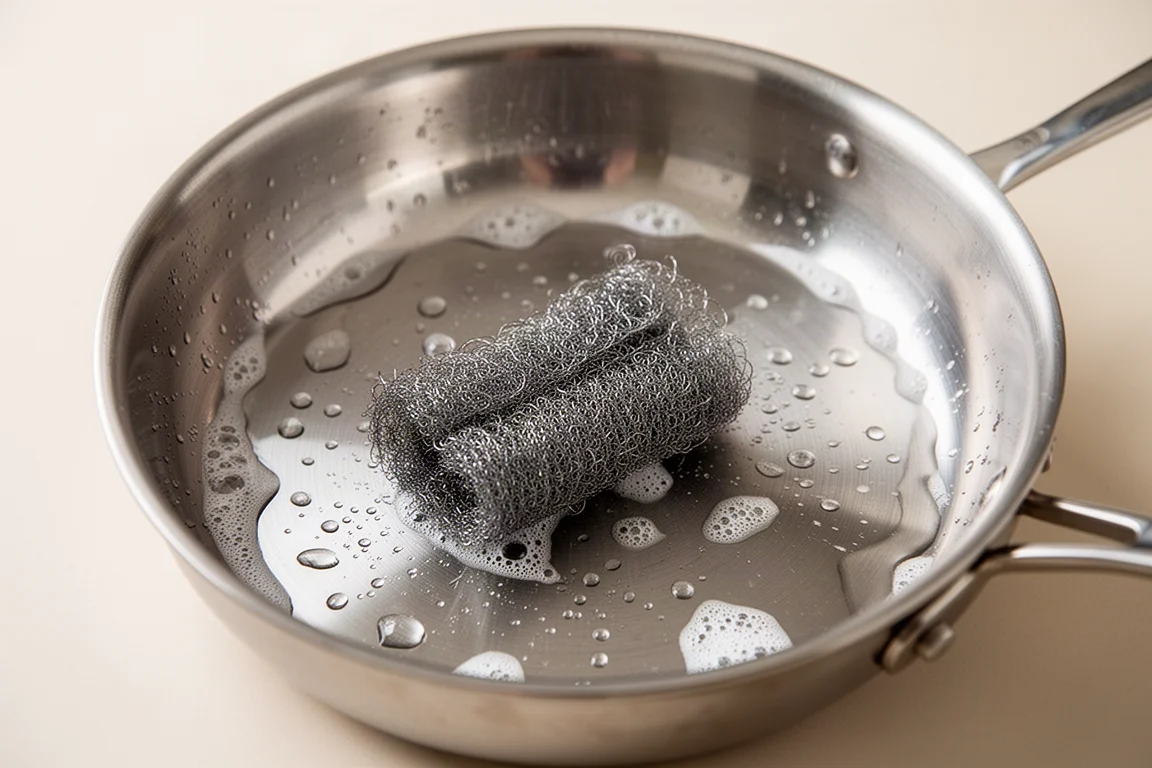
Like regular stainless steel, the coating can develop rainbow discoloration over time. These stains harm nothing and come off easily with Bar Keepers Friend. Care earns a full 10 as well.
Design and Everyday Use
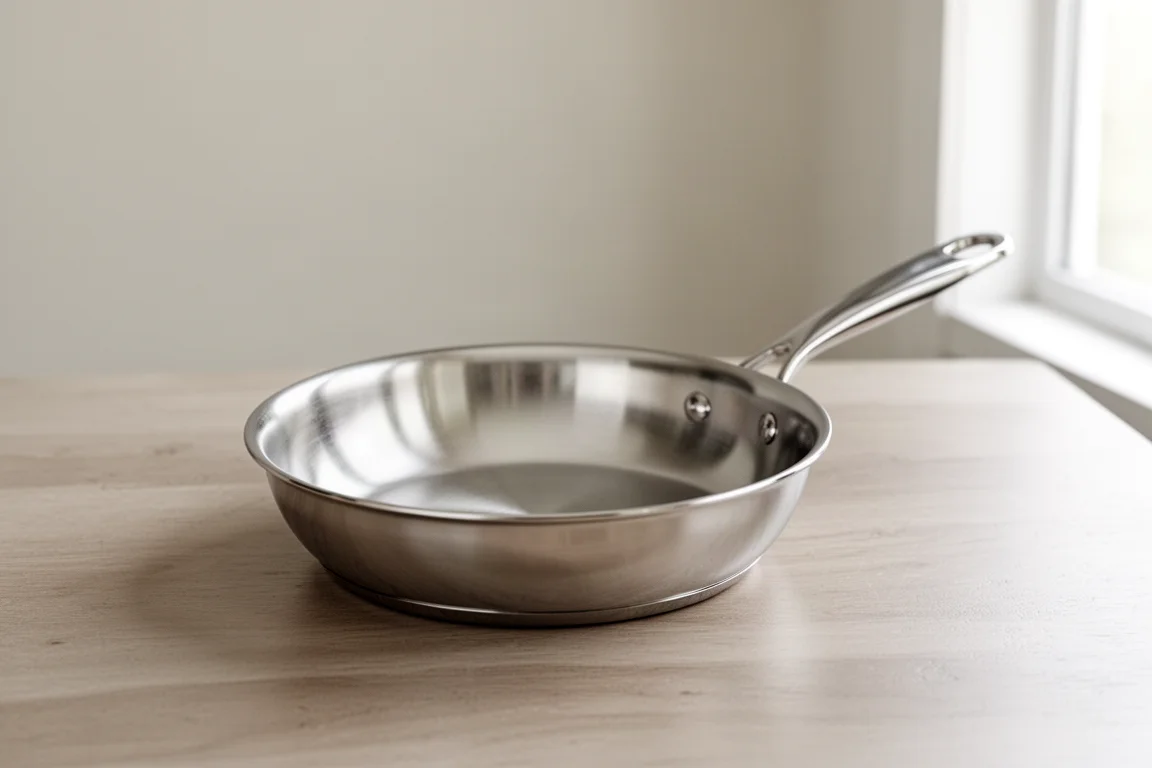
Hestan is unusually considerate with the details. You get a generous amount of cooking surface relative to the pan’s overall size, flush rivets that are easier to clean, and a large loop on every handle for hanging storage, a genuine practical win.
The brand’s broader aesthetic leans toward a flashy, pseudo-French luxury look, with ornate embossed logos on some pot and lid handles, and that styling does not suit everyone. Happily, neither of these fry pans carries those flourishes, so the design category comfortably earns another 10.
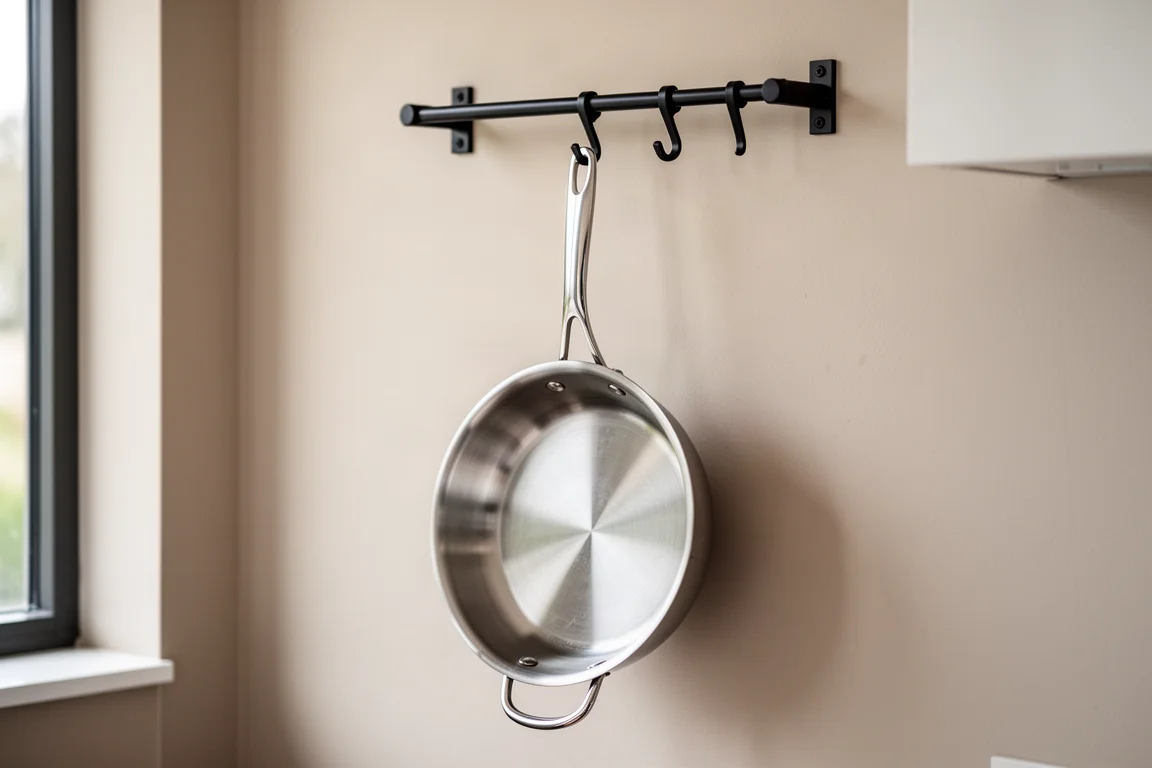
There is also something appealing about the company behind the pans. Hestan’s CEO Stanley Chung is a cookware engineer and inventor who created the flat-bottom wok, popularized the tempered glass lid, and built his family’s business into one of the world’s largest cookware producers. NanoBond took seven years to develop, and the brand treats its flagship line as an engineering playground. That opinionated, personal approach shows in the product.
Which Size Should You Buy?
Both pans perform identically in materials, care, design, and overall value, and both earn a 10 overall. The 11-inch is the better all-around skillet for family-sized searing and sautéing, while the 8.5-inch suits smaller portions, sauces, and side dishes, and comes in at roughly half the price.
The value case rests on two pillars: these pans outperform the reviewer’s previous favorite skillet, and they are built to plausibly last another 40 or 50 years. Nothing in the market is differentiated enough to normally justify a $300-plus pan, but this specific technology at this specific moment genuinely earns its price.
Conclusion
The Hestan NanoBond fry pans are not a silver bullet; they are more like a charcoal: extremely hot, extremely durable, and not quite non-stick. They are absurdly expensive right now, and patent expiration should bring competition and lower prices within a couple of years. But for cooks who want the most resilient, high-performing stainless steel cookware available today and can stomach the price, both sizes are about as good as cookware gets.
Further reading
Related Reviews
Cookware
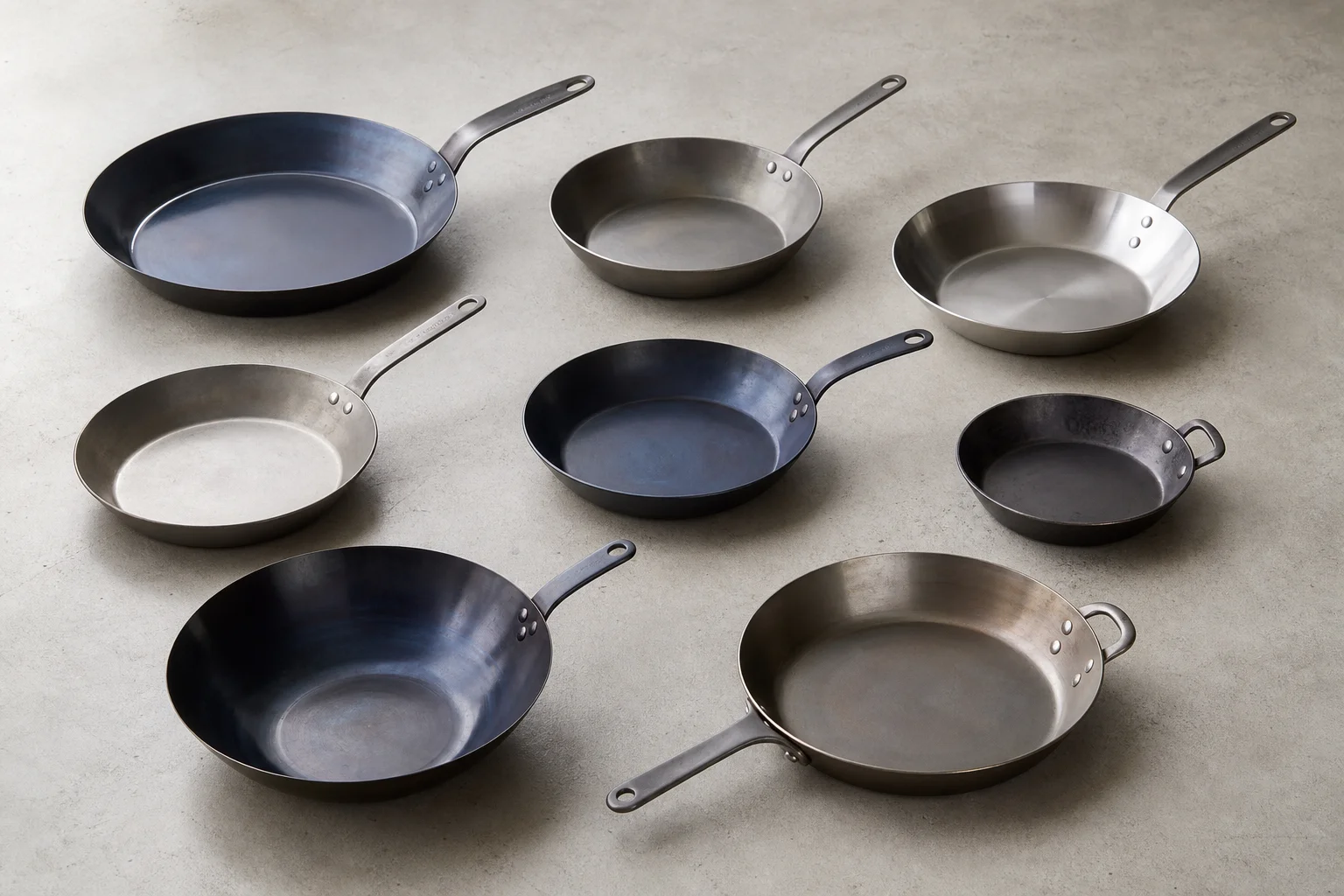
Best Carbon Steel Pans Tested: Which Brands Deliver Real Value
We tested eight popular carbon steel pans with controlled durability, heat, and cooking tests. Here's which ones perform best and which to avoid.
Cookware
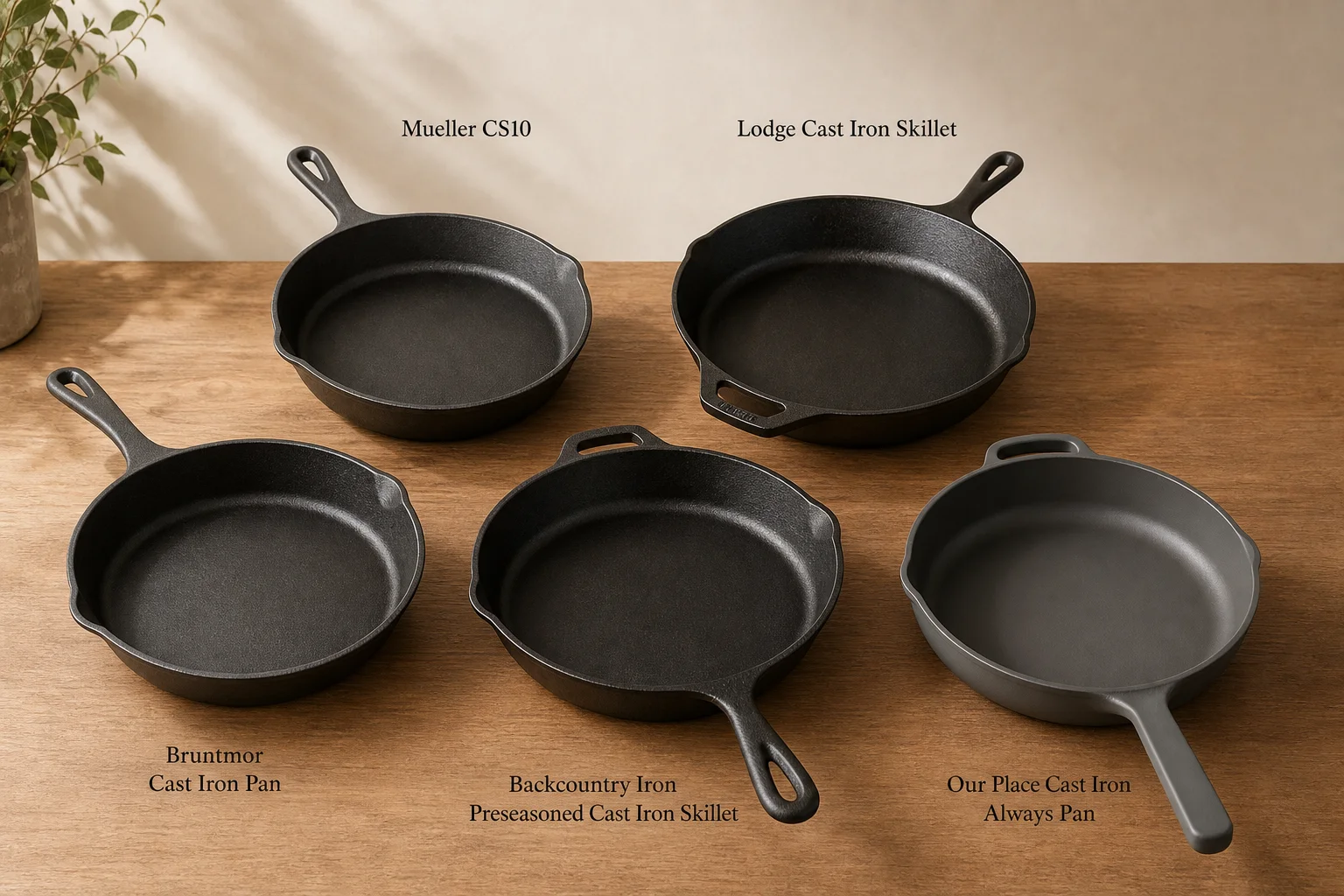
Best Cast Iron Pans 2026: Five Options from Budget to Premium
A practical breakdown of five cast iron skillets, from affordable Mueller to premium Our Place, with clear strengths and trade-offs for different cooking needs.
Cookware
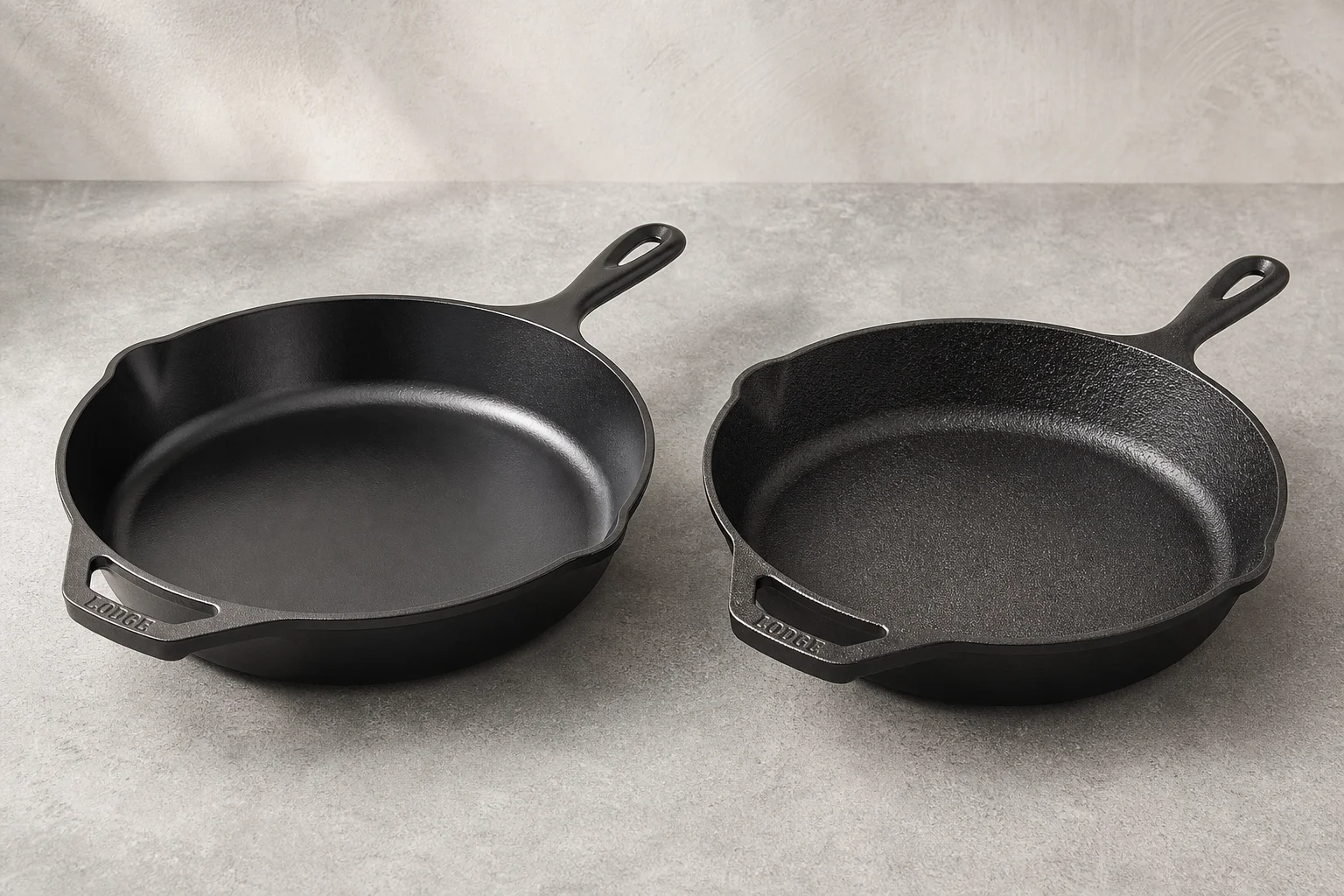
Best 12-Inch Cast Iron Skillets: Premium Craftsmanship vs. Reliable Budget Option
Two standout 12-inch cast iron skillets tested for heat retention, surface finish, and durability. One premium choice and one budget-friendly alternative that both deliver.