Hammock Camping
Hennessy Hammock Heat Reflective Pad Review: Lightweight Hammock Insulation
A pre-shaped reflective pad that bounces body heat back at you and blocks cold air under a hammock, with a few quirks worth knowing before you buy.
Introduction
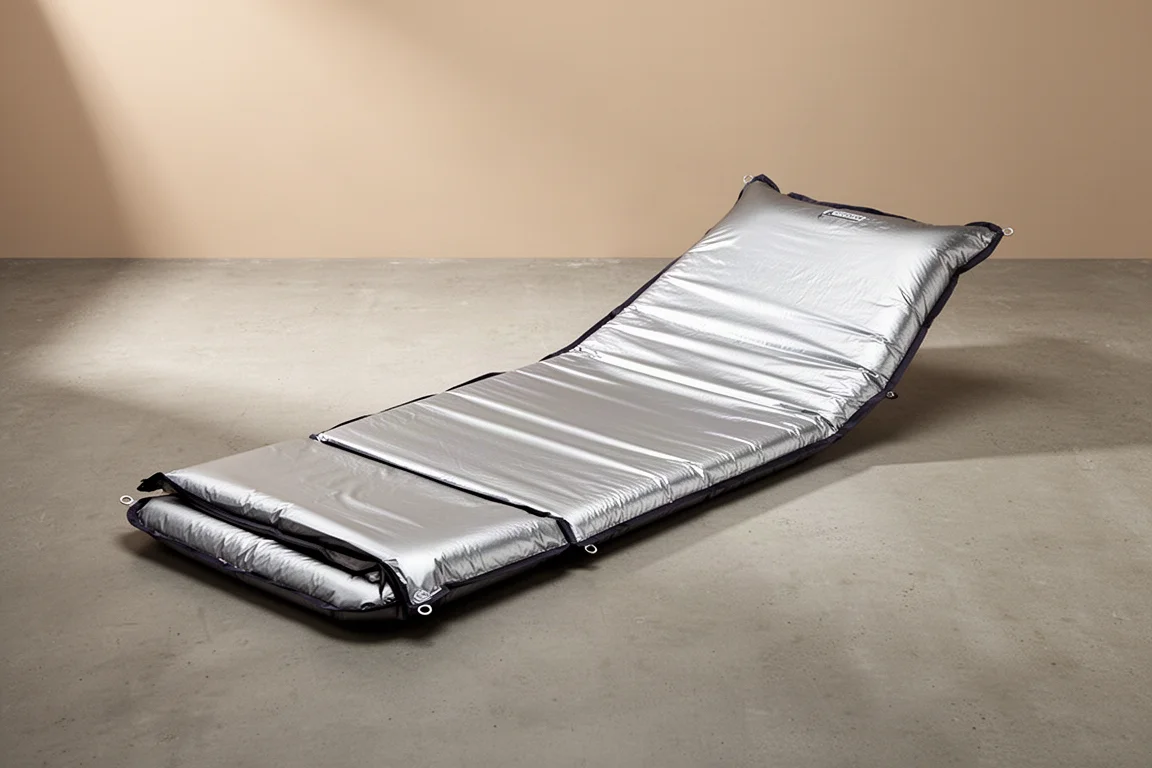
Cold air moving underneath a hammock is one of the fastest ways to end a night outdoors early. The Hennessy Hammock Heat Reflective Pad is a direct answer to that problem: a pre-shaped reflective layer that sits inside the hammock, beneath your sleeping bag, reflecting body heat back toward you while blocking the chill that rises from below.
It is not new gear, and it is not complicated gear. It has been sold for years, and that long run says something about how well the basic idea holds up.
Who This Product Is For
This pad makes the most sense for hammock campers who sleep in cool, breezy conditions and want an insulation layer that packs small and weighs almost nothing. It earns its place when overnight temperatures settle around 50°F and below.

It also suits anyone who prefers one piece of gear that covers several jobs. Beyond hammock insulation, it works as a dry seat on a wet log, a barrier on damp ground, and a usable ground pad in a pinch. Because it is not tied to a single hammock brand, it fits any gathered-end hammock.
If you run warm and rarely camp below 60°F, you may not need it at all. That is a judgment call worth making honestly before you buy.
How the Heat Reflective Pad Works
The idea behind the pad is simple. You place it inside the hammock, lie down on top of it, and it does two things at once. It reflects your body heat back toward you, and it prevents the cold air circulating beneath the hammock from reaching your skin.
That combination is what makes the difference on cool, windy nights. When you roll off the pad, you feel the cold underneath immediately, which is a fairly clear reminder of how much work it is doing.
The pad is described by the manufacturer as a three-season insulator. In practice, its useful range often stretches further than that for campers who sleep warm.
Main Strengths
Build quality is the first thing worth noting. The stitching is clean, the hem runs the full way around the pad, and the grommets have held up well even with heavy use and plenty of tossing and turning.
Warmth is the second. The pad reflects body heat and blocks cold air, and it does both jobs reliably. Its range can be extended by adding a blanket or spare clothing underneath it, which raises the effective insulation without adding much weight.
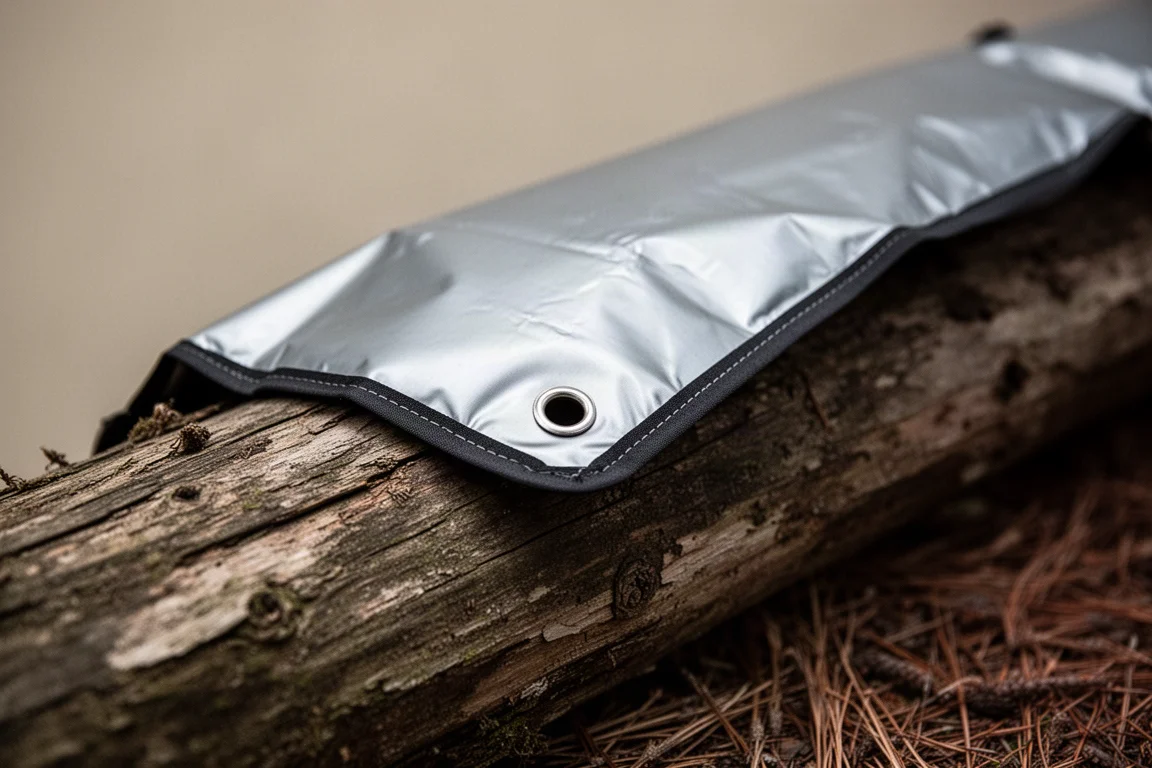
Versatility is the third. The pad can be used inside a hammock, sat on over wet ground, or laid down as a basic ground pad. It is also fully waterproof and vapor proof, and cleaning it is as easy as rinsing it with a hose or dipping it in a creek.
Finally, it is genuinely light. The regular size weighs around 10 ounces, and the long version around 14 ounces, which makes it a far lighter option than most external insulation layers.
Sizing, Weight, and Packed Size
The pad comes in two lengths. The regular version measures 67 inches long, 29 inches wide at the shoulders, and 15 inches wide at the foot. The long version measures 72 inches long, 35 inches wide at the shoulders, and 18 inches wide at the foot.
The shape is tapered to follow the human body, wider where your shoulders sit and narrower toward the foot end. That taper is what lets it sit neatly inside a hammock without bunching.
Folded up, the regular size packs to roughly 4.5 inches by 23 inches. The long version’s packed dimensions are not something we can confirm here.
Things to Consider Before Buying
The most common complaint is slippage. The pad moves around inside the hammock, and it moves more the more you toss and turn. If you sleep still, this will barely register. If you roll through the night, expect to wake occasionally and reposition it.
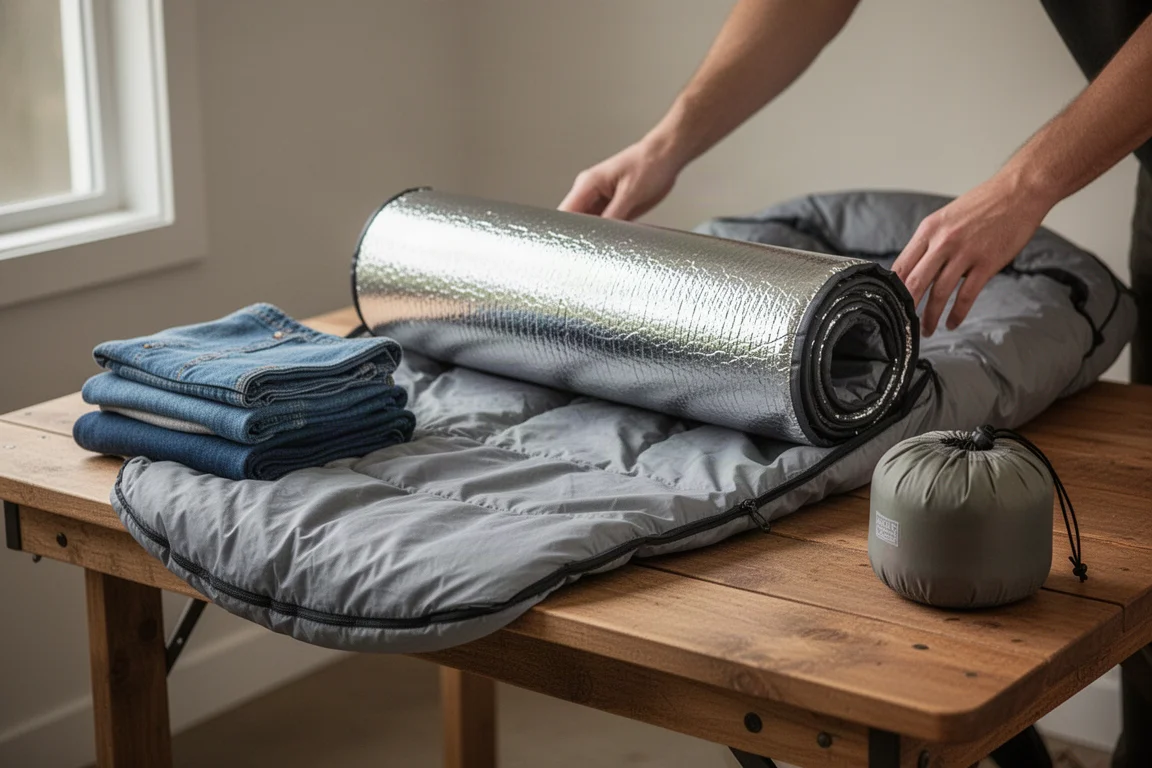
The attachment system is a weaker point. The pad has grommets, and one of them carries an elastic loop and hook intended to clip inside Hennessy hammocks and hold the pad in place. In practice, that feature does not hold well, and the top connector can eventually tear away. It is not a reason to avoid the pad, but it is not something to rely on either.
Bulk is the next consideration. Even folded carefully, the pad takes up meaningful space inside a pack. Rolling it and strapping it to the outside of your pack helps.
Material feel matters too. The pad is plastic, so it can feel cool and slightly clammy against bare skin. Wearing pants and a long-sleeve top makes a noticeable difference in comfort. It is also worth being careful on rough ground, since the material can be punctured or torn.
Noise is the last item, and it is a minor one. The pad rustles when you move on it, but not enough to disturb sleep or bother a camp.
Practical Tips for Better Results
A few habits make this pad work better. Keep your skin as close to the pad as possible, because putting a layer between you and the reflective surface reduces how well it works. Adding insulation underneath the pad, such as a blanket or the clothing you are not wearing, is the better move.
If slippage is a real problem, a small amount of rubber cement applied to the underside can help. Slipping the pad inside a sleeping bag liner is another effective fix, since the liner holds it mostly in place while still letting you move.
Finally, test the pad before you commit to a cold trip. Start with warmer nights and work your way down as you learn how your own body responds, and bring supplemental insulation on the first few outings. Roughly 40°F is a realistic comfortable limit for most campers with a good top layer, and warm sleepers may stretch it closer to 30°F.
Buying Advice
At $35 for the regular size and $40 for the long version, the pricing is fair. The pad is pre-cut, hemmed, and well finished, and there is nothing makeshift about the construction.
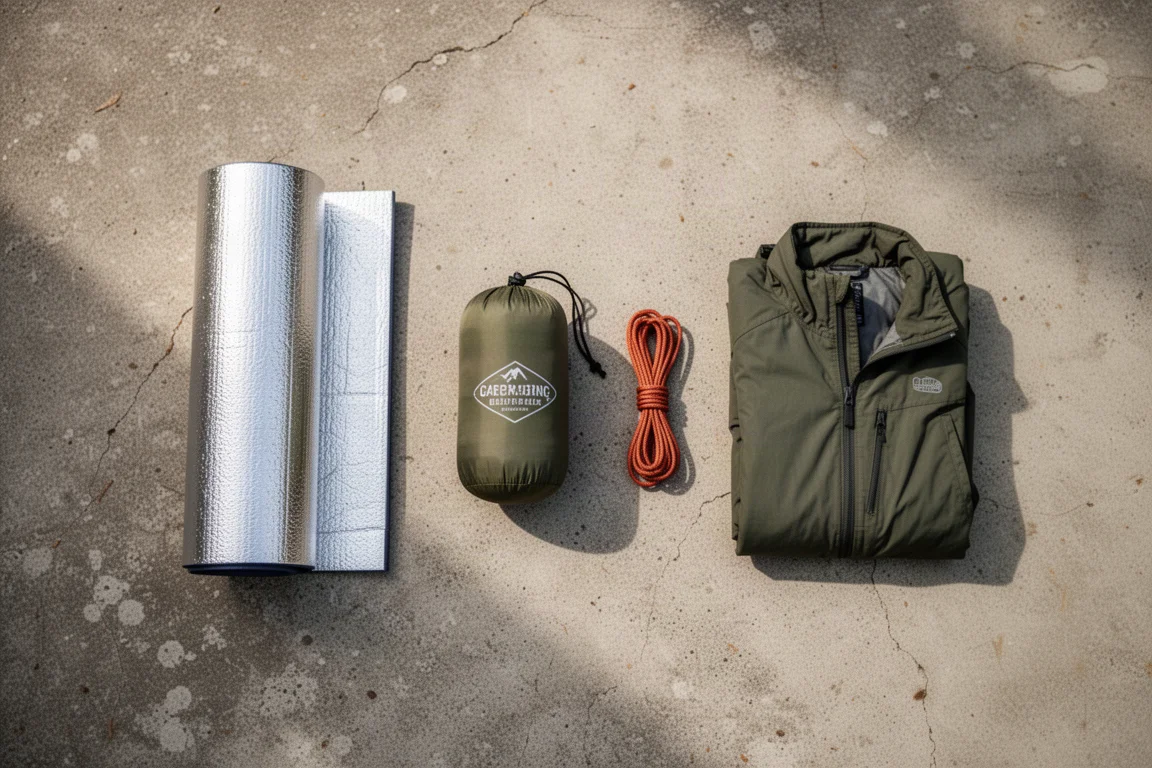
That said, if cost is the deciding factor, a roll of reflective insulation material can be cut to shape for roughly half the price. The trade-off is your own time, and the fact that you will not get the tapered shape, the finished hem, or the grommets.
For most buyers, the finished version is the easier and more durable choice, and the long size is worth the small premium if you are taller or want more coverage at the shoulders.
Conclusion
The Hennessy Hammock Heat Reflective Pad is a simple, lightweight, and well-made piece of hammock insulation that reflects body heat and blocks the cold air moving beneath you. Its attachment system is weak, it slides if you move a lot, and it takes up space in a pack. None of those issues outweigh what it does well.
For $35, it is an easy recommendation for hammock campers who sleep in cool conditions and want a versatile insulation layer that works in any hammock.
Product link
View more details for Hennessy Hammock Heat Reflective Pad
This product is mentioned in the review. Check the specifications, options, and compatibility before buying.
View more details for Hennessy Hammock Heat Reflective PadFurther reading
Related Reviews
Backpacking Tents
3F UL Lanchan Pro 1 Review: A 1 lb 8 oz Single-Wall Trekking Pole Tent
A practical look at the 3F UL Lanchan Pro 1, a single-wall trekking pole shelter with a 1 lb 8 oz weight, 20D silnylon fabrics, and a roomy 90 x 31 x 49 inch interior.
Backpacking Tents
3F UL Taiji 2-Person Tent: A Convertible Backpacking Shelter Worth a Closer Look
A practical look at the 3F UL Taiji two-person tent, covering its materials, true two-person interior, fly-first pitching, and the seasonal inner swap that lets one shelter cover more of the year.
Backpacking Tents
3FUL Lanshan Twoerson Pro Review: A Light Trekking Pole Shelter That Struggled in Rain
A two-person trekking pole shelter with a 2026 redesign, pitched with sticks and put through a night of steady rain. Here is what worked, what did not, and what to check before buying.