Outdoor Gear
Helikon-Tex Swagman Scarf Review: An Ultralight Wind Poncho With Clear Limits
A compact nylon wind poncho that packs into its own chest pocket, works as a warm-weather layer, and asks you to accept a short cut and a narrow set of uses.
Introduction
The Helikon-Tex Swagman Scarf is an ultralight nylon layer built around one clearly defined job: blocking wind. It belongs to the same family as the Swagman Roll, a multi-use poncho that has earned a strong following among lightweight campers, but the Scarf takes a different route. Where the Roll leans into insulation and all-round versatility, the Scarf stays thin, compact, and deliberately narrow in purpose.
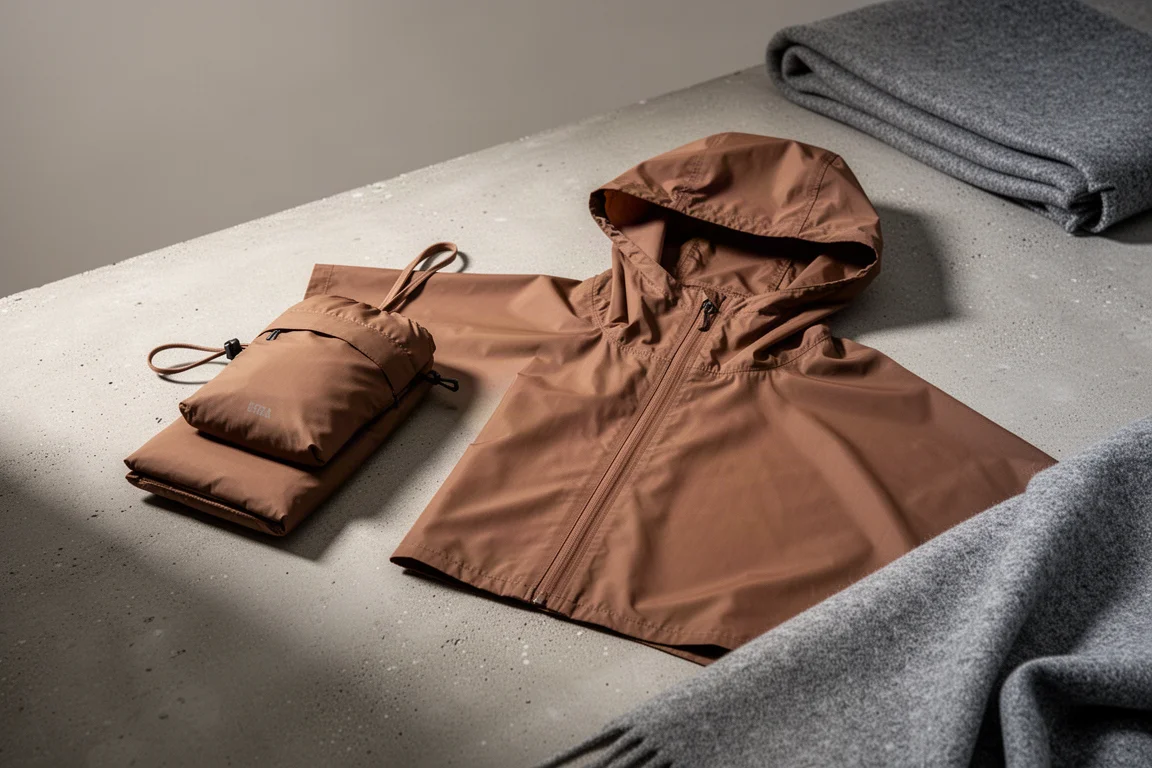
Stored, it disappears into its own chest pocket, held shut by a short strap. Packed down it measures roughly 6 by 7.5 inches and 2.3 inches thick, and it weighs just 9.3 ounces. That is small and light enough to carry without a second thought, and it is the single strongest argument for owning one.

Opened up, the Scarf becomes a hooded poncho that can also be worn around the neck, draped as a blanket, or zipped into a sleeping bag or used as a sleeping bag liner. It measures 31 inches wide and 5 feet 4 inches long, and it is available in black, coyote brown, neon orange, and green.
Who This Product Is For
This is a warm-weather and shoulder-season piece. It suits hikers and campers who want a compact layer that cuts wind on an exposed ridge, at a breezy camp, or on a cool morning, without adding meaningful weight or bulk to a pack.
It also fits travellers and everyday users who want a single item that can serve as a poncho, a light blanket, and a scarf in mild conditions.
It is not the right choice for anyone shopping for rain protection or genuine insulation. The Scarf is designed to block wind, not water, and it does not insulate in any meaningful sense. Cold sleepers, wet climates, and winter trips are the wrong contexts for it.
Main Strengths
The headline strength is the weight and packed size. At 9.3 ounces and about the size of a large sandwich when compressed, it is the kind of item that earns a permanent place in a pack because it costs almost nothing to bring along.
Deployment is quick. It shakes out, goes over the head, and fastens in seconds, which matters when the wind picks up faster than you expected. The hood adds useful coverage on the neck and head, and the chest pocket doubles as the stuff sack.
Construction is solid for the price. The nylon shell is well put together, with only a few loose threads that have no effect on how the product performs. Given the price point, the build quality is better than the cost suggests, and the range of available colours makes it easy to match to other gear.
Manufacturer Claims and How They Hold Up
The brand positions this as a multi-purpose item, and the claims vary widely in how well they survive contact with real use.
Wearing it as a poncho is accurate, and so is the claim that it blocks wind. Using it around the neck as a scarf works, but it is noticeably bulky for that purpose and is unlikely to replace a proper scarf. Fastening it over a poncho to create a makeshift jacket is technically possible, though it does not make a good jacket, so that claim stretches the product further than it should. Using it in camp as a sun tarp is also a stretch, though it can be done in a pinch.
The claim that it works as a sleeping bag holds up, and so does the sleeping bag liner claim, since the piece zips closed. The suggestion that it can serve as a gear sack is the weakest of the set, and the idea that it replaces a reflective emergency blanket is simply not accurate. It does not reflect heat the way a reflective blanket does, and the two products should not be compared.
How It Performs in the Field
The Scarf was used on a wet-weather backpacking trip with temperatures dropping to 59 degrees Fahrenheit. Worn as a sleeping bag with socks, trousers, a t-shirt, and a fleece underneath, it was still chilly. That makes it a warm-weather sleeping bag at best, and the practical floor sits around 65 degrees Fahrenheit and above, or closer to 70 degrees and above for anyone who sleeps cold.
That result follows from what the product actually is. It is not an insulating layer. It blocks wind so you do not feel it on your skin, and it traps a small amount of warmth, which is enough in mild conditions and not enough in cool ones. Length is the other constraint: at 5 feet 4 inches, it does not cover a taller sleeper properly.

The most promising use case is still being explored: wearing it as a wind poncho in cold, dry conditions. Because it is not waterproof, wet snow is out, but dry snow with wind is a scenario where a wind-blocking shell of this weight could genuinely earn its place. That is a narrow window, and it is worth being honest about that before buying.
Things to Consider Before Buying
Length is the most common complaint. At 5 feet 4 inches it works as a blanket for one person and as a sleeping bag only for smaller users in warm conditions. Taller buyers should treat the blanket and liner roles as the realistic ones.
Water resistance is absent by design, so it is not a substitute for a rain shell, and it should not be relied on in wet snow or steady rain.
The scarf use is bulky, the jacket use is limited, and the gear sack use is a stretch. What remains is a wind poncho that also happens to work as a light blanket, a liner, and a warm-weather sleeping bag. Buyers who accept that scope will be satisfied; buyers expecting an all-round replacement for insulation or rain gear will not be.
Buying Advice
Value is reasonable for what the product does. It sells for $53 on the brand’s own website, though shipping is charged on top, and around $60 on Amazon, where shipping is generally free. For a wind poncho that doubles as an ultralight warm-weather sleeping bag and liner, that is a fair price rather than a bargain.

The sensible way to think about it is as a specialised layer rather than a general-purpose one. If your trips are mild, windy, and mostly dry, and you value a piece that packs to almost nothing, the Scarf does its job well and is well made for the money. If your trips are cold, wet, or long, the money is better spent elsewhere.
Conclusion
The Helikon-Tex Swagman Scarf is an interesting, well-built, and genuinely light piece of gear with a purpose that is real but limited. It blocks wind effectively, packs down impressively, and offers a handful of secondary uses that range from useful to overstated.
The honest summary is this: it is a wind poncho first, a warm-weather sleeping bag and liner second, and everything else only in specific situations. Buy it for the wind protection and the packed size, and it will make sense. Buy it expecting a rain layer, an insulated layer, or a replacement for an emergency blanket, and it will disappoint.
Product link
View more details for Helikon-Tex Swagman Scarf
This product is mentioned in the review. Check the specifications, options, and compatibility before buying.
View more details for Helikon-Tex Swagman ScarfFurther reading
Related Reviews
Outdoor Gear
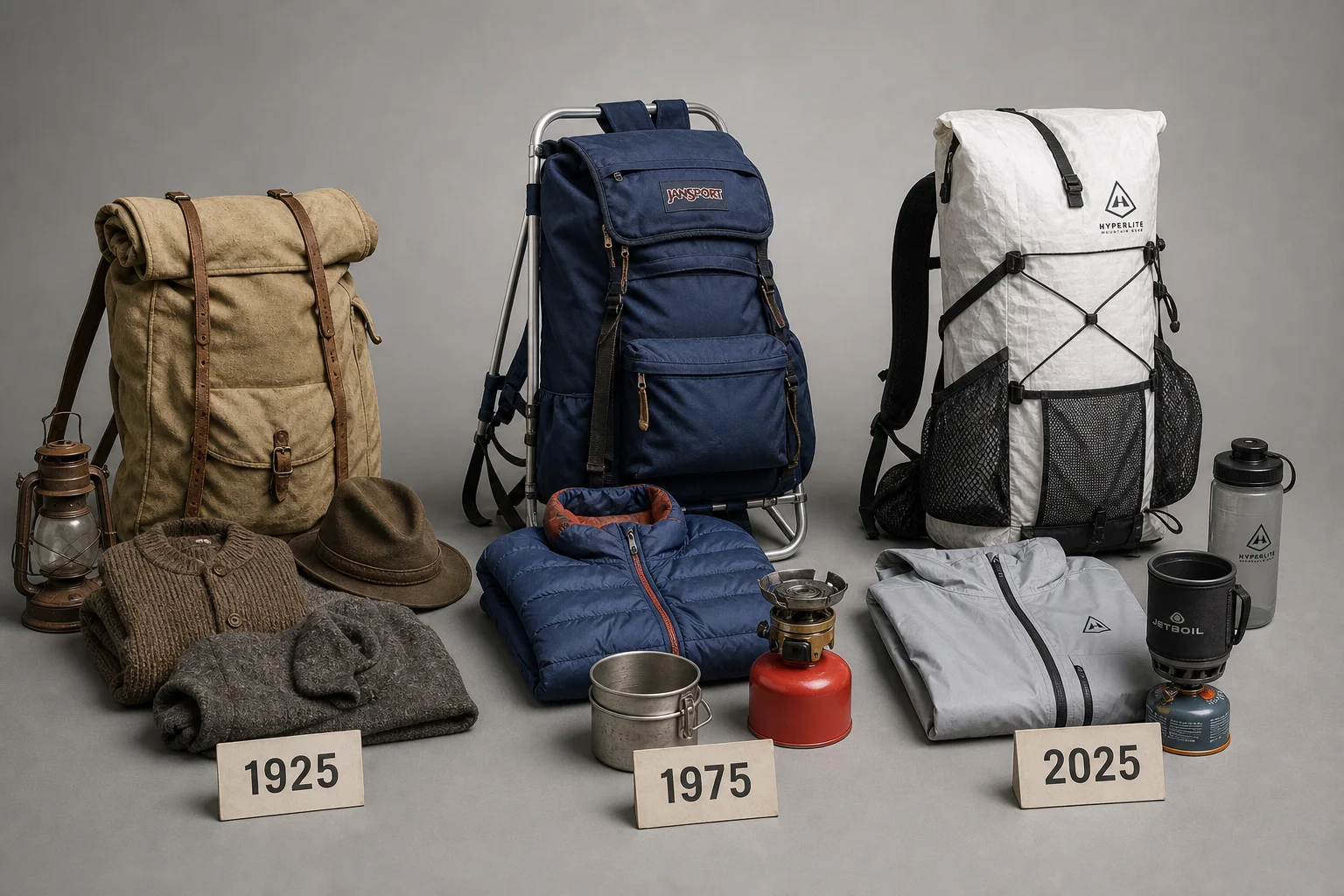
Backpacking Gear Evolution: 100 Years of Technology Compared
We tested backpacking gear from 1925, 1975, and 2025 across a three-day hike in Yosemite. Here's how technology has transformed comfort, weight, and the outdoor experience.
Outdoor Gear
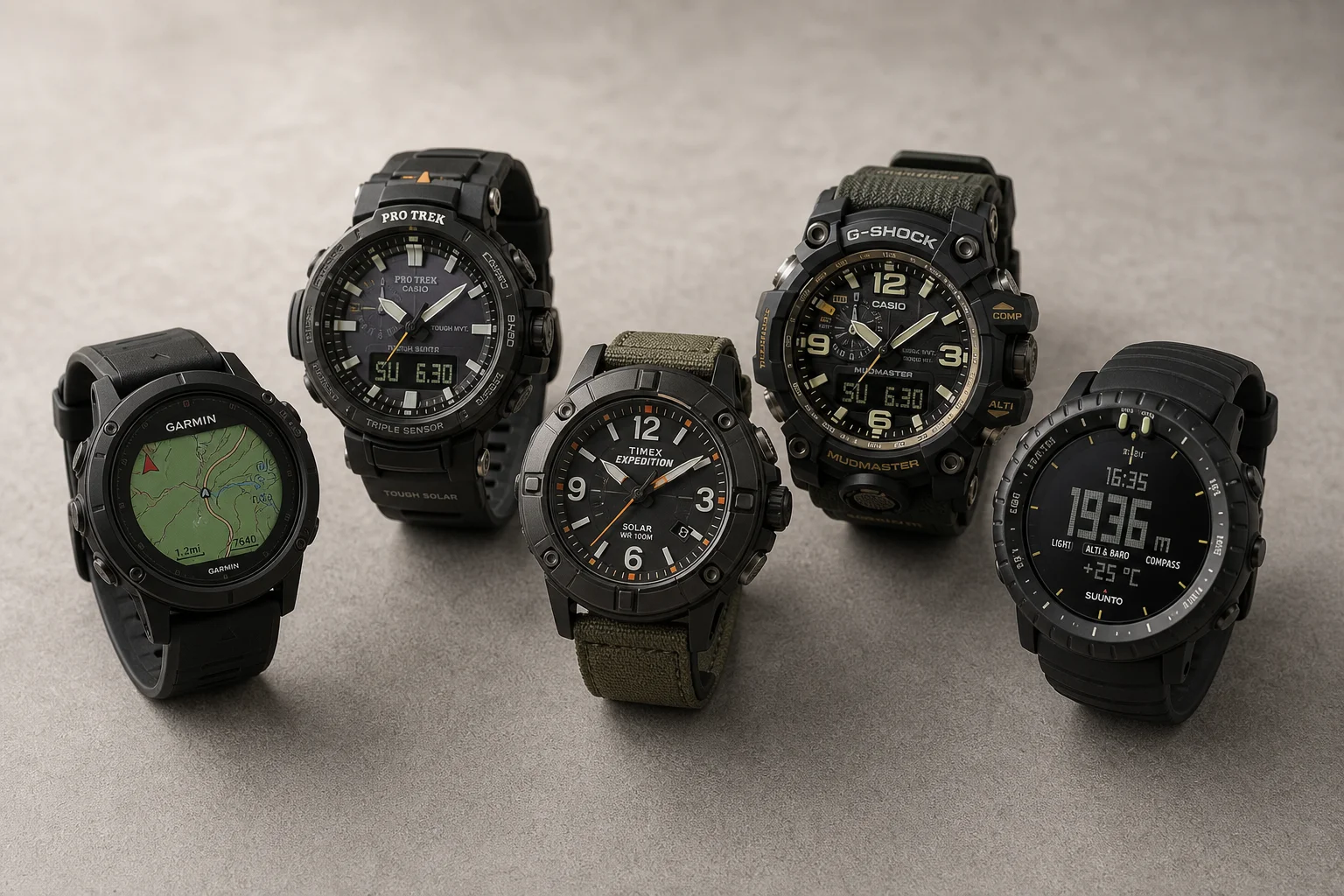
Best Affordable Hiking Watches: Five Rugged Options for Outdoor Adventures
Five durable hiking watches that balance ruggedness, functionality, and value for outdoor enthusiasts who need reliable GPS tracking and weather resistance.
Outdoor Gear
Best Backpack Coolers 2026: Five Practical Options for Outdoor Adventures
Five backpack coolers with distinct cooling capabilities, storage features, and design trade-offs to help you choose the right one for your outdoor needs.