Outdoor Gear
Helikon-Tex Swagman Roll Review: One Insulation Layer, Many Jobs
A long-term look at the Helikon-Tex Swagman Roll, covering its sleeping bag, blanket, quilt, poncho and underquilt configurations, plus the sizing and head opening trade-offs to check first.
Introduction
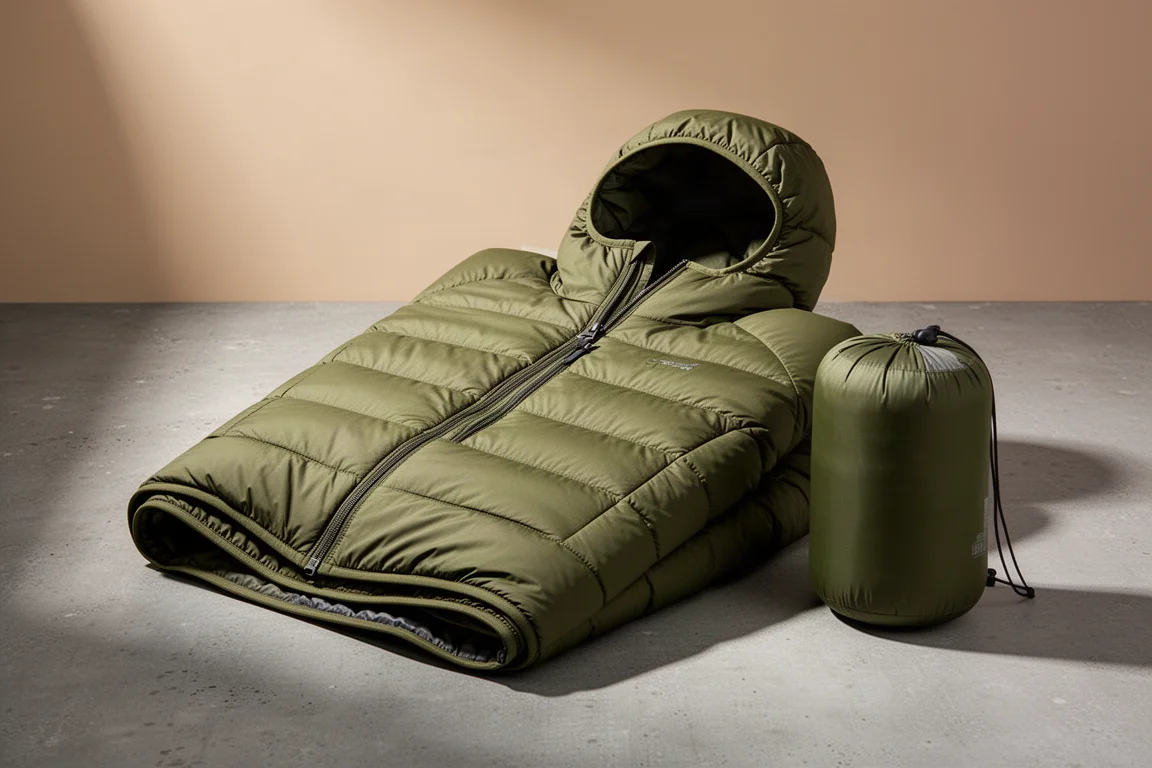
The Helikon-Tex Swagman Roll is a multi-function insulation layer that replaces several separate items in a pack. In one piece of kit you get a sleeping bag, a blanket, a quilt, a pillow, a poncho, a wearable insulating layer, a poncho liner, a hammock underquilt, and a secondary layer that can be added to an existing sleeping bag for colder nights.
That range is unusual, and it is the main reason this piece has stayed in continuous seasonal use for more than two years. It also means the buying decision is less about whether it works and more about whether its specific shape suits your body and your trips.
Who This Product Is For
The Swagman Roll suits campers who travel in warmer conditions and want one item to cover several roles. Hammock users get the most obvious benefit, because the same piece works as an underquilt and as a top layer. Warm-weather ground campers can use it as a standalone sleeping bag or as a quilt over a mat. Cold-weather campers can carry it as a supplementary layer to raise the warmth of a sleeping bag they already trust.
It also suits travellers who value a fast, low-fuss setup. There is no complicated pitching sequence, no separate liner to wrestle into place, and no parts to assemble.

Main Strengths
Versatility is the headline. The piece unrolls into a sleeping bag, unzips fully into a blanket or quilt, and uses a centred hood opening so it can be worn as a poncho around camp or on the move with a backpack. In a hammock it doubles as an underquilt, and in cold months it works as a second insulation layer alongside a sleeping bag.
Weight and packed size are strong for what it does. It comes in at 1 lb 11 oz including the storage bag, and it compresses down enough to fit both the supplied bag and the centre pocket, where it takes on the shape of a pillow. Deployment is genuinely fast: pull it out, drop it down, get in or put it on. Packing it away is just as quick.
Durability has held up well over long-term use. After more than two years of seasonal trips, the piece still looks close to new apart from surface mud and dirt. The materials are convincing: military-grade insulation, a DWR treatment, and clean seamwork and stitching throughout. Two examples owned for different lengths of time, one around six months old and one over two years old, both arrived and have remained in excellent condition. The hood is fully adjustable and warm, and the range of available colours has expanded well beyond the original green shades into reds, oranges and other bold options.
How It Performs in Practice
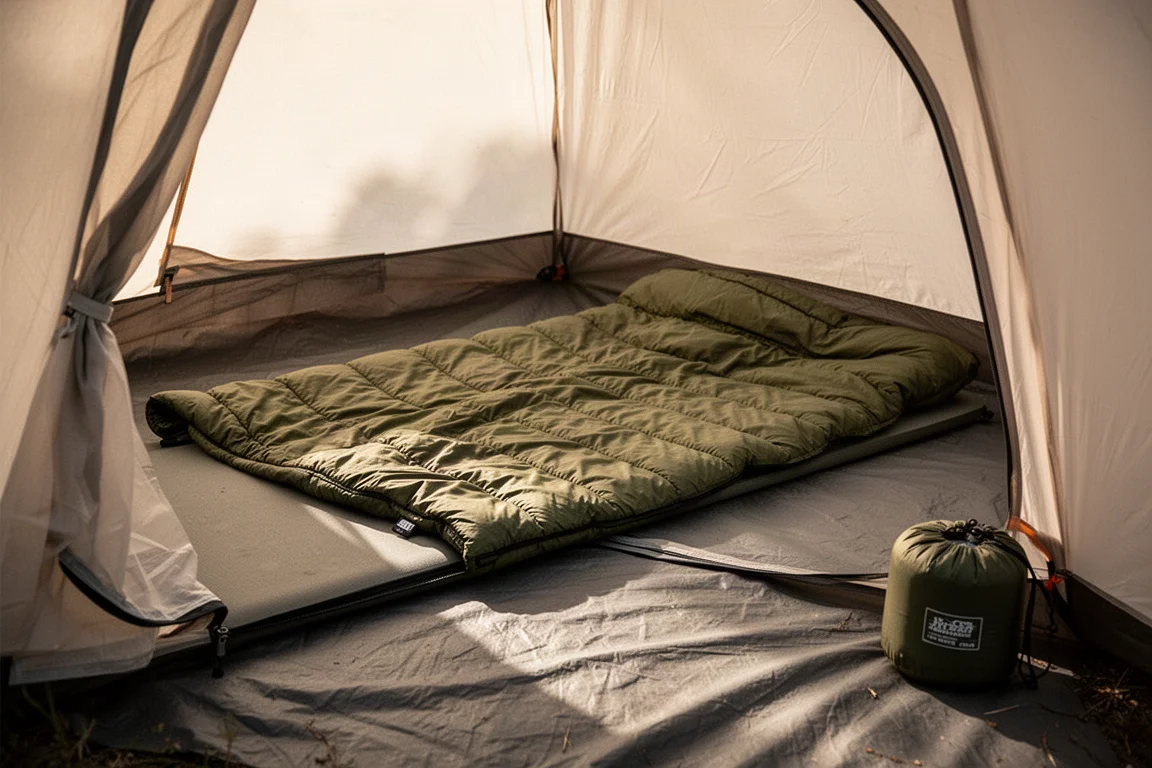
In sleeping bag configuration, the realistic comfort window is above 50°F. Below that, it is not a cold-weather bag, and it should not be treated as one. Temperature tolerance is personal, so the sensible approach is to start at the warmer end of the scale and work downward over several trips to find your own limit. Taking it straight out on a cold-weather trip to test it is a poor way to learn where it stops working.
The configuration changes are simple. A single zipper runs the full length and around the base, so the sleeping bag converts to a flat blanket or quilt without fuss. From the flat state, the centred opening becomes a hood, and the piece can be pulled on like a poncho for sitting around camp or walking with a pack. The same flat state drapes over a hammock as an underquilt or layers over an existing sleeping bag when temperatures drop.
Things to Consider Before Buying
The main limitation is width. In fully zipped sleeping bag mode the interior is narrow, and anyone close to the upper end of the size range may find it too tight once it is closed up around them. Length is generous, so this is a width issue rather than a length one. Roughly four additional inches of width would make a meaningful difference.
That constraint matters less than it first appears, because the piece is designed for warmer conditions where you do not need to be sealed in up to the neck. Used open as a blanket, worn as a poncho, or deployed as a hammock underquilt, the narrow cut is far less of an issue. Larger users should still check the published dimensions carefully before committing.
The second point is the hood opening. It is small, and getting your head through generally means removing a hat first. It is a minor annoyance rather than a functional problem.
It is also worth noting that brand-level quality control has been inconsistent across this manufacturer’s wider catalogue, with some products falling well short of the standard set here. This particular model is the exception, and the finish on both long-term examples has been excellent. Pricing has also crept upward over the years, and there are now close alternatives that cost noticeably less while performing almost as well, so it is worth comparing before you buy.
Buying Advice
Buy the Swagman Roll if you want one compact item that covers sleeping, lounging, wearing and hammock insulation, and if most of your trips happen in mild to warm conditions. It rewards that use case extremely well.
Think twice if you run large in the shoulders or torso, if you need a bag that performs below 50°F on its own, or if you want the lowest possible price for this style of insulation layer. In those cases, check the dimensions first, plan to pair it with additional insulation, and compare the current alternatives before deciding.
For everyone else, this is a genuinely well-made, highly versatile piece of kit that earns its place in a pack across multiple seasons.
Conclusion
The Helikon-Tex Swagman Roll does more jobs than almost anything else at its weight, and it has proven durable over years of repeated use. Its narrow cut and small hood opening are real trade-offs, but they are trade-offs that mostly disappear in the warm-weather, multi-configuration role it was built for. As long as you check the dimensions and set your temperature expectations sensibly, it is an easy recommendation.
Product link
View more details for Helikon-Tex Swagman Roll
This product is mentioned in the review. Check the specifications, options, and compatibility before buying.
View more details for Helikon-Tex Swagman RollFurther reading
Related Reviews
Outdoor Gear
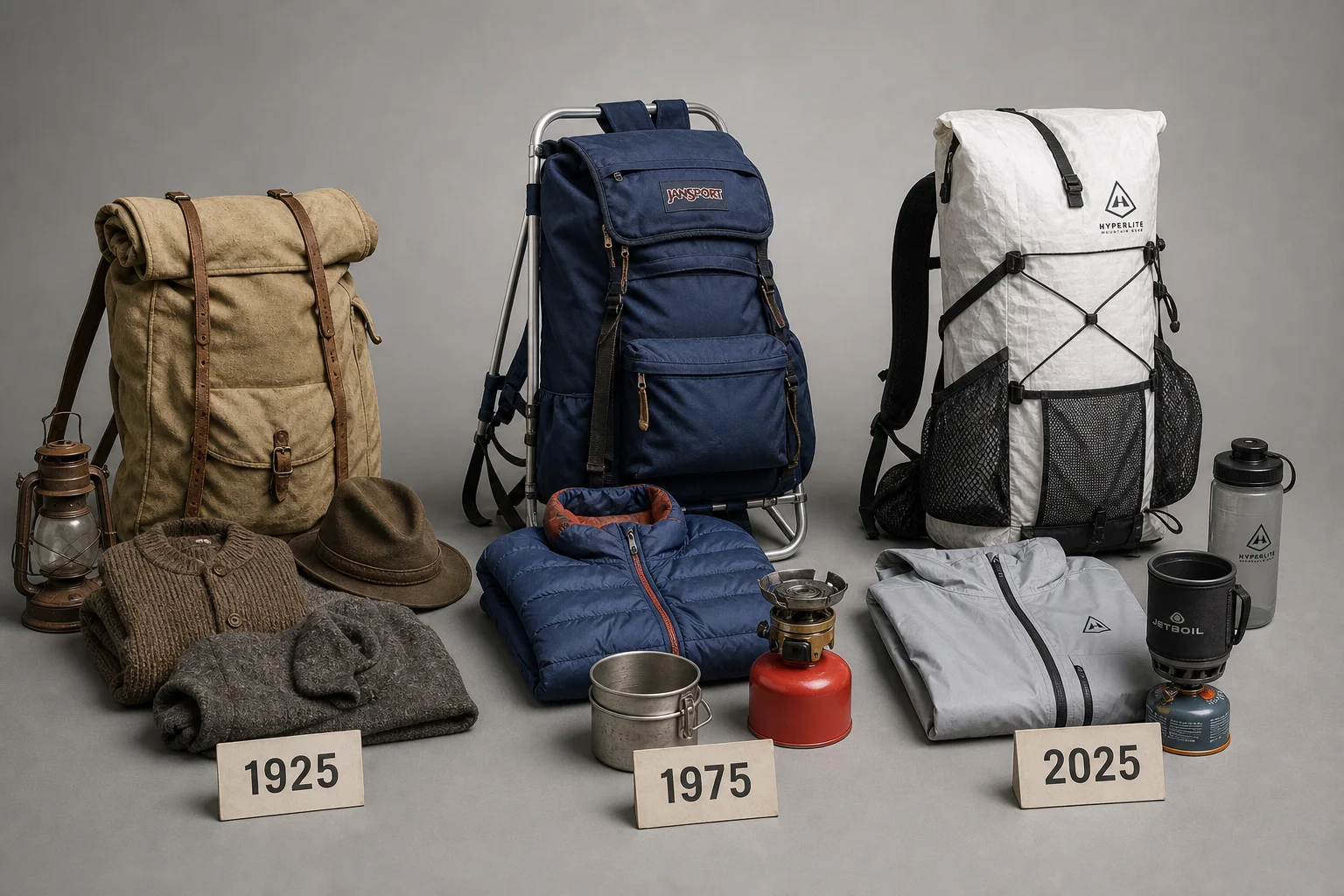
Backpacking Gear Evolution: 100 Years of Technology Compared
We tested backpacking gear from 1925, 1975, and 2025 across a three-day hike in Yosemite. Here's how technology has transformed comfort, weight, and the outdoor experience.
Outdoor Gear
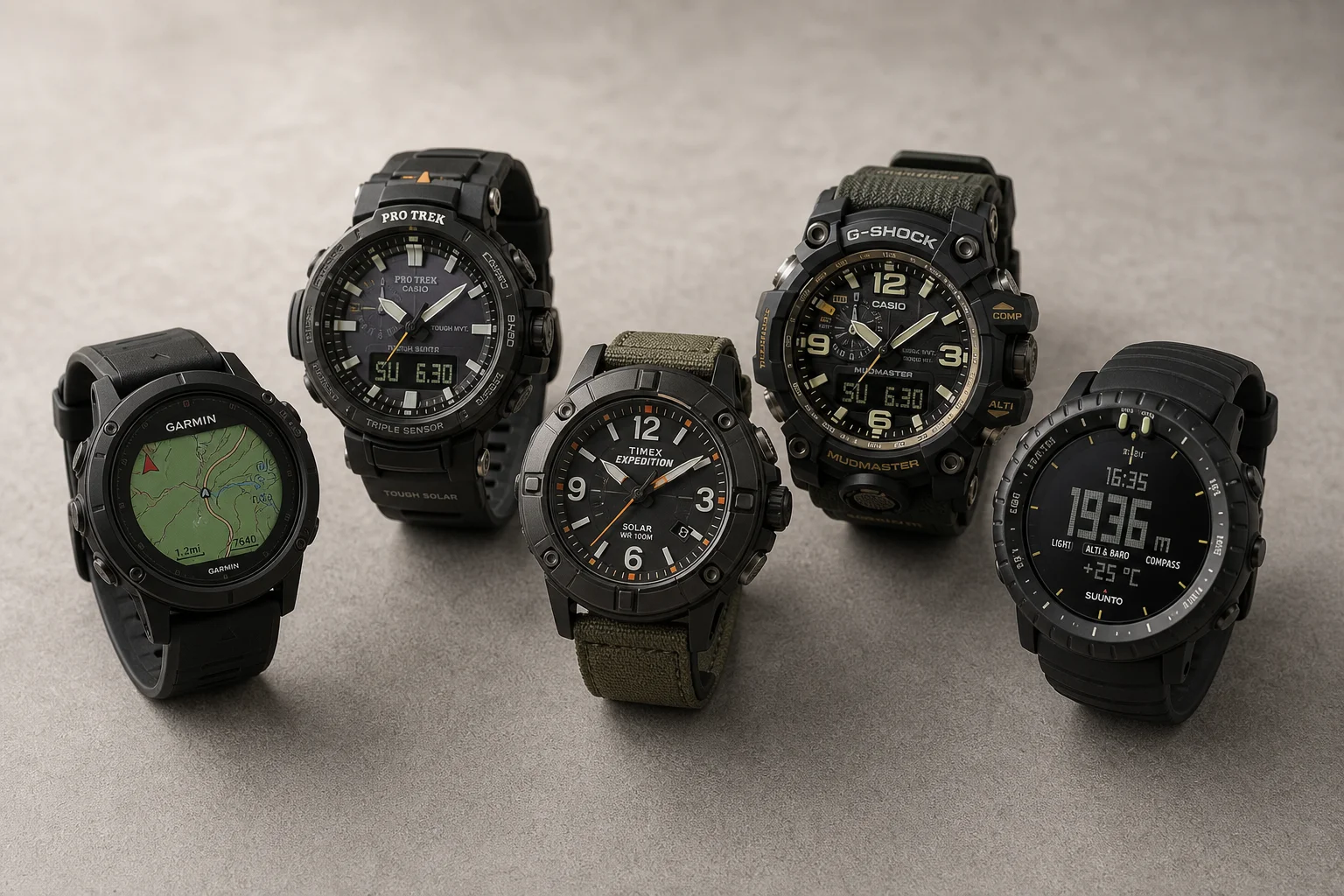
Best Affordable Hiking Watches: Five Rugged Options for Outdoor Adventures
Five durable hiking watches that balance ruggedness, functionality, and value for outdoor enthusiasts who need reliable GPS tracking and weather resistance.
Outdoor Gear
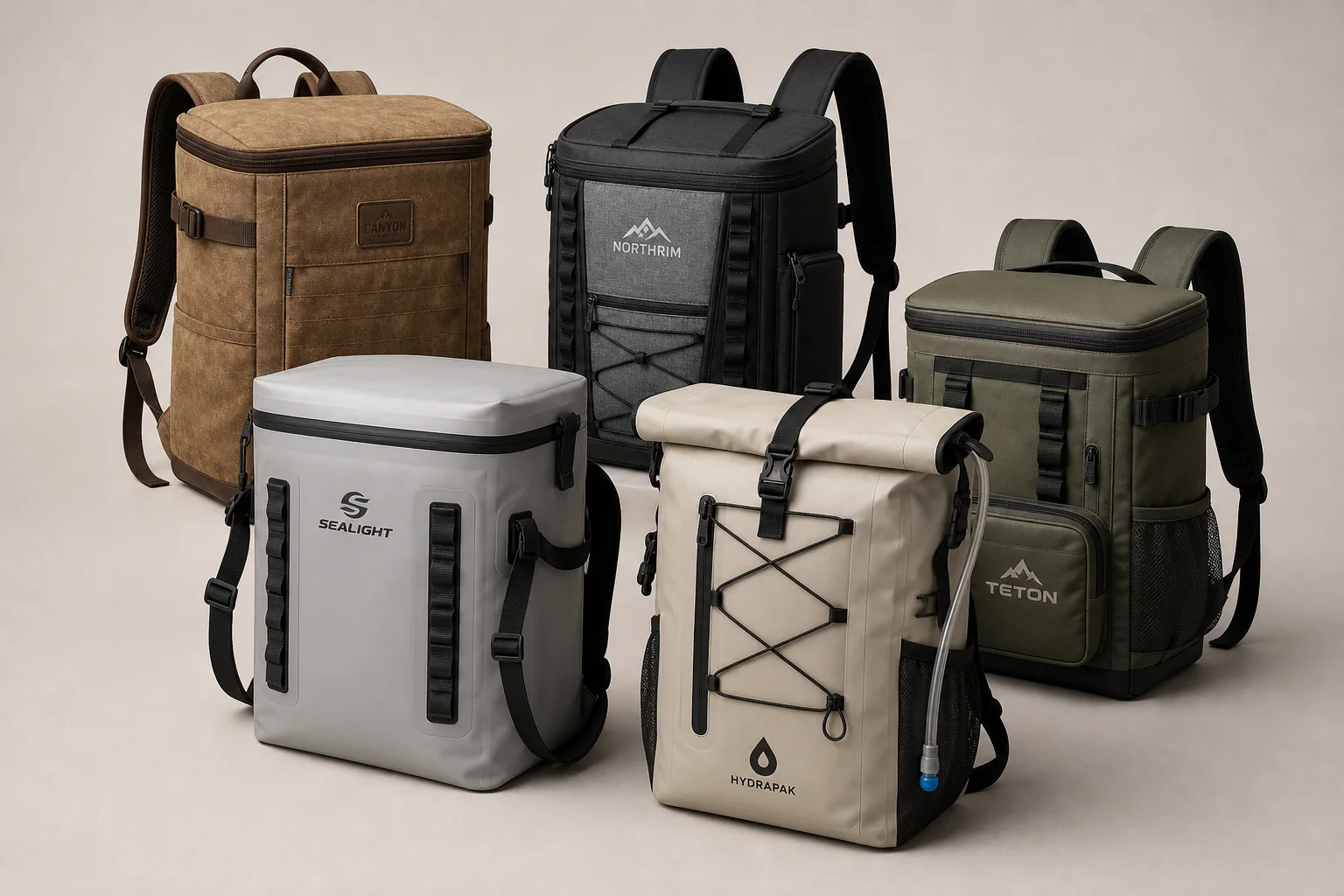
Best Backpack Coolers 2026: Five Practical Options for Outdoor Adventures
Five backpack coolers with distinct cooling capabilities, storage features, and design trade-offs to help you choose the right one for your outdoor needs.