Chest Rigs
Helikon-Tex Numbat vs Hill People Gear Kit Bag: A Chest Rig Comparison
A long-term look at the Helikon-Tex Numbat chest rig and how it compares with the Hill People Gear Kit Bag on price, organization, comfort, and durability.
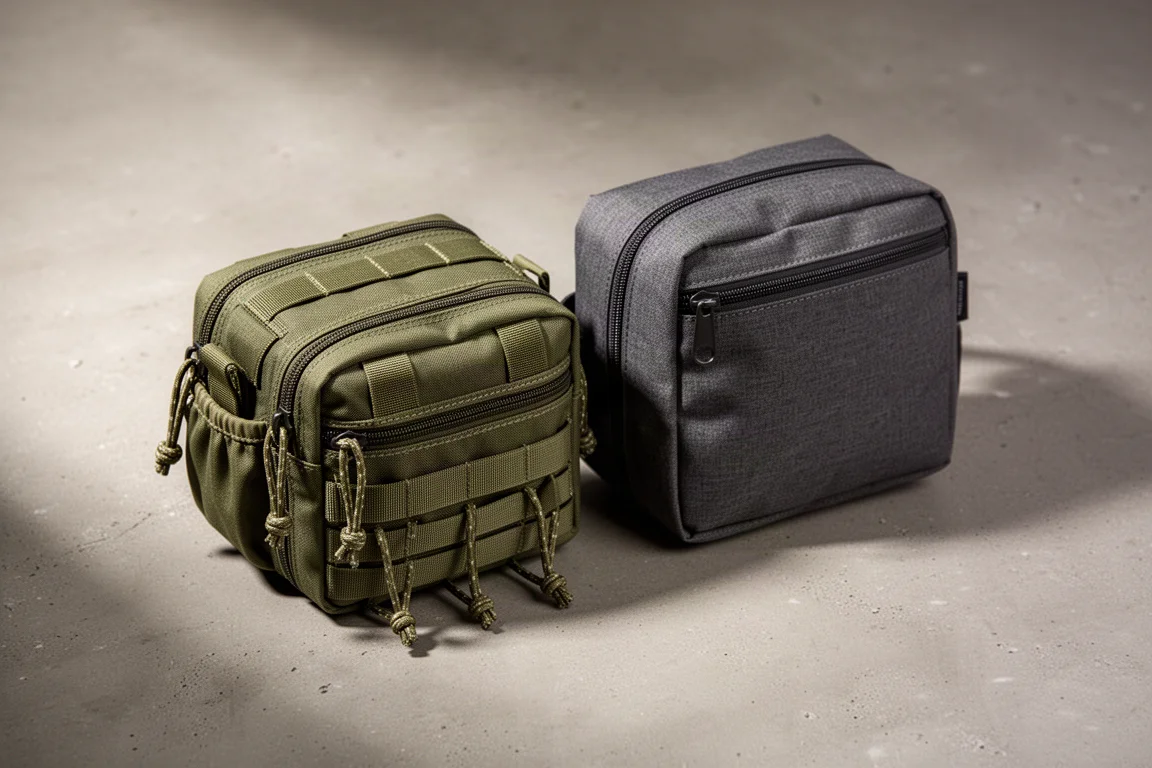
Introduction
Chest rigs sit in an odd corner of the outdoor gear world. They look like a niche answer to a niche problem until you actually carry one, at which point the appeal becomes obvious: the items you reach for most often sit right under your hands, without weighing down your pockets or forcing you to stop and take off a pack.
The Helikon-Tex Numbat has filled that role through more than five years of regular use, including near-weekly outings in rain and snow. The Hill People Gear Kit Bag is the closest well-known alternative and has been on the market for roughly the same length of time.
This comparison covers what each rig does well, where they differ, and which one makes more sense depending on how you plan to use it.
Why a Chest Rig Earns Its Place in a Lightweight Kit
The concept is simple. A compact pouch sits on the front of the body, held by straps that run around the back, and the whole thing goes on and comes off in seconds.
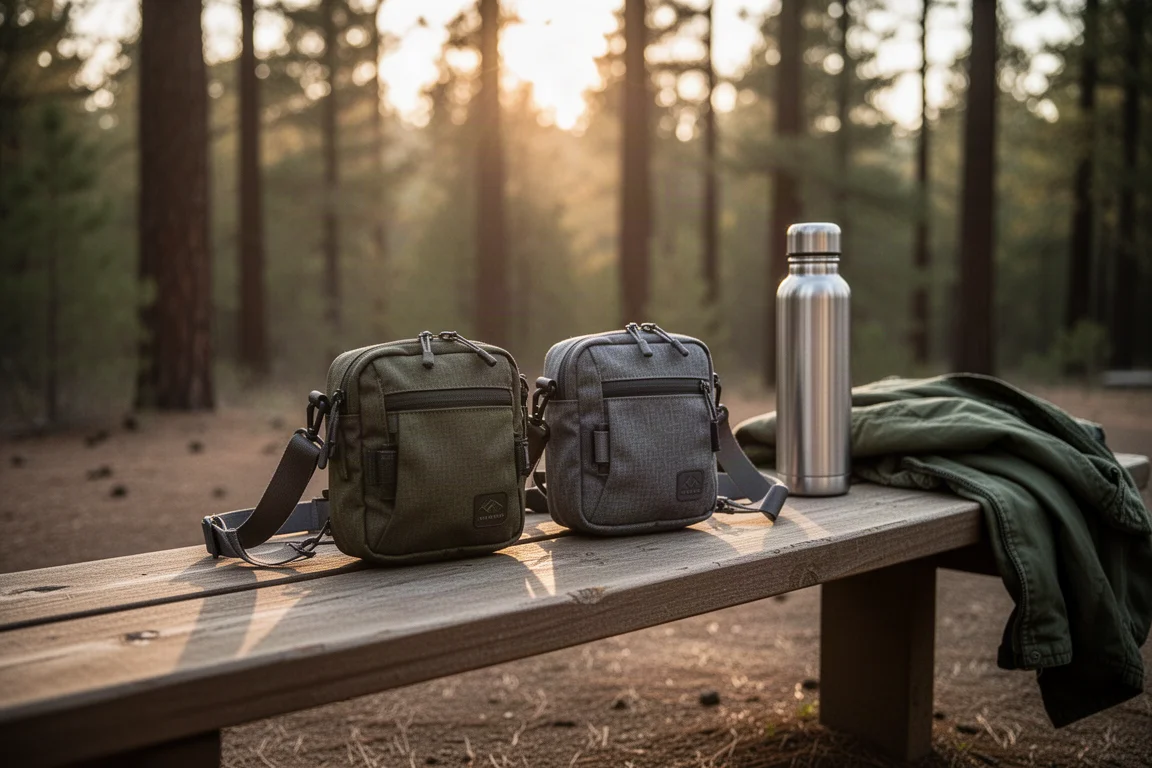
The Numbat can be worn high on the chest or lower toward the stomach. Worn low, it leaves the sternum strap area clear, so a backpack can be worn over the top without interference and gear can still be reached without taking the pack off. That lower position also helps heat and moisture move away from the chest, which makes a real difference on warm-weather hikes.

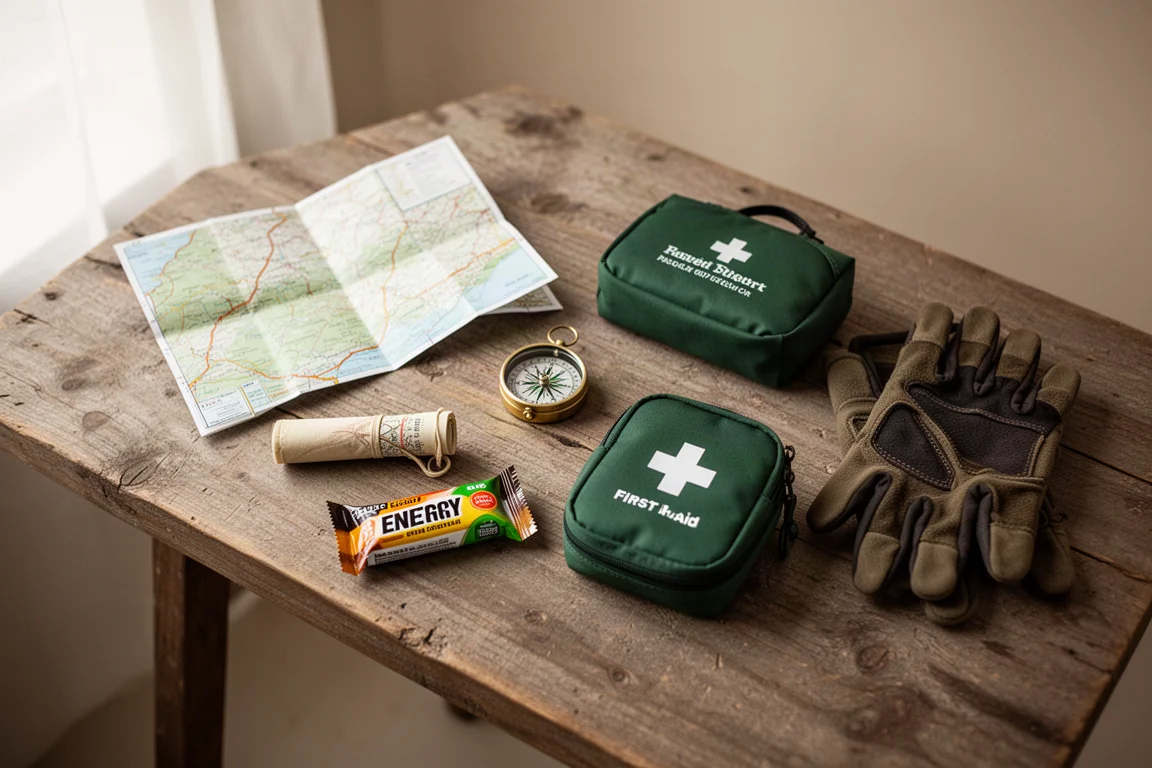
That adaptability is why chest rigs suit so many activities. Hiking, backpacking, bushcraft, fishing, kayaking, and biking all work. A typical loadout might include a map, a compass, a snack, water, a small first aid kit, camera batteries, insect repellent, gloves, a hat, a knife, a lighter, or waterproof bags. The kit changes with the trip, and the carry position stays the same.
Helikon-Tex Numbat: Design, Materials, and Organization
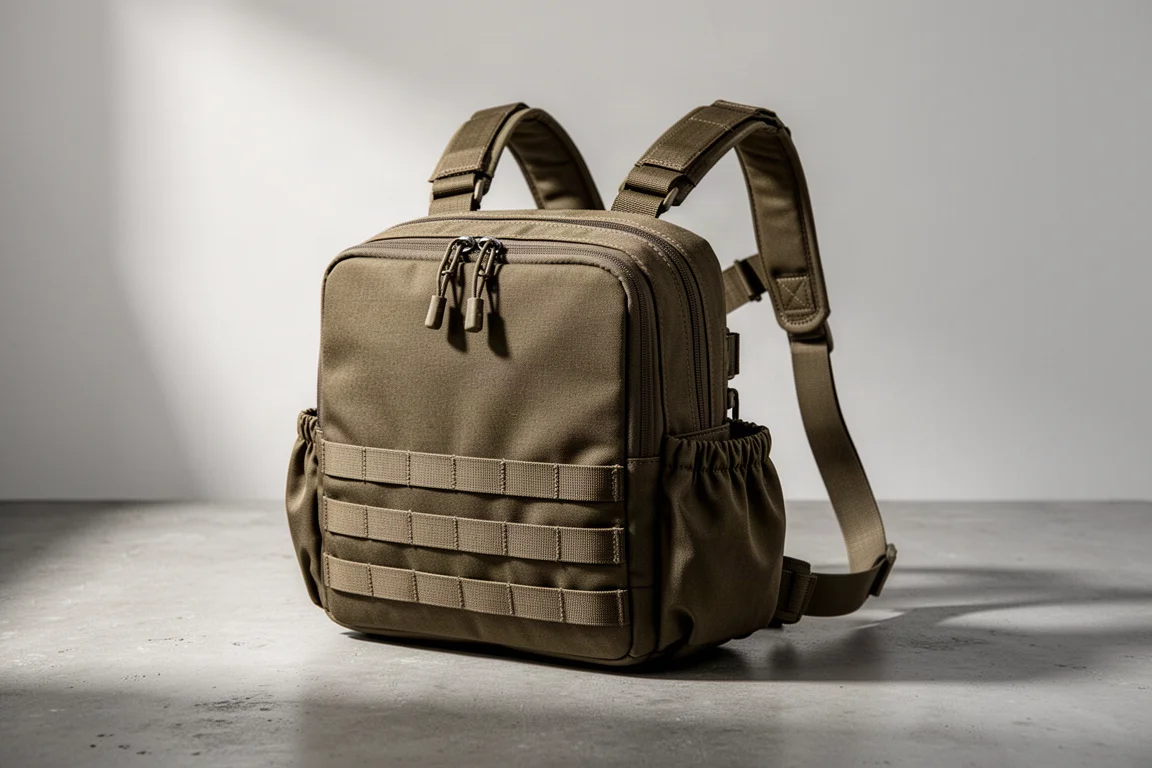
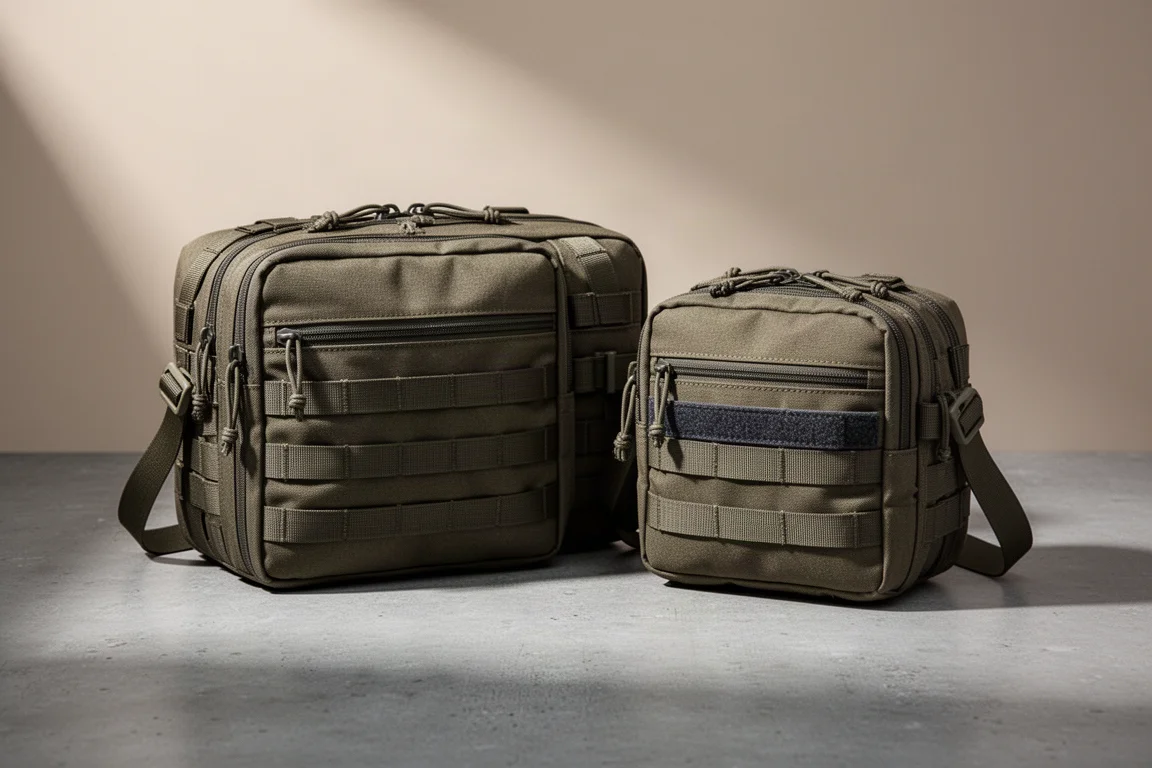
The Numbat measures 11 inches by 7.6 inches with a depth of 2.3 inches, and it weighs 17.2 ounces, a little over a pound. The main body uses a 500-denier fabric and the zippers are YKK. It is available in a wide range of colors and camouflage patterns, so there is a good chance of finding a finish that suits your taste.
The outside carries webbing and attachment points on the front, two elastic pockets with one on each side, and shock cords along the bottom edge. Those side pockets are a useful size for hand warmers on one side and a packed poncho on the other.
Access is handled by two-way zippers with large pulls that are easy to grab, and the pouch opens to roughly 90 degrees so the contents are visible at a glance rather than buried.
Inside there is a zippered pocket, a set of sleeves for organizing gear, a draw pull that controls how far the shelf opens, hook-and-loop panels, and a mix of elastic and flat straps. A grab tab holds the removable insert in place. That insert has a document pocket with a clear plastic window on one side and a large hook-and-loop panel on the other, which is where holsters and similar attachments mount. The insert on current production carries noticeably more organization than the original version, which mainly offered the document pocket.
The back panel is 3D mesh with four corner buckles, so the rig can be put on or taken off from whichever side you prefer. Strap keepers run around the perimeter to keep loose webbing from flapping.
Five Years of Real-World Use: Durability and Weather Resistance
After more than five years of near-weekly use, the condition of the Numbat is the strongest argument for it. The pouch has been soaked through on countless outings in rain and snow, dried out each time, and shows no sign of degrading.
The stitching remains strong and there are no loose threads. Some of the outer webbing has frayed very slightly and the fabric is stained from use, but the structure is intact. There is easily another decade of life in it.
The zippers have stayed smooth throughout and have never snagged. The pulls are large enough to work with cold hands or gloves.
Weather resistance has been better than expected. Contents have stayed dry through heavy rain even though the zippers are not waterproof. Keeping a few resealable bags inside is a sensible precaution when rain is likely, and it keeps sensitive items protected.
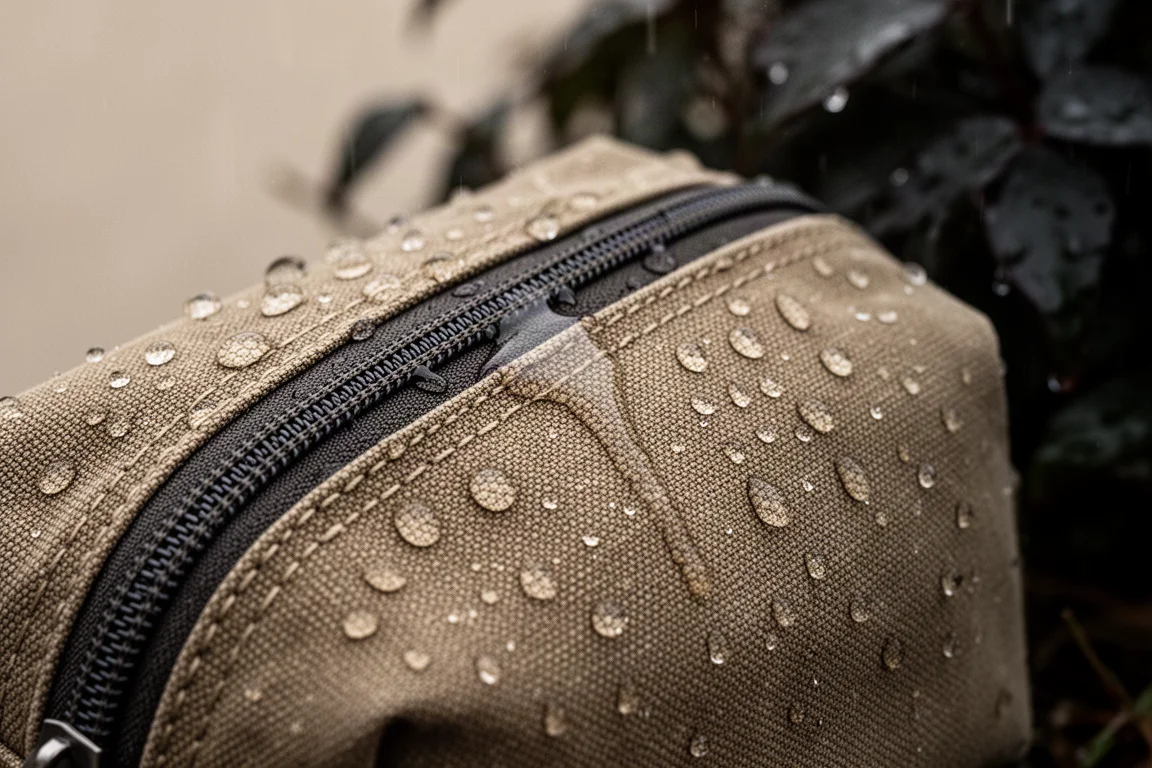
For gear that is worn against the body and used constantly, that combination of materials and construction is what separates a rig that lasts from one that quietly falls apart after a season or two.
Hill People Gear Kit Bag: The Closest Alternative
The Hill People Gear Kit Bag has been on the market for about as long as the Numbat, and the medium size sells for around $150. The two are similar in overall concept but differ in execution.
The most visible difference is the back panel. The Kit Bag uses plain fabric, while the Numbat uses 3D mesh. Both will make you sweat when you are exerting yourself, but the mesh pulls moisture away from the body and lets it evaporate, which the plain fabric back does not.
The second difference is organization. The Kit Bag relies on large sleeves that function almost like open pockets, so items sit hidden inside and take longer to locate. The Numbat offers a much finer set of sleeves, pockets, and panels, which makes it quicker to build a loadout and quicker to find things in it.
Long-term wear is the third difference. The Kit Bag in this comparison has begun to fray slightly, with some threads coming apart, while the older Numbat remains structurally sound.
Comfort, Ventilation, and Carrying Position
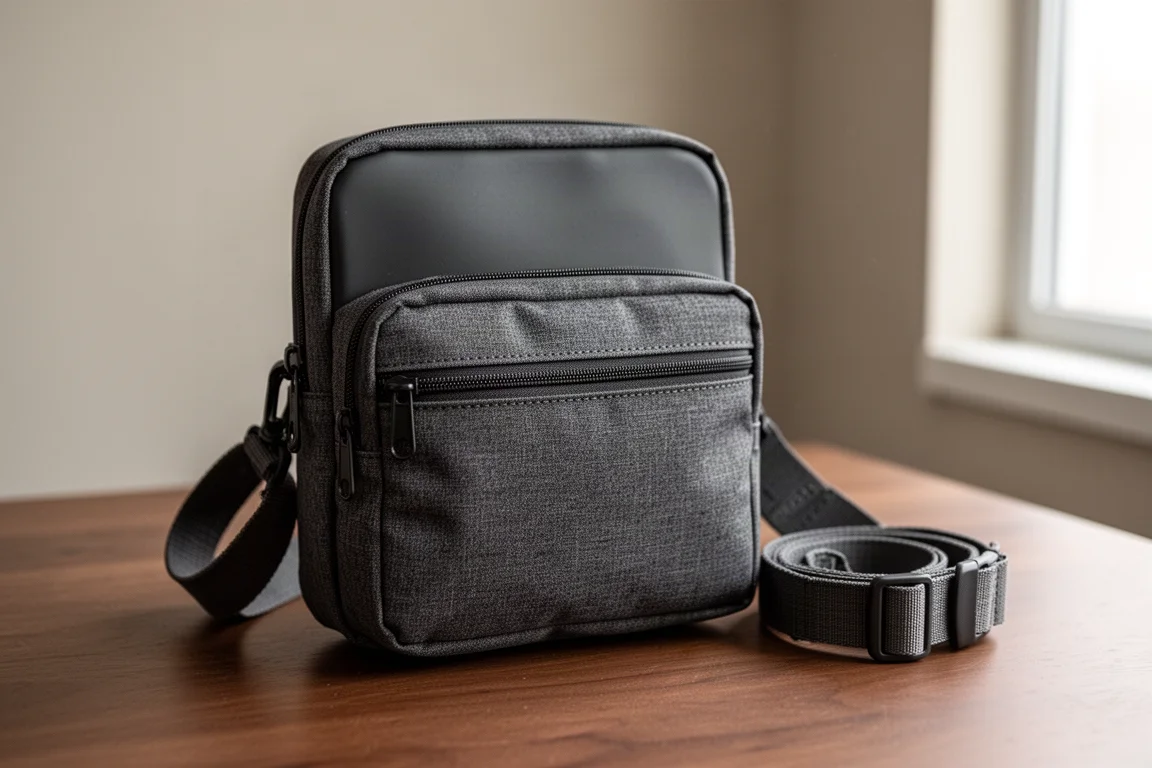
Comfort is where the two rigs separate most clearly. The Numbat has proven more comfortable in extended use and it does not interfere with other systems worn at the same time.
Both designs will make you sweat, and there is no way around that with any chest rig. Ventilation on the Numbat is better than most because of the mesh back panel, but it is a matter of degree rather than a complete solution.
Strap length is generous enough for most people, including with a medium-thickness jacket underneath. Wearing the rig over a bulky parka may use up all of the available strap, and because the pouch is thin, wearing it under a jacket is an option when that happens.
Adjusting the fit takes time. When the temperature shifts through the day, changing the strap length means working through the buckles and webbing, which is not complicated but is slow. The payoff is that adjustability exists at all.
One limitation shared by both rigs, and by chest rigs in general, is running. You can cinch the back tight enough to keep the pouch from bouncing, but dedicated running rigs are more comfortable for that specific use.
Concealed Carry and Everyday Practicality
The hook-and-loop panel inside the Numbat accepts holsters and spare ammunition. It will accommodate just about any handgun size, including a 1911, though more compact firearms work better in this format.
Access speed is a genuine advantage. Because the pouch opens wide and the zippers run smoothly, a firearm or any other item can be reached and the rig closed again quickly, which matters in bad weather when you do not want to expose the contents for long.
The design also stays visually understated. It does not read as overtly tactical, which means it can be worn on a hiking trail or in town without drawing attention.
Price, Value, and Buying Advice
The Numbat has moved in price over the years. It sold for around $55 five years ago, rose to about $65 three years ago, and now lists at around $80 on the Helikon-Tex website. On Amazon it is listed at around $88, which reflects the seller fees that Helikon-Tex builds into its marketplace pricing. Free shipping on most orders offsets some of that gap.
The Hill People Gear Kit Bag in medium size is around $150, well above the Numbat’s direct price.
That price gap is hard to ignore given what you get. The Numbat asks less money, uses quality materials and hardware, carries better ventilation, and offers far more internal organization. The Kit Bag remains a well-made and capable rig, and some users may prefer its simpler large-sleeve layout, but it costs considerably more while offering less structure.
For anyone weighing a first chest rig, or replacing one that has worn out, the Numbat is the easier recommendation. The value case holds even after the price increases.
Conclusion
Chest rigs are a small category, and the differences between them come down to details that only show up over time: how the back panel handles moisture, how quickly you can find an item, how the stitching holds up after years of rain and snow, and how much of your budget the whole thing takes.
On those measures, the Helikon-Tex Numbat has earned its place. Five years of regular use have left it stained but structurally sound, with smooth zippers and intact stitching, and the current version adds more internal organization than the original. At around $80 direct, it is a straightforward buy for hikers, backpackers, anglers, kayakers, and riders who want their essentials within reach.
The Hill People Gear Kit Bag is the closest alternative and a solid piece of gear in its own right, but at around $150 it costs substantially more while offering less ventilation and less organization.
Further reading
Related Reviews
Chest Rigs
Helikon-Tex Numbat Review: A Chest Rig Built to Last
After more than five years of near-weekly use, the Helikon-Tex Numbat still stands out for durability, organization, and all-day comfort.
Chest Rigs
Helikon-Tex Numbat vs Feywood Gear Chest Rig: Original or Lower-Cost Copy?
Two nearly identical chest rigs, one at $70 and one at $35. Here is what actually differs and which one suits the way you carry your gear.
Chest Rigs
Osprey Archeon Chest Rig Review: A 4L Chest Rig Compared With the Helikon-Tex Numbat
A close look at the Osprey Archeon Chest Rig, from its 4L pocket layout and materials to its ventilation trade-offs, plus how it compares with the Helikon-Tex Numbat.