Outdoor Gear
Helikon-Tex MK2 Foxtrot Belt Pouch Review: Compact Storage, Demanding Harness
A close look at the Helikon-Tex MK2 Foxtrot Belt Pouch, covering its solid construction, comfortable waist fit, abrasive H-harness, and awkward water bottle access.
Introduction
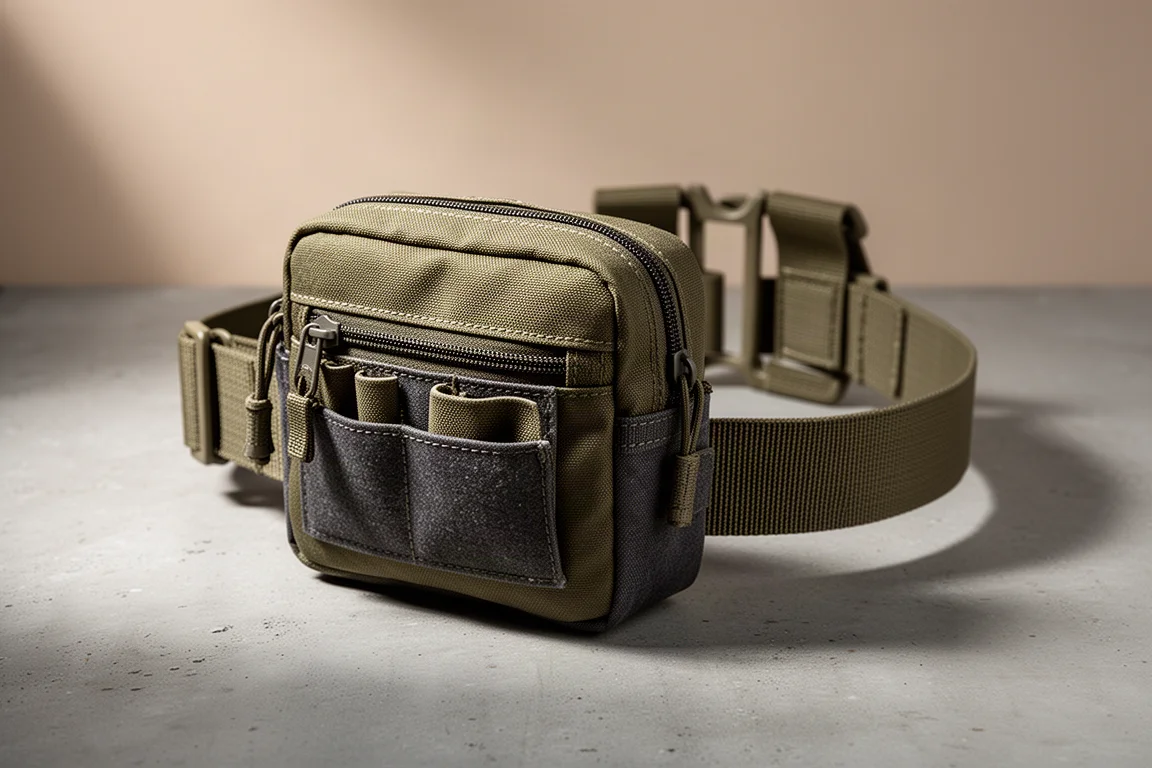
The Helikon-Tex MK2 Foxtrot Belt Pouch is a compact lumbar-style pouch with a tactical appearance and an H-harness carry system. It is built to sit around the waist and hold a small, organised load on short hikes, day walks and light outdoor trips.
On paper the idea is appealing: a low-profile pouch that keeps essentials close without a full backpack. In practice, the design has two obvious pressure points. The harness webbing is stiff and abrasive, and the water bottle pockets are positioned so that the pouch has to come off before a bottle can be reached. For a product priced at around seventy dollars, those are not small details.
Who This Pouch Is For
The MK2 Foxtrot is smaller than it looks. The hydration pockets on the back give it a bulkier silhouette, but the usable space inside comes to roughly five and a half litres. That makes it best suited to small, flat, compressible items rather than bulky gear.
It works best as an organiser for a short outing. A hat and glove kit, batteries, a headlamp, hand warmers, a fire kit, instant coffee, a slim power bank, a compact solid fuel stove and a freeze-dried meal will all fit, because every one of those items is thin and packable. A front pocket adds room for a snack, a short length of rope, a knife, a lighter and similar small tools. The waist section itself sits reasonably well, which is the one part of the carry system that does not fight back.
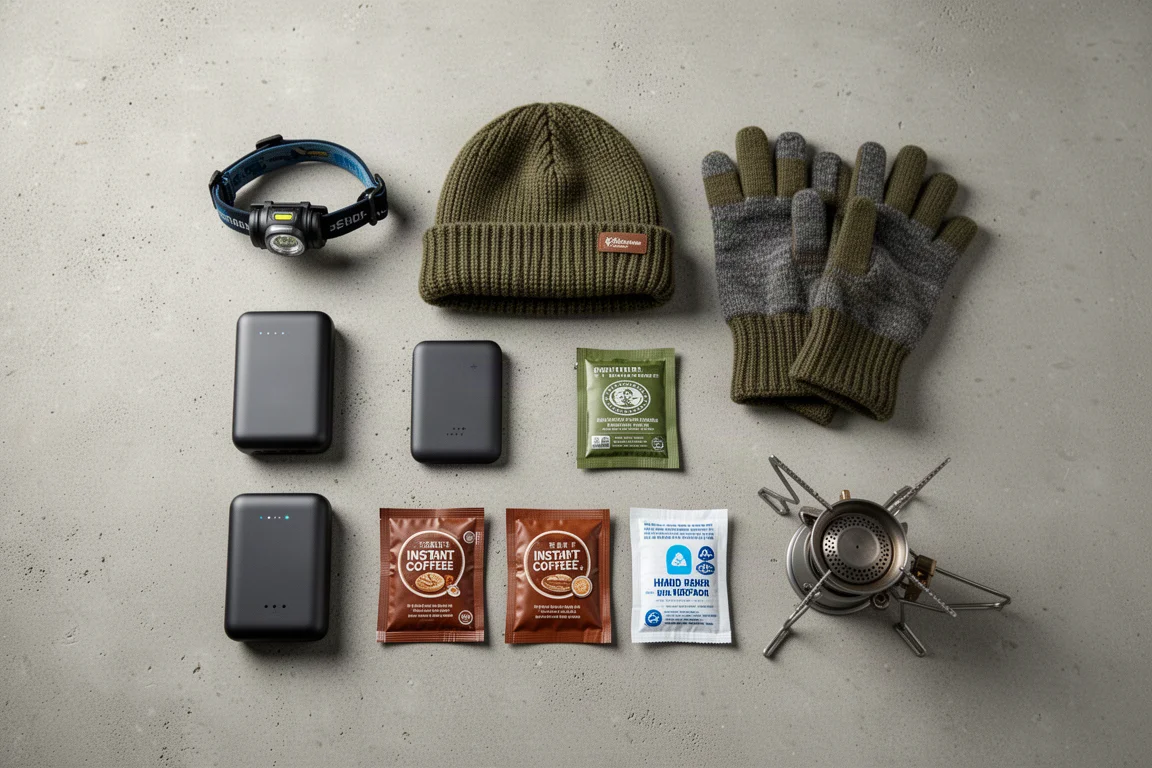
Anyone expecting to carry a jacket, a large camera or a full day of food should look at a larger pack instead. This pouch rewards a disciplined, minimalist loadout.
Main Strengths: Construction and Capacity
Build quality is the strongest argument in the pouch’s favour. The construction is solid, the materials look durable, and nothing about the assembly raises concerns about long-term reliability. If the harness were more forgiving, this would be a pouch worth keeping for years.
Capacity is also reasonable for its class. Five and a half litres of usable space, spread across a main compartment, internal sleeves and a front pocket, is enough for a well-chosen set of small items. Flat and thin gear disappears into the sleeves neatly, which keeps everything findable instead of buried in one compartment.
The waist belt also does its job. Weight carried around the hips feels stable, and the pouch does not shift around aggressively during walking. The problems start higher up, where the harness takes over.
Where the MK2 Foxtrot Falls Short
The H-harness is the defining weakness. The webbing is stiff, rough and abrasive, and it makes contact in all the wrong places. Threading an arm through the harness to put the pouch on scrapes the hand and forearm, and taking it off is no better. The straps also press across the chest and down the sides, so pressure is felt long after the pouch is settled in place.
That discomfort shows up early. Even with an insulation layer worn underneath and a light load, the harness becomes noticeable within the first stretch of walking, and shoulders can feel sore well before the end of a short route. With only a t-shirt underneath, the same straps would be considerably worse.
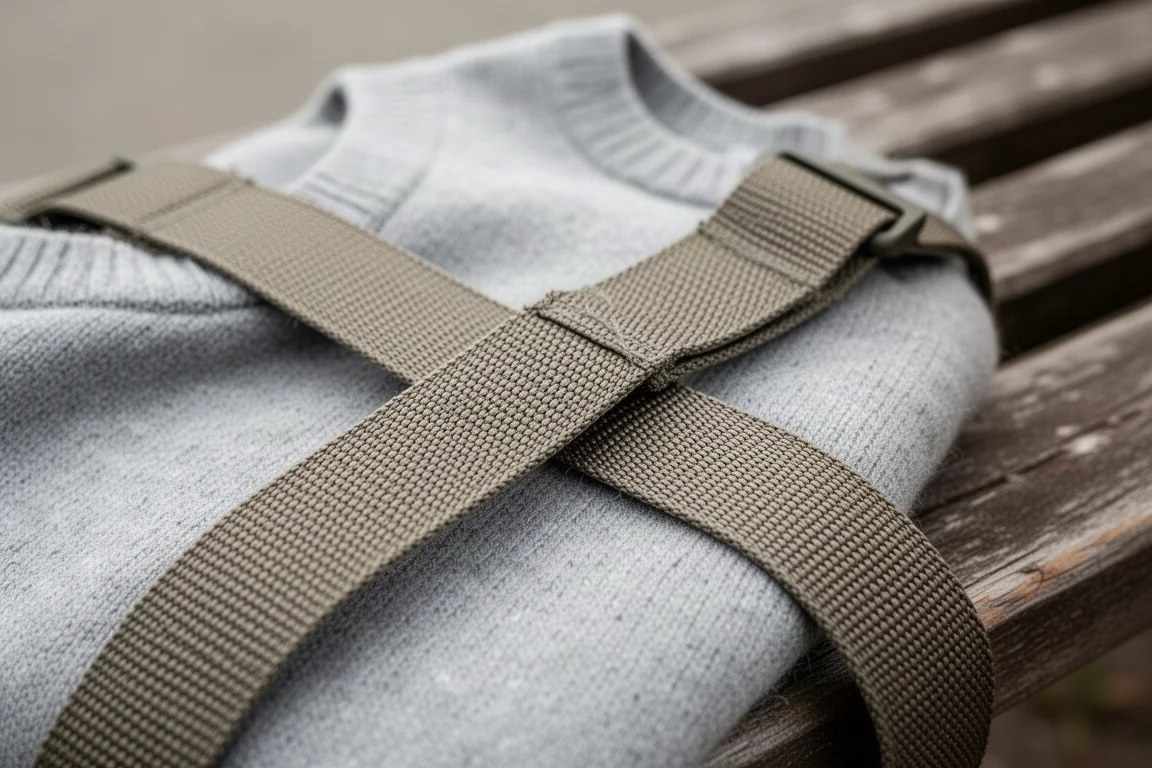
This is the part of the design that is hardest to work around, because it affects every minute of wear rather than a single moment of use.
Waist Belt Layout and Pocket Design
The waist belt has webbing running across it, but it sits behind the back once the pouch is worn. Anything attached there is awkward to reach without twisting around, and re-sheathing a knife in that position is genuinely fiddly. It is a layout that looks useful in a photograph and proves awkward in motion.
The water bottle pockets follow the same pattern. They are small enough that loading a bottle takes effort rather than a quick push, and the placement means bottle access depends on removing the whole pouch first. Small design decisions like these accumulate into a pouch that is slower to use than it needs to be.
Water Bottle Access and Everyday Handling
Hydration is the most practical problem. Because the bottles sit against the body, the pouch has to come off before a drink can be reached. That means stopping, unclipping, wrestling a bottle out of a tight pocket, drinking, fighting the bottle back in, and putting the pouch on again. On a steep climb, that sequence easily eats several minutes.
The pockets themselves are unforgiving. A one litre wide-mouth bottle barely fits and takes effort to seat properly, while a military-style canteen with a cup is difficult to get in and out at all. The result is that most users will simply postpone drinking until a natural stop, which is not the behaviour you want from a hydration-friendly design.
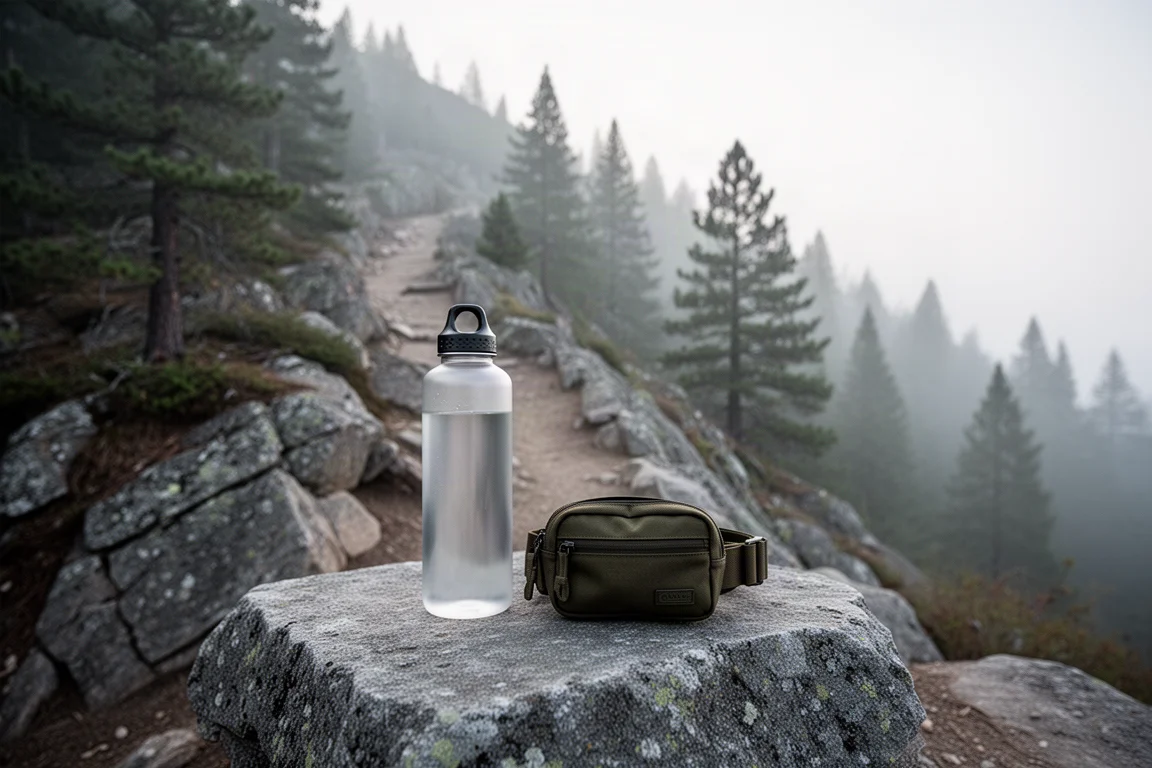
For short, flat walks this is an inconvenience. On anything steep or sustained, it changes how the whole outing flows.
What Fits Inside in Practice
The pouch handles small, flat and compressible gear well, and struggles with anything bulky. A single large item can fill the main compartment almost completely, leaving the sleeves and front pocket to absorb the rest.
The most successful loadouts are built from thin layers of gear: a folded hat and gloves, spare batteries, a headlamp, hand warmers, a small fire kit, coffee sachets, a slim battery bank, a flat light kit and a compact stove. Add a freeze-dried meal and a snack, and the pouch is effectively full. That is a workable kit for a short trip, provided the expectation is set correctly before purchase.
Buying Advice
At around seventy dollars, the MK2 Foxtrot sits in a price bracket where comfort and access are fair expectations. The construction justifies some of that cost, and the waist fit is genuinely fine. The harness and the bottle pockets are where the value proposition weakens.
Buy it if the priority is a compact, hard-wearing organiser for small flat items on short trips, and if removing the pouch to drink is acceptable. Skip it if on-the-move hydration matters, if long distances are planned, or if shoulder comfort is a dealbreaker. Those are the scenarios where the drawbacks outweigh the tidy capacity and solid build.

Trying the pouch on with a full water bottle before committing is the single most useful check. The way the harness feels across the shoulders in the first two minutes is a fair preview of how it will feel after an hour.
Conclusion
The Helikon-Tex MK2 Foxtrot Belt Pouch gets the fundamentals of construction right. It is well made, durable in appearance, and capable of carrying a genuinely useful amount of small gear around the waist.
Where it falls down is in the details that shape daily use. The H-harness is stiff and abrasive enough to cause real discomfort, the water bottle pockets are tight and only reachable with the pouch removed, and the waist belt webbing sits out of reach behind the back. For most buyers, those compromises are difficult to justify at this price, and a different carry system will likely serve better.
Product link
View more details for Helikon-Tex MK2 Foxtrot Belt Pouch
This product is mentioned in the review. Check the specifications, options, and compatibility before buying.
View more details for Helikon-Tex MK2 Foxtrot Belt PouchFurther reading
Related Reviews
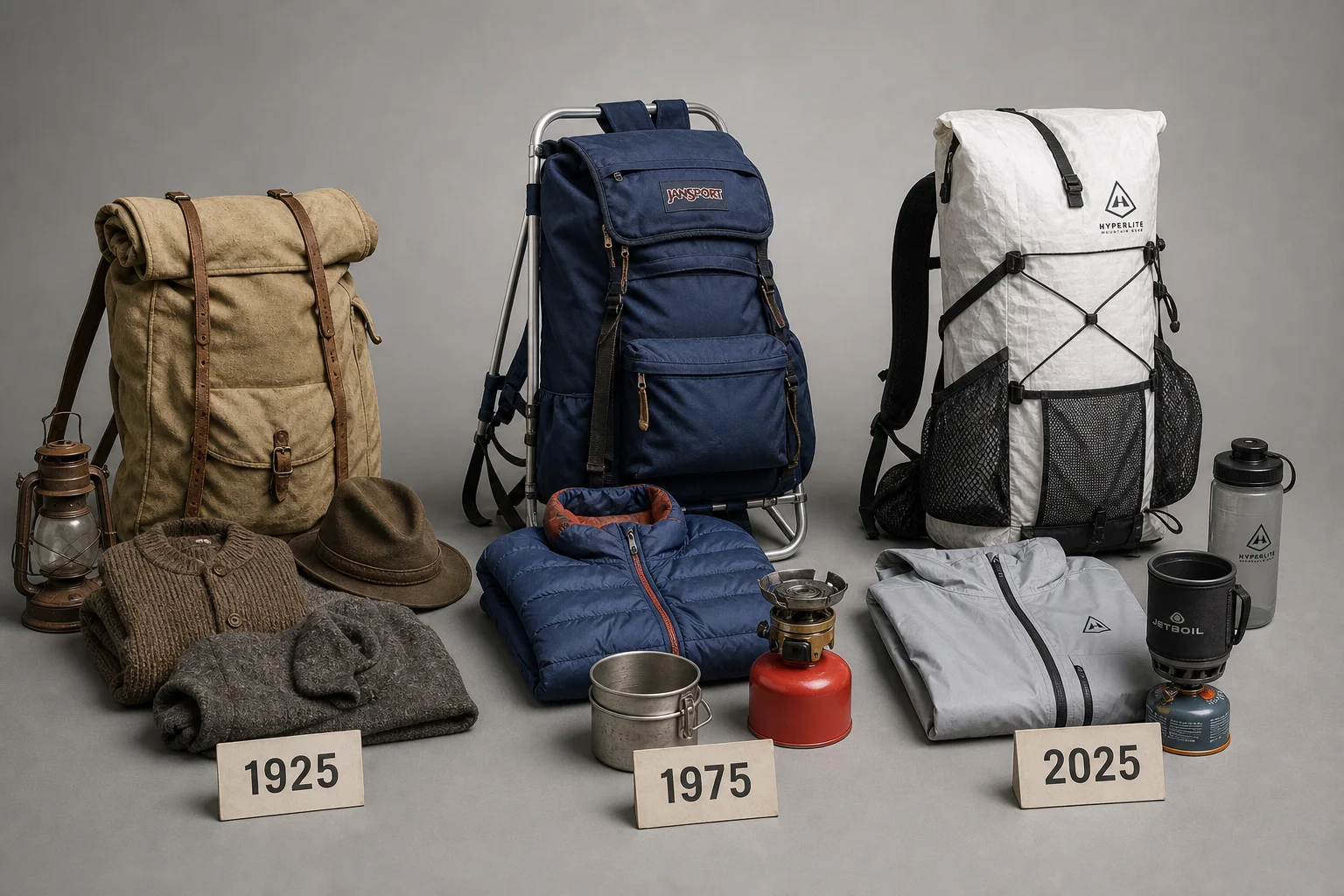
Outdoor Gear
Backpacking Gear Evolution: 100 Years of Technology Compared
We tested backpacking gear from 1925, 1975, and 2025 across a three-day hike in Yosemite. Here's how technology has transformed comfort, weight, and the outdoor experience.
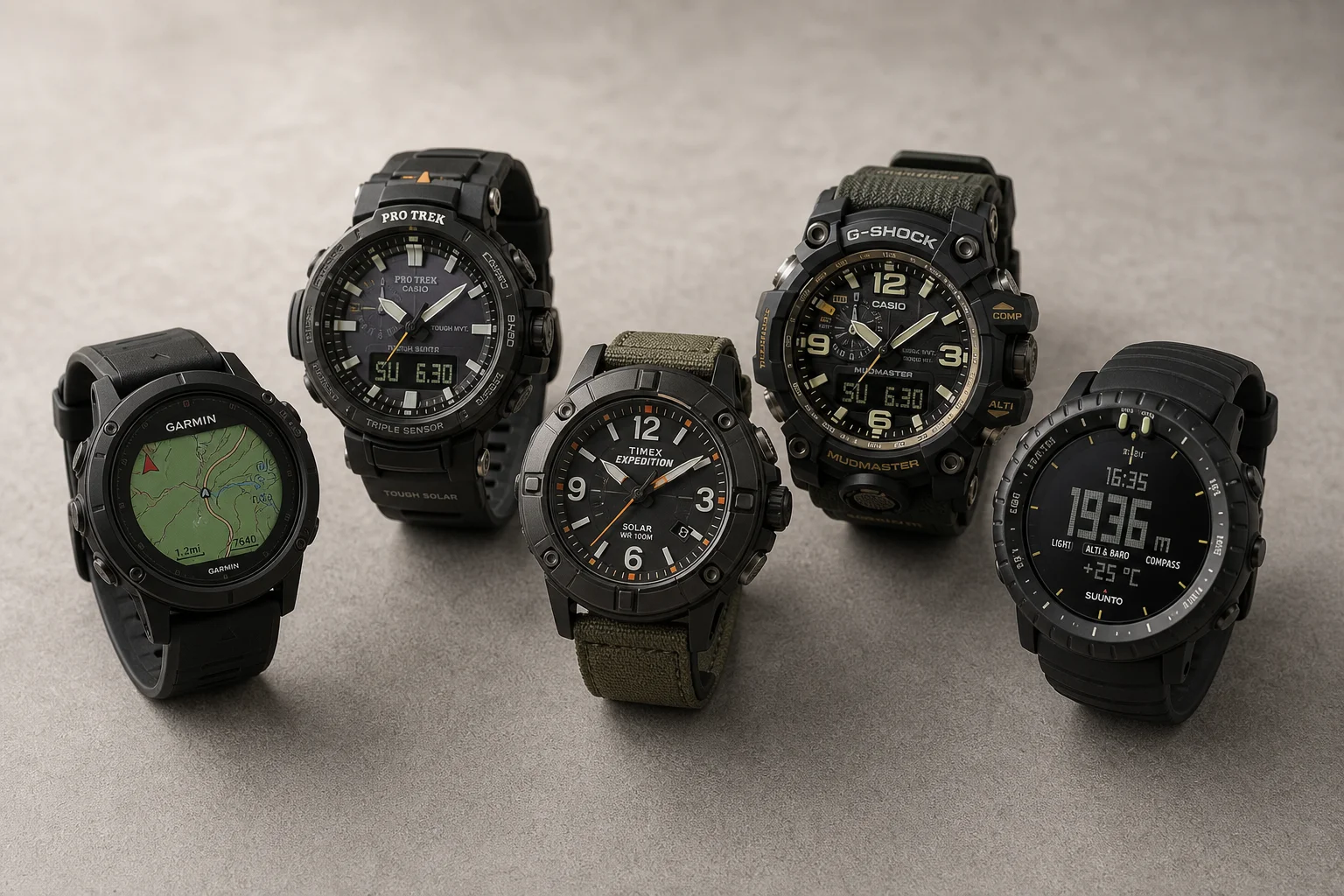
Outdoor Gear
Best Affordable Hiking Watches: Five Rugged Options for Outdoor Adventures
Five durable hiking watches that balance ruggedness, functionality, and value for outdoor enthusiasts who need reliable GPS tracking and weather resistance.
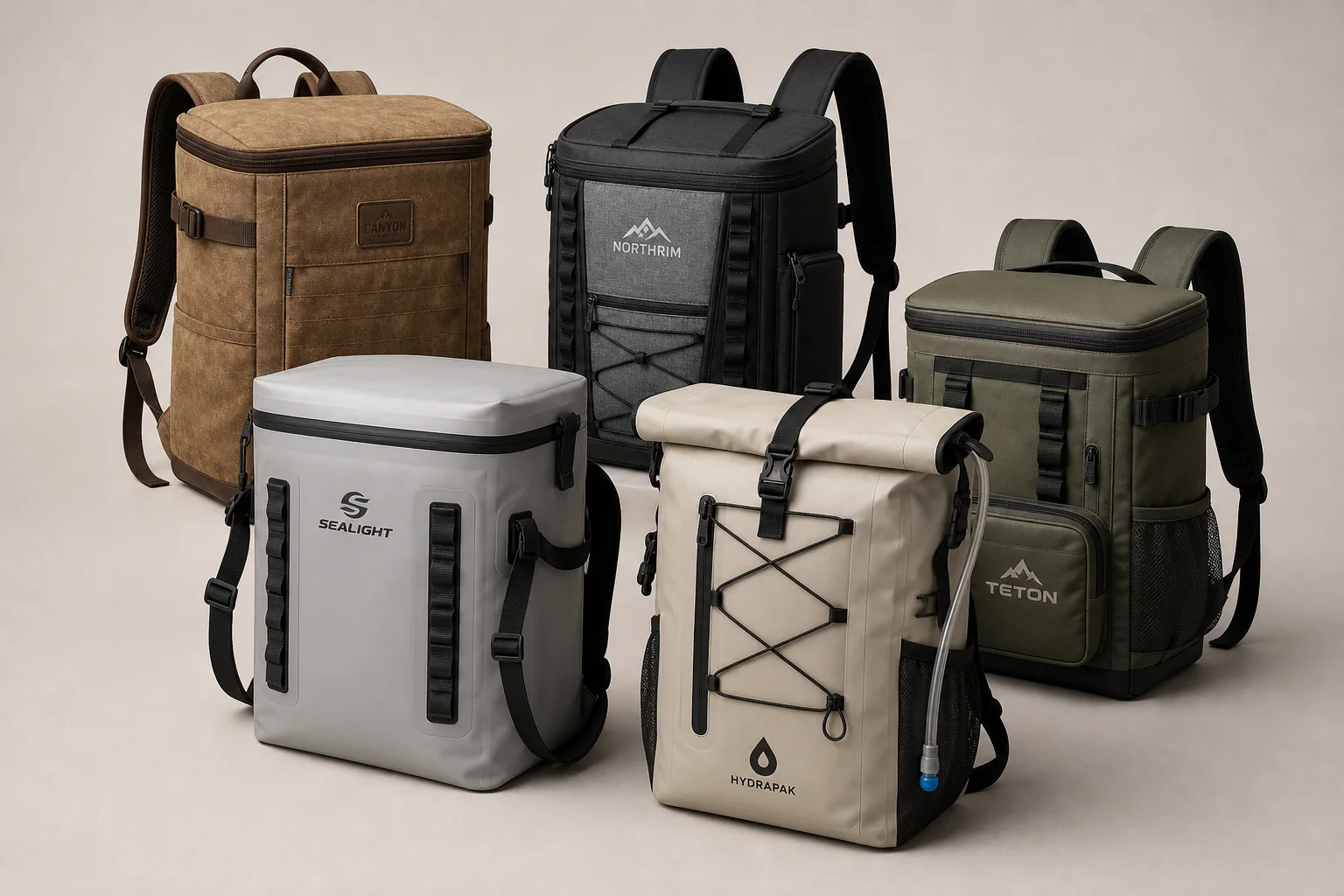
Outdoor Gear
Best Backpack Coolers 2026: Five Practical Options for Outdoor Adventures
Five backpack coolers with distinct cooling capabilities, storage features, and design trade-offs to help you choose the right one for your outdoor needs.