Outdoor Gear
Helikon-Tex Foxtrot MK2 Belt Pouch Review: A Compact Lumbar Pack With Real Trade-Offs
A close look at the Helikon-Tex Foxtrot MK2 Belt Pouch, covering its 5.5 liter capacity, solid build quality, and the harness comfort and water access issues worth weighing before you buy.
Introduction
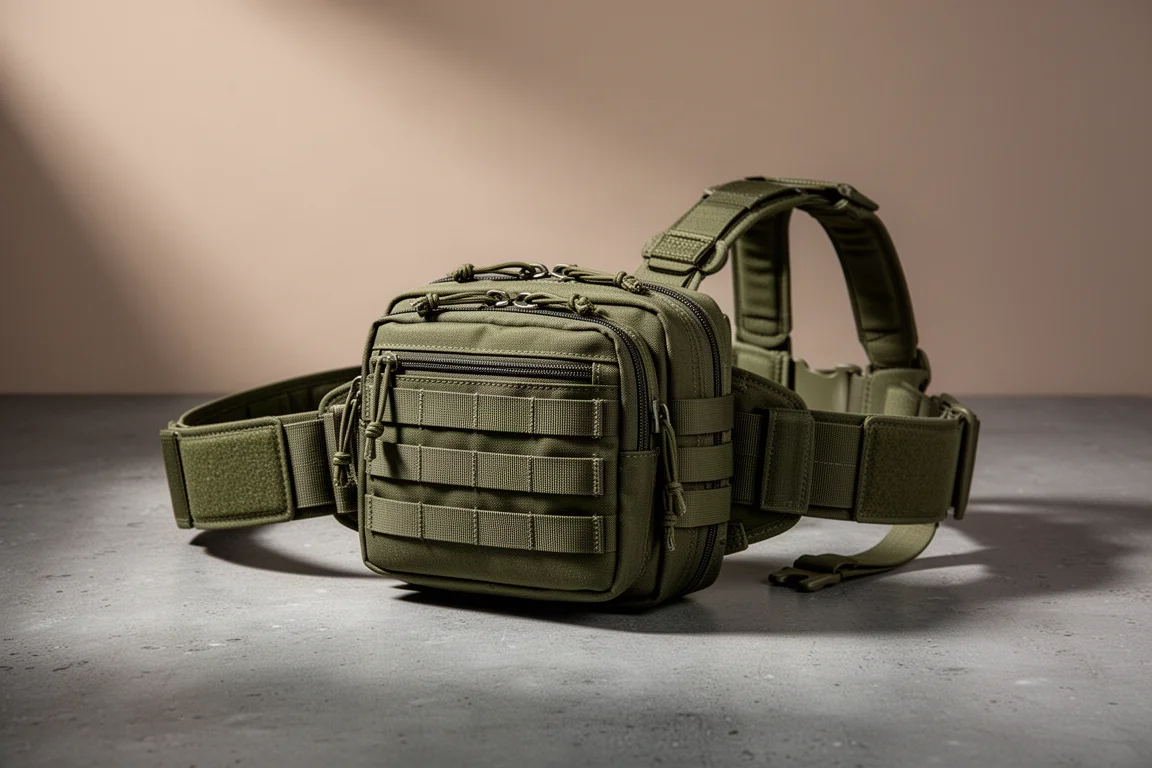
The Helikon-Tex Foxtrot MK2 Belt Pouch is a compact lumbar pack with a distinctly tactical look and roughly 5.5 liters of internal space. It carries its load around the hips and stabilizes it with an H-shaped shoulder harness, a layout that promises a secure, low-profile fit on uneven ground. For short hikes and day trips where a full backpack offers more volume than you need, that formula sounds sensible.
The details decide whether it works, though. Two areas matter most: how the harness feels against the body under even a light load, and how easily you can reach water while moving. This review focuses on those two questions, along with capacity, construction quality, and the small design choices that shape daily use on the trail.
Who This Pouch Is For
This pouch is aimed at hikers and day-trippers who want to keep weight low and gear close to the hips. The practical capacity sits around 5.5 liters, and the pouch looks larger than it is because of the hydration pockets on the back panel. That is a useful thing to understand before ordering: the usable volume is modest, so it suits flat, compressible items rather than bulky ones.
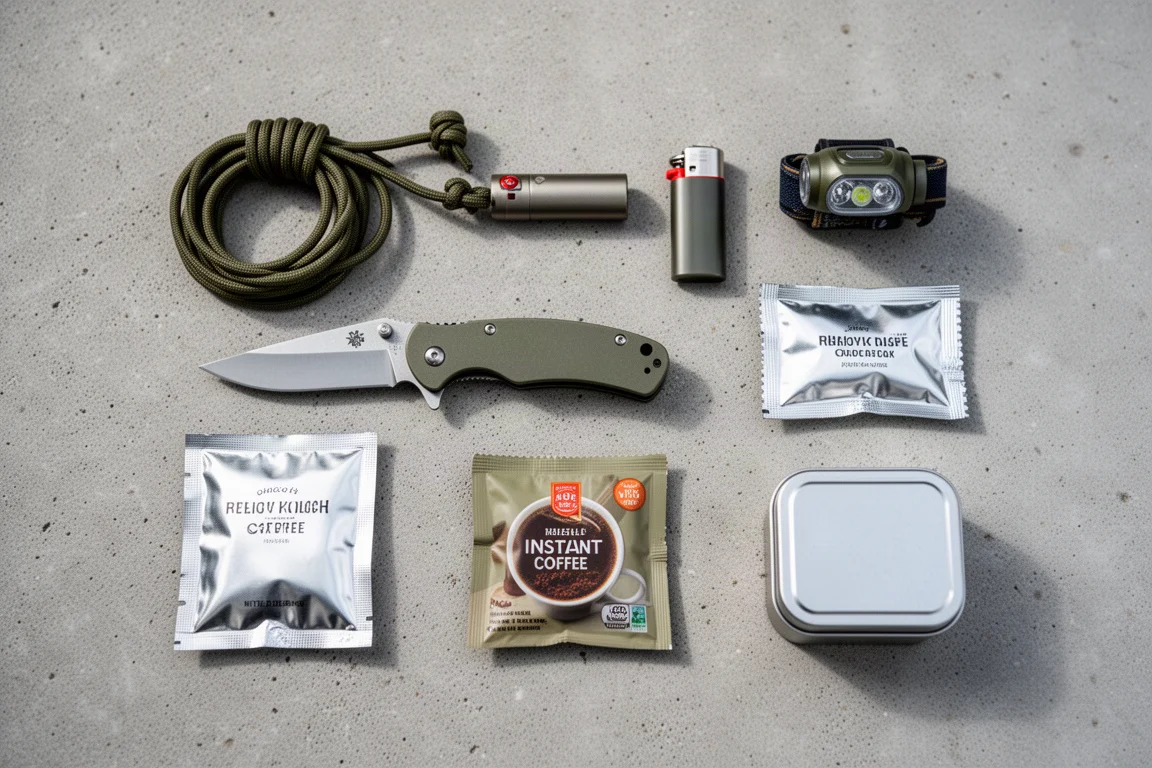
The internal sleeves and front pocket work best with thin gear that stacks neatly. A fire kit, a headlamp, spare batteries, hand warmers, a solid fuel stove, folded foil, a freeze-dried meal, a small camera bag and a hat and glove set all fit comfortably when packed flat. Larger single items fill the available space almost immediately, so this is not a pouch for anyone who wants to carry a bulky shell, a large cook set or a full day of food in one place.
Main Strengths: Construction and Storage
Build quality is the strongest part of the package. The construction is solid, the webbing and stitching show no obvious weak points, and there is nothing about the materials that raises a concern about long-term reliability. As a durable object, it holds up well to scrutiny.
The storage layout is also reasonable for the volume on offer. The front pocket takes small essentials such as a snack, a length of cord, a folding knife and a lighter, while the internal sleeves keep flatter items organized and separated. Because the pouch is narrow, everything has a place, and small items are easy to find. Anyone who already carries compact, flat-packed gear will find the arrangement intuitive.
Where the Harness Falls Short
The H-harness is the biggest problem. The straps are stiff, rough and highly abrasive. They rub against the hands and forearms when you put the pouch on or take it off, and they scrape skin in the process. Donning the pouch requires threading a hand through one side of the harness, and that motion alone is unpleasant.
Once it is on, the straps stay noticeable. They press across the chest and down the sides, and the stiffness means they do not soften around the body. Even with a sweater underneath and a fairly light loadout, the harness feels uncomfortable on the shoulders. With only a t-shirt, the abrasion would be considerably worse. Shoulder soreness can set in well before the end of a short route, which undercuts the main reason to choose a harness-stabilized lumbar pack in the first place.
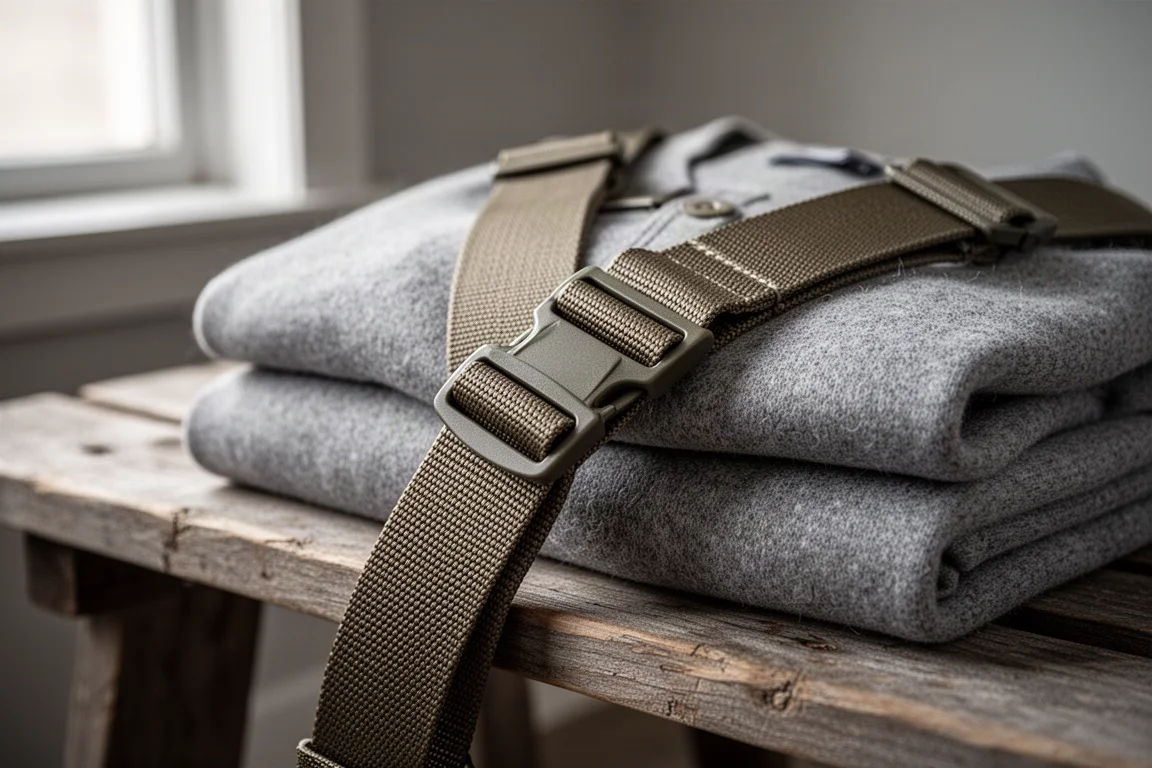
That discomfort is not a matter of a long break-in period. On a steep out-and-back route, the straps were already rubbing shoulders raw within the first mile, which is a long way from the point where a pack should disappear from your awareness. For anyone who values a harness that fades into the background, this design asks for more tolerance than most people will want to give.
Water Bottle Access and the Waist Belt Webbing
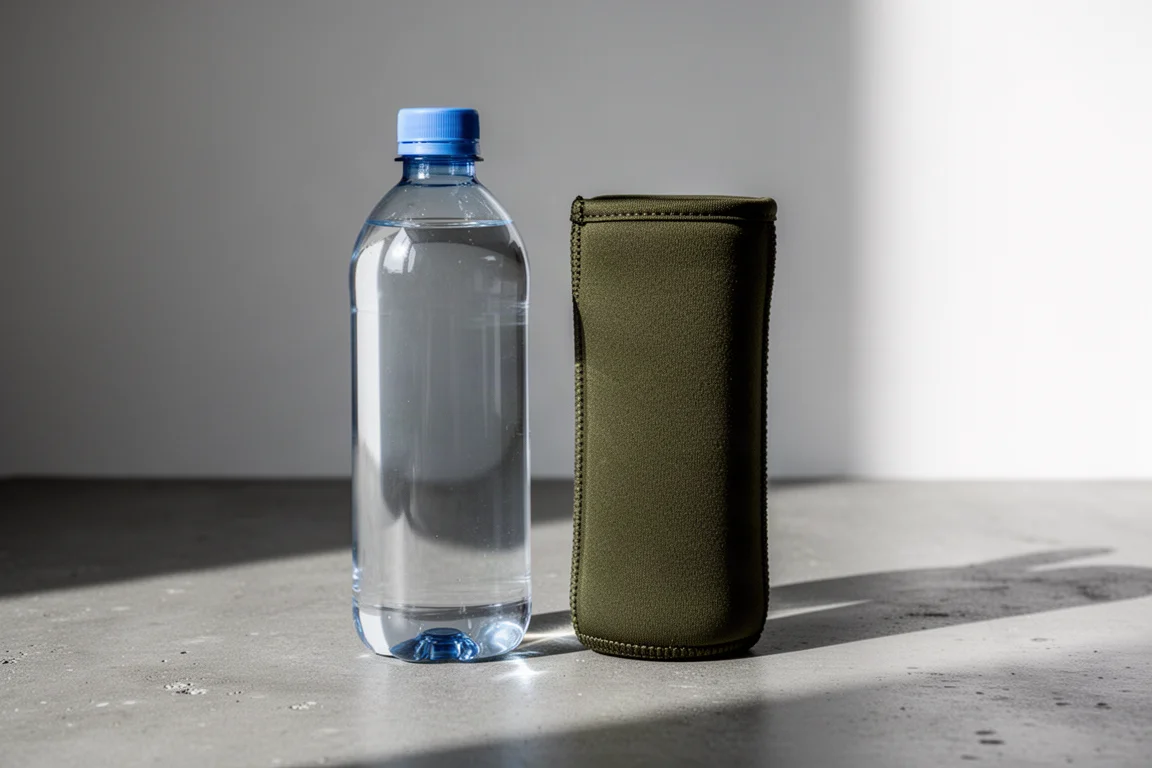
Reaching water is the second major issue. The pouch has to come off before you can get to a bottle. There is no way to drink while wearing it, so every sip means stopping, unbuckling, removing the pouch, pulling the bottle out, drinking, wrestling it back into place and putting the pouch on again. That sequence easily costs several minutes each time, and on a climb it interrupts rhythm exactly when you least want to stop.
The bottle pockets themselves are very small. A one liter bottle does fit, but only just, and it takes real effort to work it in and out. A military-style canteen with a cup is even more difficult to insert and remove. If hydration access matters to you, this is the single most important limitation to understand before buying.
The webbing on the waist belt is another missed opportunity. It sits essentially behind your back, so anything attached there is awkward to reach. A knife can be mounted on the rear, but getting it back into its sheath in that position is fiddly and slow. The placement looks purposeful but does not translate into practical access.
Things to Consider Before Buying
Start with how you actually hike. If you stop regularly for water anyway, the removal ritual is annoying but not disqualifying. If you like to sip while walking, this pouch will work against you on every outing.
Next, think about layers. The harness is abrasive enough to be uncomfortable through a mid-layer sweater, so plan on wearing something substantial underneath if you decide to try it. A thin t-shirt is not a realistic pairing for this strap design.
Then consider what you carry. The pouch rewards flat, thin, compressible gear and punishes anything bulky. If your day kit includes larger items, you will run out of room quickly and end up carrying a second bag, which defeats the purpose.
Finally, weigh the price against those compromises. At around seventy dollars, this is not an impulse purchase, and the money buys strong construction and a compact footprint rather than comfort or convenient access. Buyers who prioritize a durable, low-profile pouch for short, gentle routes may still find it workable. Buyers who want an all-day harness pack with easy hydration access should look elsewhere.
Buying Advice
The construction is genuinely good and the capacity is fair for its size, but the harness abrasion and the water bottle access problem are structural rather than cosmetic. Those two issues affect every trip, in every season, regardless of how carefully you pack. That is what makes them hard to overlook.
A reasonable way to decide is to ask whether you would tolerate removing your pack every time you want a drink and whether you would accept strap discomfort through a warm layer. If both answers are yes, the pouch delivers solid materials and organized storage for small loads. If either answer is no, the cons outweigh the strengths, and your budget is likely better spent on a design with a softer harness and reachable bottle pockets.

It also helps to handle the pouch in person before committing, if that is possible. Strap stiffness and abrasion are difficult to judge from photographs, and the tactile difference between a rough webbing harness and a padded one is significant. Where in-person inspection is not an option, read the return policy carefully and treat the first outing as a fit test with a light load rather than a full day of gear.
Conclusion
The Helikon-Tex Foxtrot MK2 Belt Pouch gets the fundamentals of durability right. It is well made, organized and compact, and it carries flat gear neatly in a package that stays close to the body. The tactical styling is distinctive, but styling is not what keeps a pack on your shoulders for miles.
What holds it back is the experience of wearing it. The H-harness is stiff and abrasive against the skin, and the water bottle pockets force you to remove the whole pouch just to drink. Those are daily-use problems, not minor annoyances, and they are the reason this pouch is difficult to recommend without clear caveats. Buyers who want a rugged small-capacity pouch for short, easy routes may find it serviceable. Everyone else should weigh the trade-offs carefully before spending around seventy dollars on a design that makes hydration and comfort harder than they need to be.
Product link
View more details for Helikon-Tex Foxtrot MK2 Belt Pouch
This product is mentioned in the review. Check the specifications, options, and compatibility before buying.
View more details for Helikon-Tex Foxtrot MK2 Belt PouchFurther reading
Related Reviews
Outdoor Gear
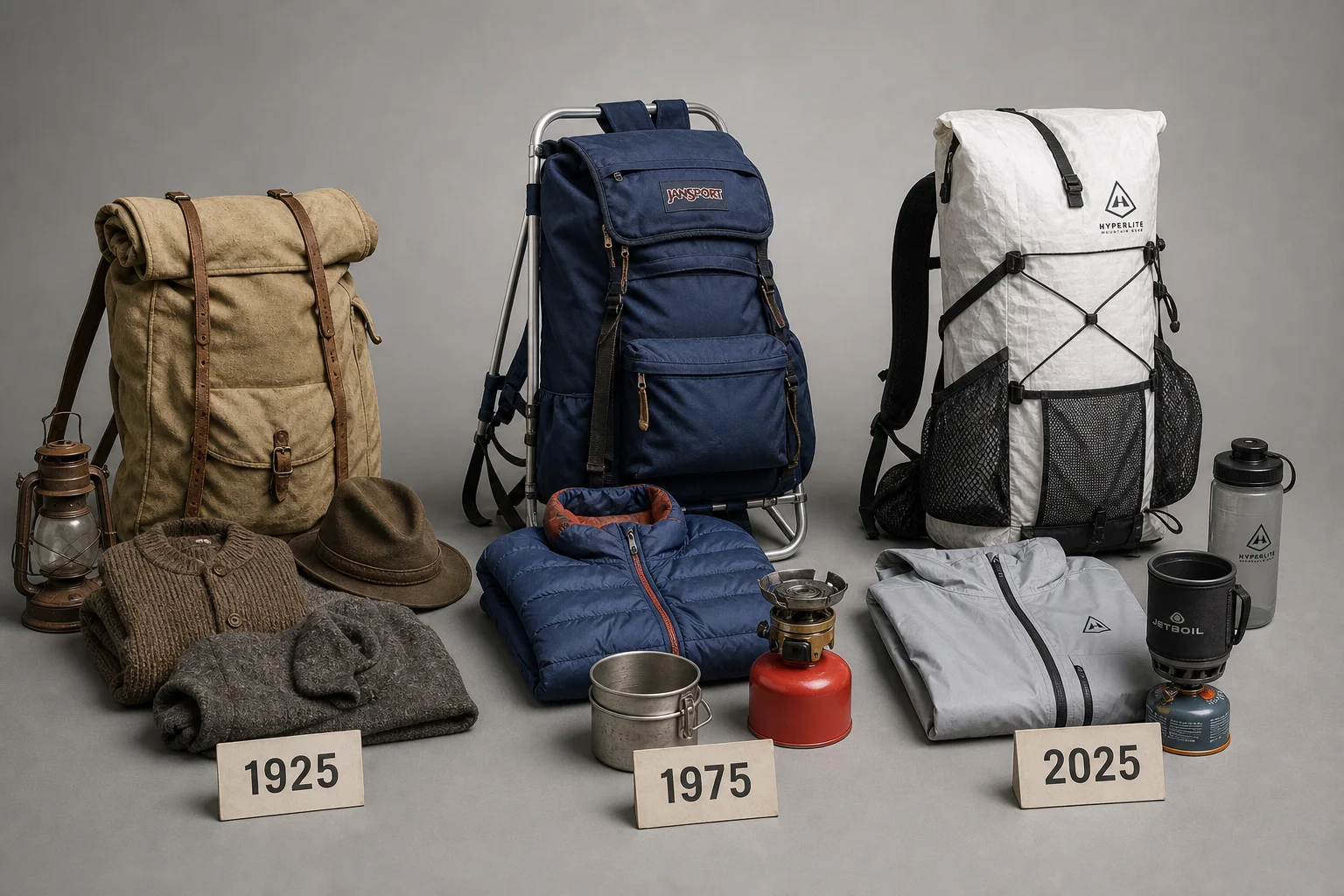
Backpacking Gear Evolution: 100 Years of Technology Compared
We tested backpacking gear from 1925, 1975, and 2025 across a three-day hike in Yosemite. Here's how technology has transformed comfort, weight, and the outdoor experience.
Outdoor Gear
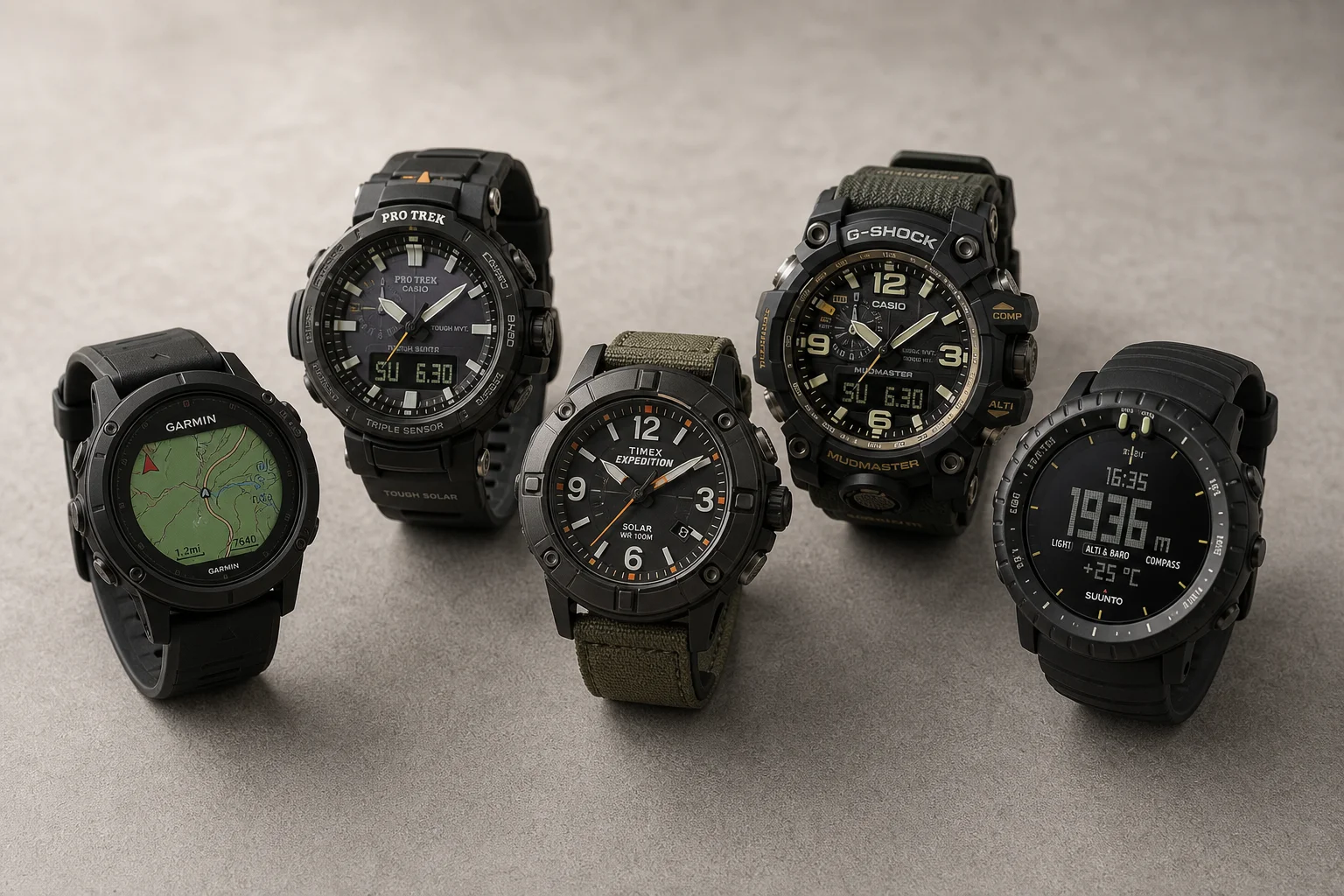
Best Affordable Hiking Watches: Five Rugged Options for Outdoor Adventures
Five durable hiking watches that balance ruggedness, functionality, and value for outdoor enthusiasts who need reliable GPS tracking and weather resistance.
Outdoor Gear
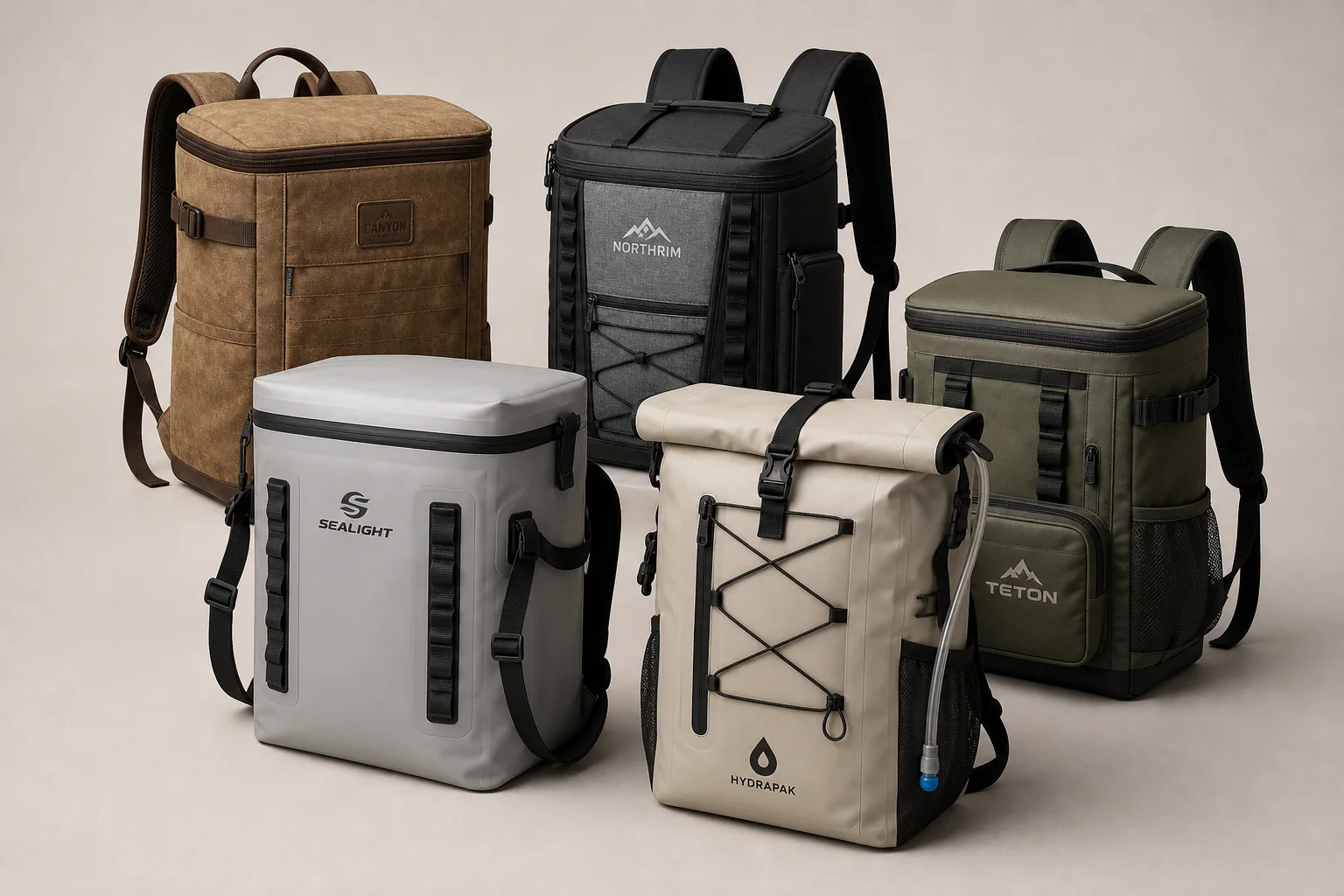
Best Backpack Coolers 2026: Five Practical Options for Outdoor Adventures
Five backpack coolers with distinct cooling capabilities, storage features, and design trade-offs to help you choose the right one for your outdoor needs.