Outdoor Gear
Helikon-Tech Numbat and Small Numbat: Which Chest Rig Fits Your Kit?
A side-by-side look at the original Helikon-Tech Numbat and the new small Numbat, covering size, organization, carry options and price.
Introduction
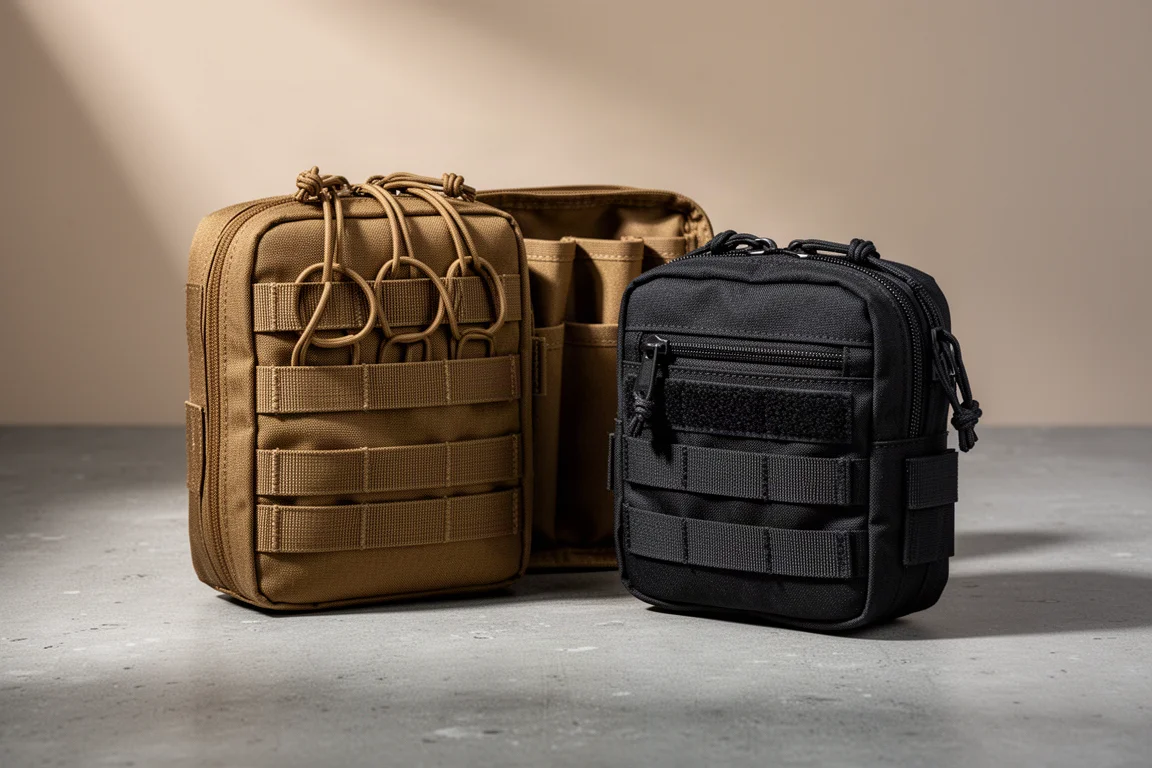
The Helikon-Tech Numbat is a chest rig built to keep the items you want within easy reach while you are moving. It sits across the chest, or lower toward the stomach, and it opens into a shelf shape so you can see and grab what is inside without taking the rig off. Helikon-Tech designs it for hiking, backpacking, moto camping, kayaking and similar days out, and the original version has been in field use for around five years.
The small Numbat is the newer, smaller version of the same idea. It keeps the core layout, adds a few features of its own, leaves some behind, and it costs more than the larger model. This comparison walks through what actually changes between the two so you can choose the one that matches the way you carry gear.
How the Two Numbat Variants Differ
Both rigs are worn low on the torso, which keeps them clear of a backpack sternum strap. Both open with two zippers that let the body fold out into a tray, and both use the same basic interior approach: several sleeves of different widths, a zippered pocket on the front side, and a hook-and-loop panel on the back side for attaching add-ons such as a holster.
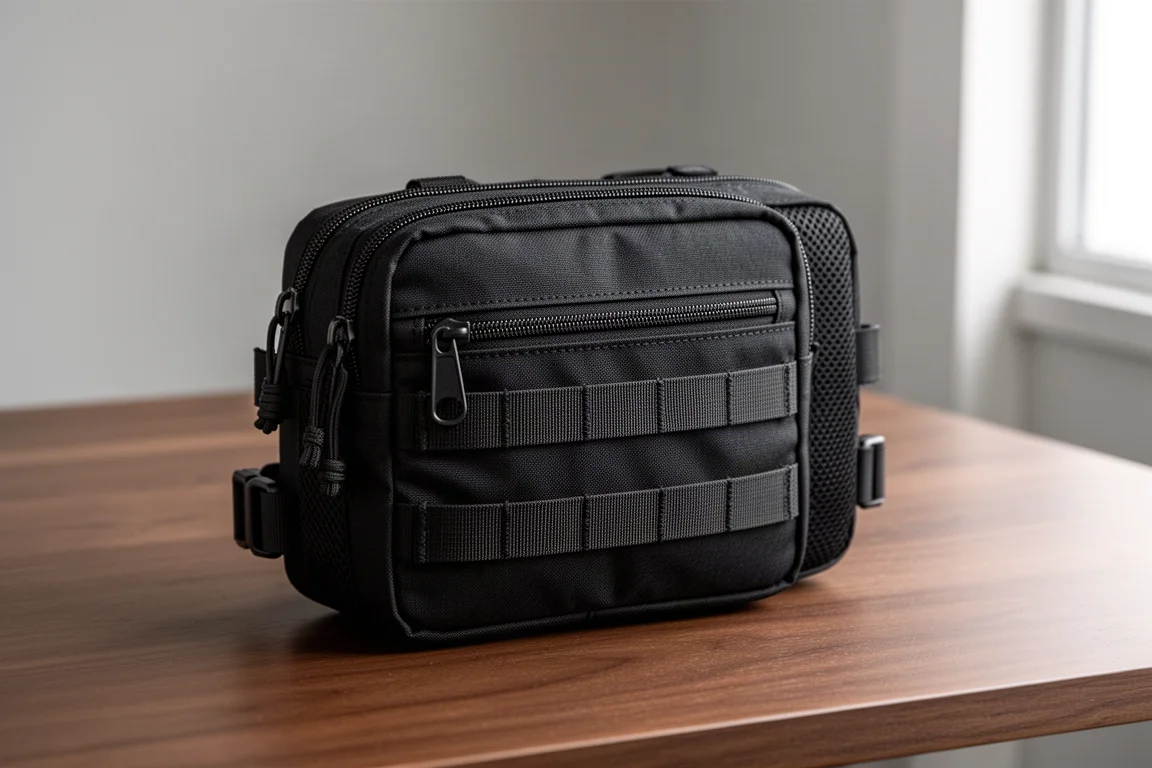
The differences start on the outside. The small Numbat adds hook-and-loop to the outer face and replaces the elastic stretch pockets of the original with a zippered front compartment. It also carries two rows of PALS webbing instead of one, which opens up more room for modular attachments. Both versions have elastic at the bottom edge for clipping or tucking extra items.
Turn them around and the back panels diverge further. The original Numbat uses a 3D mesh panel that helps a little with heat and moisture. The small Numbat has no 3D mesh; instead it uses a mesh panel that connects to the pouch with buckles, plus two extra buckles and three sleeves for stowing the strap ends. Those buckles are what allow the small Numbat to be worn as a waist pack, a mode the larger model does not offer. The original keeps corner straps that the smaller version does not have.
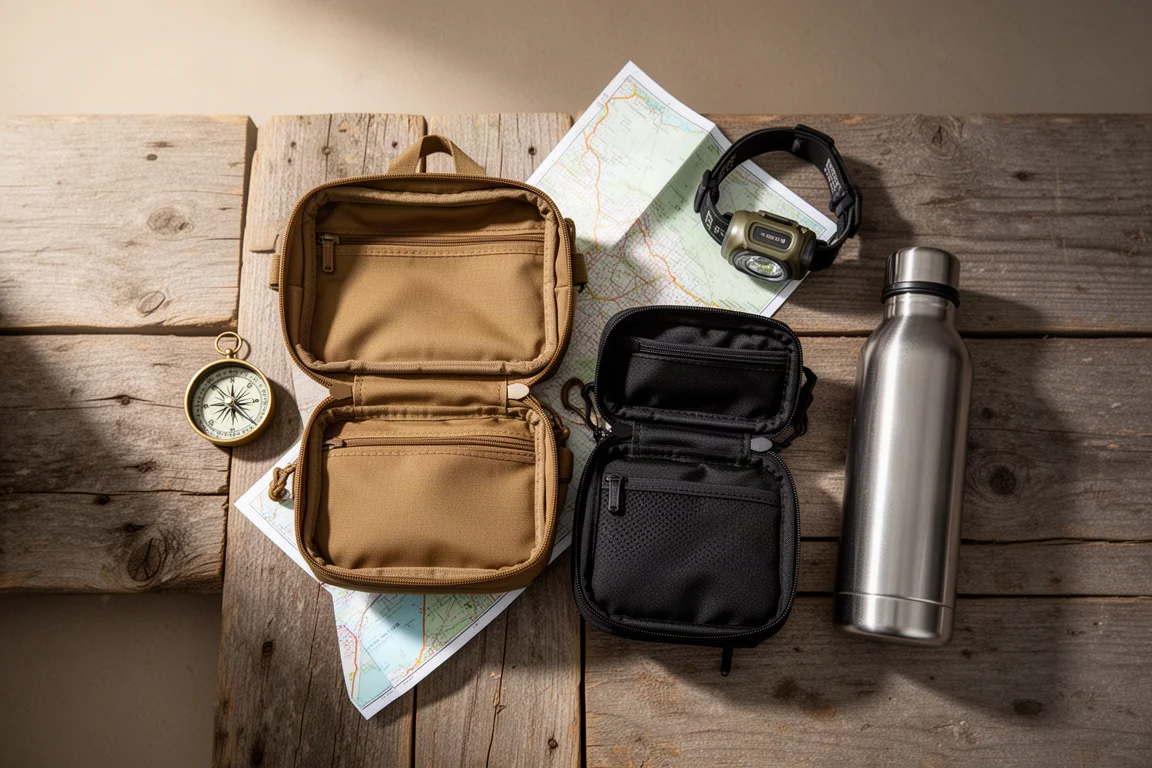
Both versions include a removable map pocket that clips to two points at the bottom, and both use strap keepers to keep loose webbing under control.
Helikon-Tech Numbat: The Original Chest Rig
The original Numbat measures 11 inches long, 7.6 inches tall and 2.3 inches deep, making it the roomier of the two. Its front face uses elastic stretch pockets for items you want to grab fast, backed by a single row of PALS webbing for pouches and modular add-ons.
Inside, the layout is built around quick access: sleeves, a zippered pocket, and hook-and-loop on the back wall for a holster or other attachments. The body opens wide enough that the contents stay visible and reachable while the rig is still on your chest.
Capacity is where the original earns its place. It holds a compact holster setup, a phone, keys and camera batteries, and still has space for a small pouch with gloves, a face mask and a hat, plus a small water container for quick access. The removable map pocket is optional, and some users may find it too small for a full-size map and prefer to leave it off entirely.
Helikon-Tech Small Numbat: Smaller, More Specialized
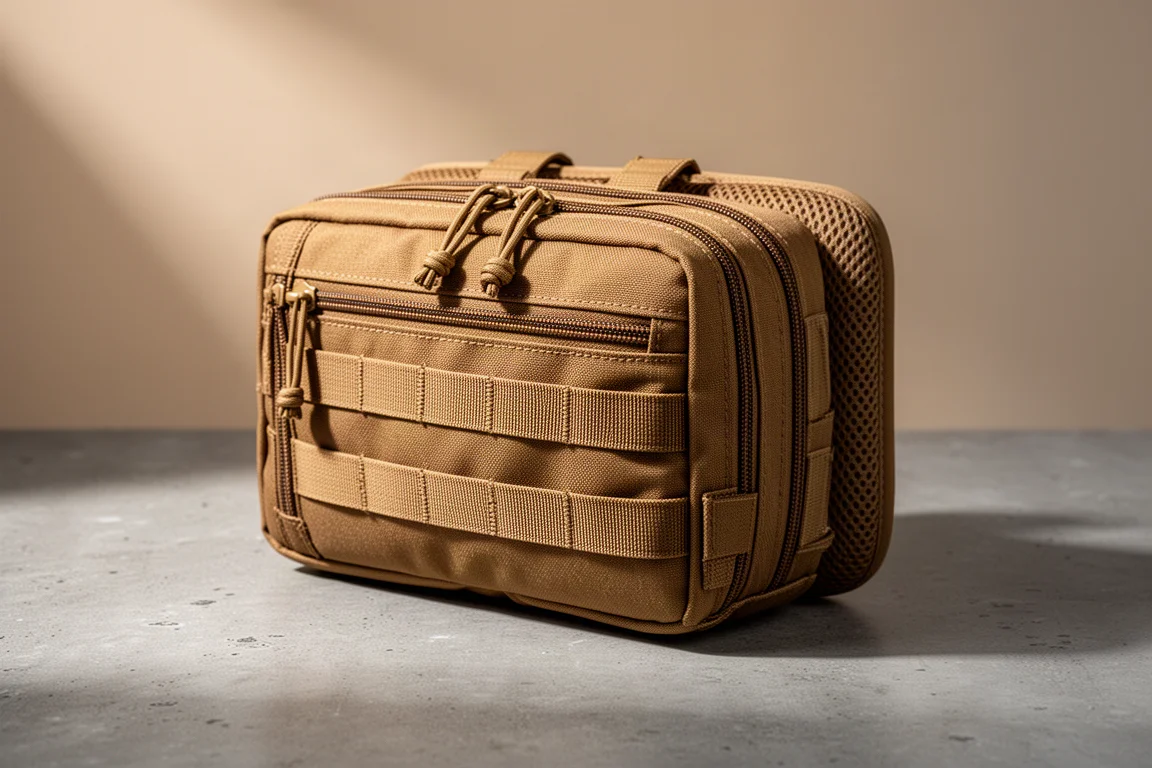
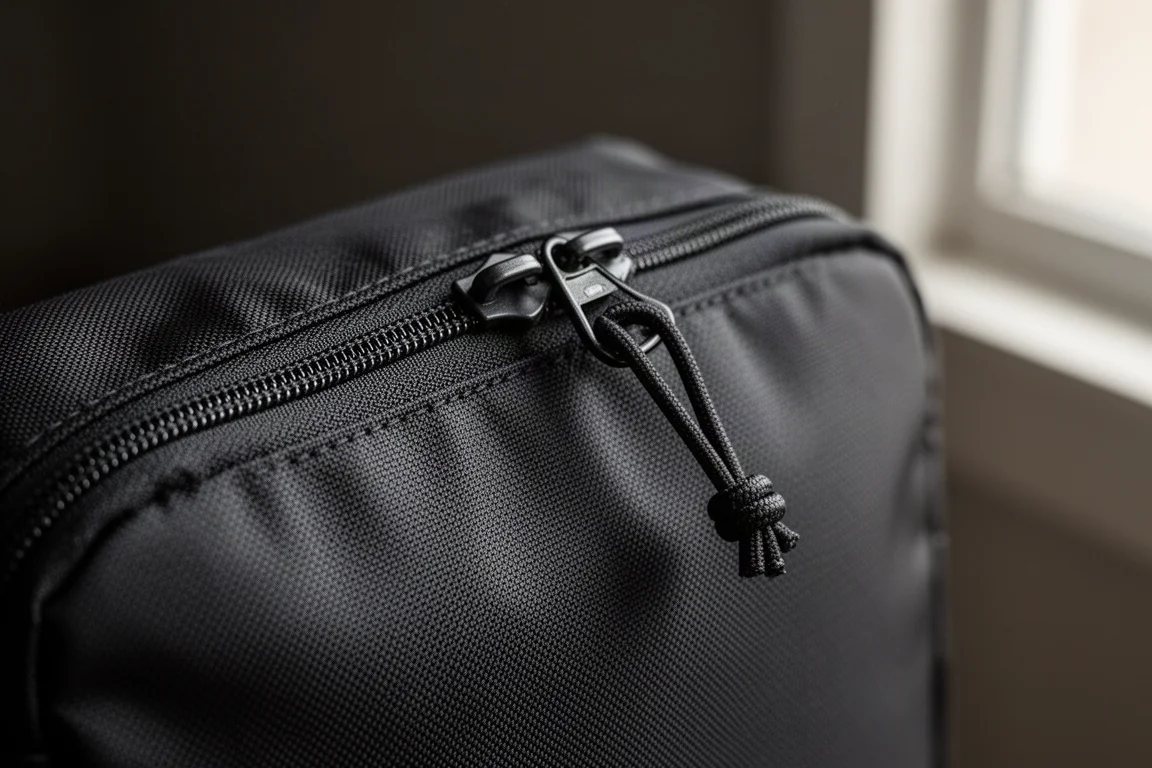
The small Numbat measures 9 inches long, 6 inches tall and 2 inches deep, and weighs 13.6 oz. It is made from 500D Cordura with YKK zippers, and it comes in five color options: black, coyote brown, shadow gray, brown gray and Multicam. The Multicam version costs more than the solid colors.
The smaller body carries less, but the organization is just as flexible. You get sleeves, a zippered pocket, a hook-and-loop back wall for add-ons, and an outer face that now includes both a zippered compartment and two rows of PALS webbing. The zippers run smoothly and the pouch opens almost to 90 degrees, so gear stays accessible rather than buried.
Because the pouch sits closer to the body and covers less surface area, it is the less sweaty of the two to wear, even though the original 3D mesh back panel does help a little with heat and moisture.
The two extra buckles and the stowing sleeves give the small Numbat a second life as a waist pack, something the original cannot do. Whether that strap arrangement also makes the small Numbat stable enough to run with is still an open question. The original Numbat is known to bounce and shift when running because it lacks the support to hold it tight against the body.
Capacity and Everyday Carry
The small Numbat holds a compact holster setup, a phone, keys and camera batteries, and that is roughly the working limit. The original Numbat carries the same set and still has room for a small pouch of soft items and a small water container, so it is the better choice when your kit changes through the day.
Both versions take the same removable map pocket, and both can be fitted with extra pouches through the hook-and-loop panel and the PALS webbing.
Comfort, Fit, and Weather Resistance
Worn low, both rigs stay out of the way of a backpack harness, which is the fit most people settle on. The small Numbat is as comfortable as the larger model in use, and it traps less heat because there is simply less fabric against the body. The 3D mesh on the original helps a little with ventilation, though neither version will stop you sweating on a hard climb.

Weather resistance is good rather than absolute. Both rigs are water-resistant, not waterproof. Light rain is not a problem for the contents, but in a downpour you should either cover the rig or pack the contents in dry bags or sealed pouches.
Strap keepers on the straps hold the excess webbing tidy, which matters when the rig is worn underneath a backpack.
Quality and Construction
Construction quality on both versions is excellent. The zippers run smoothly, the stitching is clean, and neither shows the loose threads that sometimes turn up on other products from the brand. Every Numbat in this line has arrived well finished, and the small version continues that record.
Overall Buying Advice
Choose the original Numbat if you want the most capacity for your money and you regularly carry a water container, gloves, a hat or other soft items in the same pouch. It is the more versatile of the two and the simpler one to live with, since there is no strap arrangement to learn.
Choose the small Numbat if you want a lower-profile rig that carries only what you need, and if the waist-pack option appeals. It is the better match for day hikes, fishing trips and short outings where a phone, keys, a light and a holster are the whole kit.
Price is the one place where the small Numbat is harder to justify. It sells for around $90 direct from Helikon-Tech, where you pay for shipping, or around $110 on Amazon, where shipping is typically free. Either way it costs more than the larger original, which holds more. If the extra features and the smaller footprint matter to you, the premium may be worth it. If you are simply comparing capacity for the money, the original is the stronger value.
Conclusion
Both versions of the Numbat do the same job well. They keep frequently used gear in front of you, they are comfortable over long days, and they are built to last. The choice comes down to how much you carry. The original Numbat is the roomier, better-value option, while the small Numbat is the lighter, lower-profile rig with a waist-pack mode the original does not have. Either way, you are getting a well-made piece of kit that is easy to recommend.
Further reading
Related Reviews
Outdoor Gear
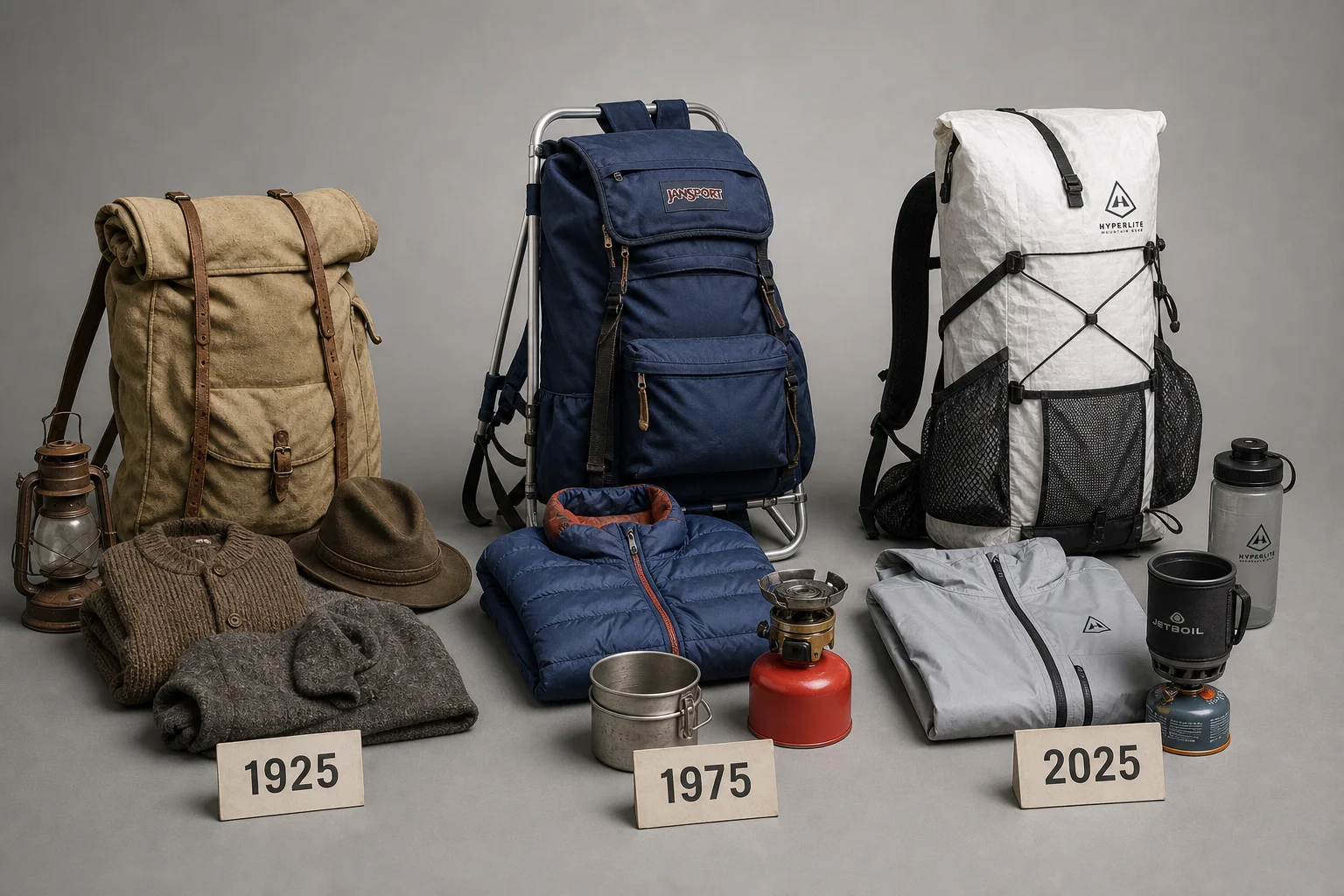
Backpacking Gear Evolution: 100 Years of Technology Compared
We tested backpacking gear from 1925, 1975, and 2025 across a three-day hike in Yosemite. Here's how technology has transformed comfort, weight, and the outdoor experience.
Outdoor Gear
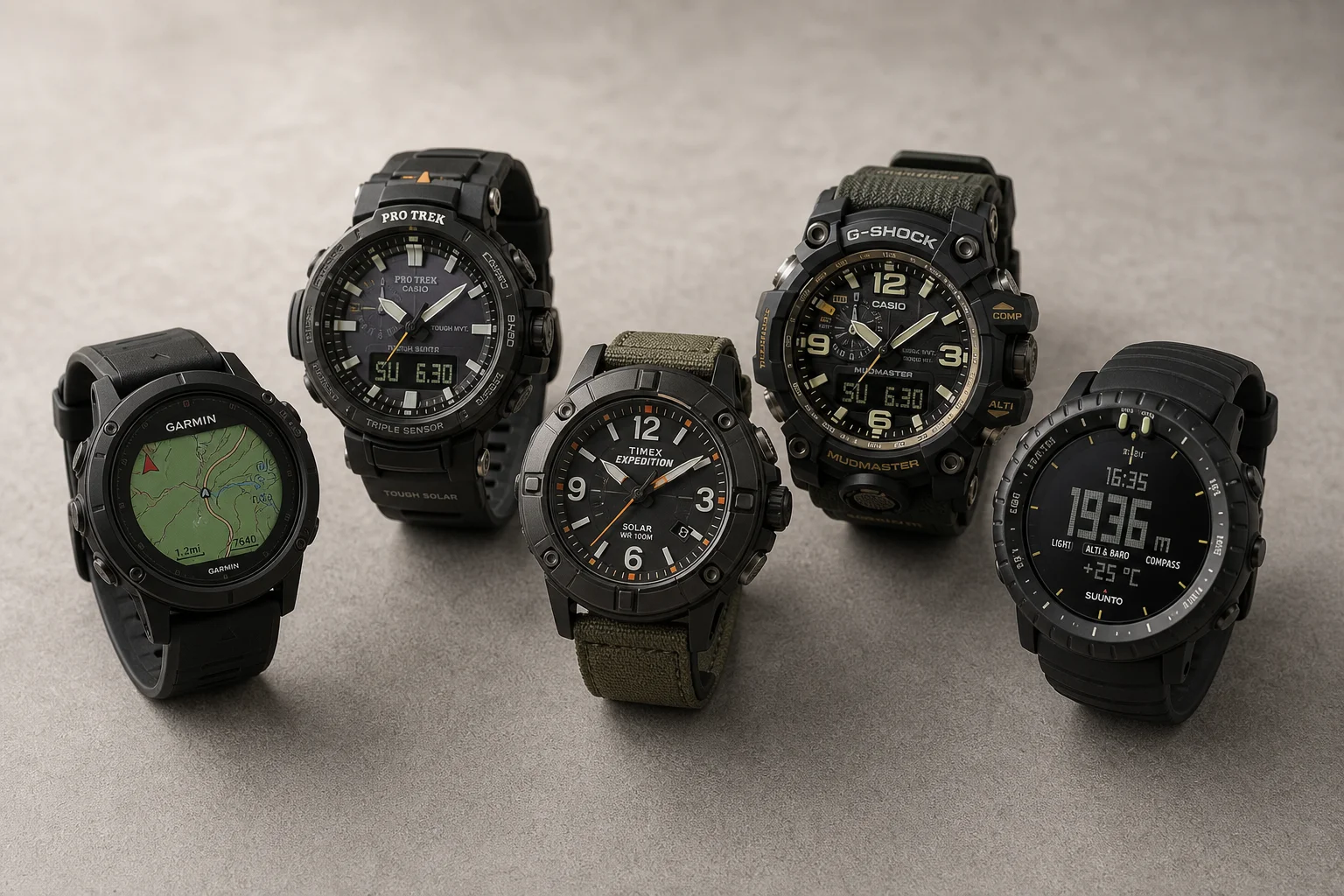
Best Affordable Hiking Watches: Five Rugged Options for Outdoor Adventures
Five durable hiking watches that balance ruggedness, functionality, and value for outdoor enthusiasts who need reliable GPS tracking and weather resistance.
Outdoor Gear
Best Backpack Coolers 2026: Five Practical Options for Outdoor Adventures
Five backpack coolers with distinct cooling capabilities, storage features, and design trade-offs to help you choose the right one for your outdoor needs.