Outdoor Gear
Helikon-Tex Super Tarp and AquaQuest Guide Tarp: Two Lightweight Tarp Options Compared
A close look at a $65 square rip-stop tarp and a lighter nylon alternative, with the tie-out, stitching, and pricing details worth knowing before you buy.
Introduction
Two lightweight tarps, two different takes on overhead shelter. The Helikon-Tex Super Tarp is a 10 by 10 foot square tarp that packs into a pouch measuring about 12 by 6.5 by 1.5 inches and retails for $65. The AquaQuest Guide Tarp costs closer to $100, weighs less, and is built from nylon.
Both are aimed at campers who want a compact, packable roof over their heads rather than a full tent. The differences show up in fabric choice, hardware, and how much confidence the tie-out points inspire, so it is worth looking at each one on its own terms before deciding.
What to Look For in a Lightweight Tarp
Four things decide whether a tarp earns a place in your pack: packed size, weight, fabric, and the quality of the attachment points.
Packed size and weight come first. A tarp that folds into a small flat pouch is easier to carry than a bulky rolled bundle, and a light one is easier to justify on trips where every gram is already accounted for. The Helikon-Tex Super Tarp lands at 1 pound 12 ounces on a scale, which keeps it firmly in lightweight territory for a 10 by 10 foot shelter.
Fabric is the next consideration. Rip-stop constructions resist tearing once a nick forms, but the denier number tells you how substantial the material actually is. When a brand does not publish that number, the feel of the fabric becomes the practical guide, and very thin material points toward fair-weather use.
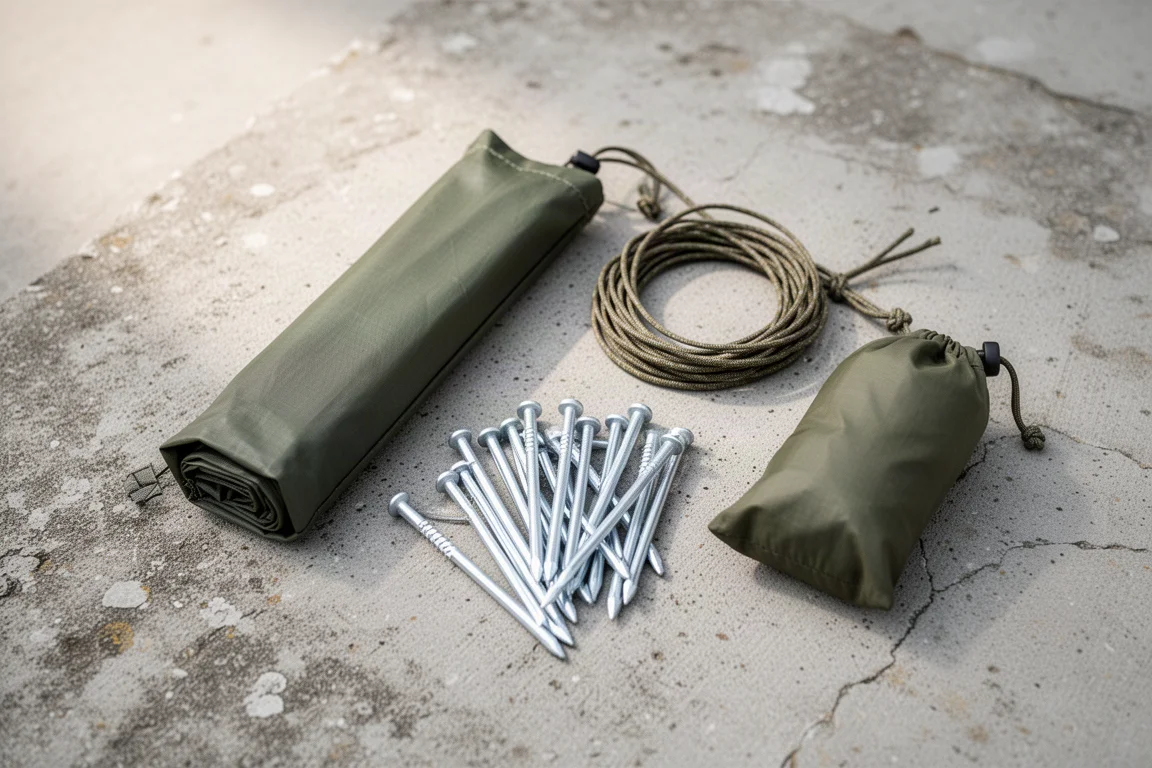
Attachment points carry the most load, so they deserve the closest look. Reinforced corners and mid-panel loops are only as strong as the webbing and stitching behind them, and unusually thin webbing is a warning sign rather than a detail. Seam treatment matters too, since taped seams reduce water intrusion along the ridgeline. Finally, price discipline is part of the decision: tarps in this class have a fair market value, and knowing your number makes it much easier to walk away from a marked-up listing.
Helikon-Tex Super Tarp: Size, Weight, and Packed Form
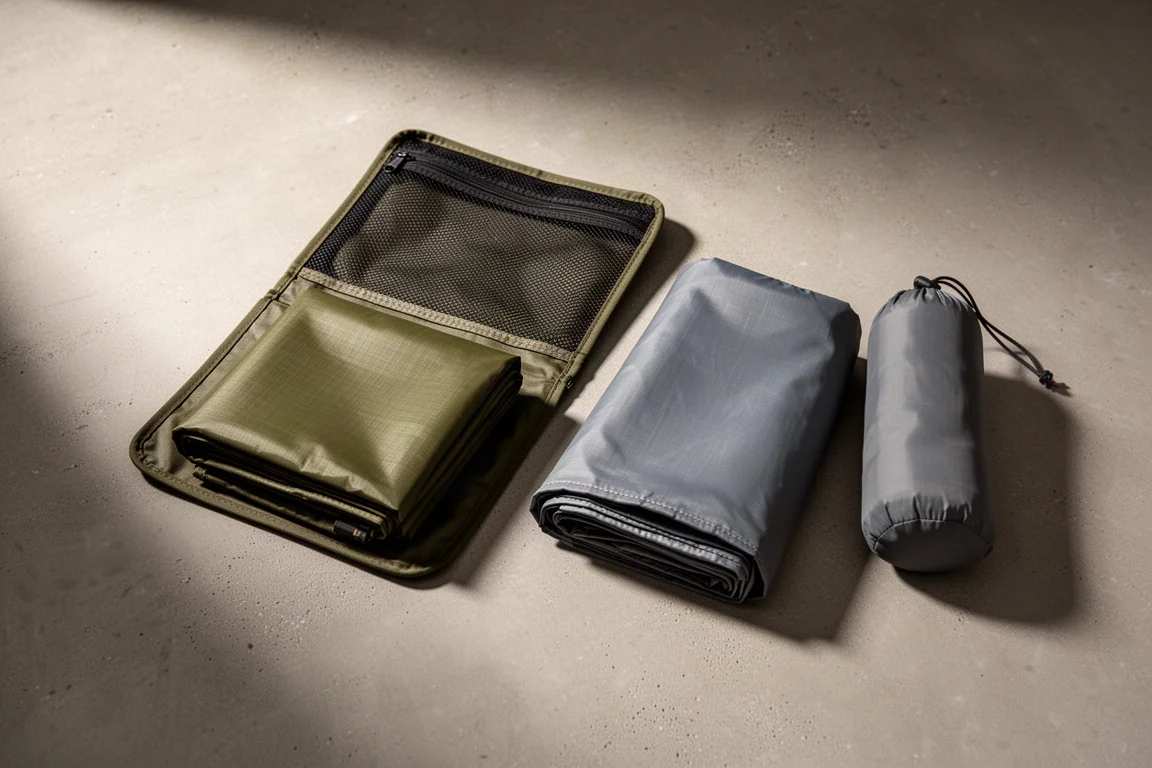
The Helikon-Tex Super Tarp is a square 10 by 10 foot tarp, a versatile size that suits a simple A-frame pitch or a lean-to. It weighs 1 pound 12 ounces on a scale, and the whole package stows in a pouch measuring roughly 12 inches by 6.5 inches by 1.5 inches. That flat, rectangular form factor is different from the rolled bundle most people expect, and it takes up very little room inside a backpack.
The tarp is offered in black, olive drab, and two woodland camouflage patterns. Retail price is $65, the seams come taped, and the tarp carries 19 reinforced tie-off points distributed across the body and the center.
Helikon-Tex Super Tarp: Tie-Out Points, Seams, and Stitching
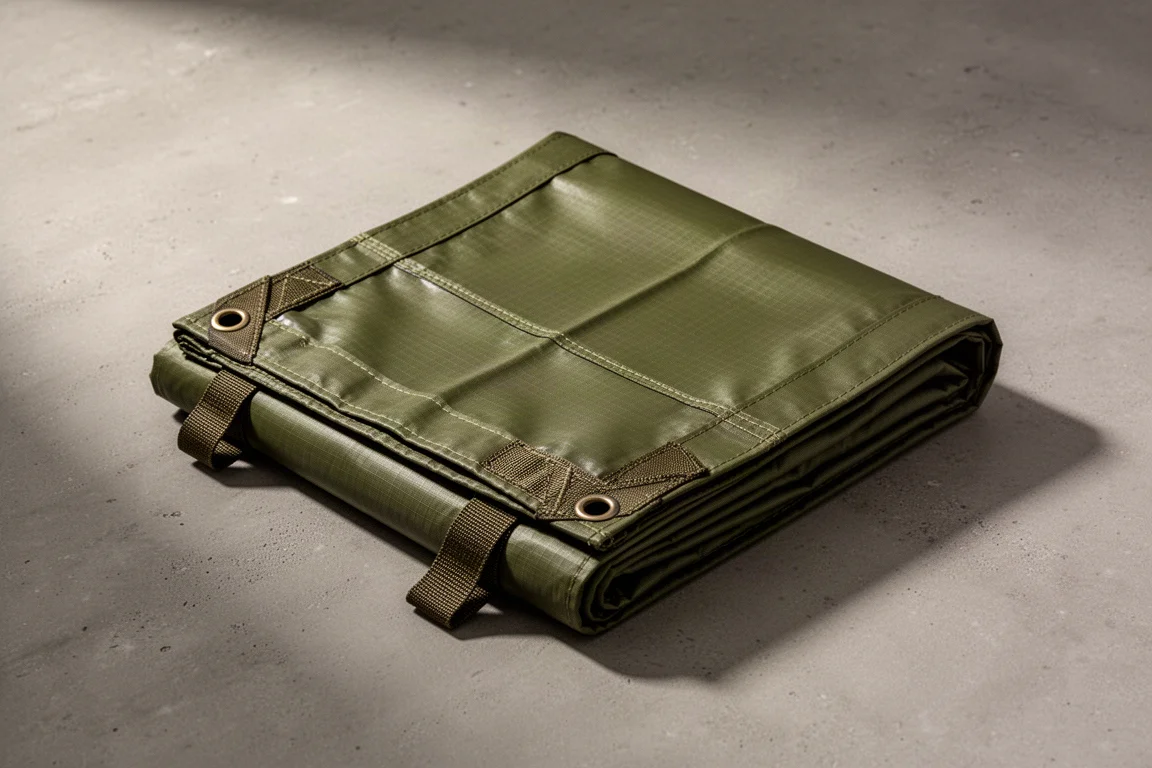
The 19 tie-off points are reinforced, and three of them sit across the top of the tarp for an A-frame setup. That is a generous count for a 10 by 10 foot shelter and it opens up plenty of pitching options.
In practice, the webbing behind those points is the weakest part of the package. It measures about half an inch across, thinner than what you normally find on a tarp, and it feels notably light in the hand. There are also reports of these tie-outs tearing away from the tarp, which is a genuine concern for anyone pitching in wind or in exposed ground.
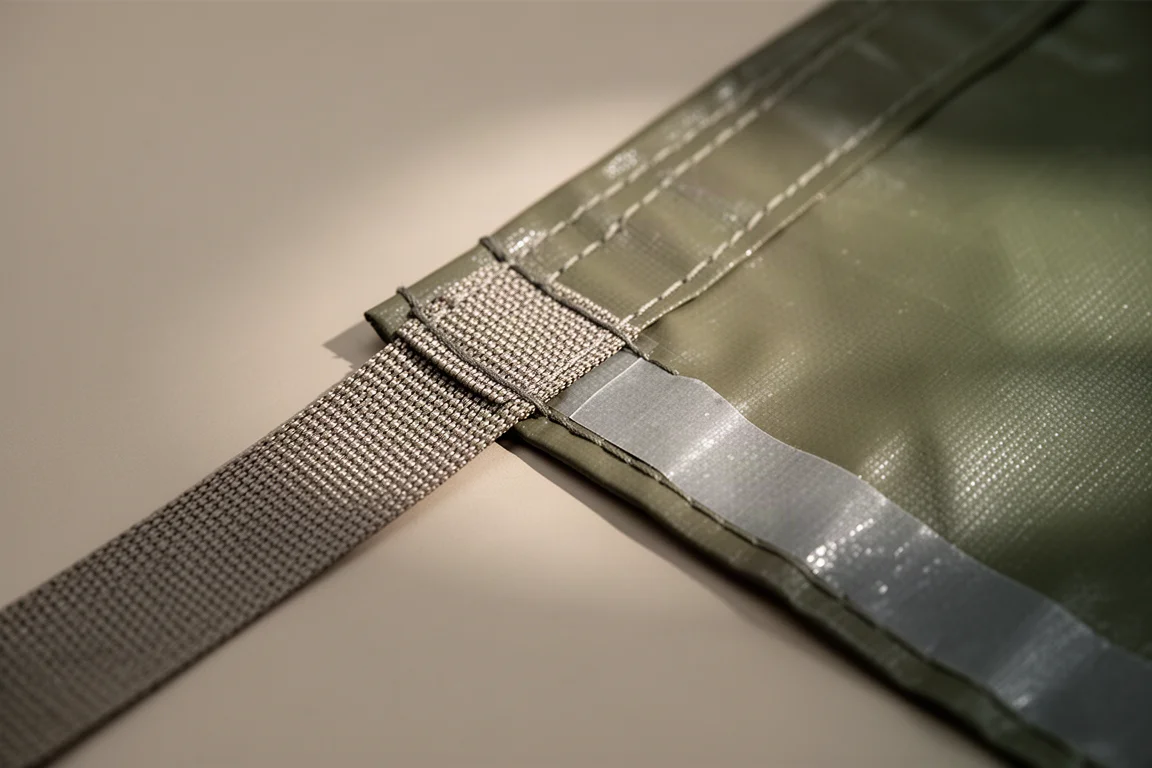
Stitching is the second area to watch. Some sections show excess material and uneven runs, and a few areas appear to be coming apart. At $65 that is a compromise many buyers can accept. At anything above that price it becomes difficult to defend. None of this makes the Super Tarp unusable for gentle conditions, since the reinforcement at each point still does its job. The question is margin: thin webbing and loose stitching leave less room for error when the weather turns.
Helikon-Tex Super Tarp: Two Storage Bags and Their Purpose
The Super Tarp ships with two storage bags, and they serve different purposes.
The first is a zippered case with a single YKK zipper running across the top. The back panel is mostly mesh, which allows a wet tarp to drain while it is packed, and nine loops around the case let you lash it to the outside of a backpack so water can escape on the move. That is a thoughtful design for anyone who has had to pack away a soaked shelter.
The second bag is a simple drawstring stuff sack with no mesh, closer to what most people expect to find with a tarp.
Both keep the packed footprint small. The open question is how easily a wet tarp goes back into the zippered case when you are packing up in a hurry, which is exactly the moment the mesh panel is meant to help.
View more details for Helicon Tex Super Tarp
AquaQuest Guide Tarp: A Lighter Nylon Alternative
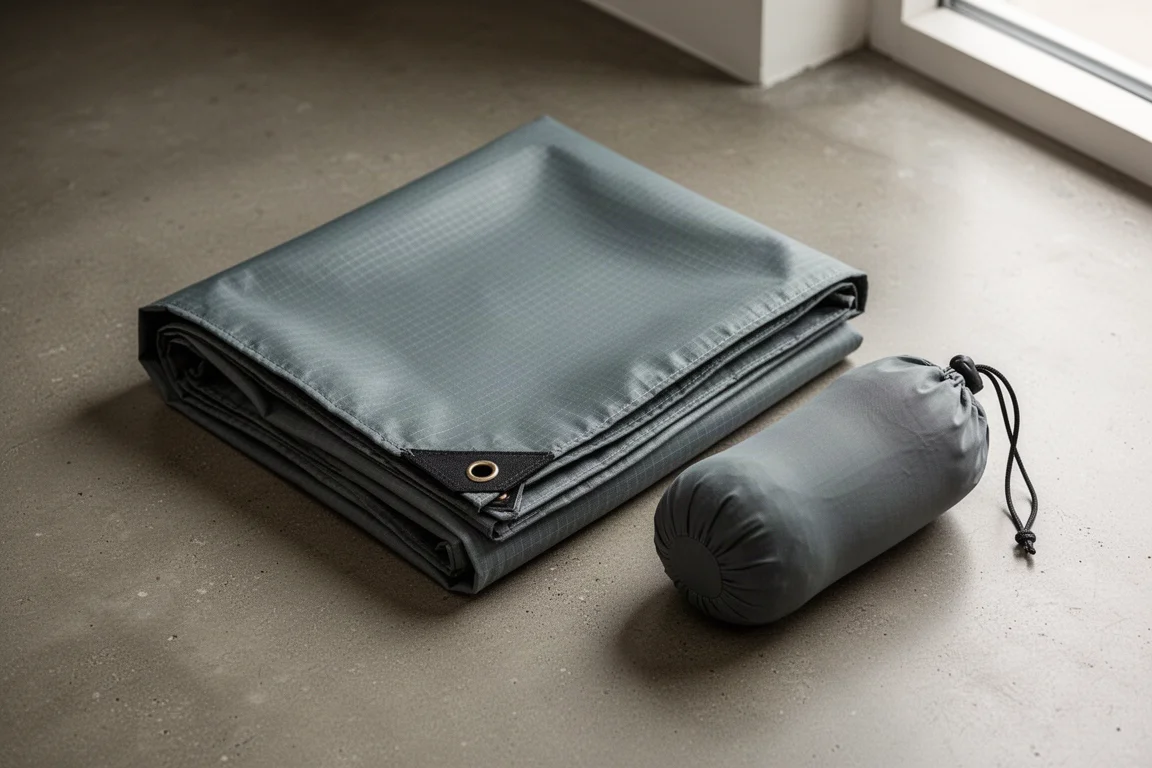
If the Super Tarp’s fabric and webbing give you pause, the AquaQuest Guide Tarp is the natural next step. It is priced around $100, which is a meaningful jump, but it weighs less than the Helikon-Tex Super Tarp and uses nylon rather than a very thin rip-stop fabric. AquaQuest has an established reputation for durable tarps, and nylon generally delivers more strength for its weight than the lighter-feeling material on the Super Tarp.
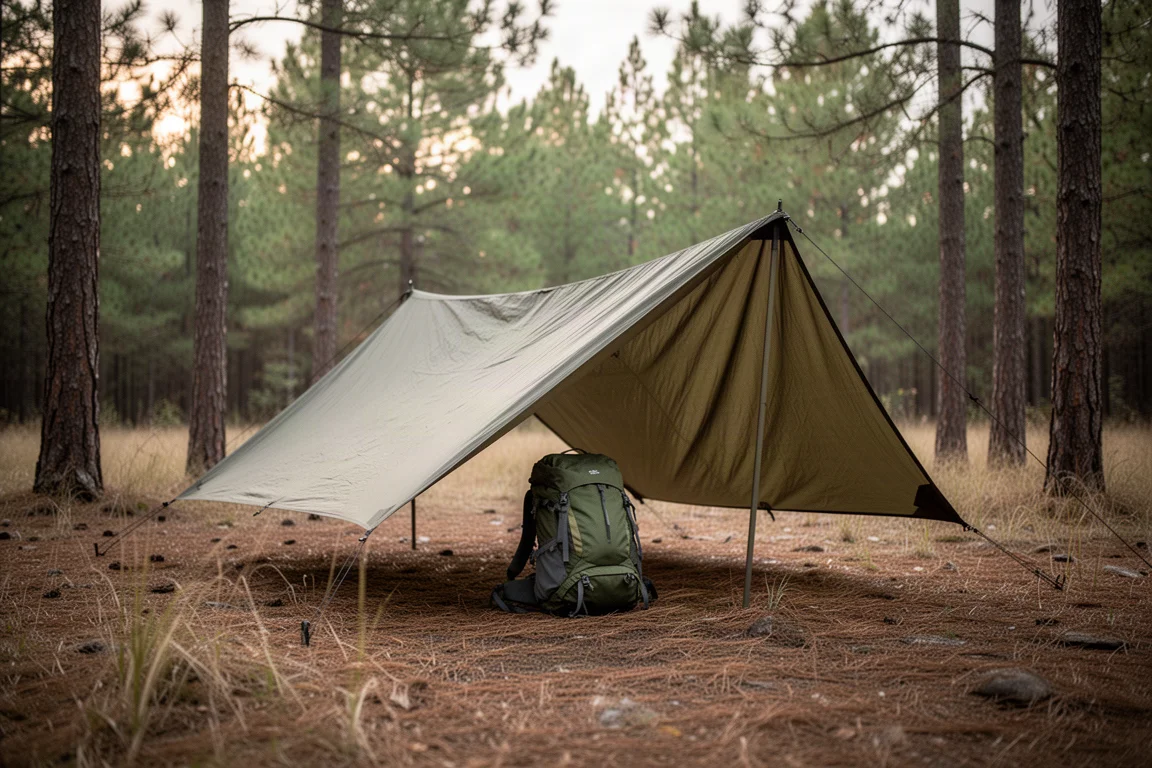
That combination matters most for campers who pitch regularly and for anyone who ends up setting up in wind. A lighter, stronger tarp is easier to carry and more forgiving when conditions are less than ideal. Neither tarp should be treated as a four-season shelter. The Super Tarp in particular reads as a summer tarp because of how thin the fabric is, and the Guide Tarp is best considered a fair-weather and shoulder-season option as well. The difference is how much margin each one gives you before the tie-outs become the limiting factor.
Price and Value: What Each Tarp Is Worth
The Helikon-Tex Super Tarp is a $65 tarp, and that is the number to hold onto. Sellers, including the brand’s own online store, sometimes list it above retail, and at that point the value argument falls apart. On sale below $65 it is an easy recommendation as a light summer shelter. Above $65, the case for it weakens quickly.
The AquaQuest Guide Tarp sits near $100. That is roughly $35 more, and it buys a lighter package and a nylon build from a brand with a strong track record. For buyers who camp often enough to notice the difference, that is a reasonable trade rather than an upsell.
The practical takeaway is simple: know the fair price of each tarp before you buy, and treat any listing above it as a reason to keep looking.
Buying Advice: Which Tarp Suits Your Trips
Choose the Helikon-Tex Super Tarp if you want a compact, lightweight 10 by 10 foot shelter for summer trips and you can find it at or below $65. Its 19 tie-off points, taped seams, and dual storage bags give it real flexibility, and the zippered mesh case is a practical touch for wet-weather packing. Go in knowing that the webbing is thin and the stitching is not always clean, then plan your pitches with a little more care than you would with a heavier shelter.

Choose the AquaQuest Guide Tarp if you would rather spend closer to $100 for a lighter nylon tarp with a stronger reputation for durability. It suits campers who pitch regularly, travel in wind, or simply want more margin in the hardware.
If your trips are occasional and warm-weather only, the Super Tarp at the right price covers the job comfortably. If shelter reliability is the priority, the extra spend on the Guide Tarp is easier to justify.
Conclusion
Both tarps solve the same problem from different angles. The Helikon-Tex Super Tarp delivers a 10 by 10 foot, 1 pound 12 ounce shelter for $65, with a flat packed form, 19 reinforced tie-off points, taped seams, and two storage bags, and it asks you to accept thin webbing and imperfect stitching in return. The AquaQuest Guide Tarp costs more and weighs less, and its nylon construction points to a longer service life.
Match the tarp to the trip and to a fair price, and either one can earn a permanent place in your pack.
Further reading
Related Reviews
Outdoor Gear
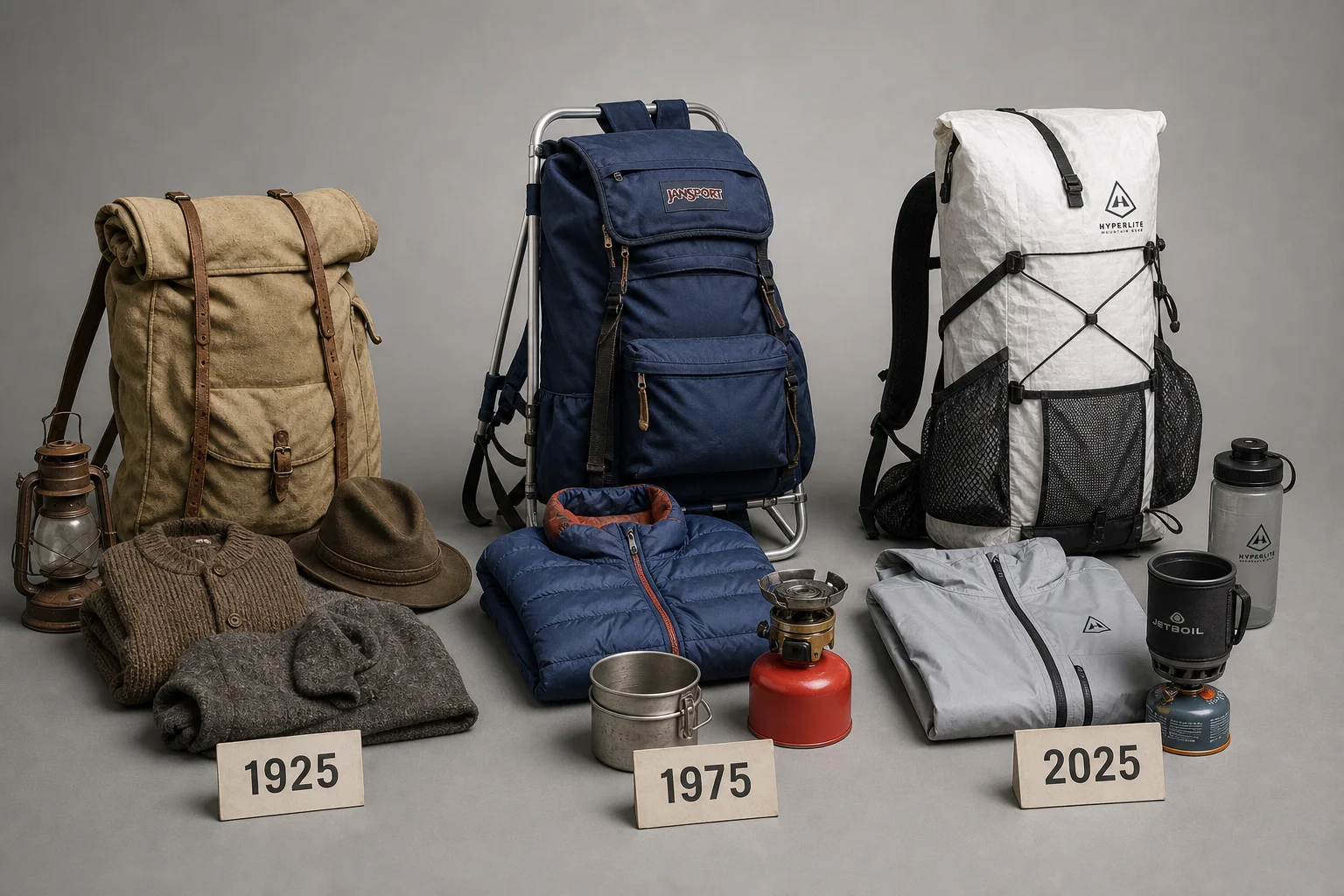
Backpacking Gear Evolution: 100 Years of Technology Compared
We tested backpacking gear from 1925, 1975, and 2025 across a three-day hike in Yosemite. Here's how technology has transformed comfort, weight, and the outdoor experience.
Outdoor Gear
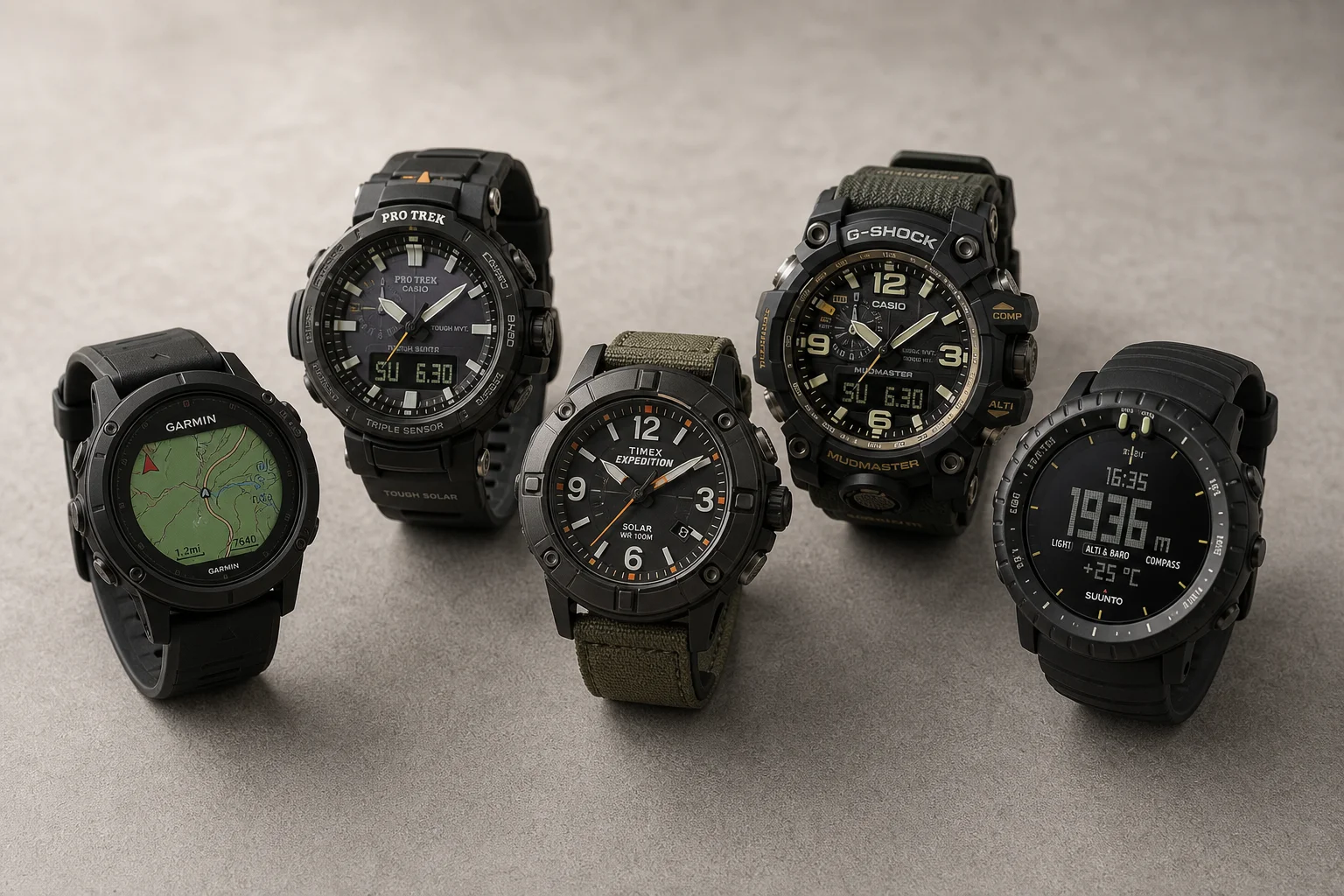
Best Affordable Hiking Watches: Five Rugged Options for Outdoor Adventures
Five durable hiking watches that balance ruggedness, functionality, and value for outdoor enthusiasts who need reliable GPS tracking and weather resistance.
Outdoor Gear
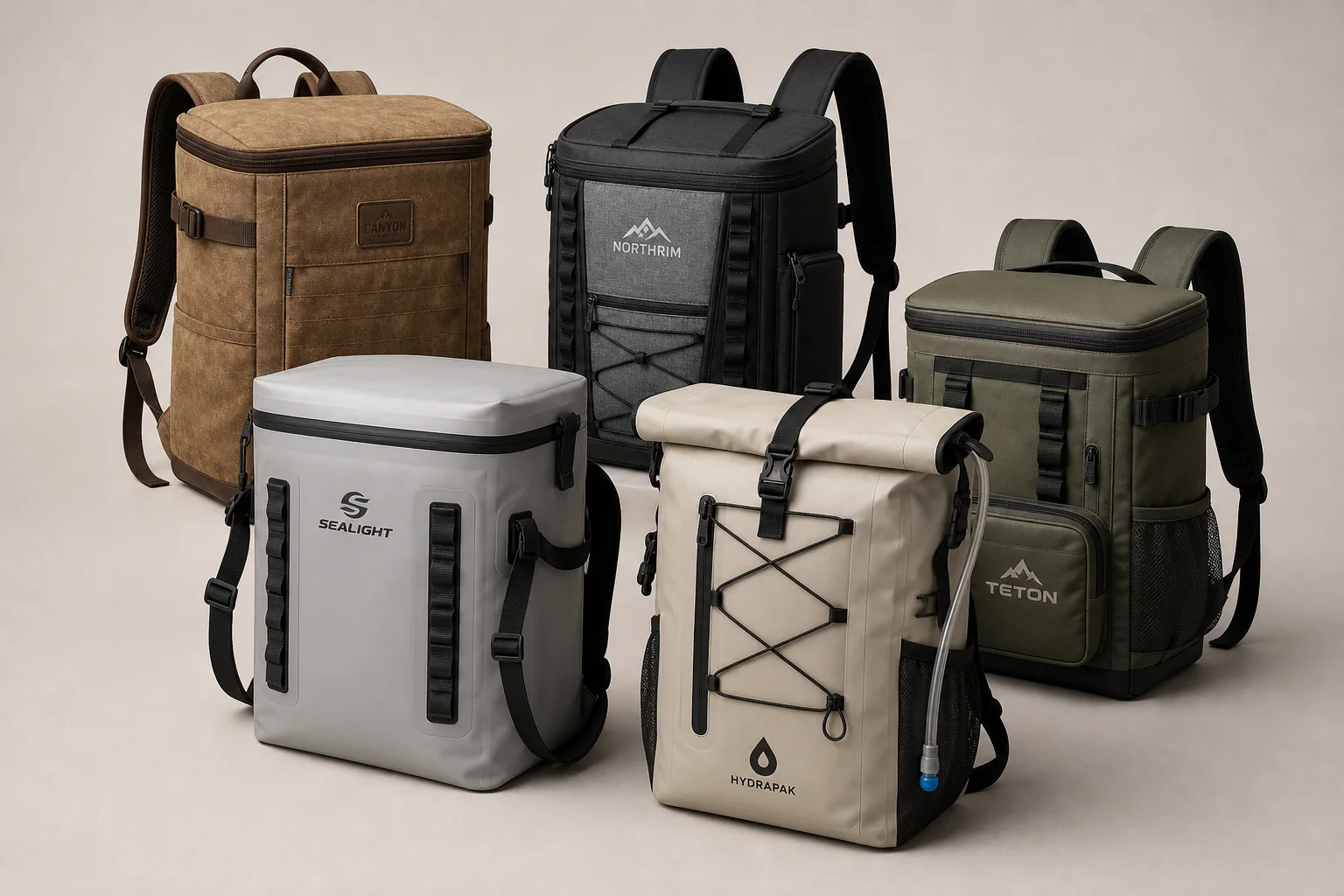
Best Backpack Coolers 2026: Five Practical Options for Outdoor Adventures
Five backpack coolers with distinct cooling capabilities, storage features, and design trade-offs to help you choose the right one for your outdoor needs.