Outdoor Gear
Headlamps for the Backcountry: Four Reliable Options Compared
A practical look at what matters in a hiking headlamp, plus how four well-known lights compare on weight, brightness, beam type, and power source.
Introduction
A headlamp is one of the few pieces of outdoor kit that earns its place on almost every trip. It decides how easily you cook after dark, how comfortably you read in a tent, and whether you can find a dropped glove without waking everyone around you.
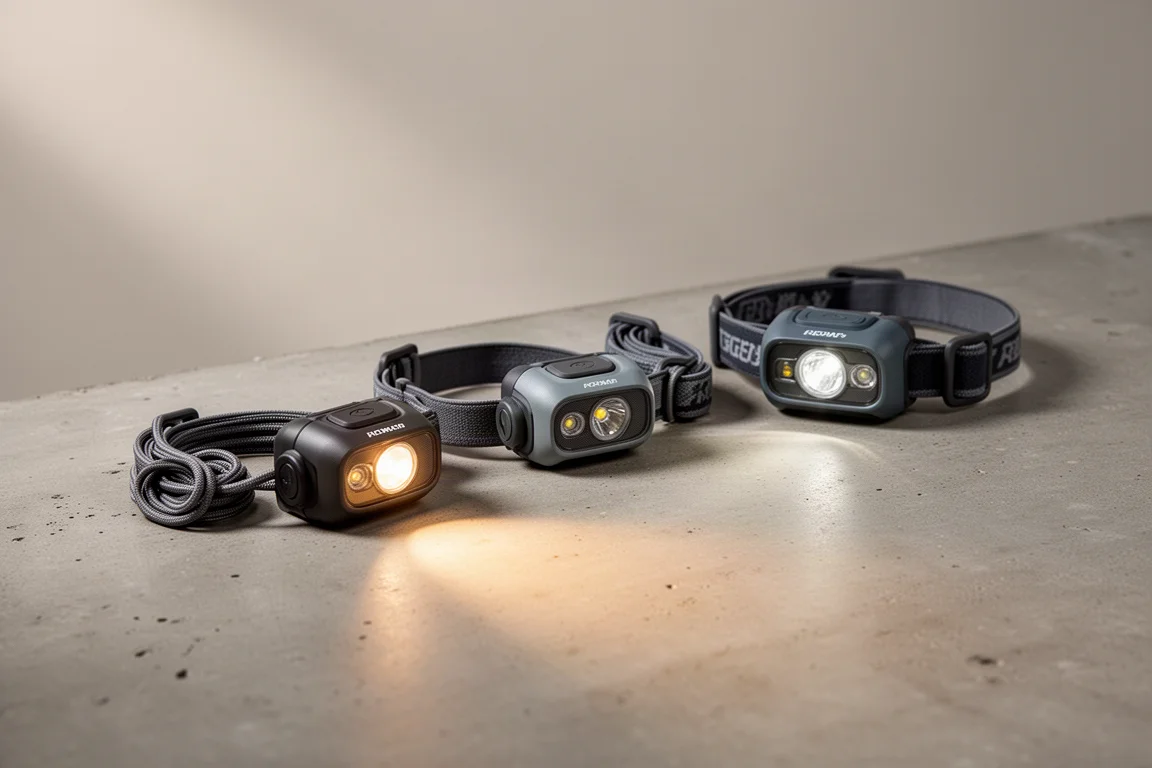
The four lights below sit at different points on the price and weight spectrum, and each one solves a slightly different problem. Rather than crown a single winner, this guide walks through what genuinely matters in a headlamp and then looks at how each of these four handles those priorities.
Prices here vary considerably. The rechargeable option is the most expensive at $65, while the AAA-powered lights sit well below that, so budget is a real part of the decision rather than an afterthought.
What to Look For in a Headlamp
A red mode is the single most useful feature to insist on. Red light lets you see at night without wrecking your night vision, and when you switch it off your eyes settle back into a dark-adapted state instead of starting over. It is also the courteous option, because nobody at camp wants a white beam aimed at their face. Every headlamp in this roundup has a red mode, though the output varies noticeably between them.
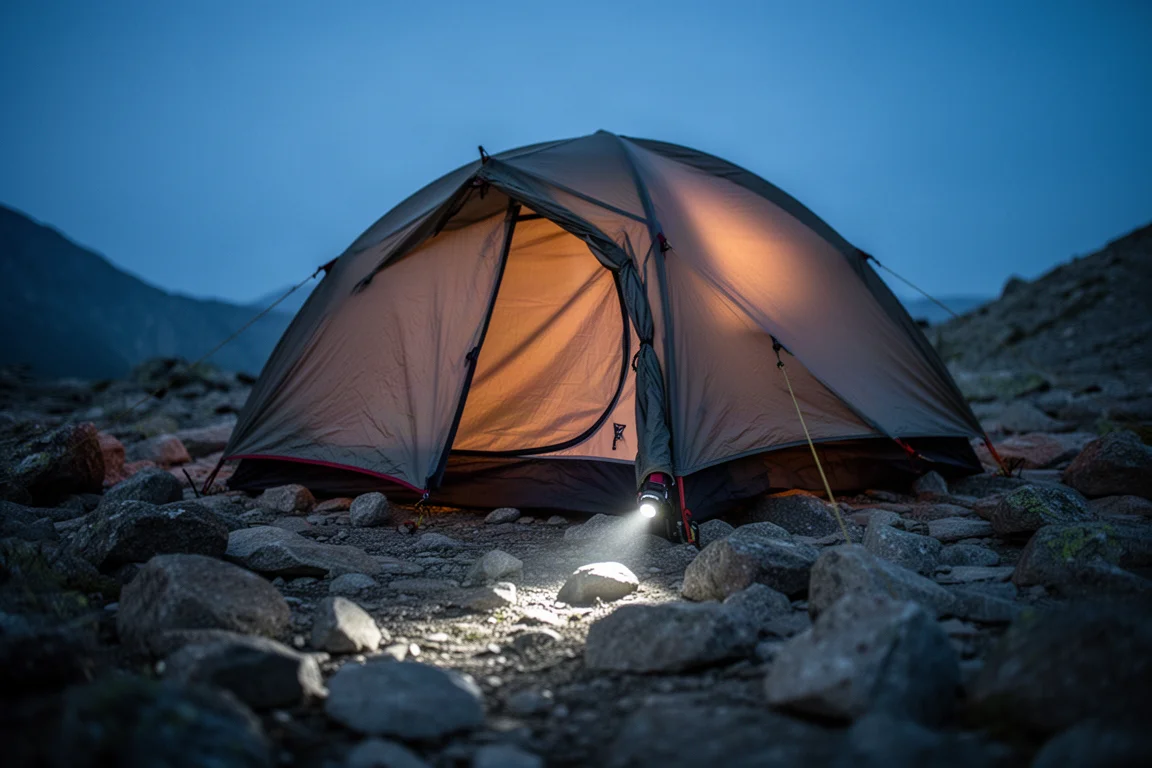
Beam shape matters just as much as brightness. A spot beam throws light a long way and is what you want for walking a trail or picking out a route ahead. A flood beam spreads light wide and short, which is far better inside a tent or around camp. Some lights switch between the two, some combine them, and at least one here offers spot output only. If you spend a lot of time hanging a light inside a tent, flood matters more than peak brightness.
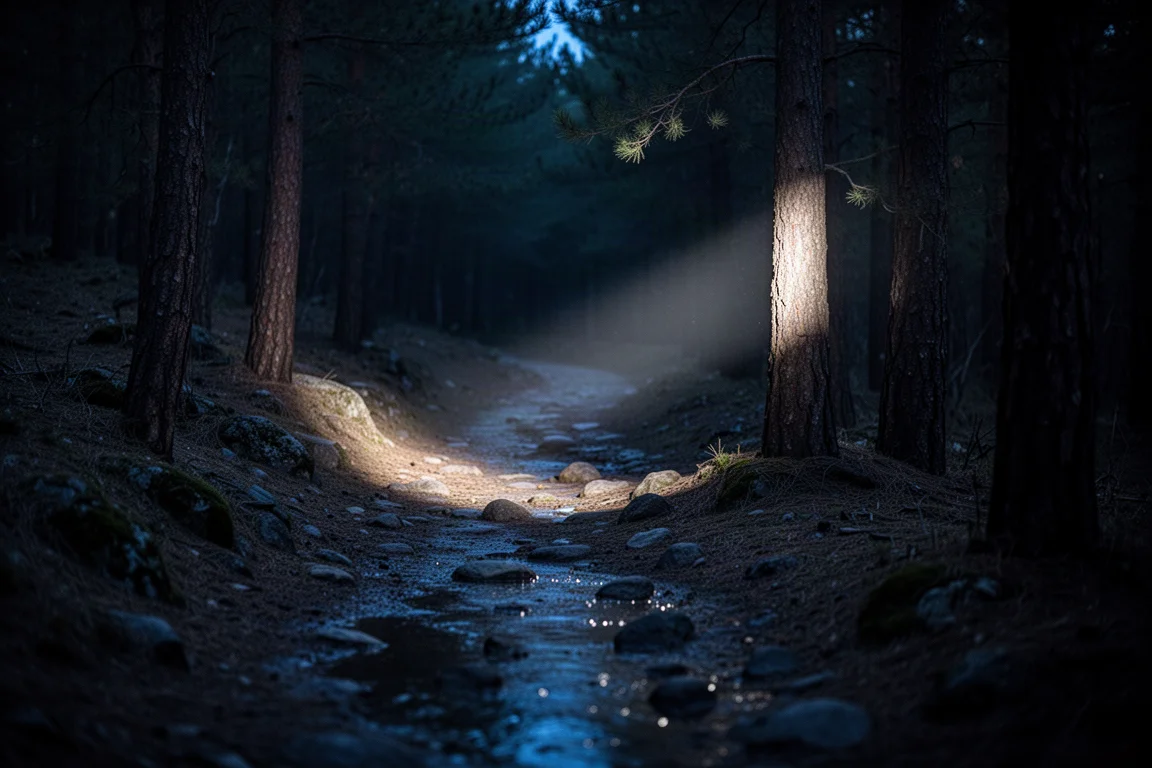
Lumen figures describe brightness. A few years ago, 100 to 150 lumens was a normal trail light and hikers were perfectly content with it, so around 200 lumens is plenty for walking. Something closer to 400 lumens is more than most people need day to day, but it is genuinely useful when you want to scan across a campsite or search for something in the dark.
Power source is the next decision. Rechargeable headlamps remove the guesswork of wondering whether the batteries in your pack are still fresh, but they need charging before a trip. AAA-powered lights are cheap to run, easy to top up with spares, and can also be fed with rechargeable AAA cells. A battery indicator is a small feature that makes a real difference when you are deciding whether to swap cells before dark.
Weight and comfort deserve more attention than the spec sheet suggests. Lights with the battery mounted at the back of the strap can feel heavy after a few hours, and strap and housing comfort varies between models. Many hikers end up wearing a headlamp around the neck and angled downwards, which keeps the beam out of other people’s eyes and avoids a mark pressed across the forehead.
Finally, look at weather resistance and switch safety. Rain resistance is enough for most hiking, while a full waterproof rating means the light can be submerged without damage. A lockout function stops the button from being pressed inside a pack, and on lights that lack one, flipping a battery around is a simple workaround. Just remember to flip it back at camp.
Nitecore NU25: A Lightweight Benchmark
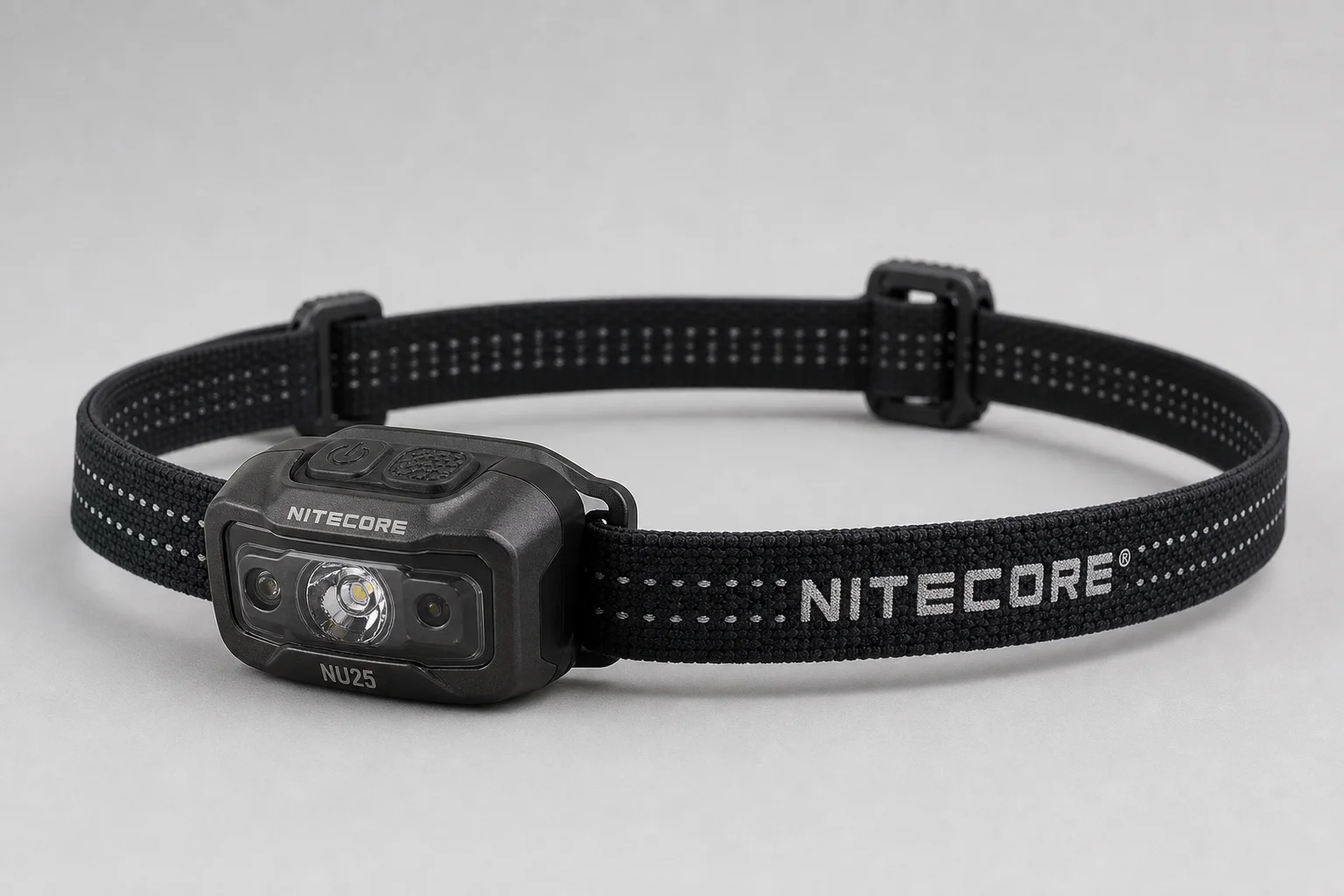
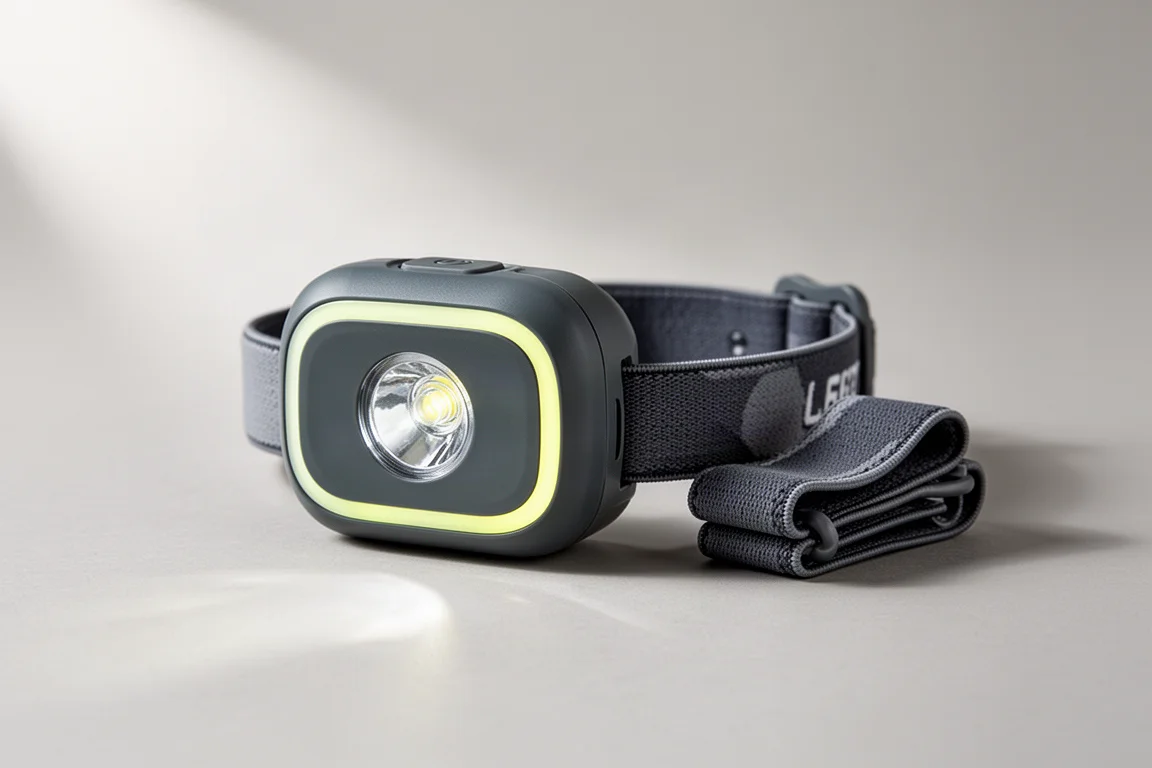
Popular for good reason, the NU25 has been a common sight on trails since it launched, and it has stayed relevant because it does the basics well. It weighs roughly 2 oz with the strap fitted, and removing the strap and substituting a thin cord brings it down to around 1 oz, which is remarkably light for a light with this much output.
It puts out 360 lumens and carries the brightest red light of the four headlamps here, which makes it genuinely useful for moving around camp after dark without disturbing anyone. It offers both spot and flood output, copes with rain without trouble, and feels durable and reasonably comfortable on the head even with a thin cord in place of the strap.
Two things are worth knowing before buying. Its spot beam is wider than most, so it spills light to the sides and can catch other people in the eyes even when you are not facing them directly. And while it handles rain, it is not the most waterproof light in this group. Neither is a dealbreaker for three-season hiking.
On balance, the NU25 remains a strong all-rounder: light enough for long trips, bright enough for real trail use, and easy to live with once you accept the wide beam.
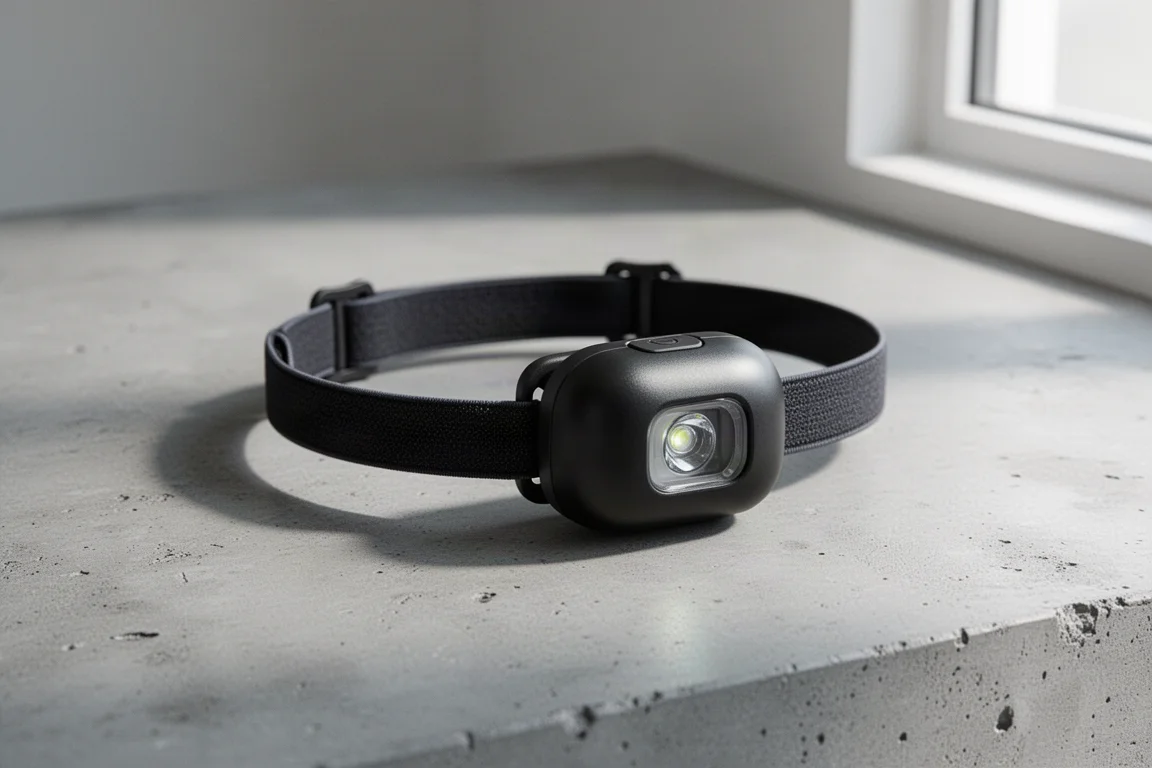
Petzl Bindi: Minimal Weight, Spot Beam Only
The Bindi is built around a single priority: keeping weight and bulk to an absolute minimum. It is very light and compact, and it comes from a company with a long track record in climbing and mountain gear, so build quality is not something you need to worry about.
It has a red light and a spot beam, but no flood mode. That makes it less pleasant to hang inside a tent, where a wide, even wash of light is far more useful than a narrow beam. At 200 lumens it is the least bright of the four, and its battery does not last as long as the others here.
Those are deliberate trade-offs rather than flaws. If you want a spot beam for hiking and you care about every gram in your pack, the Bindi makes complete sense.
Black Diamond Spot: The Long-Standing Staple
The Spot has been a staple of hiking headlamps for years, and it is easy to see why. It runs on three AAA batteries rather than an internal cell, which means you can carry spares or load it with rechargeable AAA cells. A three-dot battery indicator shows how much charge is left at a glance.
It covers the full spread of modes: red light, spot beam, and flood light, so it works just as well on a trail as it does lighting up the inside of a tent. At a little over 3 oz it is not the lightest option here, but it is far from heavy.
The one real annoyance is the strap adjustment, which is loud enough to be noticeable when you are tightening or loosening it at camp. It is a small thing, but a quiet strap becomes easy to appreciate once you have used one.
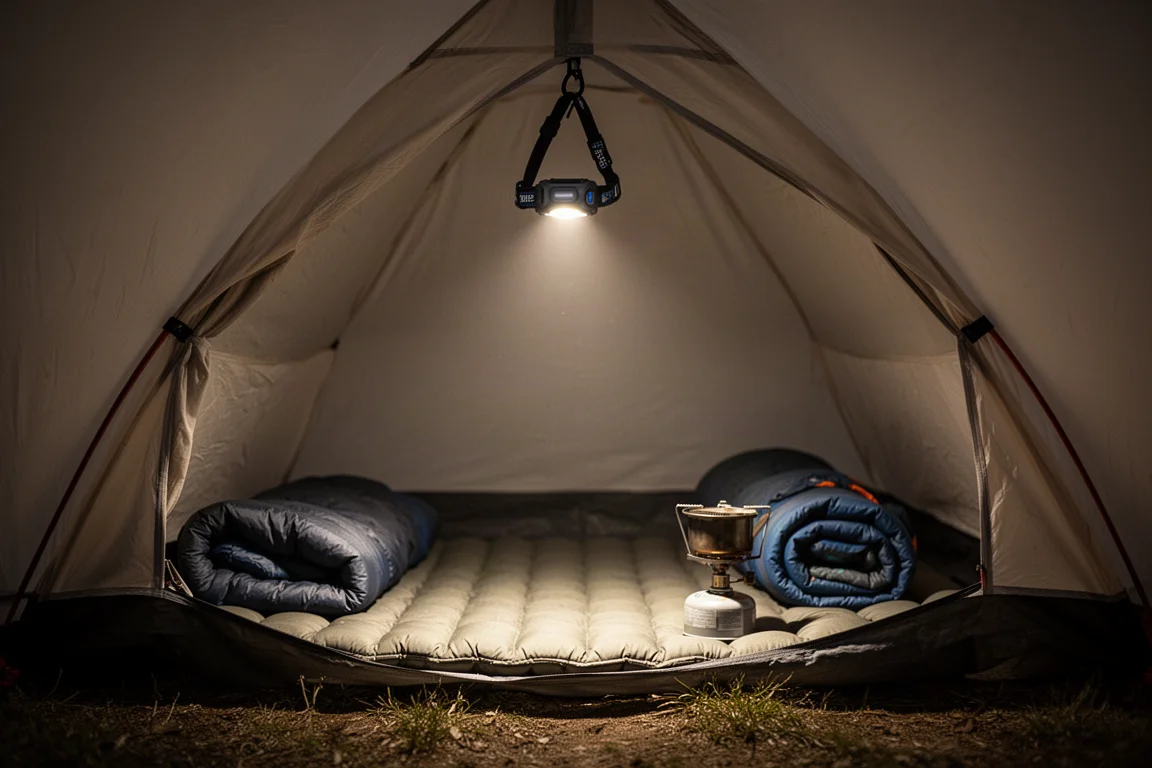
For anyone who wants a dependable, well-understood headlamp with no charging routine to remember, the Spot is an easy recommendation.
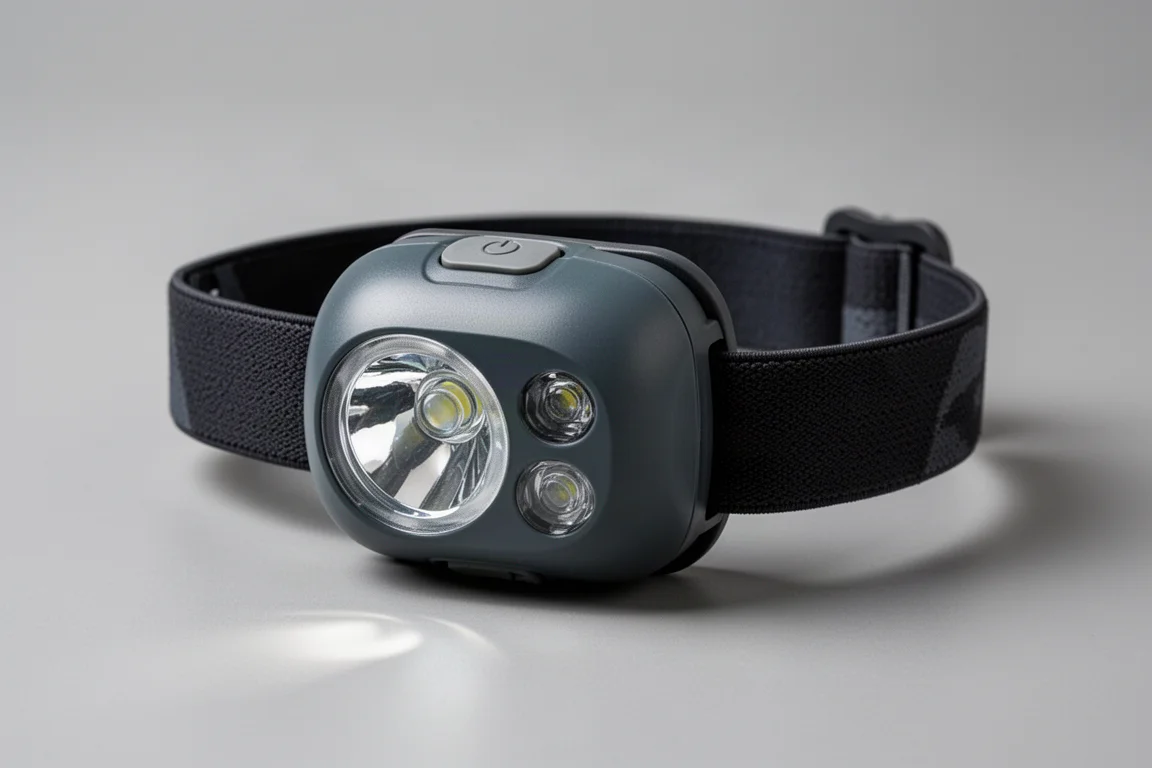
Black Diamond Spot R: Rechargeable and Fully Waterproof
The Spot R is the rechargeable version of the Spot, and it is the most expensive light in this roundup at $65. In exchange you get a battery included, a rechargeable design, and a build rated IP67, which means it can be submerged up to one metre for 30 minutes without being damaged.
At 400 lumens it is the brightest of the four, which is more light than most hikers need day to day but handy for scanning across a campsite or searching for something in the dark. It also weighs a little under 2.5 oz, roughly half an ounce less than the standard Spot.
The detail that stands out most in daily use is the strap adjustment. Where the standard Spot is noisy, the Spot R moves smoothly and quietly, so you can adjust it at camp without waking anyone nearby.
How to Choose Between Them
If weight is your main concern and you mostly need a spot beam, the Petzl Bindi is the lightest route, and its 200 lumens are enough for trail walking. If you want similar low weight but with a brighter red light, a flood mode, and 360 lumens, the Nitecore NU25 is the more versatile option.
If you would rather not think about charging at all, the Black Diamond Spot runs on AAA cells, offers red, spot, and flood modes, and shows remaining battery with a simple three-dot indicator. If you want the brightest output, full waterproofing, and a rechargeable battery, the Spot R is the one to choose, at the highest price of the group.
Budget is a legitimate factor. Simple AAA headlamps can be found for around $10 to $15 with batteries included, and they typically cover red, flood, and spot modes with variable brightness. They often skip a lockout function, so the battery-flip trick is worth remembering, but for kids or for a group trip where a light might get lost, they are a sensible choice.
One last practical note applies to all of them: wearing a headlamp around the neck and angled down is a simple way to keep the beam off other people’s faces and stay comfortable over a long evening.
Conclusion
There is no single best headlamp here, because each of these four is solving a different problem. The NU25 balances low weight with a bright red light and a flood mode. The Bindi strips weight to the minimum and accepts a spot-only beam. The Spot offers familiar AAA convenience with red, spot, and flood modes. The Spot R adds 400 lumens, full waterproofing, and a rechargeable battery for the highest price of the group.
Pick the one whose trade-offs match the way you actually hike, and any of these four will serve you well after dark.
Further reading
Related Reviews
Outdoor Gear
Backpacking Gear Evolution: 100 Years of Technology Compared
We tested backpacking gear from 1925, 1975, and 2025 across a three-day hike in Yosemite. Here's how technology has transformed comfort, weight, and the outdoor experience.
Outdoor Gear
Best Affordable Hiking Watches: Five Rugged Options for Outdoor Adventures
Five durable hiking watches that balance ruggedness, functionality, and value for outdoor enthusiasts who need reliable GPS tracking and weather resistance.
Outdoor Gear
Best Backpack Coolers 2026: Five Practical Options for Outdoor Adventures
Five backpack coolers with distinct cooling capabilities, storage features, and design trade-offs to help you choose the right one for your outdoor needs.