All-Mountain Skis
Head Kore 93 TiW Review: A Smooth All-Mountain Ski That Stays Easy to Drive
The Head Kore 93 TiW pairs heavy-duty vibration damping with a supple, forgiving flex. Here is how it behaves on groomers and in soft snow, and who it suits best.
Introduction
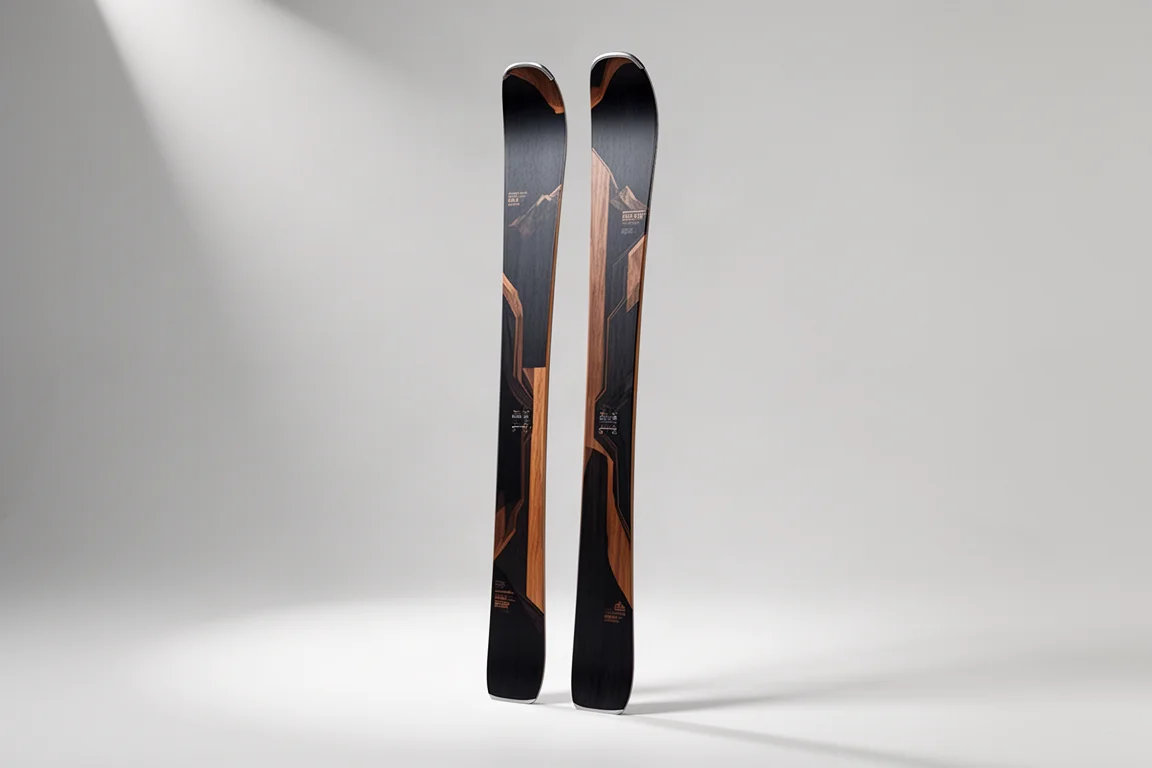
The Head Kore 93 TiW is an all-mountain ski built to handle a wide spread of conditions, terrain, and applications. The trait that stands out first is how smooth and quiet it feels underfoot, which is the signature of the Kore line.
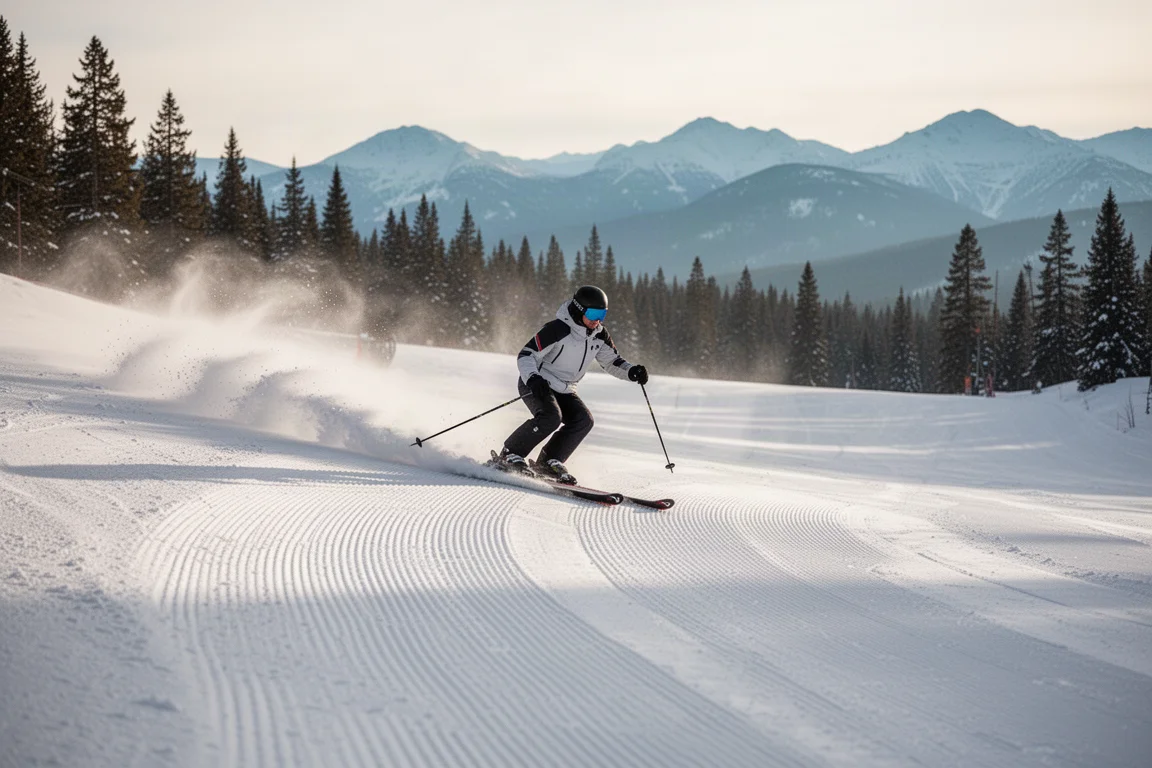
That calm ride does not come from a stiff, heavy build. The Kore 93 TiW stays supple and forgiving, and that combination is genuinely uncommon among skis with this much vibration damping. It creates a ski that is easy to use without ever feeling vague or disconnected from the snow.
For skiers who want one pair to cover most of a season, that balance is the main argument in its favour. It is a ski that flatters relaxed days and still answers when you ask more of it.
Who This Ski Is For
This is a ski for people who value a quiet, damp ride and predictable behaviour more than a hard-charging, uncompromising feel. It suits skiers who move between groomed runs, soft snow, and tighter technical terrain in the same day and want one ski that handles all of it without complaint.
It also fits riders who like quick edge-to-edge transitions and short swing turns. The flex is not overly stiff, so it is not hard to drive, yet it responds with real energy when you push it. Skiers who prefer a very stiff, very demanding platform will likely want something else, while those who want an easy-going ski that still rewards effort will feel at home quickly.
Build and Materials
The core combines poplar and PET. Poplar is a mid-density wood that brings strength and stability along with energy and pop, while the PET synthetic material keeps the weight down and adds a substantial amount of vibration damping.
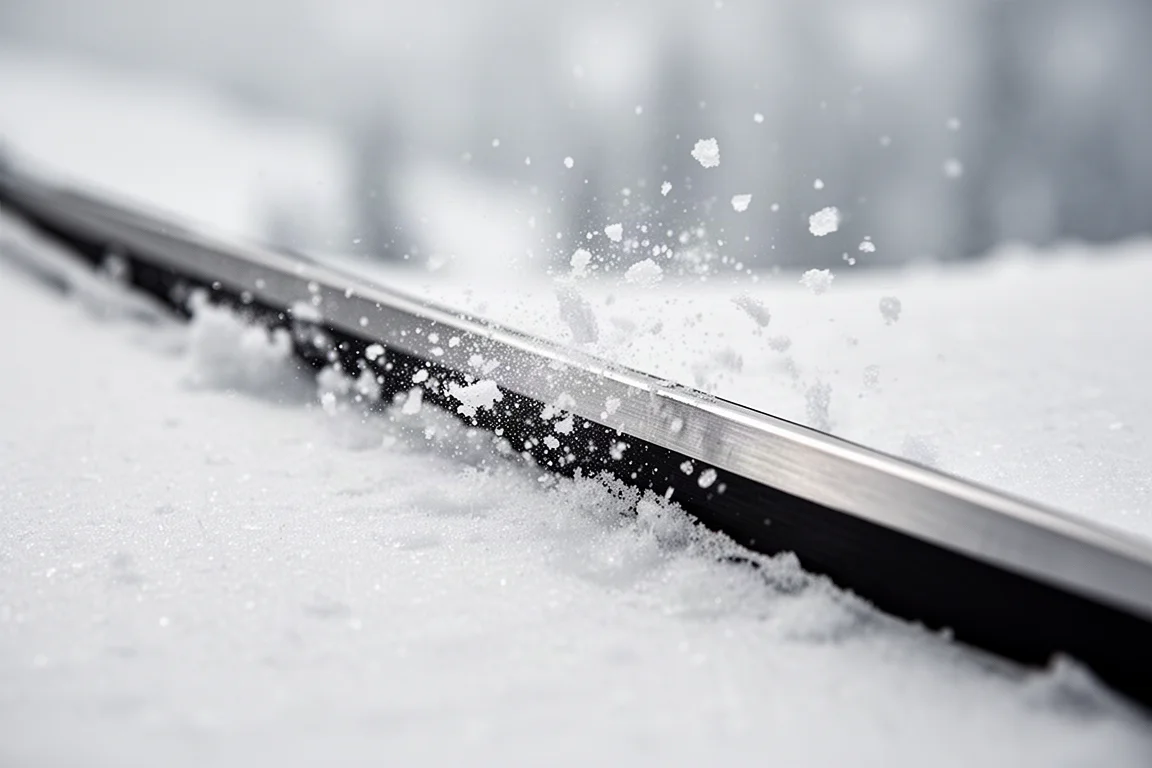
Flax is used in the tip and tail to reinforce that dampened feel, and graphene laminates are included to filter out unwanted vibrations. Two sheets of titanal round out the construction. Most of these materials are working toward the same goal: a smooth, settled ride.
In the 170 cm length the ski weighs 1855 g, which lands squarely in the middle of the range. There are heavier skis and lighter skis, and this sits in the useful middle ground: light enough to be maneuverable and quick, heavy enough to stay smooth.
Main Strengths
Vibration damping is the headline. At speed the ski feels damp and planted, and the edge grip is excellent, which comes down to torsional stiffness. That grip holds through a carved turn, including the later part of the turn where lesser skis start to wash out.
Despite all that damping, the ski is surprisingly poppy out of every turn, with strong energy transfer. Positive camber underfoot paired with the poplar core brings back the energy that the damping materials would otherwise flatten out.
Maneuverability is the other strength. Quick edge-to-edge transitions come naturally, the tails release easily for short skidded turns, and the ski is not hard to drive. Push it harder and it becomes more rewarding rather than more punishing.
How It Performs Across Conditions
The profile tells you a lot. Tip rocker starts well back on the ski, there is a generous amount of tail rocker, and a healthy dose of positive camber sits underfoot. The shape carries a noticeable amount of taper at both ends.
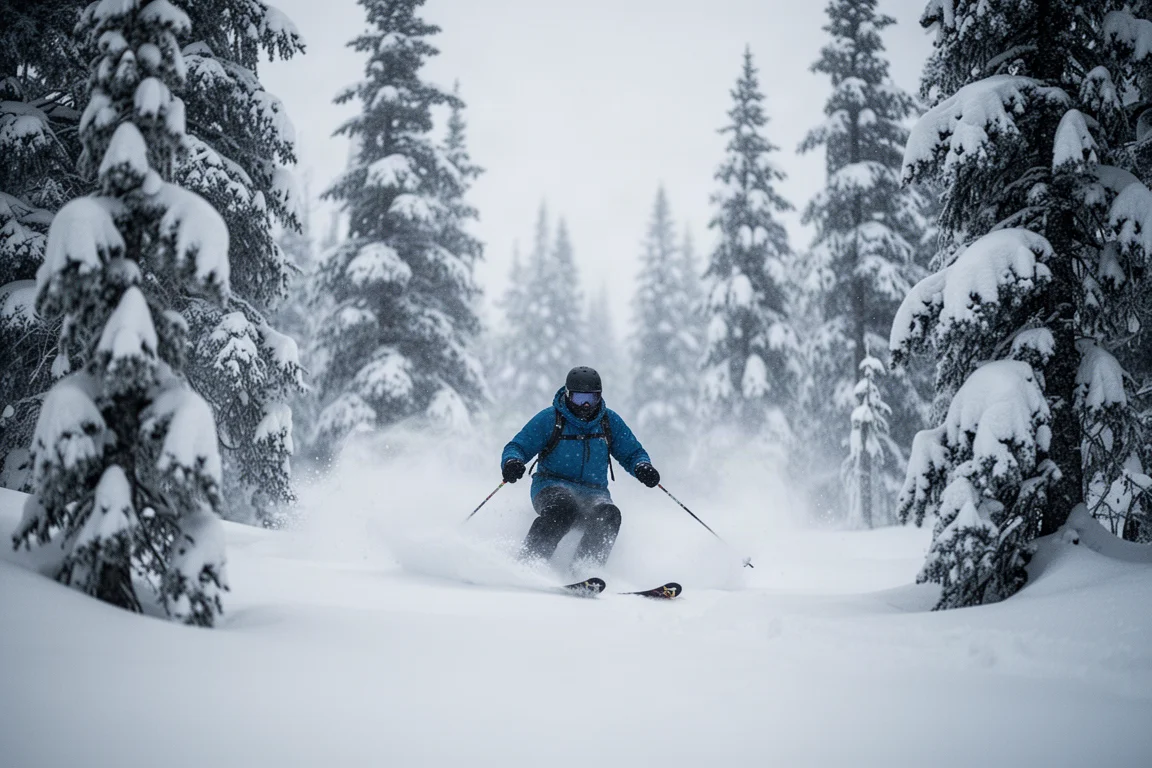
That mix gives the ski a clear soft-snow bias. It comes alive in softer conditions, where the tail rocker adds a surfy, maneuverable feel and makes the tails easy to break free in tight terrain. The taper at the tip is brought up far enough to keep the ski precise and pulling across the fall line in a carve, without making it feel hooky or catchy in soft snow or at higher speeds. The tail taper adds grip and hold toward the end of a turn, with a further taper section restoring maneuverability.
On groomers it is far from out of place. The turn radius in the 170 cm length is 14.7 m, which is fairly tight, and because the ski is not overly stiff you can bend it further and shrink that radius if you want. Let it run instead and it is happy to make longer, higher-speed GS-style turns, with the damping giving you the confidence to carry speed.
Things to Consider Before Buying
The 1855 g weight in the 170 cm length is a deliberate middle ground, which means it is not the lightest option available if low weight is your top priority. Anyone counting grams for long approaches should factor that in.
The flex is supple rather than stiff, and very consistent from tip to tail. That consistency is a big part of the ski’s predictability, but skiers who specifically want a demanding, race-stiff platform should look elsewhere.
The shape leans toward soft snow. If your season is almost entirely hardpack and ice, the rocker and taper profile is more ski than you strictly need, and a narrower, more groomer-focused option may suit you better.
Buying Advice
Start with the 170 cm reference point. At that length you get 1855 g and a 14.7 m turn radius, which is a good picture of how the ski behaves across the size range: quick enough to turn on demand, stable enough to run.
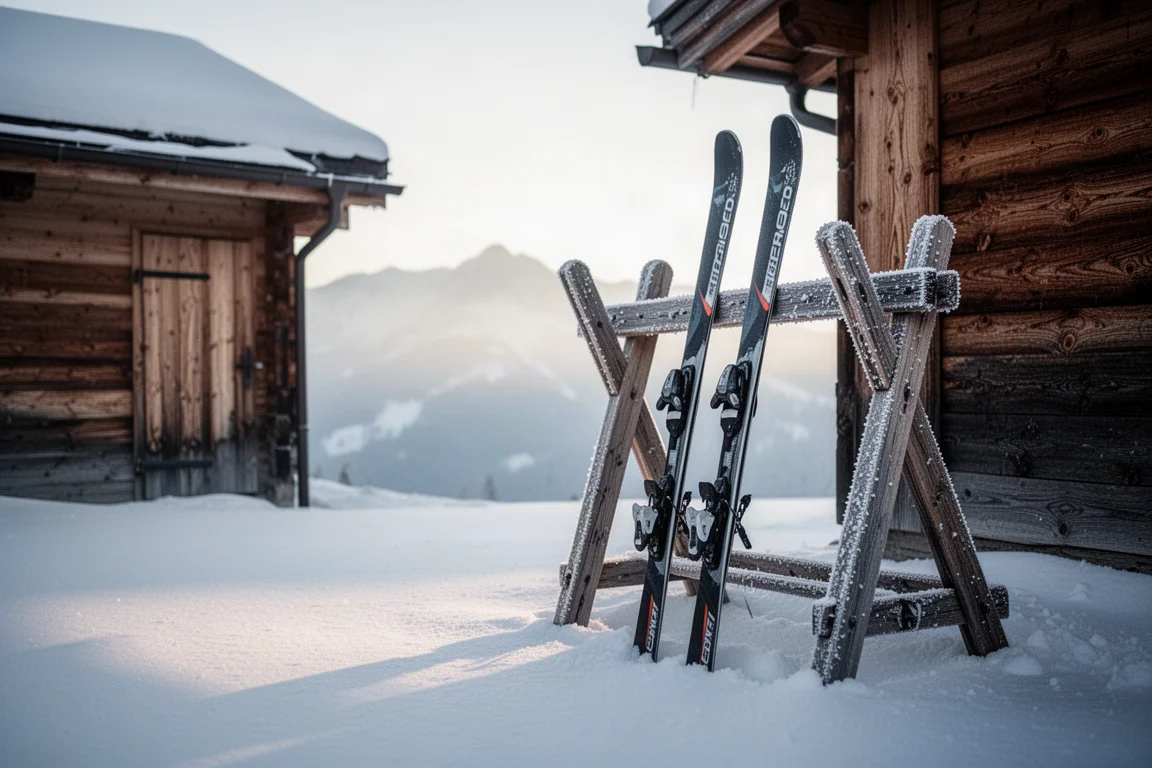
Think about where you actually ski. If your days mix groomers, soft snow, and tighter technical lines, the Kore 93 TiW covers that spread with very little compromise. If you spend most of your time on hardpack, the soft-snow bias is worth weighing honestly before you commit.
Also consider how you like to be rewarded. This ski does not demand much from the pilot, but it gives more back the harder you push it. If that sounds like the right relationship, it is an easy recommendation to feel confident about.
Conclusion
The Head Kore 93 TiW succeeds because it refuses to pick one side. It delivers serious vibration damping and strong edge grip without turning into a stiff, heavy ski, and it stays supple and forgiving without feeling lifeless. Add the soft-snow-friendly shape, the poppy energy out of turns, and the easy maneuverability, and you have an all-mountain ski that is genuinely easy to live with and still rewarding when you push.
Product link
View more details for Head Kore 93 TiW
This product is mentioned in the review. Check the specifications, options, and compatibility before buying.
View more details for Head Kore 93 TiWFurther reading
Related Reviews
All-Mountain Skis
100mm All-Mountain Skis Compared: 23 Versatile Models Worth Knowing
A practical walkthrough of 23 all-mountain skis around 100mm underfoot, covering weight, rocker, metal construction, and the rider each model suits best.
All-Mountain Skis
2026 Black Crows Camox Review: A More Stable, More Versatile All-Mountain Twin Tip
The 2026 Black Crows Camox adds an ash layer underfoot, wider tips and tails, and a revised rocker profile. Here is what those changes mean on snow.
All-Mountain Skis
Armada Antimatter 88 Review: A Light, Lively All-Mountain Ski That Rewards Any Style
The Antimatter 88 pairs a poplar core with carbon stringers for a surprisingly energetic ride that suits intermediates and experts alike.