All-Mountain Skis
Head Kore 93 Ti W Review: A New All-Mountain Direction for the Kore Line
The Head Kore 93 Ti W trades carbon for two sheets of metal, and the result is a damper, more rounded all-mountain ski. Here is what to know before you buy.
Introduction
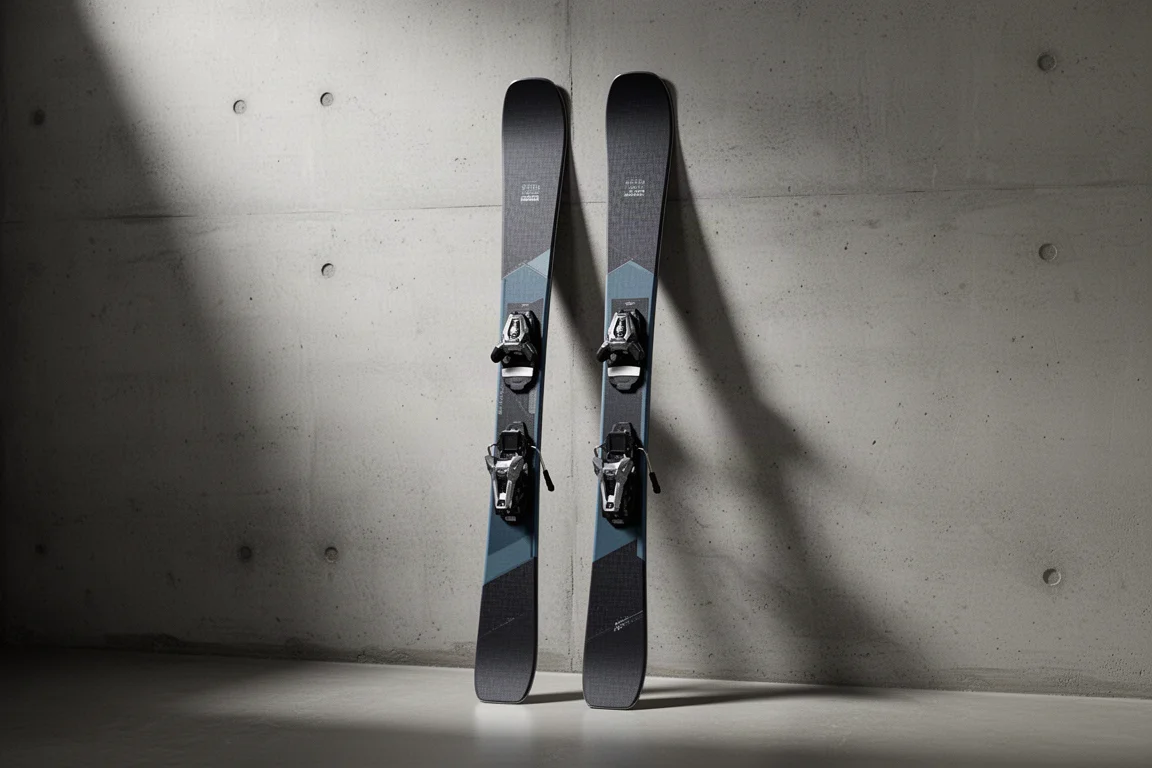
Head has rebuilt its Kore series around a very different idea. The Kore 93 Ti W is an all-new ski that steps away from the carbon construction the line was known for and replaces it with two sheets of metal. Along with a different wood core, a new shape, and a new profile, it adds up to a ski that feels nothing like the Kore models that came before it.
That matters if you are shopping on name recognition alone. A familiar badge usually signals a familiar ride, but here the change is fundamental rather than cosmetic. This new Kore is built to be more broadly approachable across the intermediate to expert range.
Who This Ski Is For
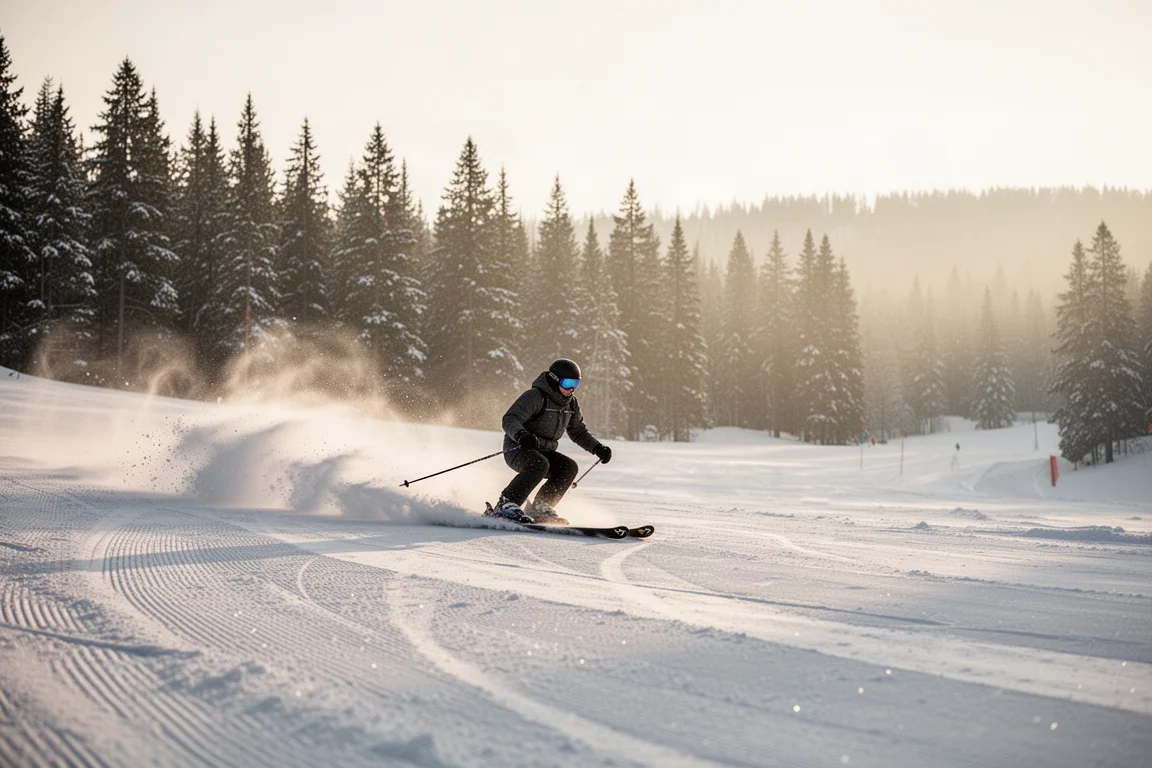
This is a mid-90s all-mountain ski aimed at skiers who want one pair to cover most of the mountain. It suits riders who spend the bulk of their day on groomers but want a platform that still works when the snow gets cut up, when they duck into the trees, or when they wander off trail.
Skiers who found the older carbon Kore models too light, too stiff, or too demanding will likely find this version easier to live with. Its damp, denser feel is closer to what most intermediate through expert skis with two sheets of metal deliver.
The flip side is that loyal fans of the previous Kore 93 or Kore 91 should not assume this is a gentle refresh. If you loved the carbon snap and pop, try this ski before committing to it.
Construction and Materials
Two sheets of metal run through the build, one above the core and one below. That is the single biggest departure from the carbon layers that defined the earlier Kore skis, and it is what gives this model its more damp and grounded character.
The core is poplar with PET stringers, where PET is recycled plastic bottles pressed back together into structural stringers. It is a material Head already uses elsewhere in its range, and it keeps performance consistent while making use of recycled material.
A strip of graphene sits in the layup, and the topsheet is flax based. The flax helps control vibration, adds damping, and improves resistance to scratching and chipping. For a first-year ski in a new line, the construction is notably sophisticated.
Dimensions, Weight, and Turn Shape
At 170 cm, the ski weighed 1,681 grams, so it retains a fairly light feel even with the metal added. The flex pattern is more subtle than the stiffer carbon versions that preceded it, and that subtlety is part of why the ski feels calmer underfoot.
The geometry uses a 14.7 metre turn radius with a substantial amount of camber. That camber is where much of the ski’s energy comes from.
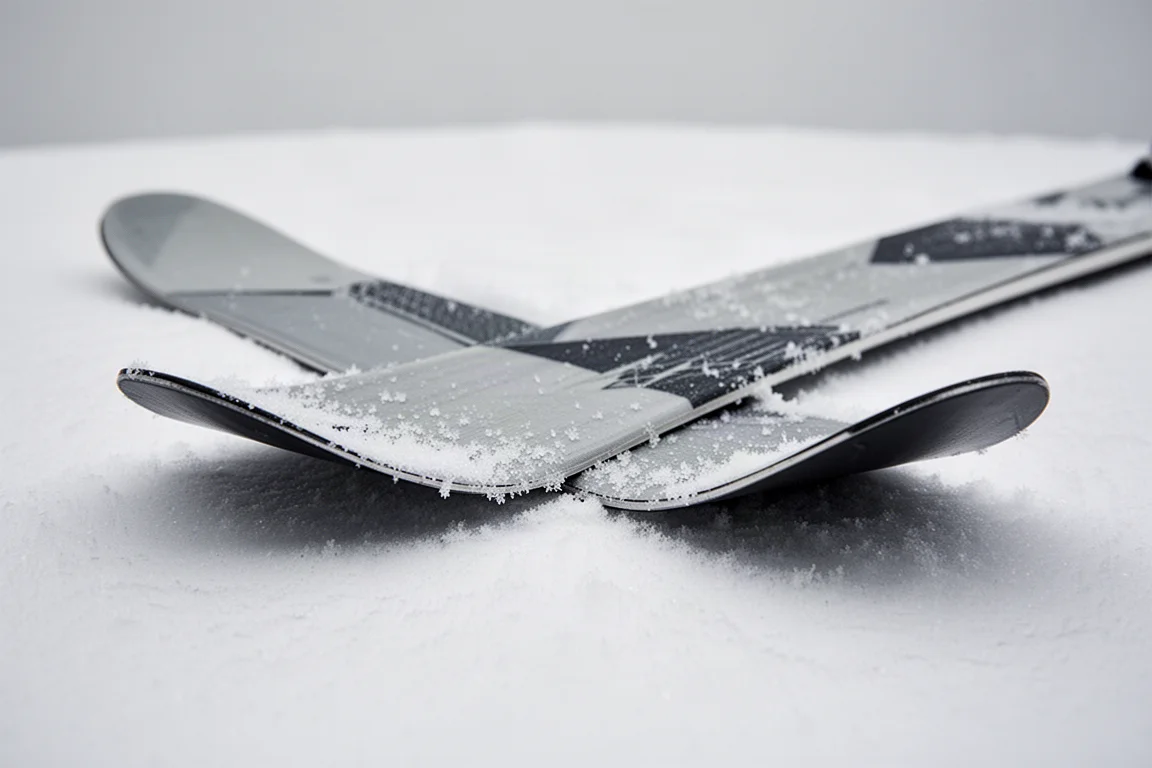
The effective edge is relatively short. The widest point is pulled down toward a more dramatic taper, which is where the sidecut begins, and the tail carries a spoony taper as well while staying sharp at the very end. The payoff is easier turn release in softer snow and better flotation than the 93 mm waist might suggest.
On-Snow Character
On firmer snow the ski held an edge with confidence and did not chatter on boilerplate ice. It felt composed in variable conditions, with a predictable, damp ride rather than a nervous one.
It is not a ski that fires you out of every turn. The energy is there, and the camber makes it poppy when you load it, but the response is measured. In softer groomer conditions that balance may shift, which is worth keeping in mind if you like a ski that pushes back hard.
Pushing through the camber on firm snow takes some input, and that is the clearest reason this ski lands in an advanced to expert bracket despite its lighter weight.
Terrain Versatility
The 93 mm waist is the heart of the ski’s versatility. It gives you a wider platform for late-day groomers that have been cut up, and it still floats reasonably well for its width. The flex is soft enough to stay useful in moguls and trees rather than punishing.
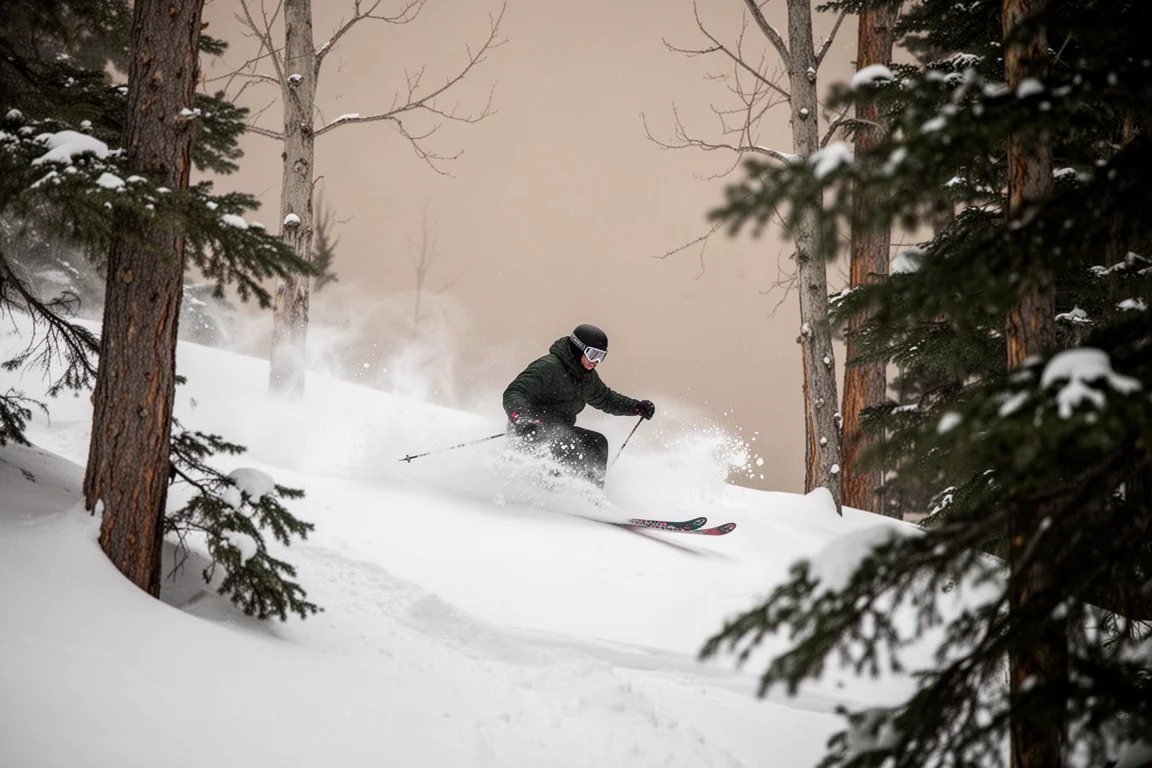
Most skiers will still spend the majority of their time on groomers and lean on that width when conditions deteriorate. Those who want to explore further off trail will find the ski can keep up without feeling out of place.
Things to Consider Before Buying
The most important consideration is how different this ski is from its predecessors. If you are replacing an older carbon Kore and expecting the same feel, you will not get it. Try before you buy.
The camber also asks for a certain level of input. On firm snow you have to drive through it, which is why this model suits advanced and expert skiers more than cautious intermediates.
And it gives up some of the lively snap that made the old Kore distinctive. What you get in return is a more even, more forgiving, more broadly useful ride.
Buying Advice
Buy this ski if you want a single all-mountain pair that handles groomers confidently, stays composed in variable snow, and gives you room to explore when you feel like it. It is a good match for strong intermediates through experts who prefer a damp, predictable feel over a light and snappy one.
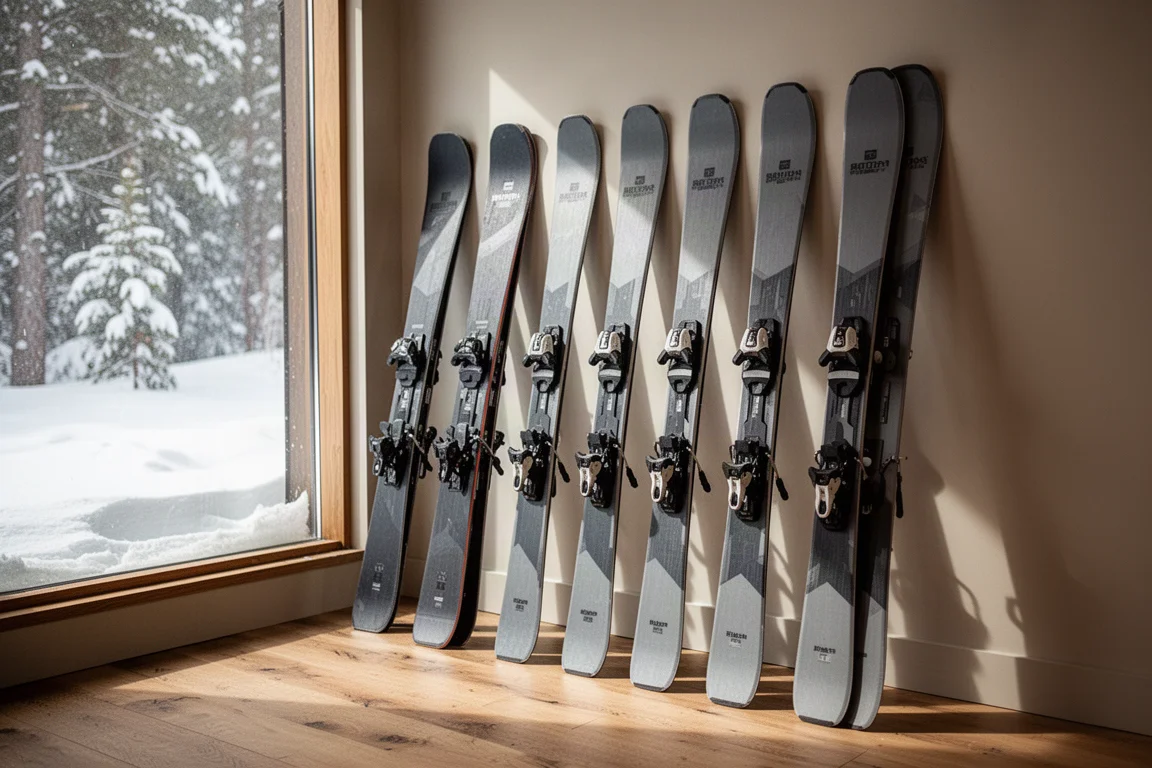
If you are coming from a carbon Kore, book a demo first. The change is large enough that a short test run will tell you more than any spec sheet. If you are stepping up from a softer ski, the metal construction and camber will reward time spent learning how it loads and releases.
Conclusion
The Head Kore 93 Ti W is a genuine reset for the line. Two sheets of metal, a poplar core with PET stringers, graphene, and a flax topsheet add up to a ski that is damper, more rounded, and easier to recommend to a wider range of skiers than the carbon versions it replaces. Just do not assume the name means the same ride.
Product link
View more details for Head Kore 93 Ti W
This product is mentioned in the review. Check the specifications, options, and compatibility before buying.
View more details for Head Kore 93 Ti WFurther reading
Related Reviews
All-Mountain Skis
100mm All-Mountain Skis Compared: 23 Versatile Models Worth Knowing
A practical walkthrough of 23 all-mountain skis around 100mm underfoot, covering weight, rocker, metal construction, and the rider each model suits best.
All-Mountain Skis
2026 Black Crows Camox Review: A More Stable, More Versatile All-Mountain Twin Tip
The 2026 Black Crows Camox adds an ash layer underfoot, wider tips and tails, and a revised rocker profile. Here is what those changes mean on snow.
All-Mountain Skis
Armada Antimatter 88 Review: A Light, Lively All-Mountain Ski That Rewards Any Style
The Antimatter 88 pairs a poplar core with carbon stringers for a surprisingly energetic ride that suits intermediates and experts alike.