All-Mountain Skis
Head Kore 91 WS Review: A Light All-Mountain Ski That Still Holds Up
The Head Kore 91 WS pairs a low swing weight with a stiff 3D carbon layup. Here is how it performs in trees, bumps, groomers, and fresh snow, and who it suits best.
Introduction
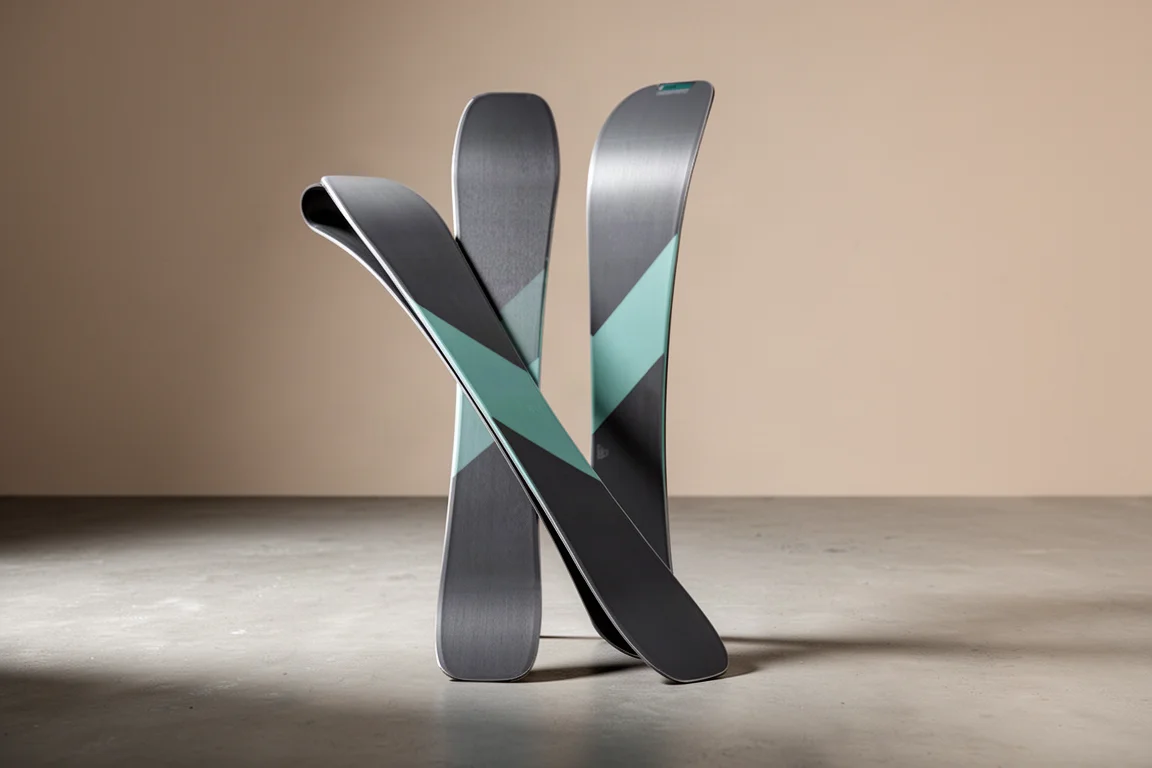
The Head Kore 91 WS is an all-mountain ski built around a light core and a carbon layup that Head applies in three dimensions rather than as flat sheets. On paper, that reads like a recipe for a ski that gets pushed around in variable snow. In practice, the 91 WS lands in a less common spot: light enough to throw around in tight trees, stiff enough to hold an edge on a steep, firm groomer.
It is the counterpart to the Kore 93 and shares the same structural build. Head calls it the 91 because it is narrower and offered in shorter lengths, which makes it a strong candidate for lighter skiers who still want a high performance ceiling.
The first thing that registers is the strength-to-weight ratio. The ski feels nimble immediately and moves edge to edge quickly, staying lively and energetic through bumps rather than turning vague or soft.
Who the Head Kore 91 WS Suits Best
This is a ski for people who want maneuverability without giving up stability. A lighter skier looking for something easy to control in trees and bumps will find it manageable straight away. A stronger skier who spends the morning leading less experienced friends through technical terrain and then takes fast solo laps will find it holds up to that too.
There is no obvious ability ceiling here. The 91 WS is often filed under easy-turning cruiser, and that label undersells it. Skiers who normally reach for heavier, metal-laminate skis have stepped onto this one and come away impressed by how much performance is available for the weight.
The practical case is simple: a high level of performance for a low level of effort. If you want a ski that does not demand everything you have on every run but still rewards a confident edge angle, this is the target.
Construction and Carbon Tech
The defining feature is how the carbon is used. Rather than running carbon tubes through the core, the 91 WS uses a 3D carbon application: the top layer curves toward the edges of the ski, while the layer below the core stays flat. The curve is visible where the topsheet meets the sidewall. Placing carbon in three dimensions stiffens the ski considerably, and that stiffness is the foundation of its edge grip.
A graphene strip runs through the center of the ski, adding stiffness at very little weight.
Because carbon alone can transmit vibration, Head adds elastomer damping layers and thicker sidewalls. The result gets closer to the smooth, damp feel of a metal-laminate ski than most carbon-focused builds manage. It is not identical, and a ski with two sheets of metal still absorbs chatter better, but the gap is smaller than the construction would suggest.
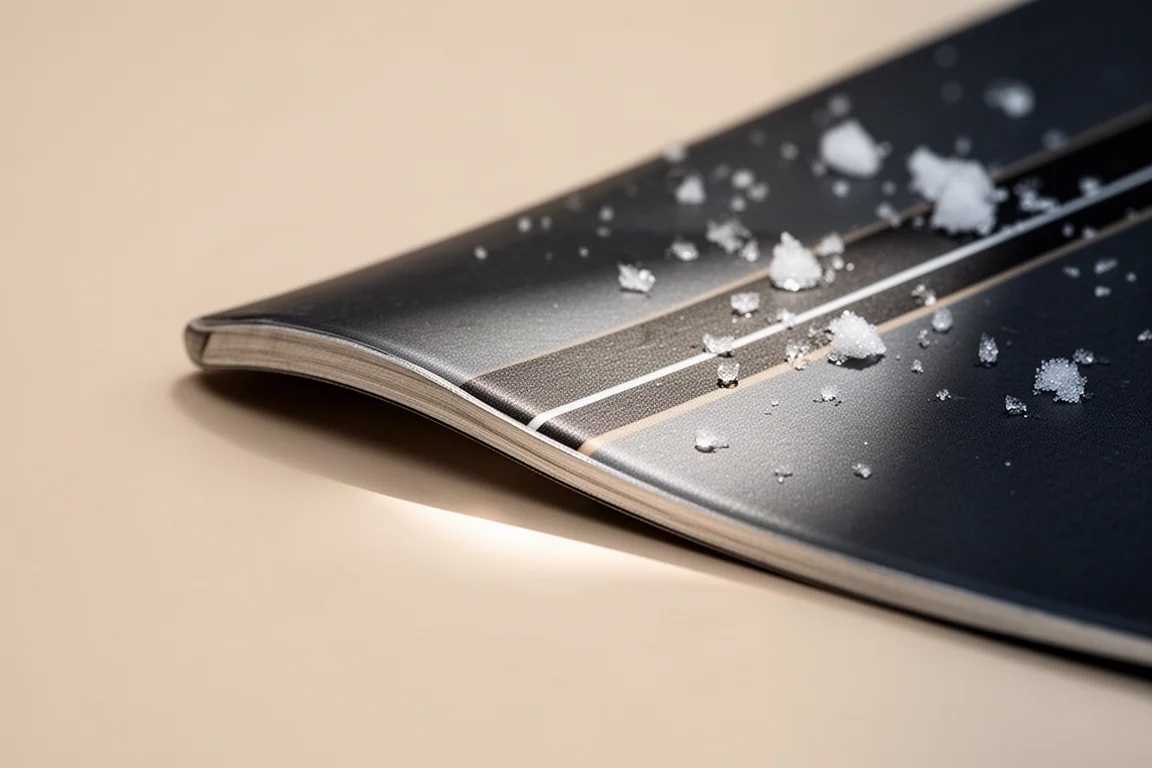
The profile matters too. The 91 WS carries a fairly flat camber underfoot with early rise in the tips and tails and only a modest amount of early taper. That flatness is deliberate: a stiff carbon ski with a lot of camber would feel twitchy and demanding, so flattening the profile makes it easier to ski without softening it.
On-Snow Performance
In trees and bumps the 91 WS is quick and lively. It moves edge to edge without much input and stays energetic rather than feeling dead underfoot.
The surprise comes on steeper groomers. A ski this light would normally get bounced around at speed, but this one stays stable and planted. High edge angles feel confident, and grip on firm snow is strong, which matters for anyone skiing hardpack regularly.
In fresh snow and chopped-up crud it holds its own. It works through everything from a few inches of new snow down to tracked-out leftovers, staying maneuverable while still feeling like there is something behind it.
Turn initiation is another highlight. The rounder, smoother tip shape makes the start of a turn feel effortless, and the carbon hooks up almost immediately, so the ski feels reactive without feeling nervous.
Things to Consider Before Buying
Vibration is the honest trade-off. The damping layers do a lot of work, but the 91 WS still transmits more chatter than a ski with metal laminates. If maximum dampness is your priority, a metal ski remains the better tool.
It is not a springy carver. The flat camber profile trades some of that loaded pop for predictability, which is the right call for a stiff carbon ski but worth knowing if you like a ski that feels charged underfoot.
It does have a specific feel on turn entry that some skiers notice and others do not. The rounded tip shape and the immediate carbon response make the transition into a turn smooth rather than abrupt, and that character is consistent across the size range.
Length and Width: How to Choose the Right Size
At the 170 cm reference length, the Kore 91 WS measures 91 mm underfoot, and shorter lengths come in slightly narrower, with an 85 mm model also in the line. Head builds the range this way to keep the ski’s behavior consistent across sizes instead of letting the turn radius drift, but it does mean the number in the model name is not the width you get in every size. The same construction appears in a wider, longer unisex build as the Kore 93, and the wider Kore 99 sits further up the range; skiers who spend most of their time on trail will generally be better served by the narrower options.
That has a practical consequence at the shop. If you are set on a specific waist width, check the size you are actually buying rather than assuming the figure on the model name applies across the whole run. Going shorter buys maneuverability and a slightly narrower platform, not just a shorter ski.
Buying Advice
The 91 WS is easiest to justify if you want one ski for a wide range of days: firm groomers in the morning, soft snow and trees after a storm, and everything in between. It rewards a confident skier without punishing a relaxed one, which is exactly why it works as a single-quiver choice for a lot of people.
If you are a heavier or more aggressive skier who mostly skis fast, open terrain, the wider options in the same family may suit you better. If you ski a lot of hardpack and want grip without dragging a heavy ski around all day, the 91 WS is the more interesting pick.
Length is the main decision. Choose the size that matches the width and the behavior you want, and remember that going shorter also means going slightly narrower. If you want the width of the reference ski, that is the 170 cm size.
Conclusion
The Head Kore 91 WS is one of those skis that quietly outperforms its spec sheet. Low weight usually signals a compromise somewhere, and here it largely does not. The 3D carbon layup, graphene strip, elastomer damping layers, and flat camber profile add up to a ski that is quick in trees, stable on groomers, and comfortable in fresh snow.
It is not the dampest ski you can buy, and it is not a metal-laminate charger. What it offers instead is a rare balance: light enough to be effortless, stiff enough to be trusted.
Product link
View more details for Head Kore 91 WS
This product is mentioned in the review. Check the specifications, options, and compatibility before buying.
View more details for Head Kore 91 WSFurther reading
Related Reviews
All-Mountain Skis
100mm All-Mountain Skis Compared: 23 Versatile Models Worth Knowing
A practical walkthrough of 23 all-mountain skis around 100mm underfoot, covering weight, rocker, metal construction, and the rider each model suits best.
All-Mountain Skis
2026 Black Crows Camox Review: A More Stable, More Versatile All-Mountain Twin Tip
The 2026 Black Crows Camox adds an ash layer underfoot, wider tips and tails, and a revised rocker profile. Here is what those changes mean on snow.
All-Mountain Skis
Armada Antimatter 88 Review: A Light, Lively All-Mountain Ski That Rewards Any Style
The Antimatter 88 pairs a poplar core with carbon stringers for a surprisingly energetic ride that suits intermediates and experts alike.