Ski Gear
Head Kore 88 Ti Review: Smooth, Stable, and Less Demanding Than Its Peers
An 88 mm all-mountain ski built around damping and quiet edge grip, with a forgiving tip and a flex that asks less of the skier than the stiffest metal-laminate options.
Introduction
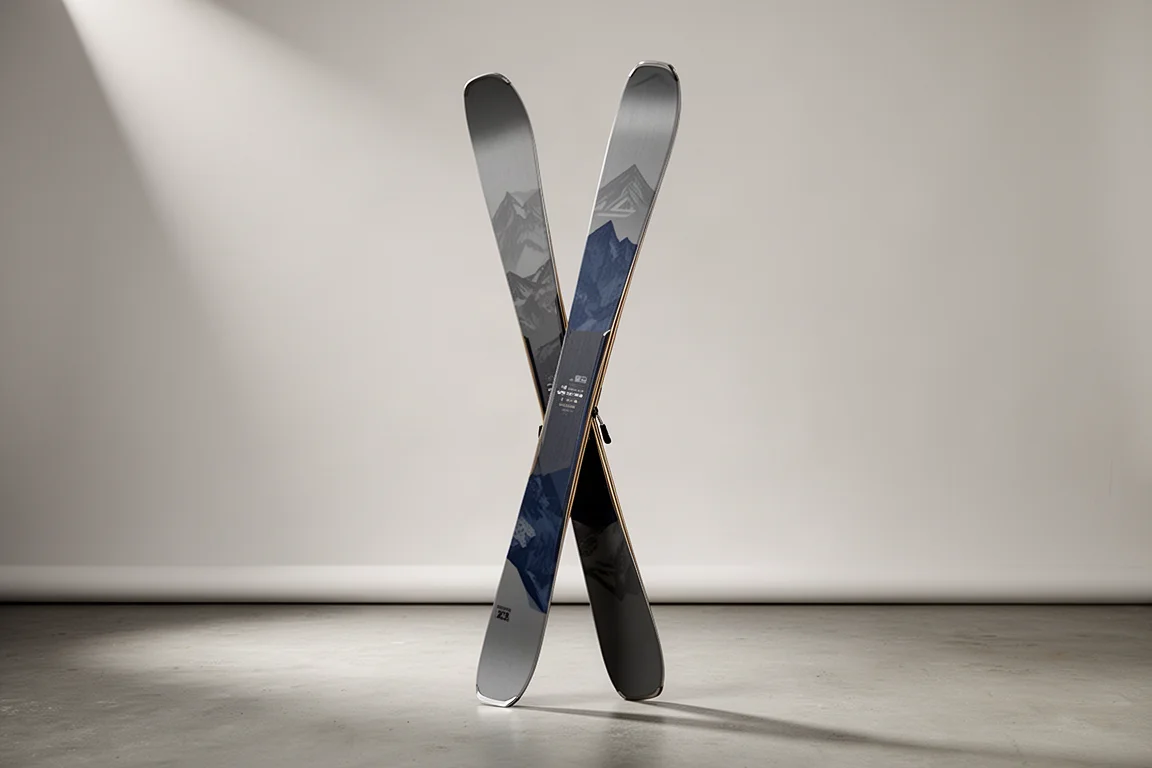
The Head Kore 88 Ti comes back structurally unchanged for the new season, with a fresh graphic update as the headline change. That continuity matters, because this ski has settled into a clear role: an 88 mm all-mountain ski that belongs in the same conversation as the Mantra 88, the Enforcer 89, and the MX 88, but earns its place for different reasons.
Those skis are often chosen for a demanding, ironclad feel. The Kore 88 Ti chases a similar outcome through damping and composure. It is smooth and quiet underfoot, holds an edge on firm snow, and still asks less of the skier than its closest peers.
Who the Head Kore 88 Ti Is For
If you are drawn to confidence-inspiring all-mountain skis for their vibration damping and their grip on firm snow, but you do not want to work as hard for it, this is the gap the Kore 88 Ti fills. Its flex pattern is softer than the stiffest metal-laminate options in the category, so the ski delivers a calm, planted ride without demanding constant input.
The 88 mm waist and all-mountain shape keep it versatile across groomed and ungroomed terrain. It leans toward all-mountain use rather than a pure frontside carver, although its carving performance is strong enough to put it in that conversation as well.
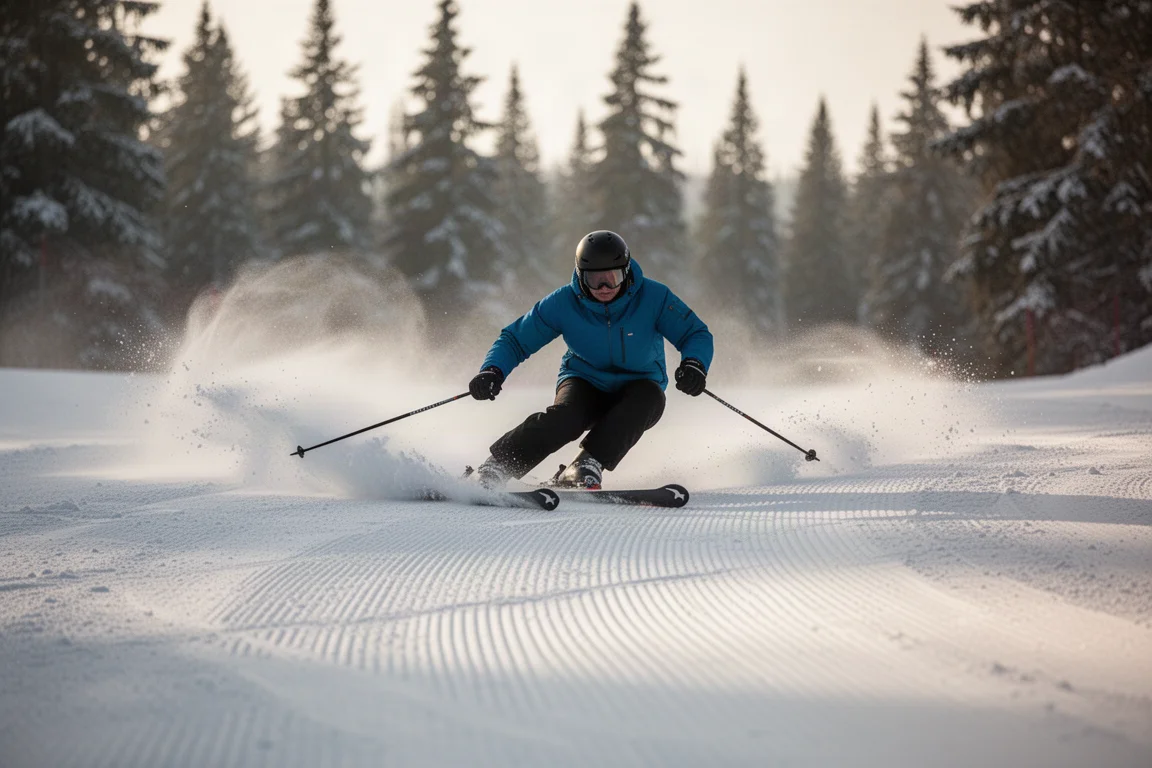
That balance is the heart of the proposition. You get the composure and edge grip that make firm-snow skiing feel secure, paired with a platform that stays manageable over a full day and across changing conditions.
Construction and Materials
The wood core combines karuba and beech. Karuba is less dense, lighter, and softer flexing, and it is used toward the extremities of the ski, which contributes the lighter weight and the forgiving feel. Beech is the dense, stiff, powerful material typically found in race-oriented skis, and here it supplies the backbone and stout stability you want from a frontside-capable all-mountain ski.
Graphene and two sheets of metal complete the layup. Graphene is intended to filter out unwanted vibrations, while the metal sheets add further vibration damping and increase torsional stiffness for edge grip on firm snow. In the 177 cm length, the ski carries a 16 m turn radius and weighs 1892 g, which is fairly light for a ski with two sheets of metal.
Main Strengths: Damping, Edge Grip, and Versatility
The defining quality is how quiet the ski feels. Vibration damping is the reason it holds its own against more demanding metal-laminate all-mountain skis, and the payoff shows up as a smooth ride that stays composed when the snow turns firm or variable.
Edge grip follows from the same construction. Torsional stiffness from the metal sheets helps the ski hold on hardpack, and the tip hooks up cleanly at the start of a carve. There is also a healthy amount of camber in the profile, which puts energy back into the ski and gives carvers something to push against. For an 88 mm all-mountain ski that many people will use for a lot of carving, that energy is a meaningful part of the experience.
Turn Shapes and Rocker Profile
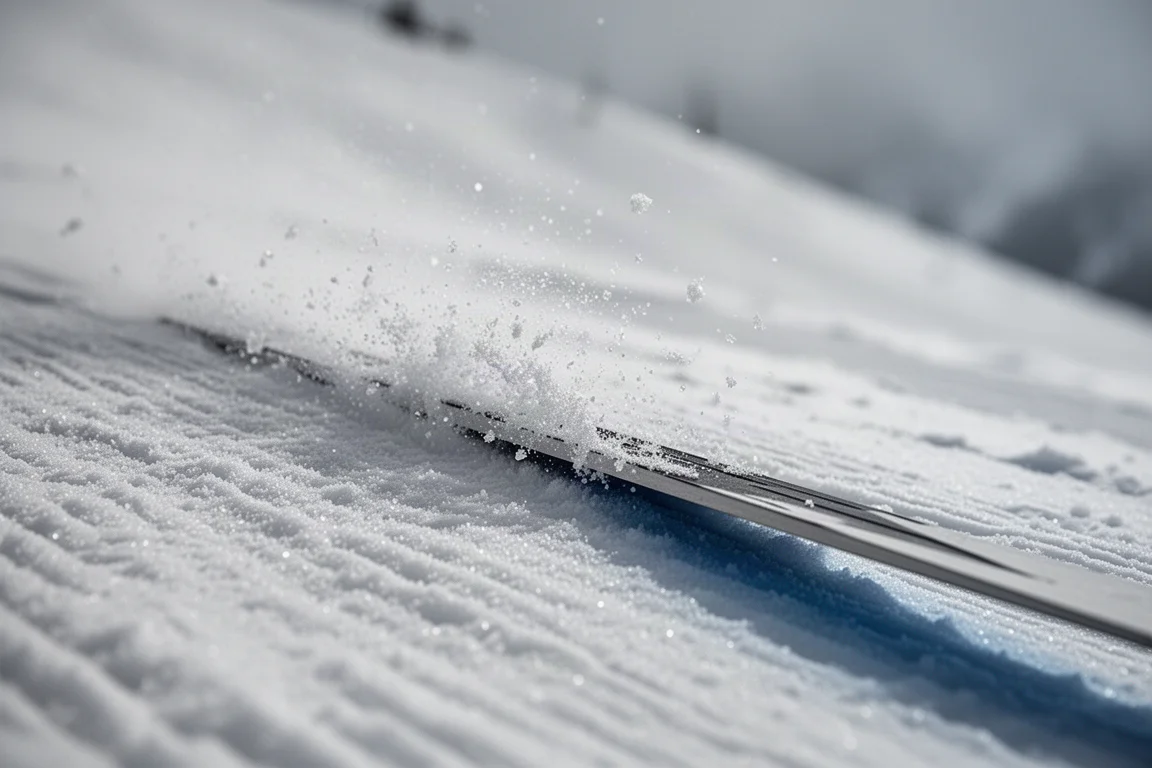
Rocker is generous for an 88 mm underfoot all-mountain ski, which supports both soft snow performance and easier turn initiation. The tip rocker provides flotation and helps the ski start a turn without a fight, while the camber section keeps the ski lively and rewarding through the arc.
The tail uses a double taper, angling in first gently and then more aggressively. The result is a long effective edge and a clean finish to the turn, along with extra maneuverability once you leave the trail. Tail rocker is long and low and sweeps up gradually. In a carved turn you will not feel the tail losing purchase, and when you flatten the ski the rocker lets it release easily into short skidded turns.
That combination is why the ski feels at home in both short swing turns and larger, longer GS turns at speed. Taper is modest, just enough to add a little soft snow performance, and the overall shape reads as a spoonier profile that feels great in a carved turn.
Flex Pattern and Off-Piste Manners
The flex is consistently stiff from tip to tail, but it is not as stiff or as demanding as the most ironclad skis in this class. The tip is where the forgiveness lives. That softer tip helps with turn initiation and makes the ski easier to manage in trees and bumps, and it also lets you change turn shape on the fly. At a high edge angle the tip can flex further and pull you into a tighter radius than the 16 m sidecut figure suggests.
The tail shape and the long, low rocker keep the ski maneuverable off trail without giving up a clean edge release at the end of a carve. On snow, the impression is one of buttery versatility. Long radius turns smear easily into short ones, the ski feels playful and stable, and it comes alive at all speeds when edge pressure is applied evenly. A powerful skier who likes to put pressure on the front of the ski will get the most out of it.
Things to Consider Before Buying
This is still a stiff ski with two sheets of metal. It is more forgiving than its closest competitors, but it is not a soft, low-effort cruiser, and it rewards a skier who drives the front of the ski rather than one who stands in the middle and waits.
It is also an all-mountain ski first. If your days are almost entirely on groomers and you want maximum frontside precision, a dedicated frontside ski will be a better match. And if you specifically want the most powerful, demanding feel available in the metal-laminate all-mountain category, this ski deliberately offers a little less of it.
Buying Advice
The Kore 88 Ti makes the most sense for a skier who wants a damp, quiet, confident all-mountain platform without signing up for the effort that the stiffest options in the category require. It suits a powerful skier who pressures the front of the ski, and it suits someone who wants one pair to cover firm groomers, soft snow, and everything in between.
Because the shape and rocker profile support both short swing turns and long GS turns, it is an easy ski to live with across a full season. The fresh graphic update does not change the ride, so the decision comes down to whether this blend of damping, grip, and forgiveness matches how you ski.
Conclusion
The Head Kore 88 Ti earns its place next to the Mantra 88, the Enforcer 89, and the MX 88 by taking a slightly different route. Instead of pure demand, it leads with damping, smoothness, and quiet edge grip, then backs that up with a forgiving tip, a versatile rocker profile, and enough camber to keep carving rewarding. For skiers who want that confidence-inspiring feel with less effort, it is a compelling all-mountain option.
Product link
View more details for Head Kore 88 Ti
This product is mentioned in the review. Check the specifications, options, and compatibility before buying.
View more details for Head Kore 88 TiFurther reading
Related Reviews
Ski Gear
2023 Blizzard Hustle vs Rustler: Six Freeride Skis Compared
Blizzard's 2023 Hustle collection rebuilds the Rustler shape with a lighter core and no metal. Here is how all six skis differ, and which one suits your riding.
Ski Gear
2023 Skis of the Year: Atomic Maverick 88 TI, Salomon QST 106, and Look SPX 12 Pro
Three standout ski picks for all-mountain carving, powder days, and reliable binding performance, with practical buying notes for 2023 models.
Ski Gear
2025 Nordica Enforcer 104 Review: A Directional Charger Replaces the 104 Free
The 2025 Nordica Enforcer 104 drops the Free name and the twin-tip personality, gaining weight, stiffness and composure in rough snow. Here is what changed and who it suits.