Powder Skis
HEAD Kore 117 Review: A Lightweight, Stiff Powder Ski for Deep Snow
The HEAD Kore 117 pairs a light karuba and poplar core with two carbon layers and a stiff flex, making it a purpose-built powder ski for deep snow and wide open terrain.
Introduction
The HEAD Kore 117 is the widest model in the Kore line, and it is built for a deliberately narrow brief: deep snow and wide open spaces. Every part of the construction follows that purpose. The core blends lightweight karuba with energetic poplar, two layers of carbon run through the structure, and graphene contributes stiffness alongside a dedicated dampening layer. The result is a very wide ski that stays unusually light, with a flex that sits firmly on the stiff side of the spectrum for its class.
That combination shapes how the ski behaves. The Kore 117 floats well, moves sideways easily, and still holds grip when the terrain turns technical. It is not an everyday, all-mountain tool, and it does not pretend to be one.
Who the HEAD Kore 117 Is For
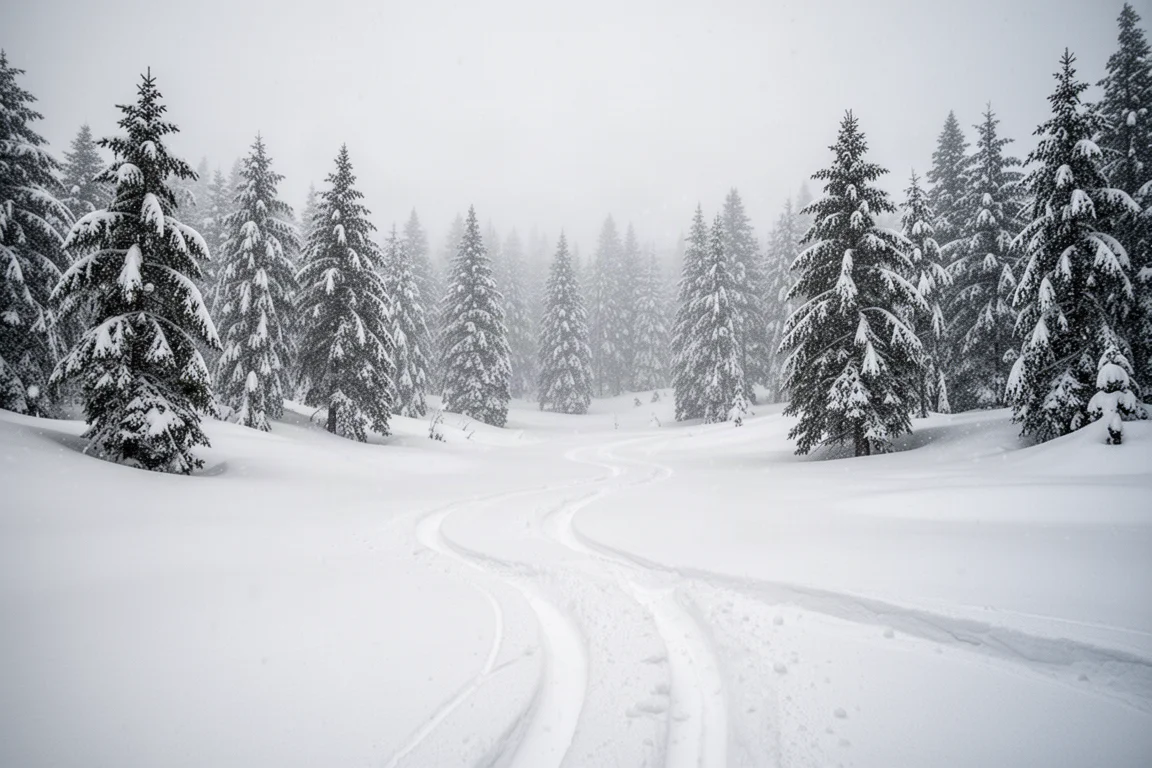
This is a powder ski in the clearest sense of the term. It suits skiers who chase deep snow and wide open terrain, and who want a wide platform that stays manageable in the trees rather than feeling like a burden on the way there. The low weight matters here: for a ski with this much surface area, it remains surprisingly maneuverable in tighter lines and softer snow.
It also appeals to stronger skiers who like a stiff, responsive platform. The Kore 117 rewards a committed style, particularly in technical terrain where grip and agility both matter. What it does not offer is versatility. If you are looking for one ski to cover firm groomers, variable snow and the occasional powder day, this is not that ski.
Riders who already own a narrower daily driver and want a dedicated deep-snow companion are the most natural fit. The Kore 117 is best understood as the snow day ski in a quiver rather than the foundation of one.
Construction: Carbon, Karuba, and Poplar
The core is built from lightweight karuba and energetic poplar, a pairing that keeps the ski light without making it feel hollow. Two layers of carbon reinforce the structure. The lower layer runs full width from tip to tail and side to side, while the upper layer is curved to match the arc of the top sheet. That curved carbon is what pushes the flex toward the stiff end of the range.
Graphene adds further stiffness, and a dampening layer helps manage the ride quality that comes with a wide, stiff platform. The sidewall construction is unusual. Instead of a full sidewall underfoot tapering to a cap in the tips and tails, the Kore skis work the opposite way: a half cap underfoot that tapers into a thinner, full sidewall through the tips and tails. The ski effectively has 360 degree sidewalls, with more of a cap feel in the underfoot zone.
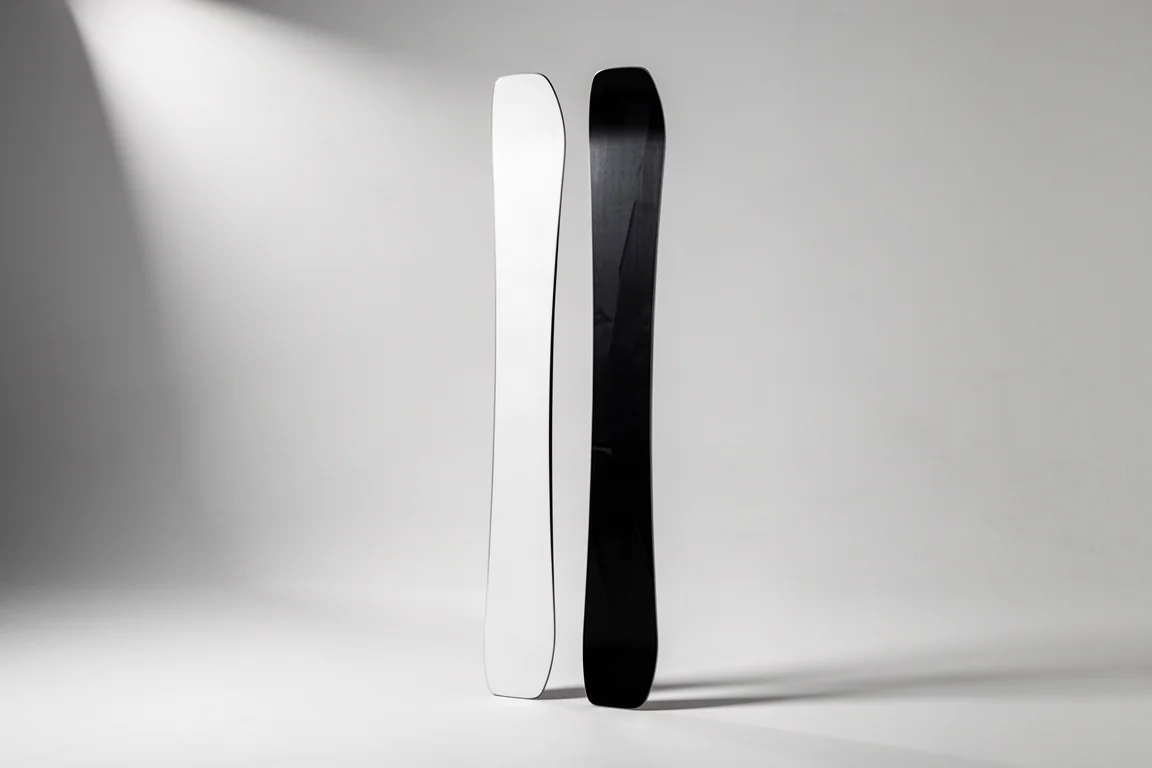
The current top sheet is a plain white and black graphic. It is minimal rather than flashy, and it reads as sharp and purposeful on snow.
Flex and Weight
Hand flexing the Kore 117 makes the character of the ski obvious. Across a range of skis in the 115 to 117 millimetre class, few feel like this one. The blend of low weight and high stiffness is the defining trait of the Kore design, and the 117 is the most extreme expression of it in the line.
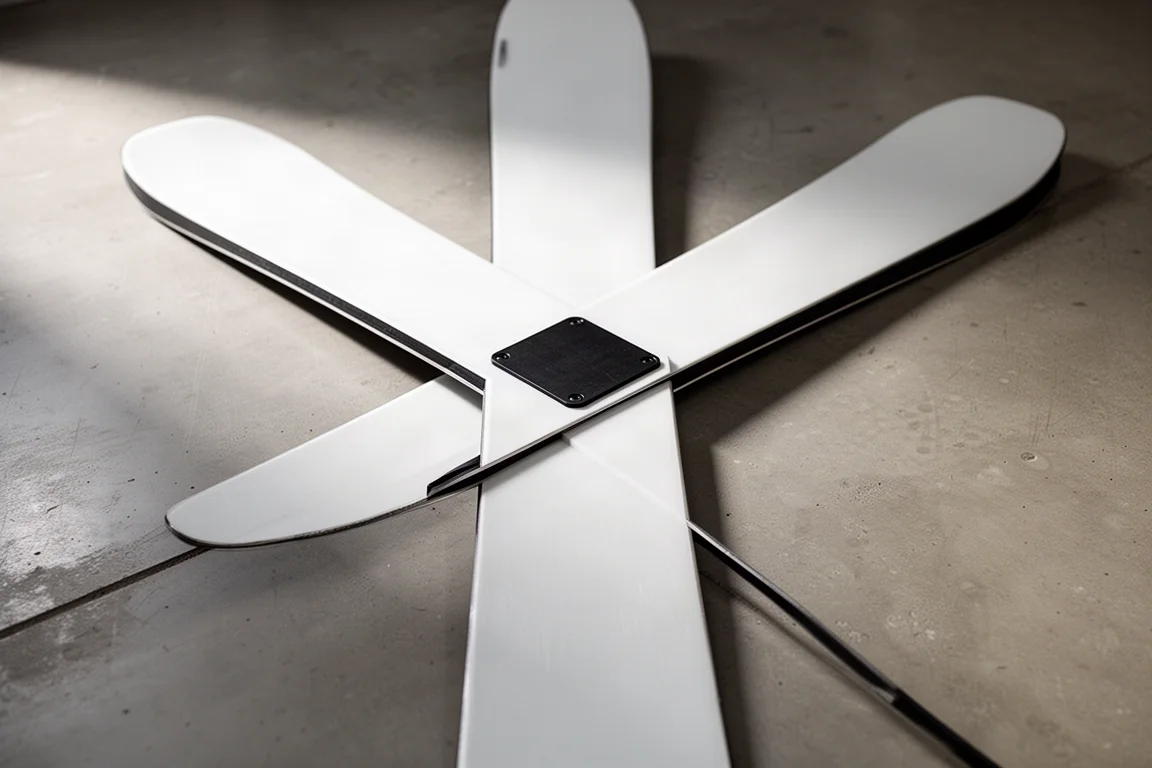
The numbers back that up. The ski weighs roughly 2,128 grams with a plate fitted, and the plate accounts for around 200 grams, which puts the ski itself a little under 2,000 grams. For a platform with this much mass and surface area, that is an impressive figure, and it explains why the ski stays so mobile in soft snow despite its width.
It is worth noting that stiff does not mean unforgiving here. The rocker profile and the shape work together to keep the ski playful, so the stiffness shows up as response and grip rather than as a plank-like feel.
Shape, Rocker, and Turn Radius
As the Kore models get wider, their shape becomes more dramatic. The 117 carries some camber underfoot, though the profile underfoot is relatively flat. It has the longest rocker in the Kore line, the most pronounced tip splay, and the lowest taper, meaning the widest point of the ski is brought well back from the tip. That keeps the front of the ski clear of the snow, which is a large part of why it floats so well and stays so maneuverable.
The tail tells a different story. It is fairly straight, with far less taper than the shovel, and that has a direct effect on turn shape. The effective edge is tightened by the deep taper at the front, but the straighter tail stretches the turn radius out to 24.8 metres. In practice, that means the ski prefers longer, more drawn-out arcs when it is running flat.
The rear rocker is long and low, which adds playfulness to a ski that is otherwise stiff. Combined with the shape, it gives the Kore 117 a dual personality: quick and drifty when you want it sideways, stable and planted when you point it.
Performance in Deep Snow and Open Terrain
In soft snow, the Kore 117 is very maneuverable for its width. Much of that comes down to the low weight, which makes it easier to pivot and redirect than the dimensions suggest. In the trees, that translates into a ski that feels far more agile than a 117 millimetre waist normally would.
Out in the open, the ski runs straight and smooth. The long radius and the straighter tail give it a settled, tracking feel when you let it run, and the stiffness supplies the response and grip needed to trust it in technical terrain. The agility and grip together build confidence, and the ski will make essentially whatever turn shape and style you ask of it.
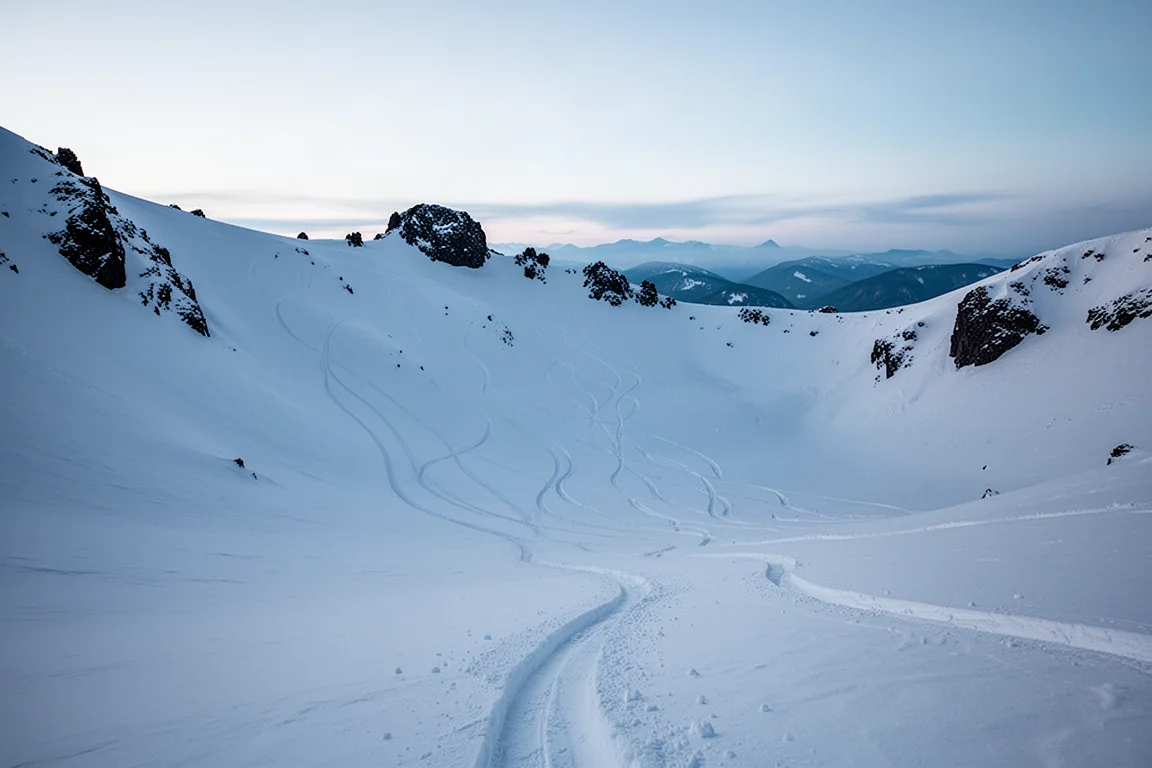
One of the more enjoyable traits is how willingly it goes sideways. The Kore 117 is as comfortable drifting and slashing as it is running straight, which makes it a genuinely fun tool in soft snow rather than a one-trick straight-line machine. The trade-off is that this is a specialised personality. It is a snow day ski, a powder ski, and it is not trying to be anything more versatile than that.
Things to Consider Before Buying
The first consideration is the obvious one: this is a purpose-specific ski. It is designed around deep snow and wide open spaces, and it gives up versatility to get there. If most of your days involve firm groomers, packed snow or mixed conditions, a ski this wide and this shape-focused will spend more time in the garage than on the hill.
The second is the turn radius. At 24.8 metres, with a straighter tail and less dramatic taper at the back, the Kore 117 prefers longer arcs when it is running flat. Skiers who want a tight, snappy turn shape out of a wide ski should take note of that geometry before committing.
The third is the flex. The Kore 117 sits on the stiff side of the spectrum for its width class, and it pairs that stiffness with a light build. It rewards a skier who can drive a ski and who wants a responsive platform, rather than someone looking for a soft, forgiving ride.
Buying Advice
The clearest way to think about the HEAD Kore 117 is as a specialist addition rather than a replacement. If you already have a narrower ski for everyday conditions and you want something that genuinely comes alive in deep snow, this is a well-resolved answer to that need. The light construction makes it easier to handle than its width implies, and the stiff flex gives it a level of grip and response that keeps it credible in technical terrain.
If you are building a quiver around powder days and wide open terrain, the Kore 117 deserves a serious look. If you need one ski to do everything, including firm snow and mixed conditions, look elsewhere in the Kore range or beyond it. Matching the ski to the conditions you actually ride is the decision that matters most here, and the Kore 117 is honest about what it is for.
Budget also plays a role in how you build around a specialist ski. A dedicated deep-snow platform only makes sense if it complements what you already own, so consider how many powder days you realistically ski in a season before adding a 117 millimetre ski to the rack. For the right skier, in the right conditions, it delivers exactly what it promises.
Conclusion
The HEAD Kore 117 takes the lightweight, stiff character of the Kore family and pushes it to its widest, most specialised conclusion. The karuba and poplar core, the two carbon layers, the graphene and the unusual half cap sidewall construction all serve a single goal: a wide ski that floats, stays maneuverable, and still grips when the terrain demands it.
It is not versatile, and it is not meant to be. For skiers who chase deep snow and wide open spaces, and who want a powder ski that is light enough to throw around and stiff enough to trust, the Kore 117 makes a strong case for a place in the quiver.
Product link
View more details for HEAD Kore 117
This product is mentioned in the review. Check the specifications, options, and compatibility before buying.
View more details for HEAD Kore 117Further reading
Related Reviews
Powder Skis
Armada ARV 112 Review: A Well-Rounded Powder Ski for Most Days
A 112 mm twin-tip that keeps Armada's soft-snow character while adding the stability to stay fun in chop, crud and leftover snow.
Powder Skis
Atomic Bent 120 Review: A Dedicated Powder Ski Built for First Tracks
A wide, stable powder ski that rewards aggressive skiing in deep snow, with real trade-offs on groomers, chopped snow, and tired legs.
Powder Skis
Best Powder Skis 2026: Five Standout Models for Deep Snow
A practical look at five high-performance powder skis, from approachable twin tips to directional chargers, based on real-world testing.