Powder Skis
Atomic Bent 120 Review: A Dedicated Powder Ski Built for First Tracks
A wide, stable powder ski that rewards aggressive skiing in deep snow, with real trade-offs on groomers, chopped snow, and tired legs.
Introduction
The Atomic Bent 120 is the widest ski in the Bent line, and it makes no attempt to be a do-everything choice. With 120 mm underfoot in the 192 cm length, a 20 m turn radius and a reported weight just north of 1,800 g, it is built for deep, undisturbed snow and for skiers willing to commit to it. The shape pairs an aggressive tail with a more gradual tip taper and a substantial amount of camber, so it carries more energy than its dimensions suggest.
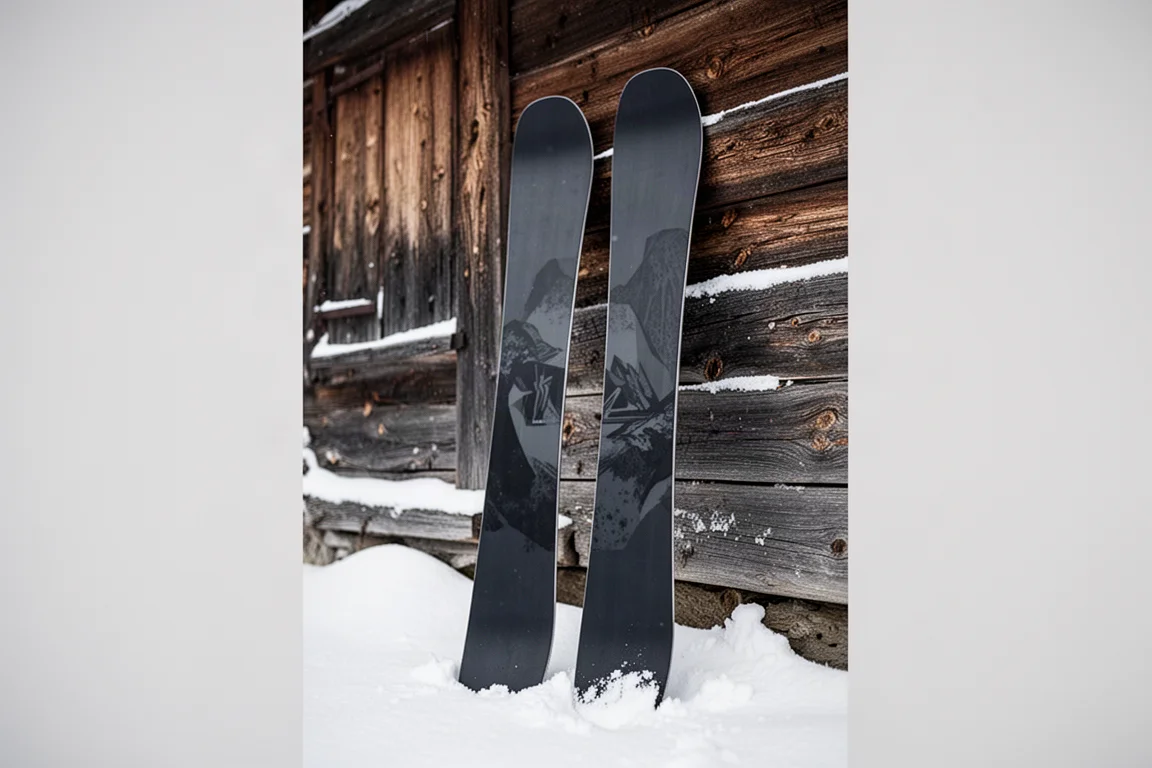
It is also a ski with a clear personality. The design comes from Chris Benchetler, who shapes the skis and creates the topsheets as an independent artist. The current graphics land well, though as with any ski, the artwork matters far less than what happens underneath it.
This review covers what the Bent 120 does well, where it struggles, and who should think twice before buying a pair.
Who the Atomic Bent 120 Is For
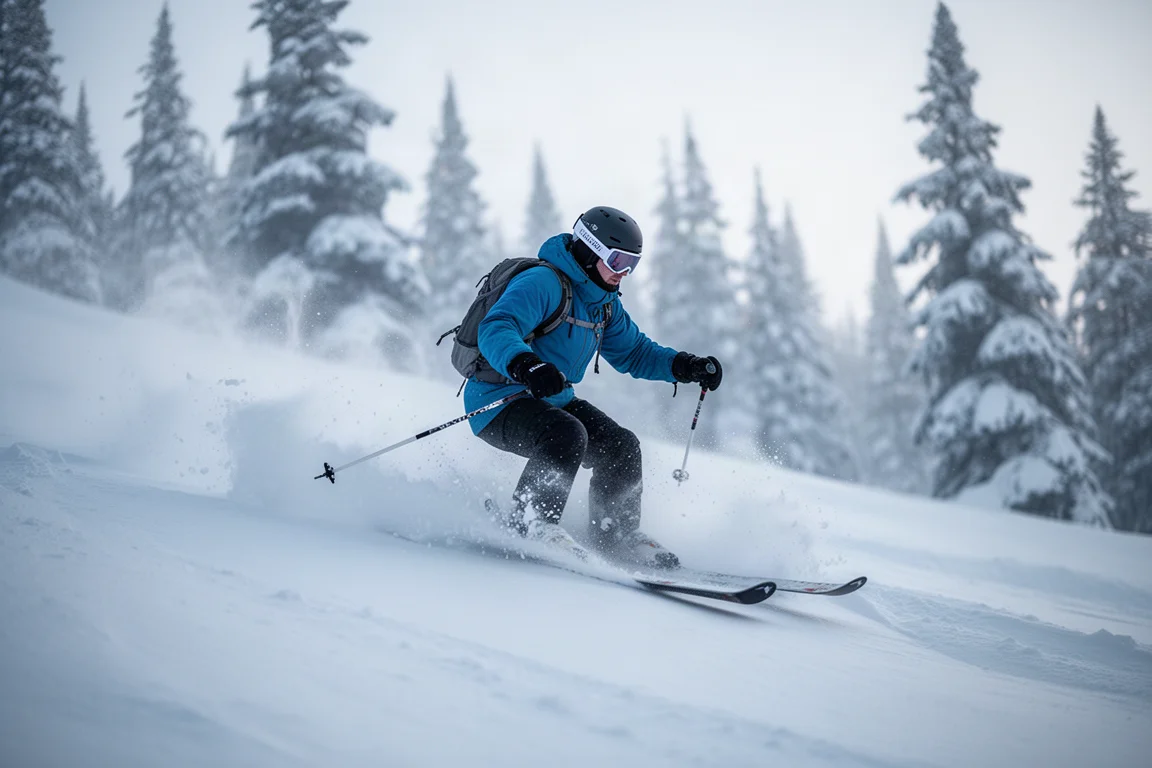
This is a ski for strong, aggressive skiers who get real powder days and want to charge them. It rewards a forward, committed stance and the confidence to carry speed into a line rather than feathering turns. If you ski first tracks and open bowls and you want a ski that will not submarine or force you to lean back all day, this is exactly the tool for the job.
The 192 cm length is worth taking seriously. That much ski suits a taller or stronger rider, and the extra length is a real part of why the float works so well. For anyone still building powder skills, or anyone who prefers to wander through the trees without much momentum, the smaller Bent 110 is the more sensible starting point.
Skiers who spend most of their season on groomers, or who only see a handful of deep days a year, will get far less out of the Bent 120. It is not a quiver killer, and it is not trying to be.
Design, Shape, and Specs
At 120 mm underfoot in a 192 cm length, the Bent 120 sits firmly in the dedicated powder category. The turn radius comes in at 20 m, the tail is notably aggressive, and the tip taper is more gradual. Camber underfoot is generous for a ski this wide, which is part of why it feels livelier than its measurements imply.
The core is a wood construction paired with Atomic’s Horizon Tech, a shaping treatment that rounds off the tips and the side edges to create a hull-like profile. On a ski this wide the extra flotation is subtle, because the ski already floats so well. On narrower models the effect is more noticeable, but here it simply complements a shape that was already working.
Weight is reported just north of 1,800 g, which lands in a useful middle ground. It is light enough to float and pivot, yet heavy enough to keep carrying momentum when the snow gets denser.
Main Strengths: Float, Stability, and First Tracks
The headline strength is first tracks. When the snow is deep and untouched, the Bent 120 is about as reliable as a powder ski gets. There is no need to sit back on the tails, no fighting to keep the tips above the surface, and no constant worry about submarining. That alone changes how aggressively you can ski a line, because your energy goes into turns rather than into staying upright.
Stability at speed is the second strength. The ski holds a line through powder at high speed and stays composed when the snow turns heavier lower on the mountain, which is where wide skis usually start to feel like work. It also stays maneuverable enough for quick hop turns, so it does not lock you into long, sweeping arcs.
The balance between float and maneuverability is the real achievement here. Very light backcountry-oriented skis float well but cannot carry momentum through powder, while heavier wide skis carry momentum but demand far more leg work to bring around. The Bent 120 sits closer to the middle than most skis in its width class.
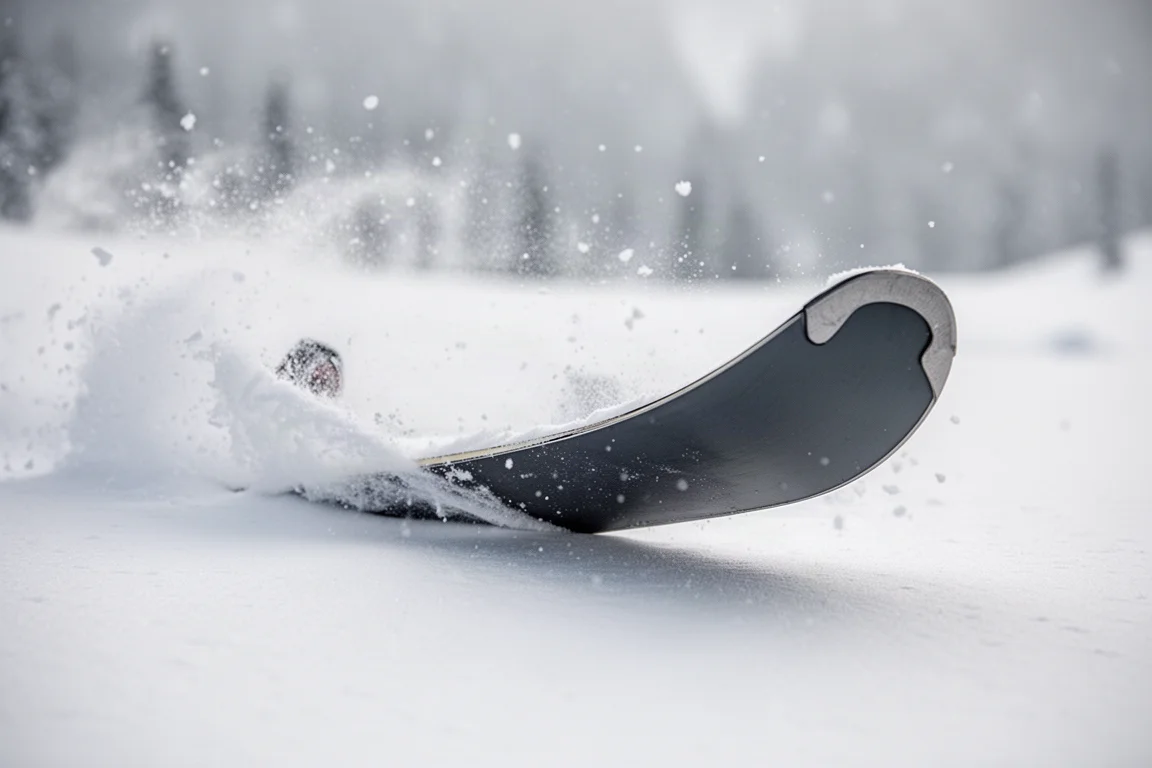
All of this adds up to a ski that flatters commitment. The more speed and confidence you bring into a line, the more the Bent 120 gives back, and that feedback loop is a large part of why it is so much fun in fresh snow.
How It Handles Groomed Runs and Tracked-Out Snow
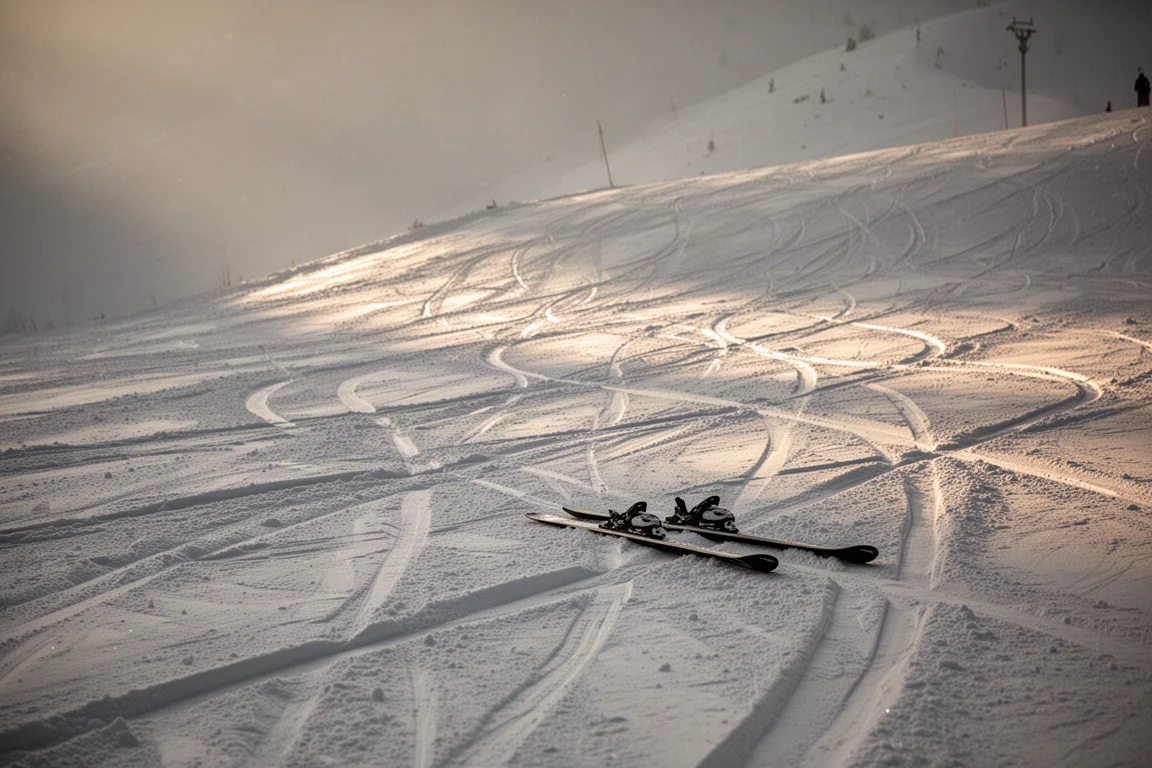
Groomed run performance is minimal. You can feather a large, open-radius turn on a groomer, but there is no real turn shape to work with, and the ski makes it clear it would rather be somewhere else. If your day includes groomed runs at all, this is not the ski to bring.
Tracked-out snow is the harder limitation. Once a slope has been skied off into choppy, cut-up snow, the Bent 120 needs momentum and open lines to stay comfortable. It is maneuverable for its width, but it cannot be threaded through other people’s tracks in short, choppy turns. On those days it feels like a lot of ski, and the effort shows up quickly in your legs.
Things to Consider Before Buying
The most important consideration is your legs. This is a lot of ski, and it asks for a strong, athletic skier. In deep, fresh snow it can actually be less tiring than narrower skis, because you are not fighting to stay on top of the snow all day. In heavier snow, or on a marginal day when you are hopping turns between glades, fatigue builds in the knees and especially in the hamstrings.
Length matters too. The 192 cm is a big platform, and it suits a strong rider who wants maximum float. There is no reason to force yourself onto the longest size if a shorter one matches your weight and skiing style better.
Finally, be honest about how you ski powder. The Bent 120 gives its best to skiers who are already comfortable carrying speed and committing to aggressive lines. If you are newer to powder, or if you still prefer to wander without much momentum, most of what makes this ski special will pass you by. A skier with a troublesome knee may also want to look at something friendlier on the body.
Mounting Point and Length Considerations
The recommended mounting point is not the only option. Moving the binding roughly one click, or about half a centimeter, behind the baseline mark improved maneuverability without giving up meaningful float, and that position suits tighter terrain and gladed runs where line of sight is limited.
The baseline position, by contrast, favors float at the expense of maneuverability. On a ski this long and this wide, that trade is rarely worth it. A ski this size already floats well, so a slightly rearward mount costs almost nothing and buys back agility in the trees.
Buying Advice: Price, Value, and Who Should Skip It
At around $850 retail, the Bent 120 is a serious purchase, though sale prices in the $400 to $500 range do appear. Judged as a dedicated powder ski, the value is strong. It delivers most of what far more expensive wide skis offer at roughly half the price of a DPS model.
The DPS Kaizen 112 is the more forgiving alternative. It feels more ergonomic and easier on the legs, at a higher price. The Bent 110 is the more maneuverable option within the same family. Neither matches the Bent 120 for outright float and stability in deep snow.
Buy this ski if you are an aggressive powder skier who will get real use out of it and who wants a wide platform that will not let you submarine. Skip it if you are an intermediate or advanced skier who mostly wants an easy-going wider ski, if you have knee trouble, or if you would only be buying it for the few days a season when the snow is deep enough.
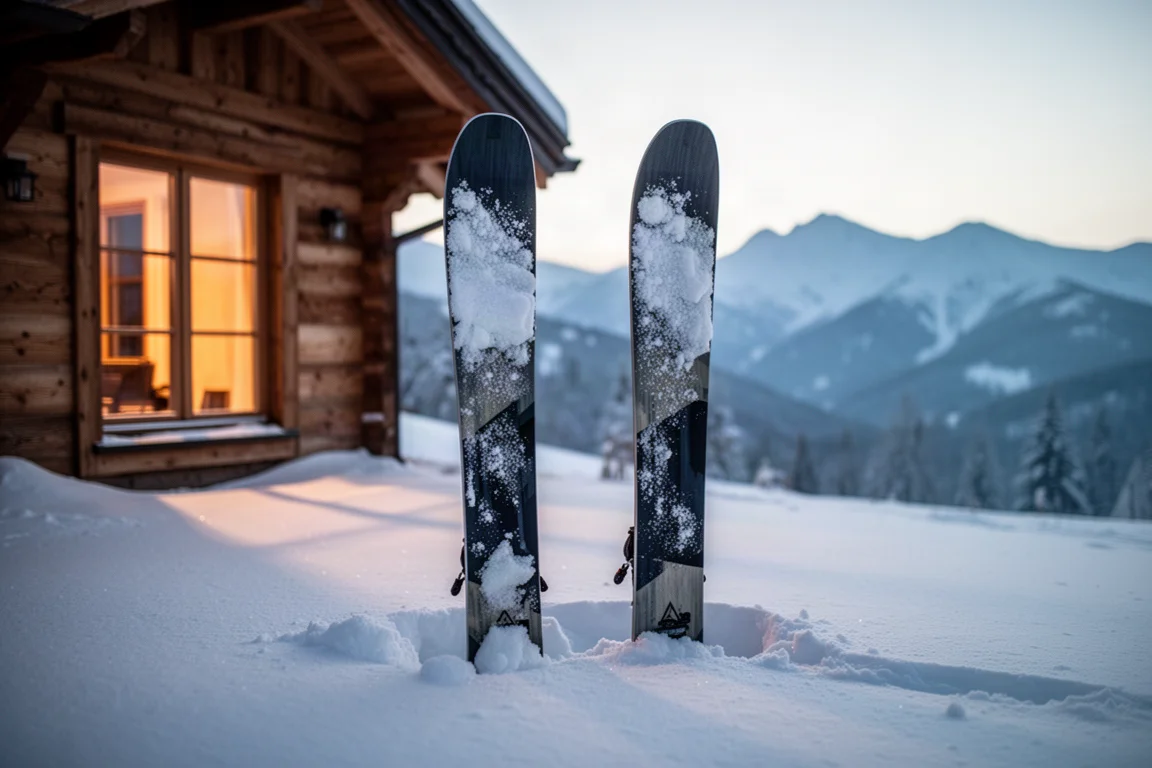
One practical note: depending on where you live, a 120 mm ski might only see around ten days a year. That does not make it a bad purchase, but it does make it a quiver ski rather than a one-ski answer.
Conclusion
The Atomic Bent 120 does one job exceptionally well and is honest about everything it gives up to get there. For deep, untracked powder and aggressive lines, it is stable, maneuverable for its width, and remarkably free of the usual wide-ski compromises. Verdict: 9.2 out of 10 as a dedicated powder ski.
That score comes with a clear condition. This ski is overkill for most skiers, and its strengths only appear when you ski powder hard and often. If that describes your season, the Bent 120 is a phenomenal option. If it does not, the Bent 110 or a more forgiving wide ski will serve you better.
Product link
View more details for Atomic Bent 120
This product is mentioned in the review. Check the specifications, options, and compatibility before buying.
View more details for Atomic Bent 120Further reading
Related Reviews
Powder Skis
Armada ARV 112 Review: A Well-Rounded Powder Ski for Most Days
A 112 mm twin-tip that keeps Armada's soft-snow character while adding the stability to stay fun in chop, crud and leftover snow.
Powder Skis
Best Powder Skis 2026: Five Standout Models for Deep Snow
A practical look at five high-performance powder skis, from approachable twin tips to directional chargers, based on real-world testing.
Powder Skis
Black Crows Nocta Review: A True Powder Ski With a Shorter Turn Radius
A close look at the 2024 Black Crows Nocta, a 122 mm powder ski built around early taper, deep rocker, and a 19 meter turn radius.