Powder Skis
Head Kore 105 Review: A Very Light Powder Ski for Riders New to Off-Piste
The Head Kore 105 is remarkably light for a 105 mm powder ski. Here is how it floats, where it struggles, and which skiers it suits best.
Introduction
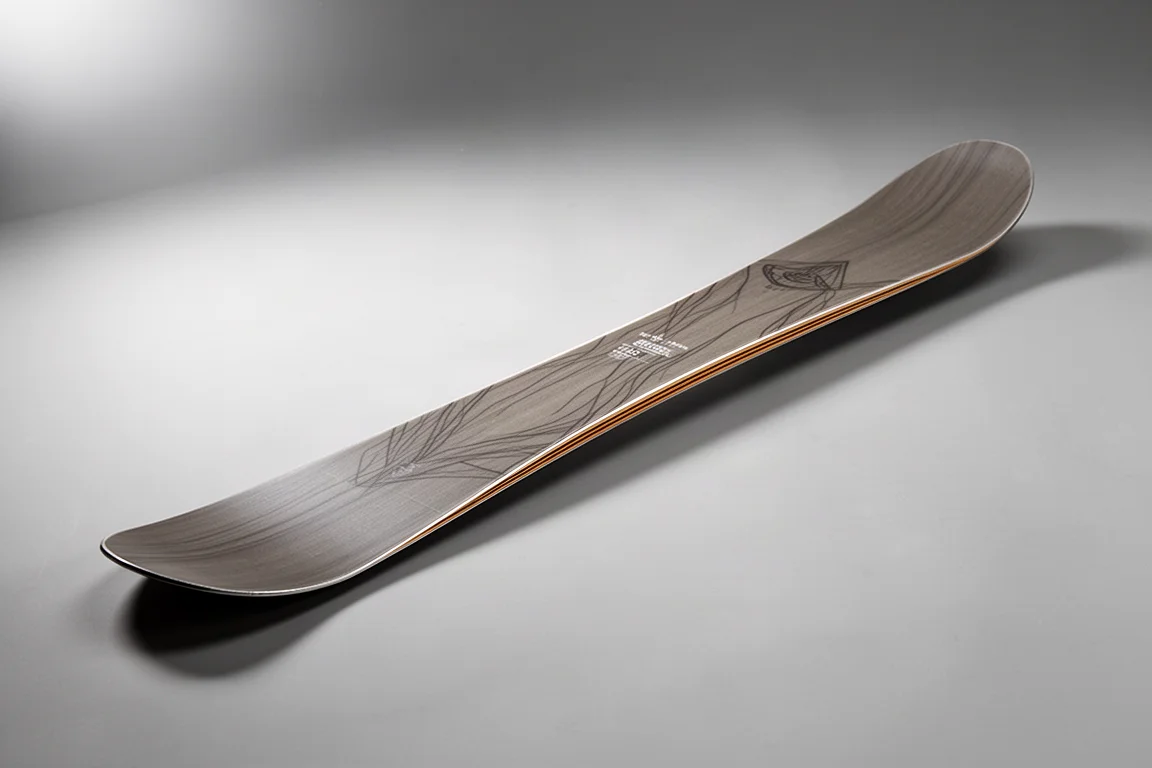
The Head Kore 105 is a powder-oriented ski with a 105 mm waist and a construction built around saving weight. Two sheets of carbon run through a poplar and karuba wood core, and the finished ski comes in at roughly 1,850 g, which is unusually light for its width and length.
Head markets it as an all-mountain ski. In practice its character points clearly at soft snow: a gradual, progressive rocker in the tip, a more moderate amount of rocker in the tail, and a turn radius of 17.8 m at the 184 cm length. It floats well, moves easily, and asks very little of the person riding it.
That combination makes the Kore 105 a strong match for one kind of skier and a weaker match for another. This review covers where it performs, where it falls short, and how to judge whether it fits the way you ski.
Who This Ski Is For
The Kore 105 makes the most sense for skiers who are new to powder or hesitant about going off trail. The light build is forgiving: it redirects easily, it is simple to make quick turns on, and if you end up in tight brush or a poorly chosen line, it is easy to traverse back out. Competent skiers who are just beginning to explore off-piste terrain will find it a gentle introduction rather than a demanding one.
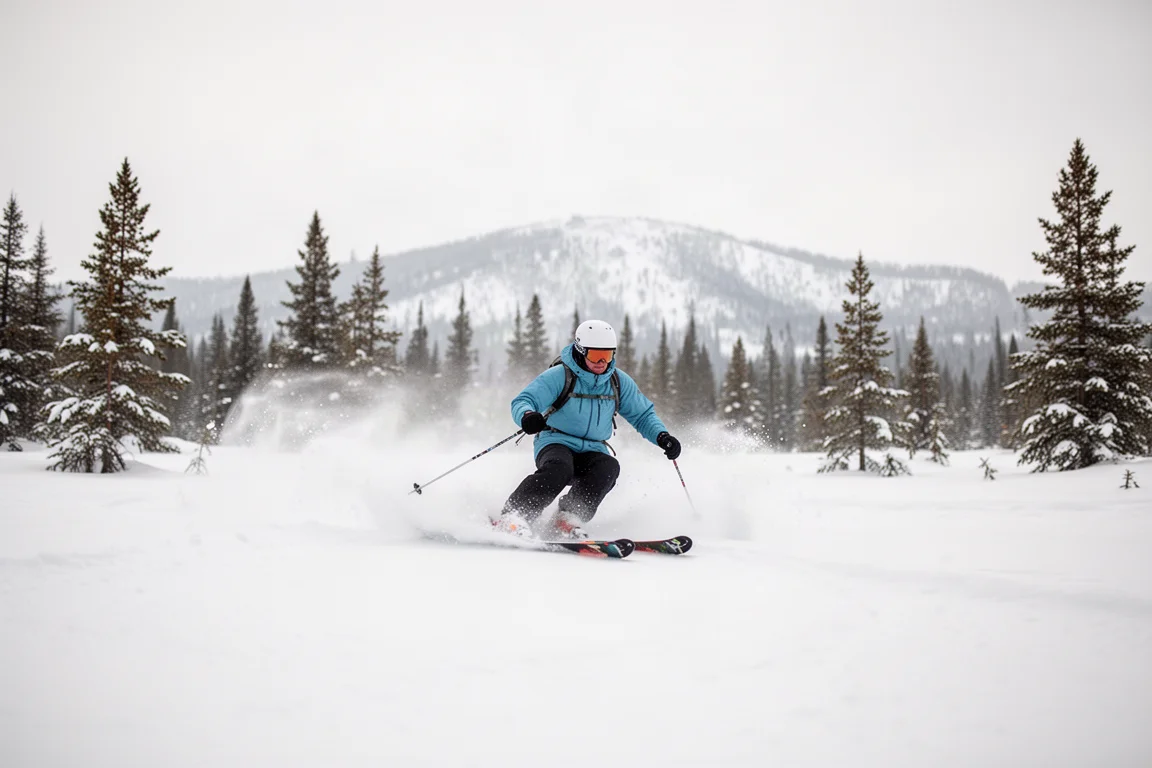
It is not a one-ski quiver. Anyone whose season is mostly groomed runs, hardpack, or cut-up crud will find it underbuilt for that work. Treat it as a powder ski that can carve a little on the way back to the lift.
Construction and Specifications
The numbers explain a lot of the ride. At 105 mm underfoot and roughly 1,850 g, the Kore 105 carries noticeably less mass than most skis in its width class. The core combines poplar and karuba wood, and two sheets of carbon are used to keep the ski stiff enough underfoot without adding weight back in.
The profile is conventional for the category: a gradual, relatively normal rocker entry in the tip and a fairly common amount of rocker in the tail, with camber underfoot. The 184 cm length produces a 17.8 m turning radius, which is a middle-of-the-road figure for a ski this wide and keeps it approachable rather than demanding.
What stands out most is simply how light the ski feels for its dimensions. Width and length usually come with a weight penalty, and this design avoids most of it.
Main Strengths
Flotation is the first thing you notice. For a ski this light, the Kore 105 holds up well in soft snow, and the powder turn itself feels smooth and predictable. Just as importantly, the stance is forgiving: you can stand in the middle of the ski and let it turn like a normal ski, without sitting back or forcing yourself forward to keep the tips up.
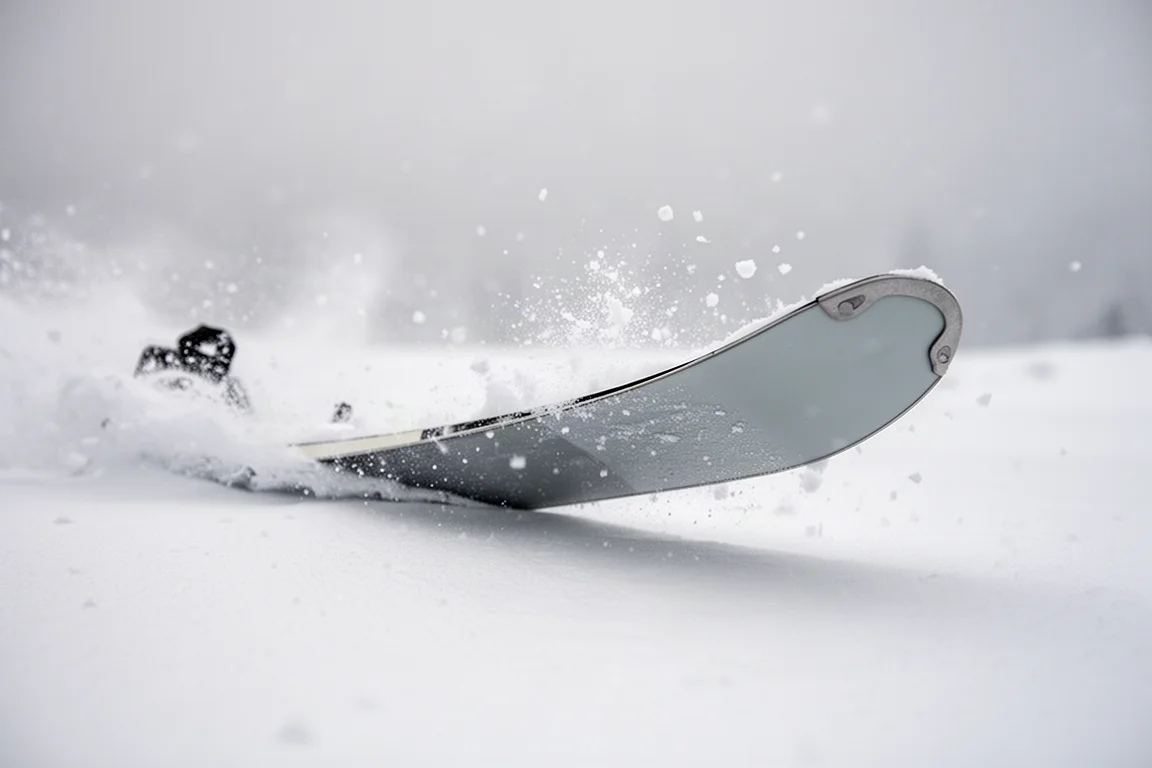
Tree skiing is another clear strength. The ski makes quick, responsive turns when you need to thread a line between trunks, which matters more every season as that is where the good snow tends to hide. Between powder laps, it also feels like a solid platform underfoot: stable, not wobbly, and not prone to folding or bottoming out, which is not always true of light skis.
The carbon layup deserves credit here. It keeps the weight low while preserving enough stability that the ski never feels noodly. That balance is the most impressive part of the design.
Where the Kore 105 Falls Short
The trade-off for that low weight is balance. The ski is easy to push slightly too far forward, and when that happens the tips can catch, particularly in heavier or stickier snow rather than perfect cold powder. In denser conditions the ski gets hung up more readily, and the balance point can feel less intuitive than it does on a heavier powder ski.
Light skis also do not carry momentum the way heavier ones do. The Kore 105 reaches a ceiling in how much speed it can hold through off-piste snow, which limits how aggressively you can set up a line. Riders who like to build speed and commit to bigger, faster turns will notice the ceiling quickly.
Finally, the ski is balanced toward the centre and rewards a traditional turn. There is not much of a platform to lean back on, so sliding out turns from the tails, the more surf-like style some riders prefer, is not where this ski excels. It is not a flaw so much as a design choice, but it is worth knowing before you buy.
Turn Style and Mounting Position
The Kore 105 wants a centred, traditional turn. Stand in the middle, let the ski arc, and it behaves predictably. Push your weight back to surf a turn out and there is simply less ski there to support you.
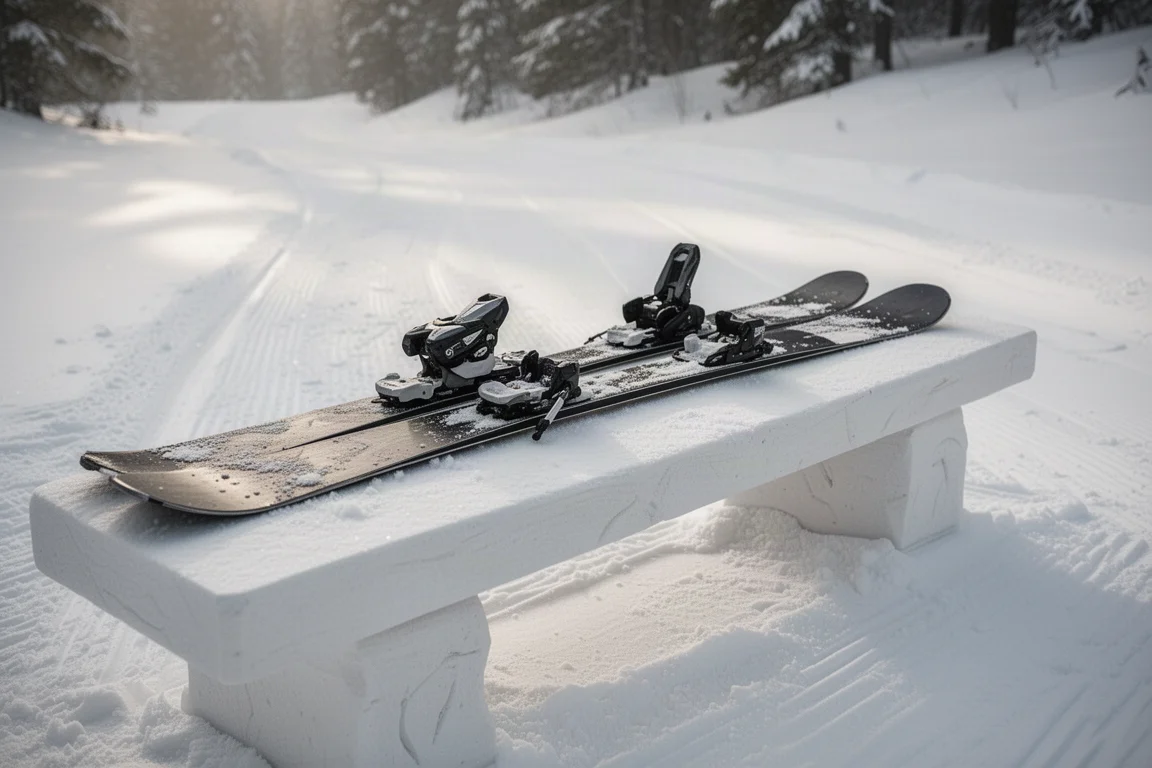
Moving the binding mount further back is sometimes raised as a way to change that feel. It is unlikely to shift the underlying character of the ski, since the centred balance appears to be intentional rather than accidental. If sitting back and surfing is central to how you like to ski powder, a different model is the more practical answer than a mount adjustment.
Things to Consider Before Buying
Conditions matter more than almost anything else with this ski. In fresh, light powder it is at its best: forgiving, manoeuvrable, and easy to keep afloat. In heavier, denser snow the tip-catching tendency shows up, and momentum is harder to hold.
On hardpack and cut-up crud it feels pingy and chattery and does not carve especially well, which is a real limitation if your mountain sees long stretches between storms. It also rewards terrain that suits quick, tight turns. Wide open faces where you want to build and carry speed are less of a fit, because the light build limits how much momentum you can sustain.
One upside worth noting: the very low weight and the 105 mm waist make it a plausible candidate for a touring setup as well, so riders who split their time between lift-served powder and short climbs may find extra value here. Bindings, boots, and mounting choices are all personal decisions, so factor those into your budget alongside the ski itself.
Buying Advice
If you are new to powder, or you want a light and forgiving ski that makes off-piste terrain feel manageable, the Kore 105 is an easy recommendation. It is stable enough underfoot to feel trustworthy, quick enough for the trees, and light enough to consider for touring. It does not demand a change in technique, which is exactly why it works so well as a first powder ski.
If instead you want a ski that sends, holds speed, and lets you ride the tails and surf out turns, this is probably not the one. Heavier powder skis carry momentum better and offer more platform behind the binding, and that difference is felt on every run. Match the ski to the snow you actually ski and the style you actually enjoy, and either choice will be the right one.
Conclusion
The Head Kore 105 is an impressive piece of design. Building a 105 mm ski at roughly 1,850 g without making it feel unstable underfoot is a genuine achievement, and the payoff is a forgiving, manoeuvrable powder ski that flatters riders who are still finding their feet off trail.
Its limits are just as clear. Tips can catch in heavier snow, momentum tops out early, and the centred balance rules out the tail-riding, surf-style turn some riders love. For a first powder ski, or a light option you might also tour on, it is a confident pick. For aggressive, momentum-driven powder skiing, look at heavier alternatives.
Product link
View more details for Head Kore 105
This product is mentioned in the review. Check the specifications, options, and compatibility before buying.
View more details for Head Kore 105Further reading
Related Reviews
Powder Skis
Armada ARV 112 Review: A Well-Rounded Powder Ski for Most Days
A 112 mm twin-tip that keeps Armada's soft-snow character while adding the stability to stay fun in chop, crud and leftover snow.
Powder Skis
Atomic Bent 120 Review: A Dedicated Powder Ski Built for First Tracks
A wide, stable powder ski that rewards aggressive skiing in deep snow, with real trade-offs on groomers, chopped snow, and tired legs.
Powder Skis
Best Powder Skis 2026: Five Standout Models for Deep Snow
A practical look at five high-performance powder skis, from approachable twin tips to directional chargers, based on real-world testing.