All-Mountain Skis
Head Kore 100 TI Review: A Smooth, Versatile All-Mountain Ski
The Head Kore 100 TI pairs a karuba and beech core with graphene and Titanal damping for a quiet, predictable ride across groomers, bumps, trees, and soft snow.
Introduction
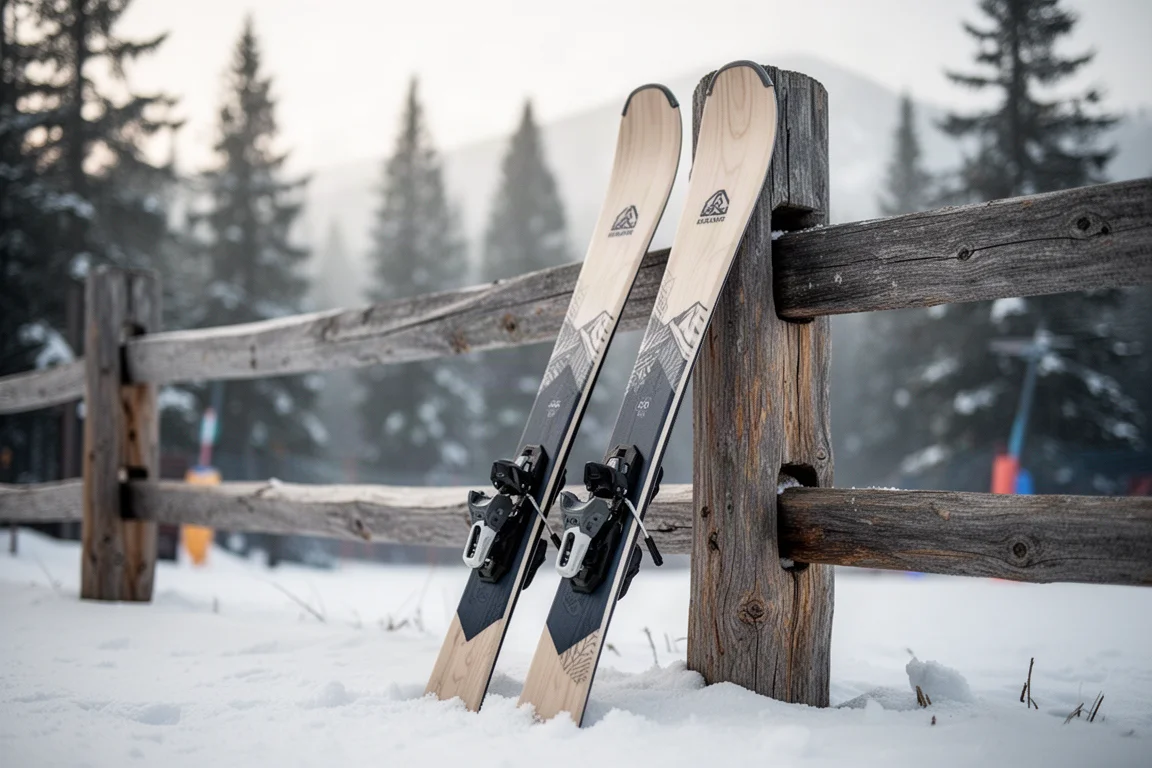
The Head Kore 100 TI is an all-mountain ski built around a straightforward idea: take the damping and stability usually associated with heavier metal skis and pair it with the agility normally found in lighter builds. For the new season it returns structurally unchanged, with a fresh graphic update rather than any change to its shape, core, or flex pattern.
That continuity matters if you have been considering this ski. The 100 mm waist and a 177 cm length place it in the middle of the all-mountain category, a width that can float in soft snow without feeling sluggish once the surface firms up.
Who This Ski Is For
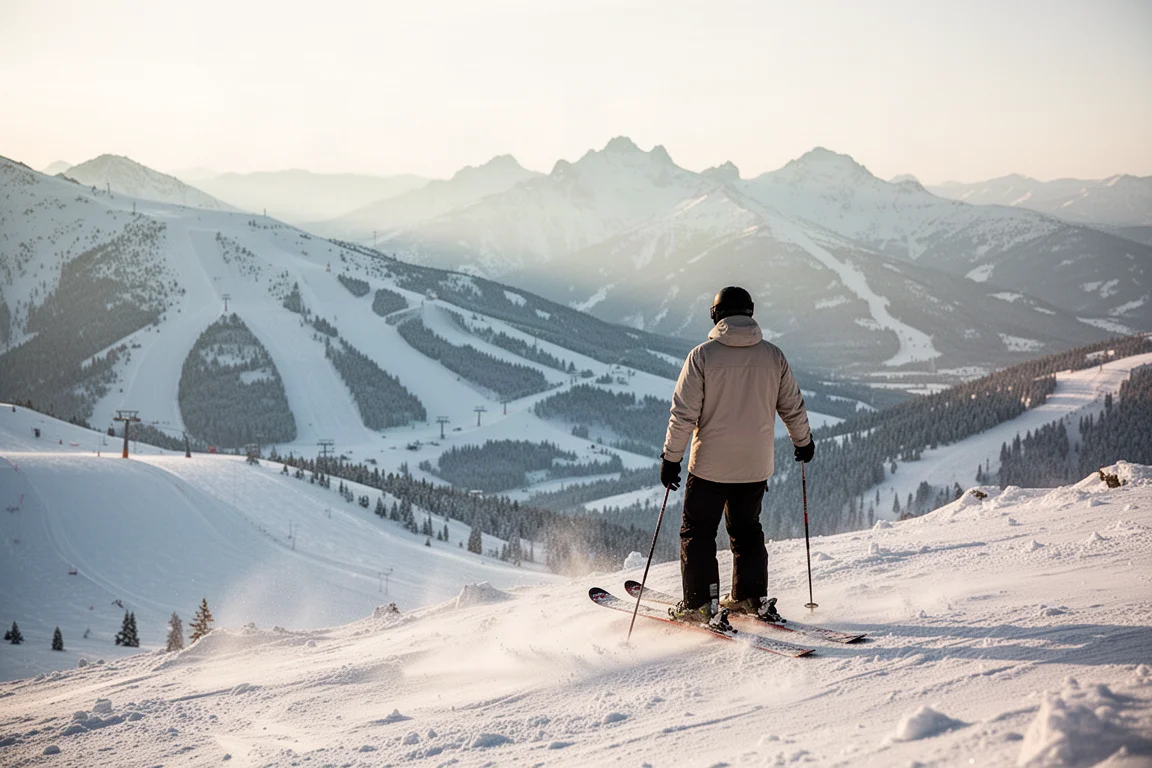
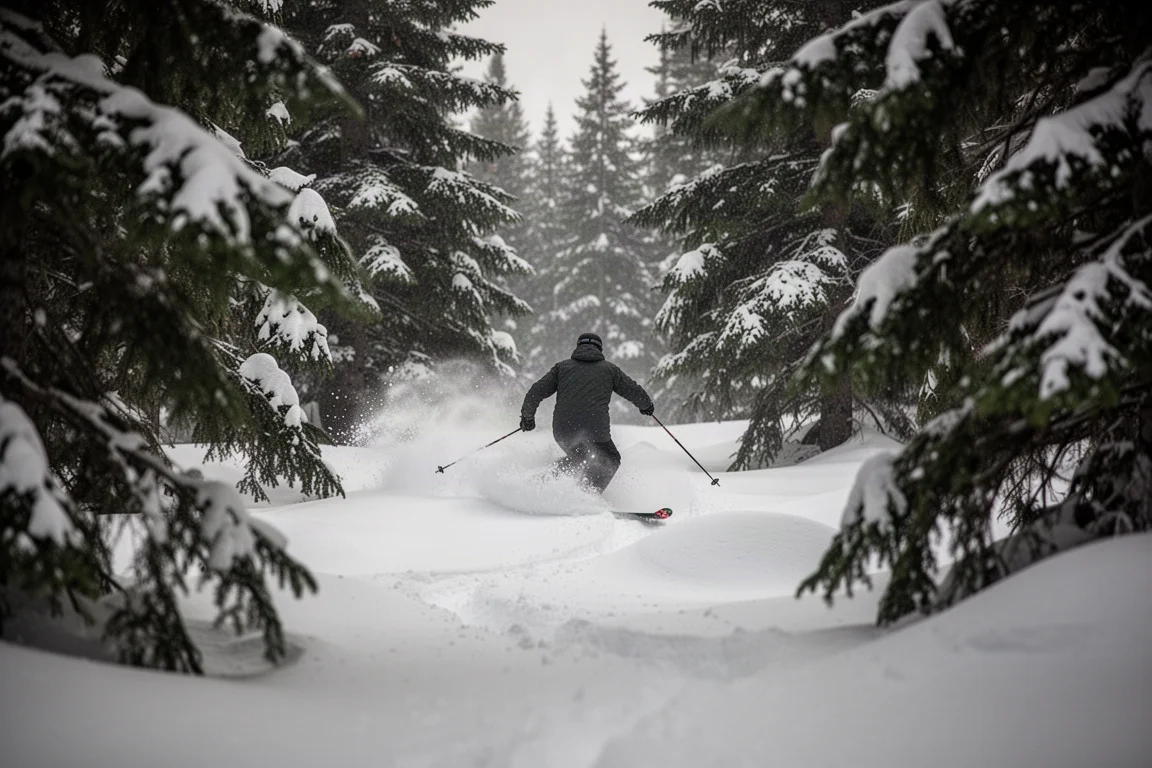
This is a ski for people who want one pair to cover most of a season. It floats in soft snow, stays maneuverable in bumps and trees, holds steady on firm surfaces, and carves well enough that groomed runs remain genuinely enjoyable rather than something to endure between storms.
It suits skiers who move between groomed terrain and off-piste terrain on the same day and would rather not think about which ski is on their feet. Because the flex is stout rather than soft, it tends to reward riders who ski with some intent, while the softer tip keeps turn initiation forgiving in more variable snow.
If your season is built almost entirely around deep powder days or around hard, injected race courses, this is not the specialist for you. Its value comes from breadth.
Main Strengths
The appeal here is balance rather than a single standout number, and that balance shows up in a few distinct ways.
Smooth, Damped Ride Quality
Graphene sheets and two Titanal laminates work together to manage vibration. The result is a ski that feels supremely smooth and quiet underfoot, with unwanted chatter dissipating instead of travelling up through the chassis. On firm, fast snow this is the trait most riders notice first, and it is consistent across the Kore range.
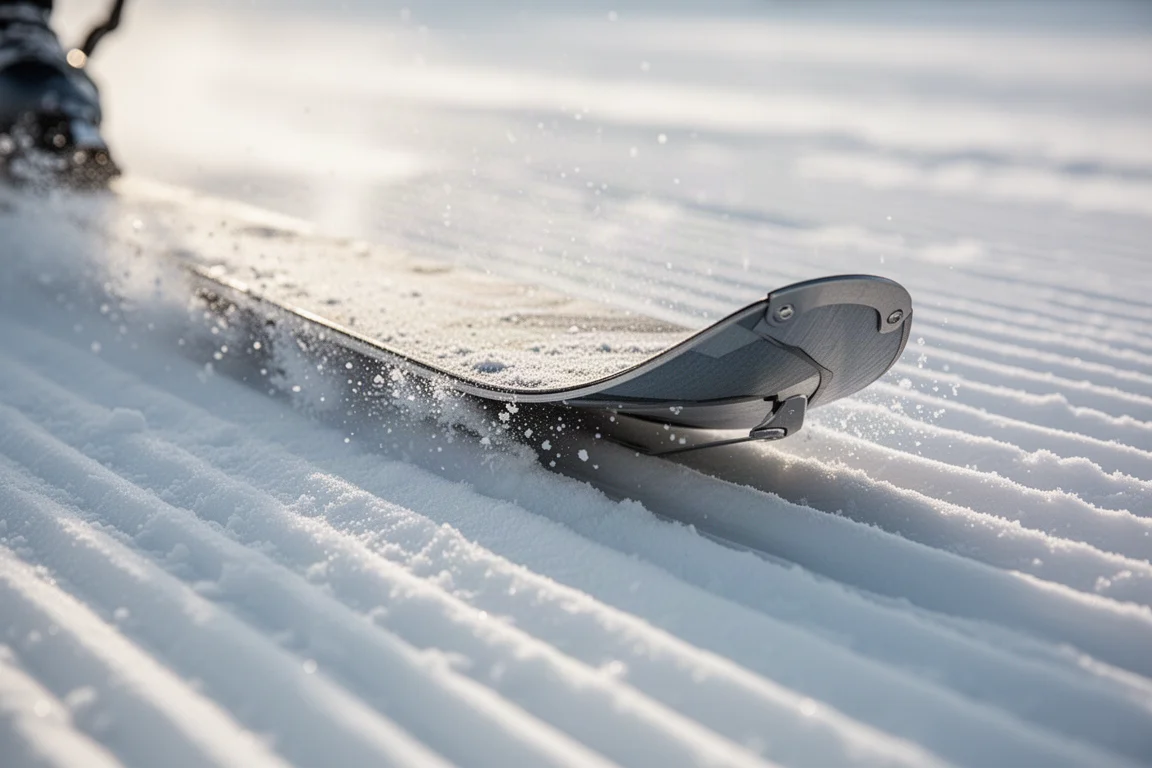
That damping is what allows the ski to stay calm when the surface gets hard and edge grip matters most. It also means the ski feels predictable from the first turn of the day rather than needing a warm-up period.
Soft Snow Float and Carving Grip
The tip carries a little less taper than the wider Kore models, which gives it a more supportive, slightly more spooned shape. That shape helps with turn initiation and keeps the ski tracking cleanly through a carved turn, pulling across the fall line with purpose rather than drifting.
The tail follows a similar logic. It is a touch wider and less tapered than the wider Kore models, which adds grip and effective edge through the finish of a turn. Right at the back, a generous amount of taper returns, and that is what helps the tail release in soft snow, in trees, and in moguls.
Construction, Flex, and Rocker Profile
The core combines karuba and beech. Karuba is light and not especially dense, while beech is dense and stiff and is commonly found in race skis. Together they give the ski a degree of forgiveness alongside real backbone and power.
Flex is stout. It is not an extremely stiff ski, but it is certainly not soft. The extremities, particularly the tip, are softer to help with turn initiation and forgiveness in off-piste conditions, while the section underfoot and the tail are noticeably stiff, which provides strong support and a clean finish to the turn.
The rocker profile supports that balance. There is a decent amount of tip rocker without going to an extreme, and the sweep upward is consistent, which combines flotation with reliable turn initiation. The tail uses a long, low rocker that starts well back, and there is a good amount of camber underfoot. That camber matters because so many elements of the build are dedicated to damping, and the camber brings some energy back into the ski.
Weight sits mid-pack for the category. There are heavier skis and lighter skis in this width, but the design takes the damping and smoothness associated with heavier builds and pairs it with the agility usually associated with lighter ones.
Things to Consider Before Buying
- Stout flex. This is not a soft ski, so lighter or less aggressive skiers may find it asks for more input than they want to give.
- Smoothness over energy. The construction prioritizes a quiet, damp feel, which is a different character from the more energy-focused carbon builds that came before it in this line.
- A 100 mm waist is a compromise. It handles soft snow well and carves strongly, but it is not a dedicated powder ski and not a narrow hard-snow carving ski.
- Weight sits in the middle. It is not the lightest option in this width, so anyone counting grams should look at other builds.
Buying Advice
Buy this ski if you want a single pair that handles groomers, bumps, trees, and soft snow without drama, and if you value a quiet, damp ride over a lively, energetic one. Its predictable character and strong edge grip make it a comfortable choice for skiers who like to ski with intent across a range of terrain.
Length choice matters more than usual here because of the stout flex. The 177 cm version pairs the 100 mm waist with a weight that sits mid-pack for the category, so riders at the lighter end of the range may prefer to size down, while heavier or faster skiers can stay on a longer length without losing the ski’s maneuverability.
It is also worth thinking about how much of your season happens on firm snow versus soft snow. This ski leans toward a balance between the two, which is exactly why it works as a one-ski quiver for a lot of people, but it will not replace a dedicated powder board or a dedicated carving ski.
Conclusion
The Head Kore 100 TI earns its reputation on versatility and composure. A karuba and beech core, graphene and Titanal damping, and a well-judged rocker profile add up to a ski that is smooth and quiet on firm snow, maneuverable in bumps and trees, and genuinely fun to carve. It returns structurally unchanged with a new graphic, so the character riders liked is still there. If you want one all-mountain ski that can handle nearly everything you throw at it, this is a strong candidate.
Product link
View more details for Head Kore 100 TI
This product is mentioned in the review. Check the specifications, options, and compatibility before buying.
View more details for Head Kore 100 TIFurther reading
Related Reviews
All-Mountain Skis
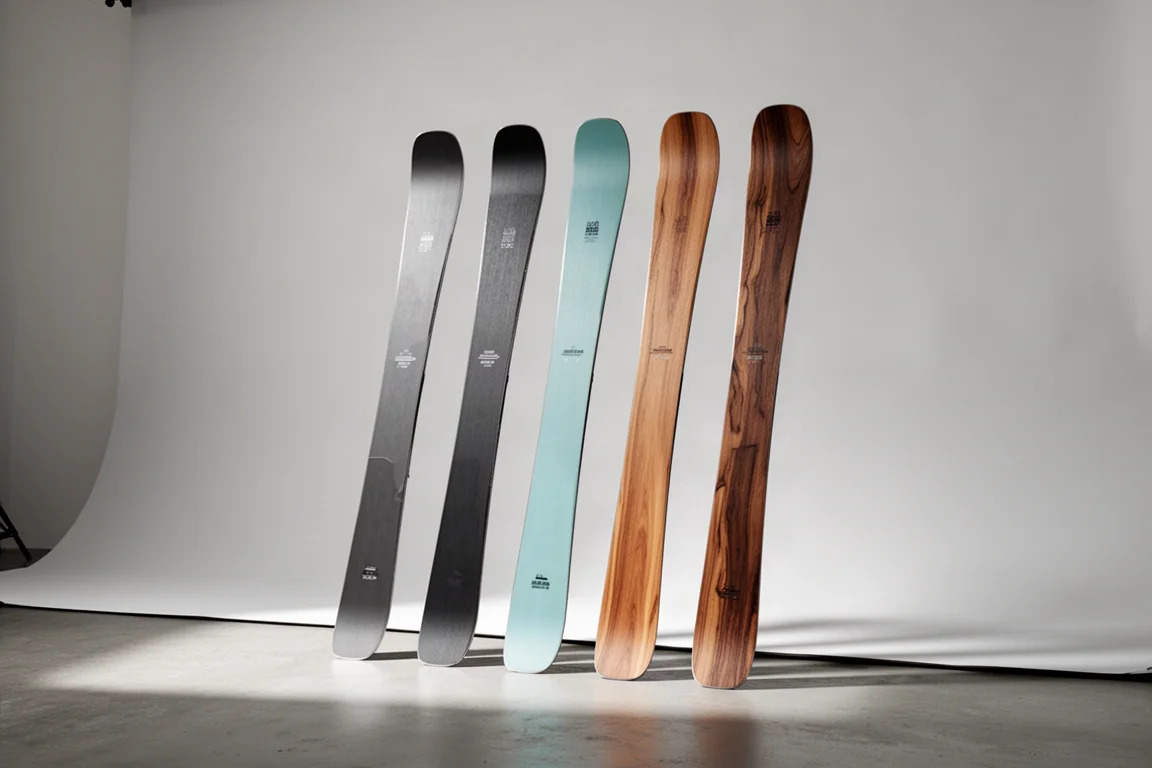
100mm All-Mountain Skis Compared: 23 Versatile Models Worth Knowing
A practical walkthrough of 23 all-mountain skis around 100mm underfoot, covering weight, rocker, metal construction, and the rider each model suits best.
All-Mountain Skis
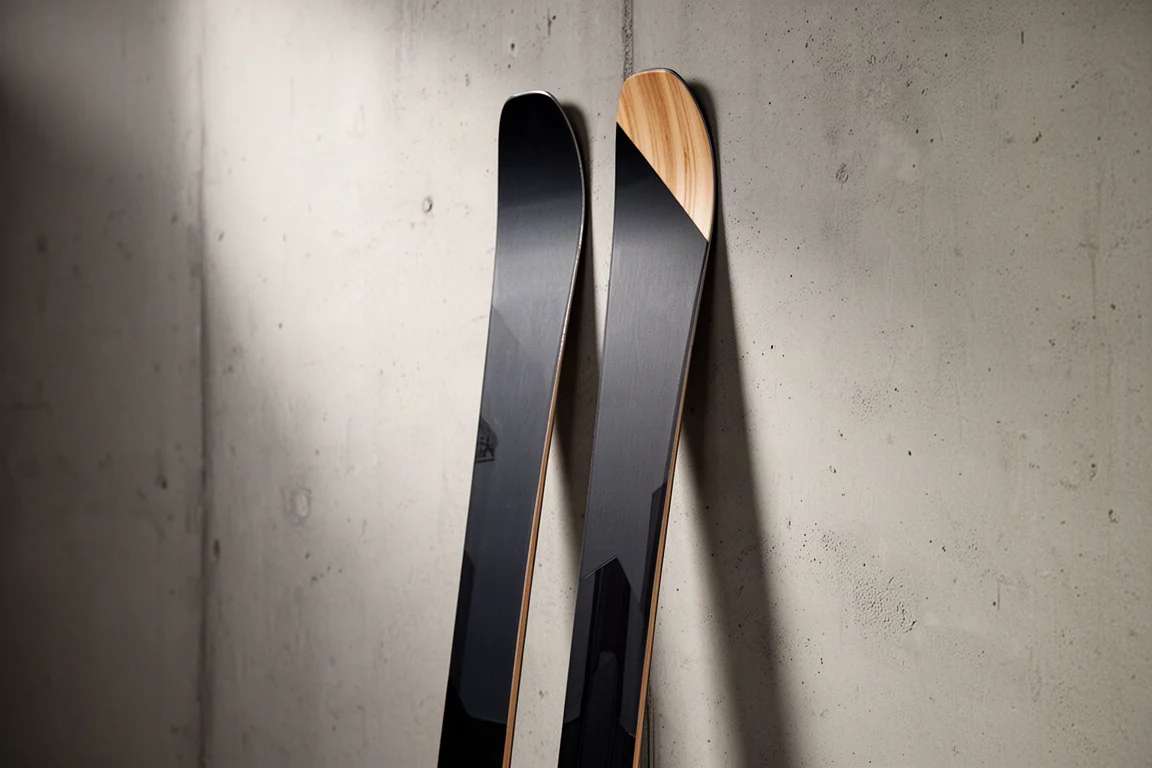
2026 Black Crows Camox Review: A More Stable, More Versatile All-Mountain Twin Tip
The 2026 Black Crows Camox adds an ash layer underfoot, wider tips and tails, and a revised rocker profile. Here is what those changes mean on snow.
All-Mountain Skis
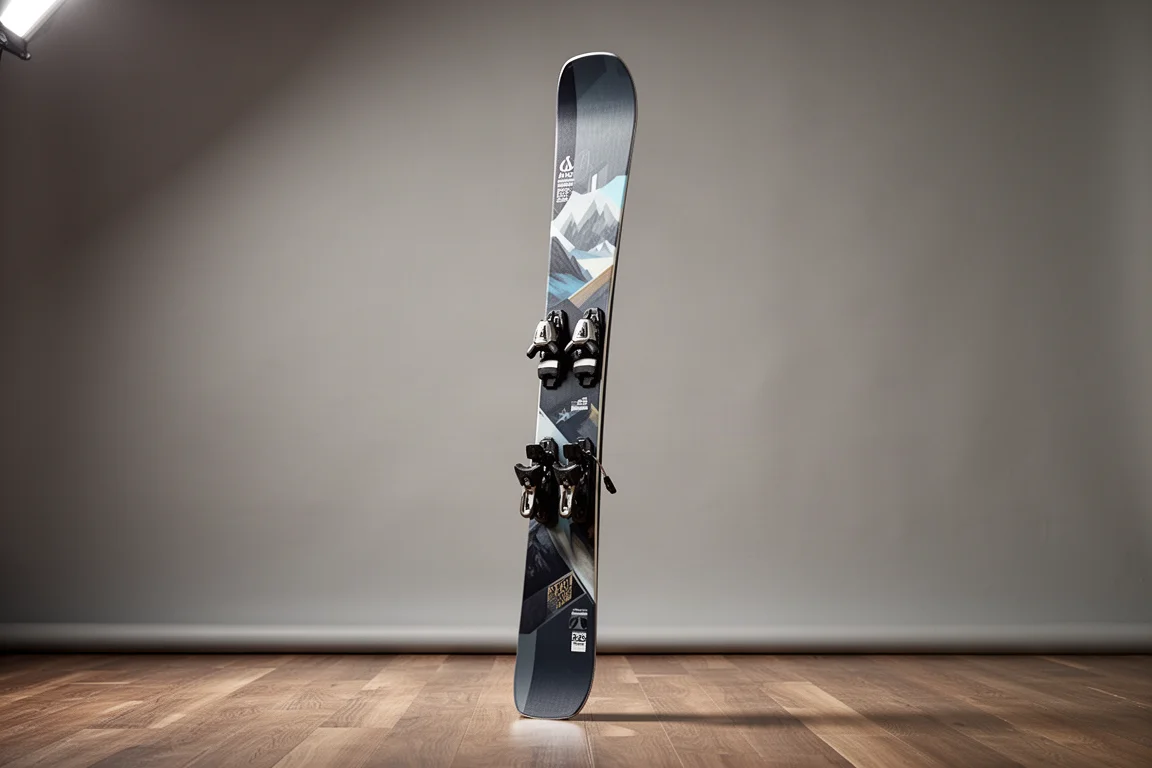
Armada Antimatter 88 Review: A Light, Lively All-Mountain Ski That Rewards Any Style
The Antimatter 88 pairs a poplar core with carbon stringers for a surprisingly energetic ride that suits intermediates and experts alike.