All-Mountain Skis
Head Discovery Sport 82 Review: An Encouraging Narrow All-Mountain Ski for Progressing Carvers
A close look at the Head Discovery Sport 82, a new 82 mm all-mountain ski built to help progressing skiers sharpen their carving while staying versatile across the mountain.
Introduction
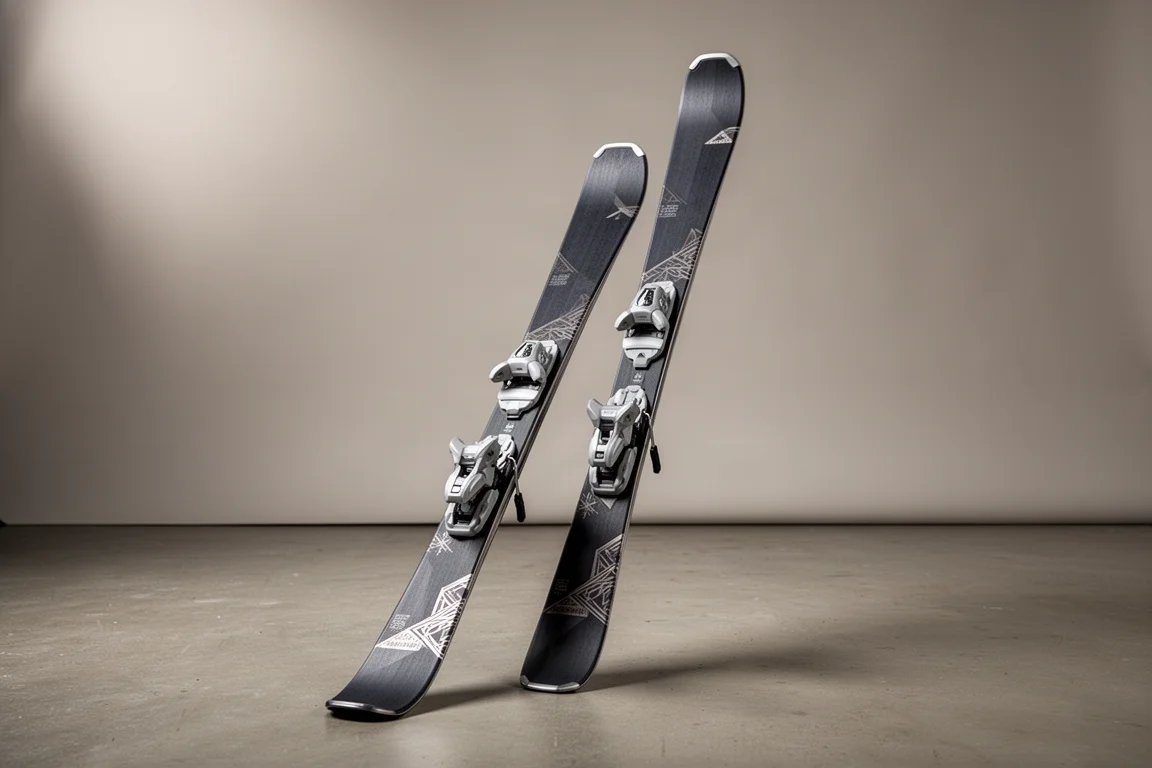
The Head Discovery Sport 82 is a new narrow all-mountain ski from Head, built for skiers who want to sharpen their carving without being locked into a groomer-only tool. At 82 mm underfoot, it sits in a width that keeps edge-to-edge transitions quick, and Head has given it a construction that rewards input rather than resisting it.
That combination matters. Plenty of skis in this width class are either too demanding for someone still building technique or too soft to give meaningful feedback. The Discovery Sport 82 aims for the middle: an encouraging platform that responds clearly when a turn is executed well.
This review covers who the ski suits, how the construction behaves on snow, where it stands out, and what is worth weighing before buying.
Who the Head Discovery Sport 82 Is For
This is a ski for the progressing skier. If you are working on carving technique and want a ski that tells you when you are doing things right, the Discovery Sport 82 is built around exactly that idea. It is narrow enough to feel precise, soft enough to bend without a huge amount of force, and versatile enough to handle more than just groomed runs.
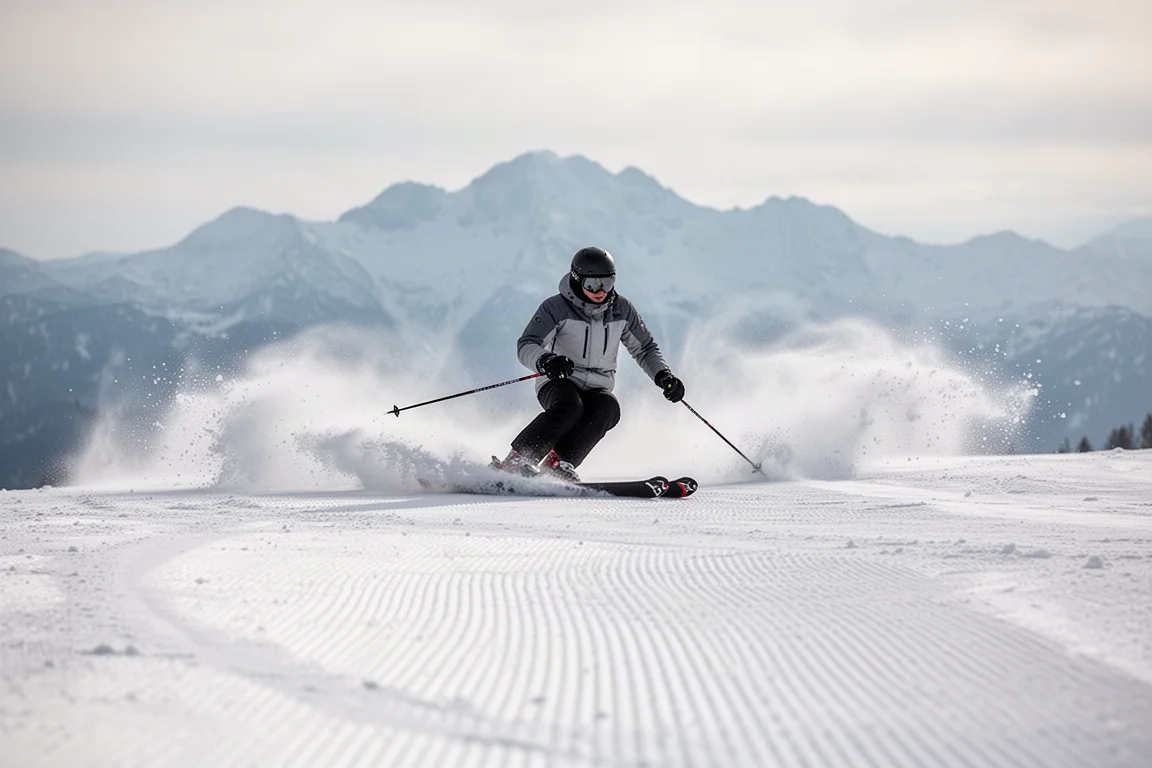
It is also a sensible choice for skiers who spend most of their time on piste but want one ski that can follow them into softer snow, chopped-up conditions, and mixed terrain. The 82 mm waist keeps it manageable in variable snow without turning it into a dedicated powder tool.
It is a less natural fit for expert skiers chasing a stiff, high-speed charger, and for anyone who wants a pure frontside carving ski with a much narrower waist.
Construction and Flex
The build starts with a simple wood core, paired with fiberglass, graphene, and Head’s new auxiliary technology. That last element is a metal laminate on the inside of the ski, milled into a pattern and then encased in a dampening layer. As the ski flexes, the milled pattern compresses and the ski gets progressively stiffer, loading up energy as it goes.
The payoff arrives at the end of the turn. Because the ski builds energy through the arc, it releases that energy as you come out, which gives a strong and readable sense of feedback. That is the heart of what makes this ski encouraging to learn on.
It is worth being precise about what the metal does and does not do. The design does not lean on the metal layer for vibration damping or torsional stiffness. The edge grip and power come from the wood core itself and the way the ski is assembled. The core is a fairly low density wood, yet the finished construction produces a surprising amount of torsional stiffness even though the ski is quite soft when flexed longitudinally.
Main Strengths
The most obvious strength is how much energy the ski holds. The auxiliary laminate and a healthy amount of camber underfoot combine to make the ski feel loaded through a turn and lively on exit. The more you push, the more the ski bends and responds, which makes cause and effect easy to read.
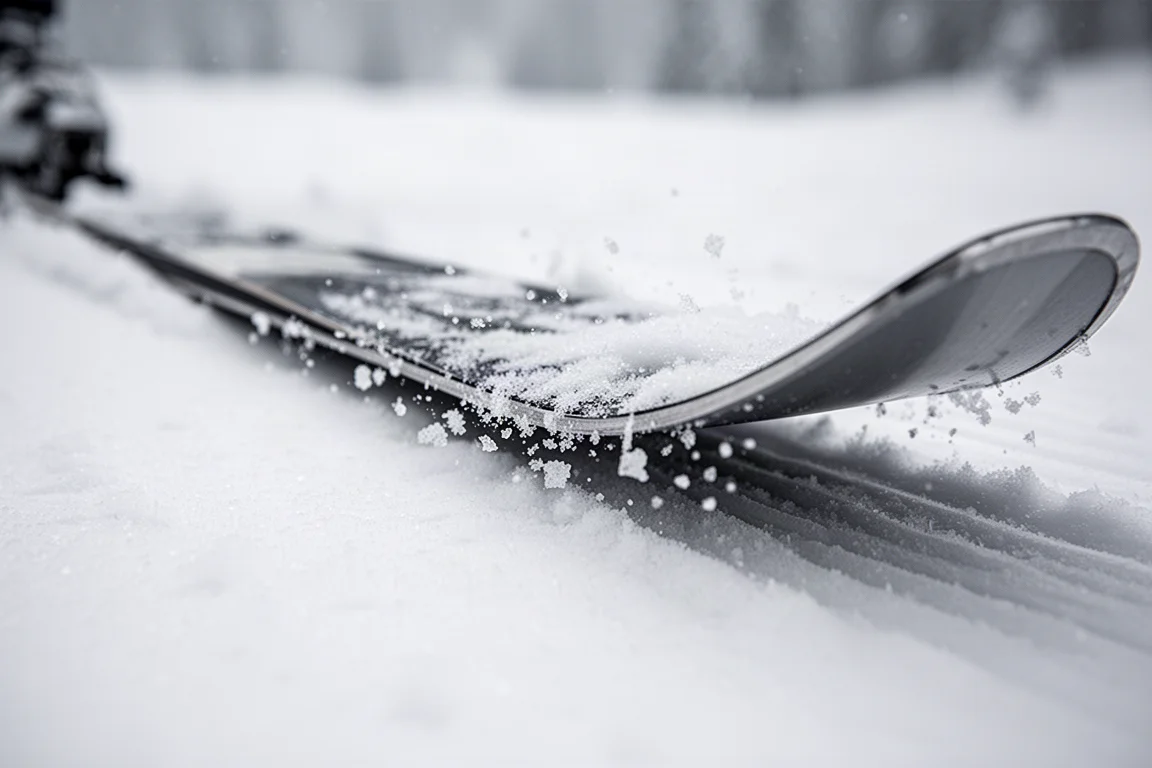
The soft longitudinal flex is a genuine asset here. There is a lot of suppleness in the tip, and that helps with turn initiation and carving generally. Turn shape is easy to manipulate, and the ski wants to come across the fall line quickly, which is exactly the behaviour a skier working on carving wants to feel.
Torsional stiffness is the other standout. Despite the soft flex profile, the ski holds an edge with more grip than its flex might suggest, and it delivers that grip without feeling punishing.
Things to Consider Before Buying
The flex is on the softer side, and that shapes what the ski does well. It is not built as a stiff, high-speed charger, so skiers who want a very firm platform for aggressive skiing at speed may prefer something more demanding.
The binding is worth noting as well. The Discovery Sport 82 comes with a Tyrolia PR 11. The Discovery Pro series uses the Protector PR 11 instead, so if that specific binding design matters to you, it is not the one fitted here.
Turn radius is another consideration. At 177 cm, the ski has a 15.8 m radius, which sits in a useful middle range. Longer turn shapes are certainly possible, but making them means skiing the ski a little flatter. Tighter turns than 15.8 m are achievable by building higher edge angles, helped along by that soft flex.
Turn Shape, Terrain, and Versatility
For an 82 mm ski, there is a good amount of rocker in the tip, and it is there for two reasons: easier turn initiation and more capability across a variety of snow conditions and terrain. Combined with the camber underfoot, the profile gives the ski an all-mountain brief rather than a pure carving one, even though carving is where it shines most.
The tip shape includes some taper, which improves maneuverability in soft snow. There is still enough width up front to generate a strong pull across the fall line in a carved turn. The more you lean the ski over, the more it wants to come across, and moving the taper further up the tip alongside a longer rocker profile supports that behaviour.
The tail carries very little rocker, and that is a deliberate plus. More grip back there translates into more feedback and energy, particularly in shorter swing turns.
Binding, Weight, and Setup Notes
In the 177 cm length with the binding mounted, the ski weighs 2,927 g. For a ski of this length with a binding attached, that is on the lighter side, which helps with quickness and reduces the effort needed to move the ski around.
The Tyrolia PR 11 is a straightforward system binding. It keeps the setup simple and matches the ski’s approachable character.
Buying Advice
If your goal is to become a better carver and you want a ski that makes progress feel obvious, the Discovery Sport 82 is a well-targeted option. The energy build and the clear feedback at the end of each turn are the reasons it works: you get a signal when your technique is on, and the ski responds proportionally to input rather than fighting you.
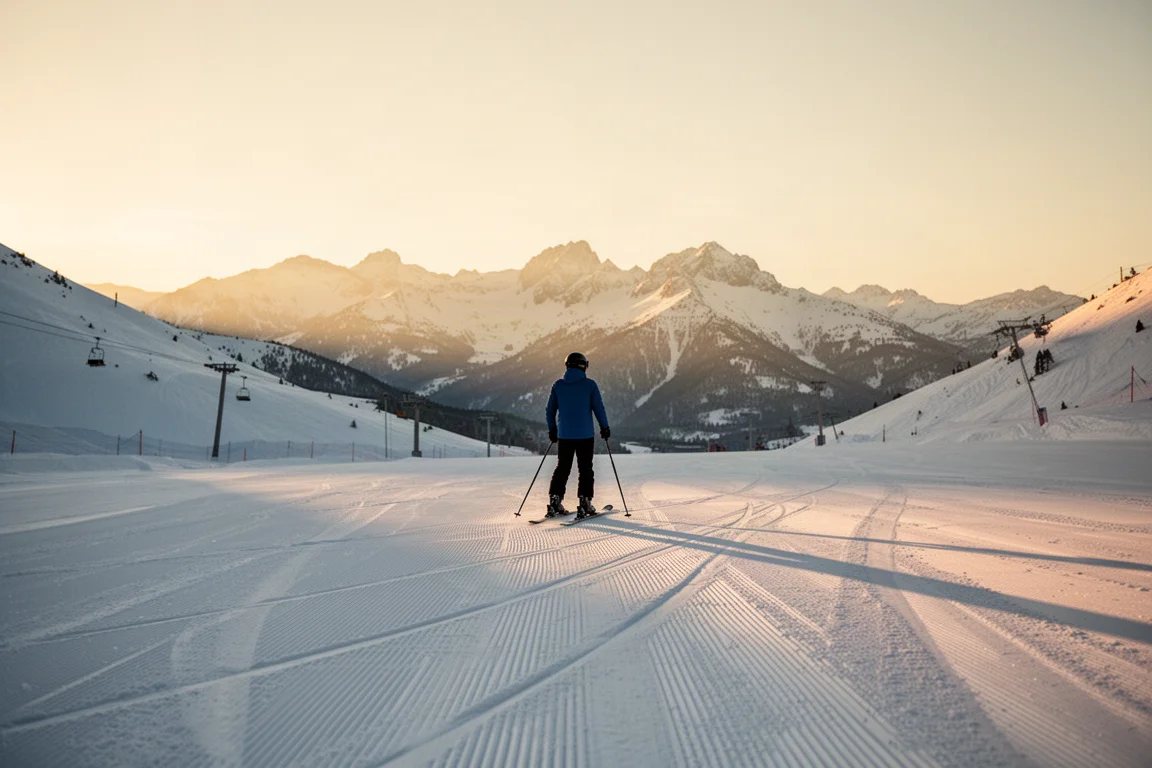
Buy it if you are a progressing skier who wants a narrow all-mountain ski that handles groomers confidently and can still travel into softer, variable terrain. Look elsewhere if you want a stiff, damp, high-speed charger, or if the Protector PR 11 binding from the Discovery Pro series is a specific requirement for you.
Conclusion
The Head Discovery Sport 82 is a focused and encouraging ski. Its wood core, fiberglass, graphene, and auxiliary metal laminate deliver a progressive flex that loads energy through the turn and releases it on exit, while the torsional stiffness gives the edge grip to back it up. Add a 15.8 m radius at 177 cm, generous tip rocker, and a light 2,927 g build with binding, and you have a narrow all-mountain ski that is genuinely versatile, even if carving is where it feels most at home.
For skiers working on technique, that combination is the whole point.
Product link
View more details for Head Discovery Sport 82
This product is mentioned in the review. Check the specifications, options, and compatibility before buying.
View more details for Head Discovery Sport 82Further reading
Related Reviews
All-Mountain Skis
100mm All-Mountain Skis Compared: 23 Versatile Models Worth Knowing
A practical walkthrough of 23 all-mountain skis around 100mm underfoot, covering weight, rocker, metal construction, and the rider each model suits best.
All-Mountain Skis
2026 Black Crows Camox Review: A More Stable, More Versatile All-Mountain Twin Tip
The 2026 Black Crows Camox adds an ash layer underfoot, wider tips and tails, and a revised rocker profile. Here is what those changes mean on snow.
All-Mountain Skis
Armada Antimatter 88 Review: A Light, Lively All-Mountain Ski That Rewards Any Style
The Antimatter 88 pairs a poplar core with carbon stringers for a surprisingly energetic ride that suits intermediates and experts alike.