Ski Gear
Head Discovery Ski Line Review: 82 Sport, 82 Pro, 86 Pro and Super Shape Titan
A practical walk through the Head Discovery ski line, from the $649 Sport models to the race-inspired Super Shape Titan, and which ski genuinely suits which skier.
Introduction
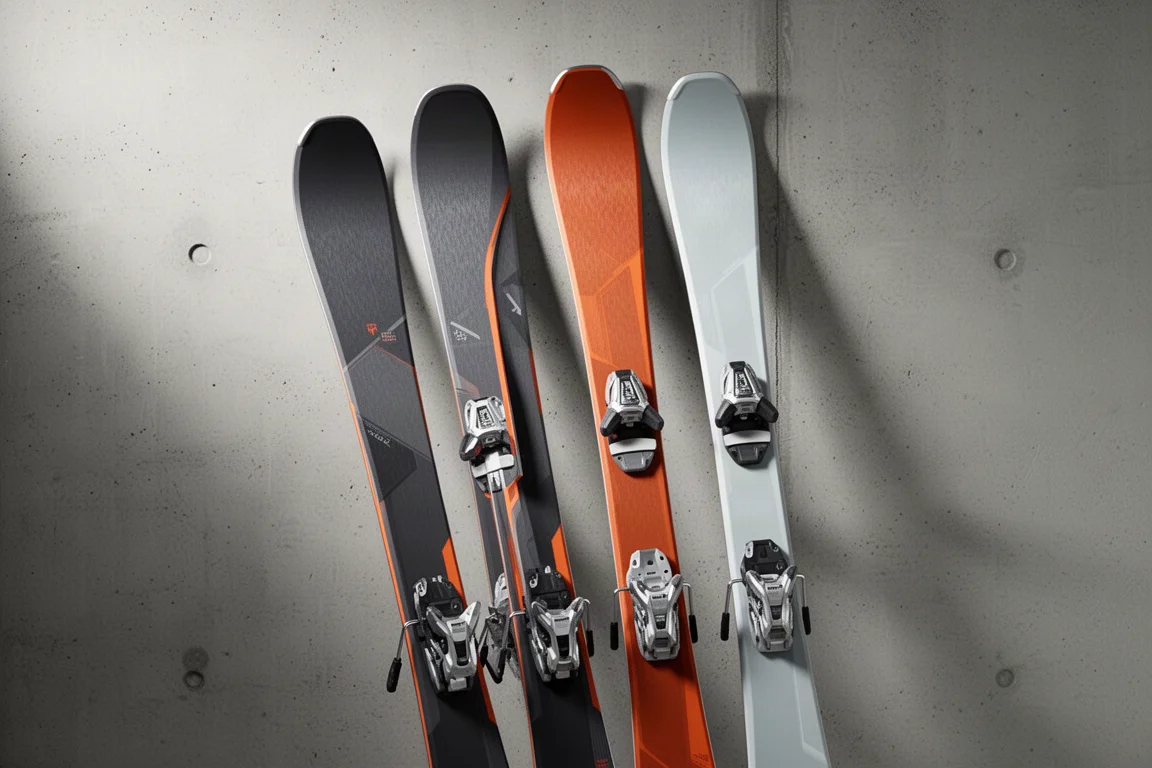
Head’s Discovery line takes over from the Shape family that previously held this part of the range, the V6, V8 and V10 models. It arrives as a broad lineup rather than a single ski: Discovery 74 Sport, 78 Sport, 78 Pro, 82 Sport, 82 Pro and 86 Pro. There is no 86 Sport in the range. Prices climb gradually from $649 for the 74 Sport to $899 for the 86 Pro, and the Super Shape Titan sits above the Discovery family at $1,099.
What makes the line easy to shop is that the construction story is largely shared. The differences between models come down to core material, binding choice and waist width rather than completely separate designs. That matters, because a $150 gap between two skis usually buys something specific rather than a vague step up in quality.
This guide covers what changes as you move up the range, how the 82 Sport, 82 Pro and 86 Pro behave on snow, and where the Super Shape Titan fits for skiers who want a much more demanding ski.
How the Discovery Line Is Built
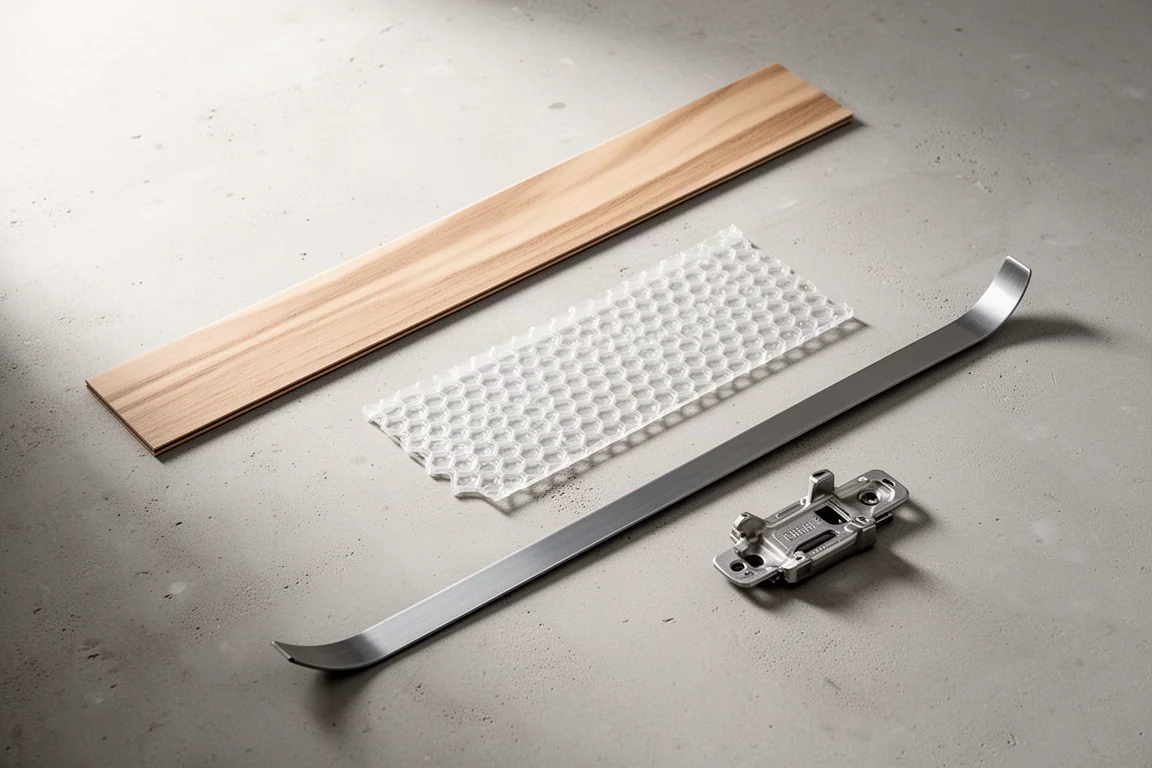
Every ski in the Discovery range uses auxetic materials. Auxetic structures become stronger the more force they are placed under, and the practical claim that follows is straightforward: the harder you ski these skis, the stronger they react.
The cores are where Sport and Pro separate. Sport skis use a combination of wood and composite, while Pro skis move to a full wood core. Bindings change at the same time. Sport models come with a PR 11, Pro models with a Protector 11. The Protector adds a level of smoothness, and it also lengthens the mount zone, which leaves the Sport ski with a little more energy and flex through the middle.
The price ladder is worth keeping in view. The 74 Sport is $649, the 82 Sport is $749, the 82 Pro is $849, the 86 Pro is $899, and the Super Shape Titan is $1,099. The gap between the 82 Sport and the 86 Pro is only $150, while the step from the 86 Pro up to the Titan is another $200. In other words, the widest jump in both price and character sits at the very top of the range.
Head Discovery 82 Sport
The 82 Sport is the model that sets expectations for the whole line, and it is a genuinely encouraging ski to carve. Turn initiation is clean, transitions are smooth, and there is a surprising amount of energy and grip for a ski with a partial composite core, cap construction and no metal.
It wants to bend. Once it is tipped, it prefers to complete the turn and come across the fall line rather than release into a skid. That makes it a very natural fit for an aspiring carver who is still building the feel of a clean, finished arc, because the ski rewards the right input immediately instead of asking for speed the rider does not have yet.
That same focus is its main limitation. Skidded turns are not what it does well, and it is not the ski to reach for when you want to stand on the edge at higher speeds. At $749, with a PR 11 binding, it is a convincing entry point into carving rather than a compromise.
Head Discovery 82 Pro
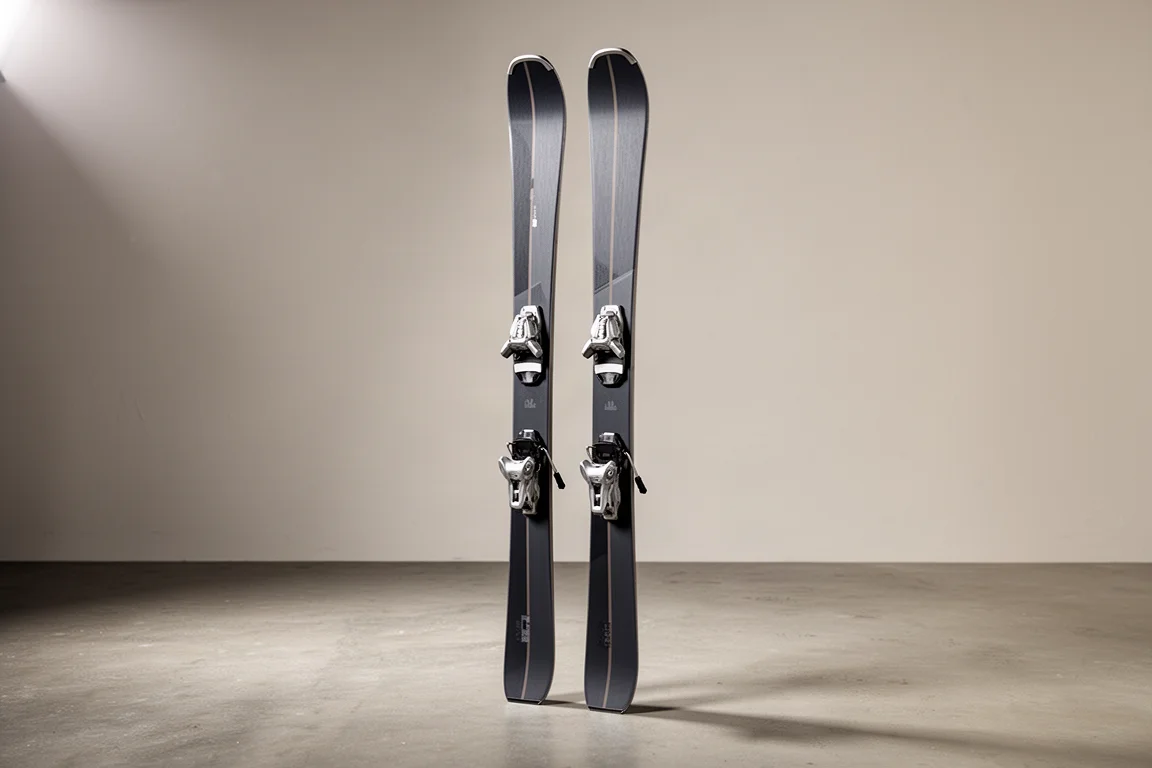
The 82 Pro keeps the shape and adds a full wood core plus the Protector 11 binding, and the difference shows up most clearly at speed. Where the Sport has energy and flex, the Pro has smoothness and power. You can lean into it, stand on it with authority, and it stays composed in a way the Sport simply does not at the same pace.
It is also more versatile in the shapes it will make. Short swing skidded turns are available, and so is opening the turn up and driving it. Compared with the older V10 character, which was twitchier and preferred short carves, the 82 Pro widens the range considerably. It is not the sharpest or cleanest carving ski you can buy, but it is round and predictable, and nothing about it feels punishing.
At $849 with a good binding, it is a lot of real ski for the money. For the majority of skiers who spend their time on groomers but want a ski that will not fall apart when the pace picks up, this is the most sensible model in the line.
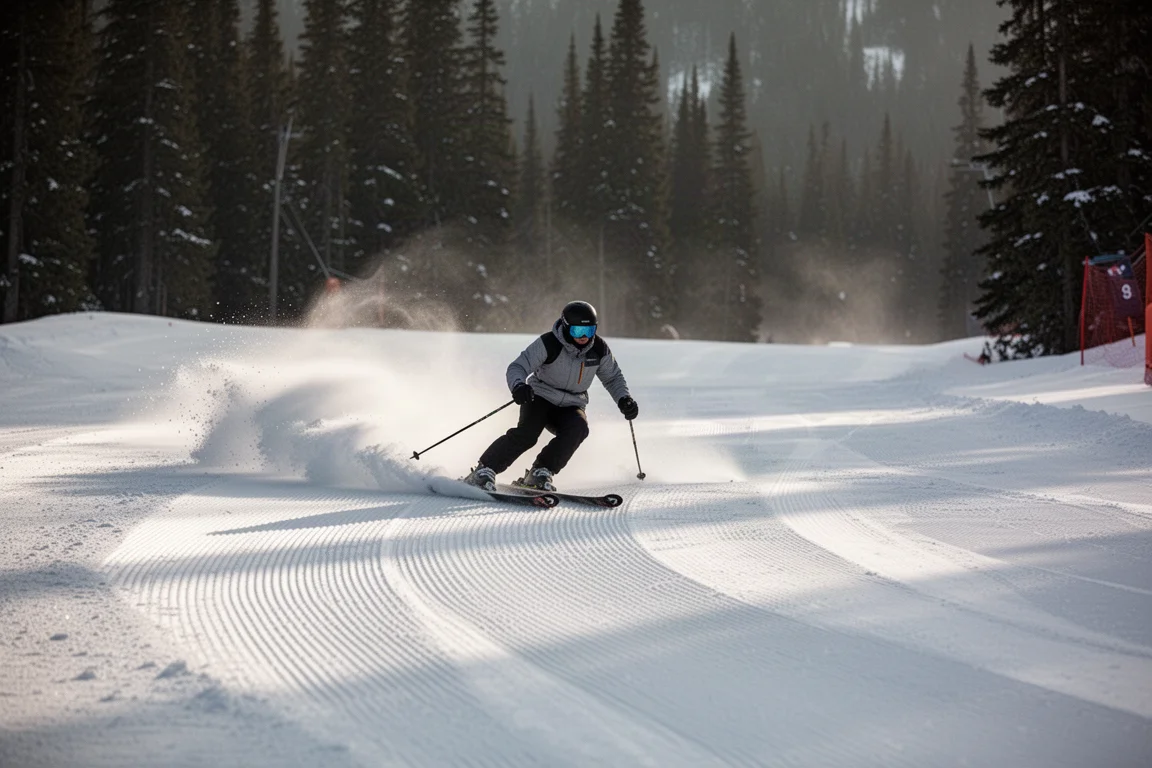
The 82 Pro also sits comfortably in the all-mountain conversation rather than pretending to be a dedicated frontside carver. It will hold an edge, it will release, and it will do both without demanding a specific technique from the rider. That flexibility is exactly what makes it such an easy recommendation.
Head Discovery 86 Pro
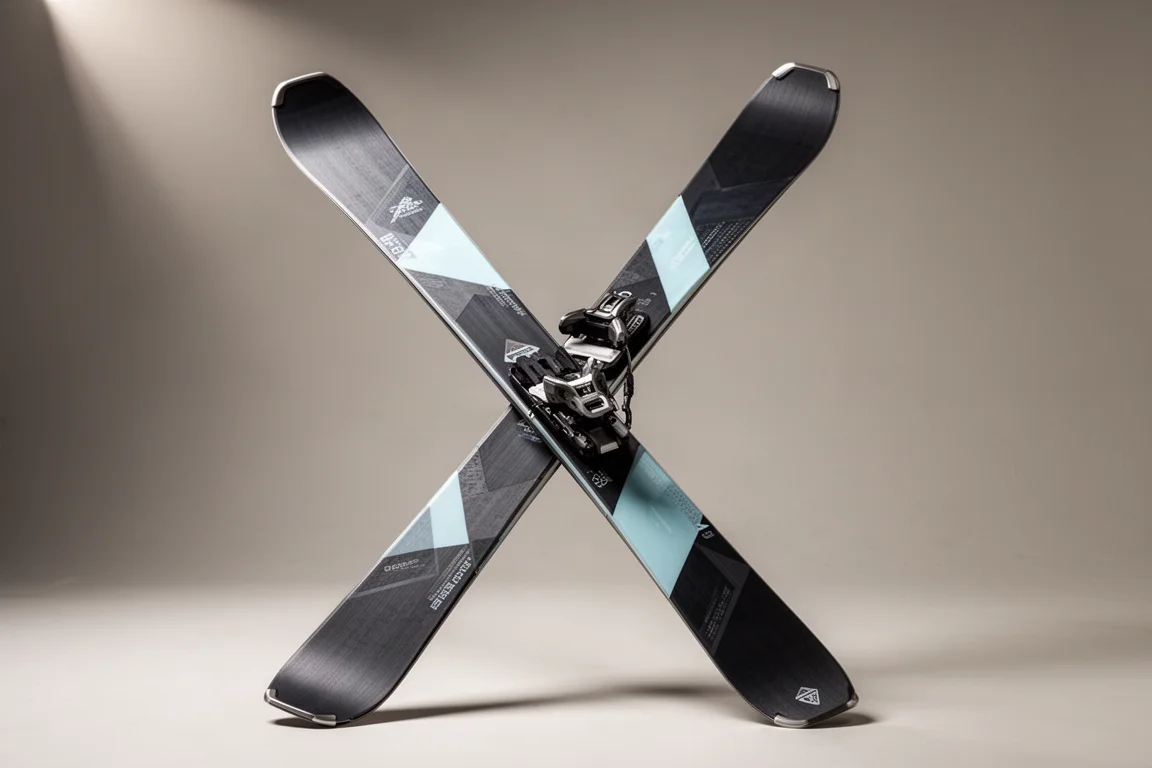
The 86 Pro is the widest of the Discovery models and the easiest to break free from a turn, which opens up the versatility that a carving-focused ski trades away. It is a little more drifty, a little slower edge to edge, and slightly wider underfoot. Turn radius sits at 16.7 m in the 184 length, though the tail is easy enough to bend that shorter shapes come naturally.
The trade-off is in how it wants to be skied. The 86 Pro responds best to finesse and technique rather than brute force. Energy and pop show up in short to medium radius turns at mid to lower speeds, and the ski does not deliver the same reward when you simply try to charge. On very firm, refrozen snow the bite is less confidence-inspiring than the narrower models, and it clearly prefers packed powder to a hard, scraped surface.
Compared with the Salomon Stance Pro 82 and 86, the character is similar, though this ski leans a touch more toward the frontside. Against the Steadfast 85, the 86 Pro feels snappier with more energy, while the Steadfast is quieter and more damp. At $899 it suits a skier who values variety across turn shapes and terrain over maximum edge hold.
Head Super Shape Titan
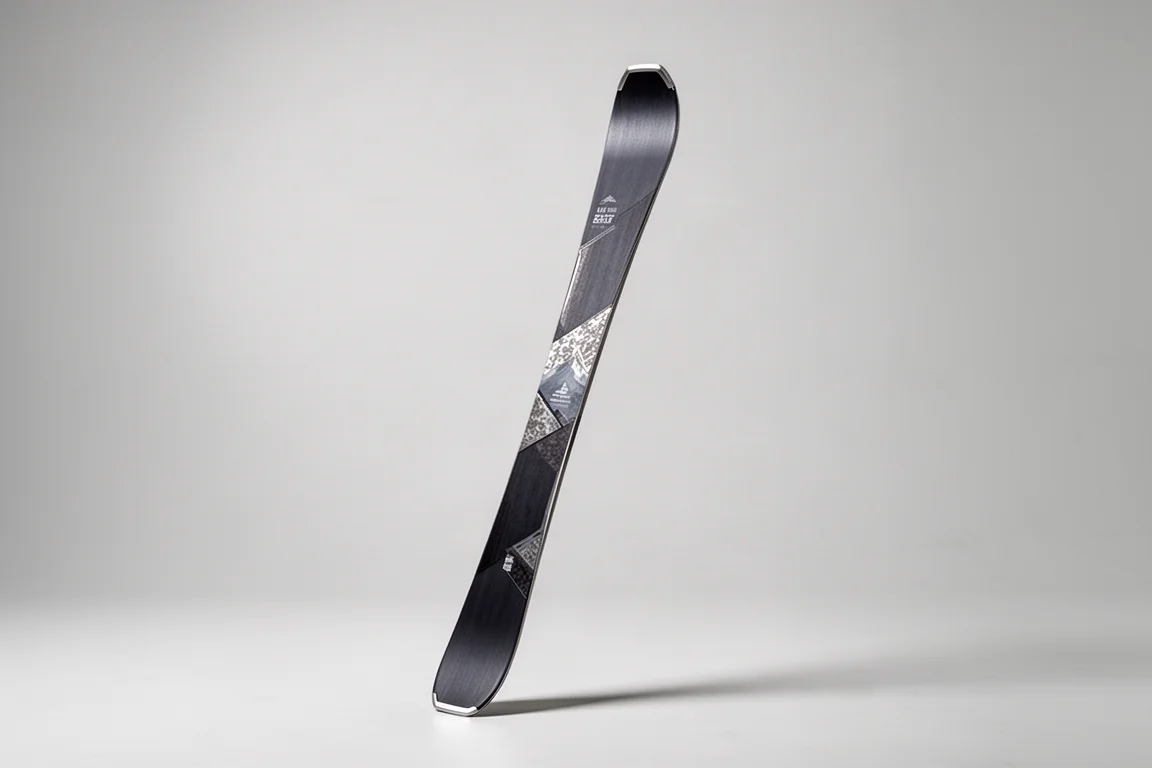
The Super Shape Titan is a different animal from the Discovery models. It is a wide carving ski at 84 mm underfoot with race construction, a 17.2 m turn radius, and flat, square, stiff tails that do not give. The tip is not overly catchy, so turn initiation is easy to manipulate, but once the ski is engaged you have full power and control through every phase of the turn.
That directness is exactly what makes it confidence-inspiring at speed. It also makes it demanding. There is no version of the Titan that feels approachable, forgiving or easygoing, and the harder the snow gets, the more the ski asks of the person on it. A mistake at that pace costs more than it would on a Discovery. If you are not driving it into a purely carved turn, it is not flattering.
At $1,099 it is the clear step up in both price and commitment. The contrast with the Discovery models is worth understanding before you buy, because the Titan rewards strong, confident skiers and gives back very little to anyone else.
The Titan is best understood as a specialist tool rather than a do-everything ski. It highlights the contrast across the line: everything below it is designed to make carving easier, while the Titan is designed to make carving faster for people who already know how.
Which Discovery Ski Fits Your Skiing
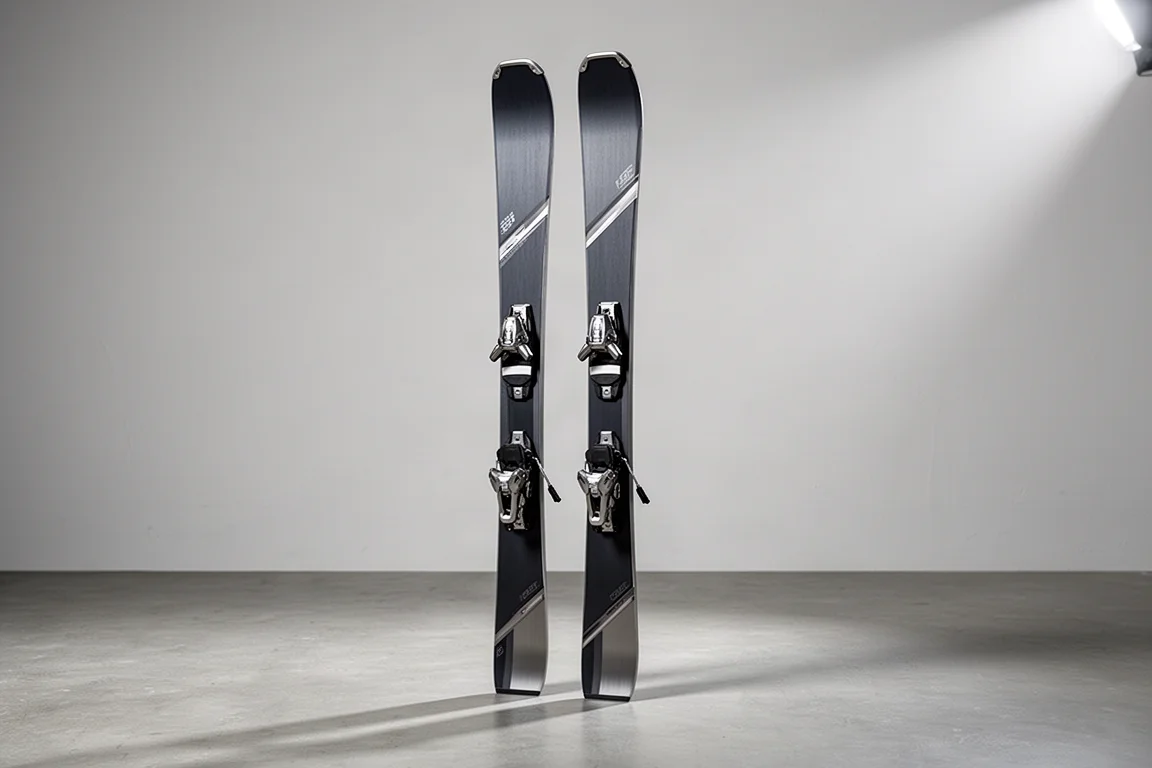
The simplest way to decide is to work backwards from how you actually ski. If you are newer to carving and want a ski that encourages a clean, completed turn, the 82 Sport is the most natural starting point. It is the friendliest ski in the line and the one most likely to help a habit form rather than punish a mistake.
If you already finish your turns and want more power, more stability at speed and a wider range of turn shapes, the 82 Pro is the obvious step. It is the most broadly useful ski in the Discovery range and the one that will suit the largest number of skiers.
If you want more versatility, are happy to trade some edge hold on firm snow, and prefer to ski with finesse rather than force, the 86 Pro is the better match. And if you are an experienced, aggressive skier looking for a wide carving ski with race DNA, the Super Shape Titan is the only model here built for that job.
Length, Bindings, and Value: What to Check Before You Buy
Length is worth thinking about before price. The 82 Sport was skied at 177, while the 82 Pro and 86 Pro were skied at 182 and 184 respectively. The shorter length in the 82 Sport makes shorter turn shapes easier to access, while the longer 82 Pro and 86 Pro lengths suit higher speeds and longer arcs. If you want short turns from the 86 Pro, going shorter is a reasonable move rather than sizing up.
The binding is the other variable. Sport models use a PR 11, Pro models use a Protector 11, and the Protector adds smoothness while lengthening the mount zone. That is part of why the Pro skis feel more planted than the Sport at speed, and it is a genuine part of what you are paying for.
On value, the 82 Pro at $849 stands out because it pairs a full wood core with a strong binding for only $100 more than the 82 Sport. The 86 Pro at $899 is only $50 above that. The Titan at $1,099 is a different proposition entirely, and it is worth being honest with yourself about how hard you intend to ski before committing to it.
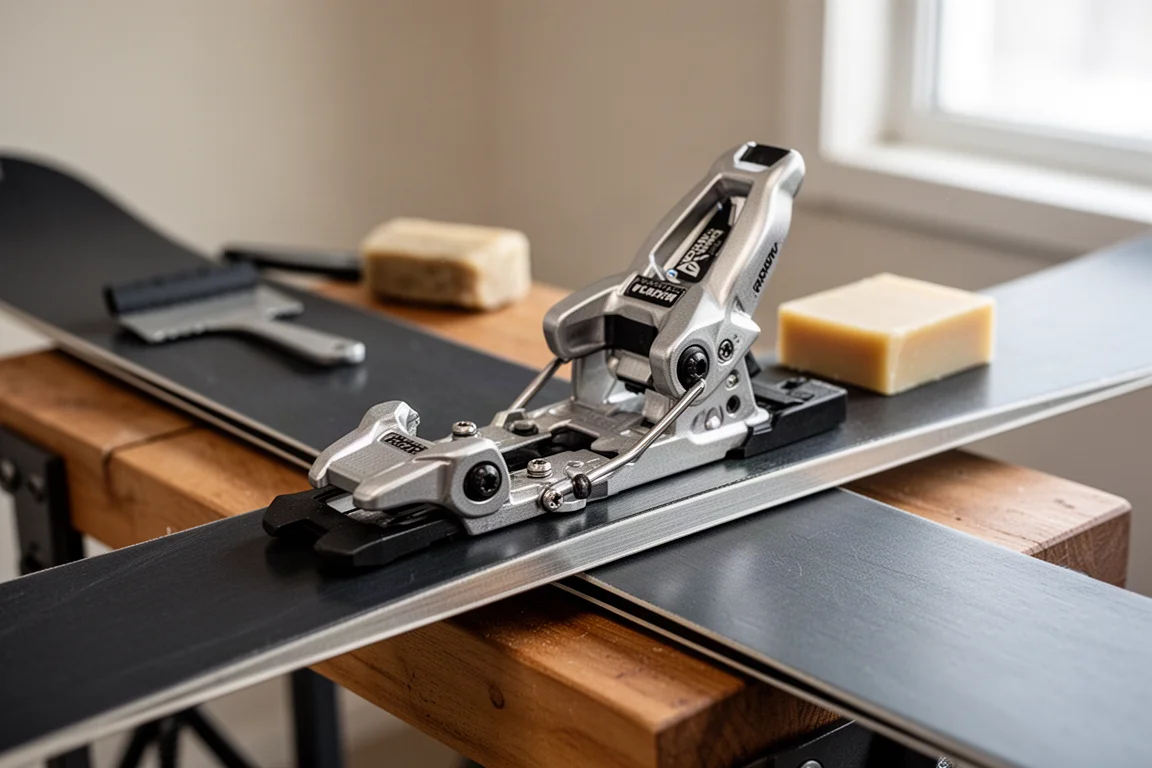
One last thing to weigh is surface. The Discovery models are happiest on packed powder and groomed runs, and the wider 86 Pro is the first to lose bite when the snow turns firm and refrozen. If most of your days are on hard, scraped groomers, the narrower models will serve you better.
Conclusion
The Discovery line does something genuinely useful: it replaces the Shape family with a clearer, more coherent set of skis that rounds out Head’s range rather than filling a gap. Construction is shared, so the price steps are easy to understand, and each model has a distinct job.
The 82 Sport is the encouraging carver at $749. The 82 Pro is the broadest and best-value option at $849, with more power and more turn shapes. The 86 Pro adds versatility at $899 and rewards finesse over force. The Super Shape Titan at $1,099 is a specialist that asks for skill and pace and gives back plenty in return, provided you are ready for it.
For most skiers, the sensible answer sits in the middle of that list. The 82 Pro is the ski that will flatter the widest range of abilities, and the 82 Sport is the one that will help newer carvers improve fastest.
Further reading
Related Reviews

Ski Gear
2023 Blizzard Hustle vs Rustler: Six Freeride Skis Compared
Blizzard's 2023 Hustle collection rebuilds the Rustler shape with a lighter core and no metal. Here is how all six skis differ, and which one suits your riding.

Ski Gear
2023 Skis of the Year: Atomic Maverick 88 TI, Salomon QST 106, and Look SPX 12 Pro
Three standout ski picks for all-mountain carving, powder days, and reliable binding performance, with practical buying notes for 2023 models.

Ski Gear
2025 Nordica Enforcer 104 Review: A Directional Charger Replaces the 104 Free
The 2025 Nordica Enforcer 104 drops the Free name and the twin-tip personality, gaining weight, stiffness and composure in rough snow. Here is what changed and who it suits.