Outdoor Gear
Hard Shell vs Soft Shell Storage: Pelican 55L Case and Unplug Ultimate Adventure Bag Compared
A practical comparison of hard-shell and soft-shell storage solutions for vehicle roof mounting, testing durability, waterproofing, portability, and real-world use cases.
Introduction
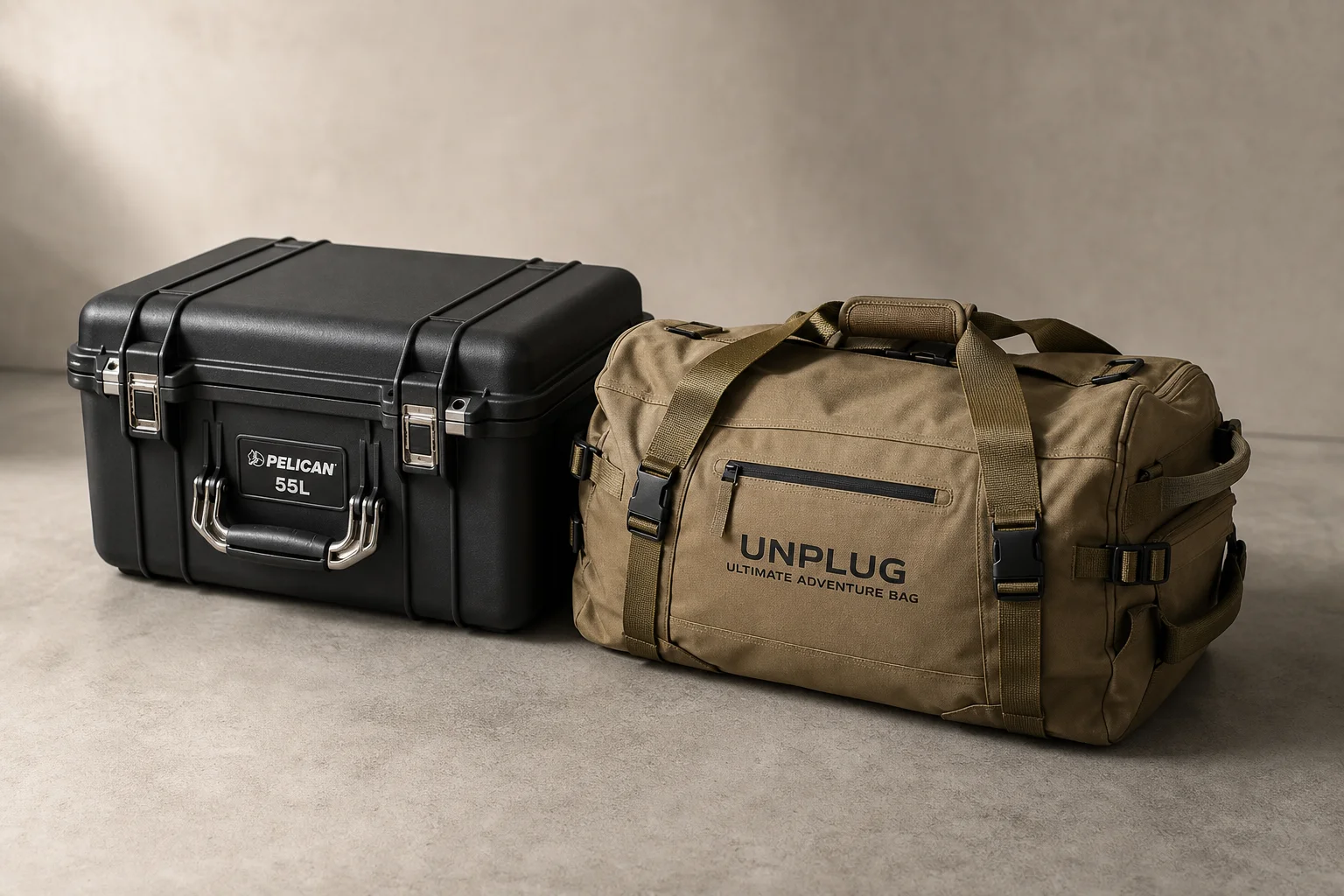
When choosing storage for vehicle roof mounting or expedition use, the choice between hard-shell and soft-shell solutions shapes how you pack, protect, and carry your gear. This comparison examines the Pelican 55L hard-shell case and the Unplug Ultimate Adventure 65L bag across practical dimensions: size, waterproofing, portability, security, and durability. Both float and both resist water to a degree, but they excel in different scenarios.
Size and Expandability
The Pelican case measures 610mm wide by 310mm deep by 310mm high, with an effective capacity of around 55 litres once the hard-shell material thickness is factored in. The Unplug bag is rated at 65 litres and measures approximately 58cm wide by 36cm deep by 32cm high. In practical terms, they occupy nearly identical roof space.
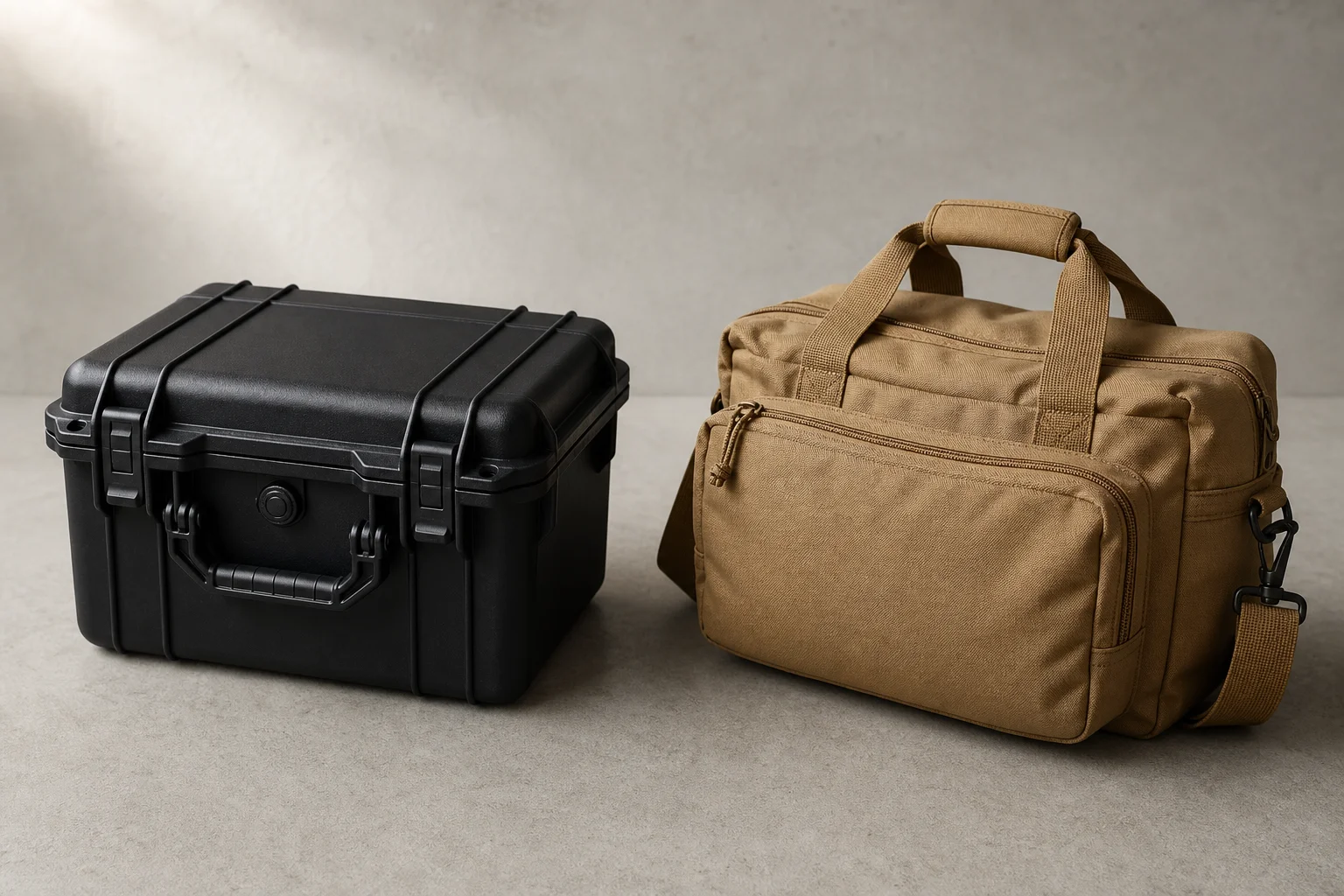
A key difference emerges in flexibility. The Pelican case is a fixed volume; you load it and seal it as-is. The Unplug bag, by contrast, can be compressed or expanded by adjusting how much you fill it and how you seal the sides. If you need 30 litres one trip and 65 the next, the soft-shell adapts. The hard case does not.
Waterproofing and Durability
Both products claim water and air resistance, but their sealing mechanisms differ. The Pelican case relies on sealed lid hinges and latches. The Unplug bag uses folded seams and side-sealing zippers that can be adjusted for different compression levels.
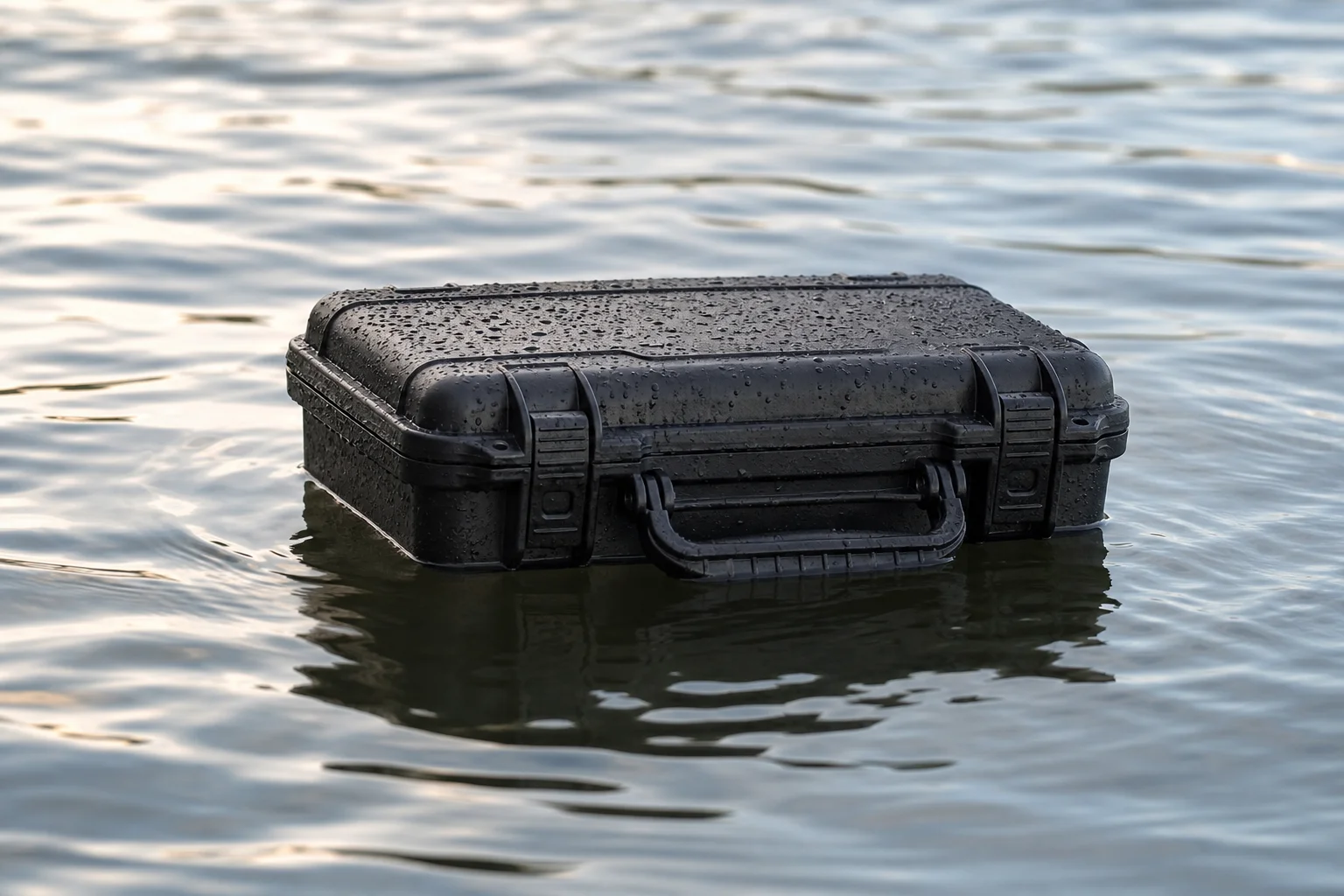
In immersion testing, both cases floated with approximately 20 kilograms of weight inside. When held underwater for extended periods, the Pelican case allowed roughly half a litre of water to enter through the seal area around the latches, while the Unplug bag permitted only about 20 millilitres. In everyday use—rain exposure, roof mounting, brief water contact—both perform well. The Unplug’s folded seams and adjustable side seals offer a practical advantage in typical conditions. However, the Pelican’s rigid construction means no air pockets form when submerged, which can reduce water ingress compared to a soft bag with trapped air.
Neither solution is truly submersible under pressure, but both are suitable for wet-weather travel and temporary water exposure.
Portability and Carrying Options
The Pelican case offers a single carrying option: the top handle. This works for short distances but becomes limiting when moving the case frequently or navigating tight spaces.
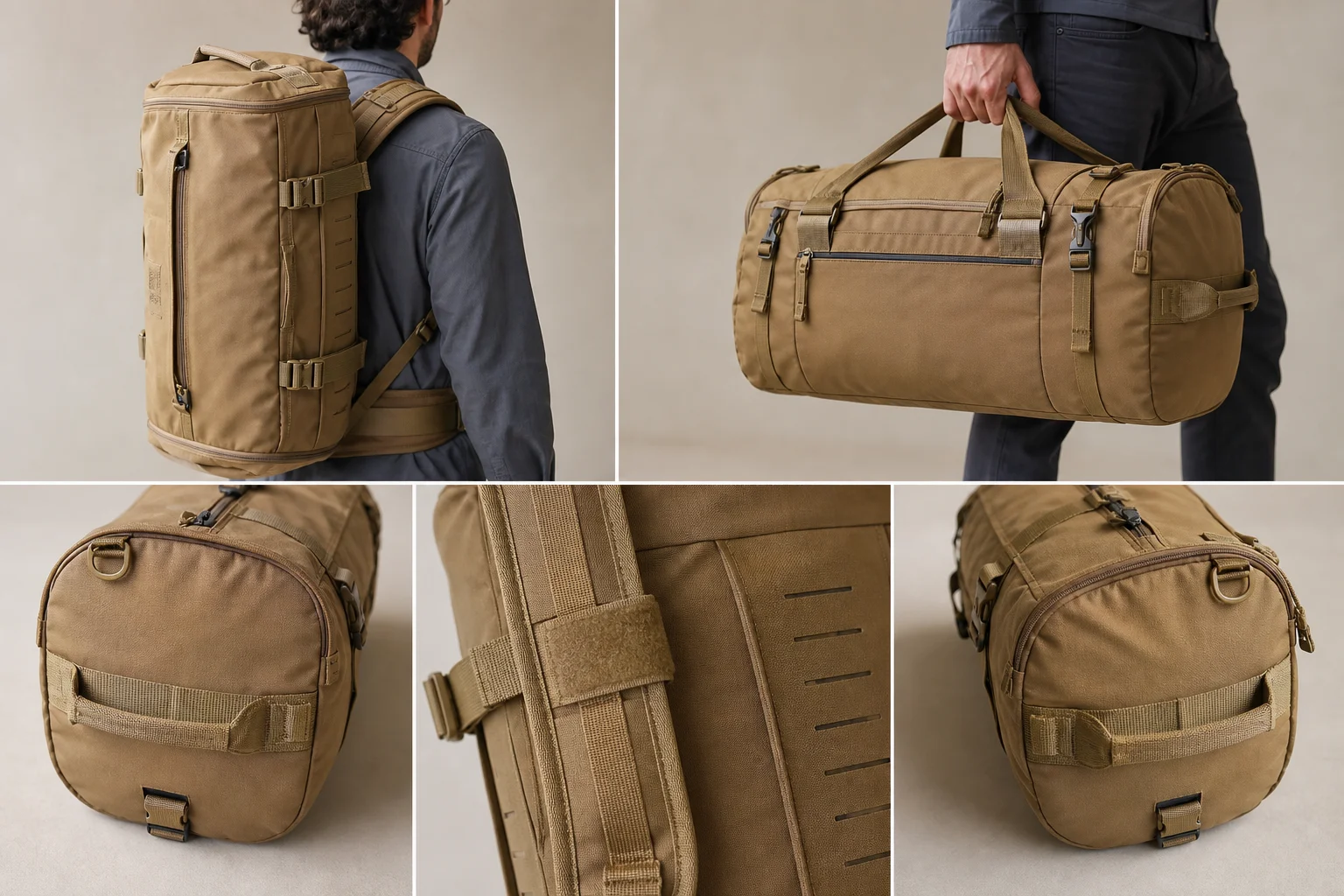
The Unplug bag provides multiple carrying methods. It features backpack straps that velcro away when not needed, top grab handles similar to the Pelican, and side handles at both ends. This flexibility makes it significantly easier to transport from vehicle to campsite, through doorways, or down stairs. If portability and varied carrying scenarios matter to your workflow, the soft-shell advantage is clear.
Security and Breakage Considerations
The Pelican case includes padlock holes on both front latches, allowing you to secure it against theft. The Unplug bag’s zippers can also accept padlocks, though they are less tamper-resistant than a hard-shell latch. If security is a primary concern—such as storing valuable gear on a parked vehicle—the Pelican’s rigid construction and lockable latches offer more peace of mind.
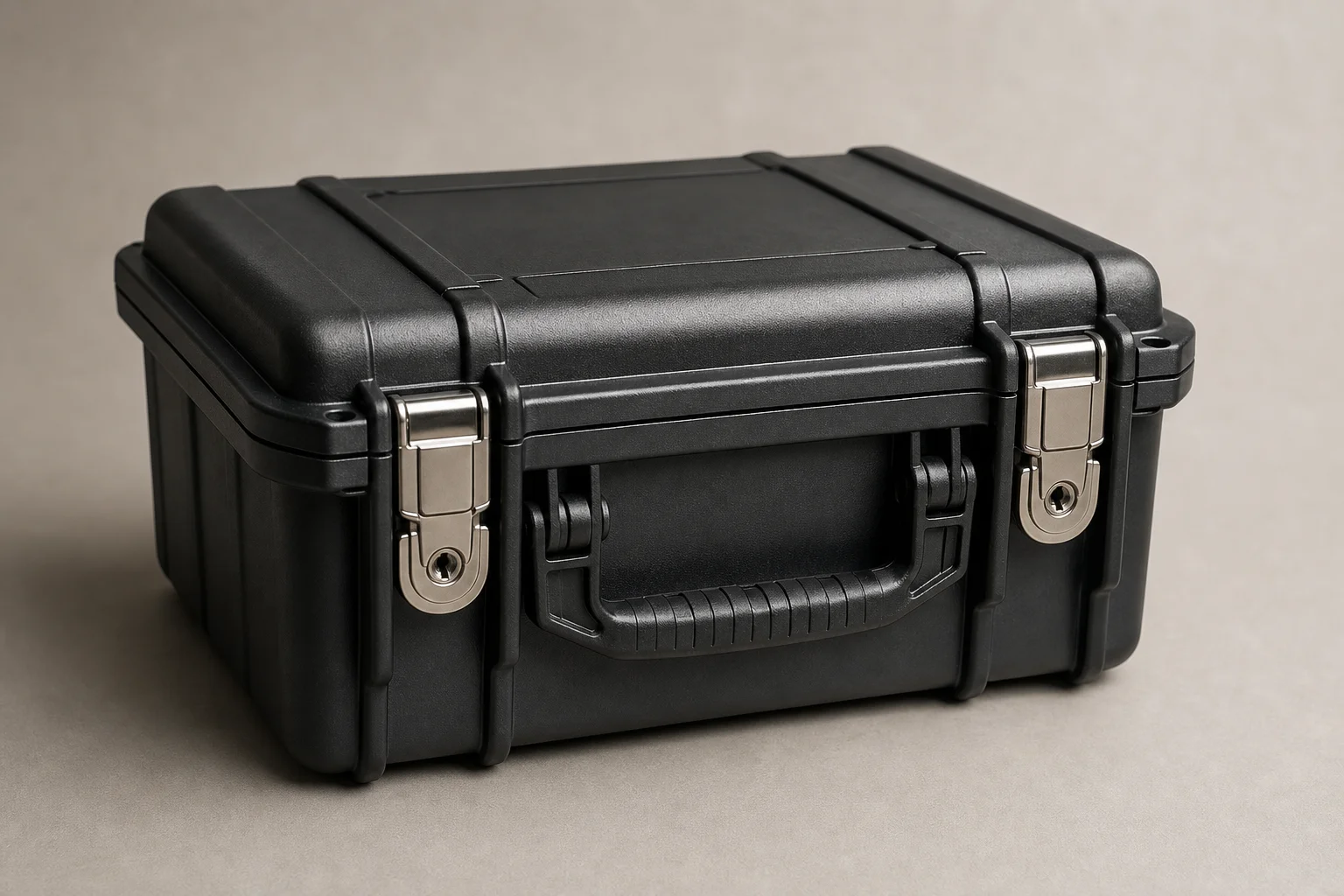
Breakage risk differs between the two. The Pelican case has multiple failure points: latches, hinges, pop-riveted handle, and the shell itself if dropped from height. The Unplug bag has no breakable hardware; if it takes a tumble, the fabric absorbs impact and the contents remain contained. Additionally, the Unplug’s ability to compress means less internal volume for items to bounce around if the bag shifts during transport, reducing breakage risk for fragile contents.
Choosing Between Hard and Soft Shell
Hard-shell cases excel when protection from impact and abrasion is paramount. If your roof rack will brush through dense vegetation, encounter rocks, or endure constant contact with rough terrain, a hard case shields your contents and the case itself. Hard cases also provide better security against theft and tampering.
Soft-shell bags suit situations where compressibility, portability, and adaptability matter more. If you pack different volumes on different trips, need to carry the bag by hand frequently, or prioritize minimizing roof profile for aerodynamics and fuel economy, a soft bag is more practical. Soft bags also eliminate the aerodynamic drag penalty of a rigid case protruding from your roof.
The choice ultimately depends on your primary use case. A vehicle that rarely leaves paved roads and carries consistent cargo may favour the Pelican’s durability and security. A vehicle that travels varied terrain, carries different loads, and requires frequent manual transport may favour the Unplug’s flexibility and ease of handling.
Conclusion
Both the Pelican 55L and Unplug Ultimate Adventure Bag are capable storage solutions. The Pelican excels in protection, security, and rigid durability. The Unplug excels in adaptability, portability, and compressibility. Neither is universally superior; the right choice depends on whether your priority is maximum protection or maximum flexibility.
Product link
View more details for Pelican 55L Case
This product is mentioned in the review. Check the specifications, options, and compatibility before buying.
View more details for Pelican 55L CaseFurther reading
Related Reviews
Outdoor Gear
Backpacking Gear Evolution: 100 Years of Technology Compared
We tested backpacking gear from 1925, 1975, and 2025 across a three-day hike in Yosemite. Here's how technology has transformed comfort, weight, and the outdoor experience.
Outdoor Gear
Best Affordable Hiking Watches: Five Rugged Options for Outdoor Adventures
Five durable hiking watches that balance ruggedness, functionality, and value for outdoor enthusiasts who need reliable GPS tracking and weather resistance.
Outdoor Gear
Best Backpack Coolers 2026: Five Practical Options for Outdoor Adventures
Five backpack coolers with distinct cooling capabilities, storage features, and design trade-offs to help you choose the right one for your outdoor needs.