Tools & Garage
Harbor Freight Haul-Master Kit Trailer Review: What to Know Before You Buy
A close look at the Harbor Freight Haul-Master kit utility trailer, covering assembly reality, specs, registration, and how it compares on price to ready-built alternatives.
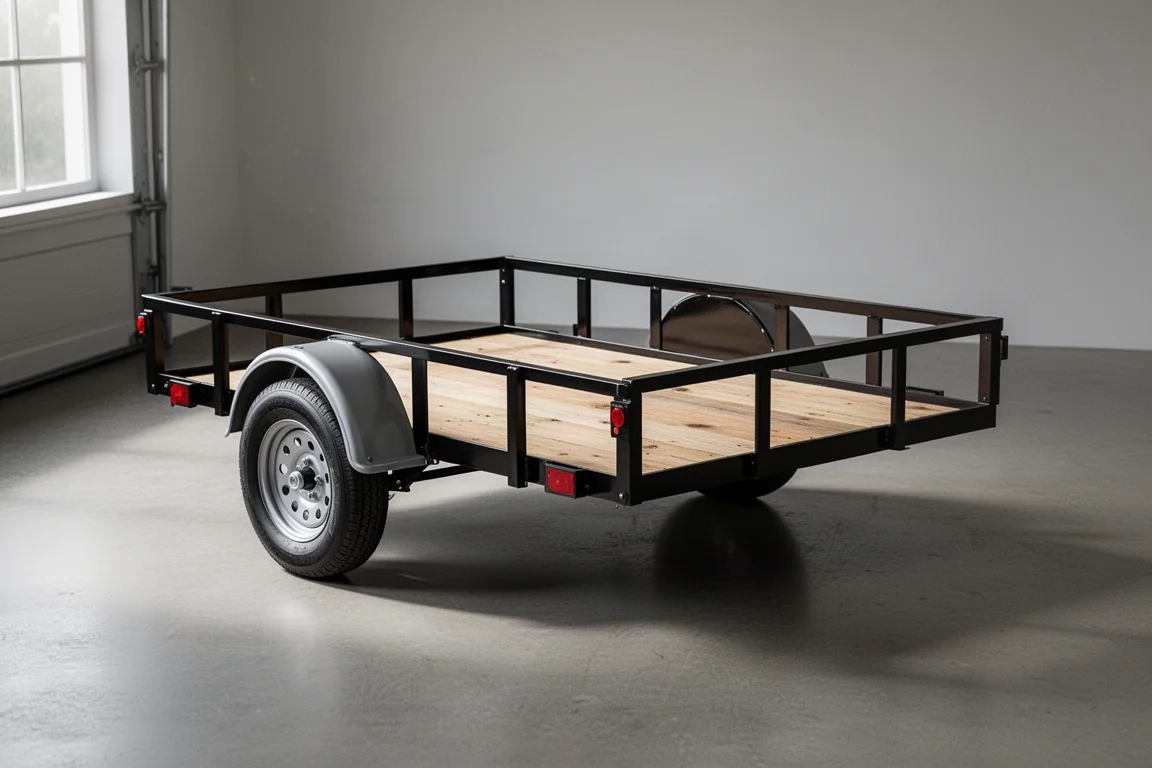
Introduction
The Harbor Freight Haul-Master kit utility trailer is exactly what the name suggests: a trailer that arrives in pieces and you assemble yourself. That format has generated plenty of online debate, from complaints about difficult assembly to claims that bolted frames are weaker than welded ones. After putting one together and comparing it against comparable trailers on the market, the picture is clearer than the comment sections suggest.
Assembly: Hard Work, Not Hard Skill
There is no denying the parts count. But the process itself is not technically difficult, and a bit of pre-planning goes a long way. Laying out parts in advance, adding your own labels, and sorting nuts and bolts into labelled cups makes the job far more manageable.
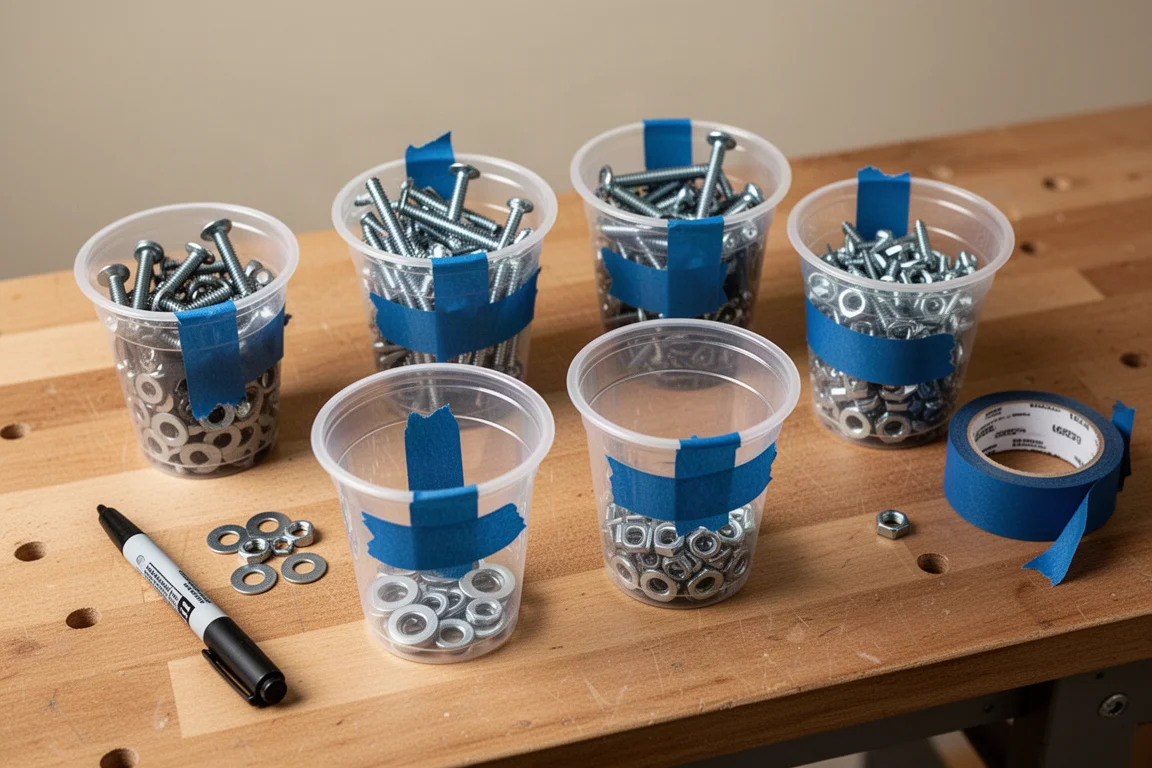
In this case, a 13-year-old did roughly 90% of the assembly with adult coaching, working about two hours a day over roughly a week. Two focused adults working steadily could plausibly knock it out in a single weekend session. It is fiddly, but not hard.
Harbor Freight also provides a strong official instruction video alongside a surprisingly decent printed assembly manual. Neither is perfect on its own; between the two, the gaps are covered.
Bolts vs. Welds: Addressing the Misinformation
A common claim online is that welds are always stronger than bolts. That is simply not true. Structural engineers use bolts on major structures for good reason, and a bolted joint is only inferior when a weld is done by a skilled welder with proper equipment and contamination control. On budget welded utility trailers, the weld quality is unknown and often covered by paint.
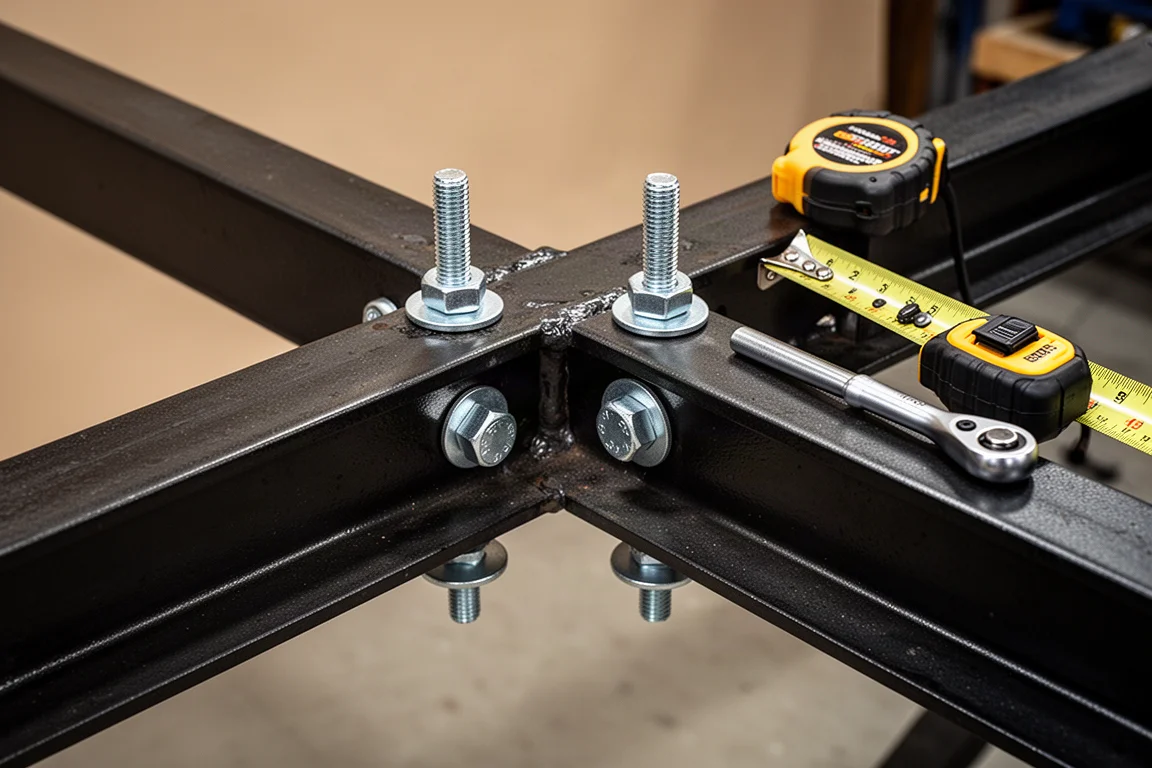
Because this kit trailer arrives in pre-coated pieces, every part is coated inside and out once assembled. That is a real advantage over welded frames with open C channels and tube channels, where trapped water leads to rust from the inside.
Specs and Registration
Here are the measured and rated figures:
- Inside deck width: 5.25 inches inside the wheels, about 78 inches outside the wheels
- Trailer height at wheel arch: about 27.5 inches
- Deck frame length: 124 inches; overall length: 171 inches
- Trailer weight: approximately 700 lbs
- Gross rating: 2,700 lbs, giving a carrying capacity of about 2,000 lbs
The tires are highway rated for the load they carry, so there is no low-speed restriction out of the box. Upgrading tires is optional, not mandatory.
Registration varies by state. Some states require full assembly and an inspection before issuing plates, so check your local DMV process before ordering.
The frame rails appear to match standard strut channel dimensions, which means common compatible accessories will likely fit, though that is an educated observation rather than a confirmed spec.
Price Comparison: Kit vs. Ready-Built Trailers
The base kit is $1,000 without decking, side rails, or ramps. Adding the side rail kit, ramps with ramp storage, and roughly $100 in decking lumber brings a comparable, finished setup to around $1,500.
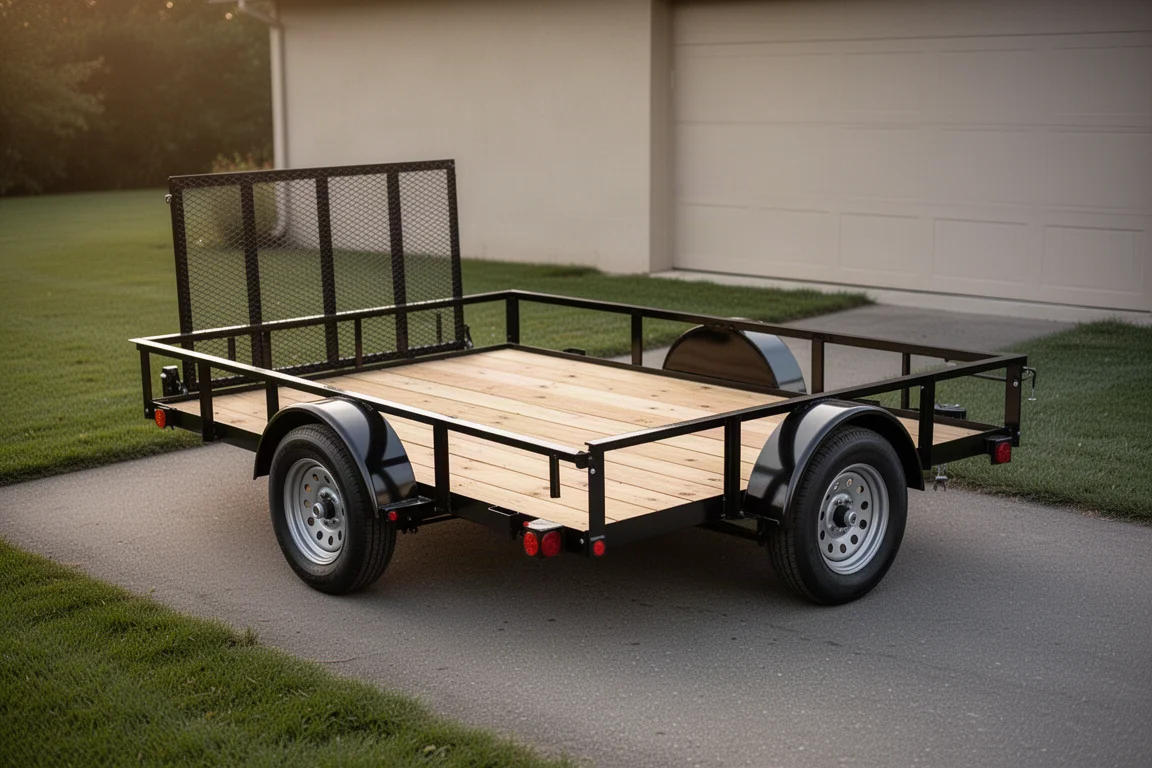
Comparing like for like:
- A comparable 5x10 trailer at a big-box home improvement chain runs about $2,400, though it features a patented pivot-down rail system. That convenience costs $900 more.
- Another chain’s 5x10 with treated lumber tops out at just over $2,000 with a 1,300 lb capacity, a third less carrying capacity, and a welded fixed top rail.
- A farm supply retailer offers a 5.5x10 with about 2,000 lb capacity for around $2,000, again with a welded rail you cannot remove.
- A dealer option at $1,769 is the closest compromise, only about $269 more than the finished kit cost.
The modular design is the differentiator. Rails can be unbolted and reconfigured, and the plastic fenders are more likely to bend than shatter and can be replaced with a simple bolt-on part if damaged.
Assembly Tips, Tricks, and Tool List
A few practical shortcuts make the build easier. The fenders can substitute for the clamps Harbor Freight suggests when fitting the A-frame tongue, or shim them with a book. For the tongue jack assembly, fit the bottom plate loosely first, then run the jack through before snugging the deep bolts, which saves a lot of finger-pinching frustration.
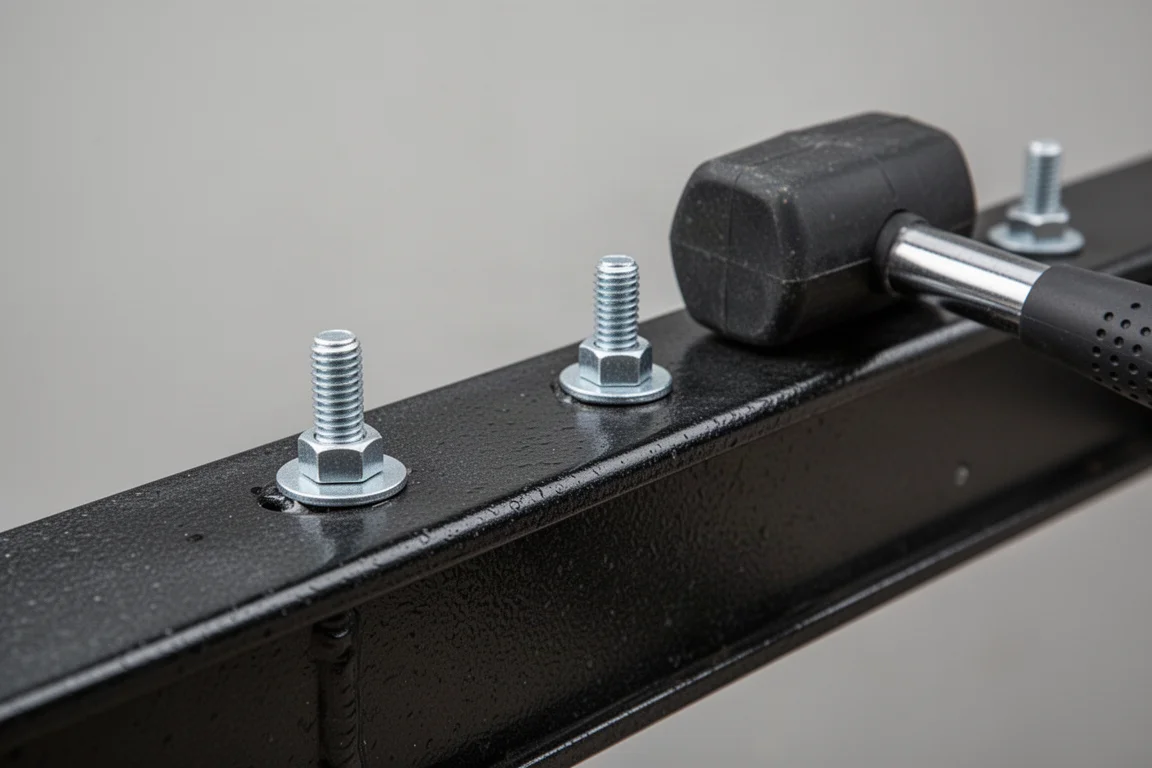
Assemble everything loosely first, check squareness with a tape measure, then torque down. The supplied square-bolt alignment tool slips and angles awkwardly; a few taps with a rubber mallet to set the square bolts below flush works better.
Beyond Harbor Freight’s own tool list, a half-inch impact wrench for the suspension shackles, a mid-torque impact wrench with a smart setting, a cordless ratchet, a drill and impact driver, a 1-1/8 inch multi-material drill bit, a bandsaw or multi-tool for the plastic trim, a flashlight, side cutters, a tire inflator, blue tape, a marker, and sorting cups all proved useful.
Conclusion
The Haul-Master kit trailer is a good value for buyers willing to invest a weekend of assembly. The bolted, fully coated construction addresses the rust and hidden weld-quality concerns that come with cheap used welded trailers, and the finished cost undercuts comparable ready-built trailers by hundreds of dollars. If you want fold-down rails and zero build time and have the budget, a ready-made alternative may suit better. For DIY-minded buyers hauling cargo on the highway, this kit makes a strong case.
Product link
View more details for Harbor Freight Haul-Master Kit Trailer
This product is mentioned in the review. Check the specifications, options, and compatibility before buying.
View more details for Harbor Freight Haul-Master Kit TrailerFurther reading
Related Reviews
Tools & Garage
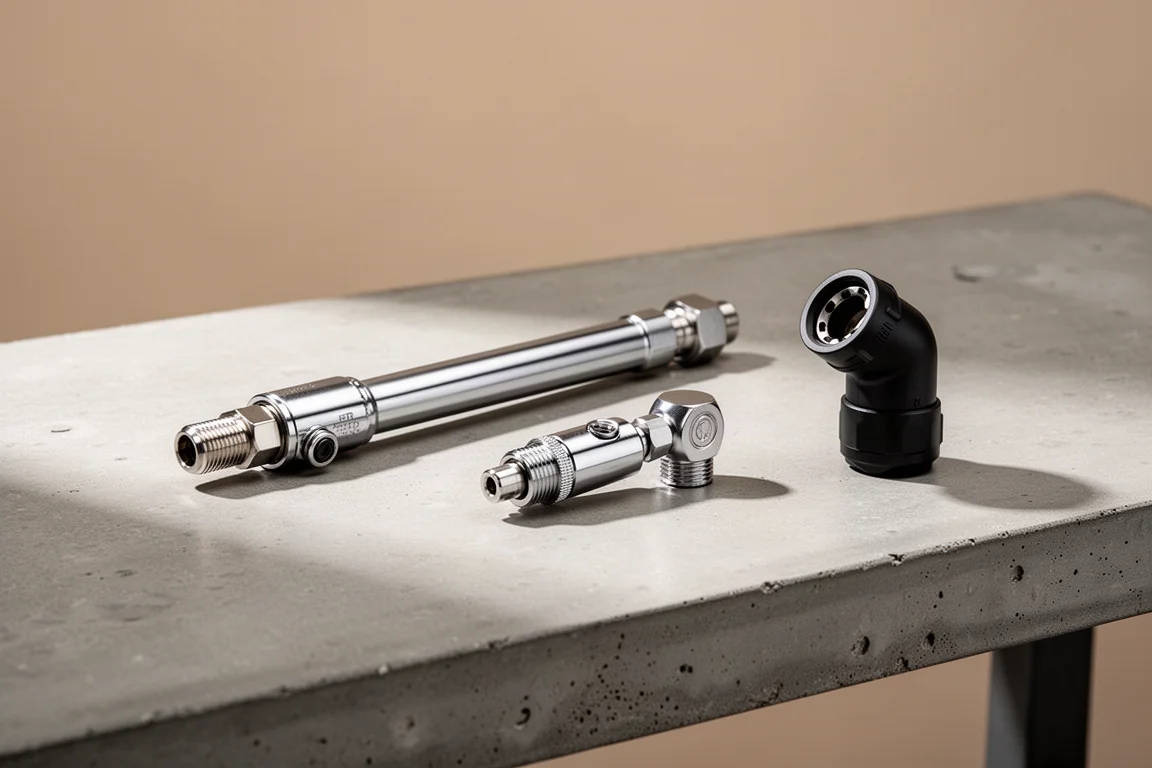
Best Air Chucks for Tires and Airbag Suspensions: Three Reliable Options
Three air chucks that snap on and off Schrader valves without leaking, including open flow designs built for airbag suspension work.
Tools & Garage
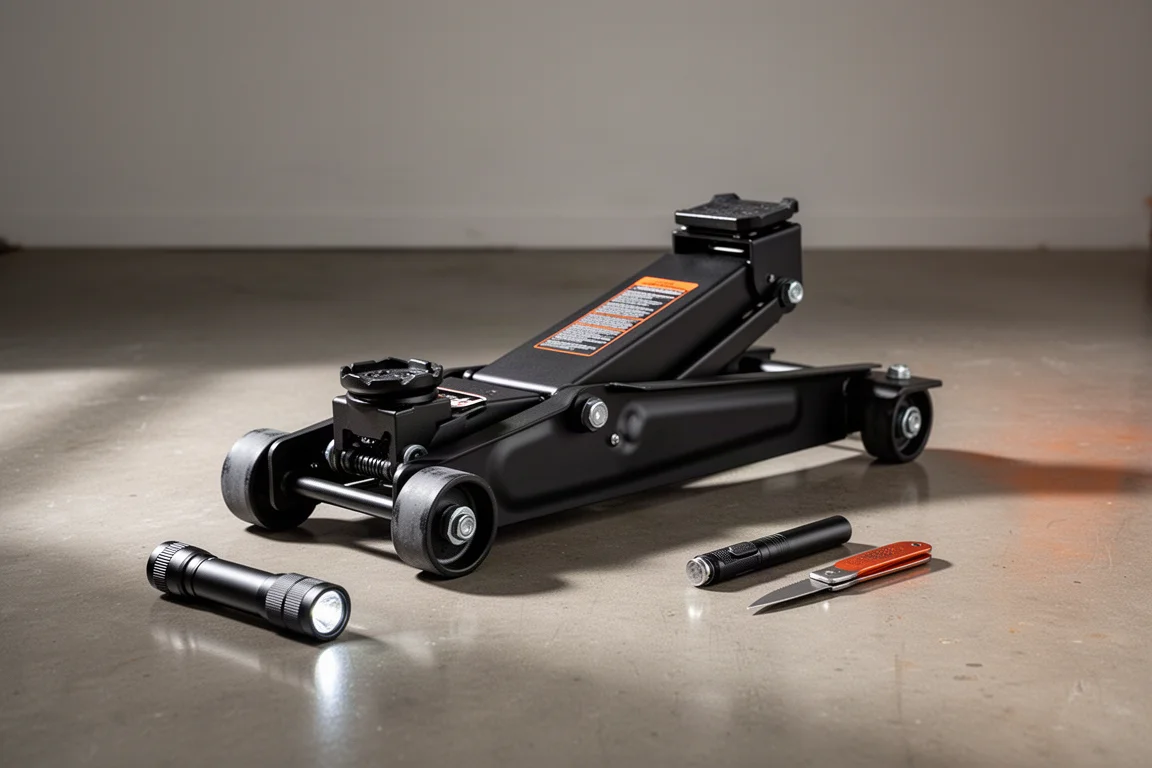
Best Garage Jacks and EDC Tools Worth Buying Right Now
From low-profile long-reach floor jacks to compact bit sets, flashlights, and utility knives, these workshop picks earn their spot.
Tools & Garage
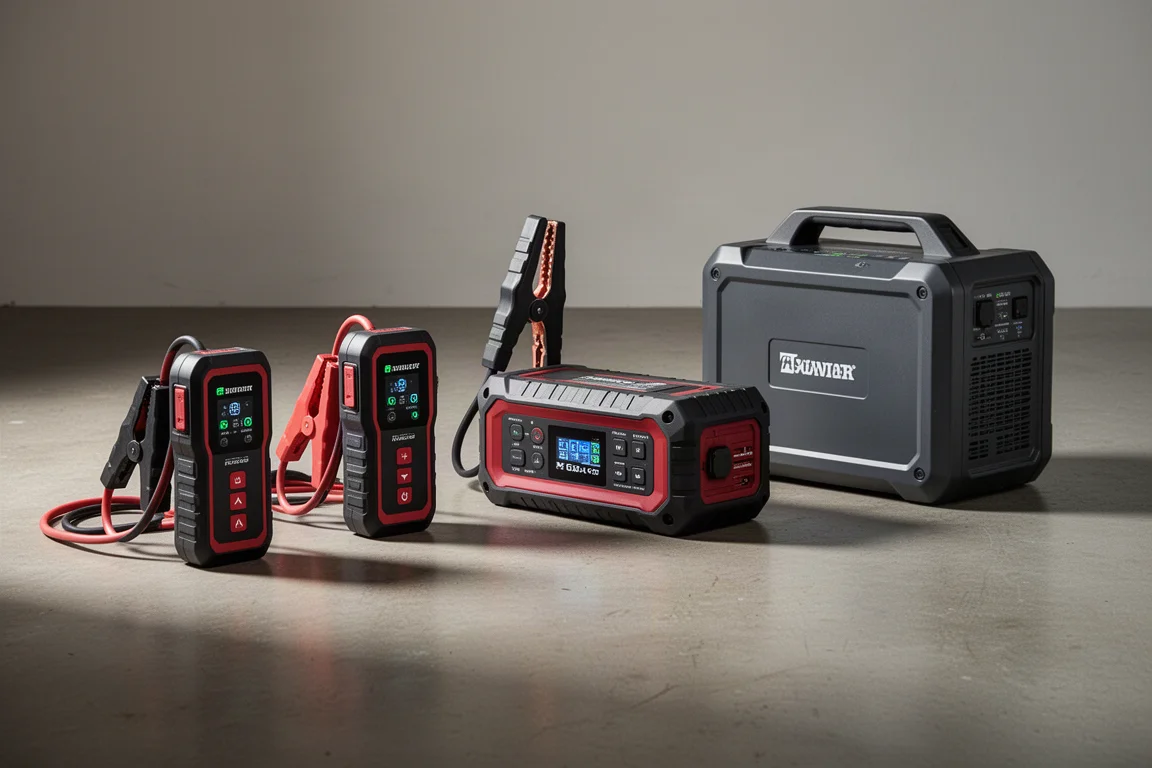
Best Portable Jump Starters After a Year of Real Use: 4 Units Compared
Four jump starters tested for over a year in trucks, ATVs, and around the property. Two impressed, two badly disappointed.