Grow Lights
Happy Leaf Procyon Grow Lights Compared: Which One Fits Your Grow Space
Three Procyon grow lights, three different use cases. Here is how the 2.0 17, the 2.0 33, and the Pro differ, and which one makes sense for your setup.
Introduction
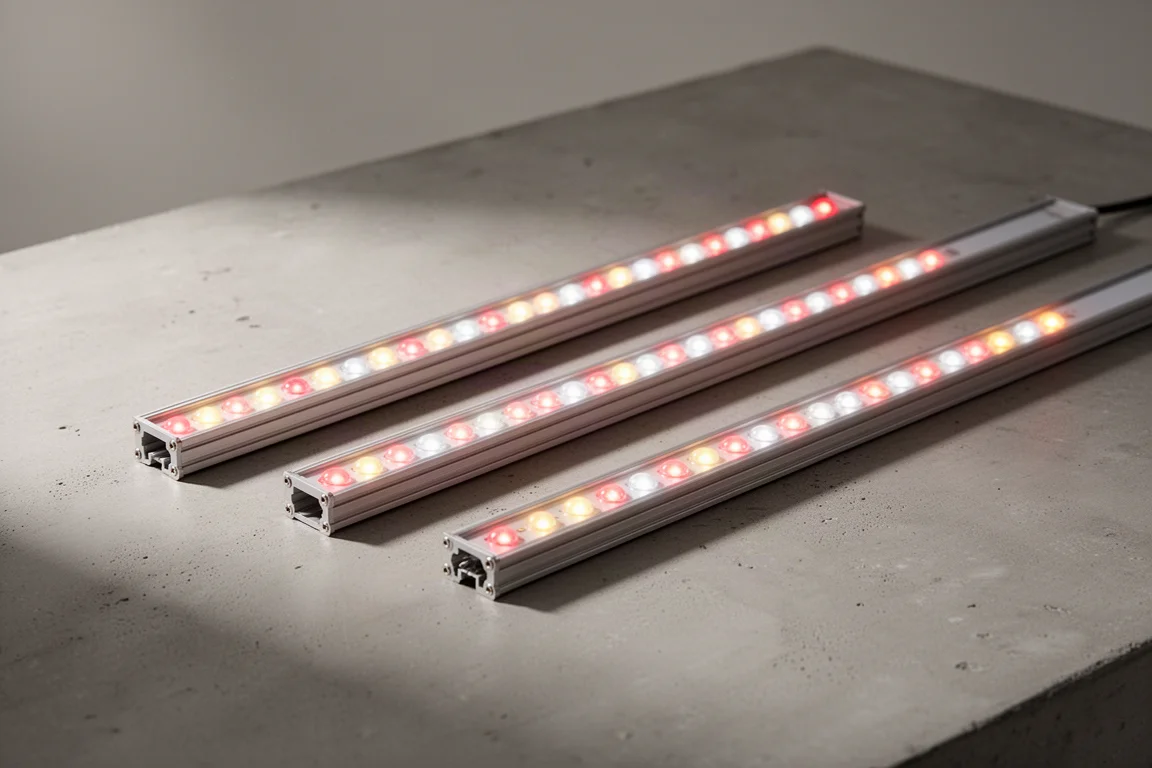
Happy Leaf builds three grow lights that share the same core technology but serve noticeably different setups: the Procyon 2.0 17”, the longer Procyon 2.0 33”, and the higher-output Procyon Pro. All three are full-spectrum horticultural lights, and all three are built around the same question you should ask before buying: how big is your grow area, how much are you growing, and how high can you mount the light?
This guide walks through what each model does well and where the practical limits sit, so you can match the light to your space rather than guessing.
Procyon 2.0 17: The All-Rounder for Home Growers
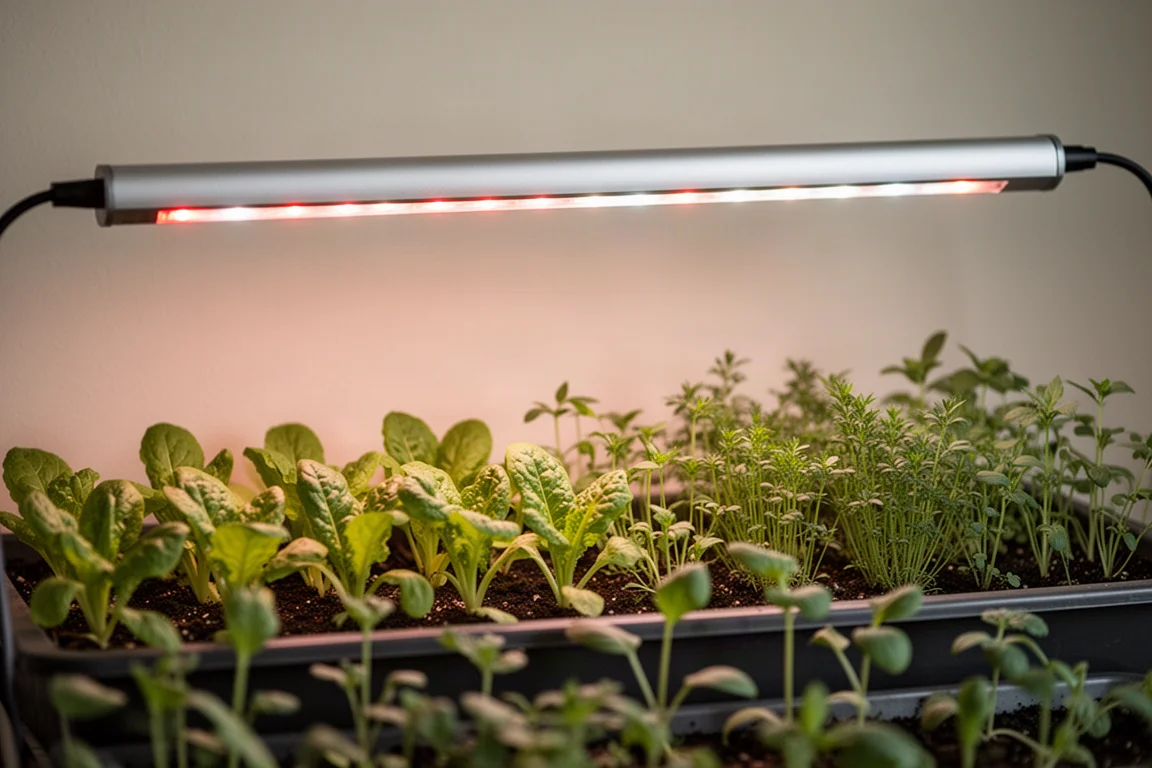
The Procyon 2.0 17” is designed to grow everything from leafy greens to tomatoes. It is the model the company positions as the default choice for home growers, and it fits the widest range of everyday indoor gardening tasks, from seed starting to fruiting crops.
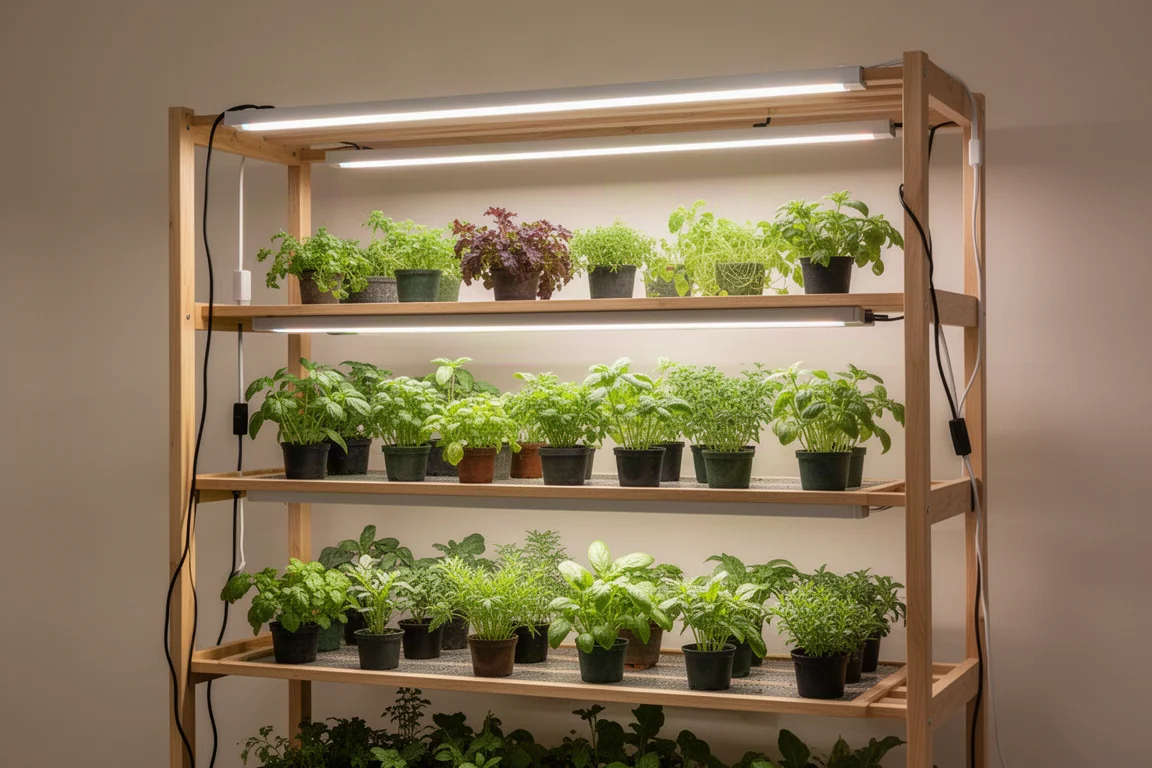
The light delivers a PAR reading of around 350 µmol/m²/s when hung 8 to 10 inches above the canopy, which comfortably covers the needs of leafy greens and herbs. If you are growing on a baker’s rack or can place the light relatively close to your plants, this is the model to pick, because the higher-output Pro would simply give you more light than the plants need at that distance.
Procyon 2.0 33: Same Light, Wider Footprint
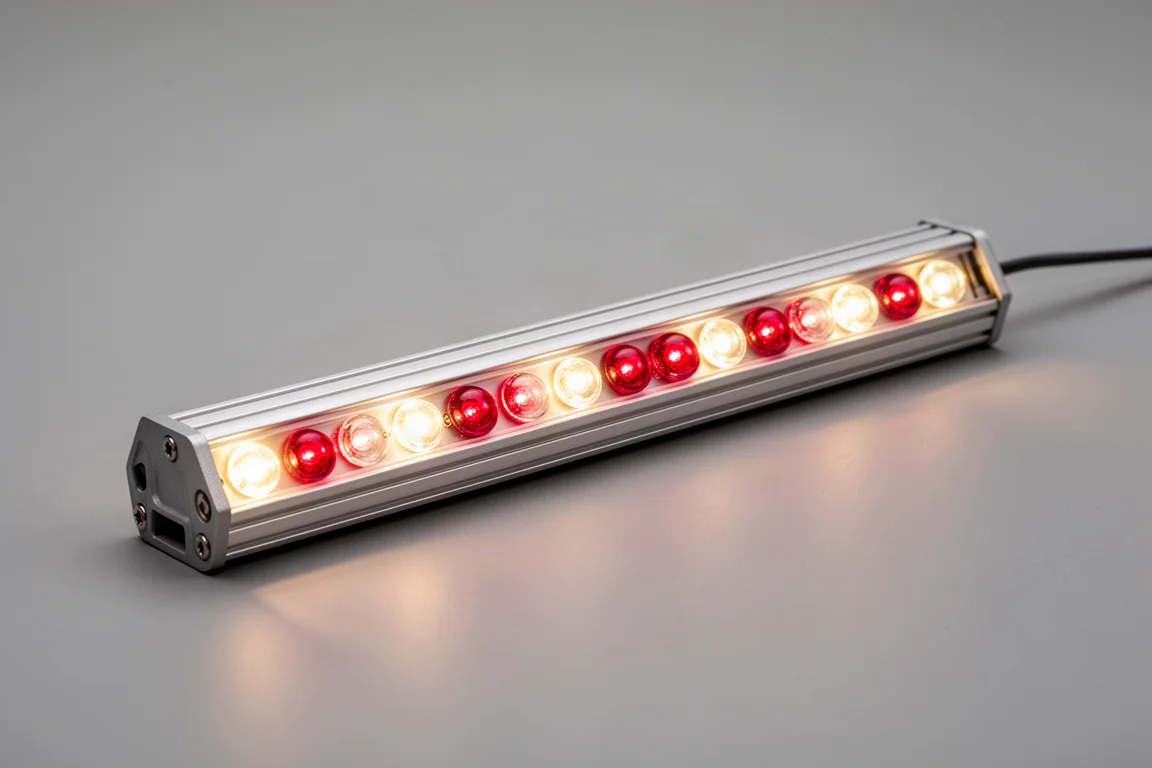
The Procyon 2.0 33” is the same light stretched to fit a three-foot space. It uses exactly the same LEDs as the 17” version, so the spectrum and light quality are identical; what changes is the coverage. If your shelf, cabinet, or growing area runs long and narrow, the 33” lets you light that footprint evenly without stacking multiple fixtures.
For anyone planning a shelving system or a longer propagation row, this is the version that removes the compromise of crowding plants under a shorter bar.
The Spectrum: Why Red Dominates
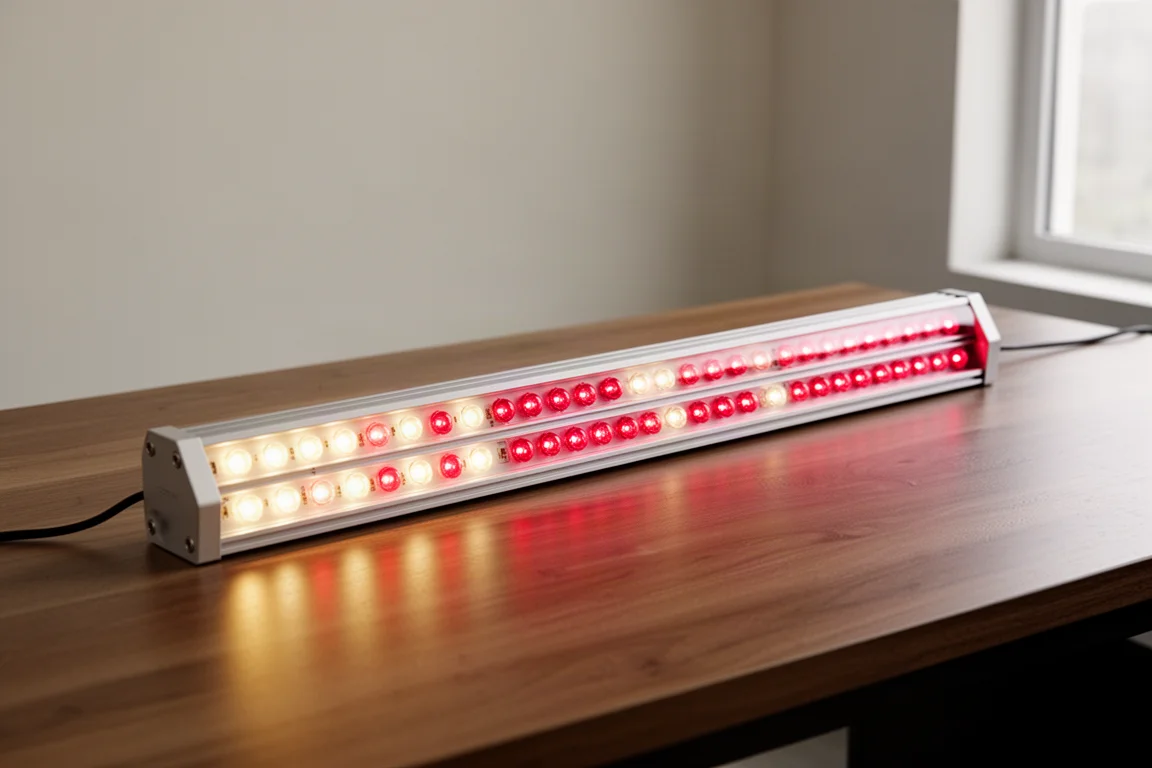
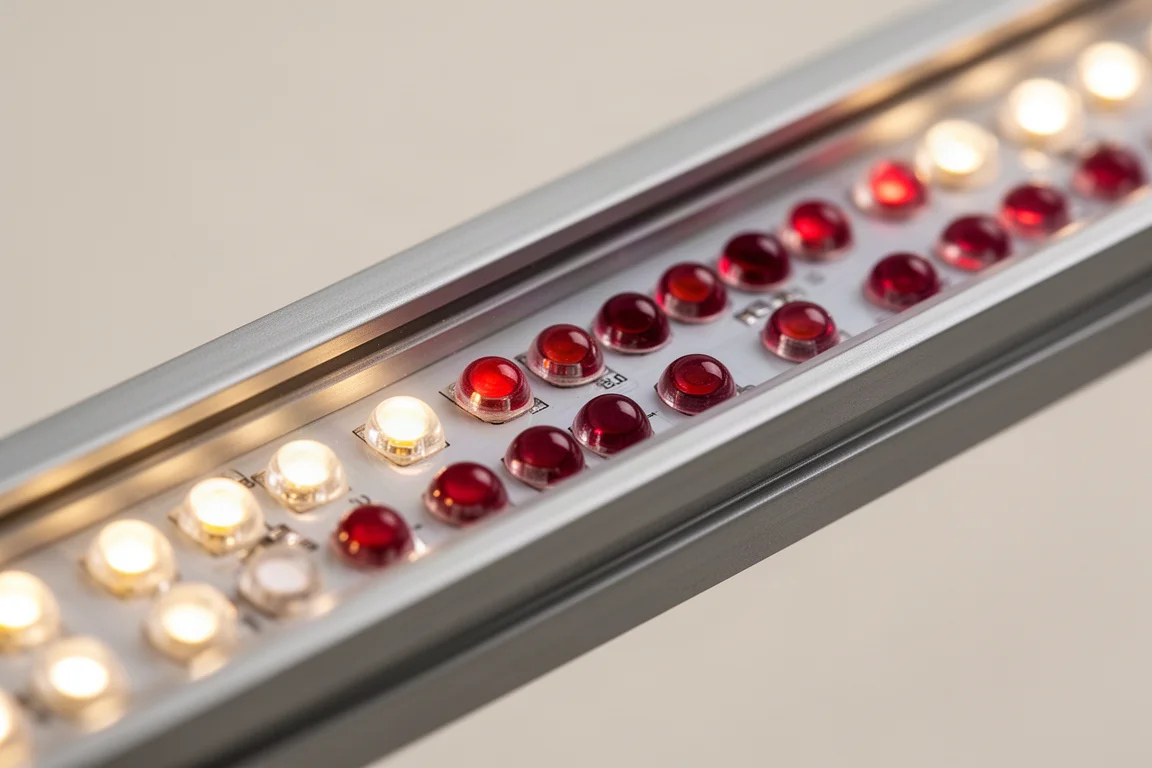
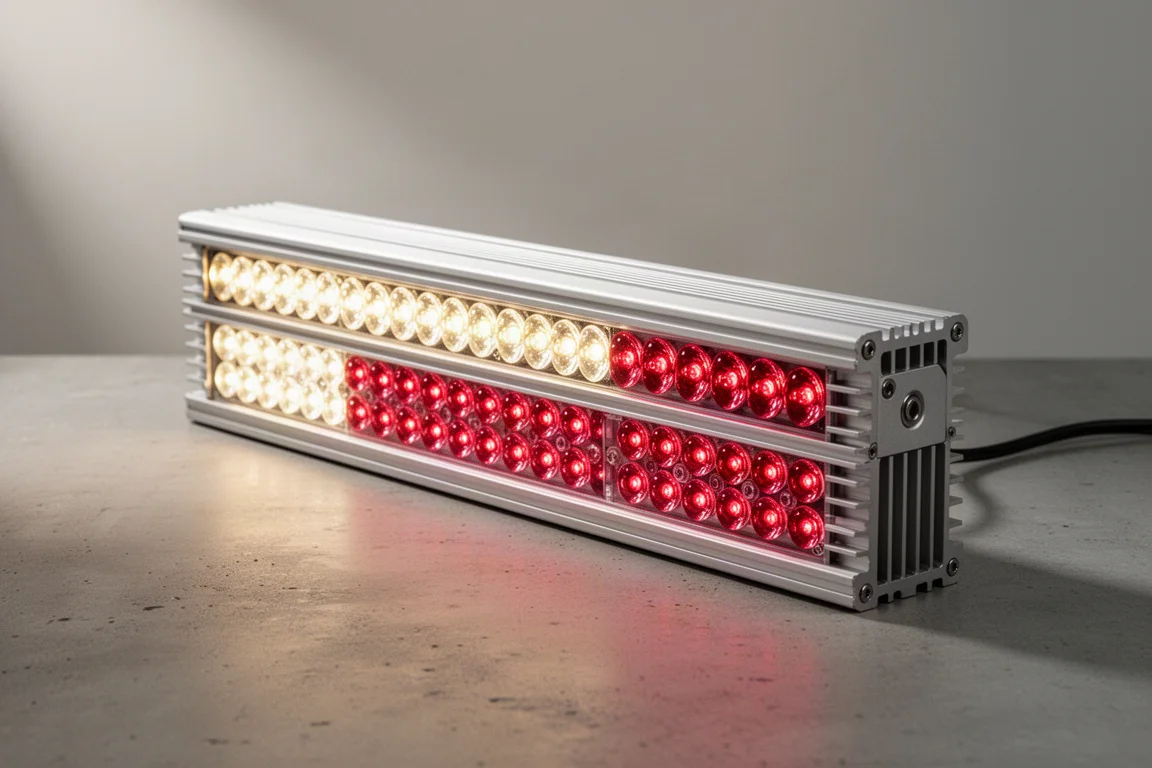
All three Procyon lights are full-spectrum designs built with high-quality horticultural LEDs from Osram. A large share of the output is red, which is the portion of the spectrum plants absorb most effectively for growth. The horticultural white LEDs add the blue and green components needed for light to penetrate the canopy and for plants to look healthy and natural.
That mix matters because cheaper consumer-grade imports typically rely on white LEDs that are blue underneath. Heavy blue output tends to make plants short and stubby, and they do not reach full size. Some blue and green is genuinely useful; it just should not be the whole story.
Matching Light Levels to What You Grow
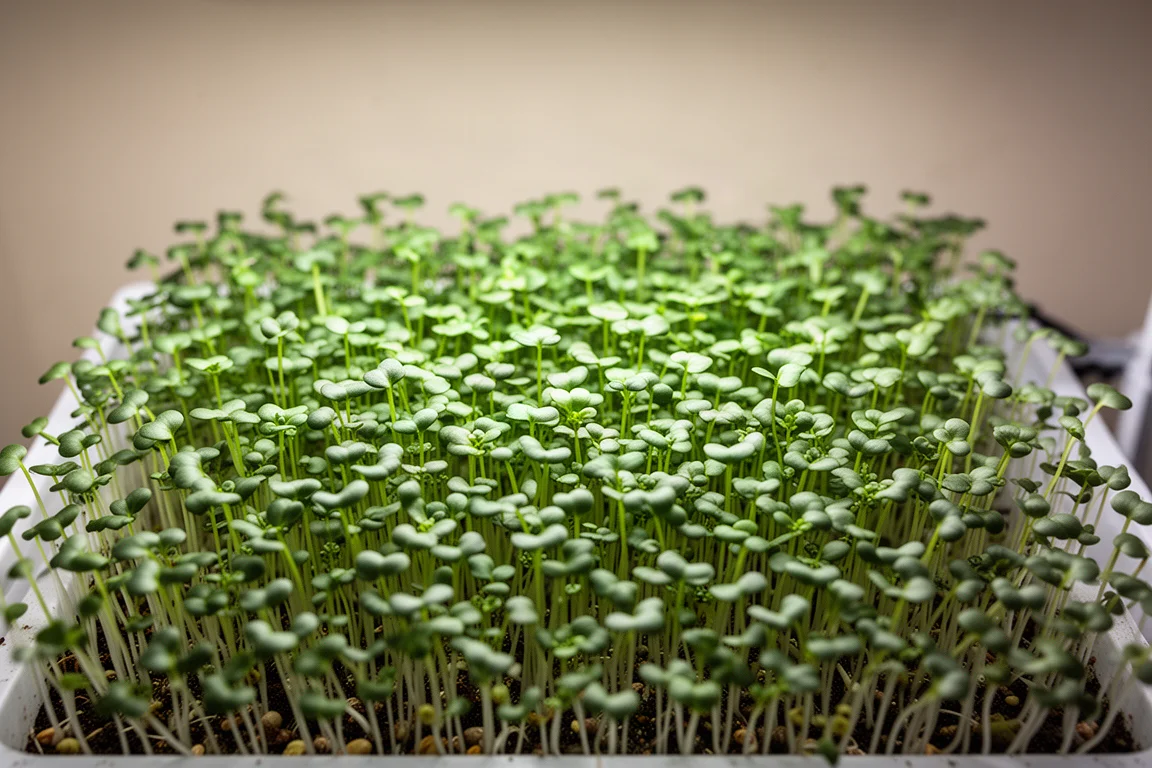
Measured PAR output gives a practical way to pick between the 2.0 and the Pro. Seed starting and microgreens are low-light tasks, needing roughly 100 to 200 µmol/m²/s. Leafy greens and herbs want around 150 to 300. The Procyon 2.0, hung at 8 to 10 inches, reads about 350, which gives you headroom for everything in that range.
The Procyon Pro reads about 630 µmol/m²/s at the same mounting distance, roughly 50% more output thanks to 50% more LEDs. That extra intensity is not wasted: raise the Pro higher and it still delivers around 350 while covering an area nearly the width of a standard table. That is the trade in one sentence. If you can mount close, the 2.0 is plenty. If you need intensity across a large area, the Pro earns its extra output.
Procyon Pro: Built for Height and Coverage
The Procyon Pro keeps the exact same spectrum as the 2.0 but packs in 50% more LEDs for 50% more light output. Its purpose is coverage and intensity. Commercial growers with generous mounting height can raise the light and spread usable light across a much larger area, and growers working with high-light-intensity plants get the levels those crops demand.
If your setup is a greenhouse bench or a tall commercial rack rather than a kitchen shelf, this is the model that maps to that reality.
Powering Multiple Lights
All Happy Leaf lights run on 24V DC low voltage, which keeps everything safe and simple to use at home. Power supplies are ETL or UL approved. A single light pairs with an individual power supply, but if you are wiring three or four lights onto a bookshelf or baker’s rack, the 300-watt supply is the cleaner route. It still outputs 24V but with a higher current rating and four barrel-connector outputs, so one supply on the rack can feed up to four lights and your cabling stays tidy.
Beam Angle and Why Placement Matters
The lights use a 120-degree beam angle, created by the domed LEDs themselves rather than added reflectors. The aluminum extrusion is designed to direct light downward, so you do not see light spilling from the sides; it lands on your plants. In practical terms, for every unit of height you add between the light and the canopy, you gain roughly the same distance of usable coverage on either side. That geometry is what lets the Pro cover a table-width area when raised.
Buying Advice
The decision tree is simple. Home growers and gardeners should go with the Procyon 2.0; it is the pick for growing almost anything in your home, and both the 17” and 33” versions share the same spectrum and quality, so you choose by footprint. Commercial growers, anyone with high mounting positions, or those growing high-light-intensity plants should step up to the Procyon Pro for its 50% higher output and larger coverage. All three models are highly efficient and come with a five-year warranty.
Conclusion
Every Procyon light grows plants well; the difference is scale. Pick the 2.0 17” or 33” for close-quarters home growing, and the Pro when you have the height and the area to use its extra output. Match the light to your space and you will not overbuy or undershoot.
Further reading
Related Reviews
Grow Lights
AC Infinity Ion Frame A7 Review: The Grow Light That Beats Its Own Spec Sheet
A high-output grow light for 2x4 tents that hits target PPFD at low dimmer levels, with strong efficiency and thoughtful mounting details.
Grow Lights
AC Infinity ION Frame Evo 3 Review: A New Bar-Style LED Grow Light for 2x4 Spaces
Samsung LM301H EVO diodes, app scheduling, and a magnetic frame make the ION Frame Evo 3 a serious option for 2x4 grow spaces.
Grow Lights
AC Infinity ION Grid T24 Review: A Full Spectrum LED Grow Light for 2x4 Spaces
A 260W full spectrum LED grow light with Samsung LM301H diodes, a programmable digital controller, and a complete hanging kit out of the box.