Aquarium Testers
Hanna Marine Salinity Tester Review: Fast Salinity and Temperature Readings
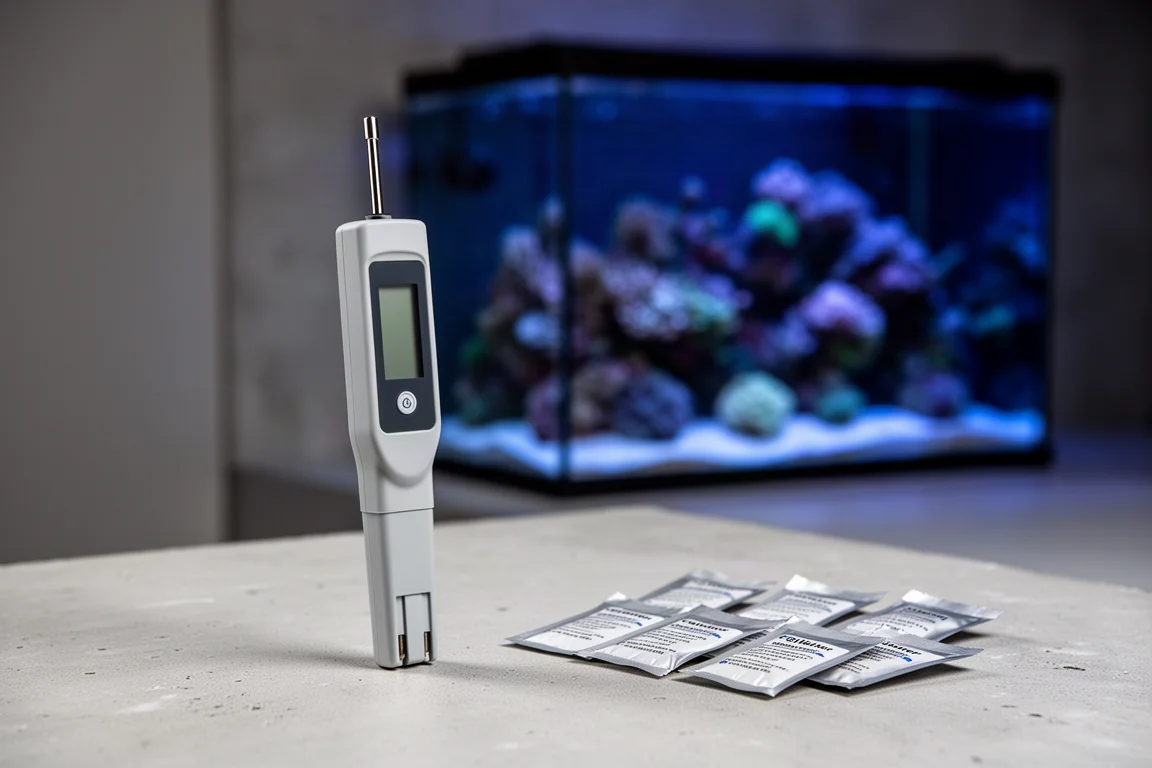
A handheld salinity tester that measures by electrical conductivity and temperature, with readings in specific gravity or parts per thousand and a tight accuracy margin.
Introduction
Choosing a salinity tester for a marine or reef aquarium usually comes down to one question: how much do you trust the number you are looking at? The Hanna Marine Salinity Tester answers that with a handheld design that reports salinity and temperature together, and it does so using electrical conductivity rather than the refraction method most hobby refractometers rely on.
That distinction matters more than it first appears. Temperature is one of the most important factors affecting measured salinity values, and it changes refractive index in particular. Nearly every refractometer in the hobby, digital or handheld, builds in automatic temperature compensation to offset this, but not all of them are lab grade perfect. The Hanna tester approaches the problem from the temperature side first.
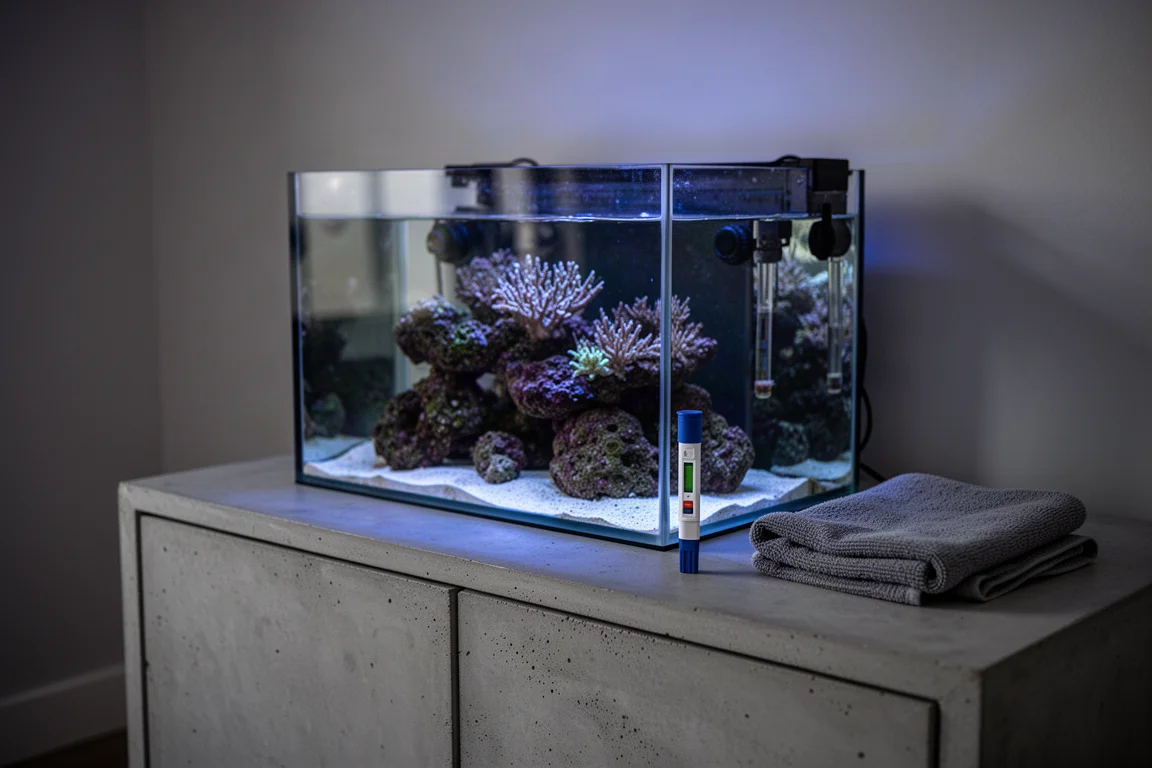
Readings arrive in seconds, and they can be shown either as specific gravity or as parts per thousand, so you can keep working in the unit you already use without converting anything yourself.
Who This Product Is For
This tester suits marine and reef keepers who check salinity often and would rather read a clear number than interpret faint blue lines on a traditional refractometer. If your routine already includes regular water changes, top offs, or mixing fresh saltwater, the value of a fast, repeatable reading goes up considerably.
It also fits anyone who works across both common unit systems. The majority of hobbyists measure in specific gravity and aim for a reading of 1.025 to 1.026, while others prefer parts per thousand and target 35. The tester reports both, so you can stay with whichever is easiest for you.
Main Strengths
Temperature Sensing and Graphite Electrodes
Temperature is one of the most important factors affecting the accuracy of a salinity measurement, and this is where the Hanna design separates itself. The unit uses graphite electrodes that sit fully submerged in the water being tested, which makes the temperature it reports far less likely to be skewed by the ambient air around the tank.
Because those electrodes are submerged rather than sampling a couple of drops, the temperature reading reflects the body of water you actually dipped into, not a thin film sitting on a prism.
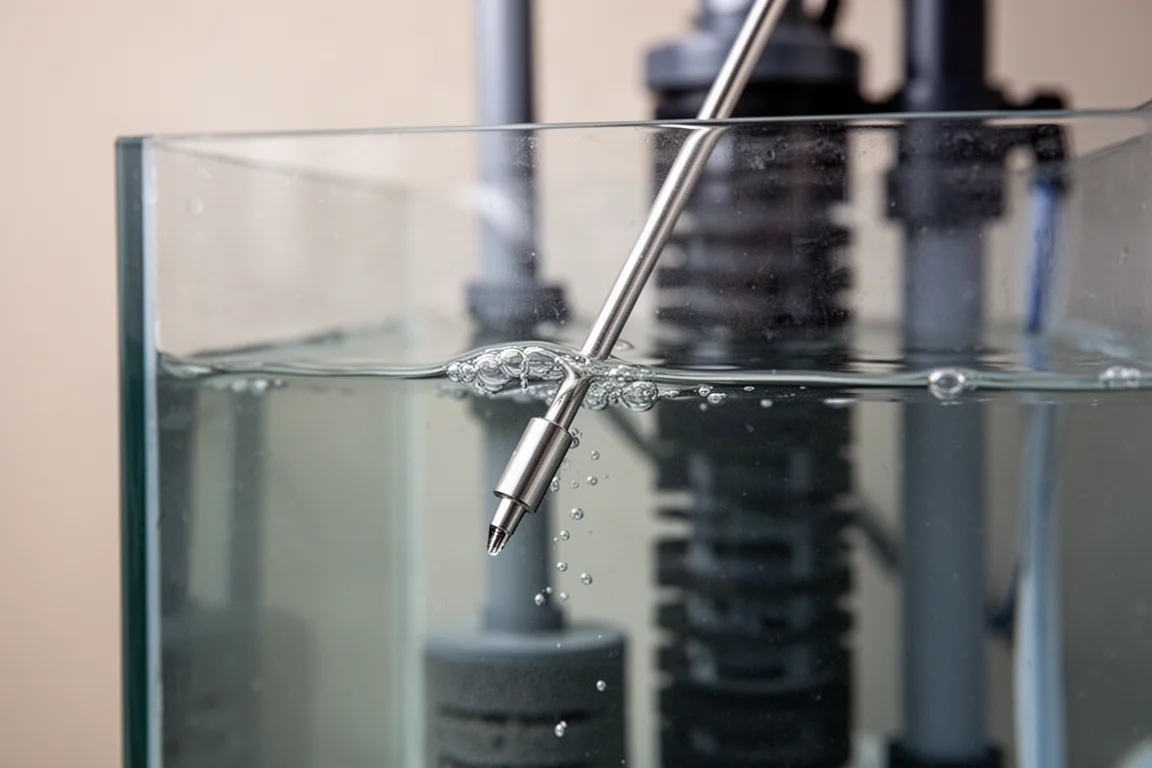
That design choice carries into the salinity side of the measurement. The instrument is measuring the water itself, in the tank or the mixing container, which keeps the process simple and consistent from one test to the next.
Electrical Conductivity in Familiar Units
In laboratory environments, the most commonly used way to measure salinity is by electrical conductivity rather than by refraction. The reason is stability. Conductivity is far less prone to skewed results caused by materials in the water, including organics that can genuinely change the refractive properties a refractometer depends on.
Hanna takes that laboratory method and converts the result into the terms hobbyists already recognise, offering specific gravity and parts per thousand. On accuracy, the tester works within a margin of plus or minus 0.001 specific gravity, which is a smaller margin than other digital versions sold for this hobby.
What Comes in the Box and Battery Life
The tester arrives ready to use, supplied with calibration packs and a battery, all held in a protective case. There is no additional purchase needed to get started.
Battery life is managed by an auto shutoff feature, and even if the unit is left switched on, the battery should last around 100 hours of continuous use. The housing is waterproof and it floats, a small detail that matters a great deal when you are leaning over a sump.
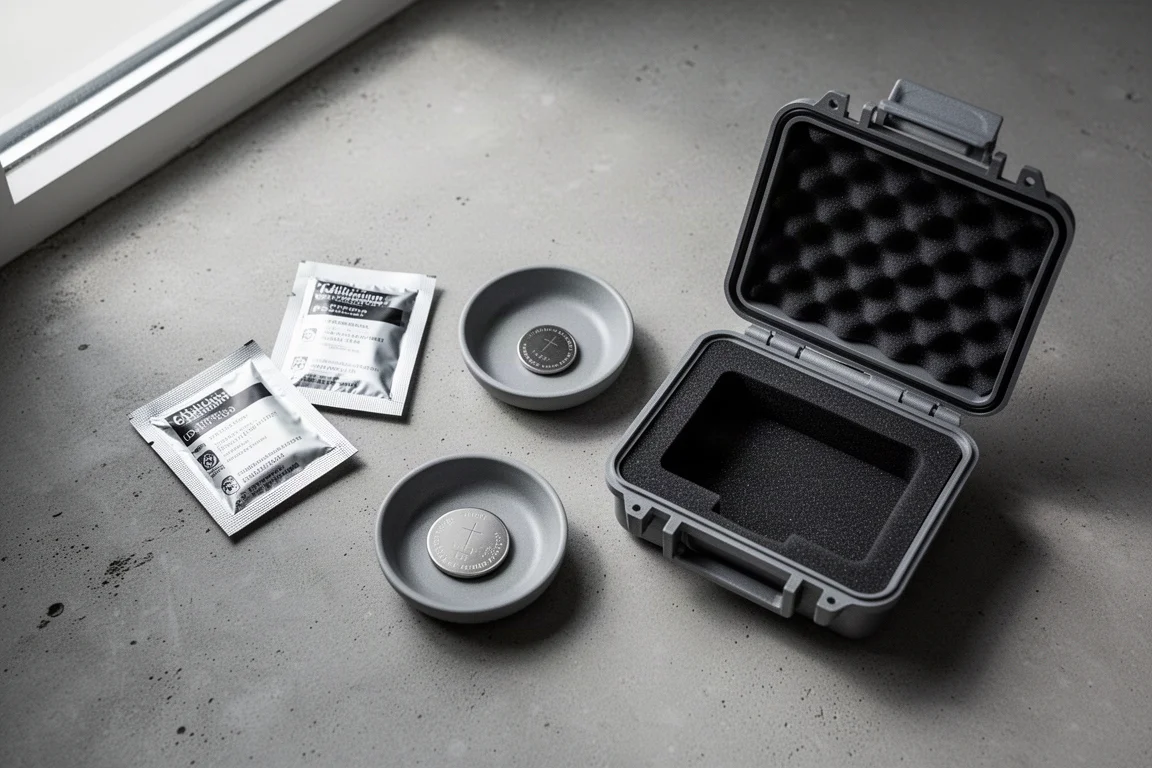
Between the protective case and the floating body, the tester is easy to store and forgiving in the moments where a dropped instrument would otherwise be a real problem.
Things To Consider Before Buying
The first thing to be honest about is the ceiling of handheld accuracy. A true lab grade bench refractometer remains the gold standard for salinity measurement and carries a price tag of around $1,500. This tester is not that instrument, but it delivers a margin of plus or minus 0.001 specific gravity, tighter than other digital options built for the hobby, at a small fraction of the cost.
The second consideration is habit rather than hardware. A quick rinse of the tester in clean water after every use is the single most effective way to keep readings consistent and reliable over time, and it takes only a moment.
It is also worth knowing that results are presented in converted units, specific gravity or parts per thousand, rather than as raw conductivity values. For most aquarists that is exactly what they want, but it is a design choice worth noting.
Buying Advice
If you want salinity and temperature readings in seconds, without squinting at fuzzy lines or second guessing whether your refractometer was calibrated properly, this tester is a straightforward answer. Everything needed to begin testing is in the box, including calibration packs and a battery.
On cost, the comparison is easy to frame. A lab grade bench refractometer sits around $1,500, so choosing this handheld approach represents a saving of over $1,400 while still keeping a tight accuracy margin for hobby targets such as 1.025 to 1.026 specific gravity or 35 parts per thousand.
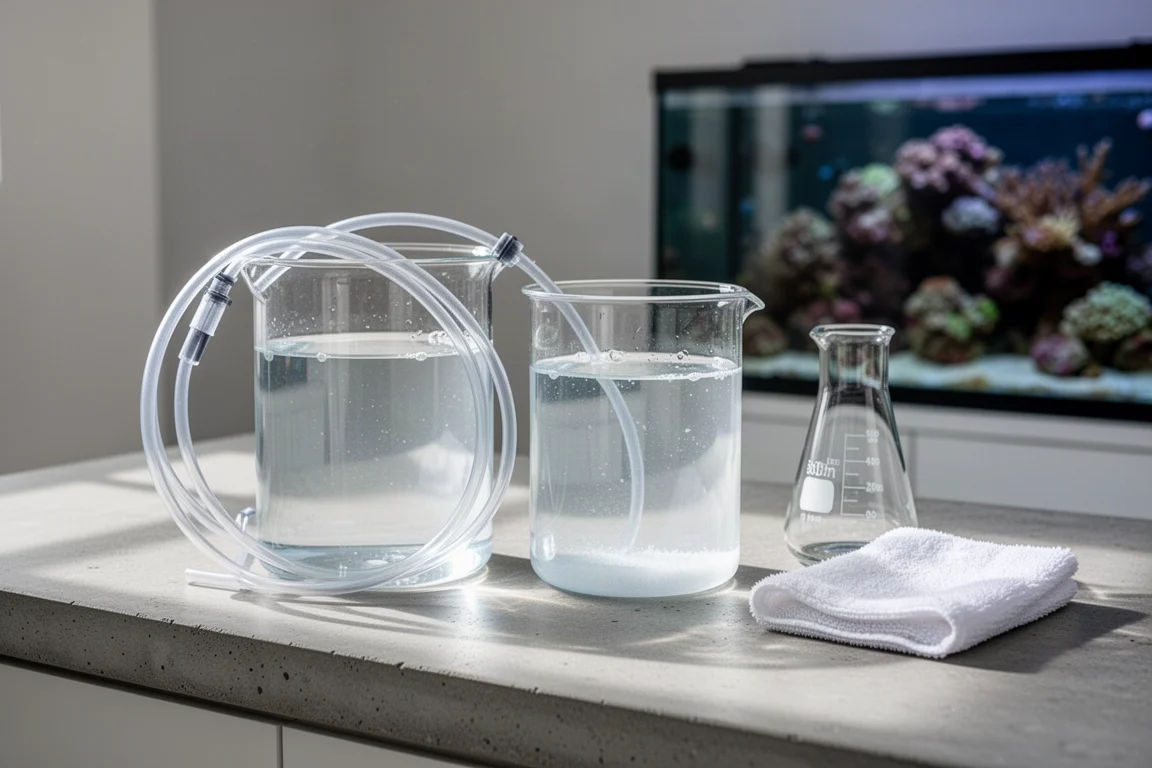
Used with a quick rinse after each session, it delivers consistent salinity and temperature results time after time, which is ultimately the point of owning a tester at all.
Conclusion
The Hanna Marine Salinity Tester makes its case through the details: submerged graphite electrodes for temperature readings that resist ambient influence, electrical conductivity measurement converted into units hobbyists already understand, a waterproof floating body, and a claimed 100 hours of battery life with auto shutoff.
For reef keepers who value speed, clarity, and repeatability over the ritual of a traditional refractometer, it is a practical upgrade that pays for itself against lab grade alternatives many times over.
Product link
View more details for Hanna Marine Salinity Tester
This product is mentioned in the review. Check the specifications, options, and compatibility before buying.
View more details for Hanna Marine Salinity TesterFurther reading
Related Reviews
Aquarium Equipment
Adaptive Reef Controller Cabinet Review: A Practical Home for Reefing Gear
A flat packed, reefing specific controller cabinet with a waterproof PVC build, magnetic front access, and a customizable faceplate system.
Aquarium Equipment
AF4 Review: An Automatic Frozen Food Feeder That Keeps Feeding on Schedule
A closer look at the AF4 automatic frozen fish food feeder, covering its 50-cube reservoir, 21-day food life, self-rinsing cycle, and the accessories that shape a real setup.
Aquarium Lighting Equipment
Apogee One PAR Meter Review: Measuring Aquarium Light Without Guesswork
A handheld PAR meter for reef aquariums, who realistically benefits from owning one, and the practical habits that keep its readings useful.