Running Shoes
Half Marathon Training Shoe Rotation: 9 Running Shoes That Carried a 1:23 PR Build
From daily trainers to race-day supershoes and rainy-day cruisers, this nine-shoe rotation shows how each role fits into a half marathon training block.
Introduction
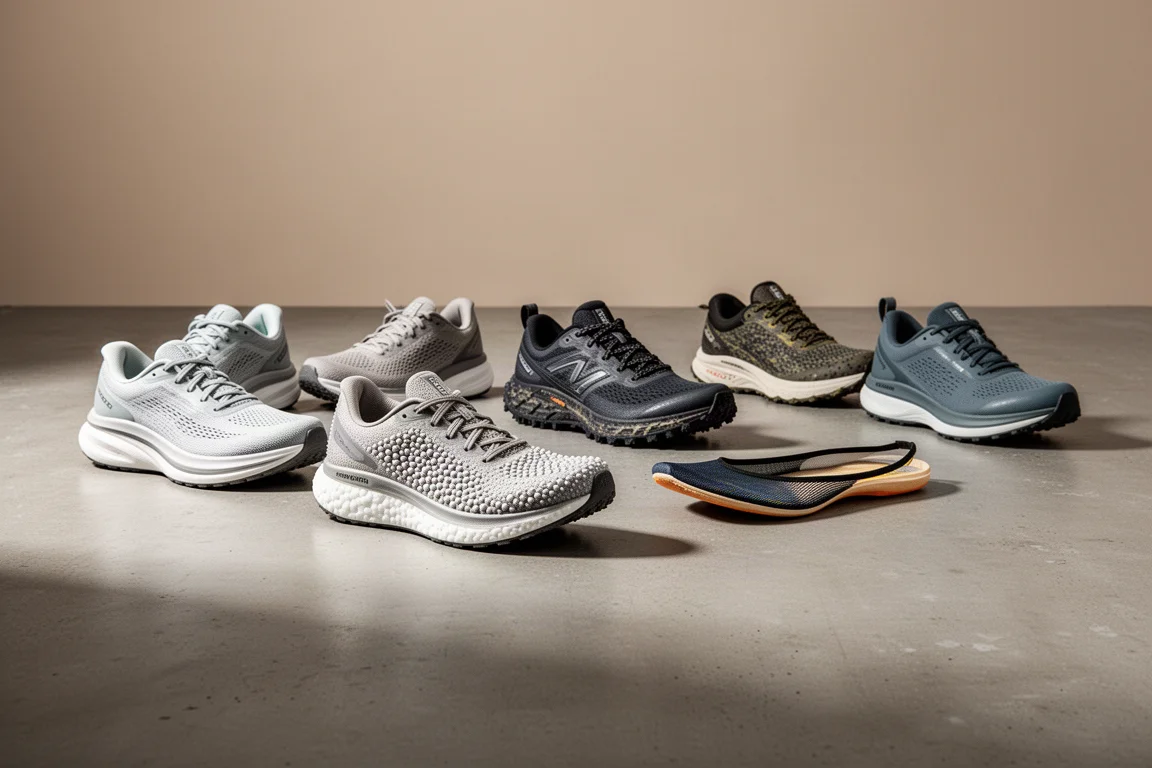
A half marathon PR build rewards the right shoe in the right role. This block spanned 380-mile weeks, long runs up to 18 miles, treadmill sessions while traveling, and track days, and it leaned on a nine-shoe rotation where every pair had a clear job: daily miles, double-day recovery, tempo work, trail races, workout days, race-pace efforts, race day itself, post-race recovery, and rainy-day long runs.
Here is how each shoe earned its place, plus what to weigh before adding any of them to your own rotation.
Daily Trainer: Saucony Endorphin Shift 3
The Saucony Endorphin Shift 3 served as the daily trainer for this block, and it is one of the favorite shoes in the rotation. A plastic heel clip around the back keeps things supportive and stable, while a thick bed of PWRRUN cushioning feels genuinely nice underfoot on ordinary miles. For a 6-foot, 165-pound runner, that extra support for daily mileage matters a lot.
These picked up around 150 miles during this block, having first been bought during a previous marathon build, and they are now closing in on 300 miles. Expect to ease them out of rotation soon, keeping them around for days that call for extra support.
Double-Day Partner: On Cloudmonster
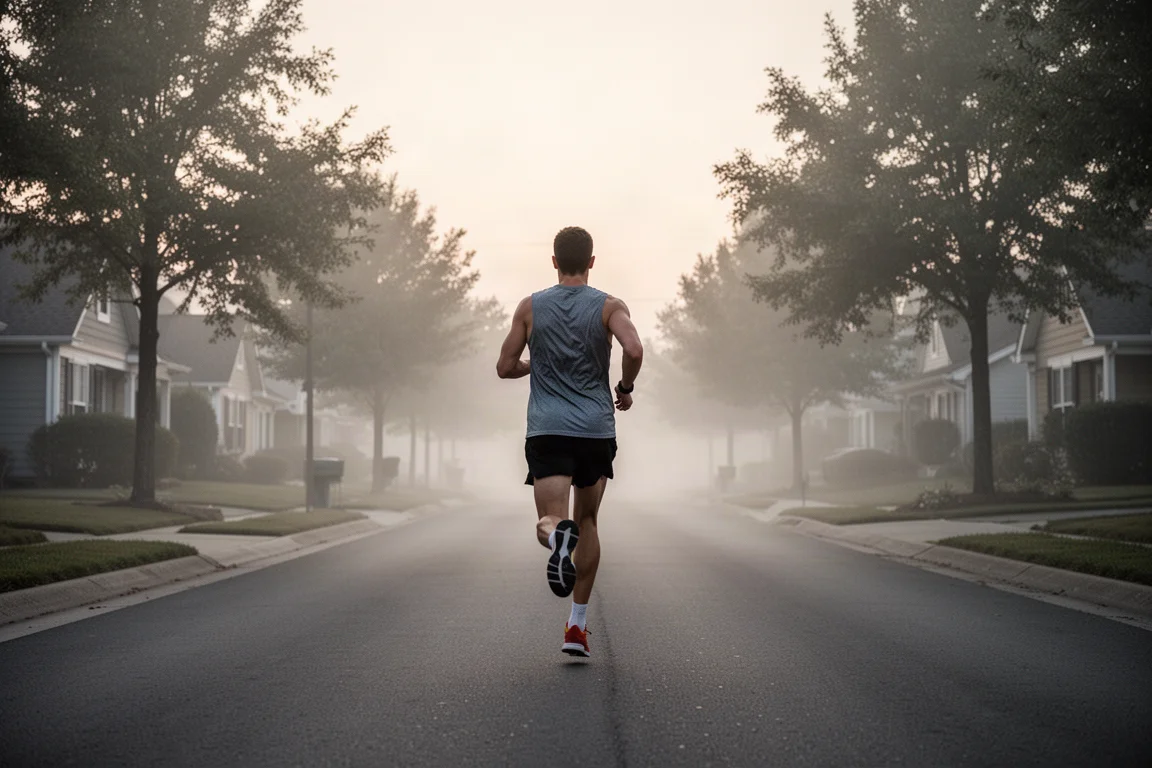
Rotated with the Endorphin Shift 3 for daily training, the On Cloudmonster handled the afternoon legs of double days: six-mile mornings paired with four-to-six-mile afternoons, or eight in the morning and four to six later. The Helion foam combined with the Speedboard gives a distinctive mix of cushioning and pop. Bend the shoe and it snaps right back, while the CloudTec foam pods compress nicely for a relaxed, floaty ride.
They are not the softest shoes available, but they feel good on easy, daily, and recovery miles, which is exactly what a second daily slot should deliver.
Uptempo Daily Shoe: Saucony Endorphin Speed 3
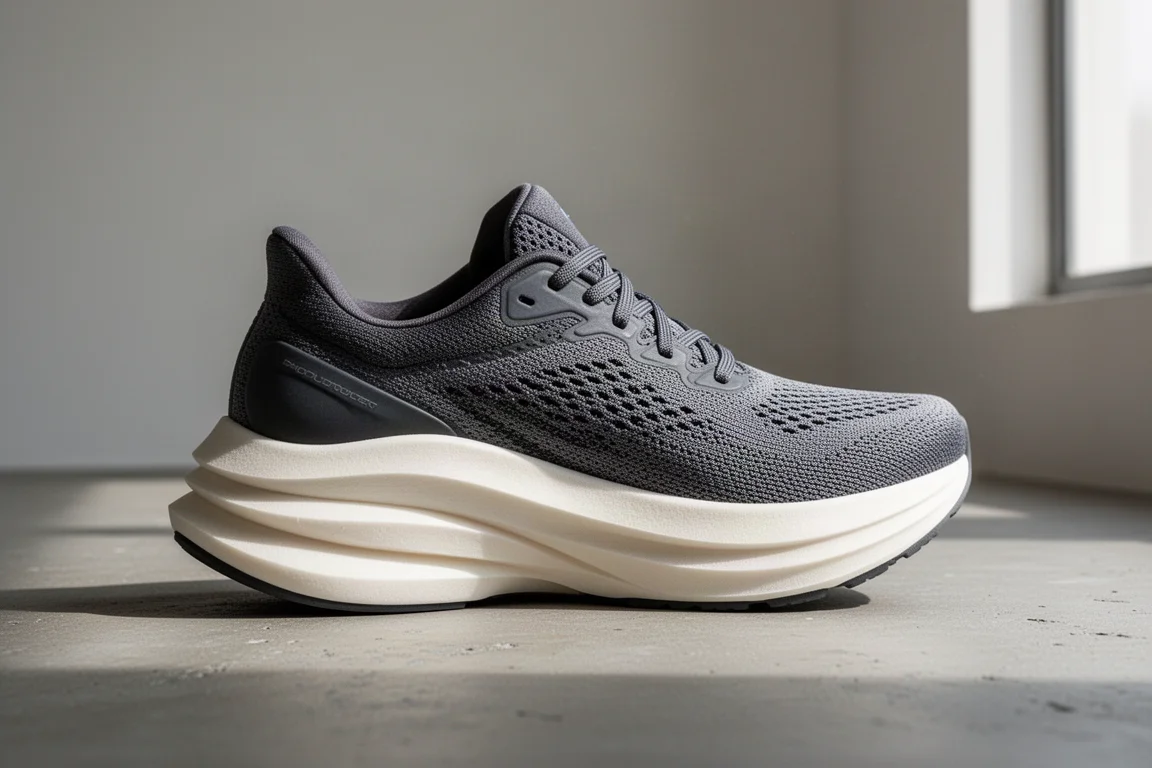
The Saucony Endorphin Speed 3 filled the third daily rotation slot, pitched by Saucony as more of an up-tempo workout shoe. In practice it works best for days where the pace might drift down, strides included. Daily pace sat anywhere from 7:15 to around 7:50 per mile, and these made it easy to drop to 7:00 or 7:05 without pushing heart rate past the aerobic threshold zone.
The PWRRU PB bead midsole has a visibly beaded texture, and a nylon plate adds mostly stability rather than pop, with little wings locking the midfoot in place. A pronounced rocker helps roll along through strides and keeps legs fresher at low effort.
Trail Curvesball: Norda 001
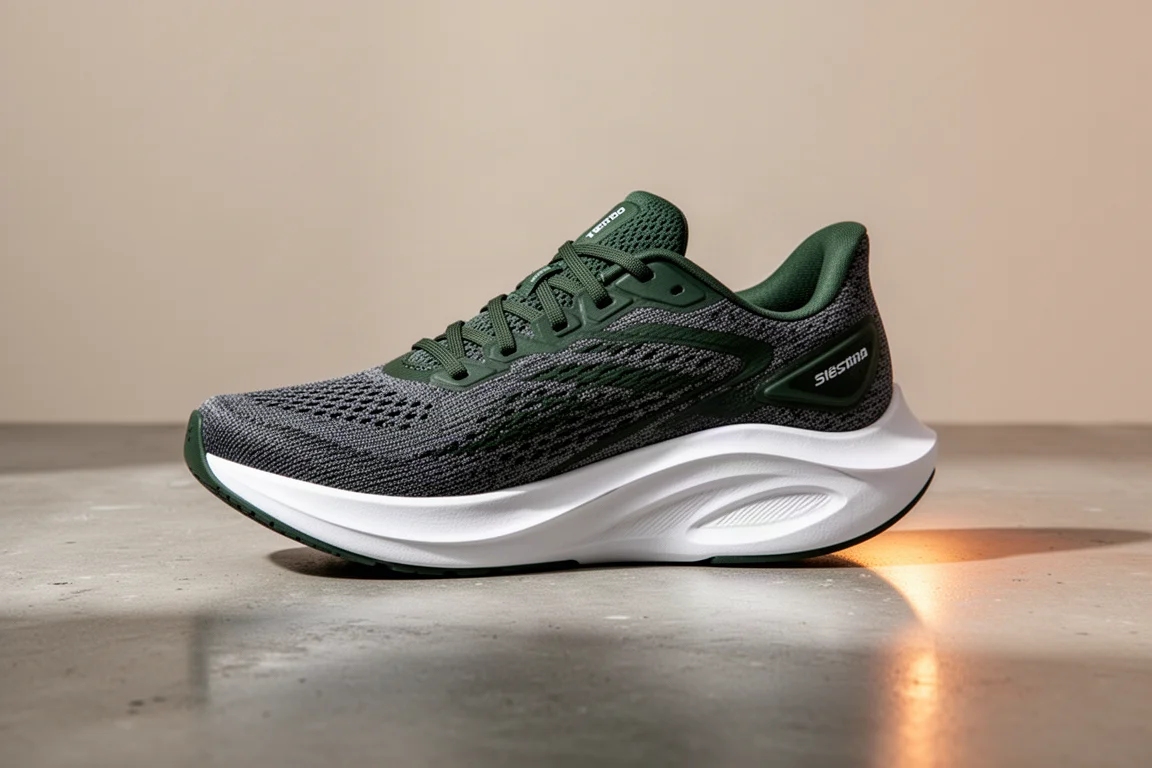
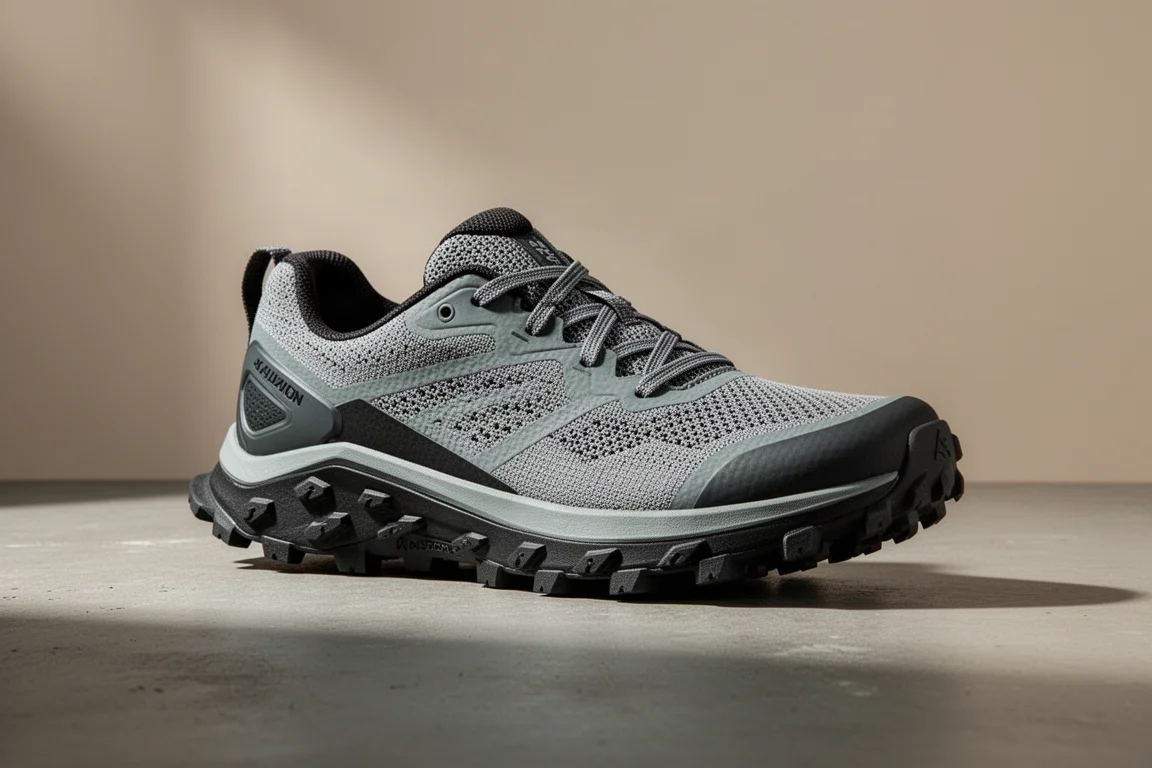
Before the specialized road work began, a whole weekend of trail races at the White Water Center in Charlotte totaled about 42 miles, including second place in the trail half marathon. The Norda 001 carried the entire weekend and now has about 100 miles on it.
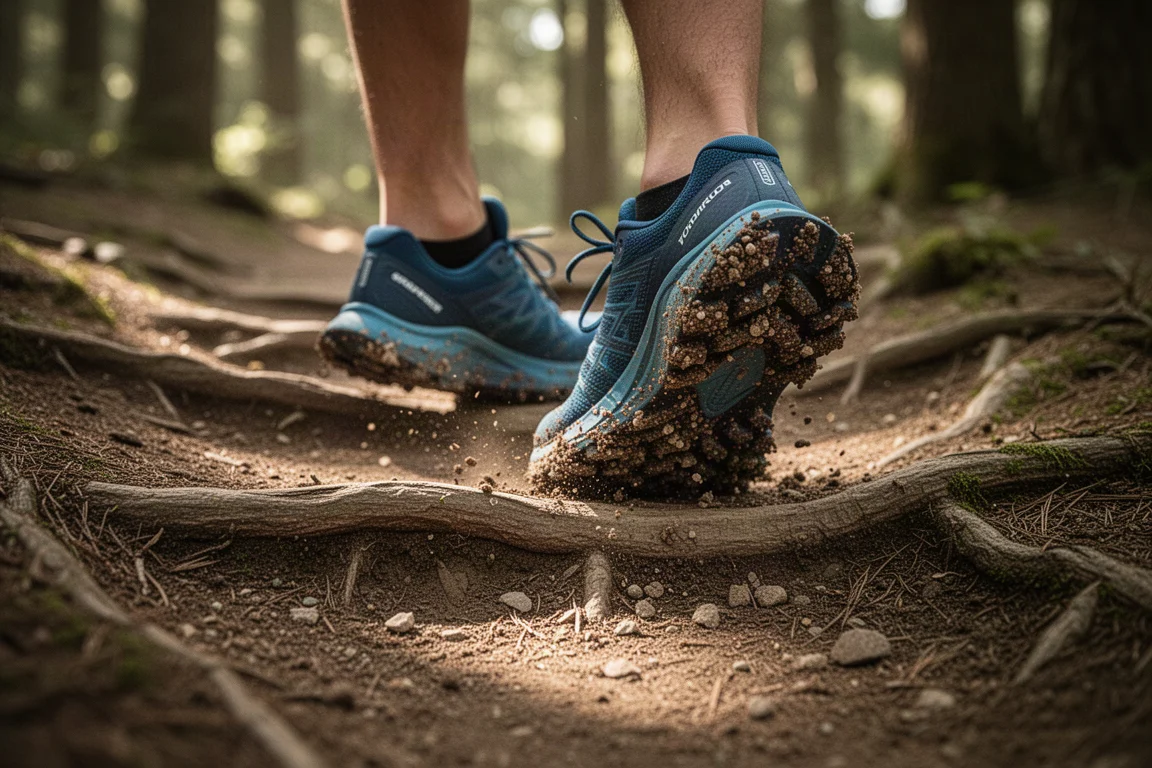
They are super comfortable and stable with a nice wide platform, and the Vibram outsole gripped confidently throughout. That combination makes them a strong pick for everything from occasional trail miles and family hikes to full trail race weekends.
Workout Shoe: Adidas Takumi Sen 8
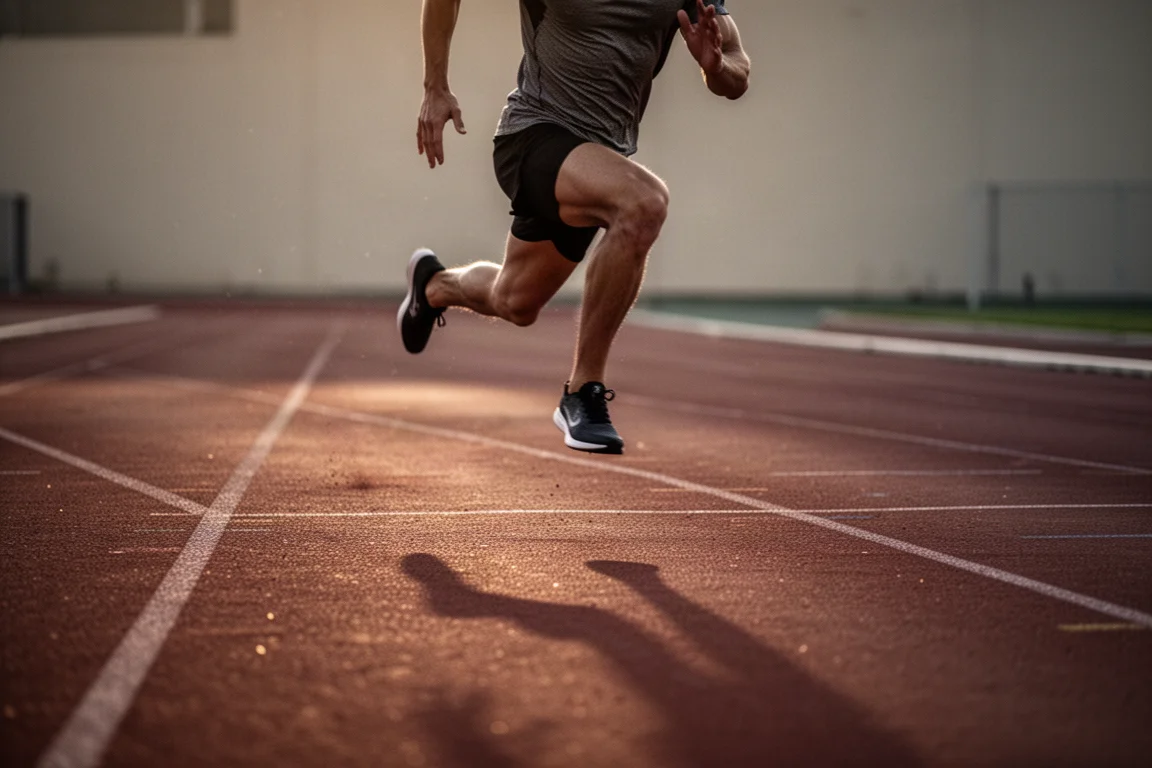
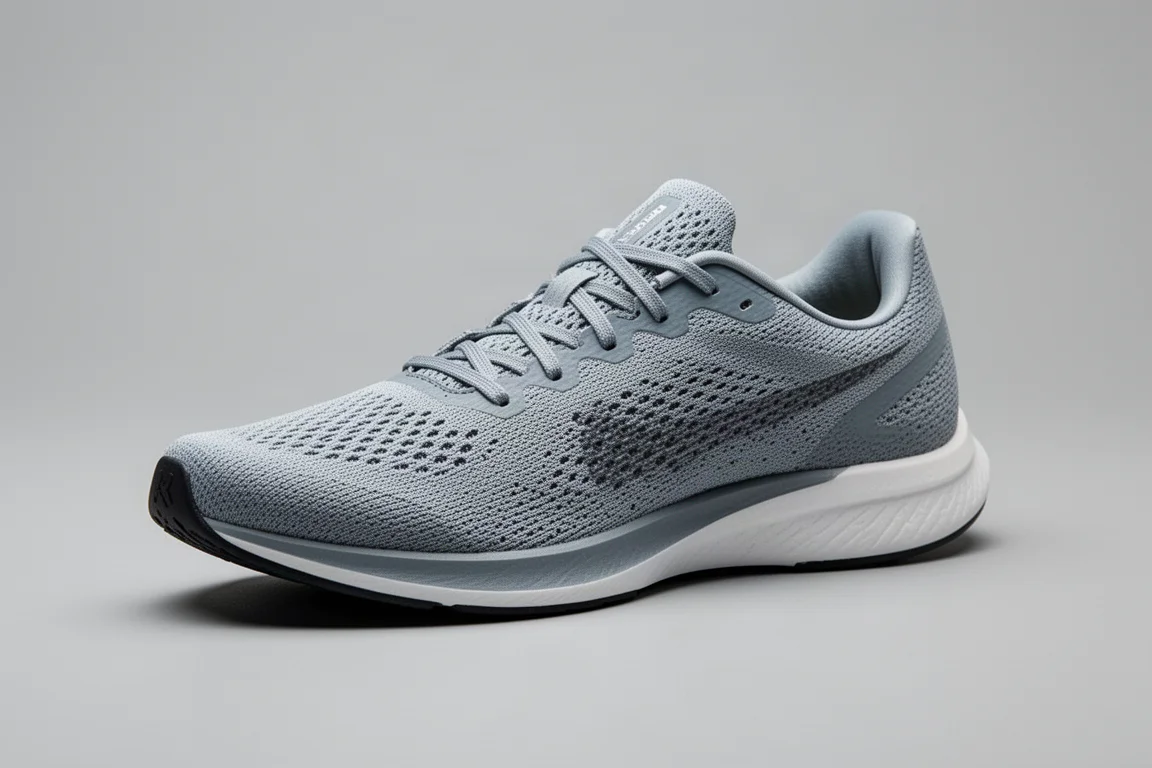
For pure workout days, the Adidas Takumi Sen 8 was the go-to, picked up for under $100 before the Takumi Sen 9 launched, and it can still be found for around $90 to $95 where stock remains. Unlike other supershoes in the rotation, it feels stripped out: the stack is not crazy, and carbon fiber energy rods replace a traditional plate. Continental rubber foam delivers tacky traction and a snappy toe-off.
Two things to note. The upper is extremely snug, feeling like a rocket strapped to the foot, so expect to experiment with lacing to get it right. The factory also threads the laces down through the eyelets instead of up, which needed reworking. Once sorted, intervals at six-minute pace or faster simply feel like running should, encouraging a forefoot strike and quicker cadence.
Long Run at Pace: Saucony Endorphin Pro 3
Long runs at pace defined this build: 16-milers starting with a 7:30 to 8:00 warm-up, dropping to 7:00 steady, then descending through marathon pace and half marathon pace before finishing all-out. The best shoe for that task was the Saucony Endorphin Pro 3.
They are super cushioned and comfortable, which cannot be said for all supershoes, and the wide base at the back keeps them planted. The PWRRU PB foam is bouncy, and the ride is a lot stiffer than the Endorphin Speed 3, which makes picking up the pace easier while the forgiving foam keeps slower warm-up and cool-down miles feeling natural. Legs stayed fresh the next day. These carried a previous marathon as well, though not this most recent half.
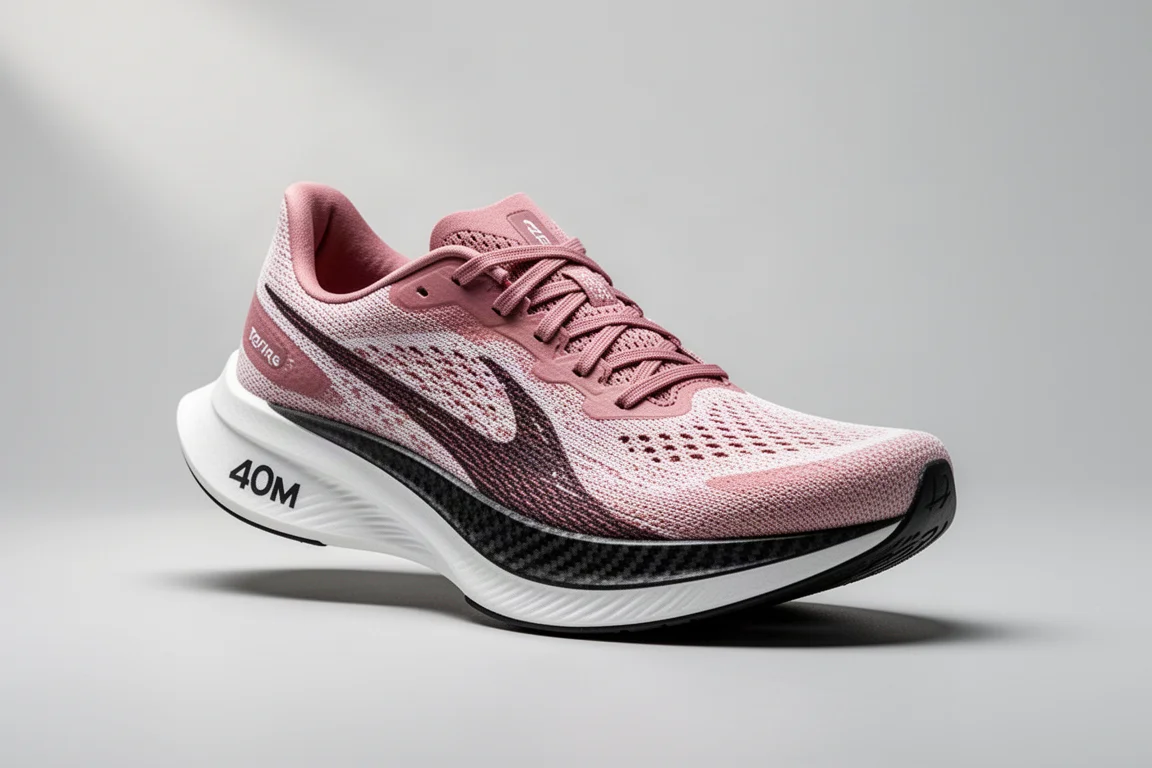
Race Day Weapon: Nike Vaporfly 2
Race-based workouts were the sharp end of the block: a four-mile effort at half pace, two three-mile efforts broken by a mile of rest, another four-mile effort inside a bigger week, and the big one, six miles at half pace sandwiched into a 16-mile long run. Every one of those was run in the Nike Vaporfly 2.
For many runners, this is the favorite speed-day and race-day supershoe. The foam is soft but bouncy, and once warmed up with the plate engaged, the shoe disappears from the foot. The stack sits a bit lower than the Endorphin Pro 3, creating a stronger connection to the ground, which is exactly what race day wants.
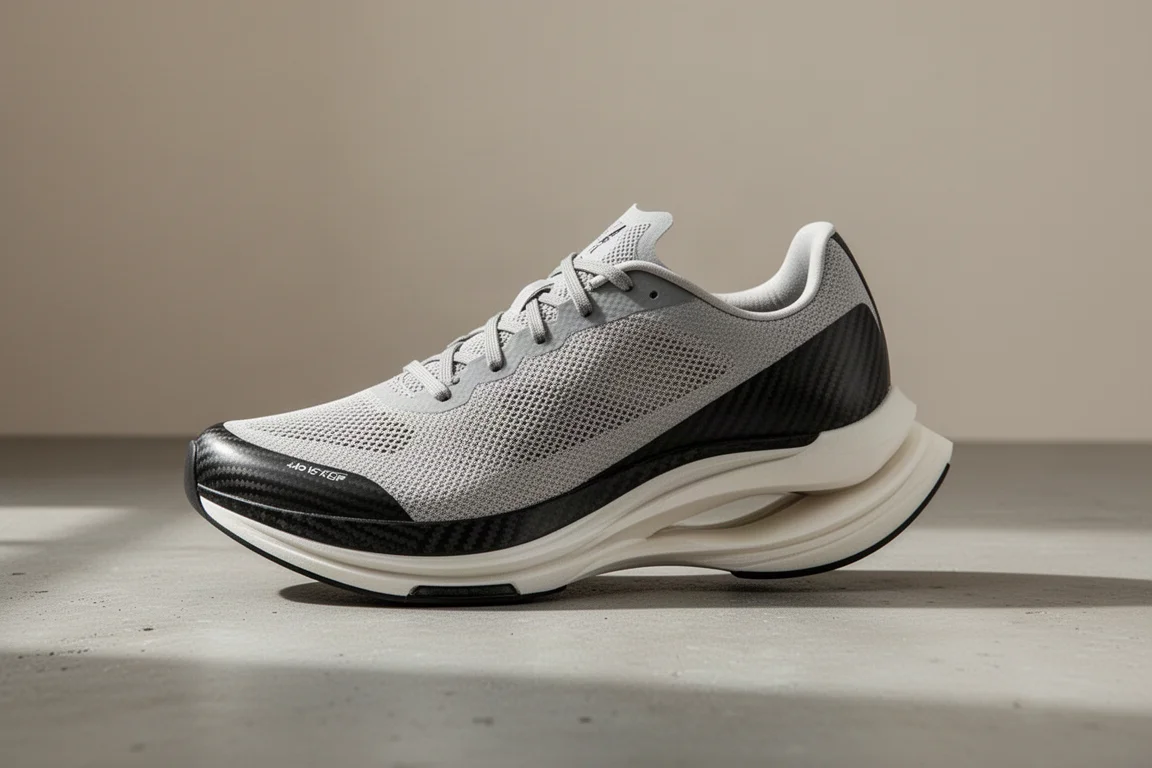
Recovery Shoe: Asics Gel Memphis 25
After the race, recovery takes over. The Asics Gel Memphis 25 became the go-to during the taper and post-race weeks, when everything called for maximum protection. The heel stack is a massive 41.5 millimeters of cushioning, with a nice rocker up front that helps the foot slide along at slow paces.
The upper is padded everywhere, like running with padding strapped to the feet. One complaint: the rubber in the forefoot is noticeably loud and plasticky on pavement, more so than other running shoes.
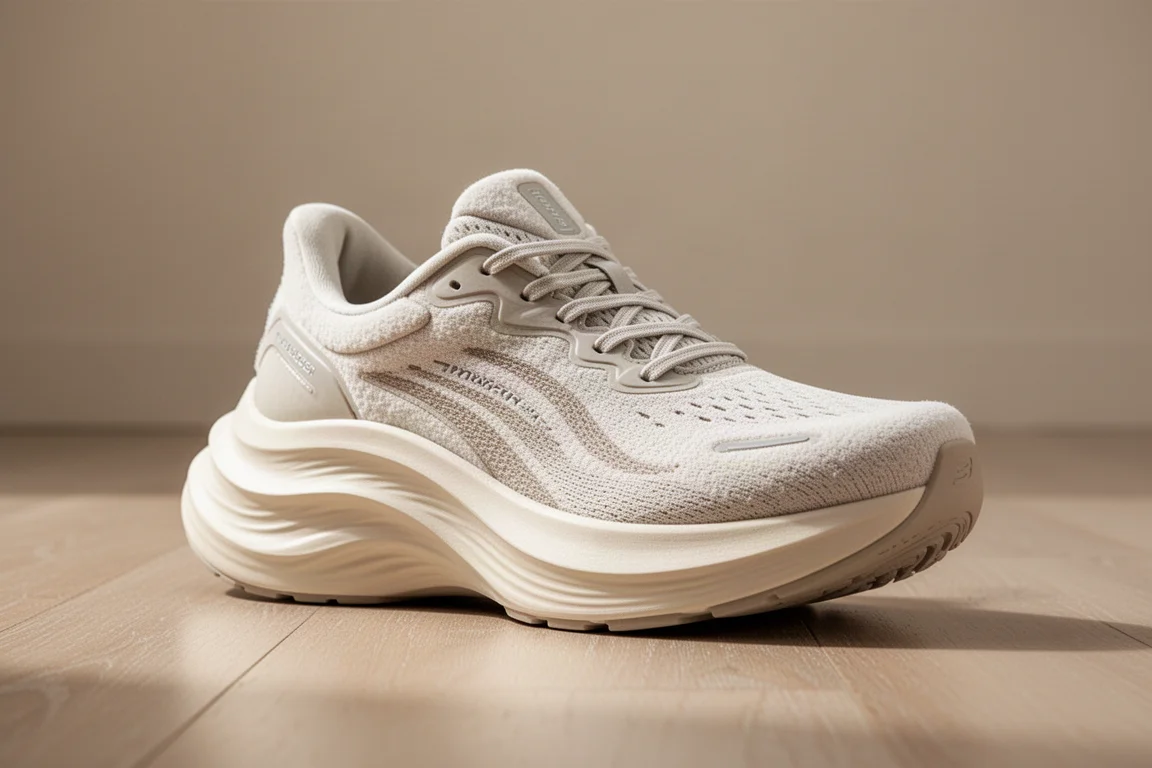
Rainy Day Shoe: Saucony Triumph 20 RunShield
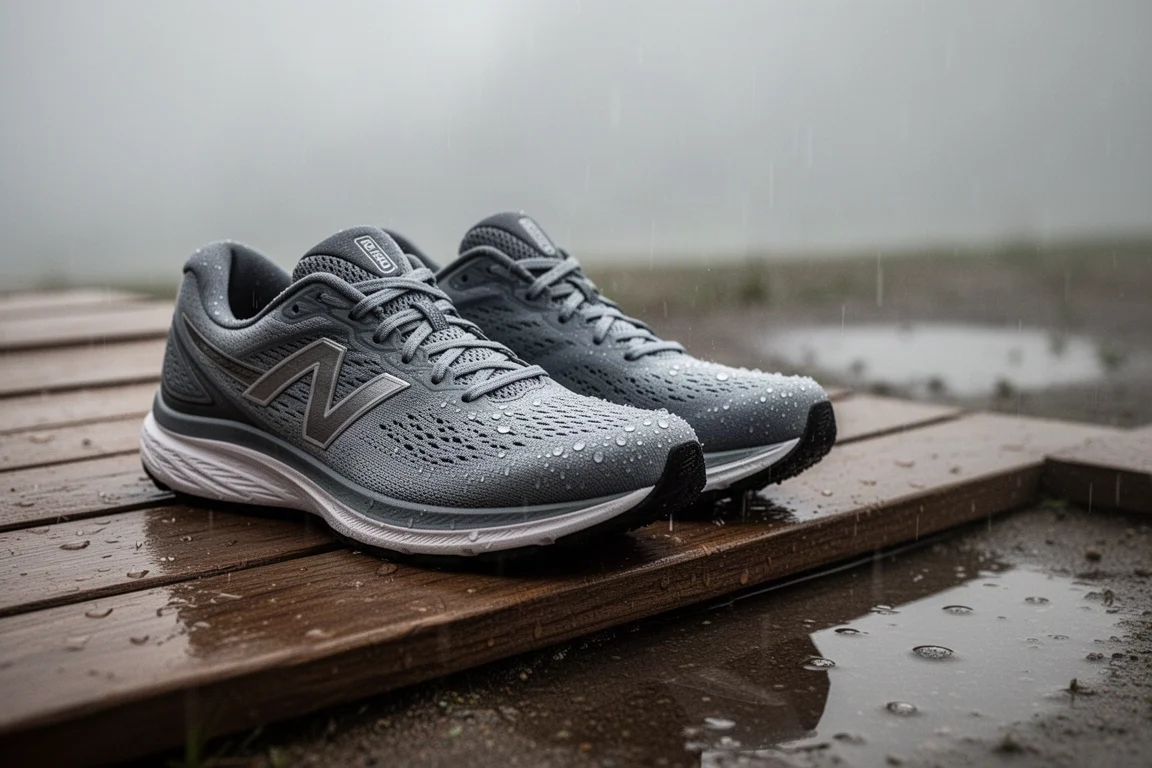
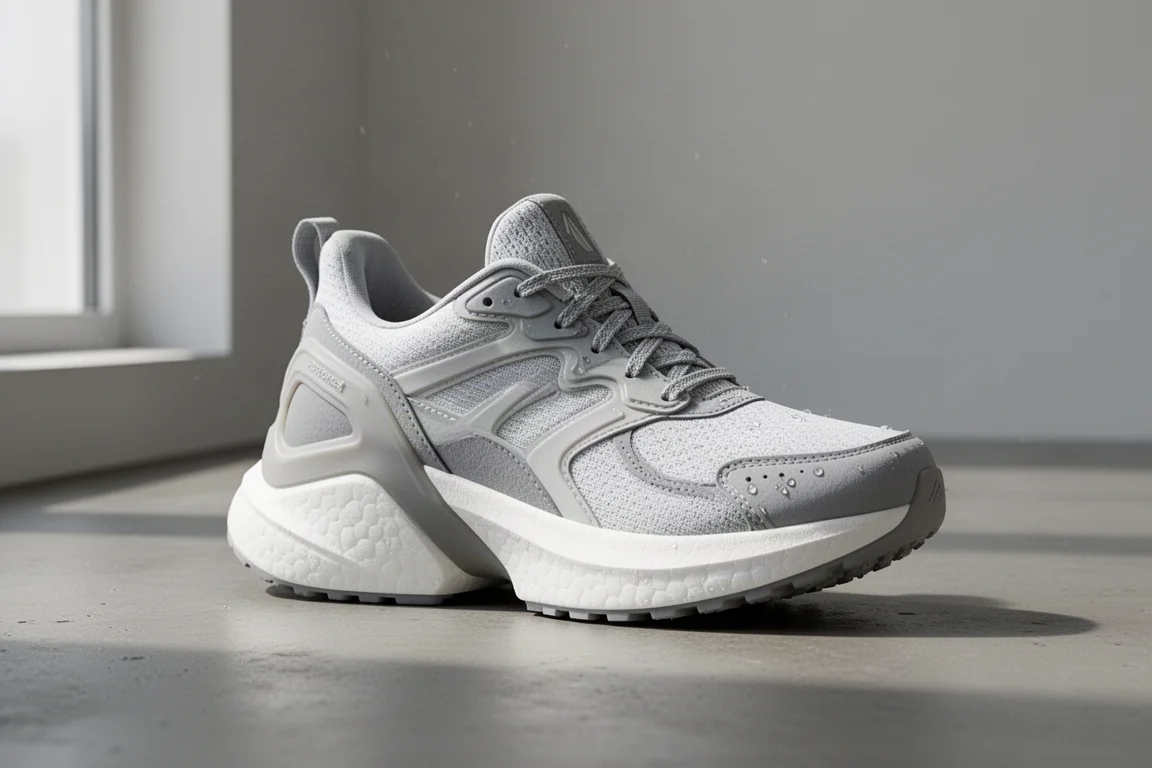
Every rotation benefits from a rainy-day shoe, and the Saucony Triumph 20 RunShield filled that role. The upper is not a Gore-Tex construction, but the material is water resistant rather than fully waterproof, keeping feet dry through puddles and steady rain on long runs.
With PWRRUN+ cushioning in the midsole, they are soft and bouncy with a bit of pace available when needed, making them ideal for two-hour outings in wet weather where arriving home with soaked feet is not an option.
Overall Buying Advice
Think in roles, not single shoes. A supportive daily trainer, a second cushioned trainer for doubles, an uptempo shoe with super foam for flexible-pace days, a dedicated workout shoe, a plated racer for long-run pace work and race day, plus recovery and weather-protection options, covers a full training block without overworking any one pair. Match the shoe to the workout, rotate enough pairs to stay fresh, and replace trainers as they approach the end of their mileage life.
Conclusion
This nine-shoe rotation covered every demand of a half marathon build, from 380-mile weeks of daily mileage to race-pace workouts and a PR on race day. The lesson is simple: assign each shoe a clear job, and the whole rotation works harder for you.
Further reading
Related Reviews

Running Shoes
Best Road-to-Trail Running Shoes: Three Versatile Options for Mixed Terrain
A practical guide to three road-to-trail running shoes that handle both pavement and mild trails, with clear strengths and trade-offs for different runner types.

Running Shoes
Best Running Shoes for Achilles Tendonitis: Three Options Explained
Three running shoes with different heel drops and support features designed to help reduce Achilles tendon pain during walking and running.

Running Shoes
Best Running Shoes for Women: Five Top Choices Ranked
A ranked guide to five women's running shoes, from versatile daily trainers to high-performance racing options, with real strengths and trade-offs for each.