Bike Buying Guide
Gravel vs Mountain Bike: Canyon Grizl and Canyon Lux on a 120 km Mixed-Surface Ride
A Canyon Grizl gravel bike and a Canyon Lux cross-country mountain bike go head to head over 120 km of towpaths, lanes, ruts and short technical descents.
Introduction
Gravel bikes and mountain bikes are hard to separate on paper. A gravel bike is slower than a road bike on tarmac and slower than a mountain bike on rough ground, so the appeal does not show up in a spec sheet. What does show up is the combination of body position and pedalling efficiency, and that only becomes obvious once you ride both back to back over real mixed terrain.
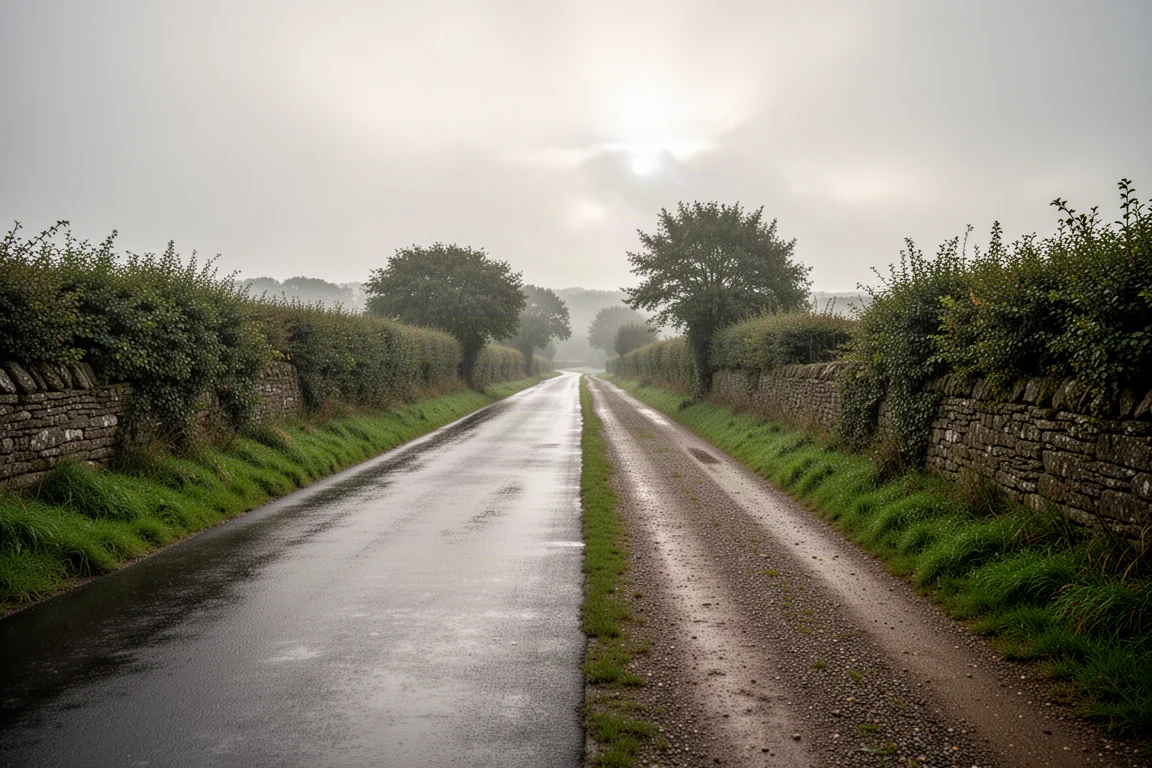
To settle the question, a Canyon Grizl and a Canyon Lux were taken out on a 120 km route linking canal towpaths, quiet lanes, a Roman road, horse-rutted tracks and a few short technical descents, in weather that turned wet and muddy along the way. The conclusion arrived more clearly than expected.
The Route and the Two Bikes
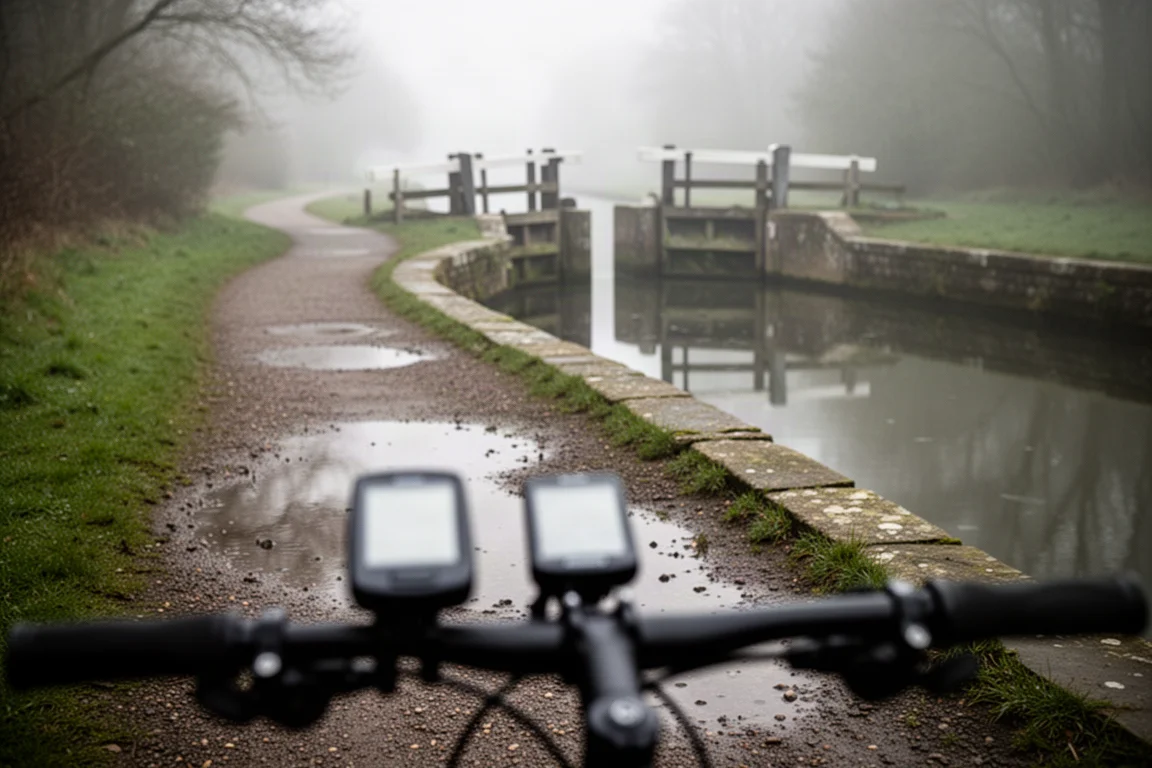
The route was an unofficial one, pieced together as a fundraising exercise for a local air ambulance, stitching the best tracks and lanes out of a densely populated corner of southern England. It is the kind of route that only works with a GPS head unit mounted on the bars; without one, you would spend the day reading directions instead of riding.
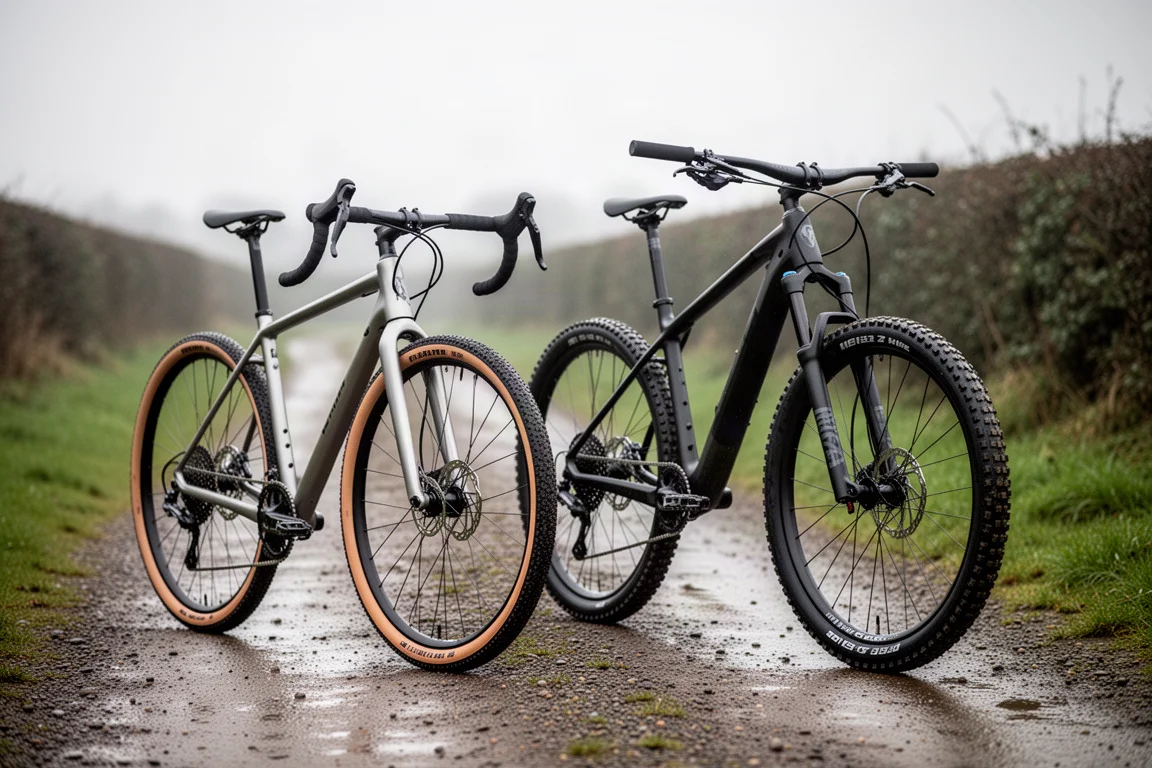
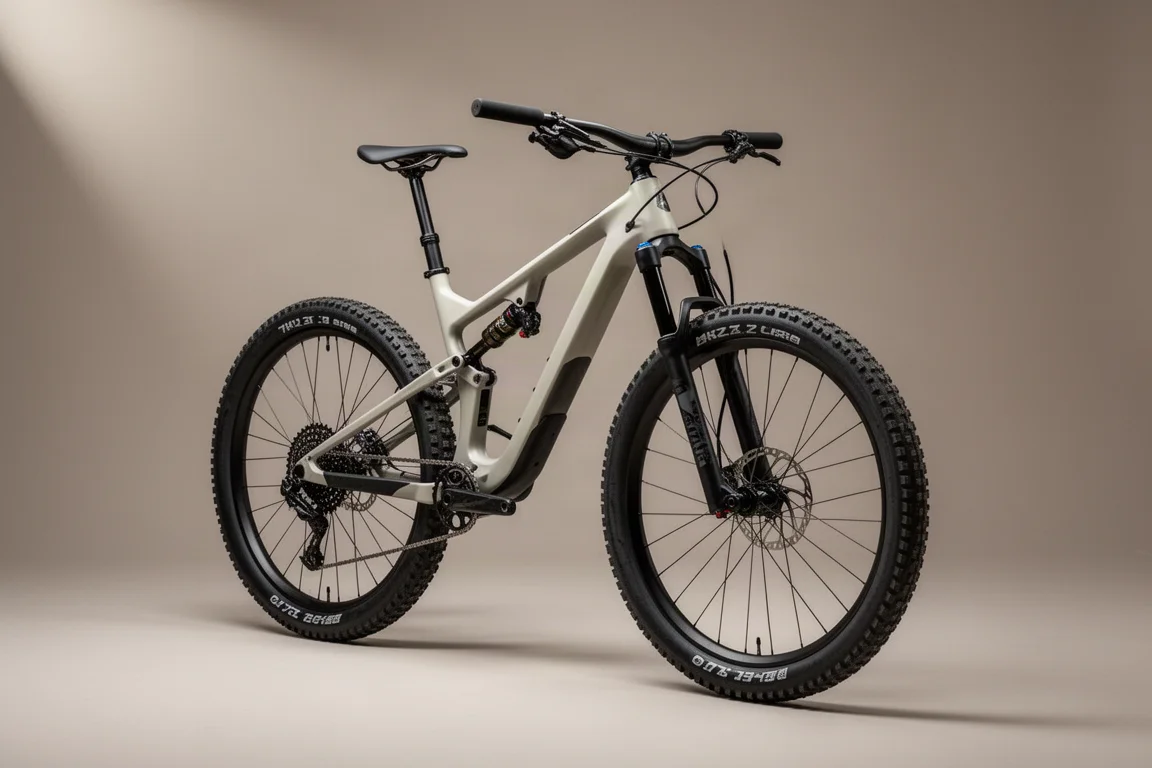
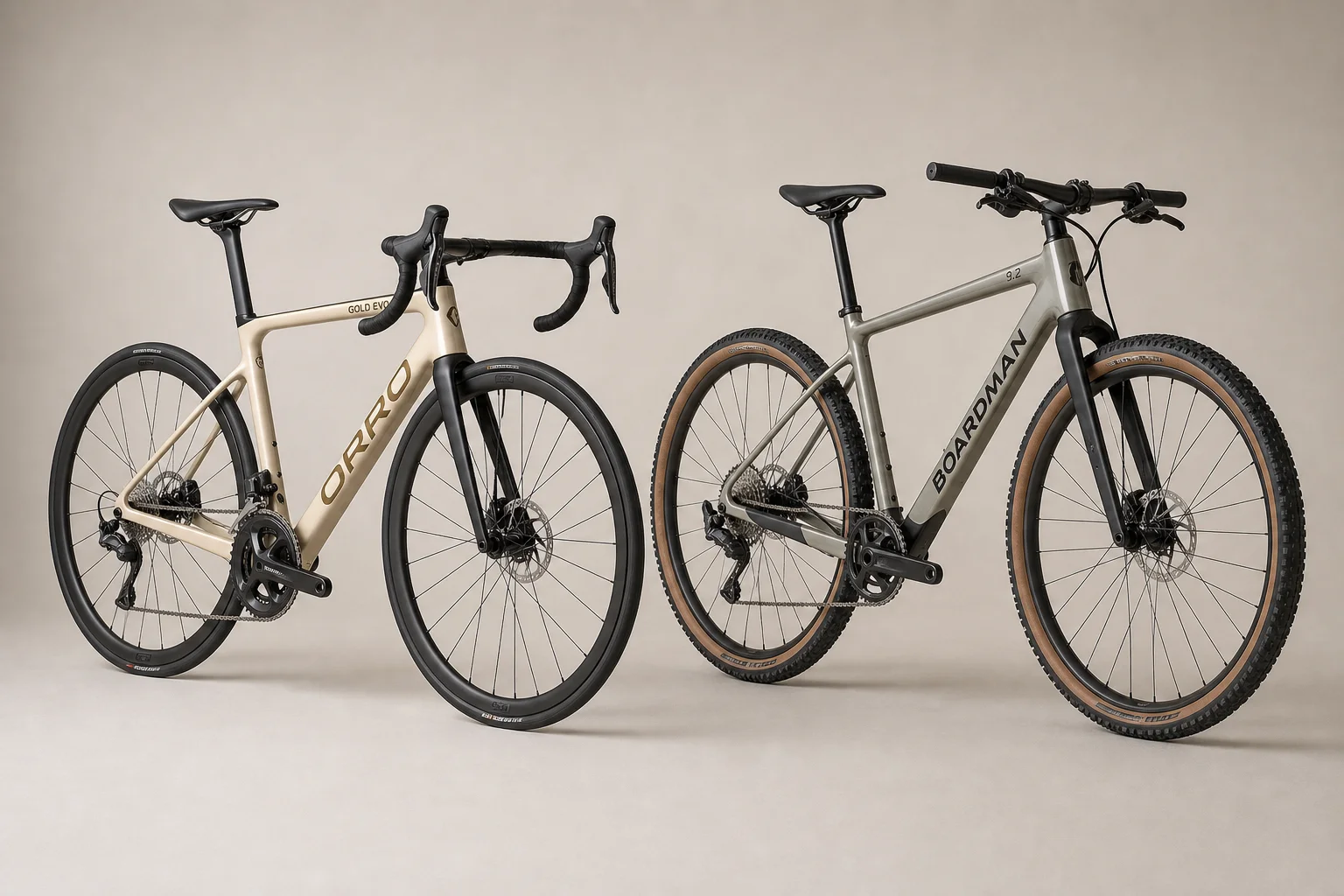
The two bikes were set up very differently. The gravel bike runs a rigid fork, handlebars around 42 cm wide and lightly treaded 45 mm tyres. The mountain bike is a cross-country full-suspension machine with 100 mm of travel front and rear, a lockout, flat bars around 76 cm wide and tyres roughly 2.7 inches across. It weighs in at around 10 kg, which is light for a bike with suspension at both ends. Both are quick machines, but they ask very different things of a rider across a long day.
Canyon Grizl: Efficiency Over Distance
On the canal towpath and the quieter lanes, the gravel bike set a pace that was difficult to match. It held around 28 km/h on the flat towpath and closer to 32 km/h once the surface turned to tarmac, covering ground with a steady, low-effort rhythm that the mountain bike could only follow with noticeably more work from its rider. A rider on wide flat bars sits taller and pushes far more air, and that penalty compounds hour after hour.
The drop-bar position is also why the gravel bike still felt comfortable late in the ride. Support is shared across the hands, wrists and elbows instead of loading one stressed contact point, and the narrower bars slipped through gates and bramble-lined gaps without catching.
Canyon Lux: Suspension and Stability
The mountain bike’s advantage arrived when the surface turned rough. On relentlessly bumpy, hoof-rutted tracks, the suspension took the sting out of the wrists and let the rider stay seated and keep turning the pedals rather than hunting for a smooth line around every rut. On steep pitches, bracing against the bike felt more natural, and the dropper post made the short descents more relaxed.
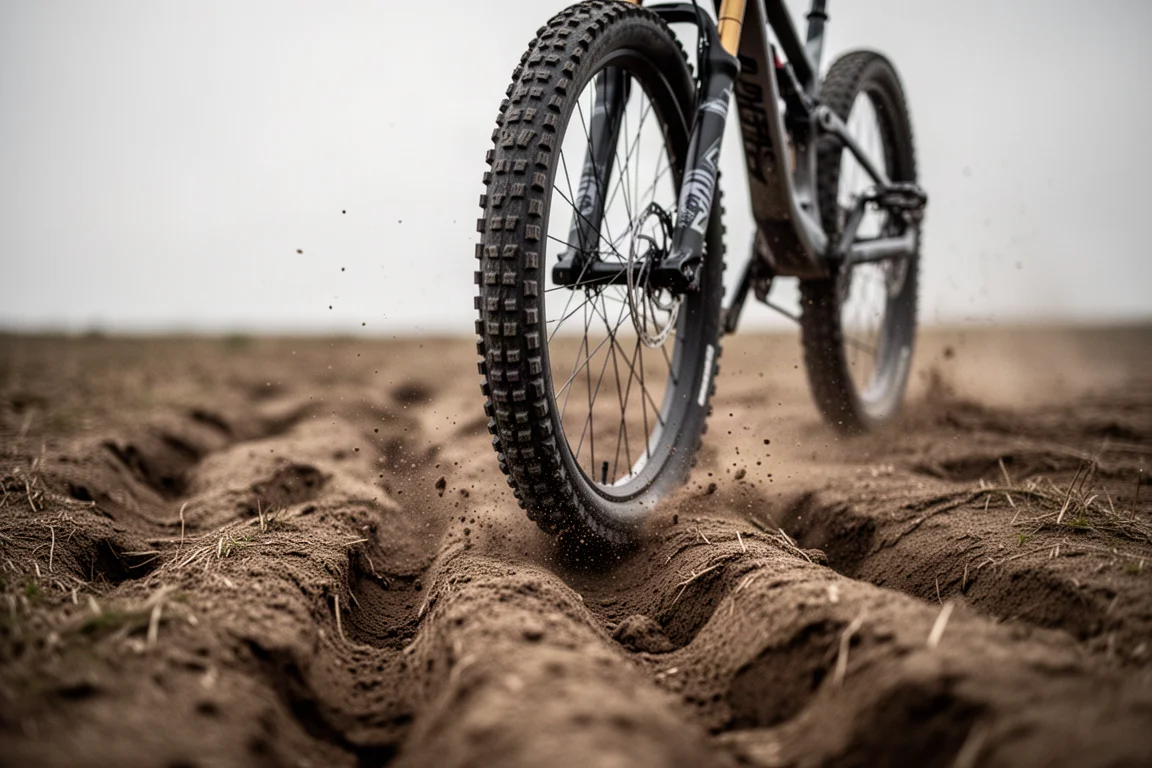
Those gains were real, but brief. Wide flat bars provide leverage and stability, yet they also snag on brambles and make tight gates awkward, and the more upright seated position becomes tiring on long, non-technical stretches where there is nothing for the suspension to absorb.
Where the Gravel Bike Pulled Ahead
Distance is where the gravel bike separated itself. Its advantages are individually small: a little less air resistance, a little less fatigue through the shoulders and back, a little more efficiency in every pedal stroke. No single one of them decides a ride.
Accumulated over roughly 120 km of mixed terrain, however, those margins add up to a rider who is still comfortable and still able to push at the end of the day, while the other rider is stiff, sore and ready to stop. The gravel bike never felt spectacular, but it also never felt like hard work, and that consistency is the whole argument.
Where the Mountain Bike Had the Edge
There was one chalky stepped descent where the mountain bike could double up the steps and ride away, and a handful of steep, loose pitches where the extra traction and suspension made the going simpler. Those moments were genuinely enjoyable.
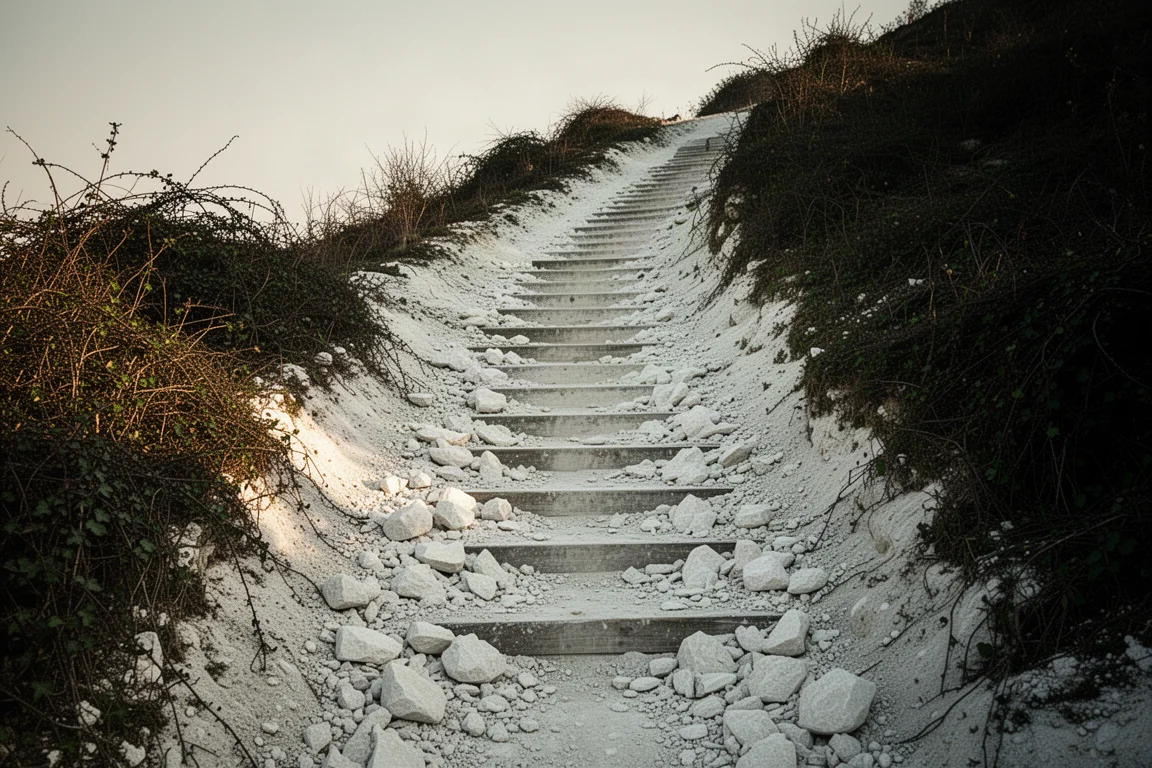
They were also short. A wide-barred bike can feel brilliant for ten seconds, then run straight into a gate, a bramble tunnel or a return to smooth ground. Across five or six hours, the ratio of reward to penalty is simply not favourable, which is why the gravel bike’s quiet competence ended up mattering more than the mountain bike’s occasional flashes of fun.
Comfort and Fatigue Over a Long Ride
A short comparison ride would have flattered the mountain bike. Suspension and a flat-bar position feel secure almost immediately, particularly for anyone coming from an off-road background, and on rough ground the benefits are obvious within the first few minutes.
The difference only becomes clear after two or three hours, when the cumulative toll of holding a wider, more upright position starts to show in the hands, wrists and back. Riding the two bikes side by side for a full day makes the trade-off concrete: the mountain bike offers sharper control in short bursts, while the gravel bike offers a body position that still works when the legs are empty and the weather has turned. Neither bike is waterproof, as the day proved, and mud, rain and a soaked saddle affected both riders equally.
Buying Advice: Matching the Bike to Your Riding
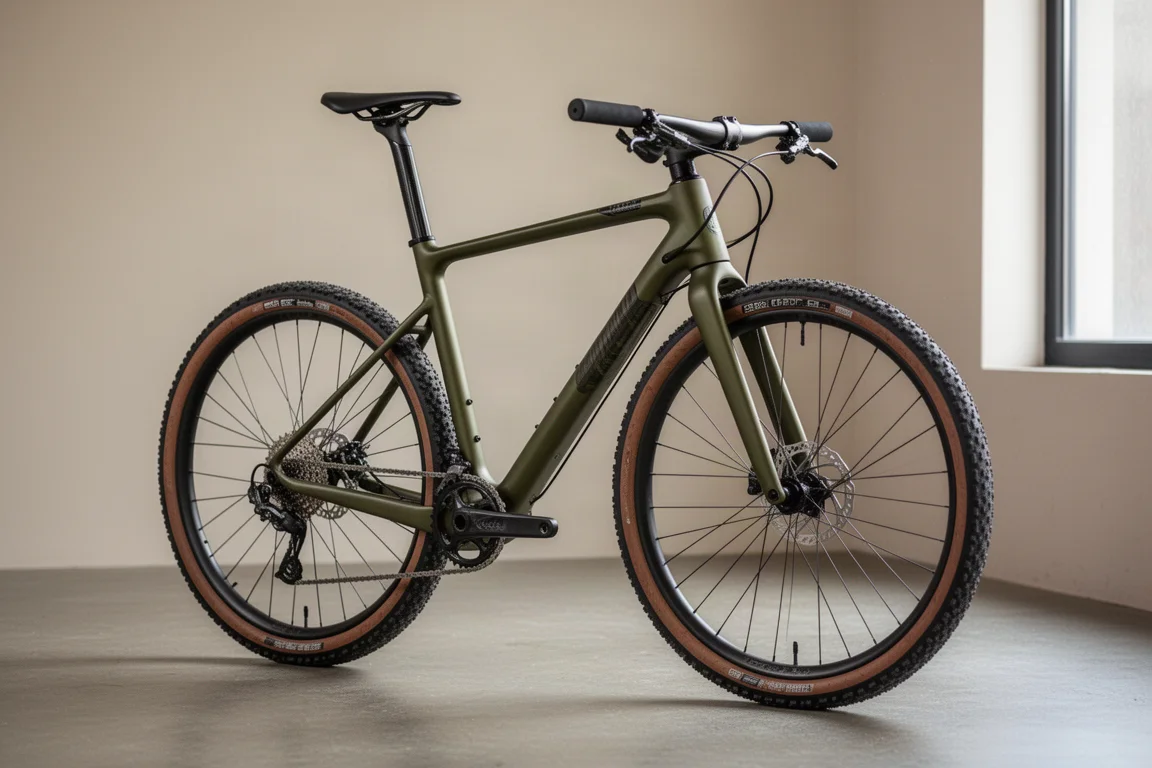
Choose the gravel bike if most of your riding mixes tarmac, towpaths, country lanes and mild tracks, and if covering distance comfortably matters to you. The Canyon Grizl’s rigid fork and 45 mm tyres are enough for gravel, light singletrack and short loose descents, and the drop-bar position keeps paying off the longer the ride goes.
Choose the mountain bike if your riding is mostly technical, if you regularly ride steep and loose trails, or if confidence on rough ground matters more to you than speed across a mixed route. The Canyon Lux is light for a full-suspension bike, and its 100 mm of travel plus lockout keep it efficient on smoother ground, but it will ask more of you over long, non-technical kilometres.
Conclusion
Over 120 km of mixed surface riding, the gravel bike came out ahead, less because of a single standout moment than because its advantages repeated all day long. The mountain bike was more fun in the short technical windows and more forgiving on rough ground, but it left its rider more tired and less comfortable over distance.
If your rides look like this route, the drop-bar option is the easier bike to live with. If your rides are mostly trails, the extra travel, wider bars and dropper post make far more sense.
Further reading
Related Reviews
Bike Buying Guide
Five Bikes Worth a Closer Look: Fit-First Picks for Road, Gravel, and Trail
Five bikes selected for geometry, fit, and ride quality, spanning endurance road, gravel, and full-suspension trail riding.
Bike Buying Guide
Road Bike vs Gravel Bike: Which Should You Choose?
A detailed comparison of road bikes and gravel bikes across geometry, weight, gearing, and tire clearance to help you decide which is right for your riding.

Backpacking Gear
Building a 10 lb Base Weight: An Ultralight Backpacking Gear List
A practical walkthrough of the ultralight pieces behind a 10 lb base weight, from a 765 g pack and a roomy one-person tent to a full camp chair and a dependable water filter.