Trail Running Gear
Grand Canyon Trail Running Gear List: What Worked and What's Worth Packing
A field-tested gear list for a long day in the Grand Canyon, from a minimalist roller bag and a road-to-trail shoe to soft flasks, sun hoodies, trekking poles, and fuel that goes down easy in the heat.
Introduction
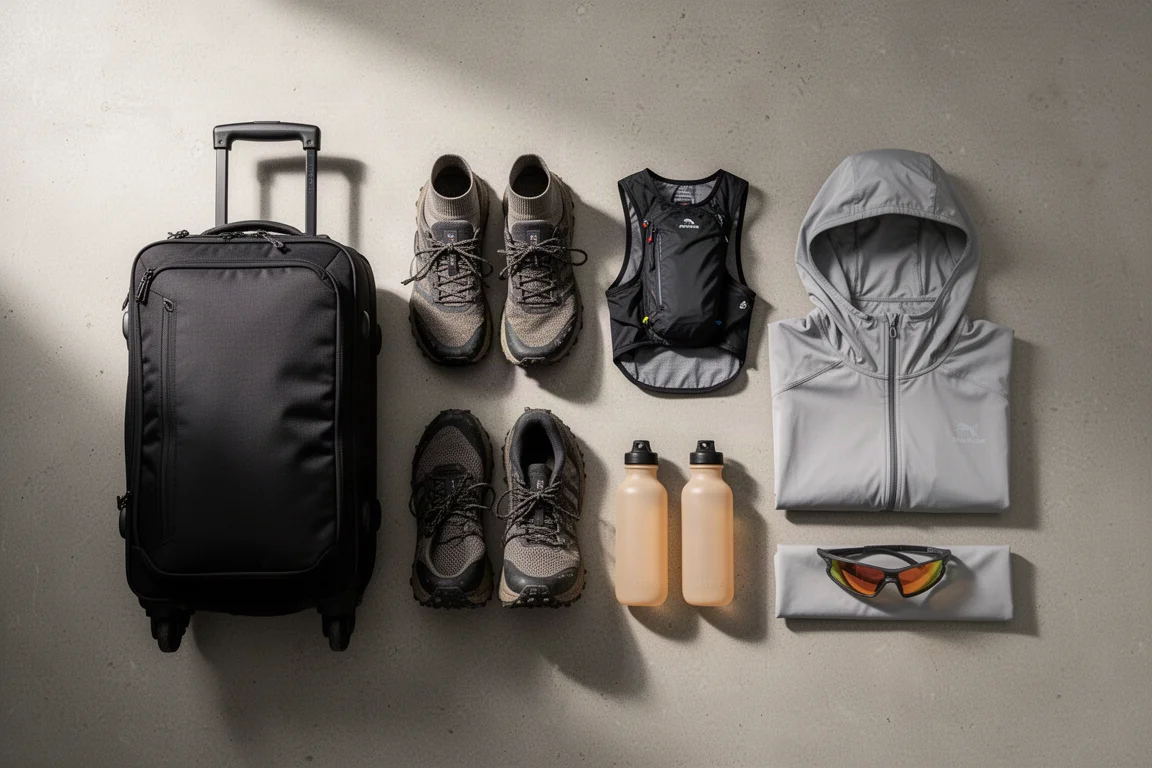
A long day in the Grand Canyon is one of the most demanding tests you can give running gear. It covers road-to-trail terrain, multiple water crossings, punishing heat, big vertical, and hours where you are a long way from any resupply. After a full trip down there, here is the gear that came along, how it performed, and what is actually worth packing for an adventure like this.
Getting There With Less Luggage
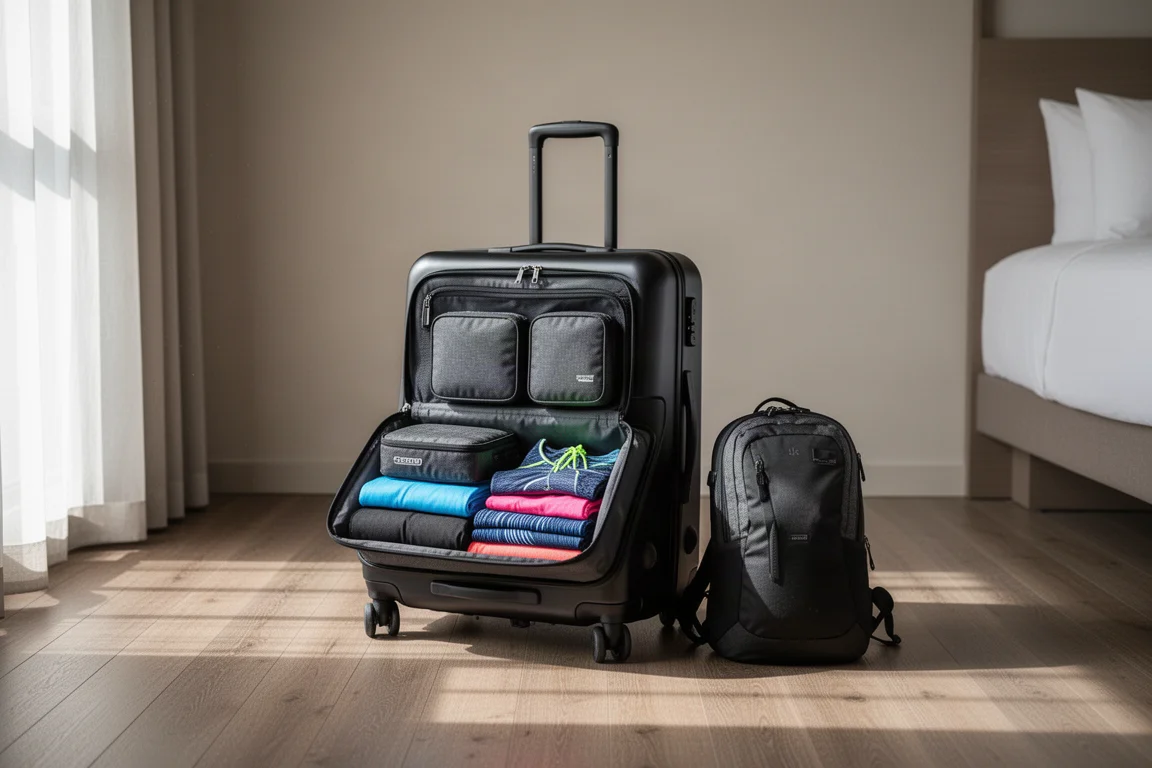
The trip started with a packing experiment. Instead of the usual oversized duffel or checked bag, the goal was to travel with only a carry-on and a backpack. The Peak Design Roller Pro made that possible. As someone who has always preferred duffels, this bag changed that opinion: it survived being thrown in the back of a truck and traveling all over the country with no visible wear and tear, and the interior is genuinely well thought out. A cascading pocket system handles toiletries, flat items like vests and jackets tuck behind it, and optional packing cubes keep outfits organized so everything fits in a smaller luggage system.
The Shoe: Montrail Coast BITR H1
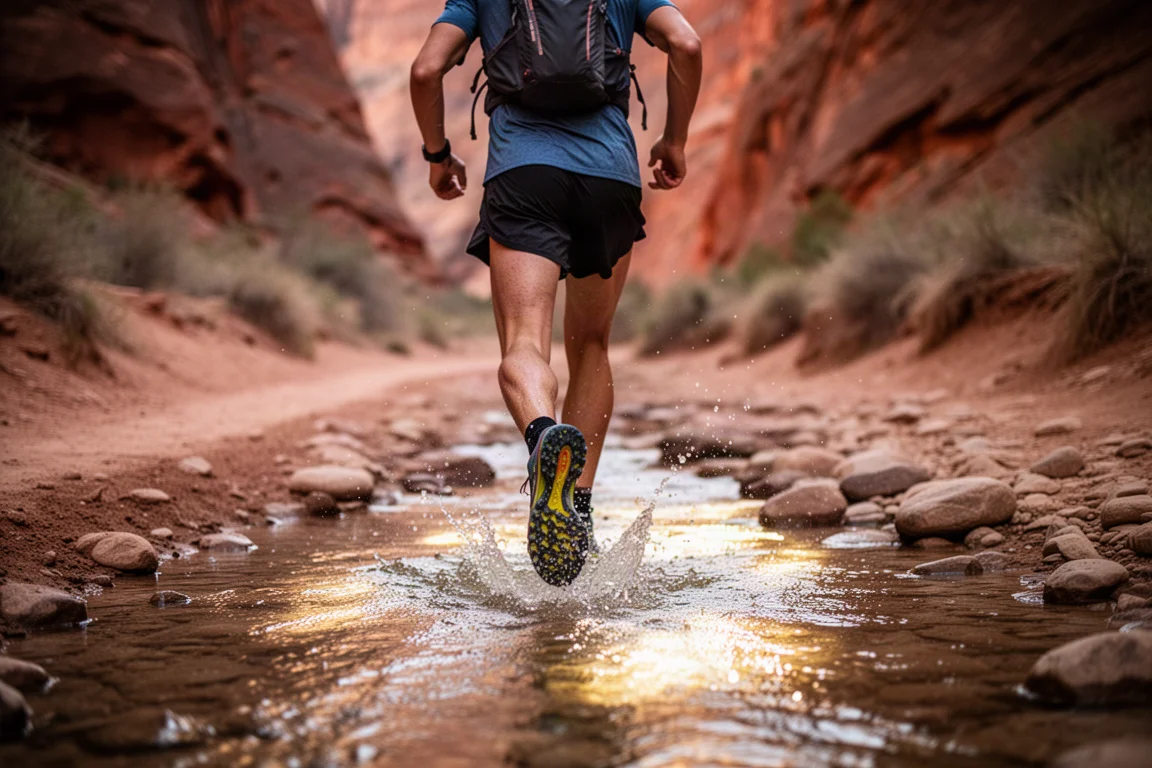
The main reason for the trip was testing the Montrail Coast BITR H1, a variant of the standard Montrail Coast H1 built for the road-to-trail scenario. The big question afterwards was simple: would it be taken back to the Grand Canyon? For most of the group, the answer is yes, without a doubt. The integrated sock-style collar adds security and sits close to the skin with nice padding over the top, and the construction is actually a lighter package than it sounds. The tuned fit system and the cushioned, semi-energetic midsole carry over, giving the shoe real versatility across terrain that is not all one type.
On the trail itself, the Versa Grip rubber outsole with lower profile lugs did well in most conditions. No single shoe is perfect for the entire Grand Canyon, but this one checked every practical box: breathable enough for the heat, debris stayed out, quick to dry after multiple water crossings, and comfortable the whole way. The Kevlar-woven upper makes it durable without adding weight or bulk.
Packs Built for Hot Weather
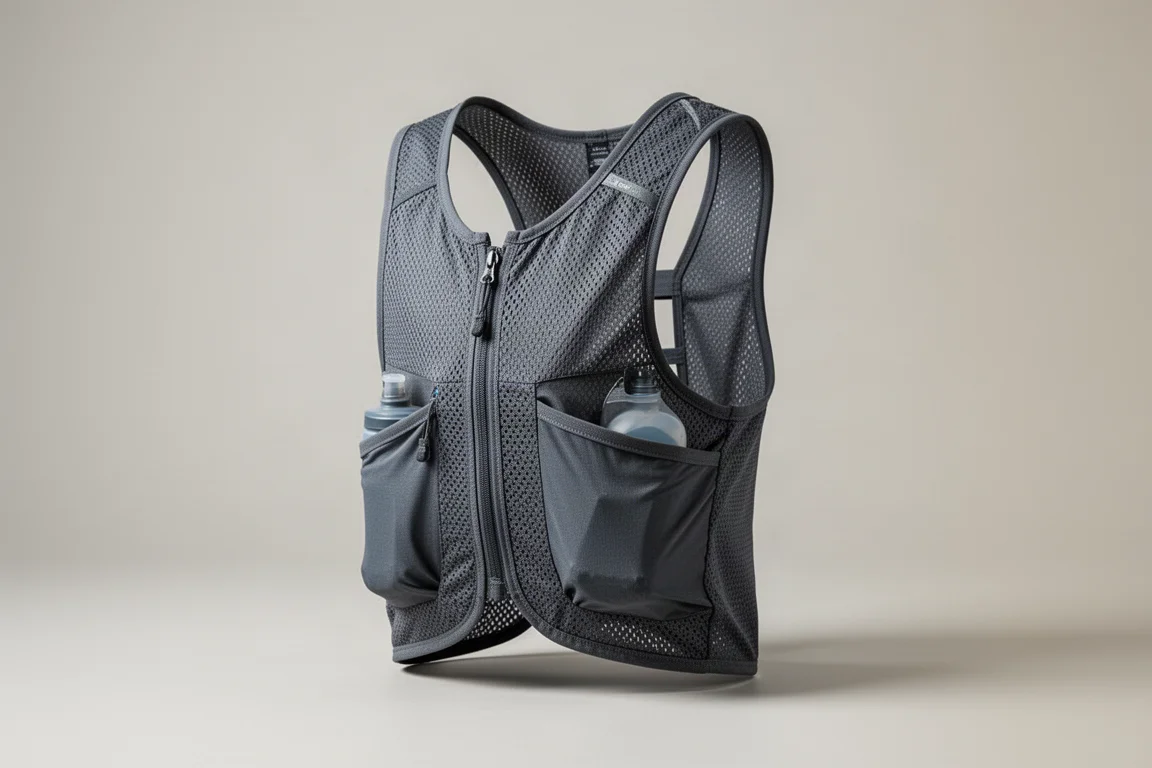
Water is the defining constraint in the canyon, so pack choice matters. The Teton Bros Crest 6 was picked for its very light construction and simplicity. It is clearly made for hot weather running: the arm openings under the armpits are wide, which shifts the fit to use the chest more so the pack does not ride high on the back. The fit was excellent, it stayed breathable, and it packed exactly enough for the excursion.
Hydration: Flasks, Filters, and How Much to Carry
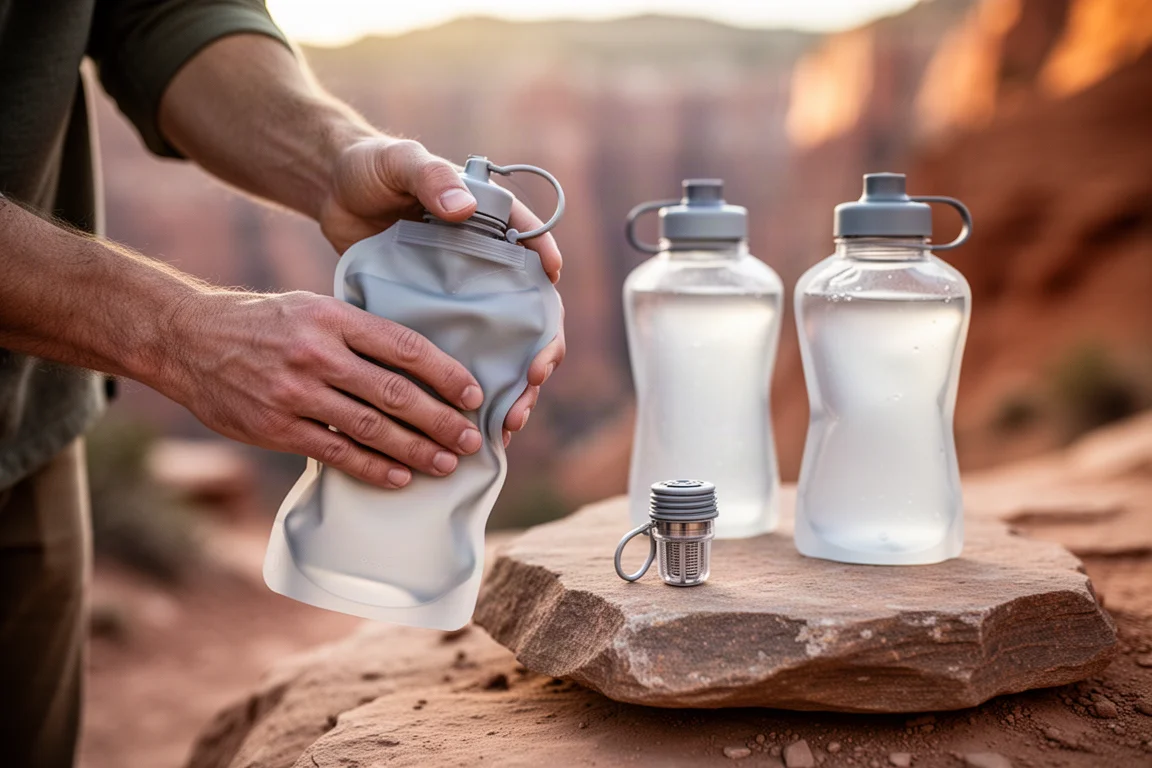
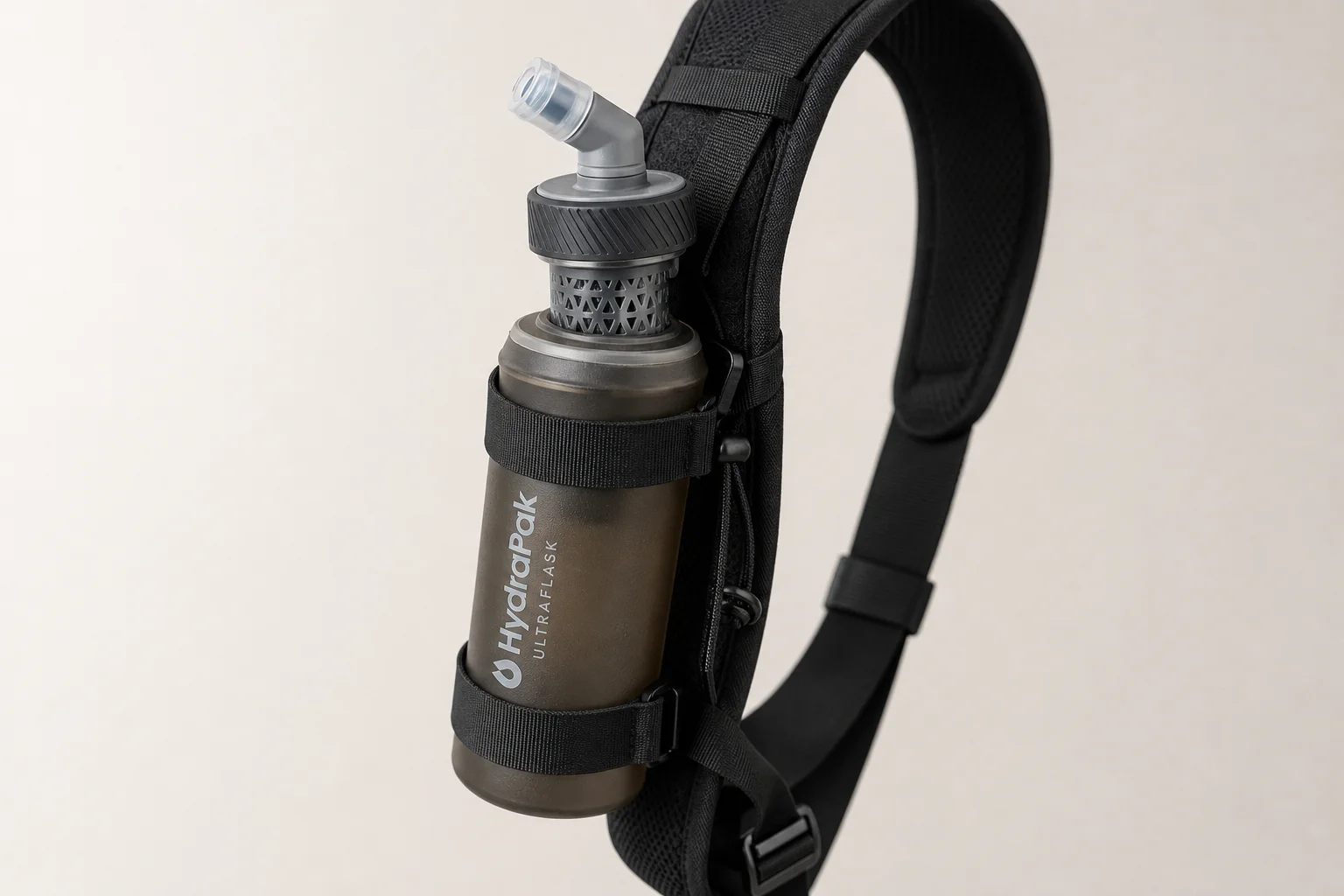
For this run, four flasks came along: two on the front of the pack, one carried empty, and one in a belt behind. A key lesson from the trip: if you like using bottles, bring more than you think you need. Four to six soft flasks is a reasonable number, and the ones not in use can be flattened and tucked into the pack.
The HydraPak UltraFlask was described as the most influential piece of running gear ever bought by the person carrying them, and the reason is the filter. The filter screws on top of standard wide-mouth flask bottles and can produce roughly 1,000 bottles of filtered water. The Colorado River and some streams provide water sources down in the canyon, which makes a screw-on filter a no-brainer for this environment. It packs down empty and light, so it lived in a small medical kit as a backup until it was needed. Refills happened at Phantom Ranch, where the lemonade also helped the hydration effort.
Light and Visibility
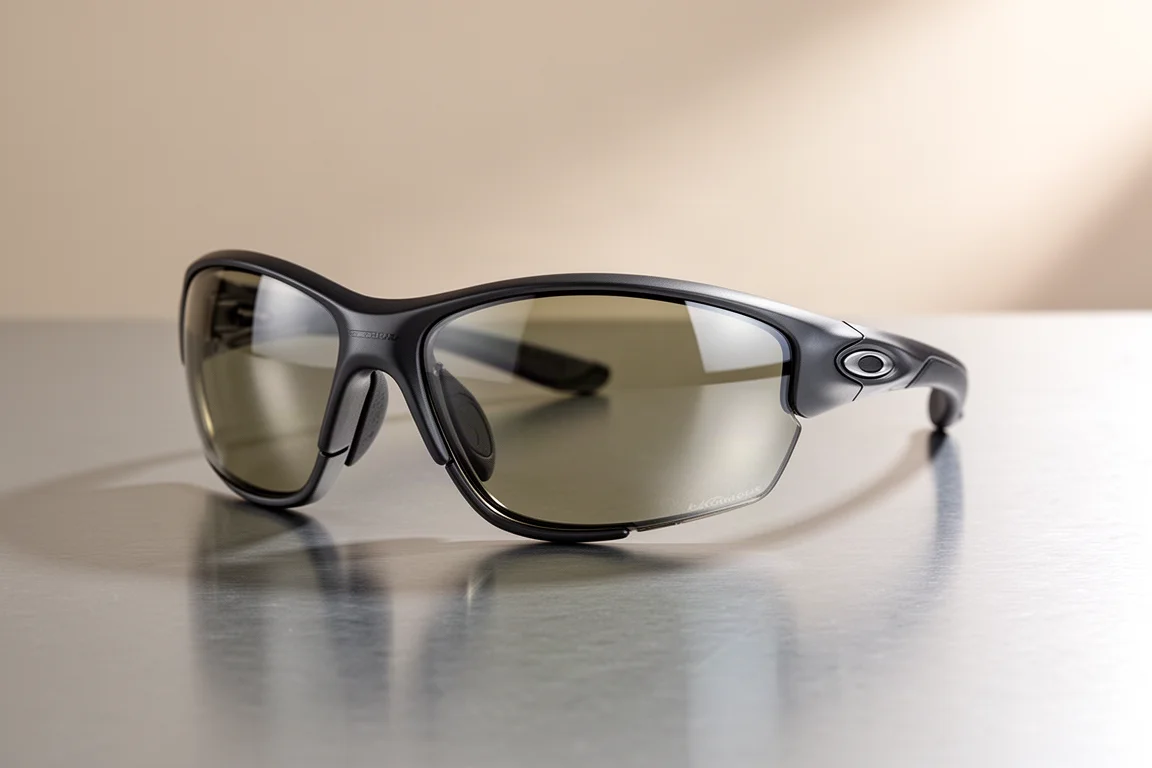
The Sungod 42 sunglasses earned their spot because of photochromic lenses. The day started in the dark on dusty morning trails, so the lenses had to work with a headlamp, keep dust out of the eyes, and then adapt as the light changed through the day. A well-fitting pair that transitions with the light is exactly what trail running in this environment demands. A headlamp is equally non-negotiable for early starts and long distances; a more powerful one is slightly heavier, but it packs down if the band is soft, and it is worth having in case the day runs longer than planned.
Clothing: Bottoms That Carry the Load
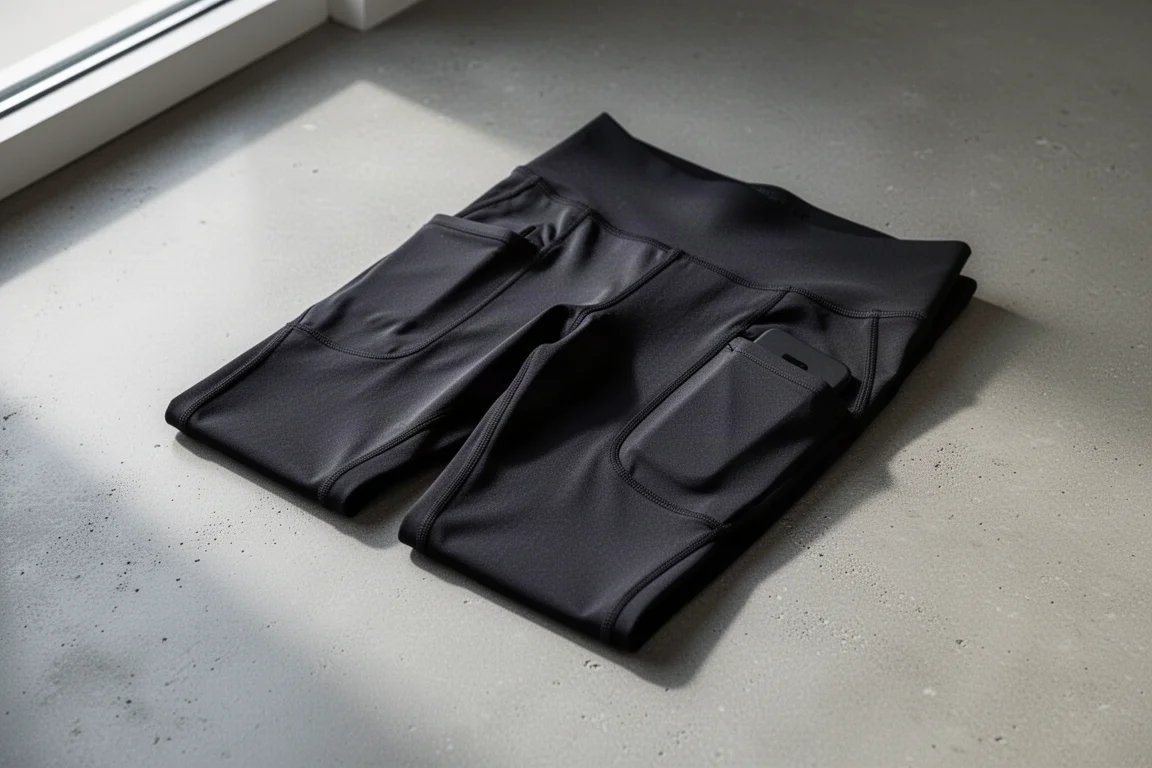
The Path Projects Sentinel half tights drew strong praise. They are a little heavier and more durable than some alternatives, and the integrated pockets hold gear exceptionally well. One runner was able to ditch his pack entirely at Phantom Ranch for an out-and-back to Ribbon Falls because the tights carried everything he needed, and they stayed up and stayed comfortable the whole time. One person in the group had some groin irritation, which is a known personal issue, so bringing extra lube is always a good idea regardless of the shorts.
Clothing: Tops for Heat and Sun
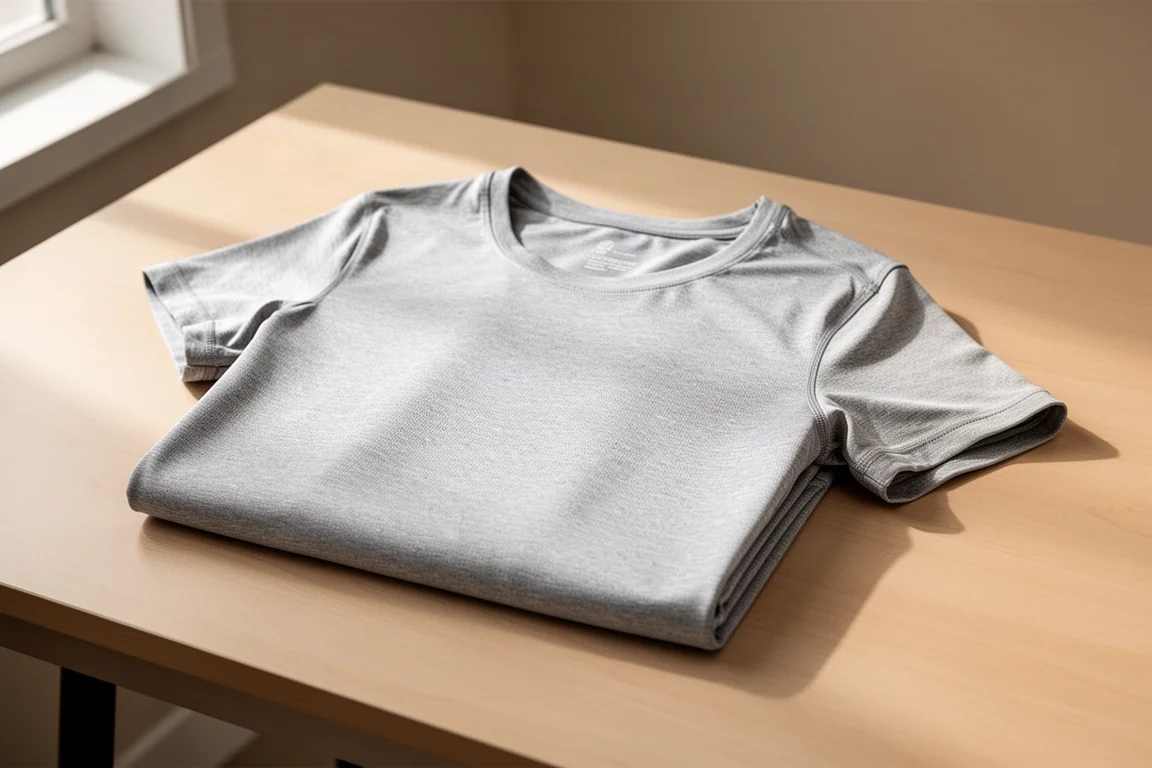
Two upper layers came along. The first is the Path Projects base tee, a standard-fit shirt in soft Tencel fibers. That fabric matters: it is soft and comfortable, dries out quickly, and pulls moisture away from the body outward, giving it a merino-like quality in a more natural fiber. Zero chafing issues and pure comfort all day.
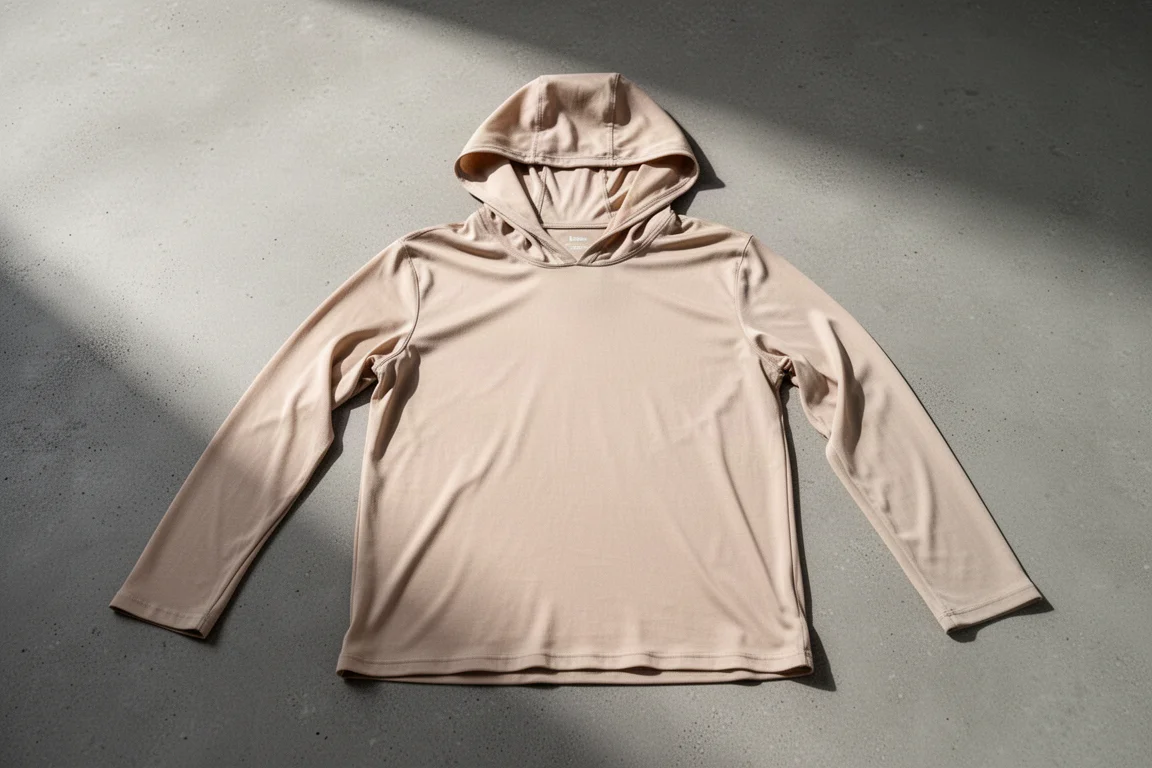
The second layer is the Path Projects Pyrenees sun hoodie. It is very lightweight, breathable, soft against the skin, and uses the same Tencel fiber as the base tee. It also carries a UPF 50+ rating, which makes real sun protection part of the layer rather than an afterthought. Most people in the group wore a sun hoodie all day, and for good reason.
There is a pro tip worth stealing: soak a top layer before starting the climb out of the canyon. One wet layer went into the pack’s lumbar pocket while the other was worn until dry, then swapped for the still-damp, still-cool one as the sun got stronger. Since the day only gets hotter, that trick buys comfort for hours. A light-colored, breathable hat rounds out the kit, because light color and airflow make a real difference in the heat.
Storage on the Move
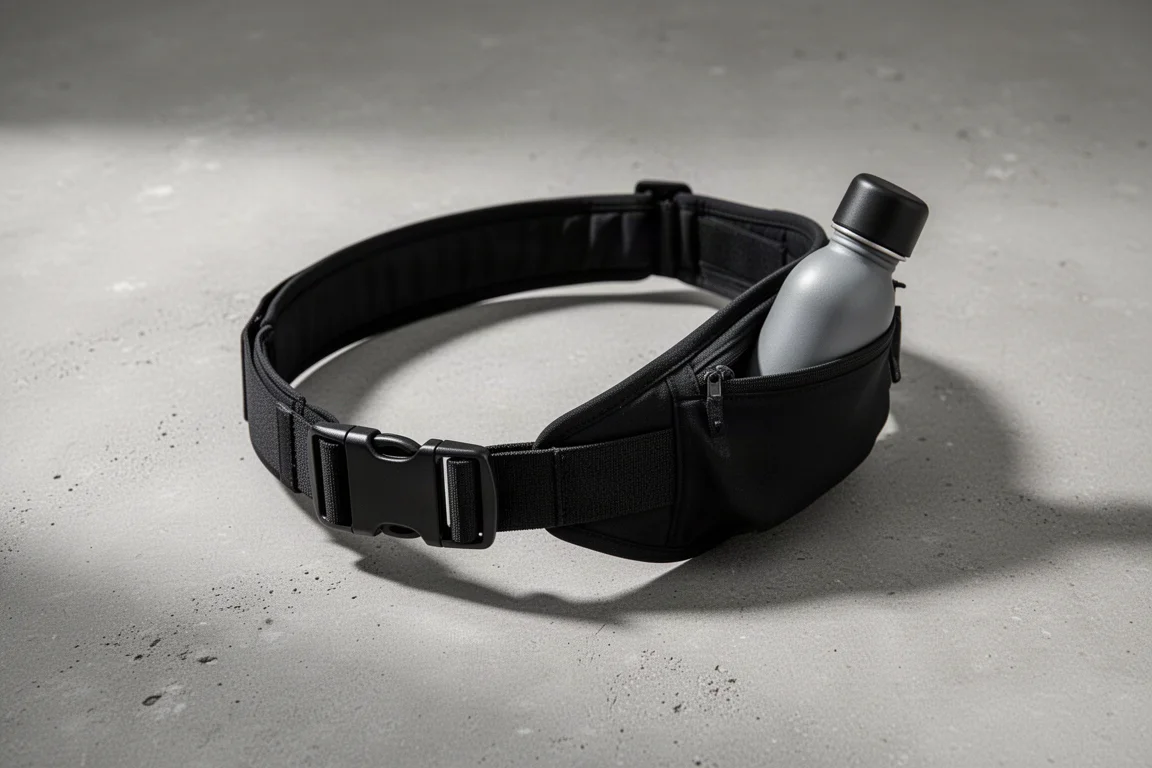
Belts earn their place by spreading storage across the body and letting you run a lighter pack. The Satisfy Justice Dyneema belt carried a camera, a phone, an extra bottle in the rear, and gels, all without adding weight or chafing. It is a genuinely versatile option.
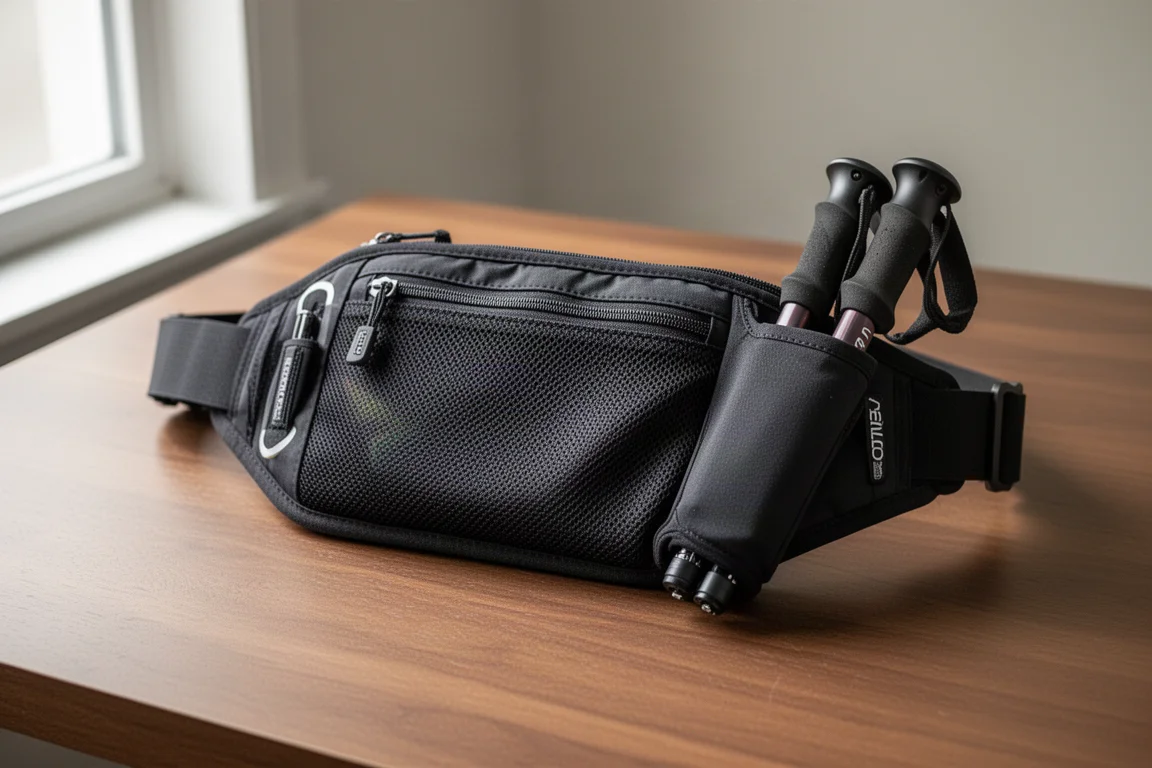
The Raidlight UL 1L belt is a long-time favorite among many runners for the same reasons. It also includes a holster for trekking poles, which matters later in this list. Distributing storage between a belt and a pack is one of the simplest ways to make a long day more comfortable.
Socks That Do Not Fail
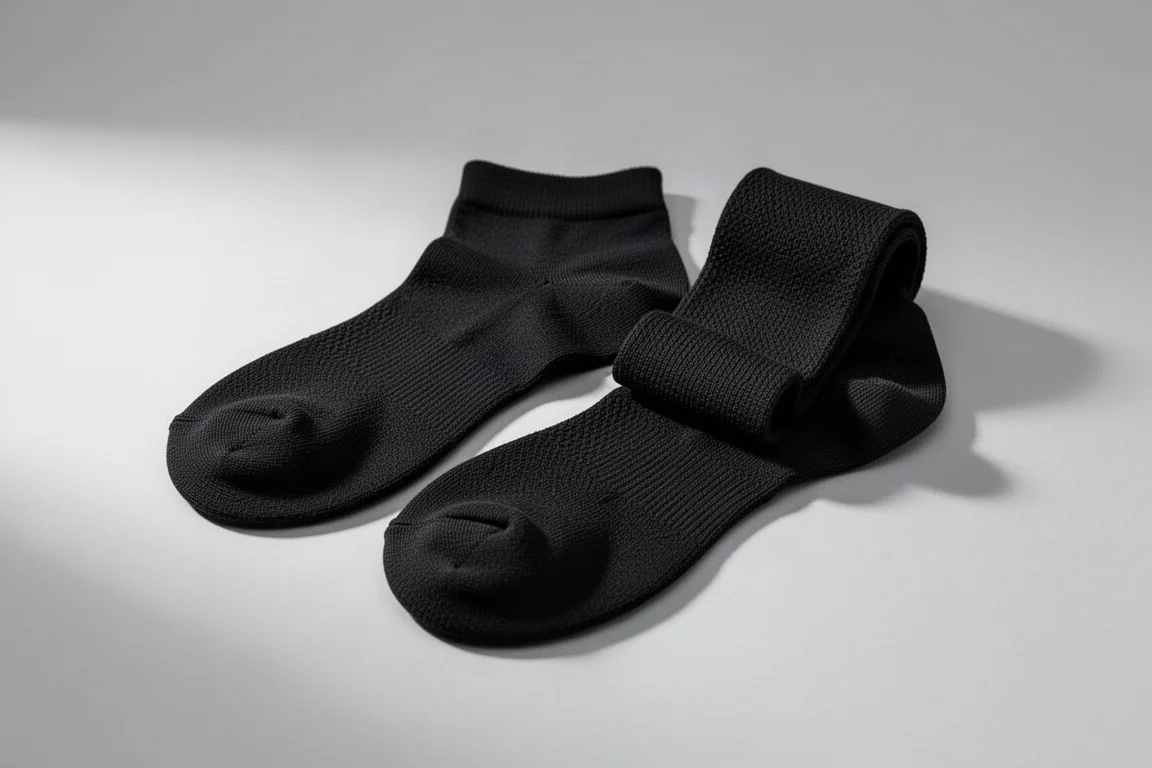
The Swiftwick Flat XT is an easy, tried-and-true choice: light, breathable, and comfortable, fitting snugly around the foot and drying quickly. That combination delivered zero blisters and zero chafing anywhere on the foot over a very long day.
Tracking a Big Day
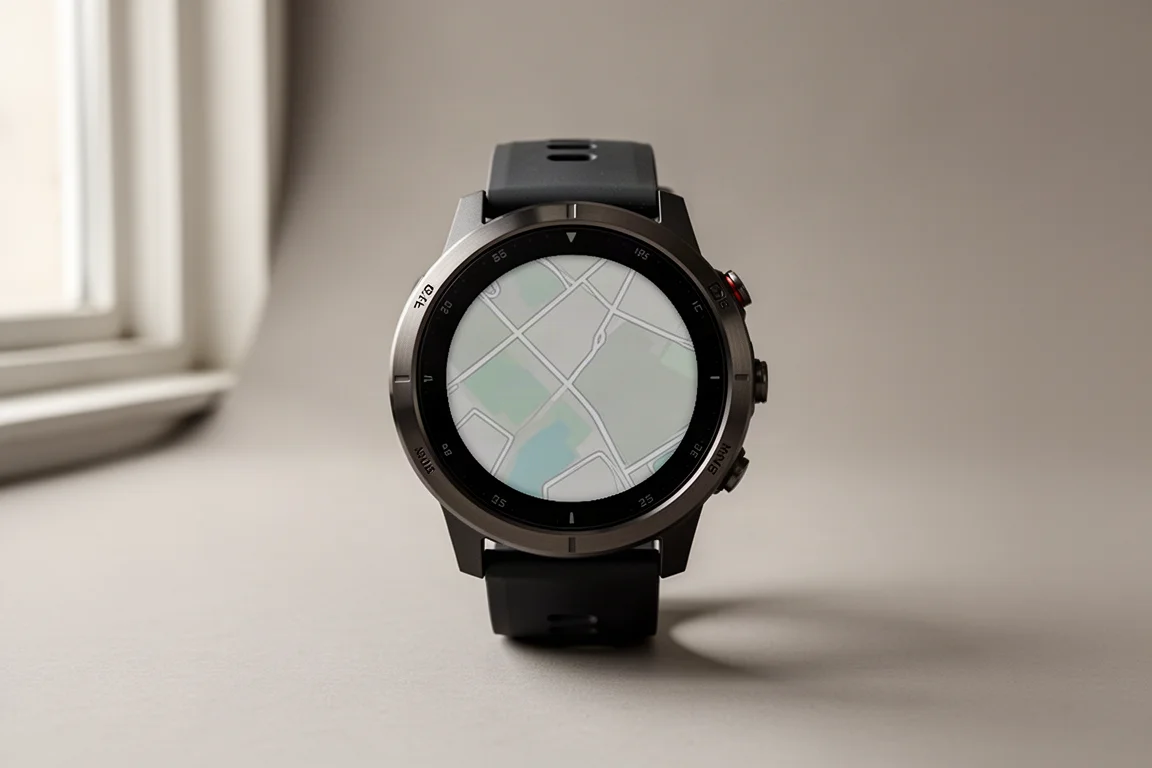
The Coros Apex 4 covers the tracking side. It is very light with strong battery life, which matters when any canyon outing takes at least half a day, and much more if a rim-to-rim-to-rim is on the table. Dual-frequency capability pulls from more satellite systems for better accuracy in extreme terrain. Lots of runners use the canyon, and most saw consistently good data; Coros and Garmin watches both did well, and the Suunto Vertical was another watch in use.
Fuel and Drink Mixes
Fuel strategy on a day like this combines gels, drink mixes, and solid food. Solid food such as Pop-Tarts and candy helps settle the stomach as the heat builds. The rough target was about one gel per hour along with regular hydration, aiming to drink at least a bottle per hour.
The Precision Fuel gels come in larger 90-gram pouches that hold three servings of a standard 30-gram carb gel, which is convenient for longer stretches between refuels.
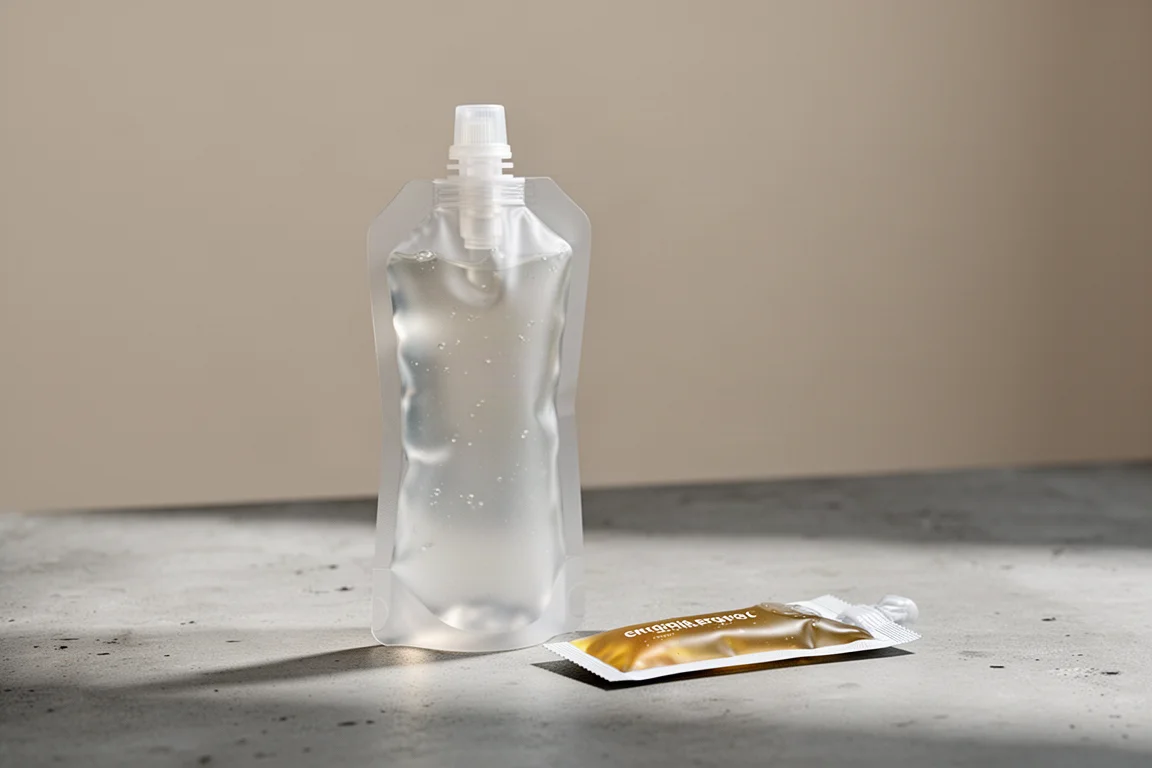
The Carbs Fuel gels take a different approach: a much lighter, thinner, almost watery texture with a simple sugary taste that goes down easily, closer to drinking than eating. That makes it a great option specifically when the heat kicks up.
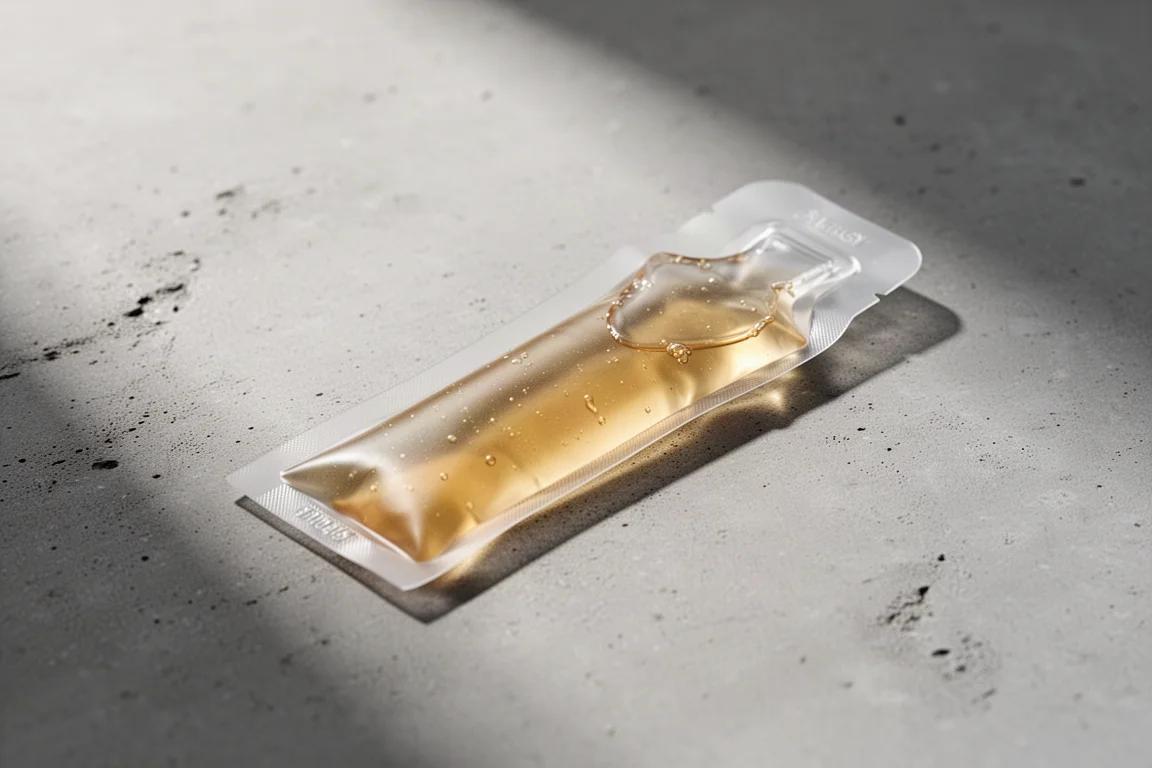
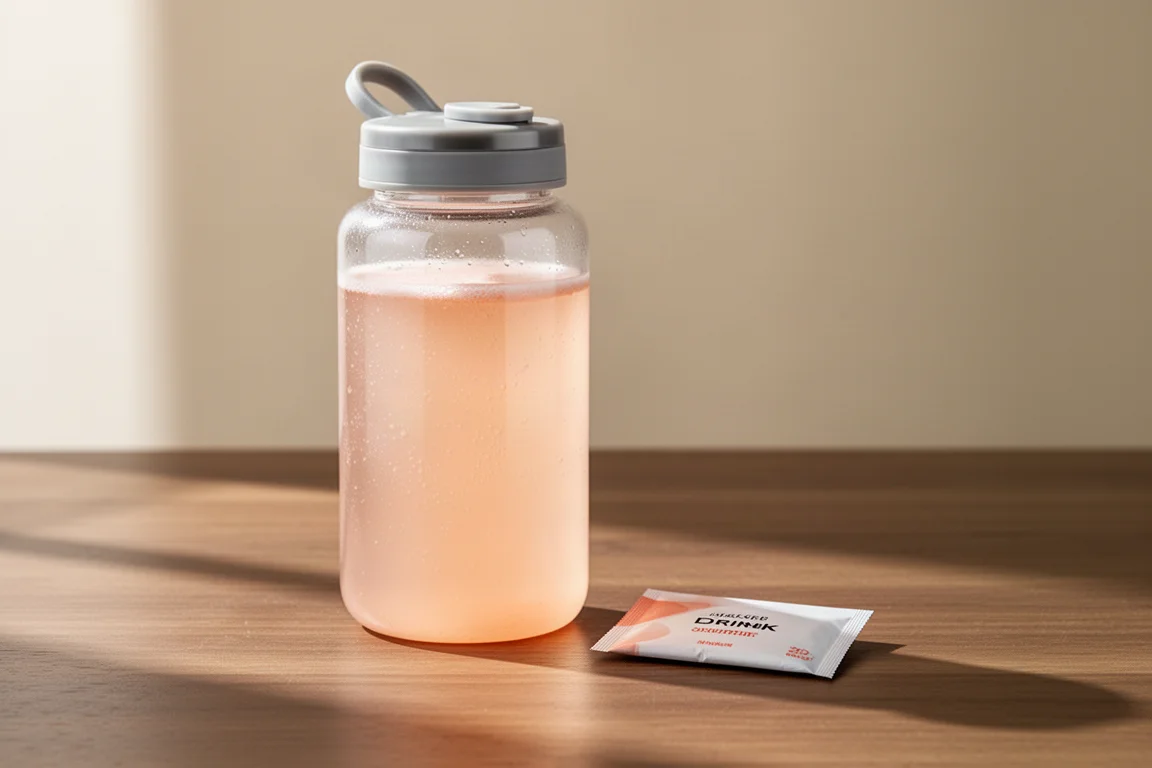
The NAAK Ultra Energy and Carb drink mixes were a pleasant surprise. Two types came along, a peach tea flavor and a Boost formula, and both made drinking carbs easy for someone who was already drinking heavily throughout the day.
Trekking Poles: The Item Most People Wish They Had
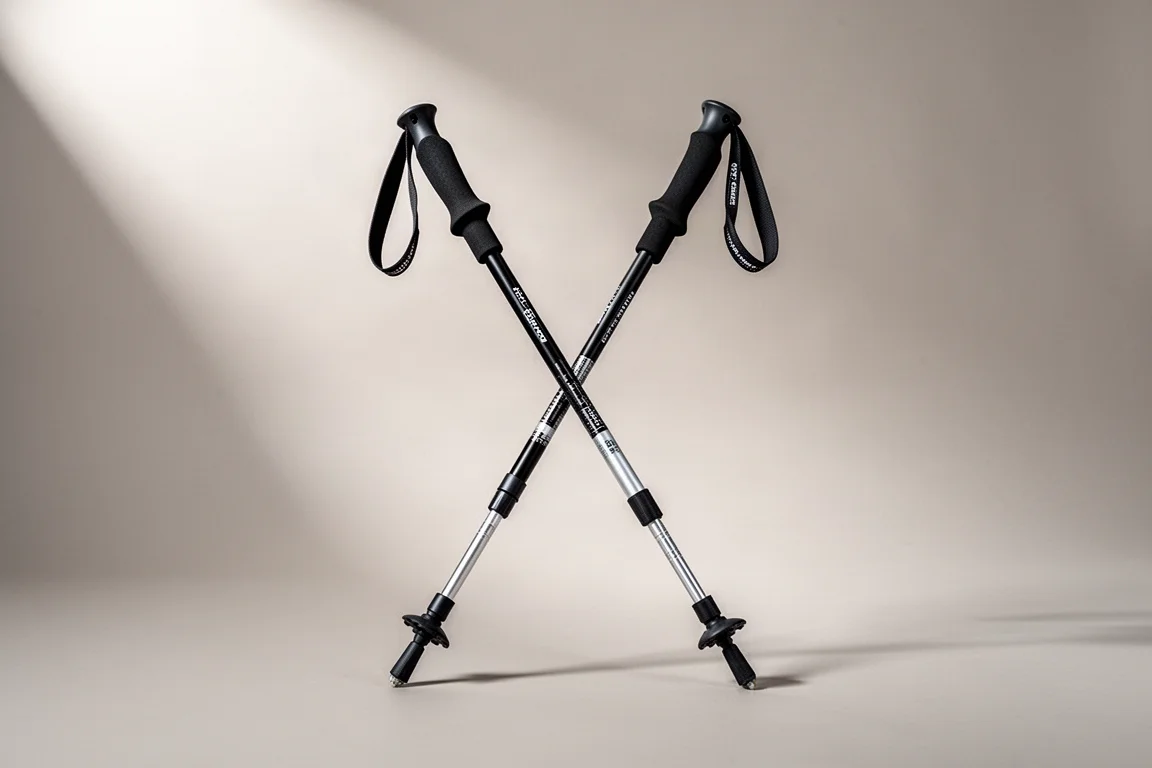
One item many people on the trip wished they had brought: hiking poles. The Leki FX1 Superlite Ultra Trail poles are widely considered the best on the market, and carrying them is simple because running belts like the Raidlight UL 1L and the Satisfy Justice Dyneema include holsters, and many packs offer a quiver attachment. Our guide had them, and there was open envy in the group.
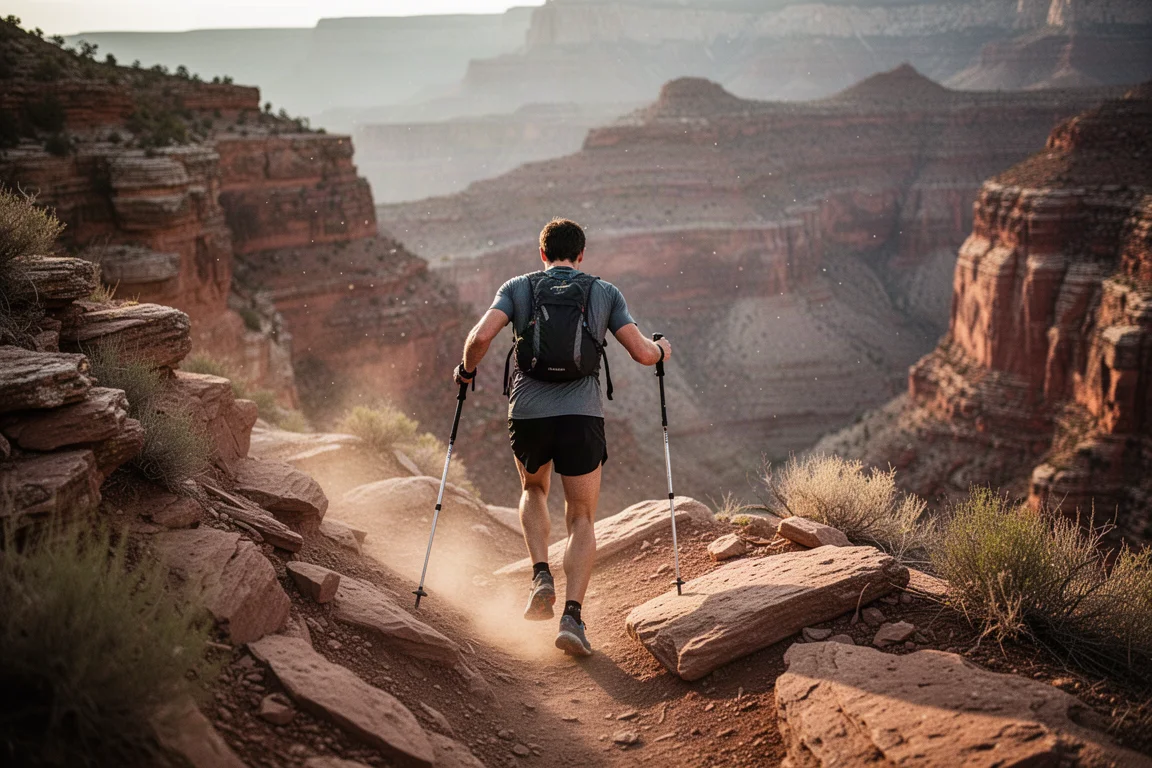
The guiding principle for the canyon: if you think you might want something, bring it. It is hard to bring too much even when moving light and fast, and planning for a few extra hours out there is always the safer call.
Small Items That Earn Their Space
The rest of the kit is small but crucial. Some form of lubrication is essential, whether that is Bodyglide, chamois butter, or Gooch Goo; bring a small packet because lubrication wears off after water crossings and heavy sweat. A basic medical kit with bandages, cleaning materials, and a space blanket replaces the need for a bulky extra jacket. Wet wipes round out the list and prove their worth on long adventures, especially down in the canyon.
Buying Advice
For a Grand Canyon-style day, prioritize four things: a versatile shoe that dries fast and keeps debris out, a hot-weather pack with wide arm openings, more water capacity than you think you need, and sun protection you can wear all day. Then add the comfort multipliers: belts to spread the load, a UPF-rated hoodie you can soak for cooling, and poles if any sustained climbing is involved. If you are unsure about an item, the trip’s own rule applies: bring it.
Conclusion
None of this gear had a bad day in the canyon. The Roller Pro proved lighter travel is possible, the Coast BITR H1 handled a terrain mix that punishes one-note shoes, the Crest 6 and a belt system kept weight distributed, and the hydration, sun protection, and fuel setup kept the day moving. Pick the pieces that match your own route, and plan to be out there longer than you expect.
Further reading
Related Reviews
Trail Running Gear
28-Mile Trail Run Pack Loadout: Ultralight Gear for High Alpine Self-Supported Running
A complete breakdown of gear, clothing, hydration, nutrition, and safety equipment for a 28-mile high alpine trail run with 7,800 feet of elevation gain.
Trail Running Gear
Best Trail Running Gear 2025: Nine Products That Earned Real Use This Season
A curated look at nine trail and ultrarunning essentials that delivered genuine performance across training, racing, and adventure throughout 2025.
Trail Running Gear
Instinct Evolution 7L Pack Review: Versatile Trail Running Vest with Thoughtful Hydration Design
A detailed look at the Instinct Evolution 7L, a trail running pack that prioritizes accessible hydration and organized gear storage with some trade-offs in hardware simplicity.