GPS Watches
Multi-Band GPS Watch Accuracy Test: Garmin Fenix 7 Series vs Coros Vertix 2
We put seven GPS watches through one of the toughest GPS environments on earth: dense New York City high-rises, Central Park, and the narrow streets around Times Square.
Introduction
Multi-band, or dual-frequency, GPS is widely considered the holy grail of GPS accuracy. By tapping multiple satellite systems on different frequencies, a compatible watch can pull in up to around 60 GPS signals at once, and with more satellites to connect to, the theoretical result is a more accurate track.
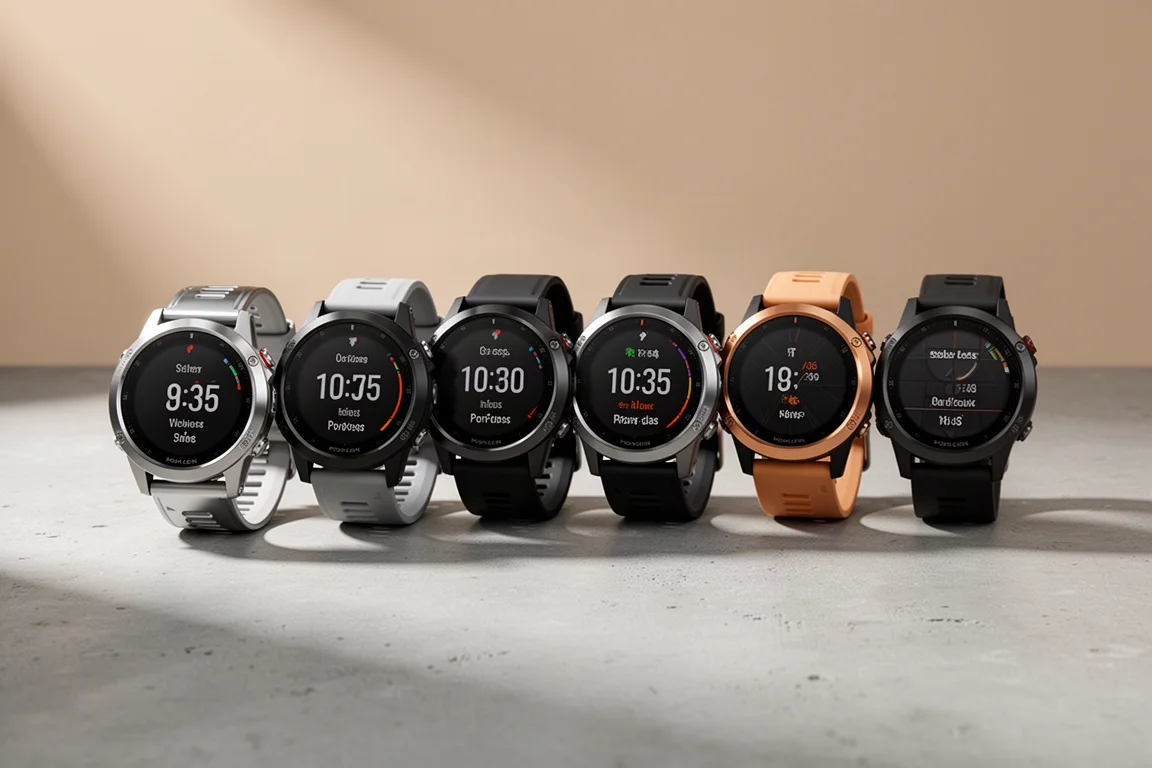
To see whether that theory holds up, we ran a head-to-head accuracy test in one of the hardest GPS environments in the world: New York City, surrounded by buildings 50 to 70 stories high. Seven watches went along for the ride, covering the Garmin Fenix 7 series, the Coros Vertix 2, and a few supporting models with and without multi-band chipsets.
Why Multi-Band GPS Matters
The core idea behind multi-band GPS is redundancy and precision. Instead of relying on a single frequency band, the watch cross-checks signals from multiple satellite constellations on different frequencies. In open terrain the benefit is modest, but in dense cities, where signals bounce off glass towers, it can be the difference between a track that follows the road and one that wanders through the buildings next to it.
New York makes an ideal stress test. Tall, closely packed buildings create reflection and blockage that expose weaknesses quickly, while open parkland lets the watches regroup and shows how quickly each recovers.

The Test Lineup and Route
The lineup covered a useful spread of hardware. On the multi-band side were the Garmin Fenix 7 Sapphire Solar, two additional Fenix 7S Sapphire Solar units, the Garmin Epix, and the Coros Vertix 2. On the non-multi-band side were the base Garmin Fenix 7, the Garmin Instinct 2, and the Garmin Descent G1, which shares the Instinct 2 platform but adds diving features. All of the Garmin units use the same GPS provider, so the comparison isolates the multi-band chipset as the main variable.
The route ran about half a dozen blocks from tall buildings into Central Park, a full loop of the park’s main drive, then back down through the buildings to Times Square along narrower streets to finish under maximum signal pressure. Watches were spaced a couple of inches apart on wrists, the standard spacing manufacturers use for real-world testing, and every watch locked on remarkably fast at the start, some of the quickest signal acquisition seen at that familiar test spot.
Central Park Loop: The Equalizer Section
The first stretch of the park showed clear separation. The multi-band Fenix 7S Sapphire Solar units tracked along the correct side and upper edge of the roadway, essentially matching where the run actually happened. The Coros Vertix 2 stayed on the roadway but sat slightly offset from the true line, better than being lost in buildings but not as sharp as the Garmin multi-band units.

The base Fenix 7 landed closer to the true line than the Vertix 2 in the park, which was a genuine surprise, while the Instinct 2 and Descent G1, using older GPS chipsets, stayed on the road but with less precision. No unit made a major error in the park itself, which is exactly what you want from an open-sky section: the watches regroup and the multi-band advantage narrows.
How the Watches Performed in the City Streets
The city sections told the real story. In the opening blocks before the park, the Coros Vertix 2 drifted off into the buildings on the very first stretch, despite having locked onto satellites fastest at the start. That quick initial lock was clearly not the most accurate one. The base Fenix 7 also struggled early but performed a little better than the Vertix 2 until the park.
On the return leg through the buildings toward Times Square, the pattern repeated. The Fenix 7 Sapphire Solar tracked cleanly on the roadway through nearly the entire city run, and the Epix matched it as the most accurate of the day. The Instinct 2 and Descent G1 spent most of the city stretch off in the buildings before recovering to a clean finish near Times Square, and the Vertix 2 again fell off the road in the opening city blocks before the units converged at the end.
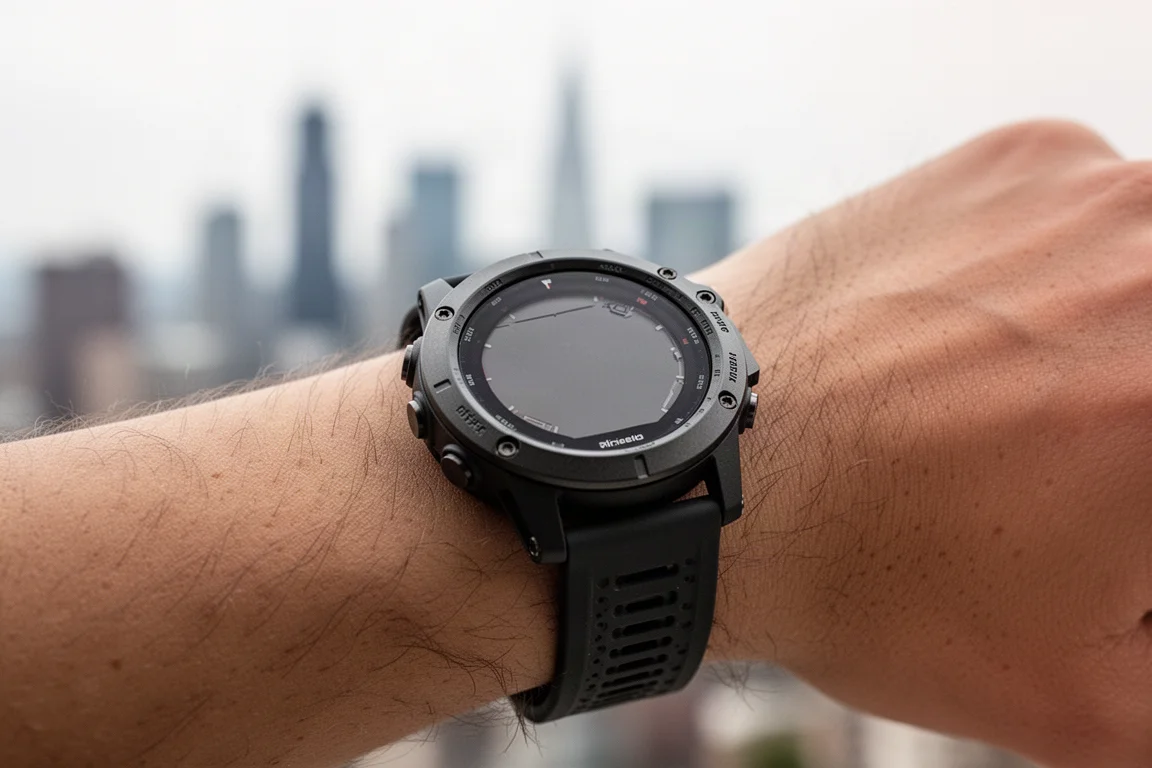
The takeaway: having the same theoretical GPS chipsets as the Fenix 7 Sapphire did not translate into the same results for the Vertix 2. Whether that comes down to antenna design, firmware, or something else entirely, the Garmin multi-band units were simply sharper in this environment.
Final Results and Distance Readings
At the finish line the distance readings were close, which matters less than track quality but is a useful sanity check. The Fenix 7 Sapphire Solar read 11.56 kilometers, the Descent G1 11.51, the Vertix 2 11.58, the Epix 11.65, and the Instinct 2 11.76. In miles, the base Fenix 7 read 7.19 and the Fenix 7S Solar Sapphire 7.14.

Ranking the actual tracks, the Fenix 7 Sapphire Solar and the Epix were the most accurate units of the day, staying on the roadway through the hardest sections. The base Fenix 7 held up surprisingly well, closely mirroring its Sapphire sibling despite lacking the multi-band chipset. The Instinct 2 and Descent G1 showed the limits of older chipsets in dense cities, and the Coros Vertix 2, despite matching the Garmin multi-band hardware on paper, trailed the Fenix 7 Sapphire in track quality throughout.
The Rest of the Field
The Vertix 2 is a serious watch with genuine multi-band hardware, and it delivers fast satellite acquisition. In this test, though, its tracks were less precise than the Garmin multi-band units in the toughest environments, so buyers prioritizing city GPS accuracy should weigh that.
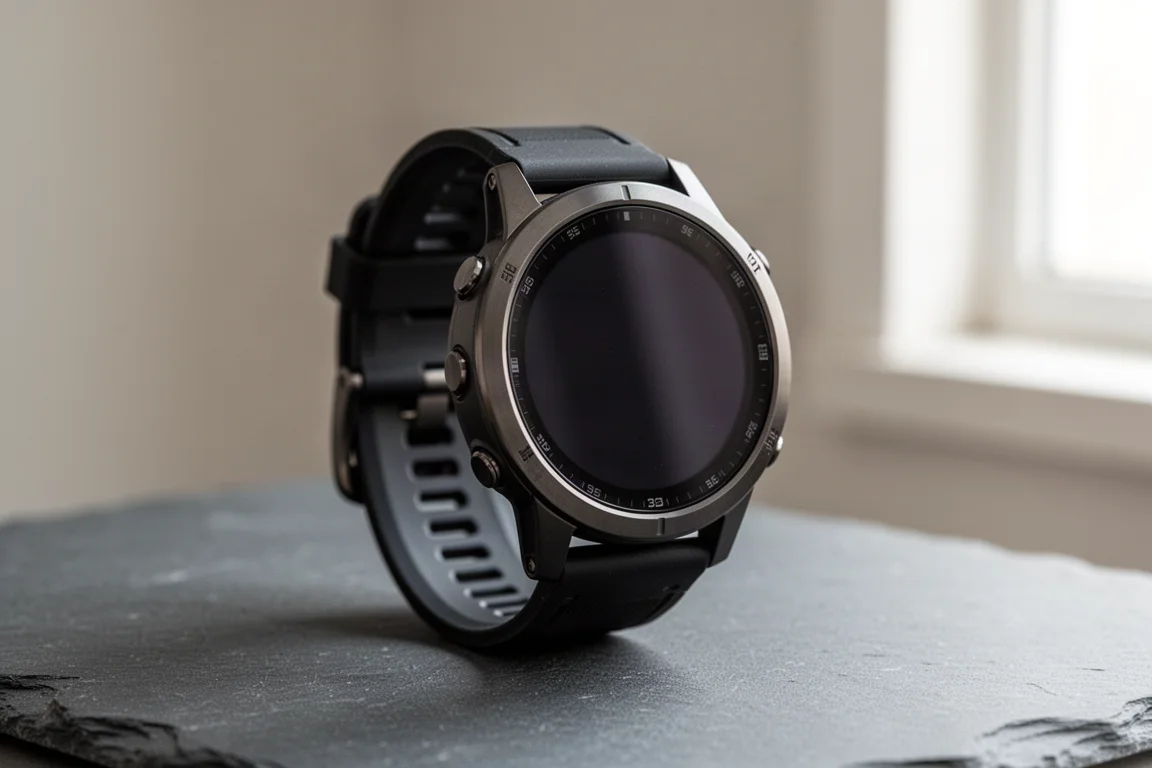
The base Fenix 7 was the sleeper of this test. Without multi-band GPS it still tracked close to its Sapphire sibling and beat the Vertix 2 in the park and opening city stretch, making it a strong value pick if you do not need the top-tier chipset.
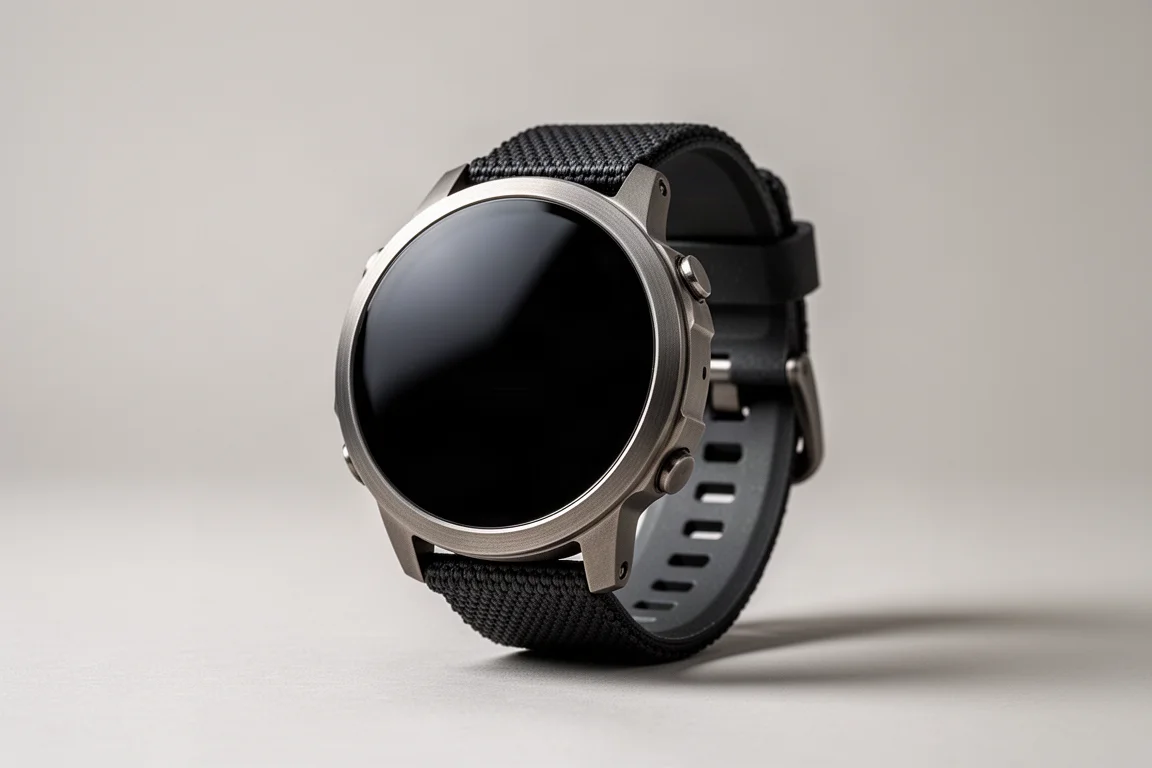
The Epix matched the Fenix 7 Sapphire Solar for accuracy in this run, putting it among the best performers of the day in dense urban conditions.
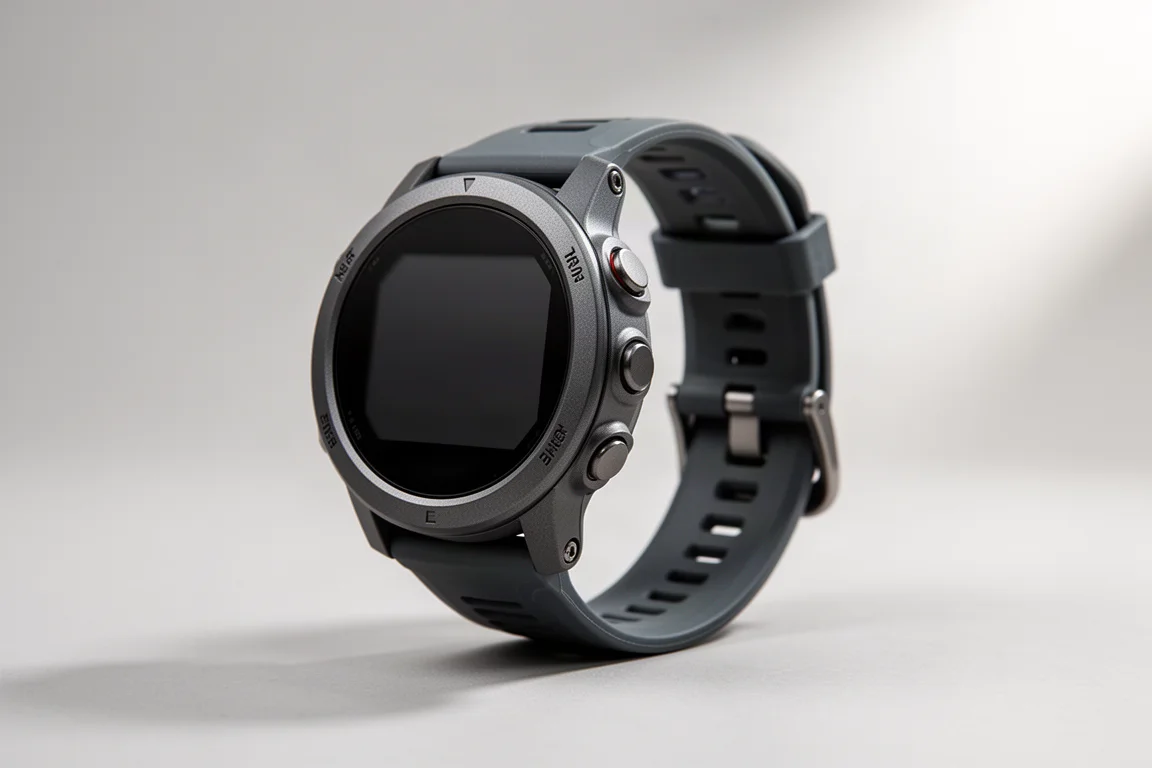
The Instinct 2 uses an older GPS chipset without multi-band support. It stayed on the road through Central Park but drifted into the buildings during the city stretches, so it is best suited to open-terrain use.
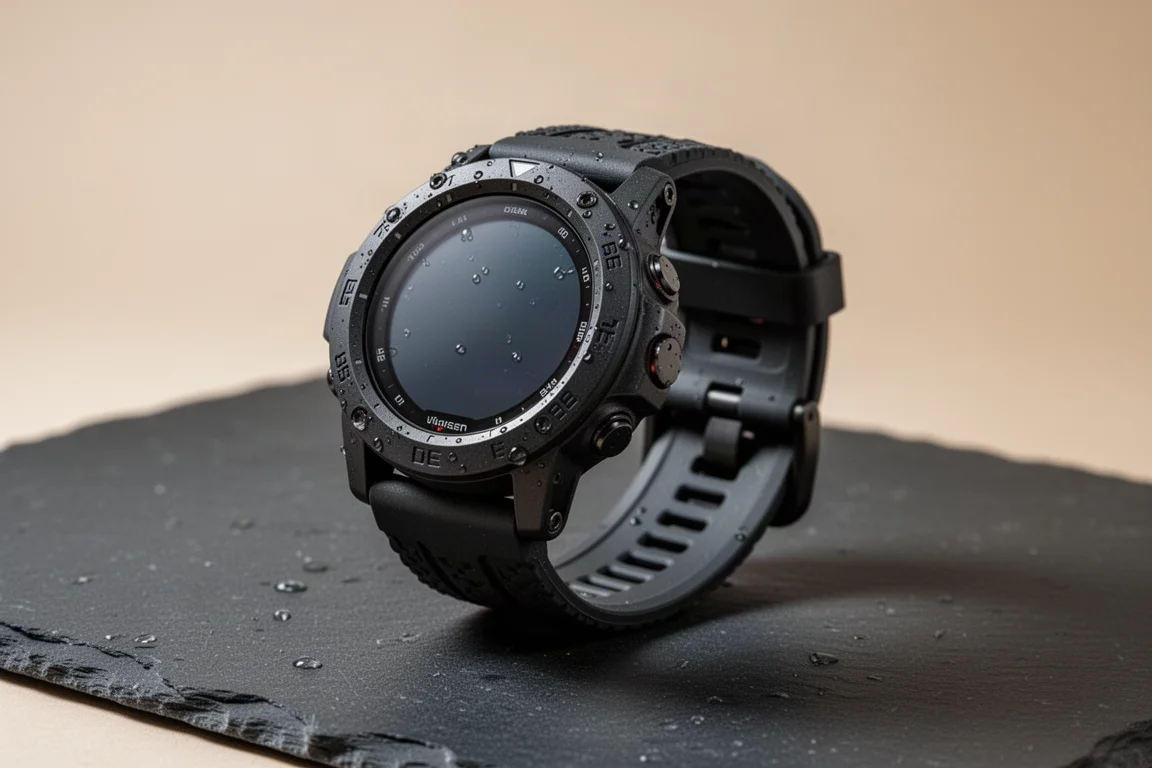
The Descent G1 is essentially an Instinct 2 platform with diving capability added. Its GPS behavior mirrored the Instinct 2 in this test: solid in the park, less reliable between tall buildings.
Buying Advice
If GPS accuracy in dense cities is a priority, the multi-band Garmin units, specifically the Fenix 7 Sapphire Solar and the Epix, delivered the best results in this environment. The base Fenix 7 is a compelling alternative if you want most of the accuracy for less. The Coros Vertix 2 offers the right hardware on paper but did not match the Garmin multi-band track quality here, while the Instinct 2 and Descent G1 are better positioned for trail, open-sky, and specialty use than for tight urban canyons.
Keep in mind this was a single run, and GPS accuracy is very much a point-in-time measurement. But if the run had been a race, the watches that stayed on the road would have been the ones you want on race day.
Conclusion
Multi-band GPS earns its reputation, but hardware and tuning matter as much as the chipset spec sheet. In this New York City test, the Garmin Fenix 7 Sapphire Solar and Epix set the accuracy benchmark, the base Fenix 7 punched well above its tier, and the Coros Vertix 2 showed that matching hardware on paper does not guarantee matching results. Choose based on where you actually run: city runners benefit most from the multi-band Garmin units, while open-terrain users have more room to compromise.
Further reading
Related Reviews
GPS Watches
Garmin Fenix 6S Pro Review: A Compact Multi-Sport GPS Watch
A long-term look at the 42mm Garmin Fenix 6S Pro, covering mapping, training metrics, battery life, and what to weigh before buying.
GPS Watches
Garmin Instinct 2 Solar Review: Weeks of Battery for Runners, Riders, and Hikers
A practical look at the Garmin Instinct 2 Solar, covering solar charging, multi-week battery life, training metrics, and GPS performance across running, cycling, and hiking.
GPS Watches
Suunto 9 Peak Pro Review: A Light, Long-Lasting GPS Watch After 12 Months
A compact multisport GPS watch with exceptional battery life, accurate breadcrumb navigation, and a deliberately simple interface. Here is where it shines and where it falls short.