E-Bikes
Gotrax Flex After Two Years: A Long-Term Look at a Small E-Bike That Took a Beating
After two years of towing, crashes, rain, and farm duty, the Gotrax Flex still runs. Here is what held up, what did not, and how it compares to the Wind Horse e-bike.
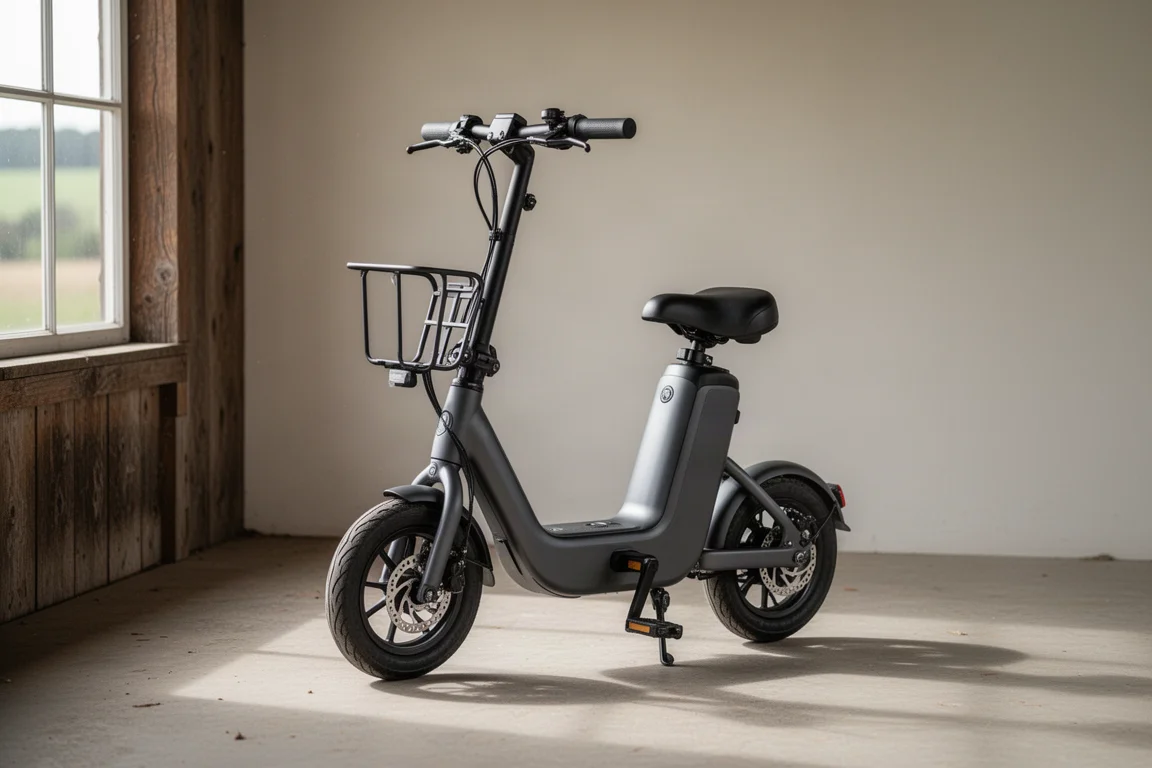
Introduction
Most e-bike reviews are written after a week of riding. This one looks at something more useful: what happens after two years of genuinely hard use. The Gotrax Flex covered here was bought outright and used like a small utility vehicle around a farm, towing trailers to a mailbox a quarter mile away, carrying multiple riders, being crashed, left out in the rain a dozen times or more, and hauled around in the back of a truck. It was, in short, abused far more than the average owner ever would.
The short verdict: it survived, and it is still running today. But there are real trade-offs worth understanding before buying, especially around brakes and long-term battery life.
What Two Years of Hard Use Looks Like
This bike was used like a mule. It towed small utility trailers, including a towing test with a heavy trailer where braking actually ripped the basket off its mount. It was crashed, laid on its side, knocked over, and scratched repeatedly. It spent plenty of time off-road as well as on pavement, and it was ridden hard by more than one person.
Despite all of that, the basics still work. The front light works, the motor is fine, the rear suspension has needed no adjustments, and the cabling held up without real problems. Most of the visible damage is self-inflicted rather than a fault of the bike.
Range has clearly dropped with age. When new, the battery would last nearly a full week of regular use with barely any visible loss. Now it needs charging every two to three days. That is the single biggest long-term question mark.
Strengths That Made It Worth the Money
The standout strength is battery quality. Compared with other budget e-bikes owned at the same time, this one was charged and used more often, yet its battery degraded far more slowly. On comparable bikes, battery degradation hit hard and there is no easy way to swap the pack, which effectively means buying a whole new bike.
The seated, no-pedal design is genuinely practical. You just sit and go, which made it a favorite for casual riding around the property, including as a spouse’s daily runabout. It ended up seeing far more use than any other e-bike owned alongside it.
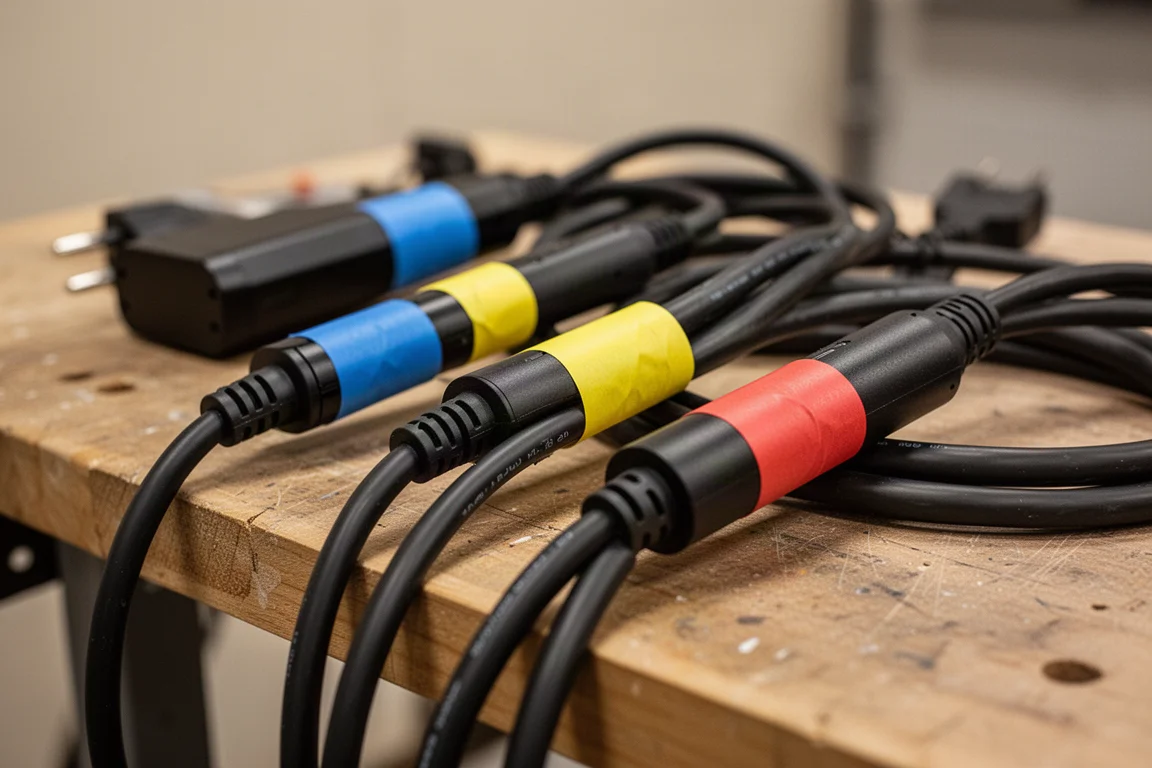
The tires deserve special mention. After roughly 60 to 80 miles of mixed road and off-road abuse, they still look nearly new, with no flats and no meaningful wear. A simple owner tip that proved useful: put matching colored tape on each charger cable and the corresponding bike so three bikes’ chargers never get mixed up.
Issues to Know About Before Buying
The brakes are the biggest downside. The Flex uses drum-style brakes rather than disc brakes, and they feel noticeably spongy. Disc brakes, as on the comparison bike below, stop harder and far more consistently. This is the one change most owners would likely want.
There is also a small intermittent fault that developed over time: after braking, the bike sometimes does not register that the brake has released, so it will not accelerate until it clears. The likely cause is a sticky or corroded sensor contact in the brake lever or pedal area, which suggests a fixable problem, but it is worth knowing that these small sensor issues can appear with age and weather exposure.
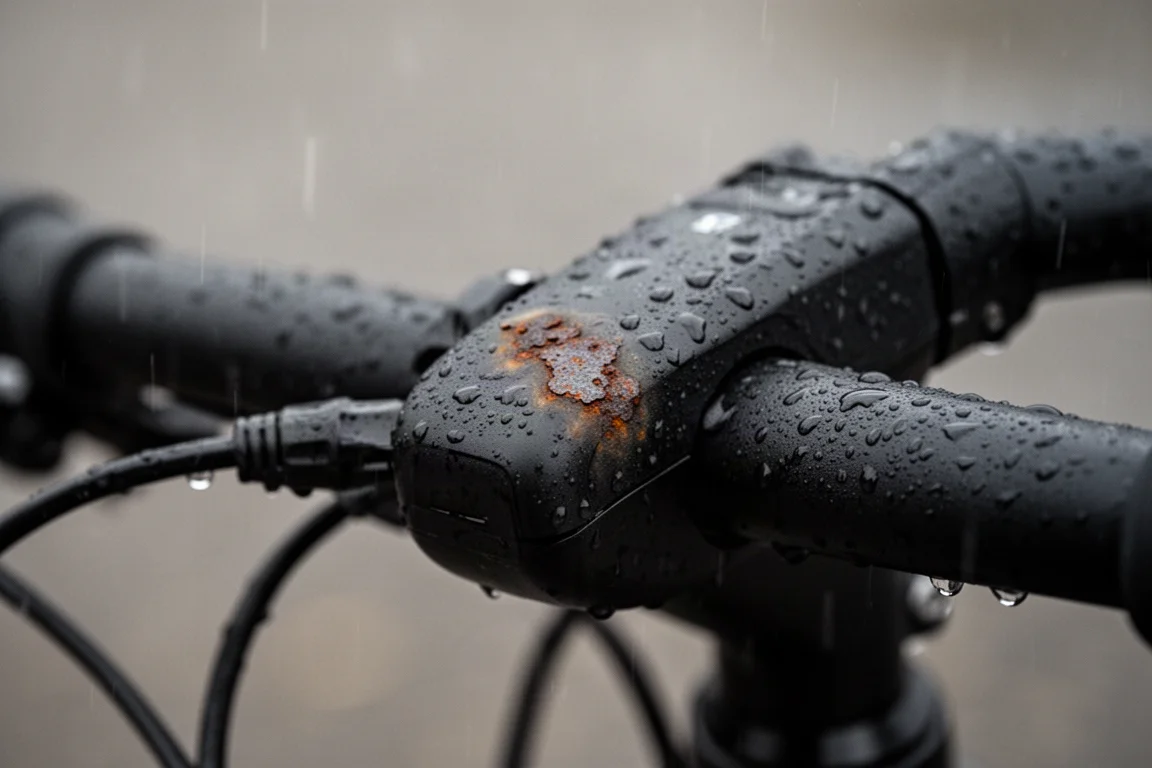
Battery replacement is the other limitation. There is no simple owner-swappable pack, so once degradation becomes serious, buying a replacement bike may make more sense than repairing this one. Rust appeared on some upper hardware after repeated rain exposure, which is a fair consequence of outdoor storage rather than a defect.
How the Wind Horse Compares
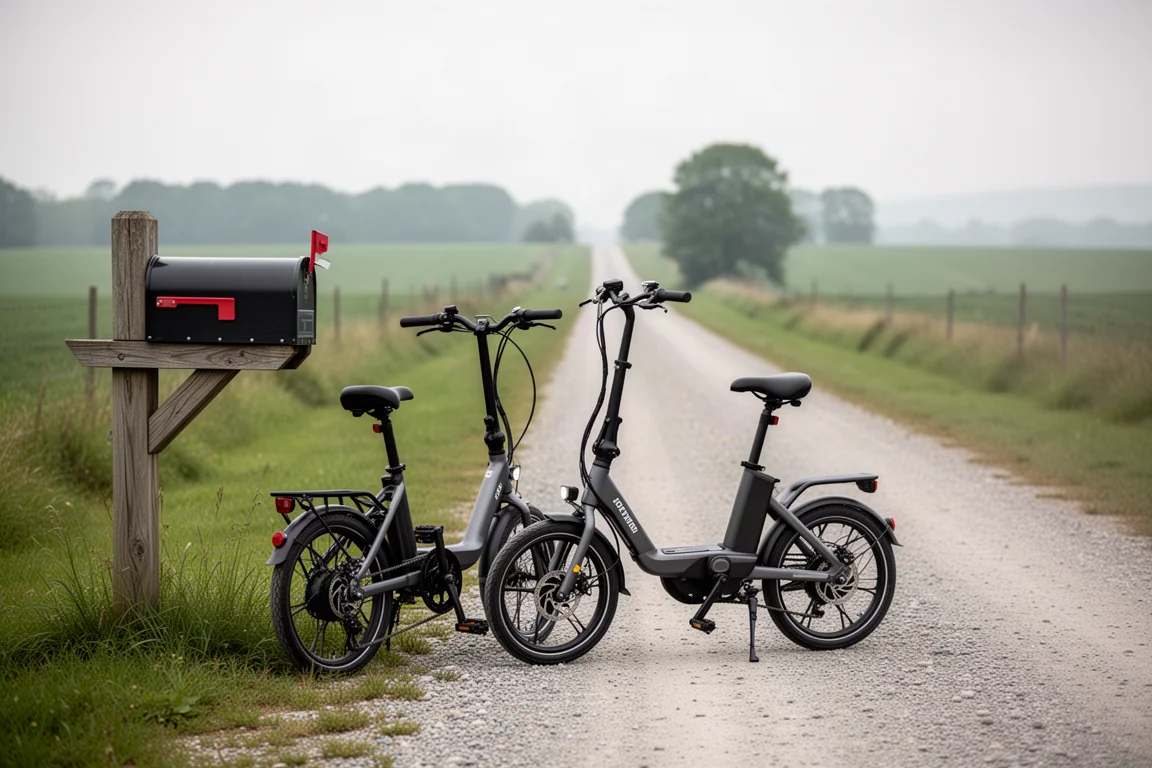
The Wind Horse e-bike, received for review purposes, serves as a useful point of contrast. It is much newer and has seen far less abuse, but its battery has already degraded to roughly 30 percent of its original capacity. In terms of long-term battery durability, the Gotrax clearly came out ahead.
On the other hand, the Wind Horse has real advantages where it counts day to day: disc brakes that stop much harder and more consistently, and pedals, so it can be ridden like a normal bike when the battery runs low. The original Gotrax seat now lives on the Wind Horse, where it works fine.
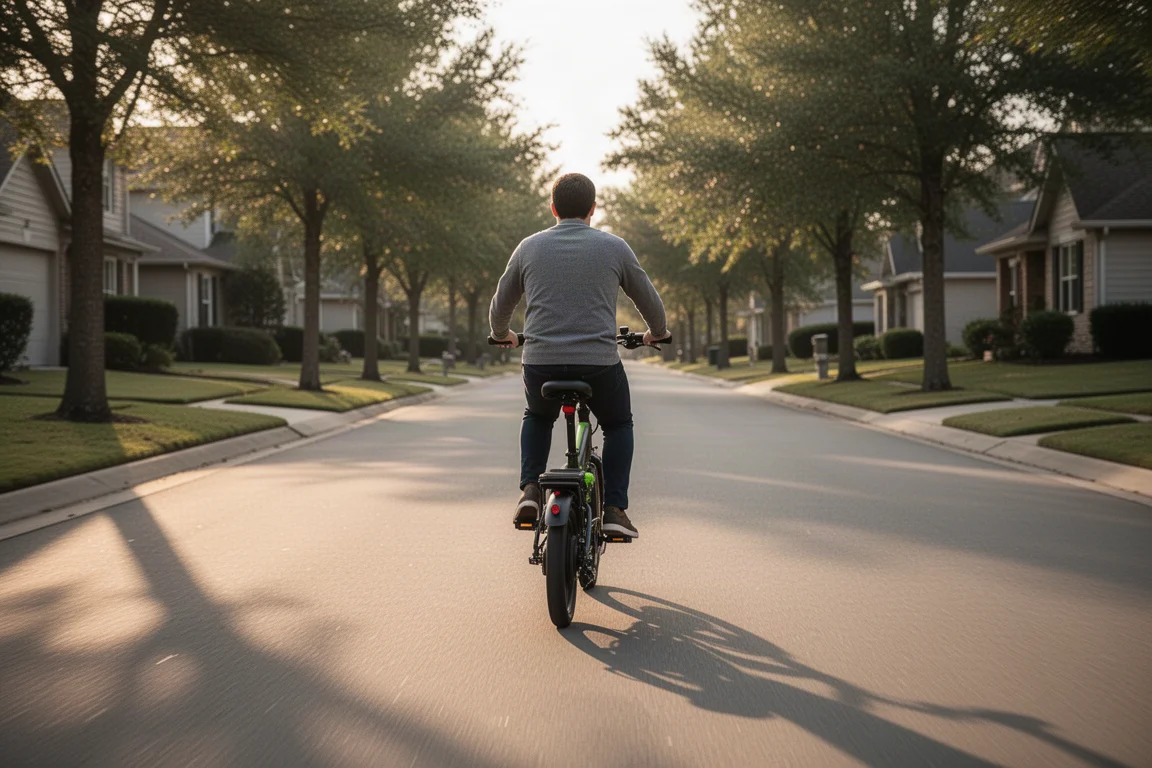
For riders prioritizing braking performance and pedal versatility, the Wind Horse style of bike is the better fit. For riders who want maximum battery longevity under heavy use, the Gotrax has proven the stronger performer.
Buying Advice
If you treat an e-bike well, keeping it indoors and out of the rain, you will likely get better longevity than this example did, and this one is still going. The Gotrax Flex is a solid buy for casual, seated, utility-style riding, and after two years of abuse the answer to “would you buy it again?” is an easy yes.
Two wishlist items would make it even better: disc brakes instead of the spongy drum brakes, and a replaceable battery pack so a degraded bike could be brought back to full life rather than replaced outright.
Conclusion
Two years of towing, crashing, rain, and constant farm use left the Gotrax Flex battered but functional, with its battery still outlasting comparable bikes by a wide margin. The drum brakes and eventual battery degradation are the honest caveats. If your use case is relaxed, seated, short-range utility riding, this remains an easy recommendation, and it is the kind of long-term durability that makes a purchase decision much easier.
Product link
View more details for GoTrax Flex
This product is mentioned in the review. Check the specifications, options, and compatibility before buying.
View more details for GoTrax FlexFurther reading
Related Reviews

E-Bikes
Best Folding E-Bikes 2026: Five Picks for Every Budget and Riding Style
From budget-friendly commuters to high-tech performance machines, these five folding e-bikes cover the full spectrum of needs and price points.
E-Bikes
Best Raleigh E-Bikes: Trace, Motus, Centros and Modem Compared
A practical comparison of four Raleigh e-bikes, covering battery range, motor placement, gearing and the kind of riding each model suits best.
E-Bikes
Best Rally E-Bikes Compared: Trace, Motus, Grand Tour, Centros and Modem
A practical look at five Rally e-bikes, from the lightweight Trace city bike to the cargo-ready Modem, with range, motor position and pricing explained.