Backpacking Tents
Gossamer Gear The One Review: A Single-Wall Shelter That Pitches Tight in Minutes
A practical look at the Gossamer Gear The One, a single-wall trekking pole shelter that comes in around 29 ounces and sets up consistently fast.
Introduction
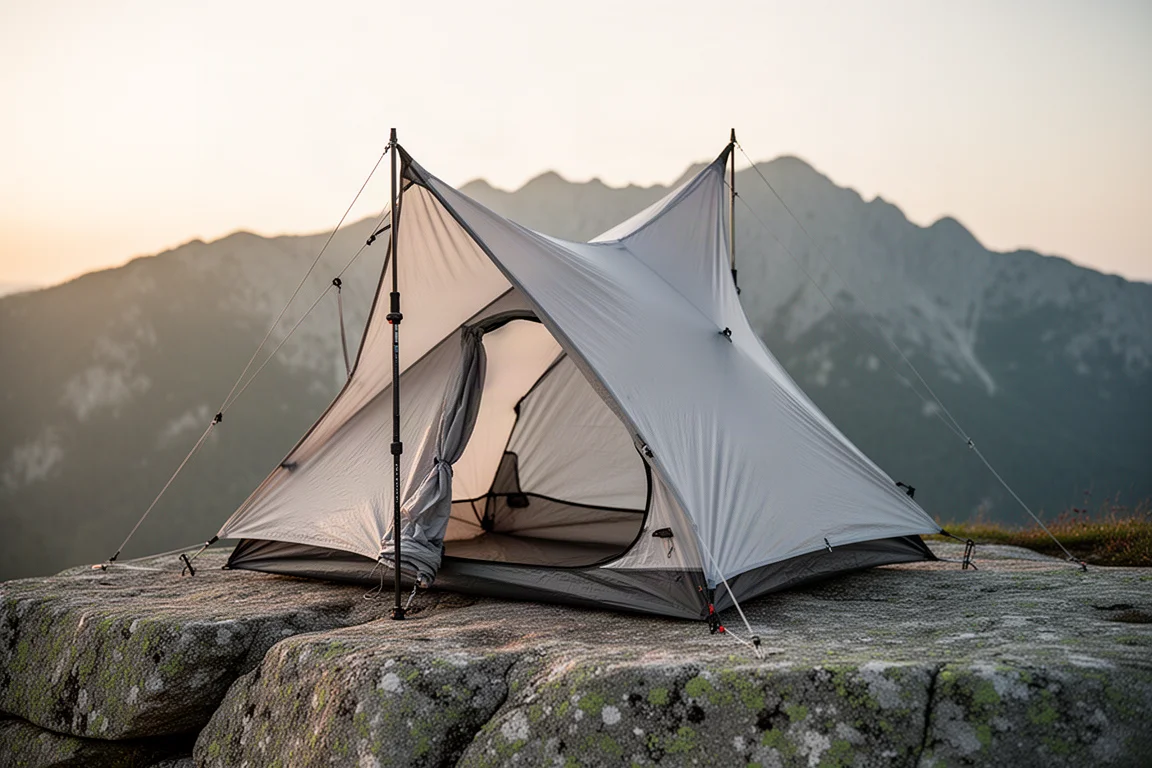
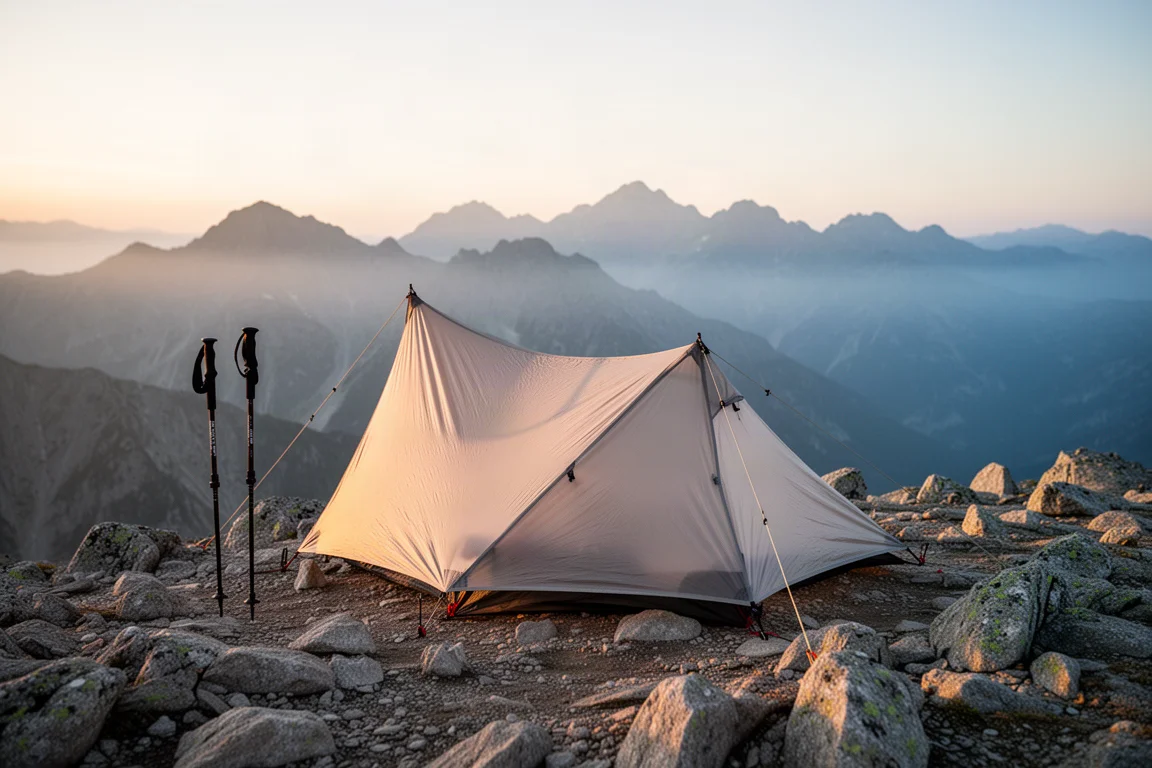
The Gossamer Gear The One is a single-wall, single-person shelter that relies on trekking poles, or optional carbon fiber poles, for its structure. It is the kind of design that tends to get bought on curiosity, picked up on a sale well before it was strictly needed, largely to answer one question: does this layout work well enough to justify the far more expensive Dyneema version of the same shelter, expected later in the year at over $500?
After a first outing and repeated pitches, the answer leans clearly toward yes. The One is not the only sub-two-pound shelter on the market, but the way it goes up and the way it feels from the inside are what make it worth a closer look.
Who This Shelter Is For
This is a shelter for backpackers who already carry trekking poles and want a one-person tent that disappears into the pack. As configured here, with the tent body, stakes, and a pair of thin carbon fiber poles that add just over three ounces for the pair, the complete shelter lands at about 29 ounces. That is a serious weight for a shelter of this type, and it puts the One in the range of hikers who count every gram on longer trips.
It also suits campers who move through a mix of conditions rather than living in one climate. The design handles light rain and wind, pitches quickly at the end of a long day, and offers enough ventilation to stay comfortable on clear nights.
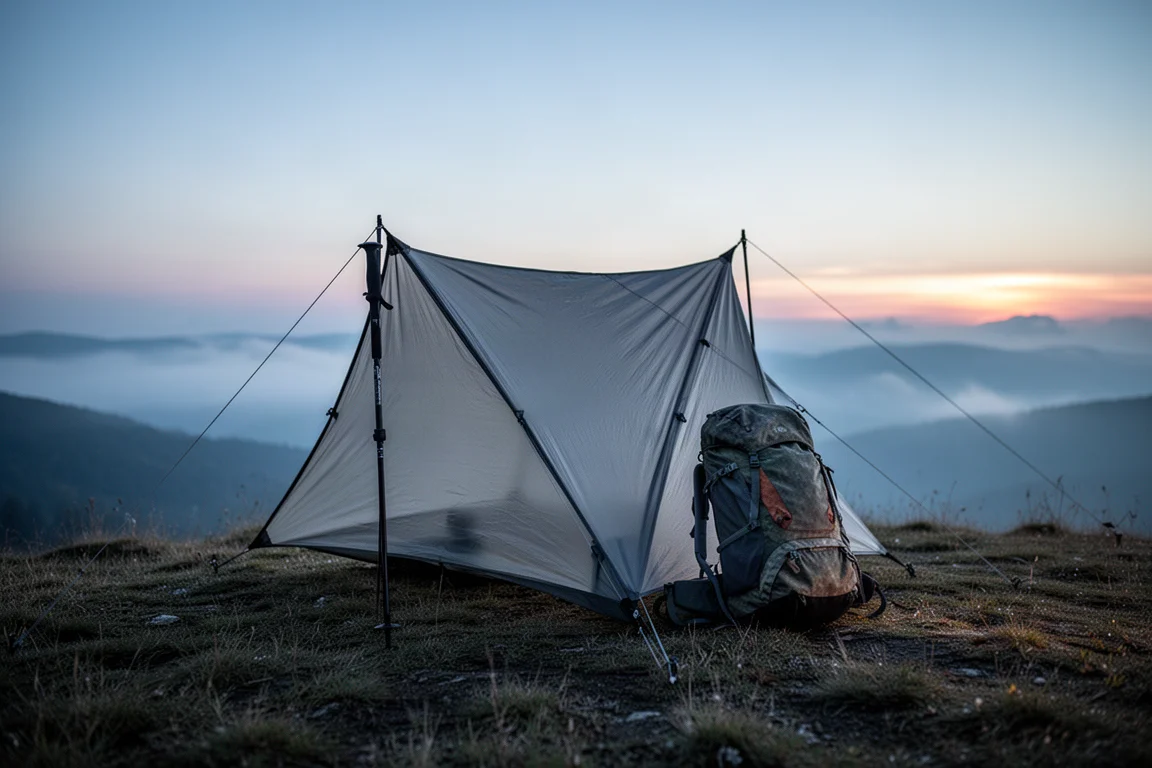
Hikers who want a shelter that deploys fast, tensions simply, and offers enough room to sit up in will get the most from it. Anyone who needs a freestanding double-wall tent for exposed alpine camping should look elsewhere.
How the One Pitches
A full pitch takes roughly six minutes from start to ready. The process is straightforward: stake out the corners and perimeter, insert the poles, tension the ridgeline, and fine-tune. A small toggle sewn into the centre seam attaches the body of the tent to the pole, which adds structure without adding complexity.
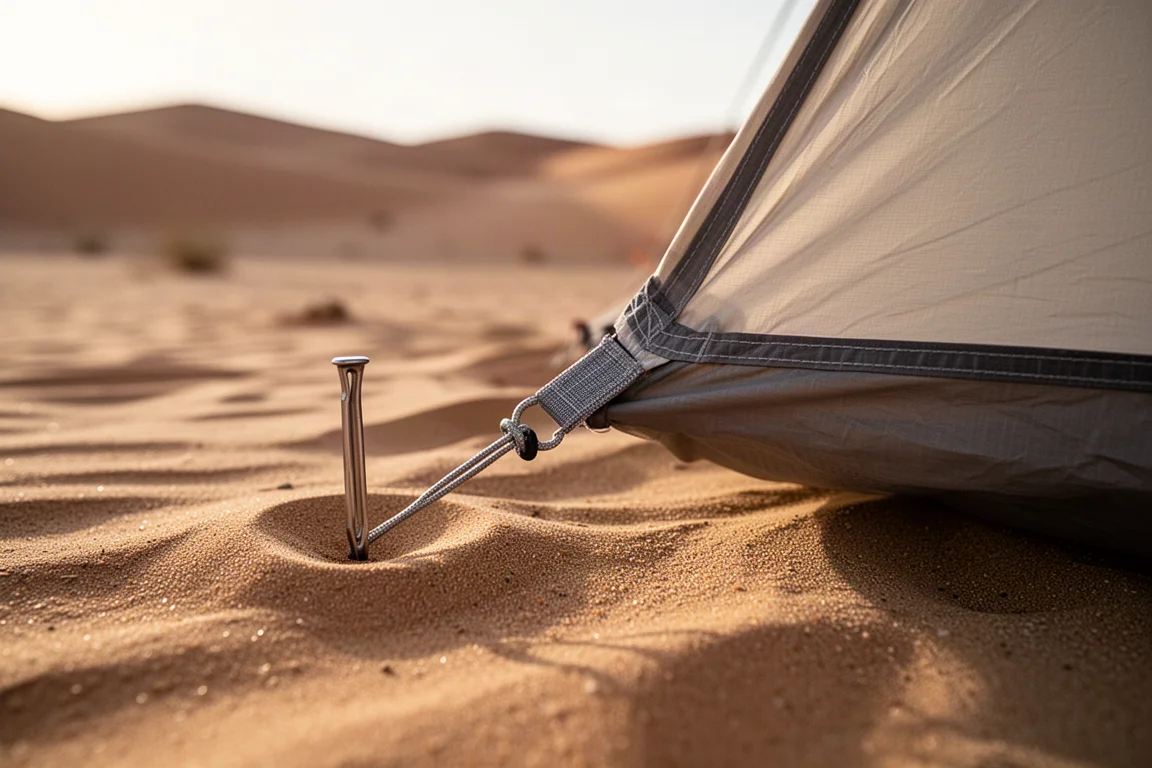
The door clips back into place rather than requiring a hook to be undone, and the panel can be rolled back and secured at the peak on clear nights. A size 3 zipper runs the door and has stayed smooth even with sand around the pitch.
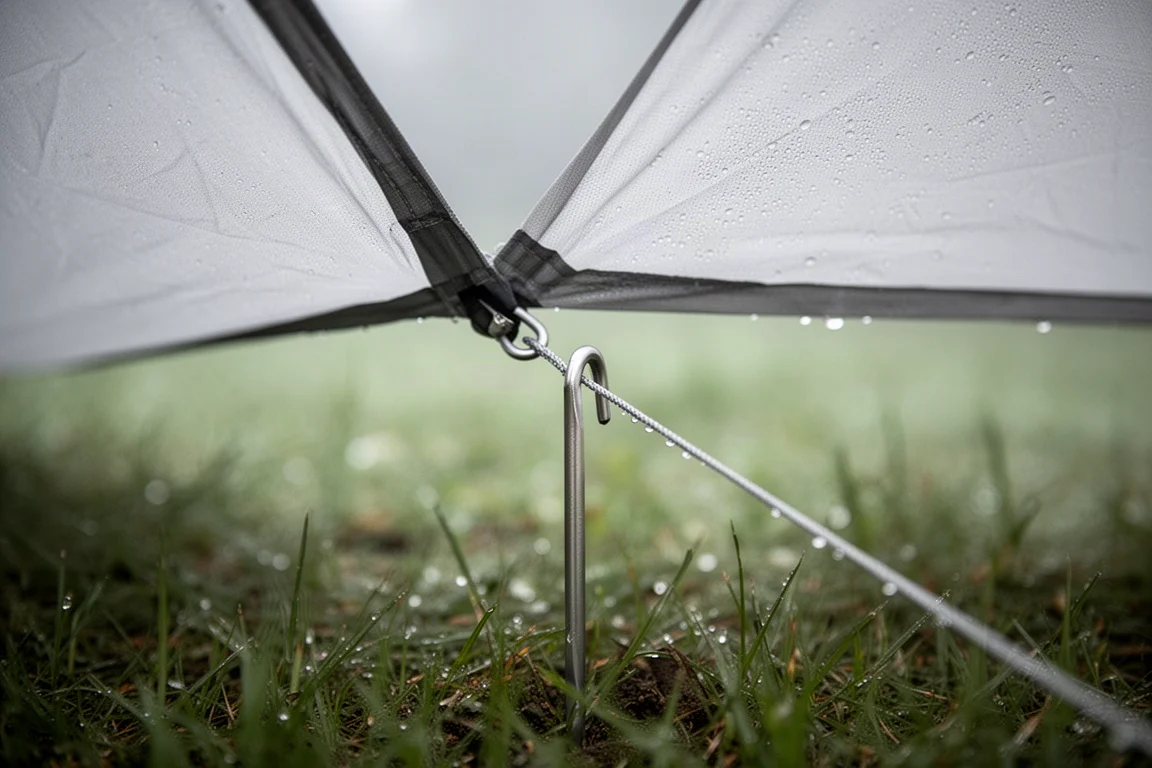
Eight stakes were used in this configuration, and none of them were staking the bathtub floor itself. That detail matters, and it is covered further below.
Main Strengths
The most striking thing about the One is how consistent the pitch is. Time after time, the same tight result comes out of it, without the fiddling that some trekking pole designs demand. There is no hunting for the exact right pole height and no guessing which line to tension first. After a long day on trail, that reliability is worth more than a few grams.
The weight is the other headline. Around 29 ounces for a complete shelter, including poles and stakes, is remarkable for the amount of interior room it delivers.
Living Space and Interior Dimensions
The One measures 88 inches in total length, 28 inches at the foot end, 36 inches at the head end, and 46 inches at the peak. Those numbers describe a shape that is wider at the top than at the floor, which is the key to how it feels inside.
With the mid-panel guy lines staked out and held up by a stick at each end, the interior opens up considerably. There is clear space between the foot of a sleeping bag and the foot wall, which reduces the risk of a damp foot box from condensation. The same applies at the head end, where a wide panel keeps a sleeping pad and the breathing zone away from the fabric.
Sitting up is comfortable. The shelter is wider at the head end than at the floor, so changing layers, moving around, or sitting upright does not mean pressing against a wall.
Weather Protection and Condensation
Single-wall shelters trade simplicity and weight for one well-known compromise: condensation. The One is no exception, and the interior walls will collect moisture in humid or still conditions. The generous head and foot clearance helps, and the ability to roll the door open wide on clear nights gives ventilation when it is needed most.
The body, the outer shell, and the floor are all made from a thin 7-denier nylon. It pulls drum-tight when pitched, but it also stretches when it gets wet, so a rain-soaked night will call for re-tensioning the panels and guy lines.
The carbon fiber poles used in this setup are 49 inches long with a small diameter, and they bow visibly under tension. They are a good match for trips where the forecast is mild. For anything more serious, thicker carbon poles or trekking poles will give the shelter a sturdier frame.
Things to Consider Before Buying
The most practical consideration is stake count. The listed minimum is six stakes, but that does not include staking out the bathtub floor. Reaching a tight, sand-resistant floor takes roughly four additional stakes beyond what is used for the perimeter and the mid-panel guy lines. It is not a deal breaker, but it is a real part of the packing list.
The thin poles are a second point to weigh. They work, and they save weight, but they are best treated as fair-weather hardware.
Third, plan for condensation management. A single-wall design rewards good site selection and ventilation habits, and the One is no different.
Buying Advice
The One makes the most sense for backpackers who want a light, quick, dependable shelter and who already carry trekking poles or are willing to add a small set of carbon poles. The straightforward pitch is the real selling point: it removes the small frustrations that turn some trekking pole shelters into a chore at the end of a long day.
It is also a sensible way to test the layout before committing to the more expensive Dyneema version of the same design, which was expected later in the year at over $500. For anyone chasing a one-pound shelter threshold, that version will be the one to watch. For everyone else, the nylon version delivers the same shape and the same easy pitch at a lower cost.
Conclusion
The Gossamer Gear The One is a well-executed single-wall shelter. It is light, it pitches tight and predictably, and its wider-at-the-top interior makes a one-person tent feel less cramped than its footprint suggests. The trade-offs are the familiar ones for this category: extra stakes for a taut bathtub floor, condensation on still nights, and thin poles that suit mild conditions best. Buyers who understand those limits and want a fast, light shelter will find a lot to like here.
Product link
View more details for Gossamer Gear The One
This product is mentioned in the review. Check the specifications, options, and compatibility before buying.
View more details for Gossamer Gear The OneFurther reading
Related Reviews
Backpacking Tents
3F UL Lanchan Pro 1 Review: A 1 lb 8 oz Single-Wall Trekking Pole Tent
A practical look at the 3F UL Lanchan Pro 1, a single-wall trekking pole shelter with a 1 lb 8 oz weight, 20D silnylon fabrics, and a roomy 90 x 31 x 49 inch interior.
Backpacking Tents
3F UL Taiji 2-Person Tent: A Convertible Backpacking Shelter Worth a Closer Look
A practical look at the 3F UL Taiji two-person tent, covering its materials, true two-person interior, fly-first pitching, and the seasonal inner swap that lets one shelter cover more of the year.
Backpacking Tents
3FUL Lanshan Twoerson Pro Review: A Light Trekking Pole Shelter That Struggled in Rain
A two-person trekking pole shelter with a 2026 redesign, pitched with sticks and put through a night of steady rain. Here is what worked, what did not, and what to check before buying.