Backpacks
Gossamer Gear Mirage 40 Review: An Ultralight Framed Pack With Real Trade-Offs
A close look at the Gossamer Gear Mirage 40, a sub-20 oz framed ultralight backpack built from Graphlite V52 fabric, with strong trail comfort and clear durability and versatility limits.
Introduction
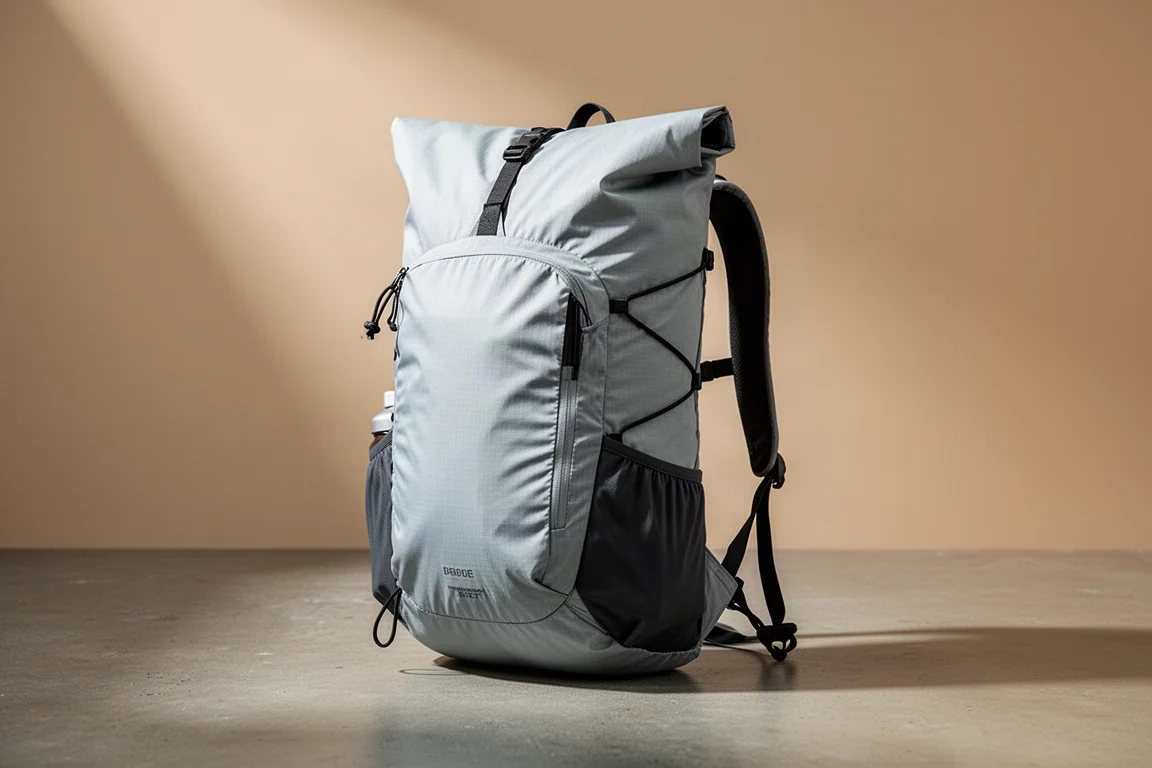
The Gossamer Gear Mirage 40 is a 40-liter framed ultralight backpack that sits in the brand’s Alchemy collection. Its headline material is Graphlite V52 from Alula, described as the lightest weight variant of that fabric used on a backpack. Paired with a deliberately minimal frame system, that keeps the pack under 20 oz while still offering more load support than most frameless packs in the same weight class.
This is a well-executed pack. It has not failed in the field, and nothing about it reads as a defect. The reservations are narrower: durability across multiple seasons, and versatility across different kinds of trips. Both matter a great deal when you are paying premium money for a pack you hope to keep for years. What follows is how the Mirage 40 performs, where it asks for compromise, and who it genuinely suits.
Who This Pack Is For
The Mirage 40 is aimed at hikers who treat weight as the primary constraint. If your kit is dialled in, your base weight is low, and you are not asking the pack to swallow bulky or heavy loads, the design makes sense. The adjustable torso helps here, and a torso length just over 18 in sits comfortably within the range this pack is built around.
It also suits hikers who run a trekking pole shelter or a bivy. Those setups remove the need to carry long poles in the side pockets, which is one of the tightest areas on the pack.
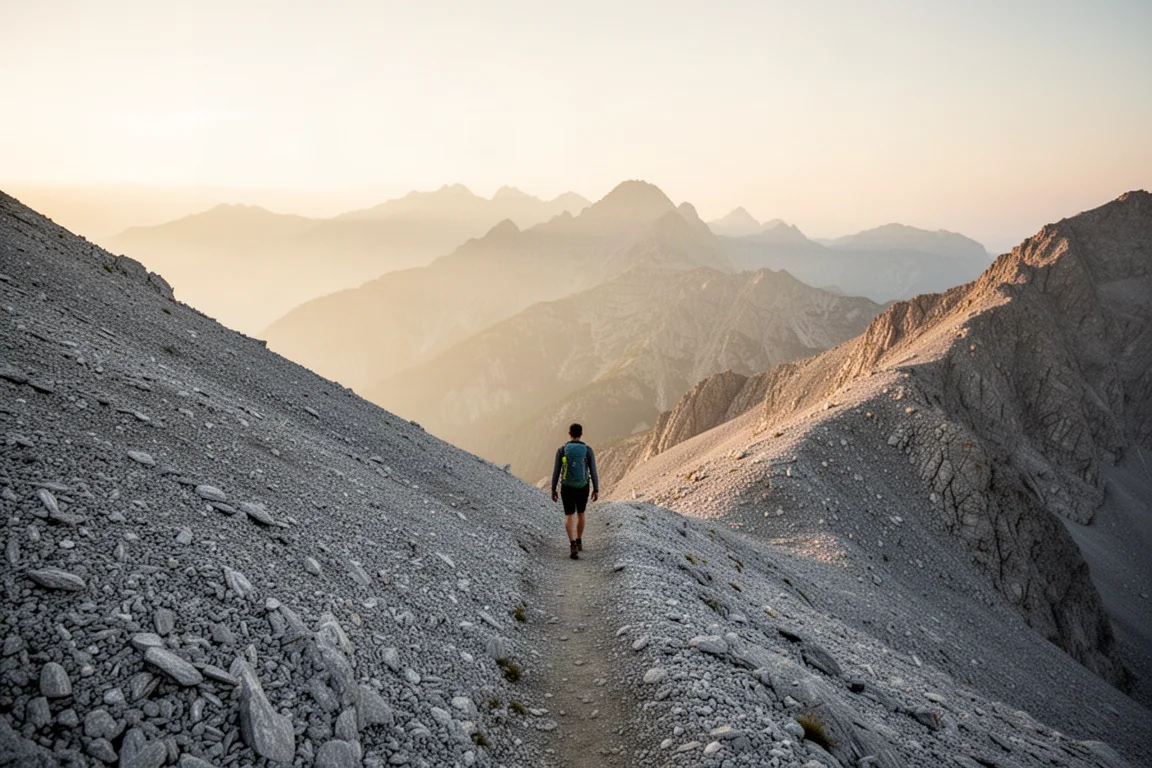
It is a poorer match for hikers who want one pack that adapts across many different trips. The Mirage 40 rewards a narrow, consistent kit rather than a changing one.
Main Strengths
Weighing under 20 oz while still being a framed pack is the core achievement here. The frame itself is deliberately minimal, and the hip belt ties directly into it, so load transfers to the hips in a way frameless packs simply cannot match.
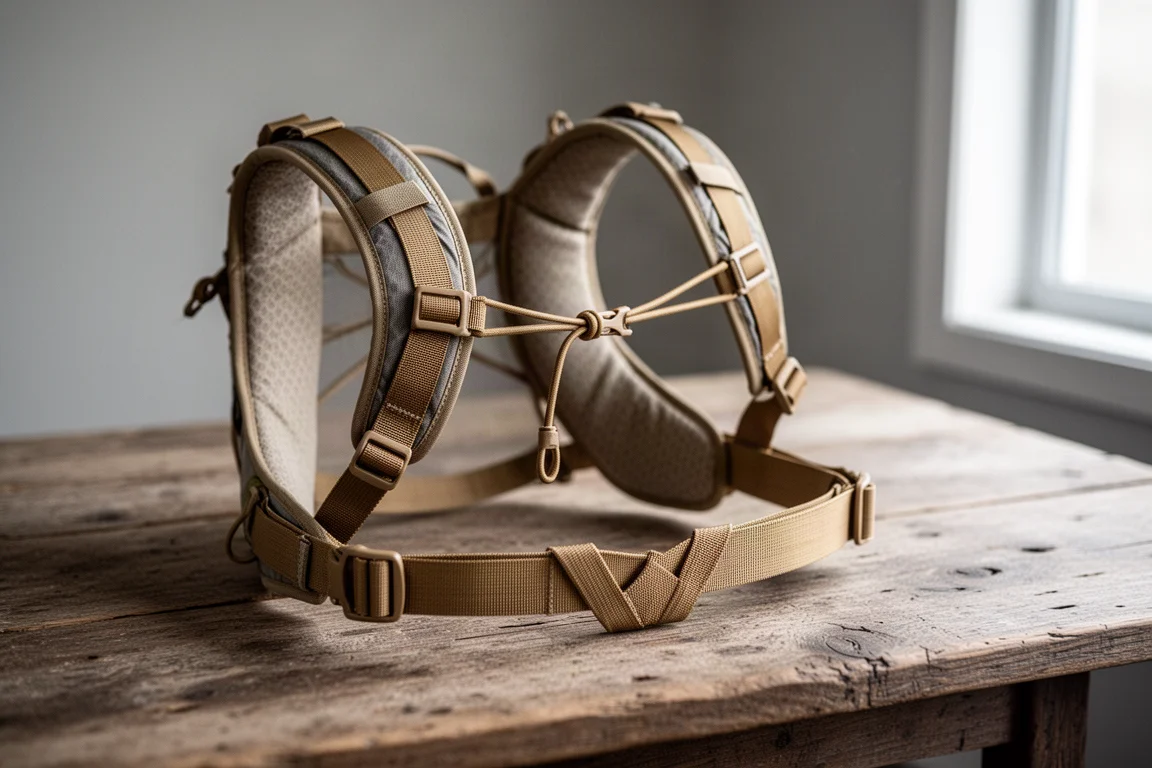
Comfort on the trail is a genuine strength. The shoulder straps are well judged for the weight class, the sternum strap is solid, and load lifters are included, which is uncommon on a pack this light. The hip belt uses two pieces of webbing arranged in a V rather than a single strap, which lets you dial in the fit precisely and keeps the belt from pulling in one direction. On the move, the pack tracks with your body rather than feeling like a board strapped to your back.
The rest of the feature set covers the ultralight essentials. There is a large front pocket for items you want within reach, side compression straps, a roll-top closure with a single strap and a Velcro opening, a grab handle at the top, and a port for a hydration hose. A cord and loops along the side give you a dedicated place to stow trekking poles.
Frame, Fit, and Suspension
The suspension is where the Mirage 40 makes its clearest trade. A wire frame piece runs in an X across the back panel to all four corners, and a trampoline-style panel is tensioned over it to create a small gap between the pack and your back. In practice, that gap does not behave the way a true trampoline back does. Once the pack is fully loaded, the panel compresses in on itself and much of the ventilation benefit disappears.
Load capacity reflects the same design limits. Comfort tops out at roughly 30 lb. Several other cottage-brand ultralight packs with frames can be pushed to about 40 lb and remain reasonably comfortable, so the Mirage 40 sits lower on that scale. For a hiker who is deliberately minimal, 30 lb is a workable ceiling. For anyone regularly carrying more, it is not.
Two fit details stand out positively. Torso length is adjustable through the shoulder straps, which is unusual on a pack this light and makes it easier to dial in exactly where the pack sits. The buckle that handles that adjustment raised early concerns about pressing into the back, but in extended field use it has not caused discomfort.
Fabric Durability and Long-Term Wear
Graphlite V52 is the reason this pack is as light as it is, and it is also the reason to think carefully about longevity. The reasonable expectation for a pack at this price is several seasons of hard use, ideally three to five years or more. The wear patterns that have appeared after about six months and three or four trips point to a shorter working life, closer to a couple of seasons of good hard use before retirement.
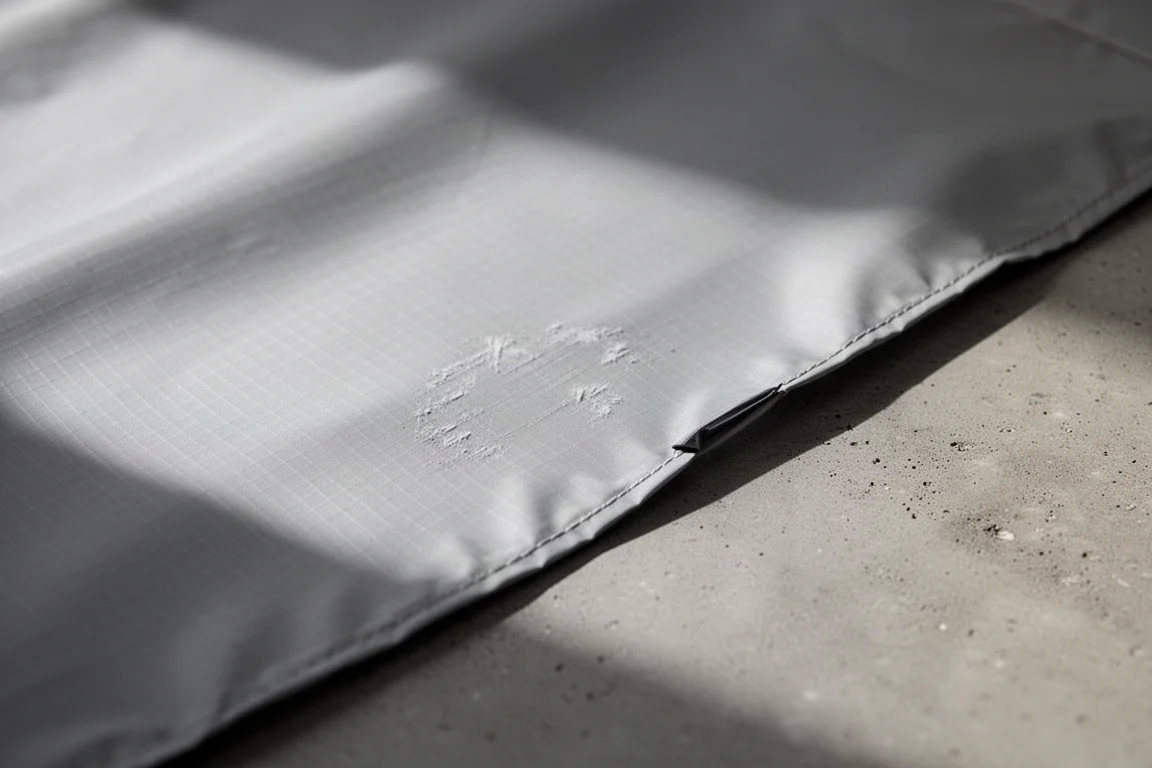
The specific signs are subtle rather than catastrophic. Around the shoulder strap area on the side of the pack, the inner layer of fabric is wearing away, to the point where the outer layer and light passing through it are visible. It reads as an abrasion point that could eventually become a hole.
The front pocket shows a different pattern. Its fabric is less abrasion resistant than a Dyneema stretch or Ultra stretch material, which matters if you spend time against slickrock, brush, or trees. At the lower edge of the pocket, the fabric is already beginning to roll and peel away from the pocket itself. None of this is a failure, but it is early wear on a premium product.
Things to Consider Before Buying
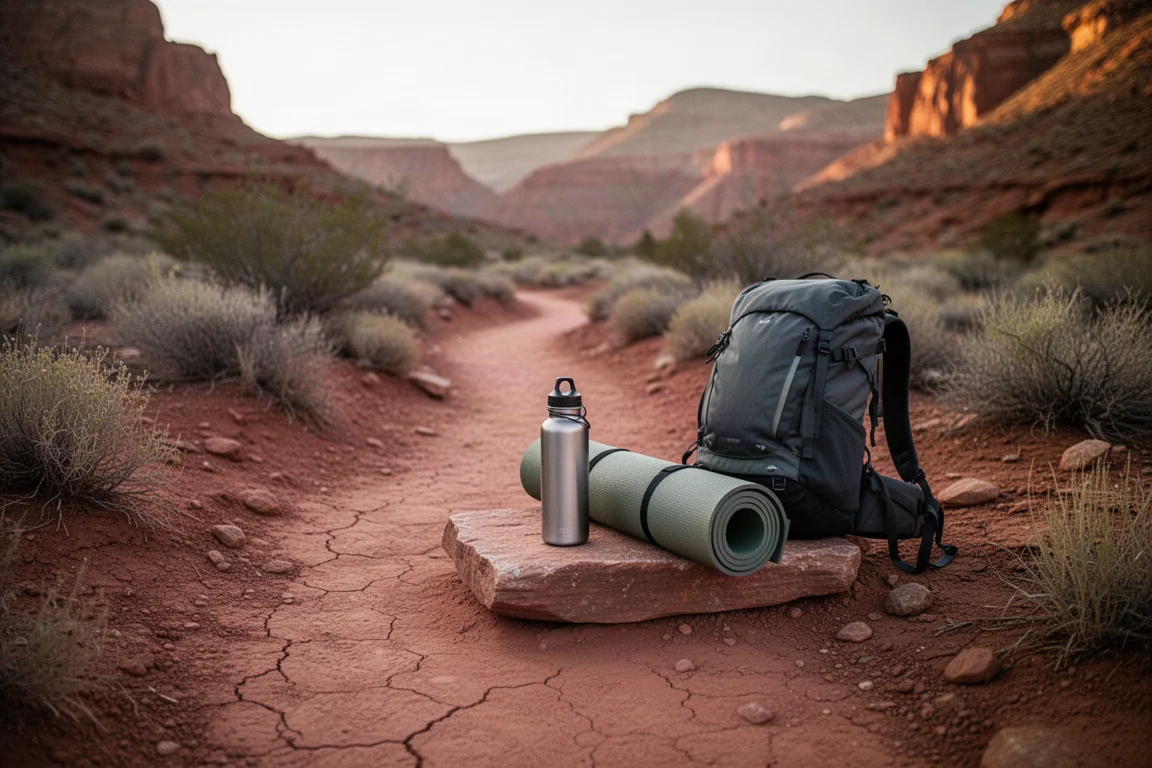
Water capacity is the biggest practical limitation. The side pockets hold one bottle each, and they will not take multiple bottles. If your trips involve long dry stretches where you need to carry four to six liters at a time, you will be improvising storage rather than using the pack as designed.
Those same side pockets are also too small to hold tent poles. Hikers running a freestanding or semi-freestanding tent will find the poles do not fit the way they would on a more generously cut pack. A trekking pole shelter or bivy sidesteps the issue entirely.
Pockets are another consideration. The Mirage 40 does not include hip belt pockets or shoulder strap pockets, and adding them is an extra cost. For comparison, the Hyperlite Waypoint 35 includes hip belt and shoulder strap pockets, weighs only slightly more, and offers what looks like better durability. Budget matters too: a fully kitted out Mirage 40 with add-on pockets pushes past $500, which raises the bar for how long the pack should last.
Buying Advice
The Mirage 40 makes sense if you are a committed minimalist. If your base weight is low, your water sources are reliable, and you run a trekking pole shelter or bivy, the combination of a sub-20 oz framed carry, an adjustable torso, load lifters, and a hip belt that genuinely transfers weight is hard to argue with. Thru-hikers on routes with plentiful water are the clearest fit.
Think twice if you hike desert and off-trail terrain, need to carry large water loads, want pockets included at the purchase price, or expect a pack to hold up for many seasons of abrasive use. In those cases the Mirage 40 asks you to accept compromises that a slightly heavier pack avoids. If durability and versatility matter more to you than the last few ounces, this is not the pack to build around.
Conclusion
The Gossamer Gear Mirage 40 is a well-made ultralight framed pack with excellent trail comfort and an impressive weight for what it offers. It is not a bad product, and it is not fragile in normal use. It is simply a specialist. Buy it for lightweight, water-rich, minimalist trips with a trekking pole shelter, and it performs. Buy it expecting a multi-season, do-everything pack and its durability and versatility limits will surface quickly.
Product link
View more details for Gossamer Gear Mirage 40
This product is mentioned in the review. Check the specifications, options, and compatibility before buying.
View more details for Gossamer Gear Mirage 40Further reading
Related Reviews

Backpacks
Best Backpacks 2026: Laptop Protection, Durability, and Comfort Compared
We tested 12 backpacks from $18 to $350 for laptop protection, durability, back padding, comfort, zipper smoothness, and water resistance.
Backpacks
Best Backpacks Under ₹500 in India: Five Practical Options Compared
Five backpacks tested side by side, from budget-friendly to premium Indian brands. Real strengths, trade-offs, and honest buying advice for daily use.
Backpacks
Decathlon Trek 100 70L Backpack Review: Serious Value for Backpacking
A 70-litre backpacking pack with a torso system you can adjust while wearing it, a rigid frame, and a 10-year warranty for $120.