Work Gloves
Gorilla Grip vs Milwaukee Work Gloves: Which Ones Earn a Spot in Your Toolkit?
A hands-on comparison of Gorilla Grip work gloves and Milwaukee cut level 1 gloves, covering grip, durability, fit, and comfort.
Introduction
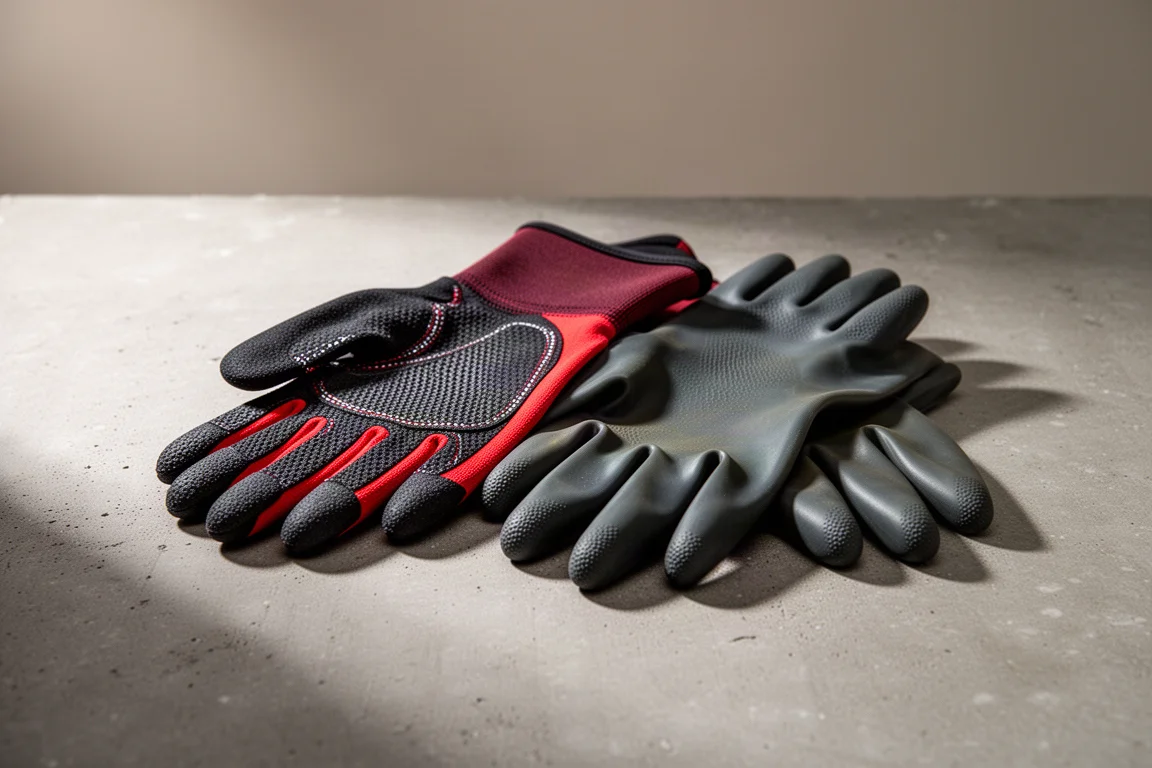
Gorilla Grip recently sent over a batch of their latest work gloves, and they are currently available at Home Depot on a holiday endcap deal. That gave us a good excuse to put them head to head against a long-standing favorite: Milwaukee cut level 1 gloves, which also happen to be sitting on endcaps at Home Depot right now.
There is no perfect glove for every situation, and after testing many brands over the years, Milwaukee has been the benchmark so far. But the Gorilla Grip gloves are close. They trade blows rather than clearly winning or losing, and each pair has a distinct strength worth knowing about before you spend money.
Milwaukee Cut Level 1 Gloves: The Established Default
Milwaukee gloves have long been the go-to for daily work. They come in black and red colorways, both carrying a cut level 1 rating. On current holiday deals they run around $3 per pair, and buying five packs is enough to last a full year of regular use.
One quirk worth noting: the black pairs have held up noticeably better than the red ones. The red gloves tend to wear out in roughly three weeks, while the black ones stretch to four or five weeks. It may be coincidence, but the pattern has been consistent enough to matter when stocking up. Sizing runs a touch loose in the largest option, so if an in-between size existed, it would probably be the ideal fit.
Overall, they are a reliable standard with good wrist coverage, decent breathability for hours-long wear, and thickness that inspires confidence around the knuckles.
Gorilla Grip Work Gloves: Built for Grip
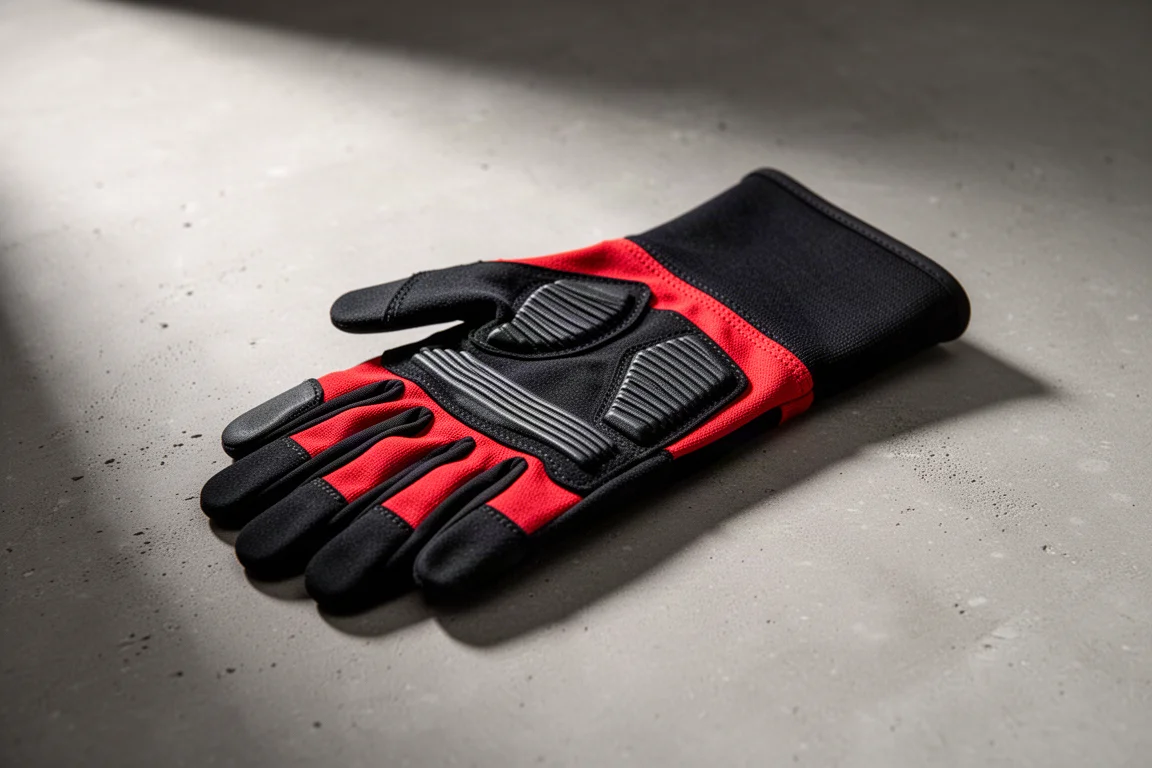
The Gorilla Grip gloves take a different approach. They are not cut level rated, and they are aimed less at general construction and more at mechanics-style work. Right away, the design is noticeably different: the cuff stops right at the top of the hand, offering less wrist coverage than Milwaukee.
The first thing that stands out is grip. Holding a screwdriver by the smooth shaft and pulling as hard as possible, the Milwaukee gloves give up the hold fairly easily despite their textured ridges. The Gorilla Grip gloves have a rubber coating that at least doubles the resistance. On smooth objects, that difference is very noticeable and makes slipping far less likely.
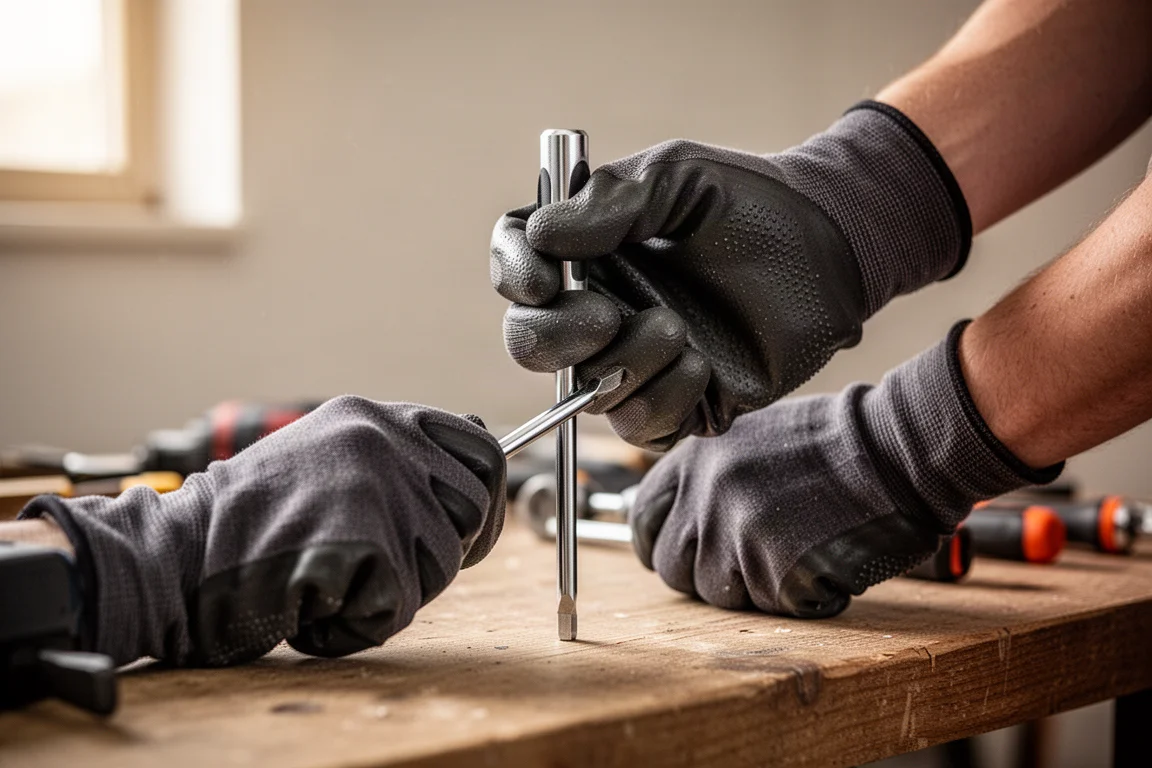
After a week and a half of use on jobs, the enhanced grip has remained the clear advantage over Milwaukee. The fit is also slightly better, with less extra finger room when closing the hand.
Protection and Breathability
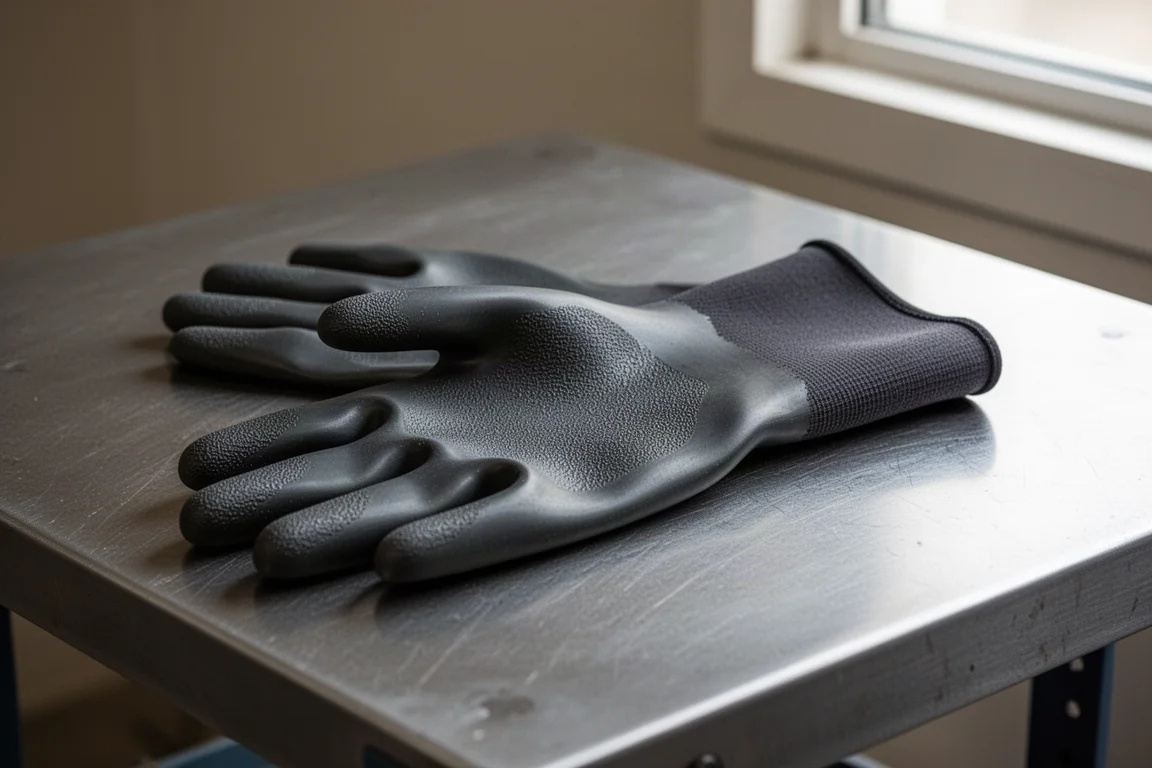
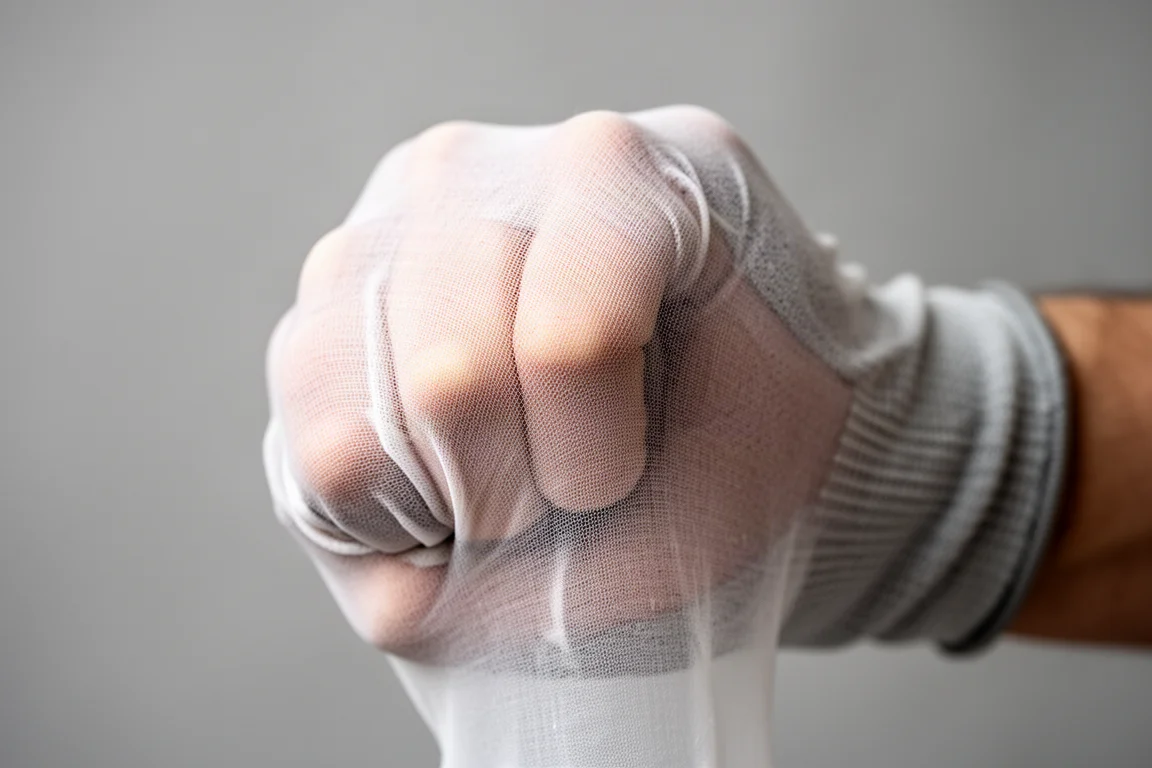
This is where the Gorilla Grip gloves show real weaknesses. The material over the knuckles is thin enough that skin is visible right through the fabric when the hand stretches. Milwaukee is much thicker in the same area, and even the backside coverage differs noticeably. That thinness is a genuine concern if your work puts knuckles against rough surfaces.
Breathability goes the other way from what you might expect. The Gorilla Grip gloves look more open on top but feel closer to wearing vinyl gloves, and a hand starts sweating within a couple of hours. Milwaukee, despite the thicker build, breathes better and stays comfortable during multi-hour wear.
Neither is waterproof enough to fully solve wet-work days, which is one area both could improve.
Fit and Everyday Comfort
Milwaukee gloves have a bit of extra room in the fingers, which some will like and some will not. The Gorilla Grip gloves fit the hand more precisely with less dead space when gripping.
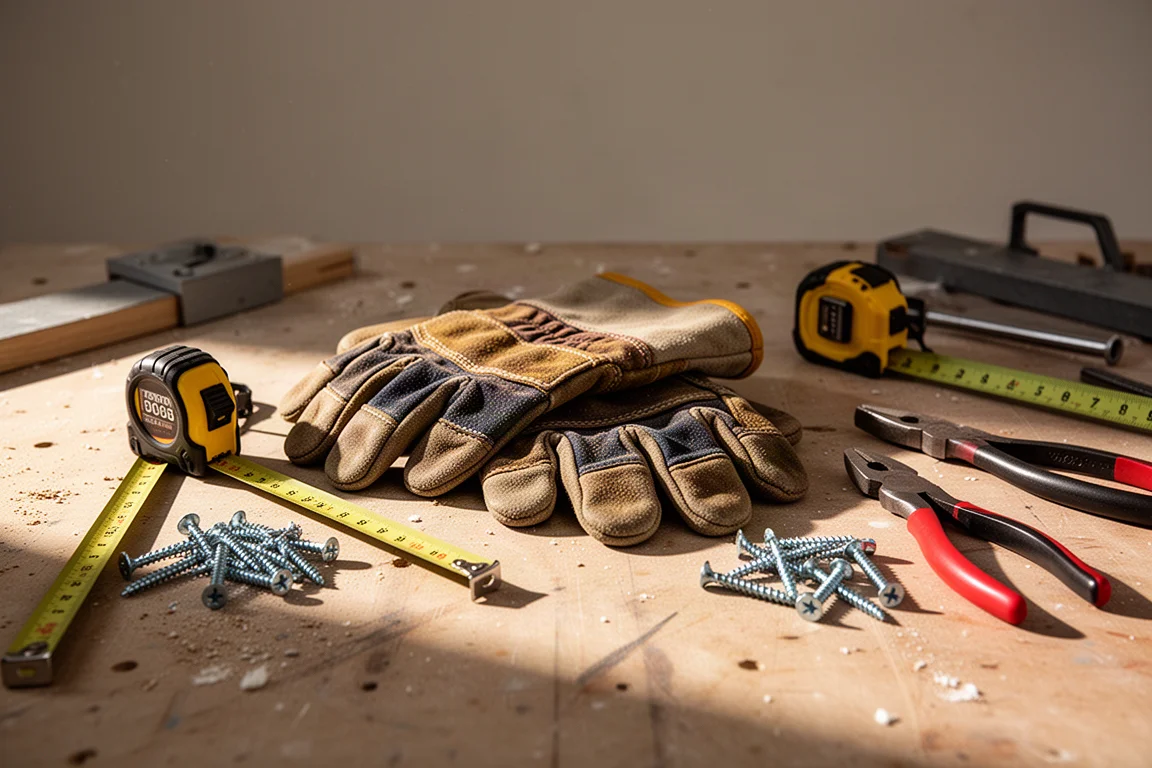
The trade-off is the shorter cuff. For anyone who prefers more wrist coverage, Milwaukee’s design is clearly preferable. If you like a lighter, less constricting feel at the wrist, the Gorilla Grip approach may not bother you at all.
Verdict and Scoring
The Gorilla Grip gloves earn roughly a B+. They perform well, especially on grip, but a thicker knuckle panel and more wrist coverage would push them higher. They do not fully replace Milwaukee; they simply excel in different areas.
Which Glove Should You Buy?
Pick the Gorilla Grip gloves if grip is your priority, particularly for mechanic-style work where holding smooth tools securely matters most. Just be aware of the thin knuckle protection and warmer feel.
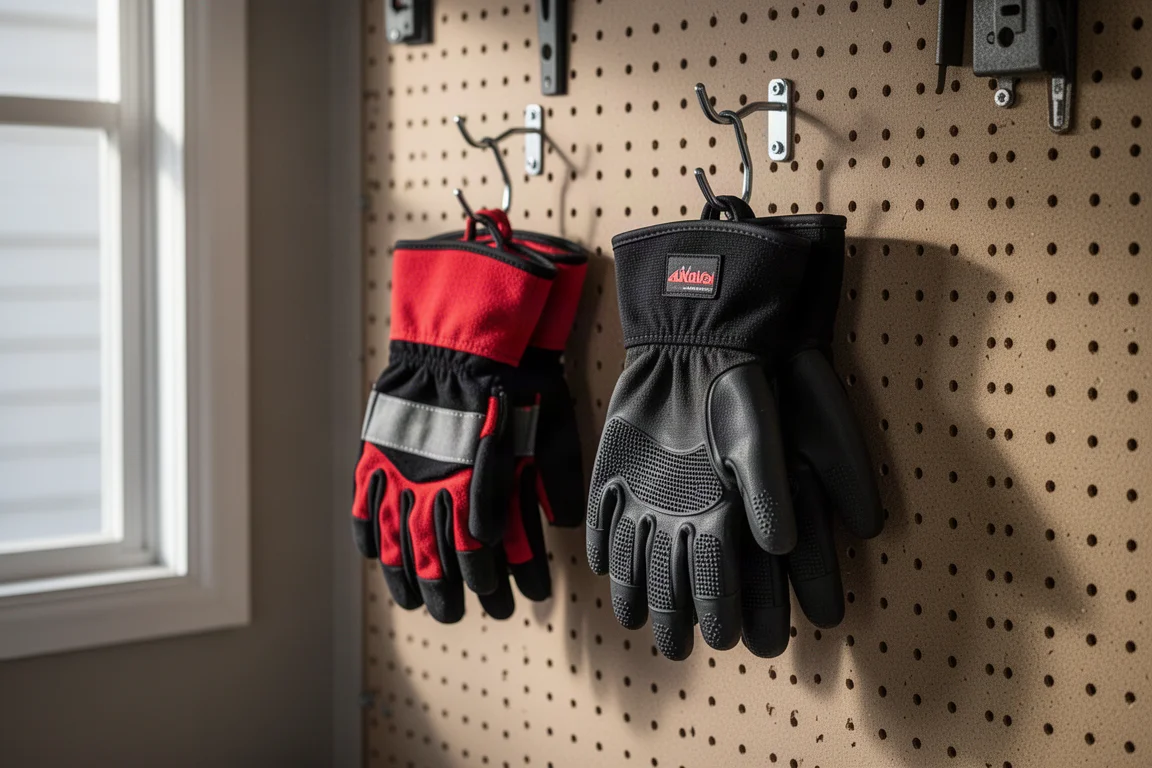
Pick Milwaukee cut level 1 gloves if you want an affordable daily workhorse with better protection, breathability, and wrist coverage. At around $3 per pair on sale, stocking up is easy, and choosing the black colorway appears to buy extra durability.
Both are currently on endcap display at Home Depot, so it is easy to compare them in person.
Conclusion
These two gloves trade blows rather than one dominating the other. Gorilla Grip wins on grip and fit; Milwaukee wins on protection, breathability, and wrist coverage. Matching the glove to the job is the smartest way to choose between them.
Further reading
Related Reviews
Work Gloves
Best Work Gloves 2026: Tested for Cut, Impact, and Puncture Resistance
We tested 17 work gloves across cut, impact, puncture, grip, and durability to find the best value for every budget.
Work Gloves
AWP Goatskin Hybrid General Purpose Gloves: First Look and Honest Take
A genuinely soft goatskin work glove with a no-break-in claim, some thoughtful stitching choices, and one design trade-off that could be a dealbreaker depending on the job.

Work Gloves
Best Nitrile Gloves Showdown: 14 Brands Tested for Durability, Puncture and Chemical Resistance
We put 14 disposable glove brands through abrasion, puncture, tear, grip and chemical testing to find which ones actually hold up in the shop.