Cameras
GoPro Hero 12 Black vs iPhone 15: Action Camera Meets Everyday Flagship
A side-by-side look at how the GoPro Hero 12 Black and the iPhone 15 handle action footage, water, low light, and everyday shooting.
Introduction
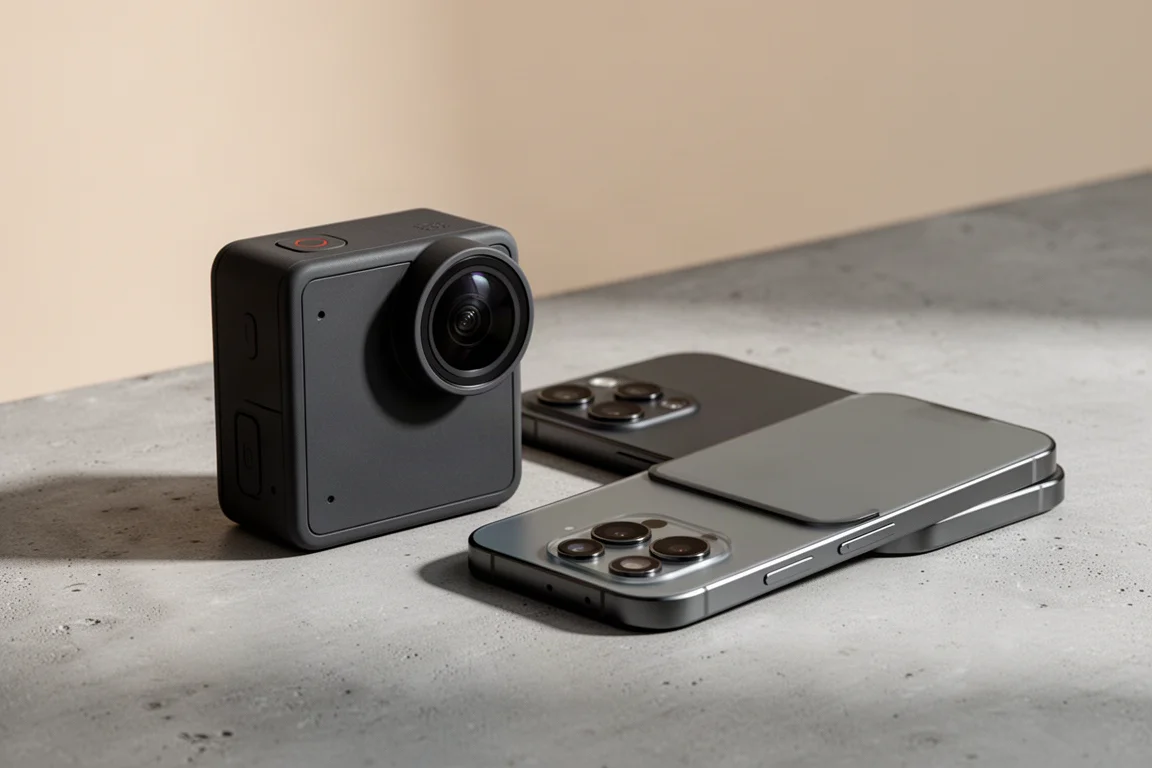
When Apple introduced the iPhone 15, it highlighted an entirely new advanced camera system along with an improved Action Mode, promising gimbal-like stabilization for action scenes using the full sensor. That raises an obvious question: can a phone now stand in for a dedicated action camera like the GoPro Hero 12 Black?
This comparison puts both cameras through the same scenarios side by side: walking and running tests, water and slow motion, mountain biking, low light at night, and everyday shooting. Here is how they hold up.
Stabilization and Field of View
The simplest test is walking, and it already reveals some key differences. Enabling Action Mode on the iPhone 15 drops the recording resolution down to 2.8K and crops the image noticeably more. It also automatically switches to the wide camera, and switching back to the main lens while Action Mode is on keeps that extra crop in place.
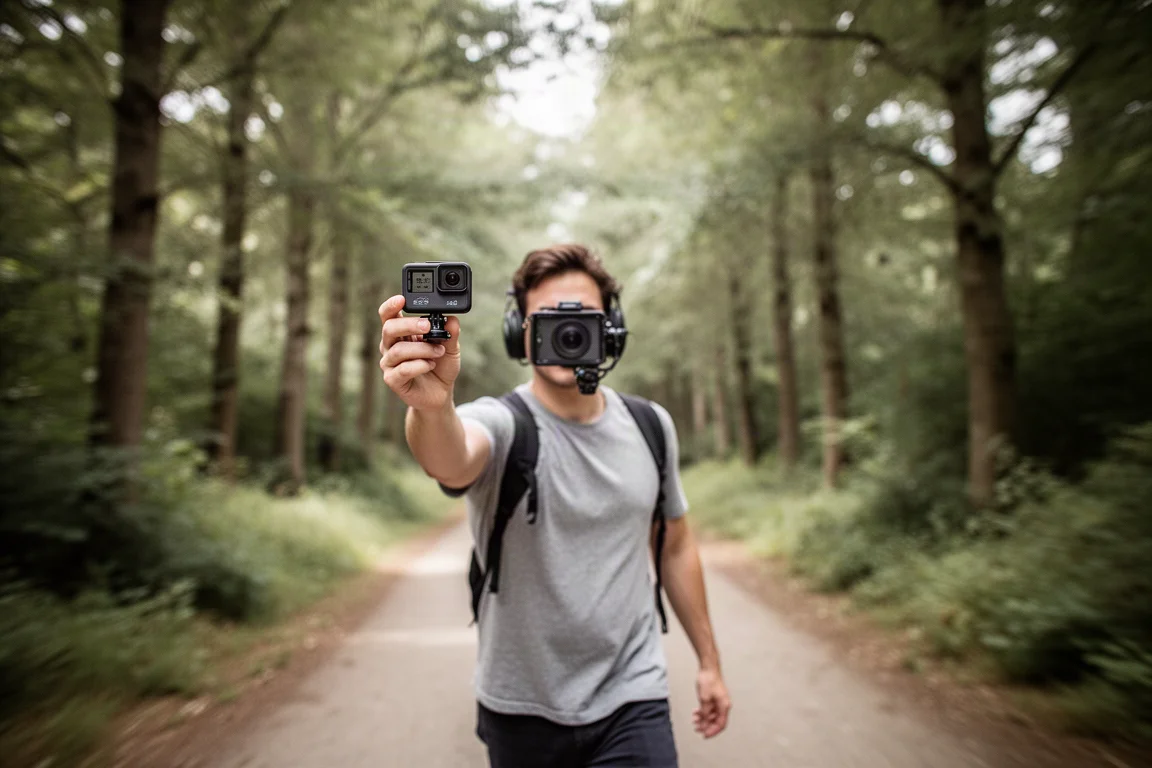
Once the pace picks up to a light jog and then a full sprint, both cameras hold up well. Stabilization is generally good on both, with few real complaints. The bigger difference is framing: the GoPro delivers a much wider image at its widest setting, while the iPhone’s Action Mode view is noticeably more cropped in, even on its wide lens.
The GoPro’s field of view advantage extends to its other modes too. In HyperView, the camera captures dramatically more of the scene, showing far more of the vehicle in a car-mounted test than the iPhone can manage at its widest setting.
Water and Slow Motion
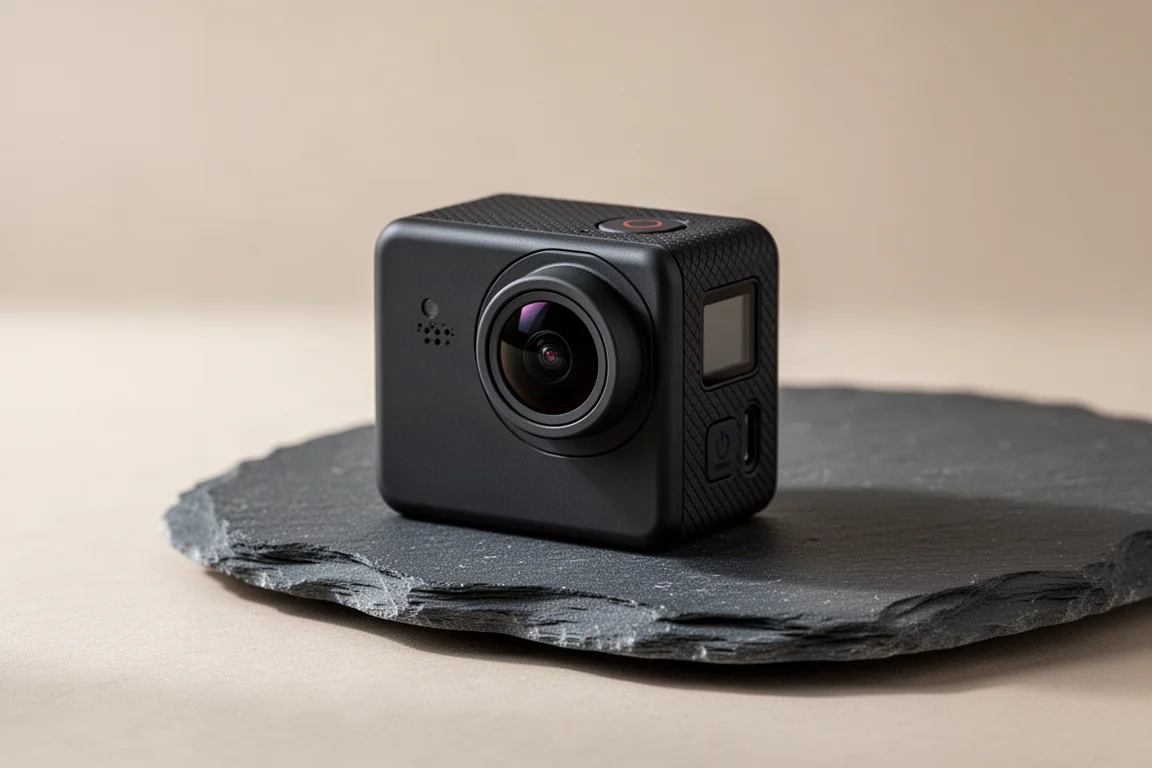
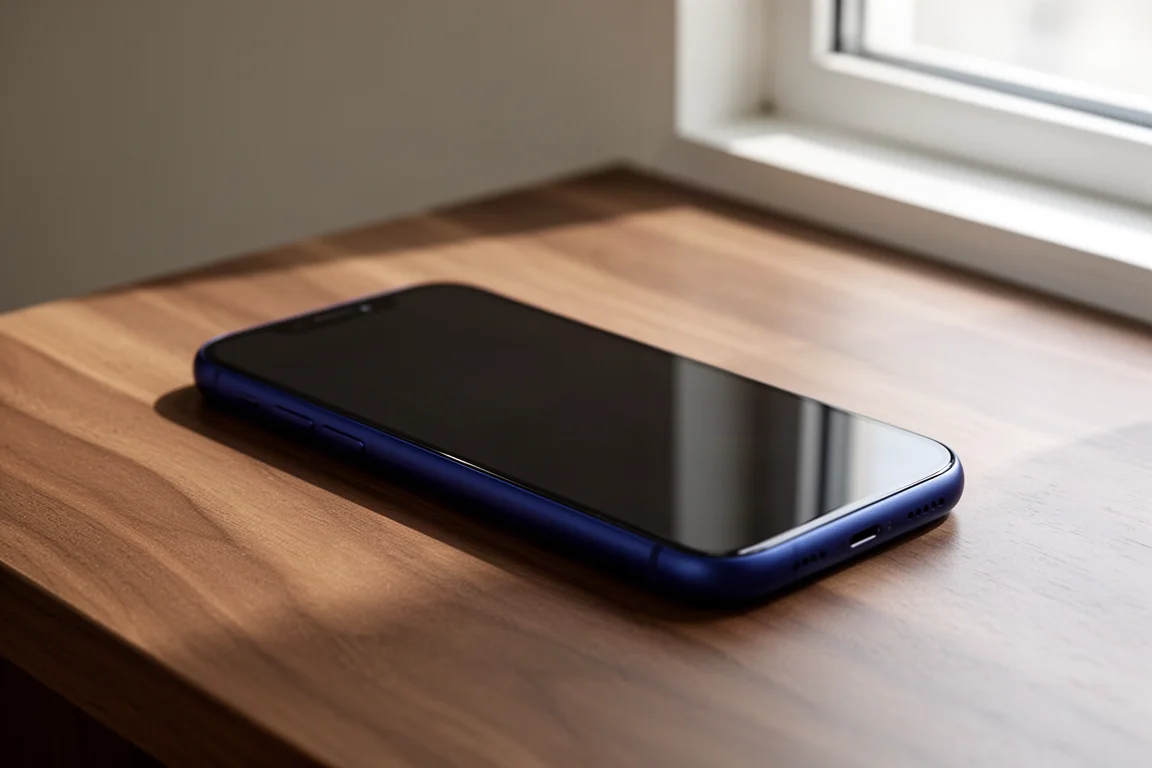
The iPhone 15 held up fine in a cold water swim test, with no signs of trouble. A few practical notes matter here: after putting the iPhone in water, the port needs a couple of hours to dry out before wired charging, though wireless charging works during that time. A quick rinse in fresh water after a saltwater swim is also a sensible habit, and an older iPhone used for two years of repeated swims stayed perfectly fine.
For slow motion, a cannonball test showed a clear split. The iPhone captured water droplets that looked really sharp and clear despite the lower resolution, while the GoPro’s higher-resolution 2.7K footage looked noticeably softer in this scenario.
Audio and Everyday Shooting
Cruising along at about 20 miles per hour, both cameras capture usable audio, and the difference is easy to hear when talking in front of the lens versus behind it. Neither stands out dramatically here; both do a respectable job for casual narration.
For day-to-day shooting, the iPhone has an obvious practical advantage: it is probably in your pocket all the time. The GoPro, meanwhile, is the more purpose-built tool for dedicated action filming, with its wider field of view and generally stronger stabilization in demanding scenarios.
Mountain Biking and Rough Handling
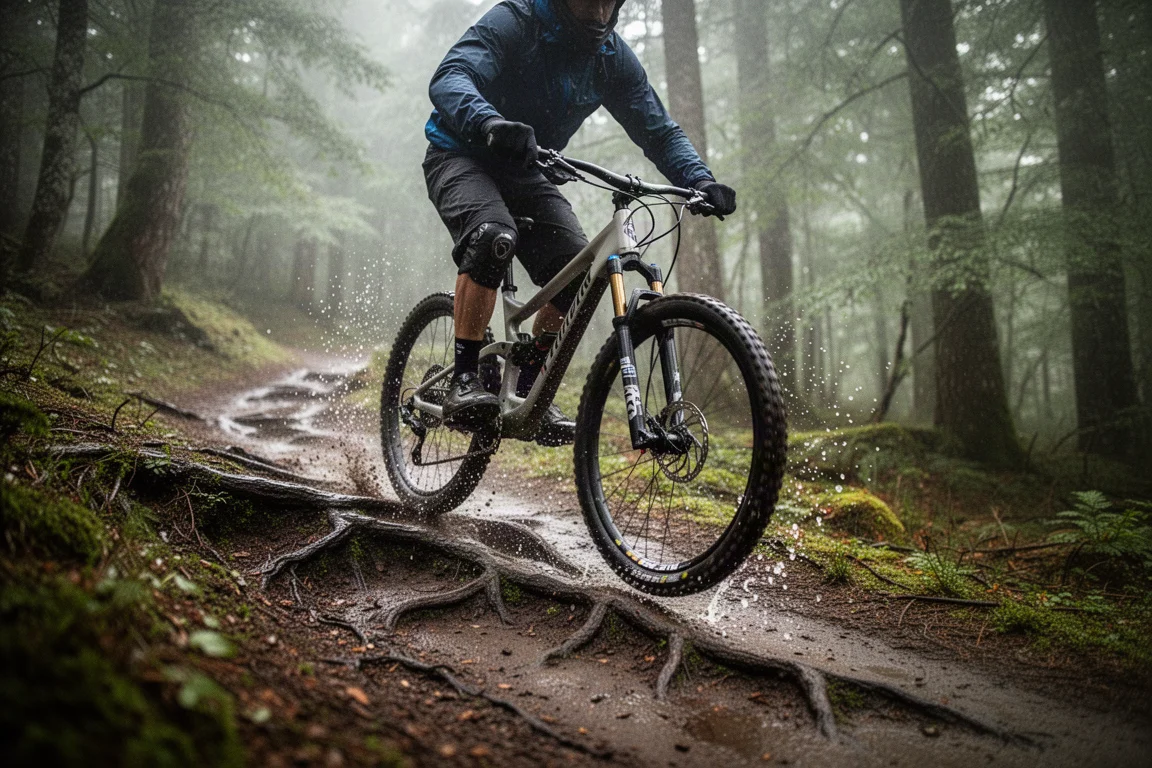
Mountain biking with an iPhone is admittedly awkward. The best setup involves a rigged-up mount that was not designed for mountain biking, angled forward on the handlebars, plus a chest harness. It works, but it is not elegant.
On the trail itself, both cameras showed small weaknesses. The GoPro had a bit more vibration than expected, while the iPhone showed some fuzziness when the image got really jarring. Neither was perfect on the roughest sections, though both remained broadly usable.
Low Light and Night Footage
A rainy night test is where the gap shows. In genuinely dark conditions, the GoPro footage stayed quite dark, while the iPhone’s image remained usable even after stepping out of the bright streetlight, rain visibly degrading both but hurting the GoPro more.
Enabling Action Mode at night adds another consideration. There is a separate low-light setting for Action Mode in the camera settings that needs to be toggled on manually, and even with it enabled, the cropped-in framing of Action Mode still applies.

Which One Should You Choose
Both cameras make sense depending on the use case. For day-to-day filming, the iPhone is the natural pick since it is always with you and handles low light better. For dedicated action sports, especially anything mounted or rough, the GoPro’s wider field of view and generally stronger stabilization make it the better tool.
A few practical factors sit outside this comparison entirely, such as how you offload footage and long-term durability, so weigh those for your own workflow before deciding.
Conclusion
The iPhone 15’s improved Action Mode genuinely narrows the gap for casual action footage, and its low-light performance and everyday convenience give it real appeal. The GoPro Hero 12 Black remains the stronger choice when you need a wider field of view, better overall stabilization in demanding situations, and a proper mountable action camera. For most people, the honest answer is that each has a clear role, and the right one depends on what you are filming.
Further reading
Related Reviews
Cameras
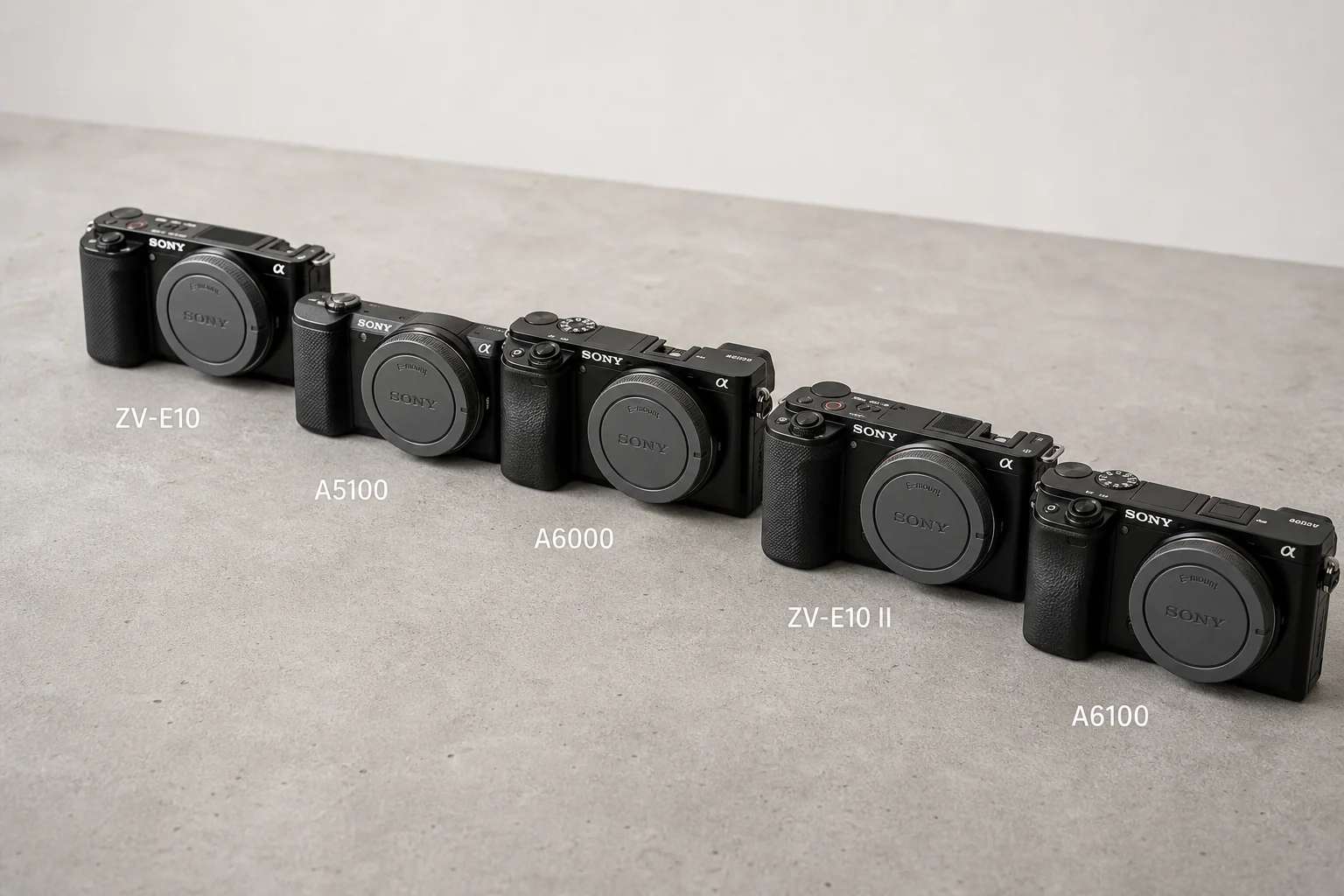
Best Budget APS-C Cameras: Five Sony Options for Photography and Video
Five compact Sony APS-C cameras ranging from $250 used to $1,000 new, each suited to different creative needs and budgets.
Cameras
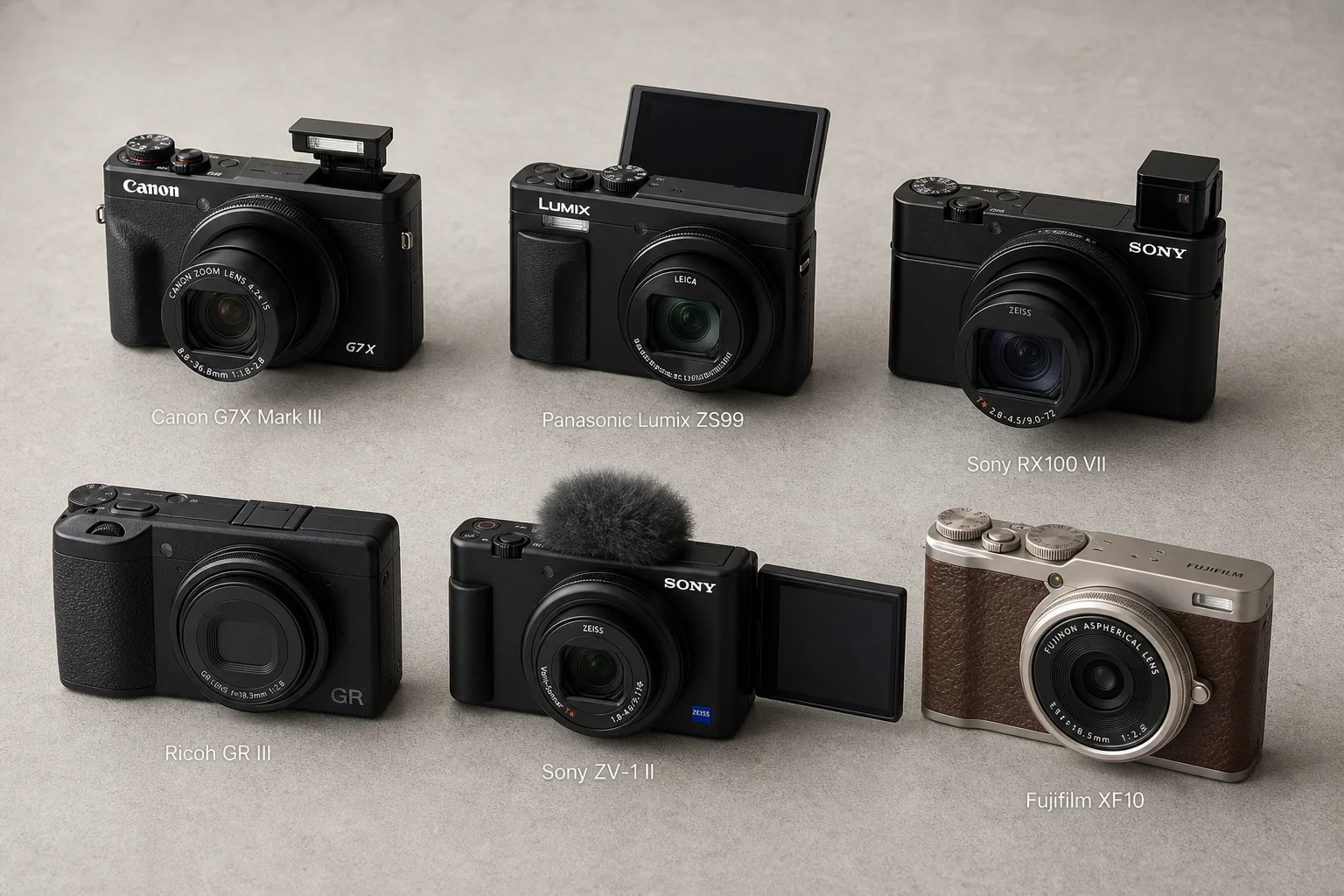
Best Compact Cameras 2026: Six Models Tested Side by Side
A practical comparison of six popular compact cameras, from the Canon G7X Mark III to the Fujifilm XF10, tested in real-world conditions to help you choose the right one.
Cameras
Best Mirrorless Cameras Under $1000: Six Practical Options for Different Needs
A detailed comparison of six mirrorless cameras under $1000, ranked by value, performance, and suitability for vlogging, stills, and beginner use.