Fountain Pens
The Good Blue R615 Green Splatter Review: A Flex Nib Fountain Pen With Real Character
An anodized aluminum fountain pen from a UK brand with a steel flex nib, hydrophilic feed, and a striking green splatter finish. Here is what works and what does not.
Introduction
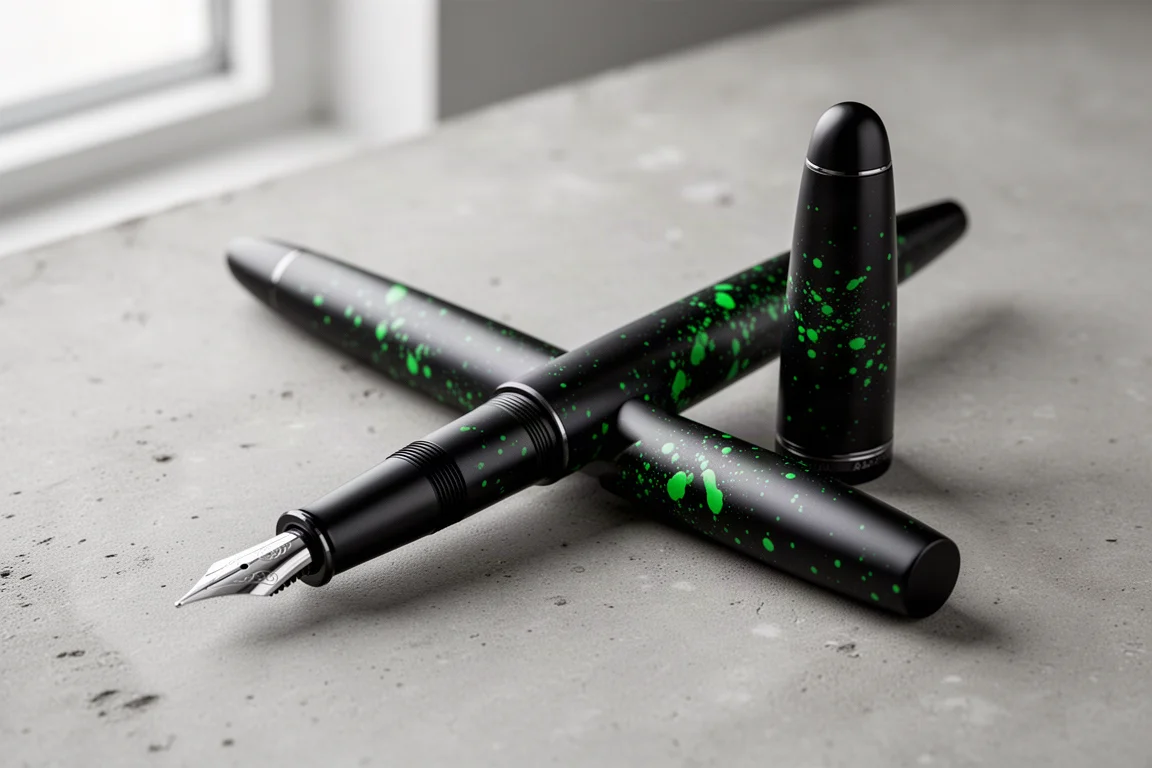
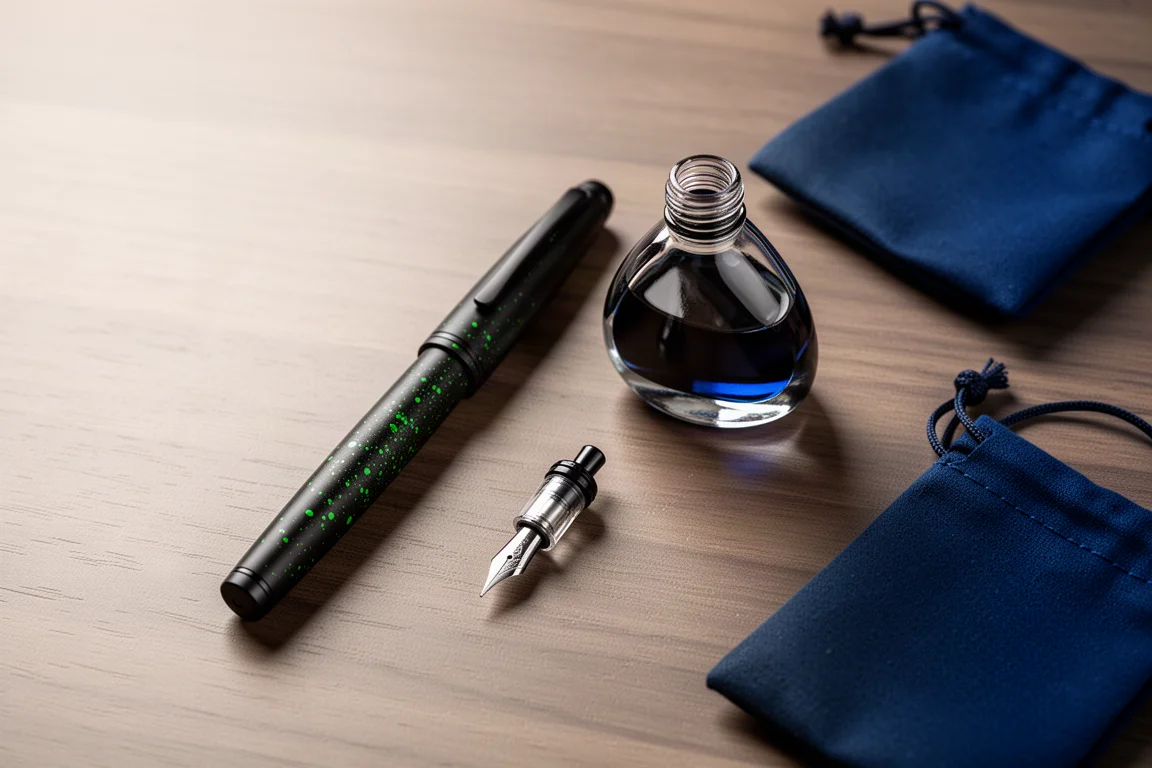
The Good Blue is a fountain pen brand based in the UK, and the R615 is one of its models available through Van Ness. The Green Splatter version reviewed here is an exclusive to that retailer, arriving in a metal tin alongside a converter. After spending time with it, there are genuine highlights, most notably the flex nib, and a few design choices worth thinking about before buying.
Design and Build Quality
The R615 is made from anodized aluminum with a matte black finish, and the Green Splatter version adds irregular green splatter across the body. No two pens are identical; the retailer’s own photos show some units carrying more splatter than others. The cap top is rounded, the barrel tapers before straightening out, and the barrel end comes to a rounded point. A flattened facet runs along the middle of the pen, which works as a decent roll stop and adds visual variety.
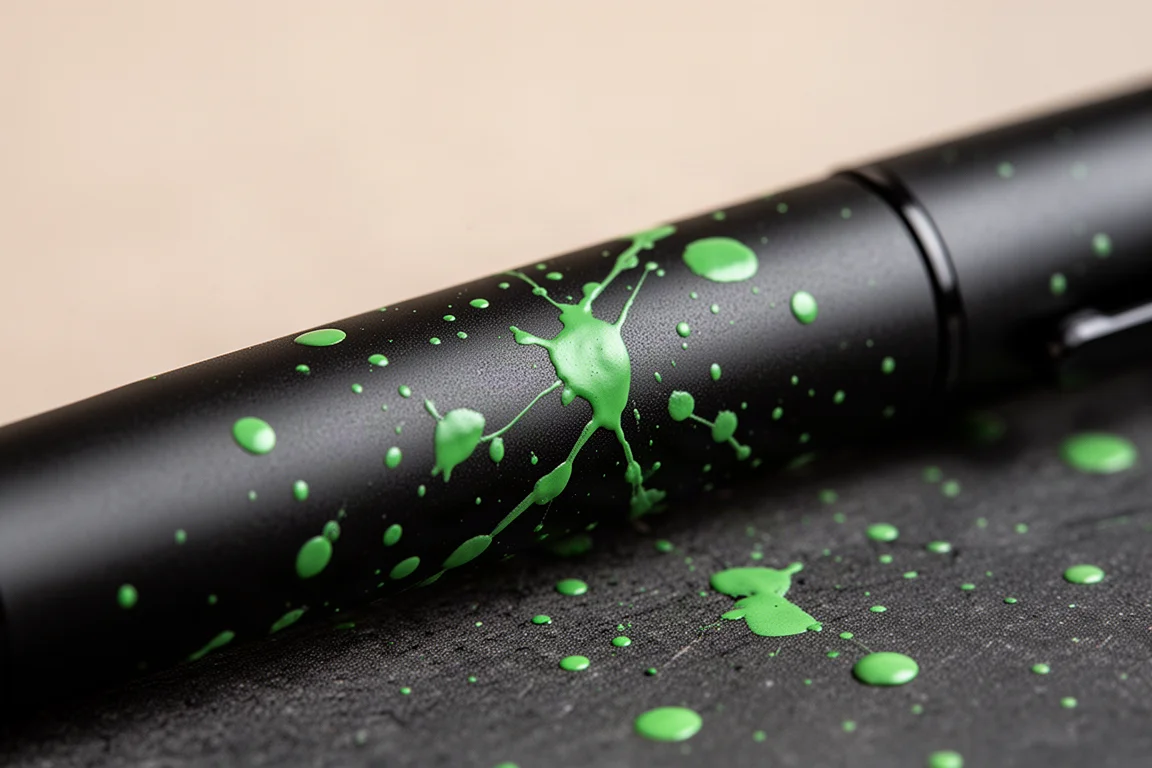
Cap threads have a single entry point, so the facet aligns between cap and barrel every time you cap the pen. That kind of attention to detail stands out. The cap comes off with a single twist, and a knurled ring sits right at the front of the barrel. One practical tip: that knurling is technically part of the section, not the cap. If you grip the pen behind it while unscrewing, you can accidentally unscrew the section from the barrel instead, so it is worth gripping on the knurling each time.
The Flex Nib and Feed
Under the cap sits a steel flex nib engraved with “For the Love of Flex.” A titanium flex nib is also available, along with standard extra fine, fine, medium, broad, and zoom nibs. The nib has an unusual profile, and the slit runs deep down toward the base, which is what enables a decent amount of flex.
The feed is the most distinctive part of the pen. It is a polymer feed with a hydrophilic surface that absorbs ink. It starts white but takes on the color of whatever ink you are using, and some inks stain it slightly, so it may not return fully to white after cleaning. The company states this up front on its website. One caution: the feed is very wet on the outside, so avoid touching it unless you enjoy inky fingers.
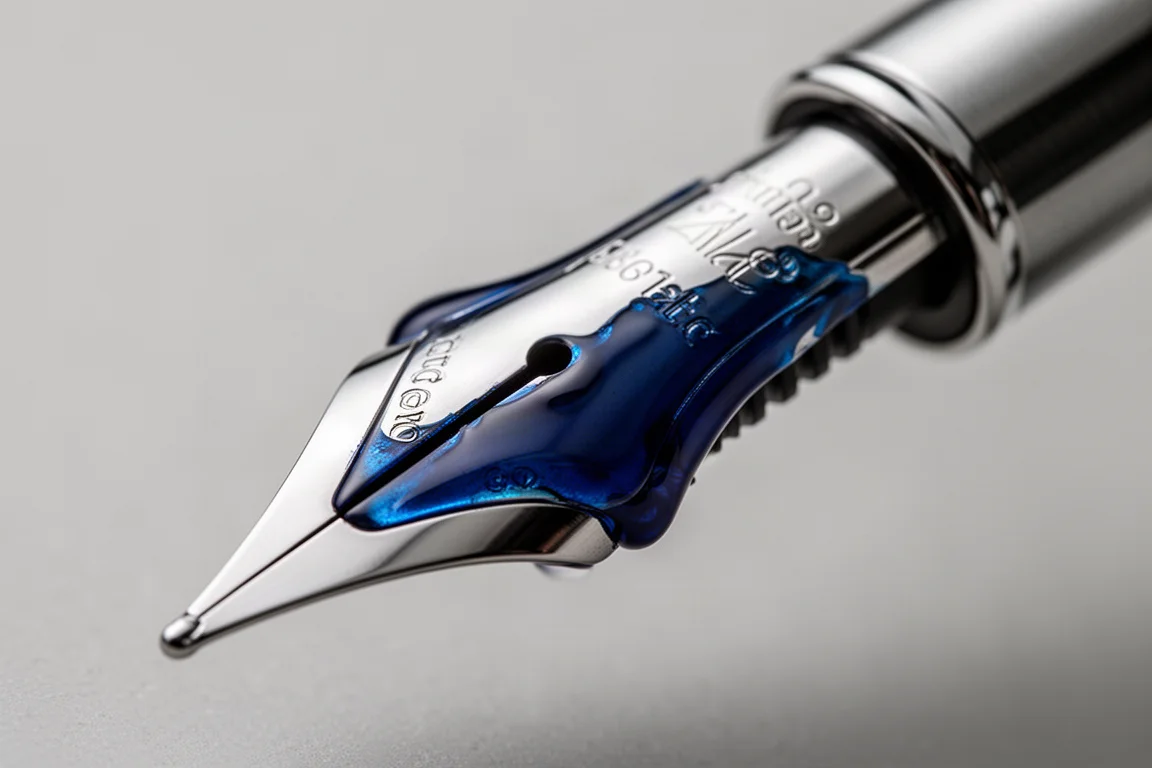
The metal section is slightly concave with subtle twisting grooves that keep it from feeling slick, helped by the matte anodization. The engraved company name wrapping the section is a bit spotty, and crisper engraving would have been welcome.
Things to Consider Before Buying
The section-to-barrel transition is the main ergonomic compromise. The knurled ring creates a large step-up from the narrow threads, and even with a grip close to the front of the section, that ridge can get in the way. If you hold a pen further back, it will feel like a bigger obstacle.
Cap posting is also best avoided. You can push the cap on, but it is not secure, and the metal-on-metal contact risks damaging the barrel over time. Use this pen unposted.
Ink capacity is flexible but conventional: it takes standard international cartridges, and a converter is included. Because of the metal body construction, eyedropper filling is not advised.
Writing Performance and the Flex Experience
The flex nib is the reason to buy this pen. With natural, light pressure, handwriting gains a pleasant extra flair. With more deliberate pressure, line variation becomes significant, and the nib takes a fair amount of force before giving out. Flow sits on the medium side, and reverse writing performs decently.
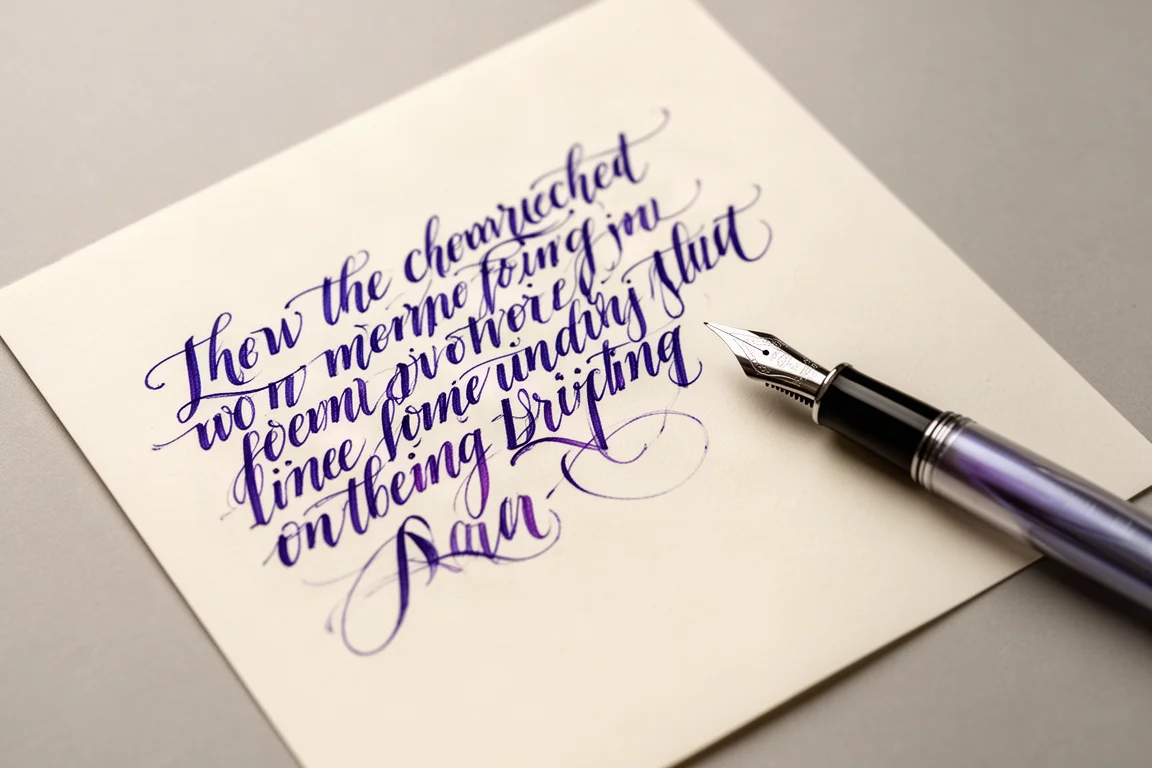
Most impressively, the feed keeps up. Many flex nibs dry out under sustained use, but this one never railroaded during testing, even in faster writing. For anyone curious about flex writing who does not want to baby the pen, this is a genuinely fun setup.
Price and Value
Pricing for the R615 range varies by finish: the steel version runs $140, the matte black $145, and the Ultem $210. The Green Splatter reviewed here retails for $200, sitting just below the Ultem. That is on the higher end of the value proposition. The look and feel justify part of it, the pop of green is sharp, and the flex nib is a pleasure to use, but the steep section transition and engraving quality leave some room for improvement.
Buying Advice
Buy the R615 Green Splatter if flex writing is your priority and you want a pen that looks unlike anything else in a pen case. Pair it with an expressive ink: this review was written with Dominant Industry’s Milky Way Blue, a blue ink with purple shading, sheen, and shimmer that suits a flex nib beautifully. If you grip close to the front of a section, do not post your caps, and want a cartridge-converter pen, the compromises here will feel minor. If the step-up to the barrel would bother you, the smoother alternatives in the range may suit you better.
Conclusion
The Good Blue R615 Green Splatter is a distinctive pen with a genuinely enjoyable steel flex nib, a clever color-absorbing feed, and thoughtful details like the single-entry cap threads. The steep section transition and premium price are the caveats. For writers drawn to flex, the fun factor is high enough to make it easy to recommend.
Product link
View more details for The Good Blue R615 Green Splatter
This product is mentioned in the review. Check the specifications, options, and compatibility before buying.
View more details for The Good Blue R615 Green SplatterFurther reading
Related Reviews
Fountain Pens
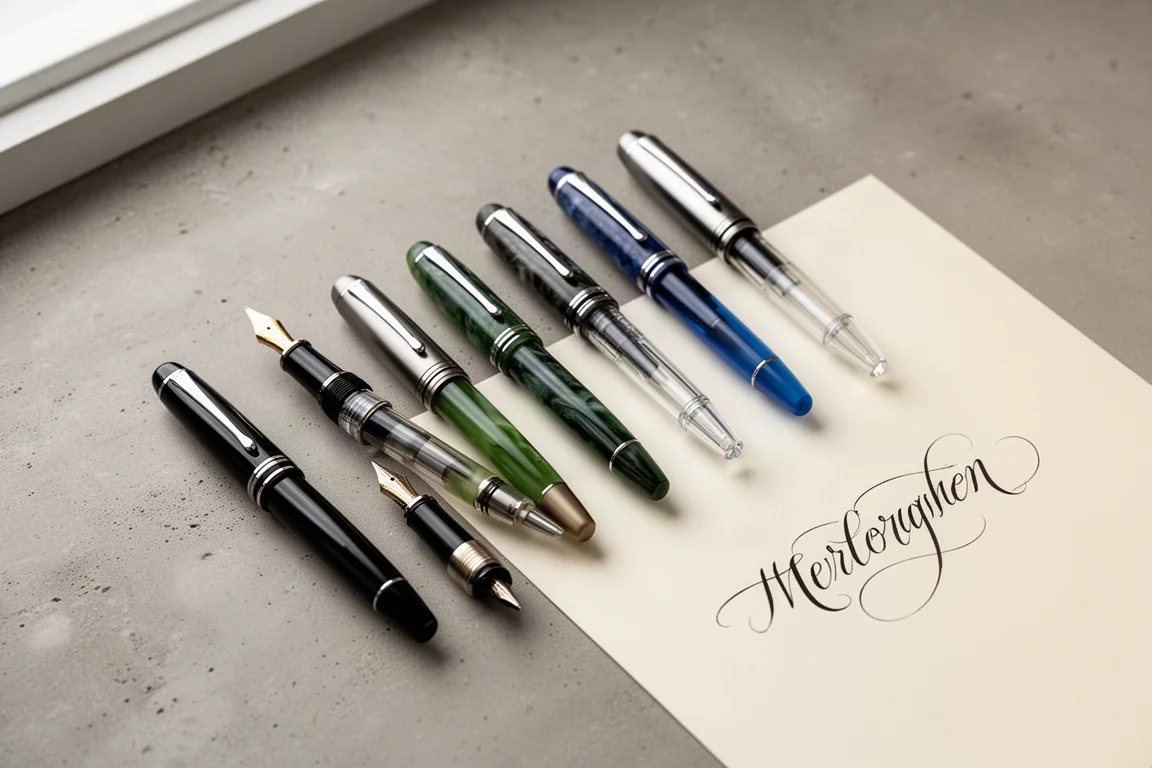
Best Budget Fountain Pens Tested: 9 Pens, One Clear Winner
A hands-on comparison of nine affordable fountain pens for everyday writing, calligraphy, and sketching, with a clear standout for flexible nib fans.
Fountain Pens
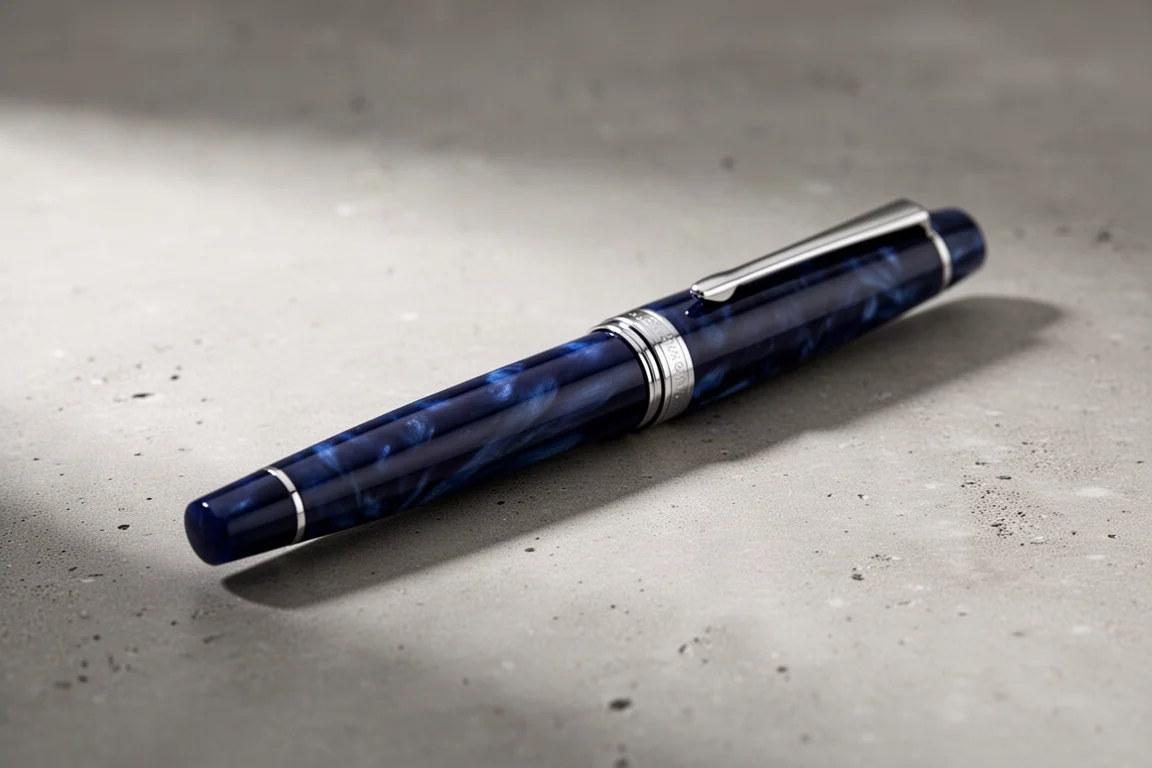
Aurora Optima Review: An Italian Piston Filler That Punches Above Its Price
A 14k gold nib, ebonite feed, and a beautifully deep oraloid body make the Aurora Optima one of the most rewarding piston fillers around.
Fountain Pens
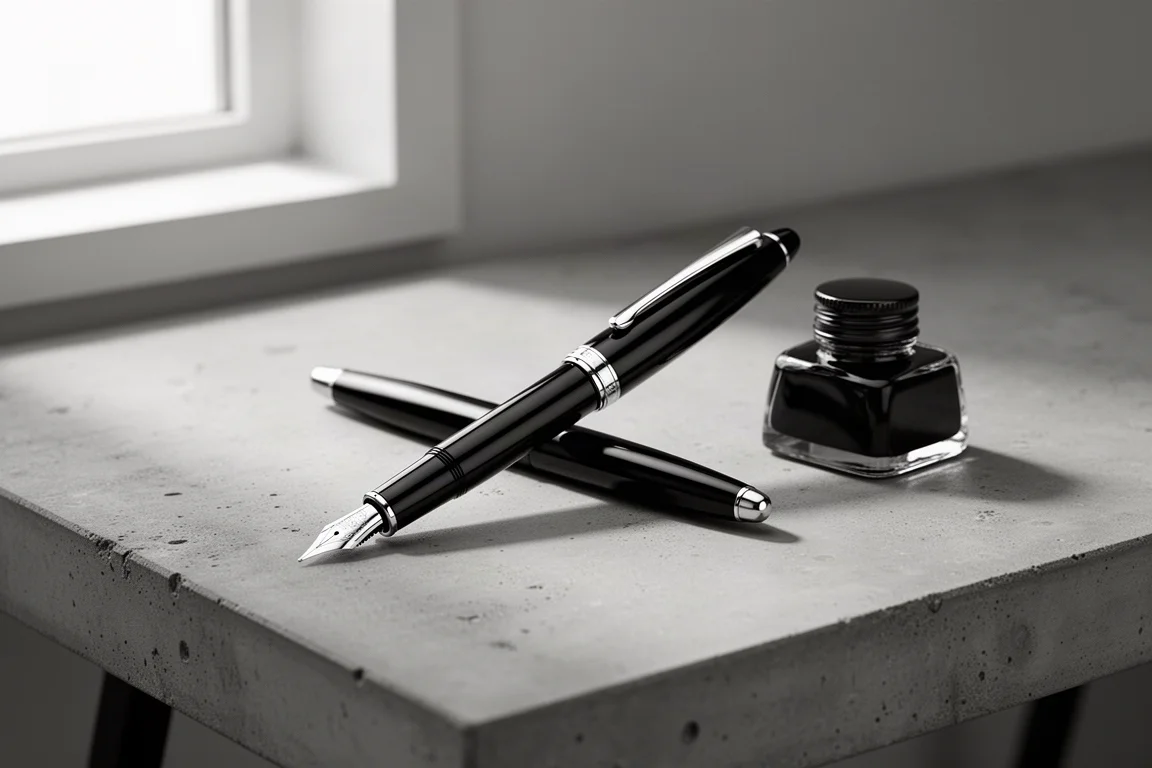
Cross Bailey Light Review: The Entry-Level Fountain Pen Worth Keeping at the Office
A plastic-bodied Cross with a metal clip, snap cap, and famously smooth extra fine steel nib. Around $15, available almost everywhere, and easy to recommend.