Snowboards
GNU GWO Snowboard Review: Playful Reverse Camber for Progressing Riders
The GNU GWO pairs center reverse camber with Magna Traction for easy presses, skate-style pop, and powder float, with a few clear limits to weigh first.
Introduction
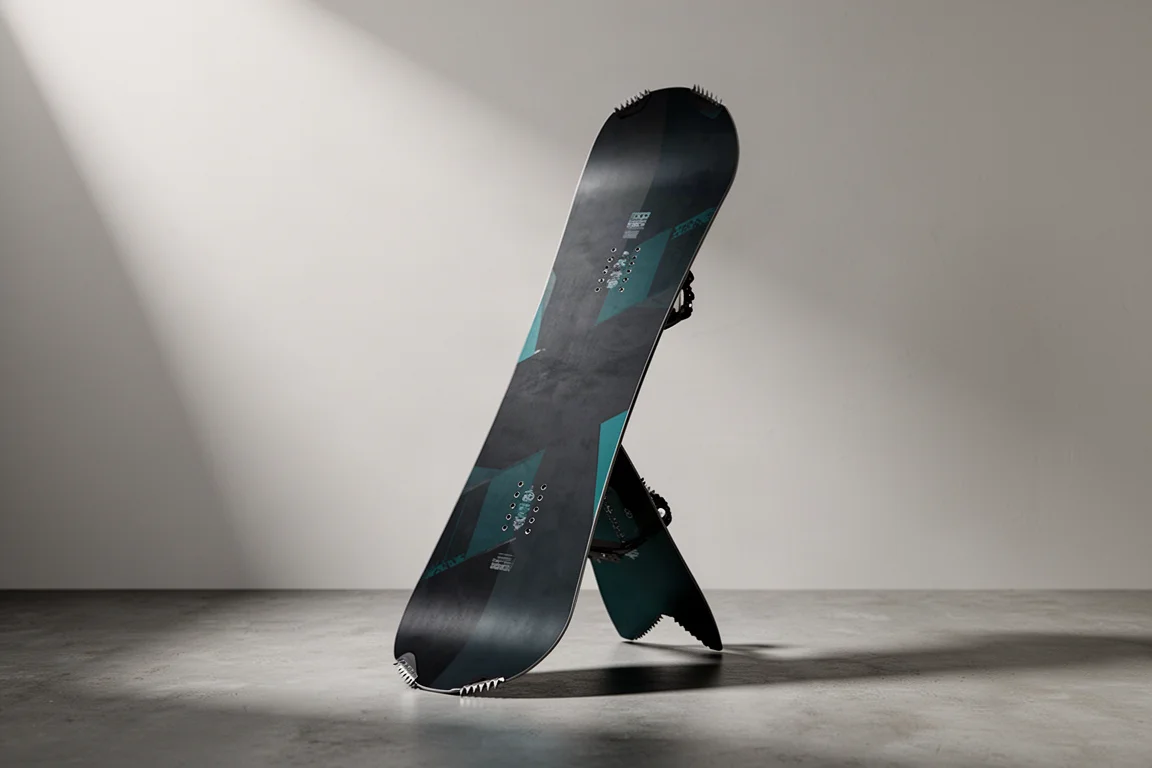
The GNU GWO is a snowboard built around Mervin’s Banana Traction technology, a profile that combines center reverse camber with Magna Traction edge contact points. The result is a board that feels loose underfoot, presses easily, rolls in and out of turns without much effort, and floats well in powder. It also delivers a skate-style pop that rewards a relaxed approach.
That profile comes with a trade-off. Riders give up a little drive compared with a cambered board, so the GWO asks to be ridden with a lighter touch rather than muscled around the mountain.
The GWO is offered in 147, 150, 153, 156, 159, 156W, 159W, and 162W lengths.
Who This Snowboard Is For
The GWO is aimed at the progressing beginner and the low-level intermediate, riders who want a little power from the board to help them reach the next level without needing a lot of it. It suits snowboarders exploring freestyle, learning to butter, and building confidence on groomers, side hits, and smaller park features.
Riders familiar with Mervin’s earlier shapes will recognize the feel. The GWO rides much like the older GNU Money did when it ran BTX: skate-like in approach, easy to engage, playful, and forgiving.
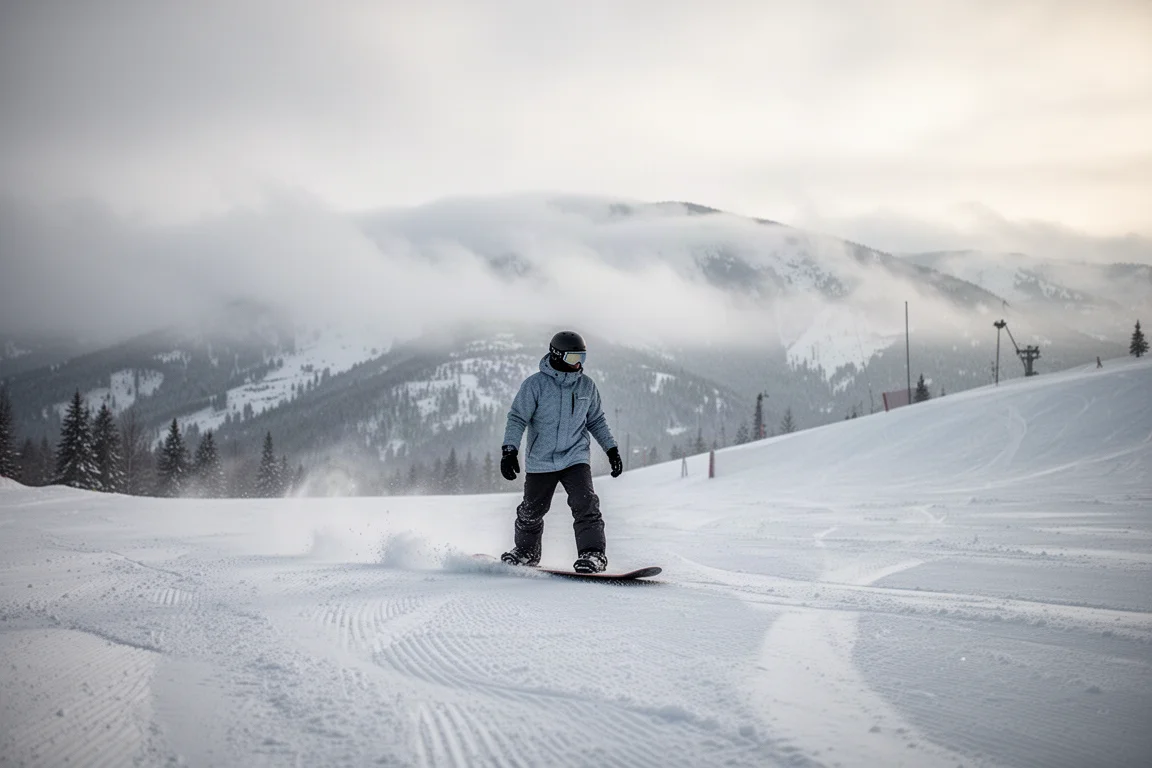
It is not a demanding board, and that is the point. Riders who want a platform that stays predictable while they experiment will find the GWO easier to live with than a stiffer, more aggressive freestyle deck.
Main Strengths
Playful Flex and Butterability
The overall flex sits just below the middle of the road. There is noticeably more give out toward the tips, and about two inches back from the tip kick the board begins to stiffen through the middle. Because the profile is reverse camber, that stiffer middle never feels overly rigid, and the camber bend itself adds a layer of play.
Torsional flex is abundant, so the board twists readily underfoot. Paired with softer tips, this makes the GWO highly butterable. Nose and tail presses come naturally: lean back and the board is already in a tail press, lean forward and it settles into a nose press. There is still enough spring in the tips to pop back out of a press. For riders just learning the motion, it works as a forgiving board to practice on.
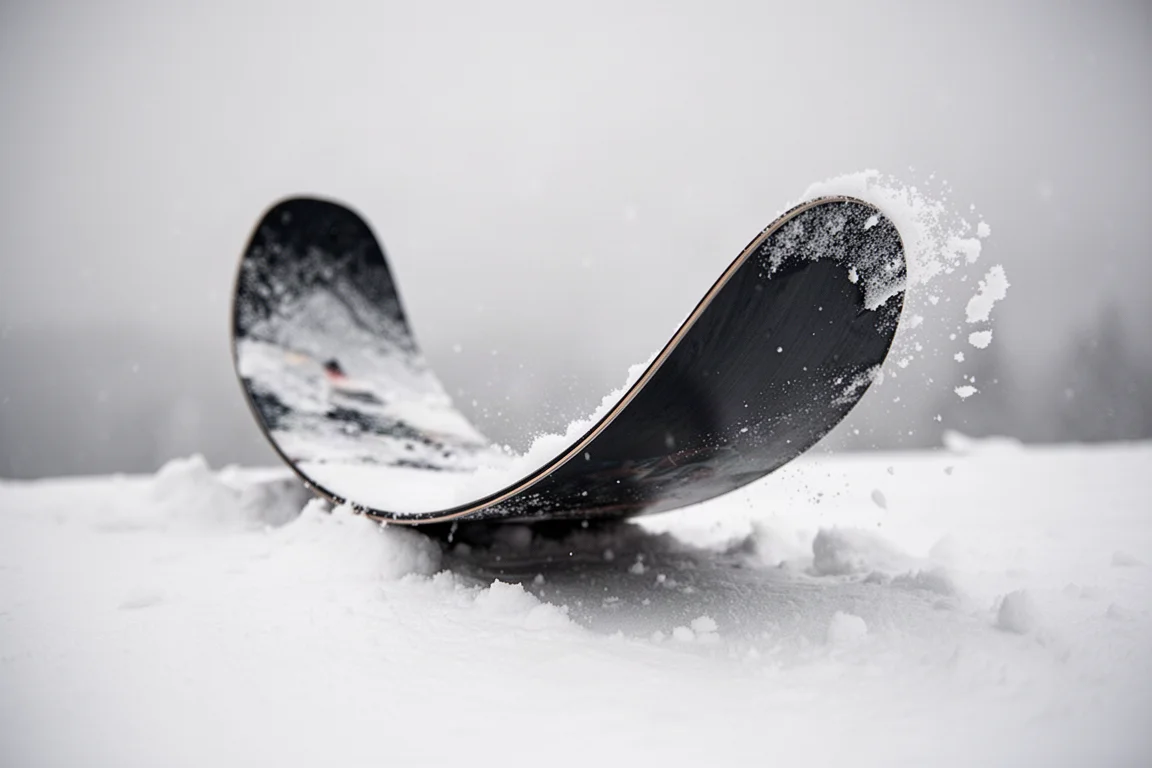
The same qualities carry over to jibbing. The GWO locks into nose and tail presses with a small shift of weight forward or backward, and it still releases a little spring at the end of a feature. That combination of easy engagement and gentle rebound is what makes it feel so skate-like.
Skate-Style Pop
Pop is easy to access. Ride lazily and the board still lifts off the ground; ride with intent, roll back onto the reverse camber and engage the tail to spring, and the GWO boosts more than its profile suggests. Side hits, cat track gaps, and rollers are all fair game.
Smaller features and some medium jumps suit it best, since a center reverse camber shape does not land as cleanly on steeper, larger landings. There is enough pop to get off the lip, but the landing zone is where the shape asks for restraint.
Quick Edge-to-Edge Handling
With reverse camber and Magna Traction, the GWO steers directly underfoot, so ankle movements drive the turn. Edge-to-edge power transmission is quick and nimble, and the board handles tight, fast setup turns and medium, mellow carves well.
Things to Consider Before Buying
Stability at Speed
The GWO is stable to a point on groomers. There is some tip flap, but it does not fully resonate back underfoot, and riders who keep their knees mildly bent are unlikely to notice it. It is also composed enough to plow through a frozen, lumpy chunder bump without getting knocked around, provided the rider knows what they are doing.
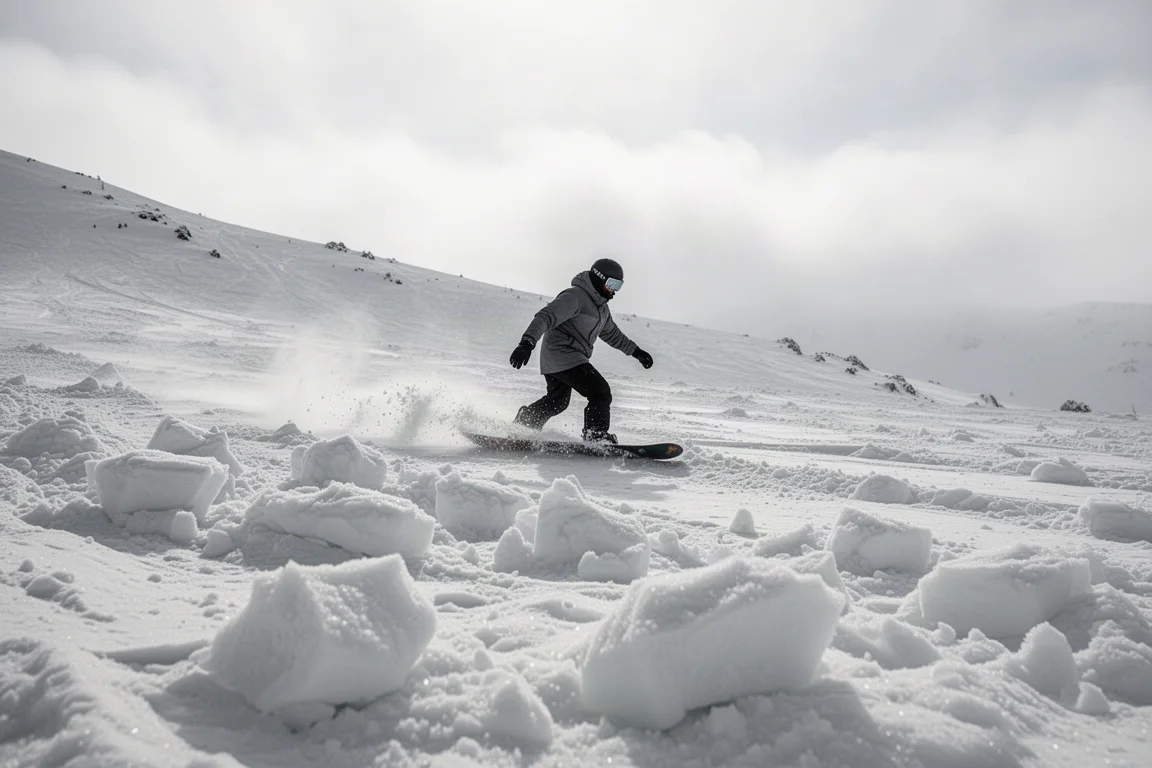
What it will not do is survive a full-speed charge down a fully run-out mogul field. Pushed that hard, the board folds, and that limit is worth understanding before committing to a high-speed line.
Presses Between the Feet
Landing or balancing between the feet means fighting the reverse camber bend. The board contours around the feature and tends to kick weight toward the tail or the nose depending on where the rider is centered. It does not clap out, but it does have a lot of give, and that flex has to be managed deliberately rather than ignored.
Carve Power Has a Ceiling
The GWO locks in and turns, but driving hard from the back foot over-flexes the board and can make it kick out. Riders who feel it breaking loose should ease off a notch or two, and riders who find it is not engaging enough can push a notch or two harder. The board responds best when input comes from the ankles rather than raw back-foot force.
Buying Advice
Bindings that match the GWO’s playful character include the Bent Metal Joint, the Rome Vice, and the Ride C6. Riders cross-shopping similar shapes can also look at the Rome Gangplank, the Arbor Westmark Rocker, and the Ride Agenda.
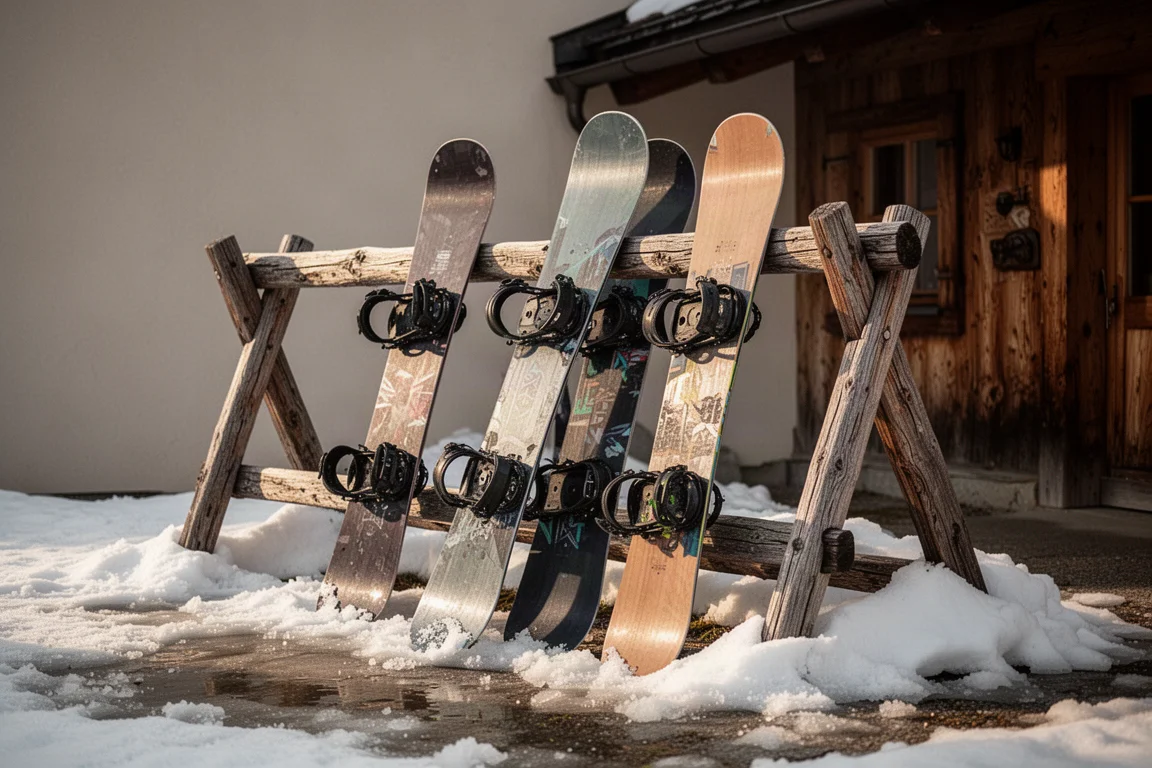
It helps to set expectations realistically. The GWO is not a mind-blowing board, and it is not built for aggressive high-speed charging. What it offers is a dependable, forgiving platform that never asks much of the rider, which is exactly what makes it useful for someone building skills across the park, side hits, and soft groomers.
Conclusion
The GNU GWO makes the most sense for progressing beginners and low-level intermediates who want a playful, forgiving board for buttering, jibbing, and small to medium freestyle features. Its center reverse camber profile delivers easy presses, skate-style pop, and strong powder float, while giving up some drive and high-speed stability in exchange. Riders who want a board that flatters a relaxed, creative style will get along with it well.
Product link
View more details for GNU GWO
This product is mentioned in the review. Check the specifications, options, and compatibility before buying.
View more details for GNU GWOFurther reading
Related Reviews
Snowboards
32 Middle Earth Scott Stevens Pro Model Snowboard Review: A Park Board With a Reversed Flex
A medium traditional camber park board with carbon V reinforcement that is stiffer in the tips and more playful between the feet. Here is how it rides and who it suits.
Snowboards
32 Snafu Review: A Directional All-Mountain Freestyle Board with Serious Pop
The 32 Snafu pairs a directional camber-rocker profile with a stiffening tail for powerful carves, big ollies, and a surprisingly damp ride.
Snowboards
32 XXX Pat Fava Pro Snowboard Review: A Stiff Camber Beast for Hard-Charging Riders
A full-width traditional camber deck that rewards aggression with stability and edge power, but demands effort everywhere else.