Snowboards
GNU 4x4 Forest Bailey Review: A Balanced All-Mountain Freeride Snowboard
A practical look at the GNU 4x4 Forest Bailey, covering its C3 camber profile, flex, stability in rutted terrain, and who it actually suits.
Introduction
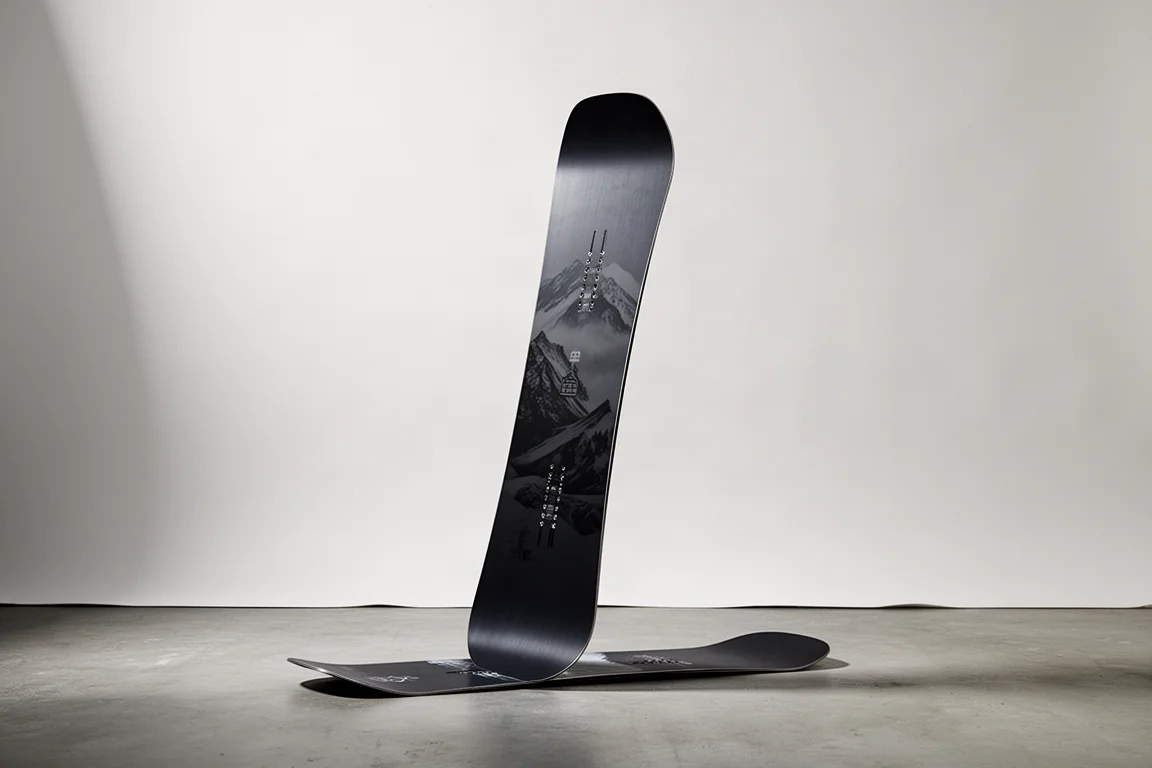
The GNU 4x4 Forest Bailey is Forest Bailey’s pro model snowboard, built around the C3 camber profile and positioned as an all-mountain freeride deck. It replaces the previous 4x4 pro model in the range, and it is offered in two lengths only: 157 and 160.
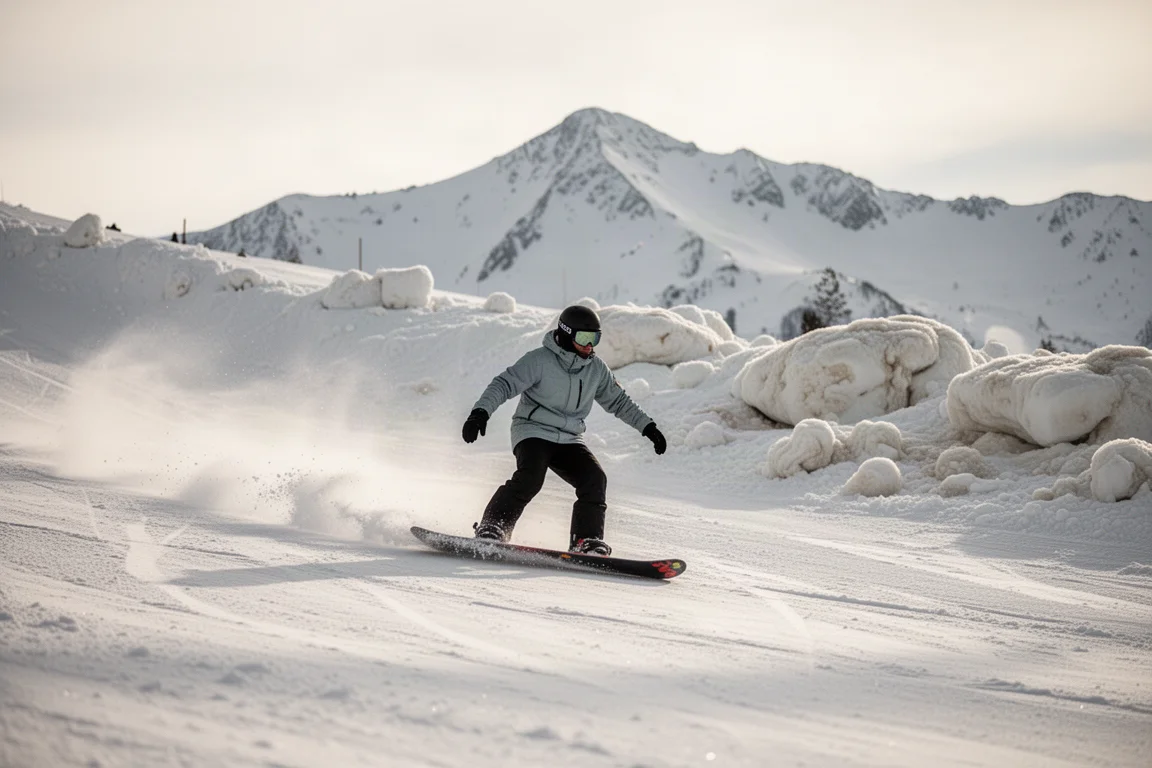
It was ridden at Arapahoe Basin in a genuinely demanding mix of conditions: midday hot pow where the sun had baked fresh snow into something lumpy and heavy in the shade, still blower and creamy in the right spots, with ice underneath and soft groomers topped with lumps. That is a useful test bed, because it forces a board to stay composed when the snow does not.
What comes through is a deck that stays balanced. It has power where you want it and a relaxed side when you need it, which is the central idea behind this board.
Who this product is for
This is a board for someone who needs a jack of all trades, a do-it-all all-mountain freeride deck. It suits riders who want one snowboard that handles groomers, powder, and chopped-up terrain without asking them to change how they ride.
It is also a good match for riders who mix styles within a single run. You can be assertive and drive it hard, or you can be laid back and let the terrain do more of the work. The board follows your input rather than demanding a specific approach.
If your riding leans more toward freestyle, a different model in the same range, the GNU Headspace, is the more natural fit.
Understanding the C3 profile before you buy is worthwhile, because it shapes almost everything the board does.
Main strengths
The strengths here are less about one standout number and more about how the pieces fit together. Camber profile, flex, and edge hold all push in the same direction, which is a smooth, predictable ride.
C3 camber profile and turn entry
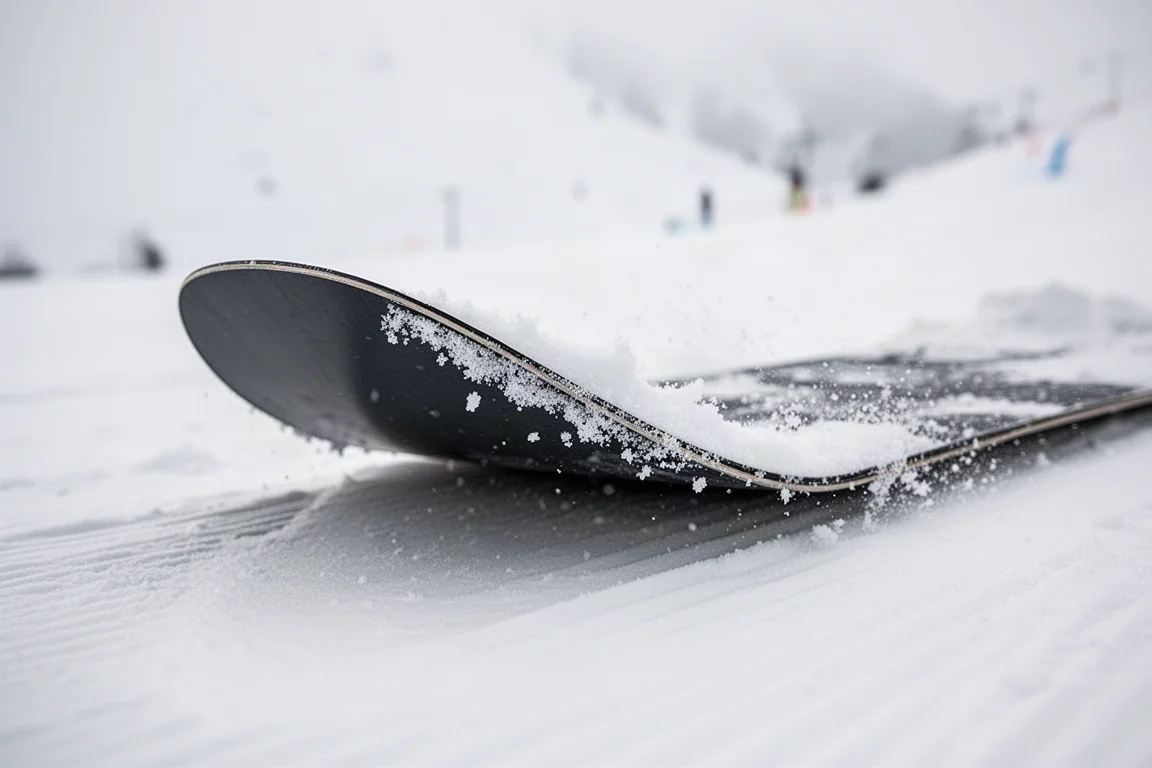
C3 uses a very micro, mellow reverse between the feet, then comes down to a flat section in the tip and tail. In practice it behaves like camber 2.0. You still get the load, pop, snap, and drive of traditional camber, but you also get easier entry into and exit from turns, plus more optimal powder float from the flat sections in the nose and tail.
On edge, the board is smooth. There is not a lot of power transfer from toe to heel, and it feels like a board you have ridden a hundred times. It accommodates both approaches. Hammer the back leg into the center of the camber and drive it off the tail for a lot of power and snap out of the turn, or stay locked in on edge and steer with your ankles. Turn shape changes relatively easily compared to how much torsional twist you put into the board.
Magnetraction here is very mellow. It still grips, but it is not so assertive that you feel permanently locked on. The result is smooth reliability: if you know how to carve you will not have a problem, and if you do not know how to carve you will not have a problem either.
Flex, dampness, and stability
The flex sits just past the middle of the road for an all-mountain freeride board. The nose is slightly softer and progressively stiffens back through the tail. Torsional flex is noticeable without being overly abundant or underwhelming.
Where this shows up most is in rough snow. The board is both damp and smooth, so when you get into rutted terrain it encourages you to go a little faster and plow through things a little harder without worrying about getting bucked around.
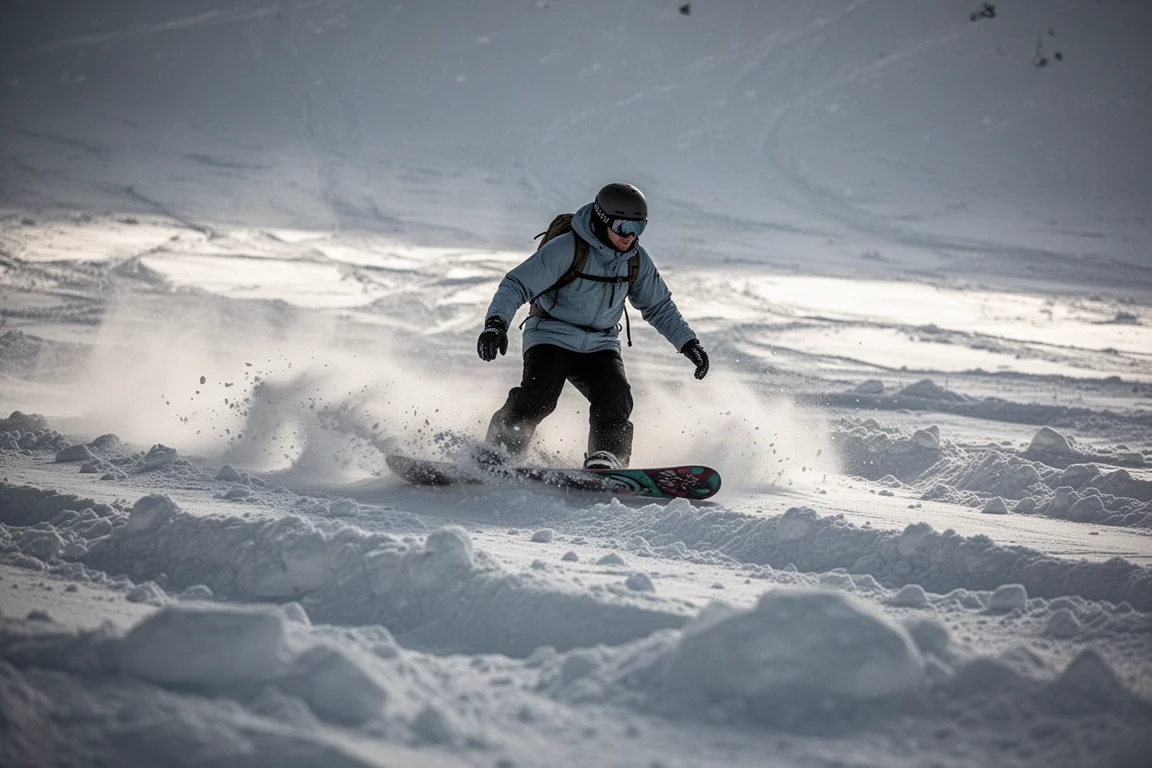
You do get a little chatter in the nose, but most of it is killed off before it resonates back underfoot, so you feel a small amount of micro vibration and not a whole lot more.
Buttering, pop, and side hits
There is an aggressive flex point right in the nose. Pop a 180, land in it, and the board flexes a long way, locks in, holds, then snaps back out of the butter so you can ride away. The tail takes more work and is stiffer, but you can still get sideways and feel it lock in. High-speed powder wheelies on the nose and big 180s into deep, steep powder are where that nose flex pays off.
Pop overall scales with effort. With C3, what you put in is what you get out. Ride laid back and you get less snap; ride aggressively and you can launch it. Cat tracks, cornice gaps, and side hits all respond the same way, so a calculated, loaded-up approach pops more, while a casual approach still lets the feature throw you.
Things to consider before buying
- Size options are limited to 157 and 160, so riders at the far ends of the size range may not find a match.
- The tail is stiffer than the nose, which makes tail butters more work than nose butters.
- There is some nose chatter and a small amount of micro vibration in rough, chopped snow.
- Edge hold is deliberately mellow, so riders who want an always-locked-in, aggressive edge feel may prefer something more assertive.
None of these points are deal-breakers for the right rider, but each one is worth weighing against how and where you actually ride.
How it compares to other all-mountain freeride boards
The 4x4 Forest Bailey sits in a well-populated part of the market. Boards in the same conversation include the Jones Flagship, the Capita Mercury, the Amplid Singular, the Rome Dod, and the Jones Mercury. These are the shapes a buyer is likely to weigh against it when shopping for a versatile freeride deck.
What separates this one is the character of its flex and its mellow grip rather than an extreme in any single category. It is a balanced deck rather than a specialist.
Buying advice
Buy this board if you want a single snowboard that covers all-mountain freeride riding well and does not punish you for taking it easy. It rewards an aggressive rider with pop and drive, and it stays composed when you would rather let the terrain lead.
If you are choosing between the two sizes, the main question is simply how much board you want underfoot, since 157 and 160 are the only options. Riders who spend most of their time on freestyle tricks and park laps should look at the GNU Headspace instead.
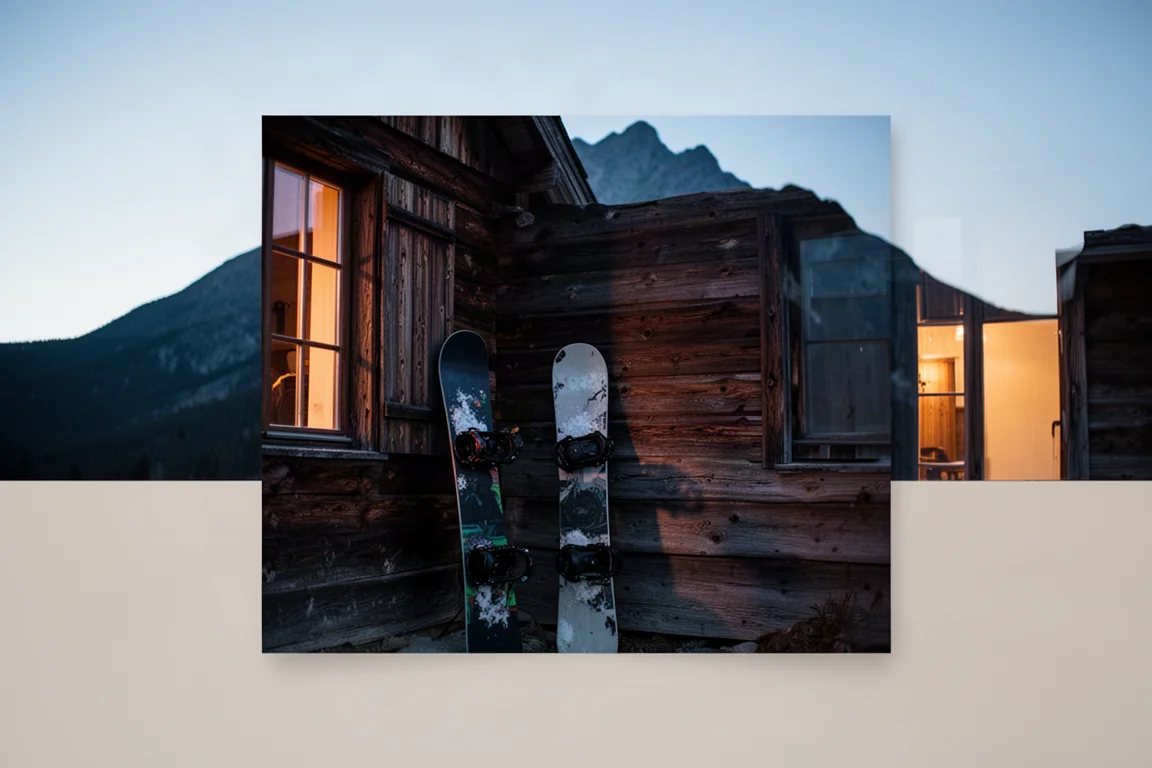
Expect the board to feel familiar quickly. The combination of camber drive, a slightly softer nose, and damp construction means it settles in fast rather than asking for a long adjustment period.
Conclusion
The GNU 4x4 Forest Bailey is a solid offering in the range, and it makes sense as the replacement for the previous 4x4 pro model. It delivers a balanced all-mountain freeride ride: power where you want it, a laid-back side when you need it, and enough dampness to cut through rutted terrain with ease.
If you want a do-it-all deck and you are comfortable with a mellow edge hold and a stiffer tail, this is a snowboard worth putting on your shortlist.
Product link
View more details for GNU 4x4 Forest Bailey
This product is mentioned in the review. Check the specifications, options, and compatibility before buying.
View more details for GNU 4x4 Forest BaileyFurther reading
Related Reviews
Snowboards
32 Middle Earth Scott Stevens Pro Model Snowboard Review: A Park Board With a Reversed Flex
A medium traditional camber park board with carbon V reinforcement that is stiffer in the tips and more playful between the feet. Here is how it rides and who it suits.
Snowboards
32 Snafu Review: A Directional All-Mountain Freestyle Board with Serious Pop
The 32 Snafu pairs a directional camber-rocker profile with a stiffening tail for powerful carves, big ollies, and a surprisingly damp ride.
Snowboards
32 XXX Pat Fava Pro Snowboard Review: A Stiff Camber Beast for Hard-Charging Riders
A full-width traditional camber deck that rewards aggression with stability and edge power, but demands effort everywhere else.