Outdoor Gear
Glacier Gear Test: Seven Ultralight Pieces Worth Considering
Seven ultralight pieces tested on glacier ice in the Canadian Rockies, from an R value 8.5 sleeping pad to a two-person DCF tent.
Introduction
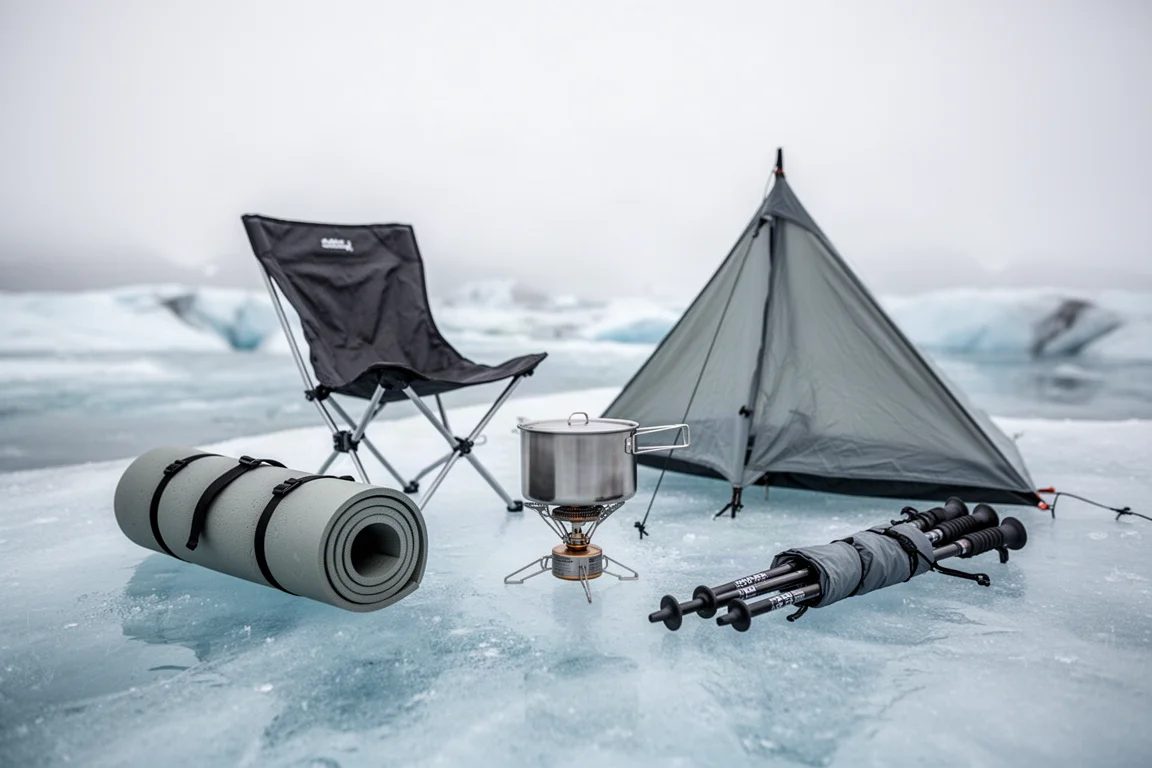
Cold ground is the honest test of any sleep system, and glacier ice is about as honest as it gets. This roundup covers seven pieces of gear taken onto the ice fields of the Canadian Rockies for a night of testing on frozen ground, with wind, rain and temperatures hovering around freezing.
Some of these items are new releases, some are established ultralight staples, and one is a control item used to check whether the warmth in a sleeping setup comes from the pad or from the air around it. Here is what stood out, and what is worth checking before you buy.
How This Gear Was Evaluated
The trip put every item into the conditions it was designed for rather than a backyard. Camp was pitched on uneven ice, which meant anchors had to be screwed or hammered in rather than pushed into soil. Rain fell during part of the night, and wind picked up enough to test how a shelter holds its shape when it is exposed.
For the sleeping pads, the approach was a controlled comparison rather than a simple “did I stay warm” check. Two pads with very different insulation ratings were used on the same frozen ground, so that any difference in warmth could be attributed to the pad rather than to the surrounding air temperature.
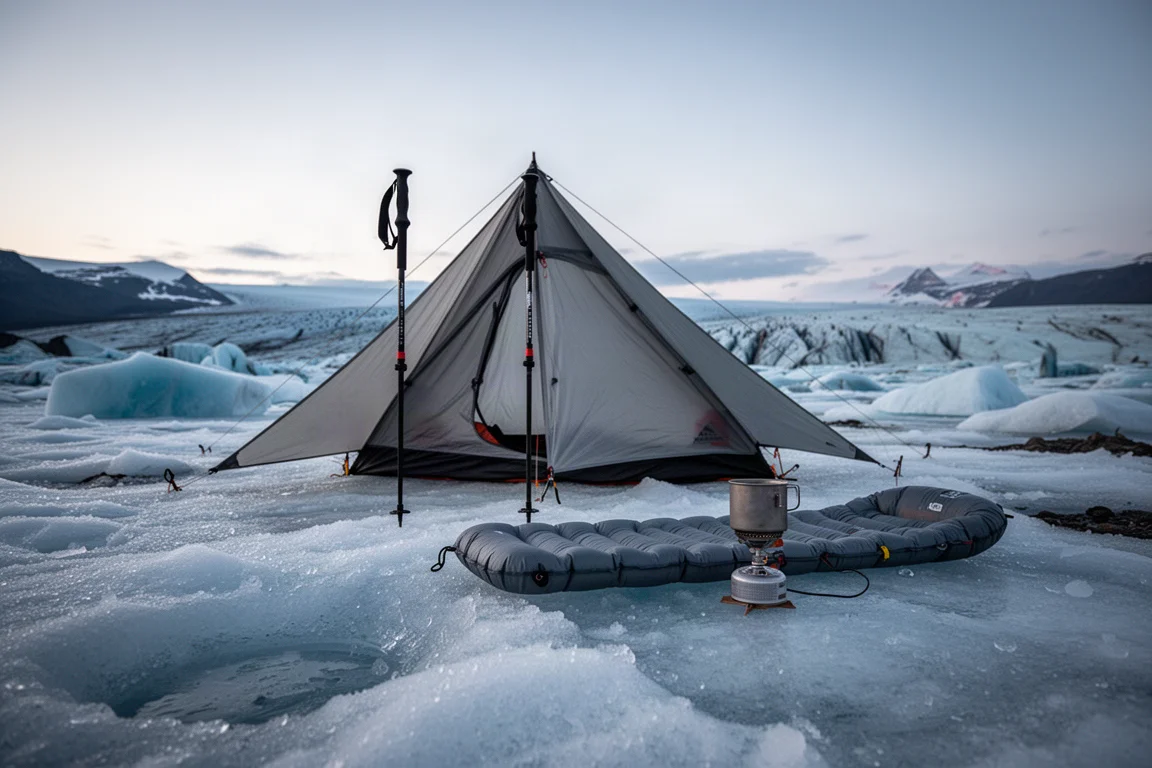
Temperatures bottomed out at roughly freezing, which is milder than deep winter but cold enough to reveal how a pad and a shelter behave when the surface underneath them is actively drawing heat away.
Nemo Tensor Extreme: Warmth-to-Weight Sleeping Pad
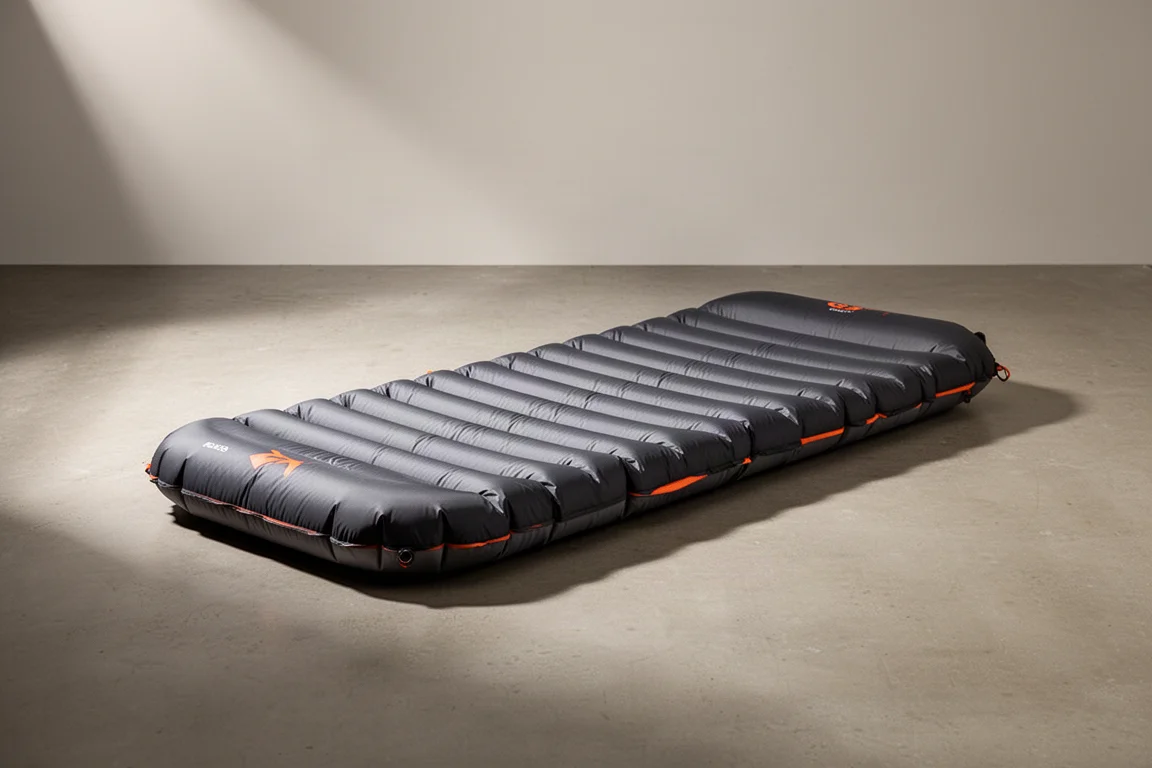
The Tensor Extreme is rated at an R value of 8.5 under ASTM testing, which places it among the warmest ultralight pads available, and it achieves that at a low weight. The long wide version comes in at 630 grams, while the regular mummy version weighs 444 grams.
The construction changed for this generation. The shell is now nylon rather than polyester, a change aimed at durability after weld-point failures on earlier versions. The baffling was redesigned around trapezoidal pillars that are narrower at the top and wider at the bottom, which allows reflective Mylar sheets to be suspended inside the pad. The Tensor Extreme carries four of them, and because those sheets sit above the base, the pad has to be used right side up: green side down, black side up. Flipped the other way, the reflective layers drop away from the sleeping surface and the insulation stops working.
The valve was also reworked. It is no longer attached directly to the pad, which reduces the risk of tearing a corner, and the valve material changed so that a pump sack goes in and comes out more cleanly without pulling both valve layers and dumping the air. It remains a flat two-way design, with one flap to inflate and a second to dump air, and deflation is fast.
In the field, the pad slept colder than the 8.5 rating might suggest, at temperatures around freezing. That could come down to how it was pitched, how the pad interacts with a very cold surface, or simply the limits of the conditions tested. More testing is planned on frozen ground at much lower temperatures, in the region of minus 20 to minus 30 Celsius.
Comfort is a mixed picture. The horizontal baffles carry a slight dimpled pattern that relieves pressure points a little, but the height difference is small, so it does not work like a true spring system, and sleepers who roll onto an arm may notice. The nylon shell feels slightly less stretchy than the previous polyester, which adds a little stiffness and a few more pressure points, though the top surface stays soft and the pad remains very quiet.
Durston X-Mid Pro 2 Plus: A Wider DCF Shelter for Two
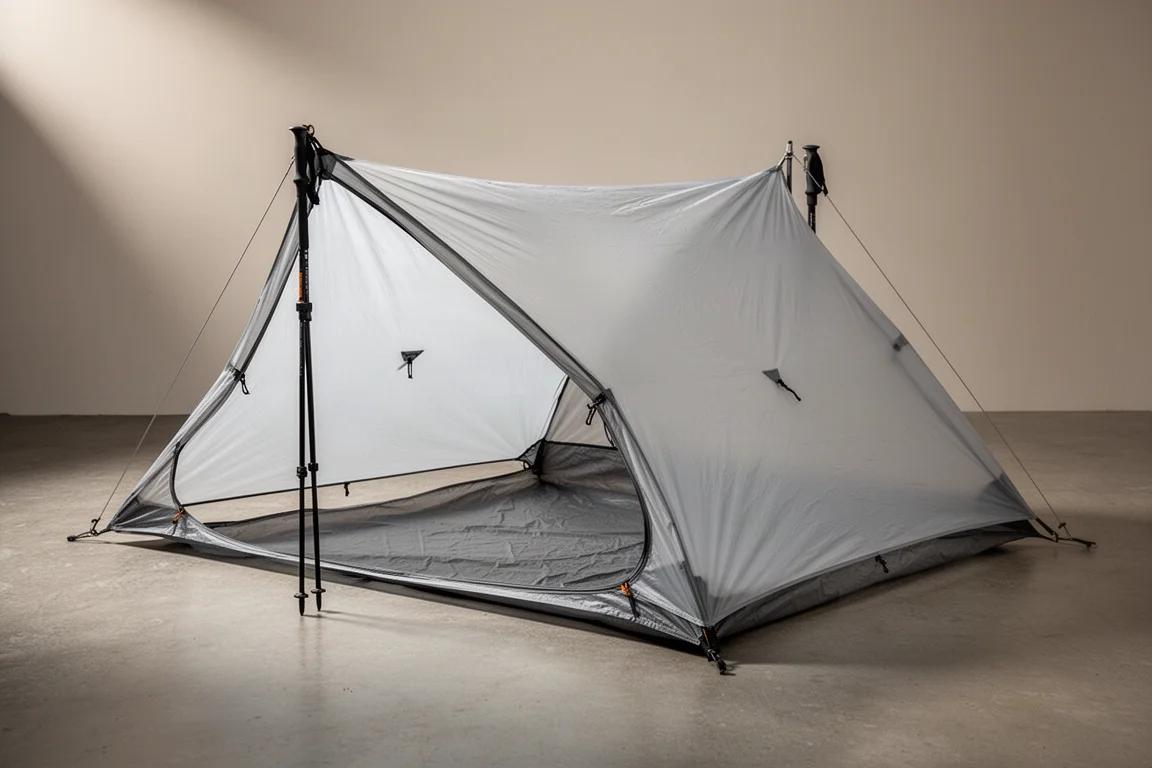
The X-Mid Pro 2 Plus is the wider version of the X-Mid Pro 2, built in DCF fabric. The change that matters most for couples and anyone sharing a shelter is floor space: the Plus fits two 25-inch wide rectangular sleeping pads side by side, which is the specific problem this model was designed to solve.
It keeps the weight savings and the DCF construction of the regular X-Mid line, and the extra room is the headline rather than a trim detail. On this trip it handled rain and wind without flapping or shifting, even when it was anchored to ice with screw-in stakes and with titanium stakes driven in using a hammer. That is a useful signal, because pitching on ice is far less forgiving than pitching on soil.
Availability was expected in October or November. Anyone drawn to the X-Mid Pro 2 for its specifications, but who needs more room for two, is the natural audience here.
Zpacks Arc Haul: Ultralight Load Carrying
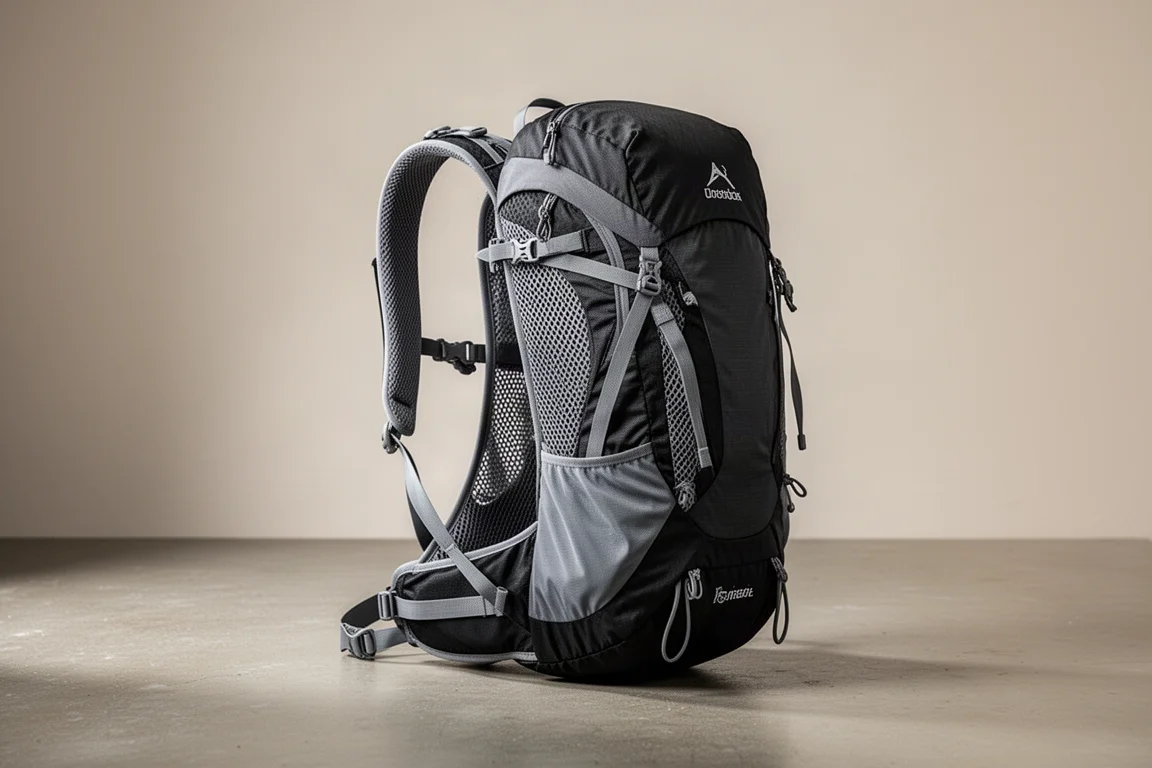
The Arc Haul is advertised with a 40 pound carrying capacity, which sounds optimistic for a pack this light. In practice it carried a loaded pack better than expected, and the reason is structural: a full hip belt, carbon fiber stays that move weight from the shoulders down to the hips, and load lifters to fine-tune that transfer.
The trampoline back panel is a genuine benefit in hot weather. It is not as effective as the suspended back systems found on some heavier packs, but it does hold the pack away from the back and keeps things noticeably cooler than a pack that sits flush against it.
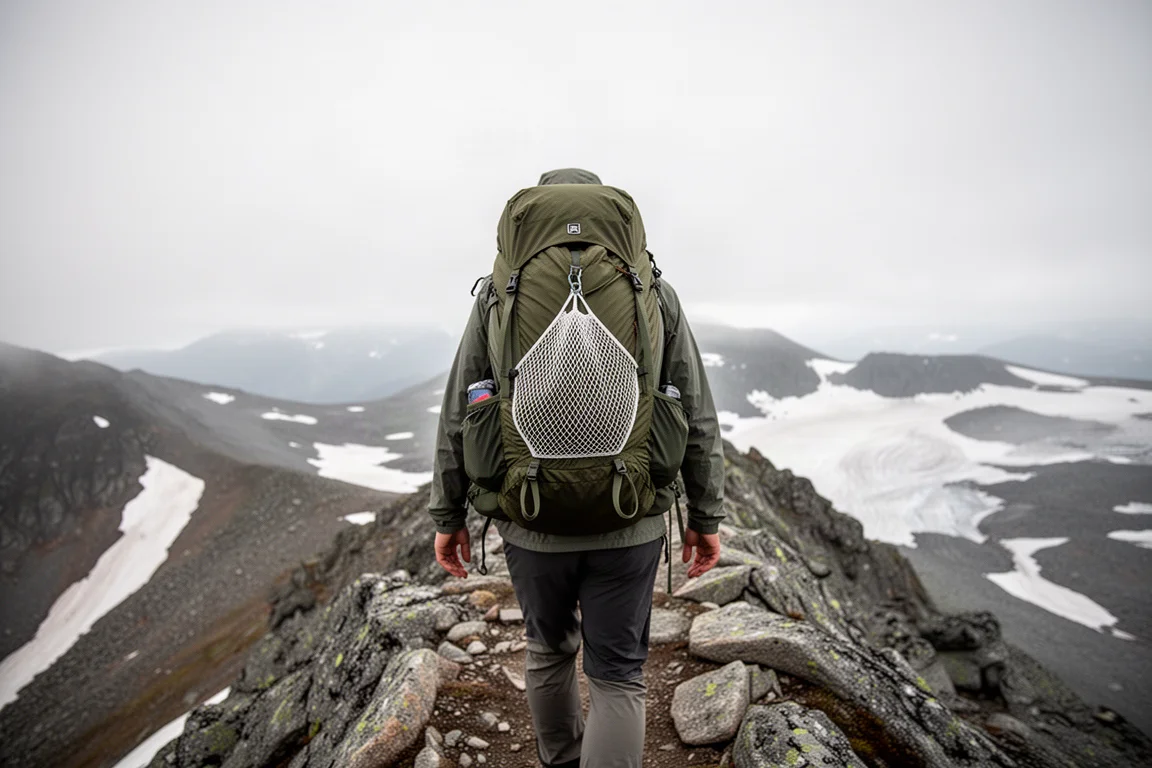
The trade-off is price. Around $400 for the pack, and that does not include the hip belt. For anyone who would rather buy once and use an item for years, that is the calculation to make rather than a reason to walk away.
Nemo Moonlight Elite: An Adjustable Ultralight Chair
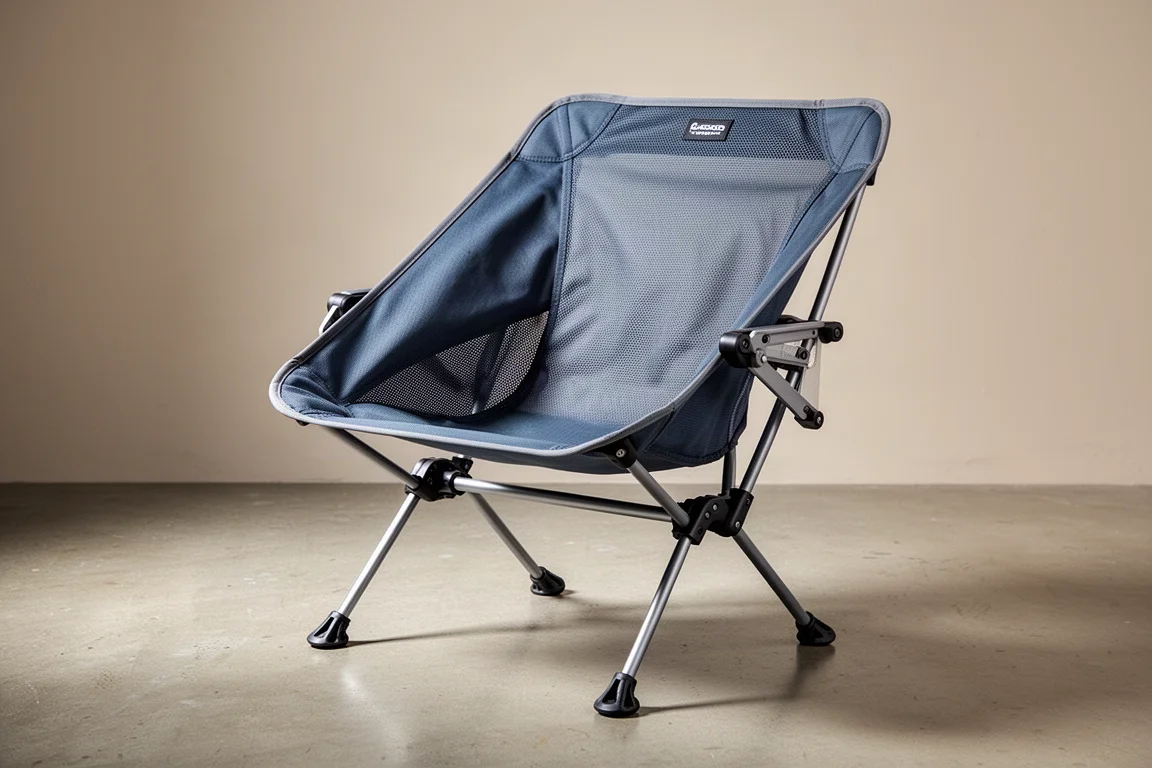
The Moonlight Elite is a lightweight camping chair with one feature that separates it from most ultralight options: an adjustable back. It can be set to recline, or raised so that you sit more upright, which is genuinely useful when you are cooking a meal or sitting near a fire.
The stuff sack doubles as a ground mat. It wraps around the chair in storage, then attaches across the legs to create a mat underneath, which keeps the feet from sinking into sand or soft ground.
Weight is competitive: it comes in just a few grams heavier than the lightest chairs in the same class. Pricing had not been announced, and the chair was slated for a spring/summer release.
MSR Reactor: A Specialist Snow-Melting Stove
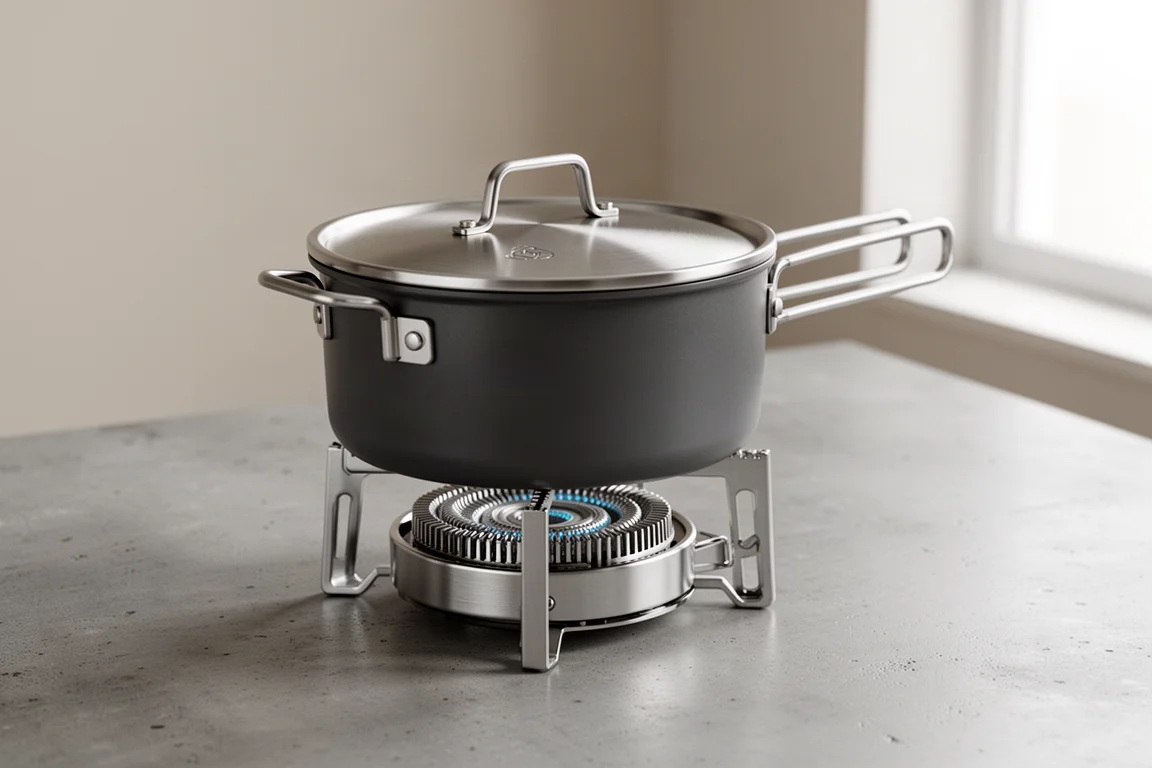
The Reactor is a stove and pot system built for one job: melting snow and ice and boiling water as quickly as possible. It does that with a radiative burner element, fins and aluminium in the pot, and a pot design that recirculates heat around the base. The system is patented, and it ranks among the most effective stoves available for melting snow.
It is also very expensive, and it is a specialist tool rather than an all-rounder. For alpine and glacier travel, where producing drinking water from snow is the main task of the day, that speed can justify the outlay. For general backpacking, most people will not want to carry the cost on every trip.
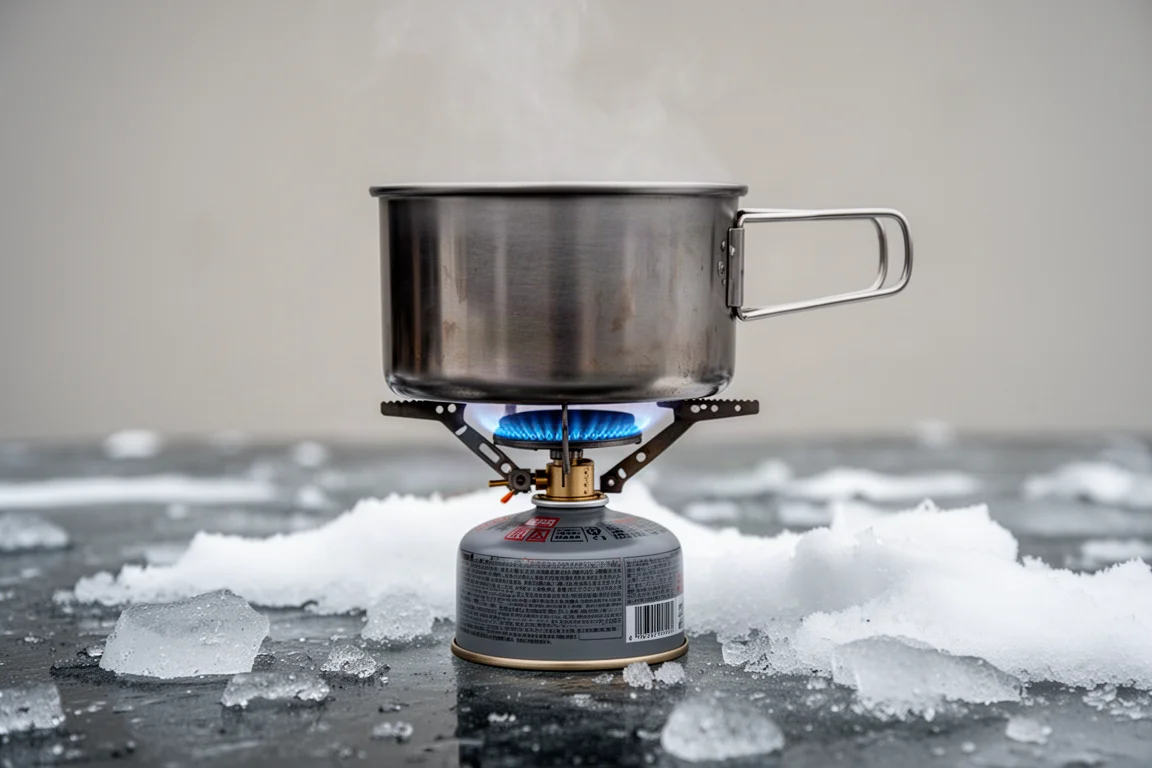
There is a nice piece of history here too: MSR’s first product was a stove, and the Reactor is a clear descendant of that single-minded approach. It is not asked to do anything except make water fast, and it is very good at exactly that.
Therm-a-Rest NeoAir UberLite: The Control Pad
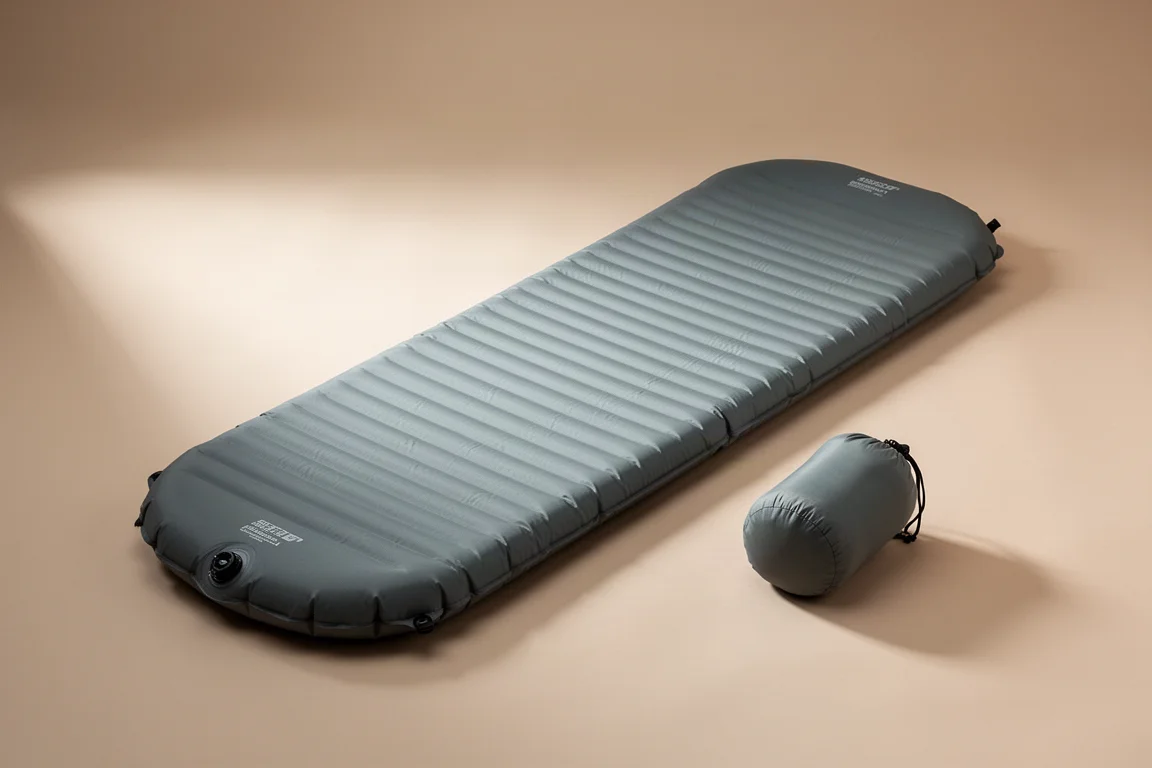
The UberLite came along as a control rather than as a recommendation. It carries an R value of 2, far below the 8.5 of the Tensor Extreme, and that gap is precisely what made it useful.
The logic is simple. If a sleeper is warm on a low R value pad and warm on a high R value pad on the same ice, then the surrounding air is doing the work. If they are cold on the low-rated pad and warm on the high-rated one, the pad is doing the insulating. It is a sensible way to separate a pad’s real performance from the conditions around it, and it is worth applying to any warmth claim you read.
ReadyWise Pro Meal: Rehydrated Dinner on Ice
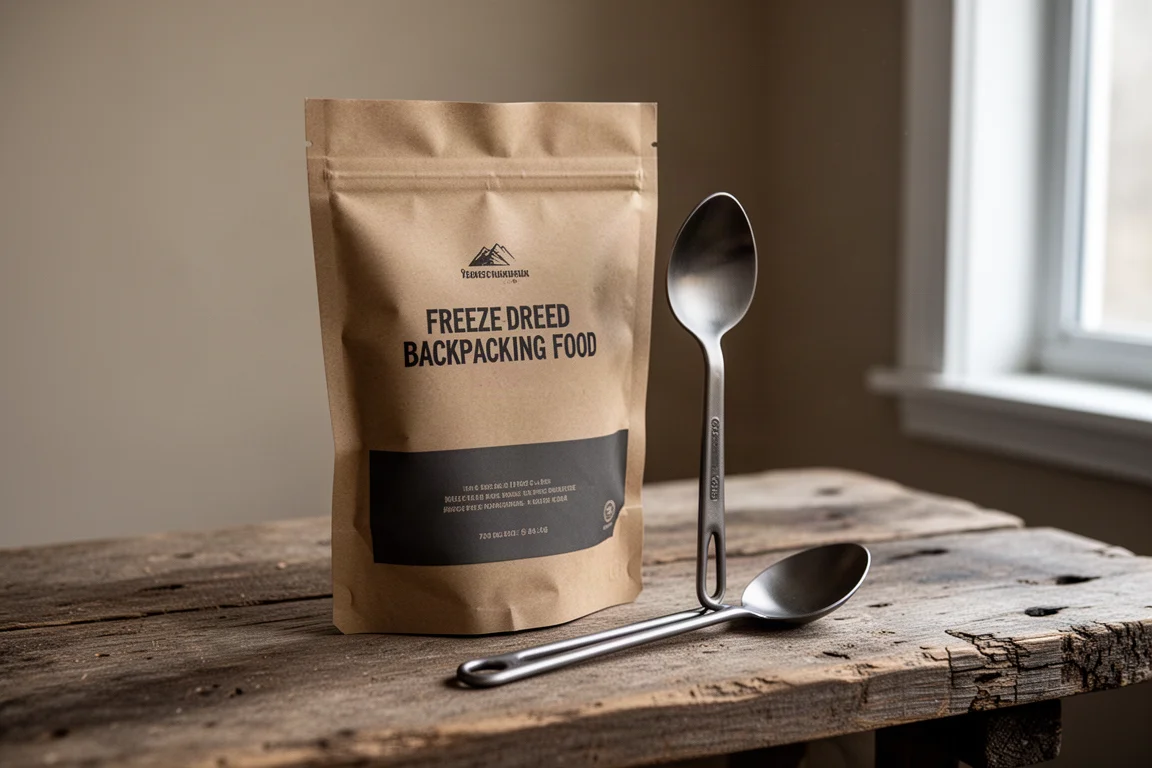
Backpacking dinners rarely earn the word delicious, but the ReadyWise Pro Meal beef bulgogi with kimchi fried rice did on this trip. It rehydrates with hot water, and it stood out as one of the best trail meals tried in a long time, enough that more packs went straight onto the shopping list.
On cold trips, a hot dinner matters as much for morale as for calories, and having a meal you actually look forward to is worth a small amount of pack weight and cost. The same logic applies to any trip where the evening is the coldest part of the day.
Buying Advice
Cold-weather gear is where advertised numbers and field feel diverge most. An R value, a temperature rating or a claimed weight describes a product in isolation. What matters is how the whole system behaves on the surface you actually sleep on, in the weather you actually get.
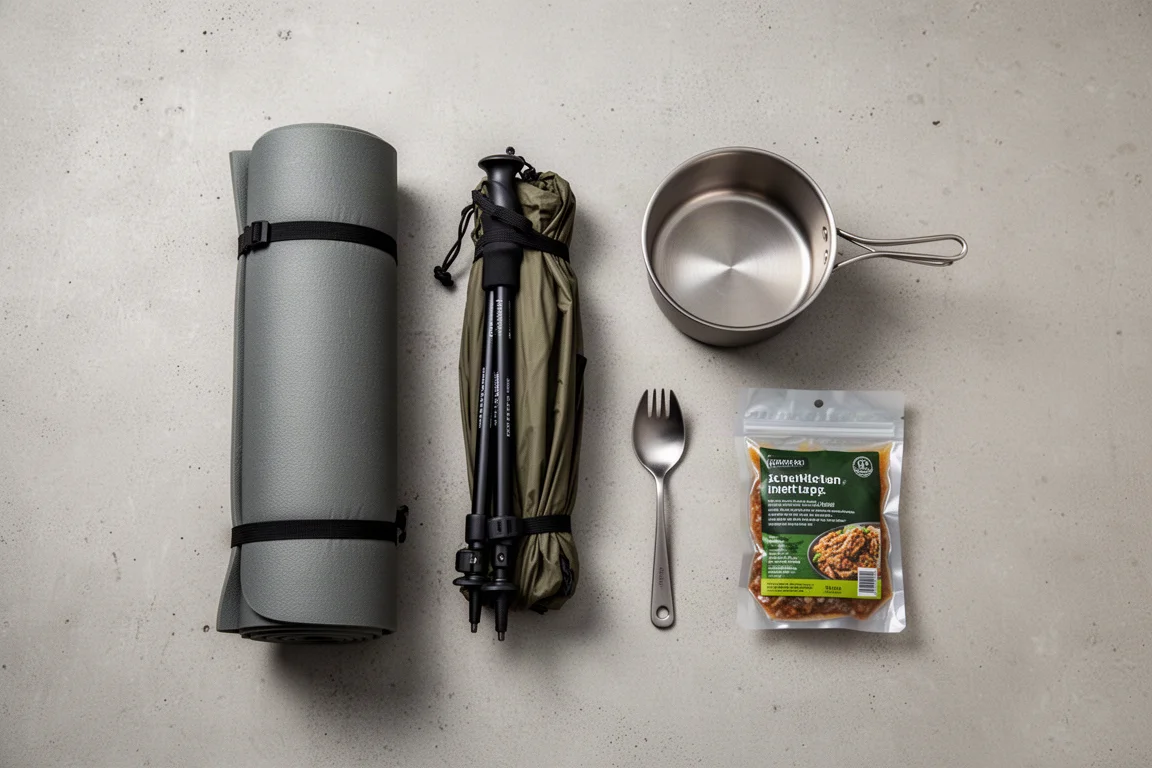
If you sleep on snow and ice regularly, prioritise the sleep system first: pad insulation, then shelter, then everything else. If you mostly camp in three-season conditions, the same items still work, but the marginal value of an 8.5 R value pad is smaller than the value of a shelter that pitches easily and stays put in wind.
Price is the other honest filter. Two of the items here sit at the expensive end of their categories, and both are justified only if you use the specific capability they offer: a pack that carries heavy loads comfortably, or a stove that melts snow faster than almost anything else.
Conclusion
Seven pieces of gear, one night on glacier ice, and a clear set of conclusions. The Nemo Tensor Extreme pairs an 8.5 R value with a 444 gram regular mummy weight, and the field notes are a useful reminder that ratings and real-world warmth are not always the same thing. The Durston X-Mid Pro 2 Plus solves the two-person floor space problem in DCF. The Zpacks Arc Haul carries weight well for an ultralight pack, at a price. The Nemo Moonlight Elite adds an adjustable back to a very light chair. The MSR Reactor melts snow better than almost anything and costs accordingly. The NeoAir UberLite is a useful yardstick at R value 2. And the ReadyWise Pro Meal is the rare trail dinner that earns repeat purchases.
Match the item to the trip and most of these will look like money well spent. Buy for the conditions you actually travel in, and the gear you carry will feel lighter and warmer than the numbers alone suggest.
Further reading
Related Reviews
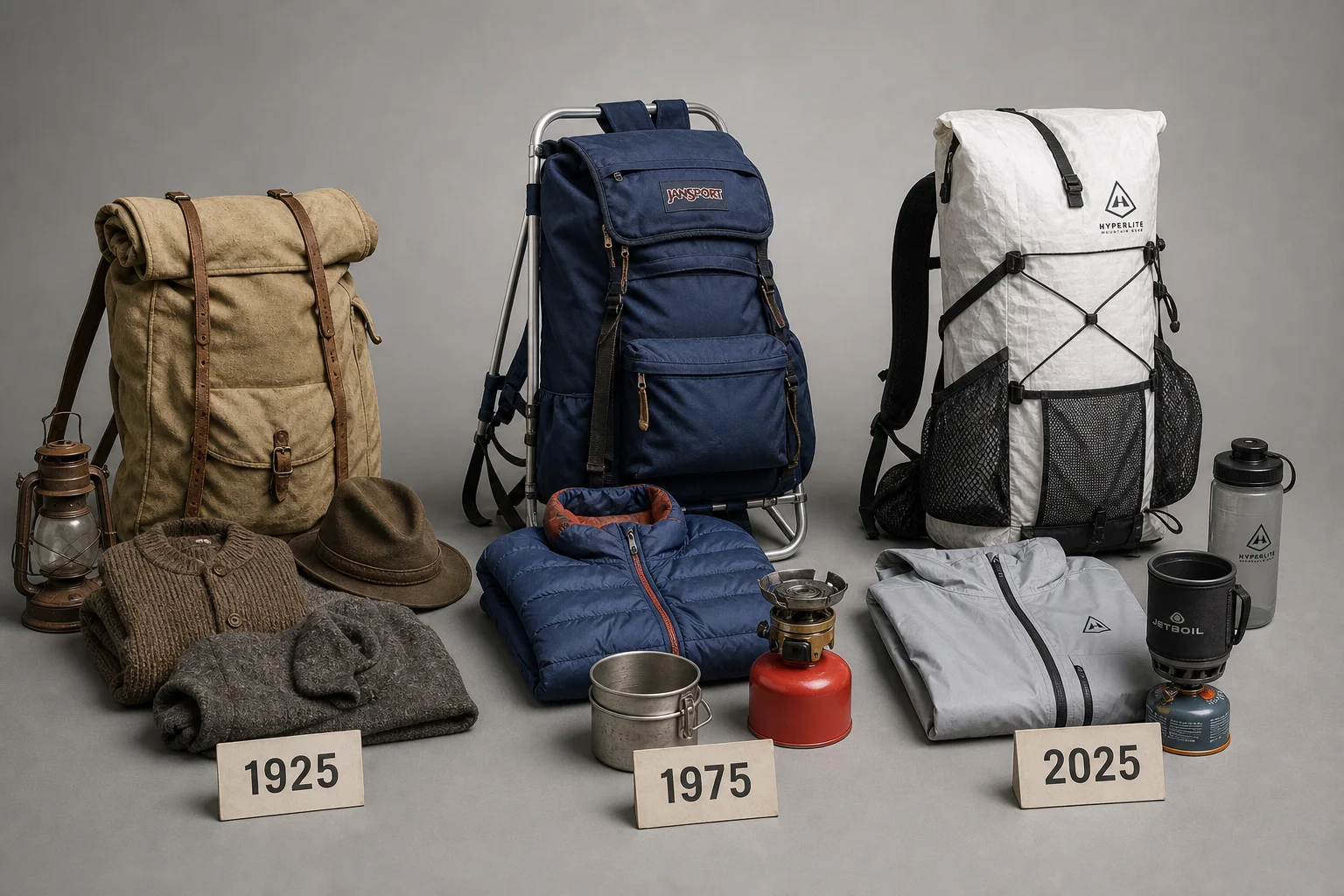
Outdoor Gear
Backpacking Gear Evolution: 100 Years of Technology Compared
We tested backpacking gear from 1925, 1975, and 2025 across a three-day hike in Yosemite. Here's how technology has transformed comfort, weight, and the outdoor experience.
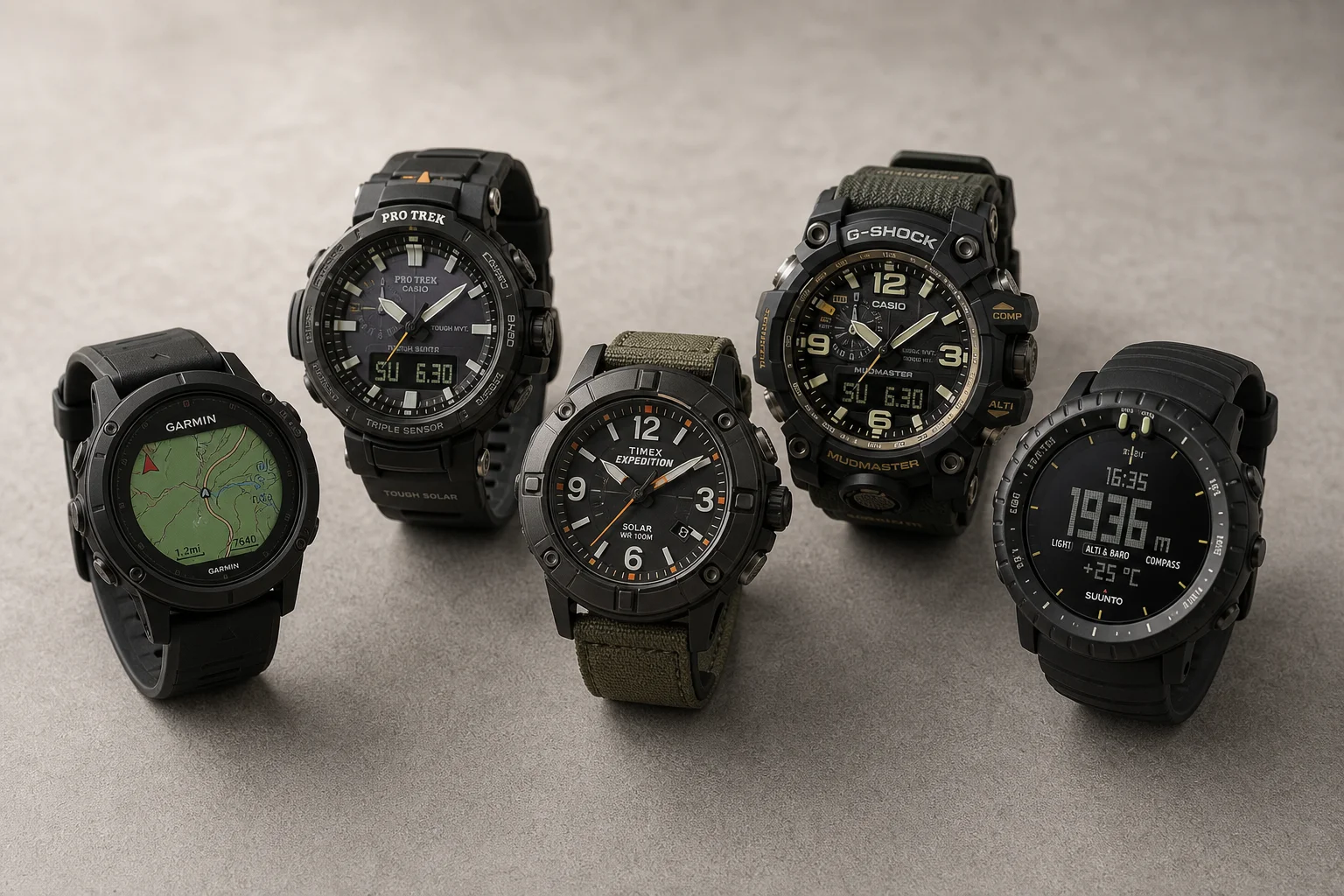
Outdoor Gear
Best Affordable Hiking Watches: Five Rugged Options for Outdoor Adventures
Five durable hiking watches that balance ruggedness, functionality, and value for outdoor enthusiasts who need reliable GPS tracking and weather resistance.
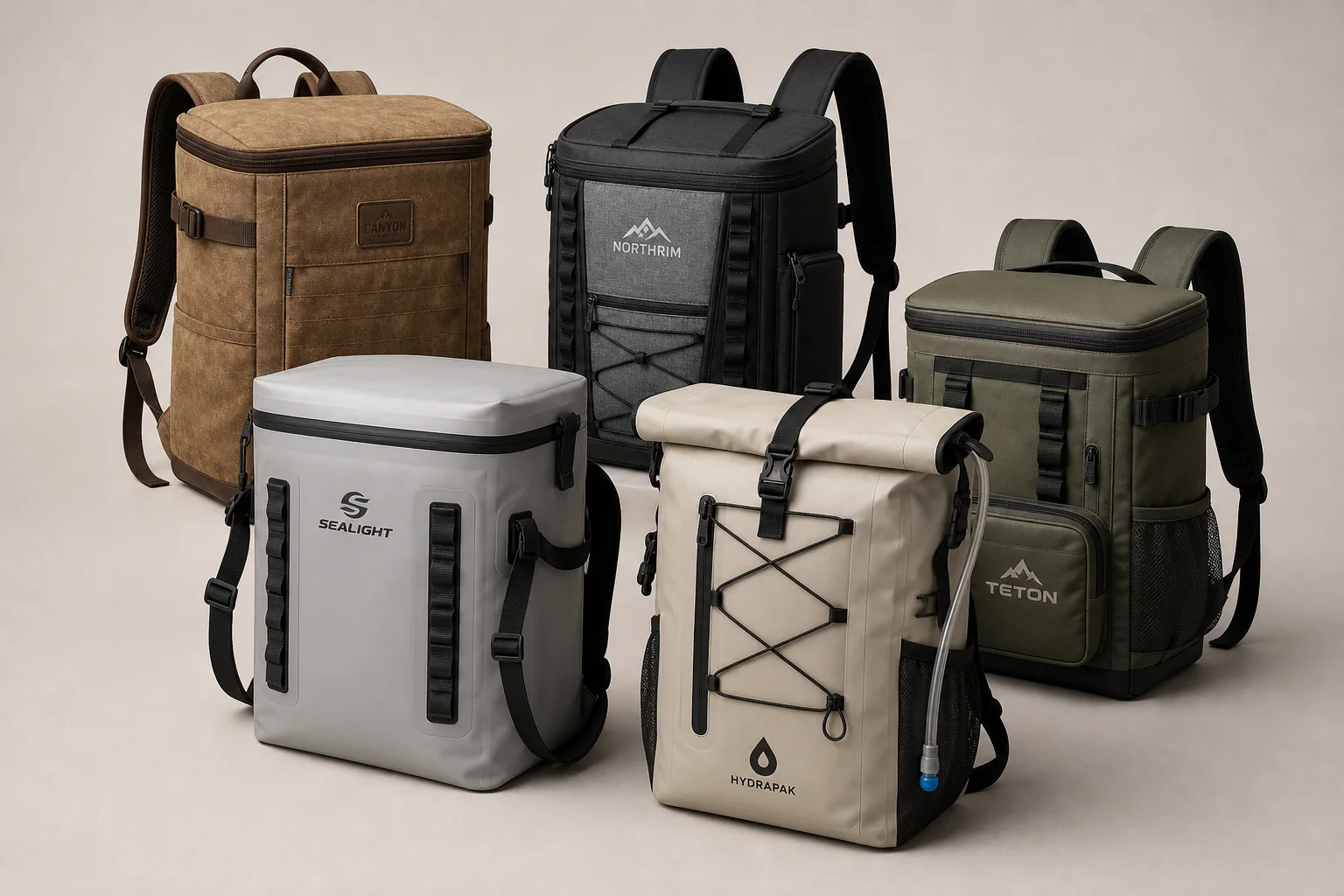
Outdoor Gear
Best Backpack Coolers 2026: Five Practical Options for Outdoor Adventures
Five backpack coolers with distinct cooling capabilities, storage features, and design trade-offs to help you choose the right one for your outdoor needs.