Fountain Pens
Giant Nib Fountain Pens: Namiki Emperor vs Magna Carta MAG 1000
Two fountain pens built around enormous nibs, compared on writing feel, comfort, filling systems, and value.
Introduction
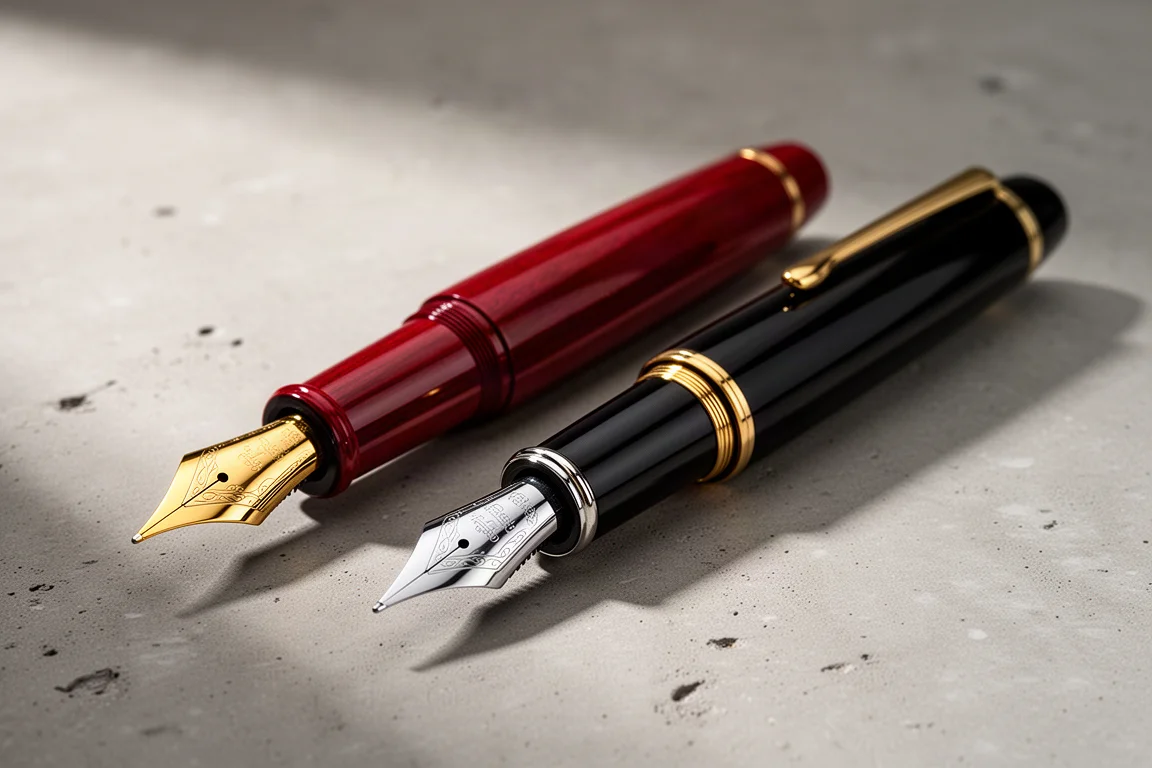
Some fountain pens are big. These two are genuinely big. The Namiki Emperor and the Magna Carta MAG 1000 are not in the same price class and not really aimed at the same buyer, but they share one defining trait: enormous nibs that dwarf what most pens carry. If the current trend toward ever-larger nibs appeals to you, both deserve a closer look.
Why Nib Size Is the Whole Point
Nib sizing is based on the diameter of the shoulders of the nib, essentially matching the feed diameter. A number 6 nib used to count as large, then number 8 became the new benchmark, and now number 10 nibs are the rarest of the bunch, used by only a handful of manufacturers.
The Magna Carta MAG 1000 carries a true number 10 nib. The Namiki Emperor uses its own numbering system and calls its huge nib a number 50, which works out to roughly a number 10 in conventional terms. Side by side, the Magna Carta’s nib even appears slightly larger than the Emperor’s.
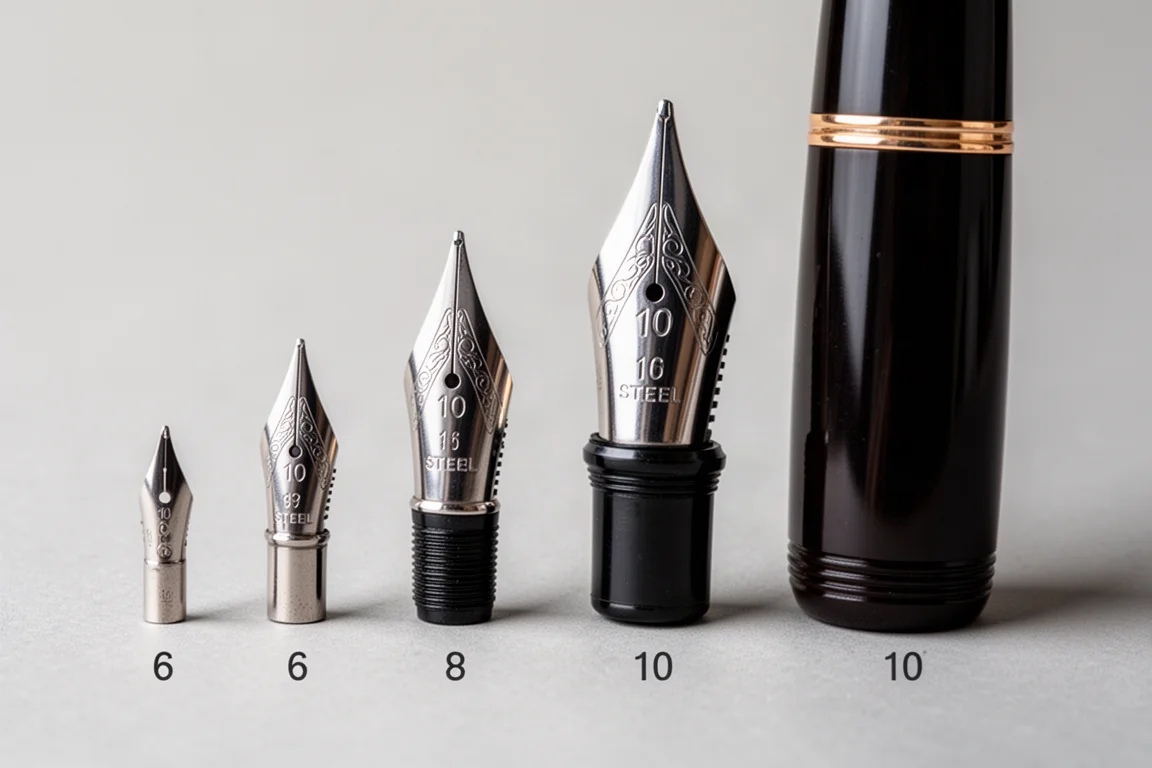
Both pens are eyedropper-capable with large ink capacity, so the giant nib is backed by a genuinely large ink supply.
Namiki Emperor: The Top of the Line
The Emperor sits at the very top of Namiki’s range, Namiki being the premium branch of Pilot. It is a huge pen, eyedropper filled, with a one-way shut-off valve that lets you control wetness. It wears an 18 karat gold nib in medium and broad options (a fine is believed to exist, though it is easy to lose track of the lineup), and the body is covered in urushi lacquer, with red and black finishes available.
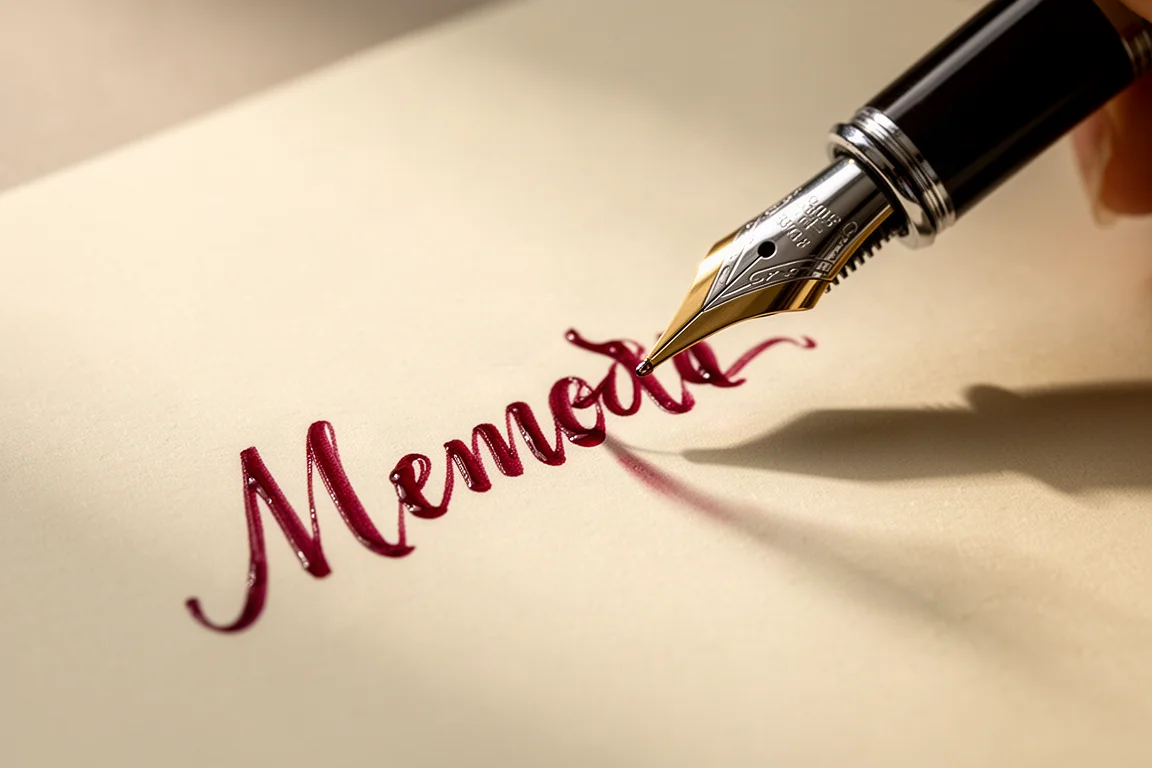
At a current market price of around $2,100, it is prohibitively expensive for most buyers, and urushi work keeps costs high by nature. The trade-off is a phenomenal writer, especially in this example, which was ground into something resembling a stub, possibly slightly oblique, by a well-known one-man pen show vendor. The section tapers down nicely, making the pen surprisingly comfortable even as an everyday writer, and it posts better than the Magna Carta.
Magna Carta MAG 1000: The Accessible Giant
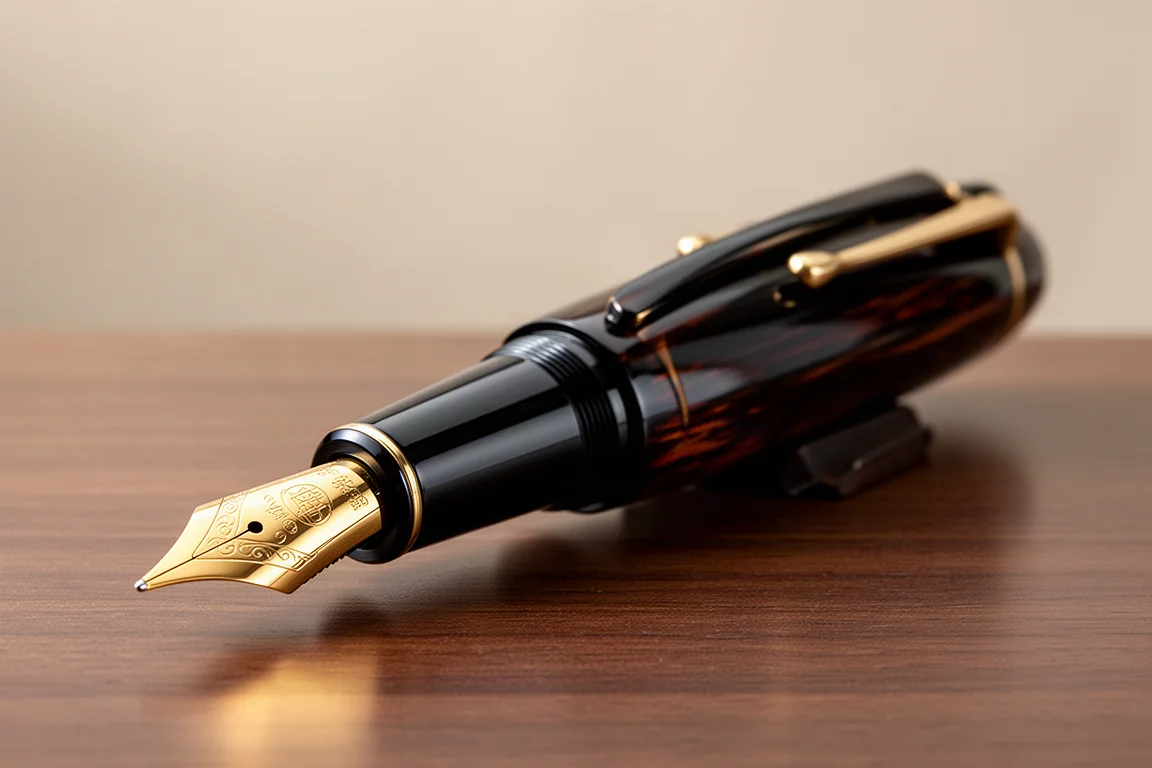
The Magna Carta MAG 1000 delivers the giant-nib experience at a very different price point, currently around $410. That is still not a cheap pen, but it is far short of $2,100. The body is ebonite with 24 karat gold plating and PVD coating, giving it a vintage black-and-gold look that some people will love and others will not.
The nib is steel rather than gold, sized at 10 mm, paired with a truly massive ebonite feed. Fine and medium are the only nib choices here. It can be run cartridge/converter or eyedropper filled for huge ink capacity.
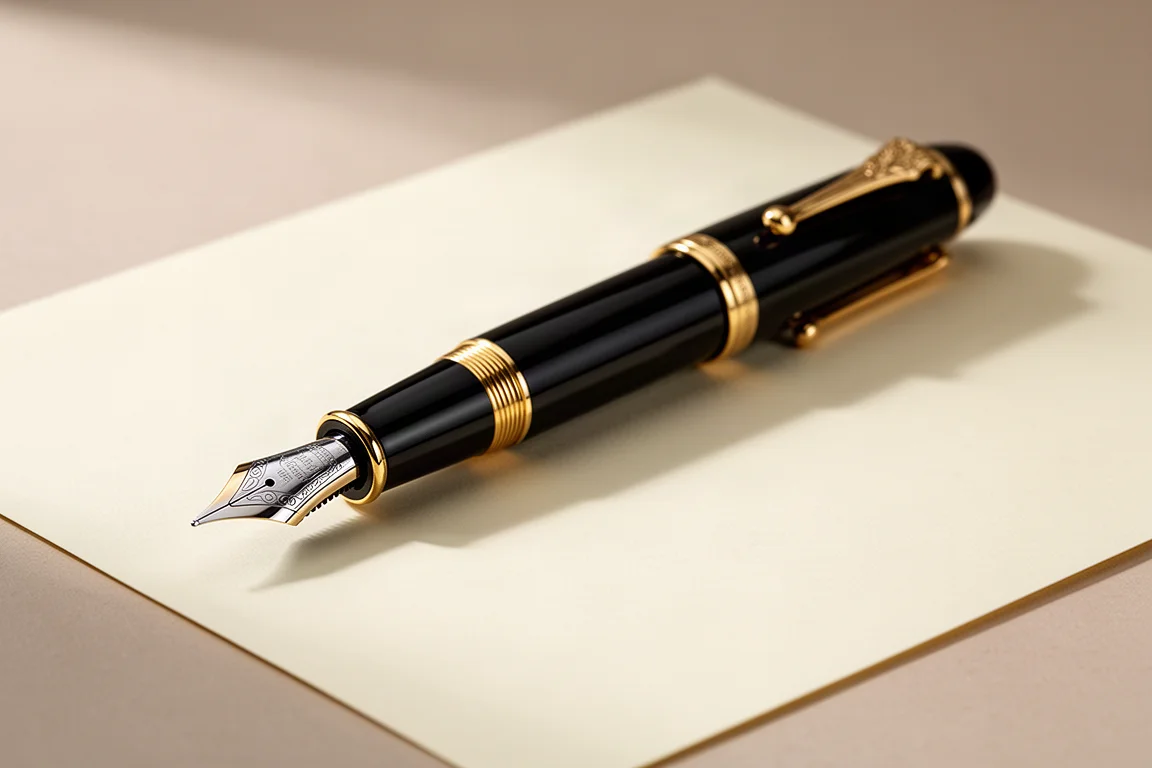
The steel nib offers a little less feedback and a slightly different feel than gold, but it remains a very pleasant writer with a touch of line variation, a slightly wider downstroke than sideways stroke. One caveat: the nib sticks out so far that some writers find the angle awkward. That has not been an issue in use here, but smaller hands may notice it. The cap posts only flimsily, though at this size almost nobody needs to post.
Comfort and Everyday Use
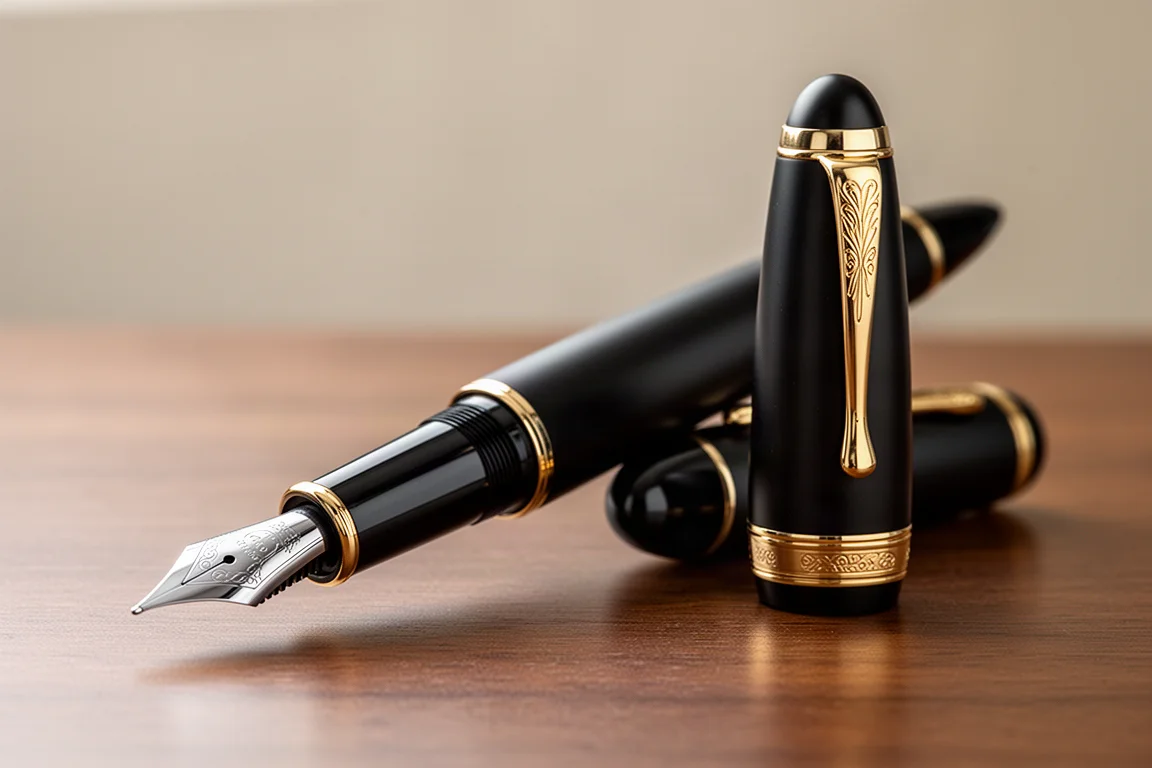
The Emperor is slightly more comfortable overall: a friendlier section shape, a marginally smaller nib, and a better writing angle. It also posts more securely. The Magna Carta is not meant for posting, but its sheer size makes posting irrelevant, and its writing angle works fine for average to larger hands. Both pens are comfortable for their size, which is not a given with pens this large.
Buying Advice
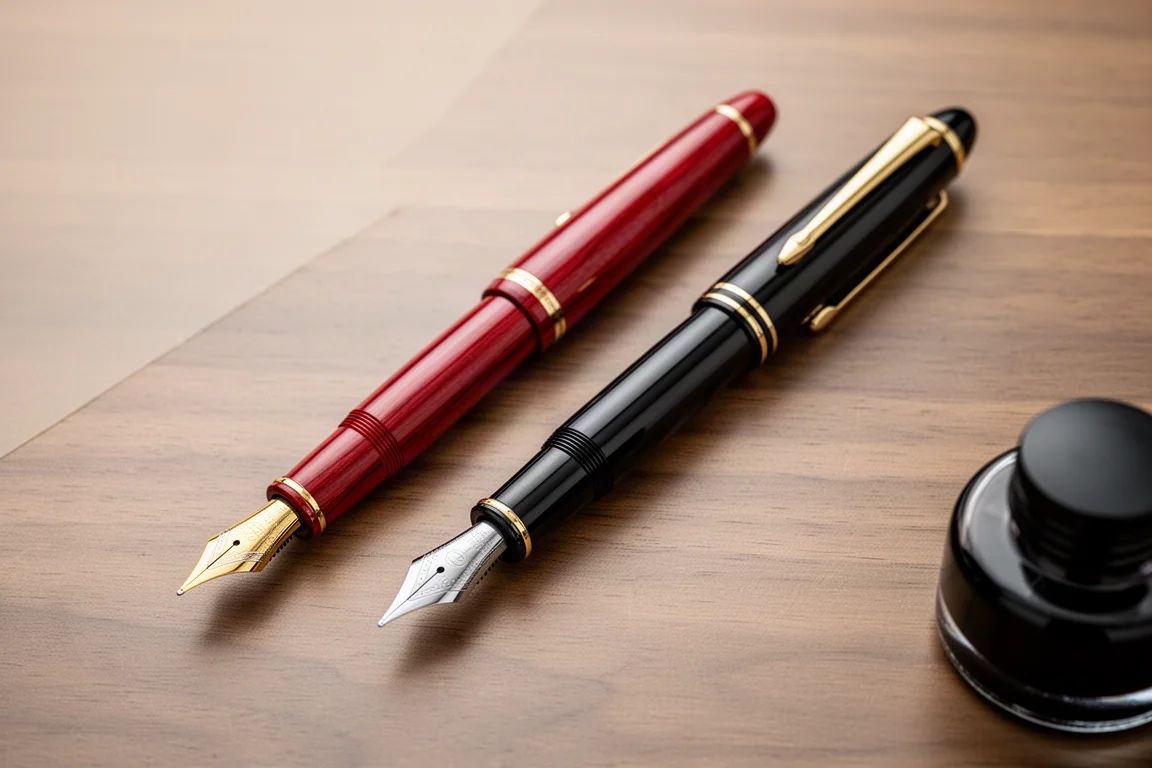
Both pens are excellent, but they answer different questions. If you want the ultimate expression of the oversized nib, complete with urushi lacquer, an 18 karat gold nib, and a shut-off valve eyedropper system, and your budget stretches to around $2,100, the Emperor is the summit. If you want to experience a number 10 nib without that outlay, the Magna Carta MAG 1000 at around $410 gets you there for roughly a fifth of the price, and saving up for it goes a lot faster. Both come highly recommended and both are incredibly fun to use.
Conclusion
Giant nibs are the current fascination in the fountain pen world, and these two pens represent its high and accessible ends. The Namiki Emperor is a luxury object that writes phenomenally; the Magna Carta MAG 1000 is a simpler, vintage-styled giant that costs far less while still delivering a true number 10 nib. Choose based on budget and how deep you want to go into the oversized-nib rabbit hole.
Further reading
Related Reviews
Fountain Pens
Best Budget Fountain Pens Tested: 9 Pens, One Clear Winner
A hands-on comparison of nine affordable fountain pens for everyday writing, calligraphy, and sketching, with a clear standout for flexible nib fans.
Fountain Pens
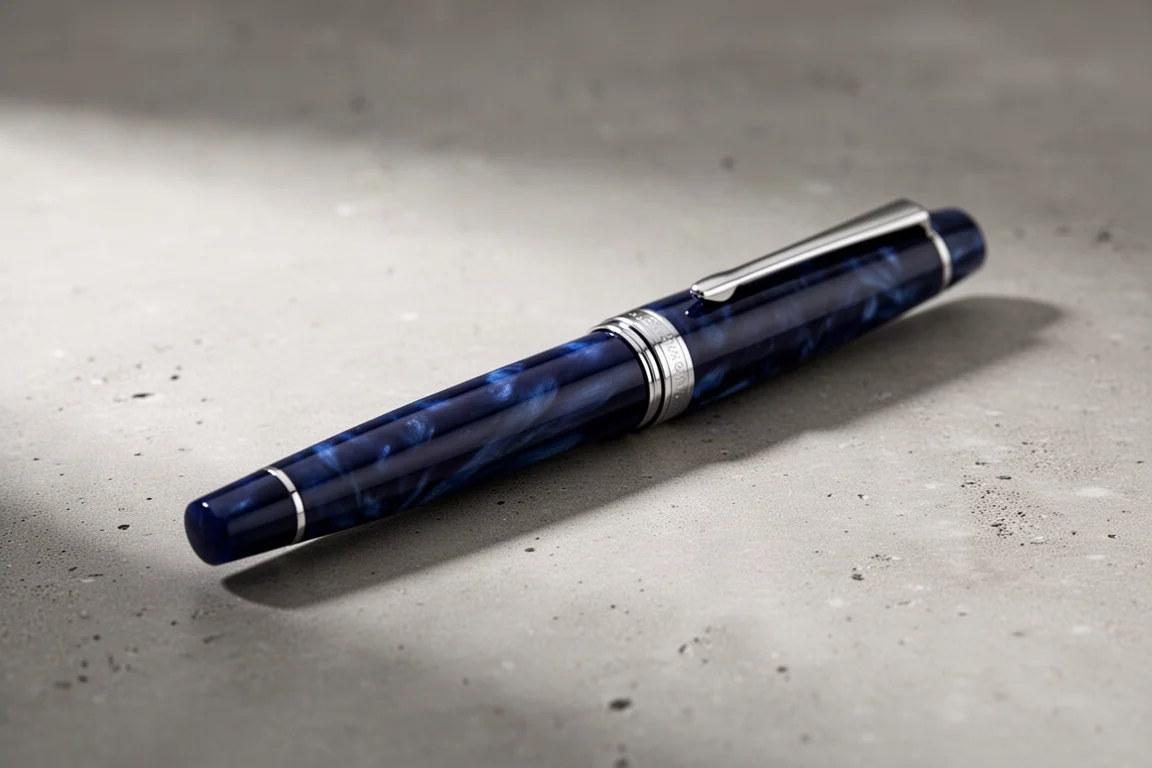
Aurora Optima Review: An Italian Piston Filler That Punches Above Its Price
A 14k gold nib, ebonite feed, and a beautifully deep oraloid body make the Aurora Optima one of the most rewarding piston fillers around.
Fountain Pens
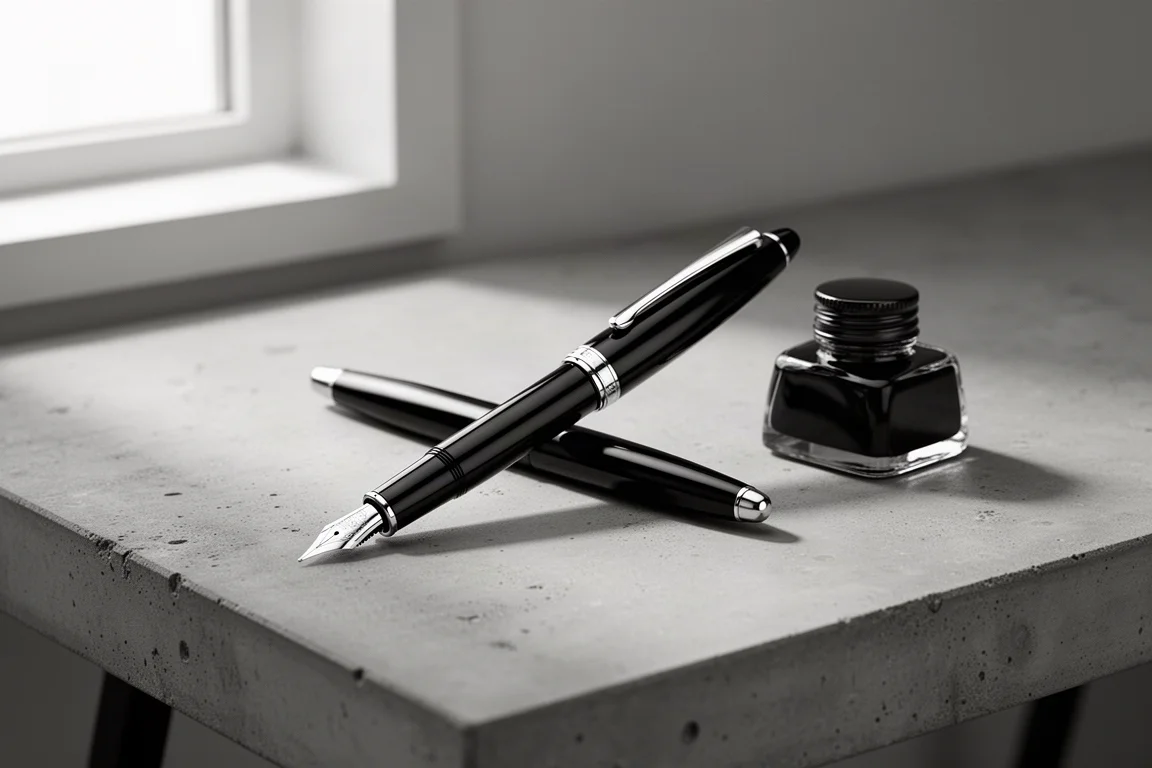
Cross Bailey Light Review: The Entry-Level Fountain Pen Worth Keeping at the Office
A plastic-bodied Cross with a metal clip, snap cap, and famously smooth extra fine steel nib. Around $15, available almost everywhere, and easy to recommend.