Cycling Bikes
Giant Defy Advanced vs Specialized Roubaix SL8: Two Endurance Road Bikes Compared
A close comparison of the Giant Defy Advanced and the Specialized Roubaix SL8, covering frameset weight, aero shaping, comfort, handling and build value.
Introduction
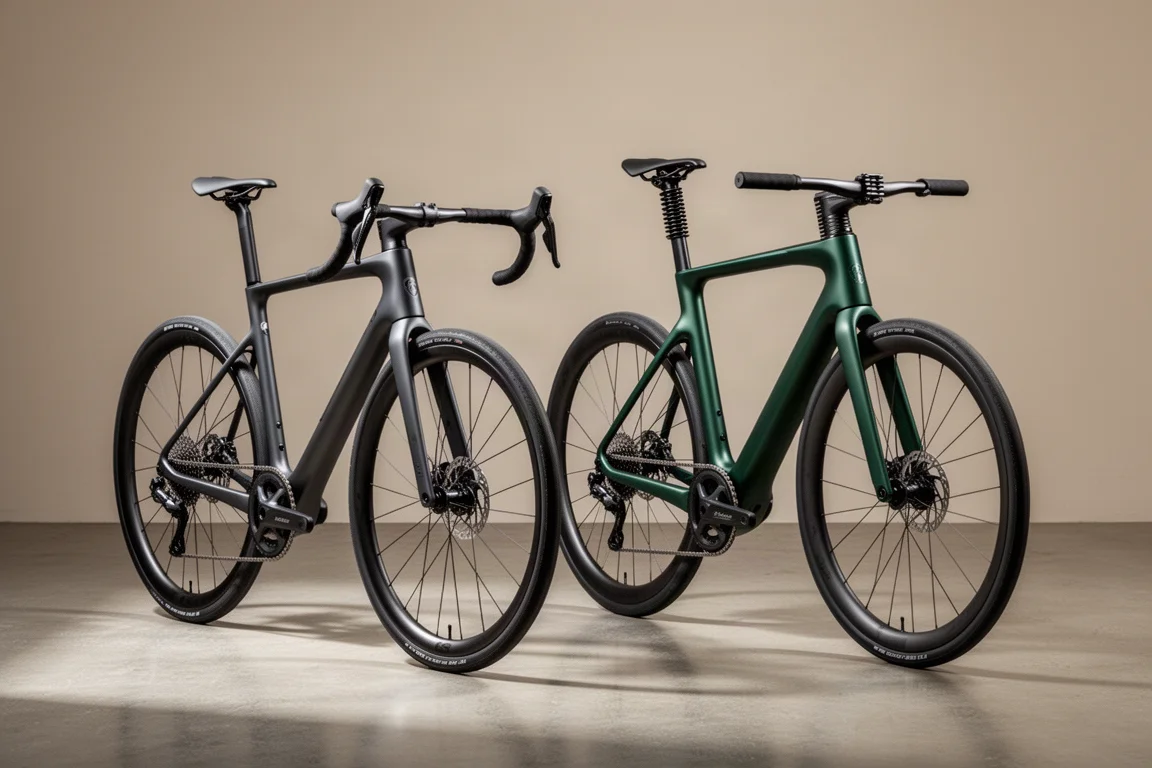
Endurance road bikes have drifted in two directions over the past few seasons. Some have grown knobbly tyre clearance and bikepacking mounts until they are barely road bikes at all. Others have stayed lean, fast and focused on tarmac. The two bikes in this comparison sit on either side of that divide.
The Giant Defy Advanced has been rebuilt around a much lighter frameset, with more integration, a slimmer fork and clearance for tyres up to 38mm. The Specialized Roubaix SL8 has been through wind tunnel development, gaining aero tube shapes, a taller front end, room for 40mm tyres and extra mounts that push it toward all-road and light gravel use.
Both are premium endurance platforms and both ride well. The more useful question is what each one is actually built for.
Framesets Compared: Weight, Integration and Aerodynamics
Giant’s numbers are the headline here. A medium Defy Advanced frame is claimed at 785g, which is 190g lighter than the previous generation, and the fork is down to 350g, around 15 percent lighter than before. The fork is slimmer, brake hoses run fully internally, and the cockpit is Giant’s own integrated design. Tyre clearance grows to a generous 38mm, and the practical details survive the diet: mudguard mounts are present, along with a removable bridge for the rear guard.
Aerodynamics have not been ignored either. The fork legs and the seat tube use truncated aerofoil profiles, and the junction between the fork, head tube and main tubes reads like a slimmed-down version of Giant’s aero road platform.
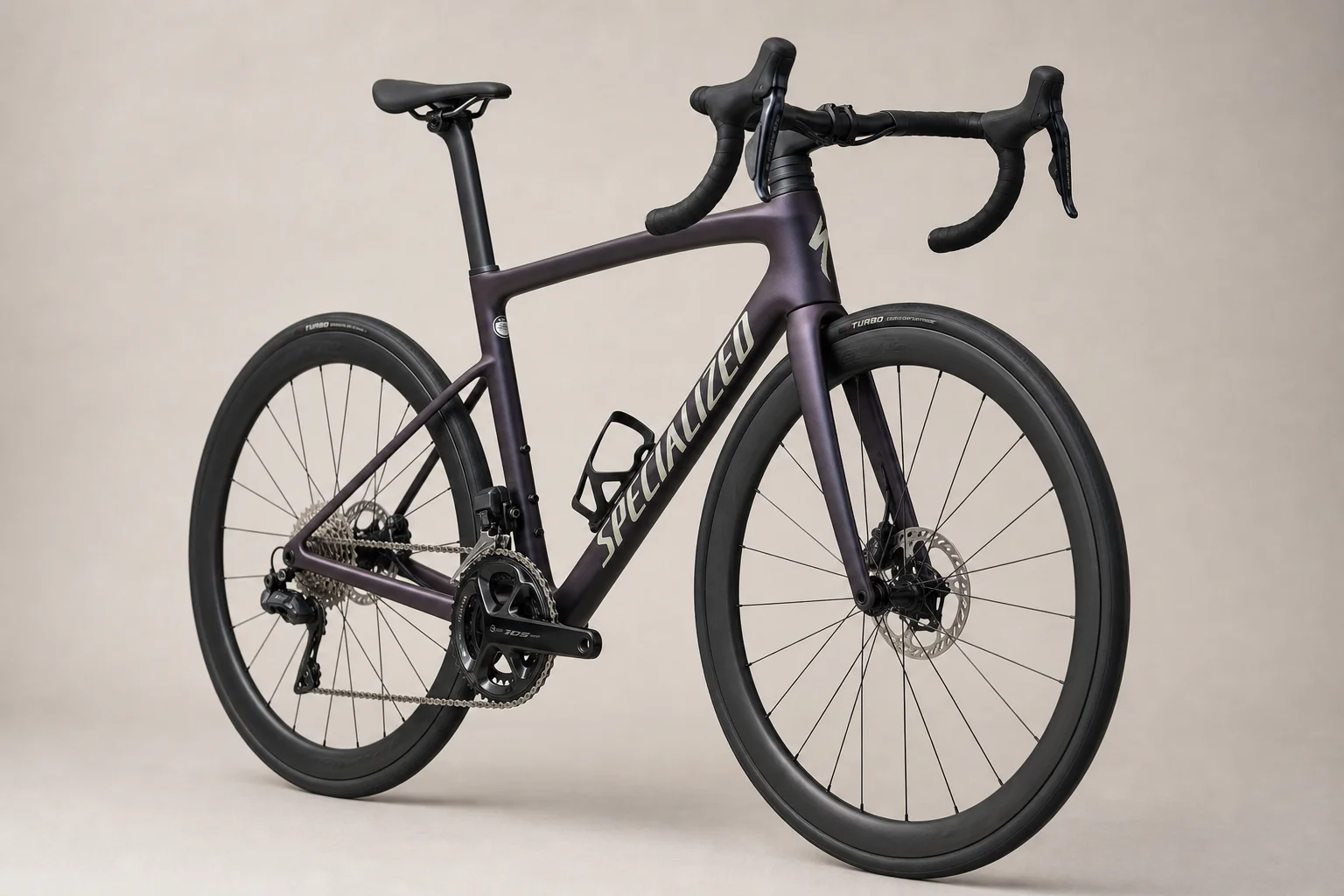
Specialized’s approach is different. The Roubaix SL8 was developed with heavy wind tunnel work, and its silhouette resembles the Tarmac SL8 aero road bike, only with a taller front end. The top-level frame is claimed 50g lighter than the previous generation at 828g, which still leaves it 43g heavier than the Defy frame. The fork is lighter than the Defy’s at 330g, but the Future Shock system adds around 450g back into the equation, and the deep dedicated aero seat post is heavier than the Defy’s slender post. Clearance rises to 40mm, and the wheelbase measures 1,031mm, 6mm longer than the Defy’s.
The Roubaix also gains a third set of bottle bosses underneath the down tube and bento box mounts on the top tube, while mudguard provisions remain at both ends.
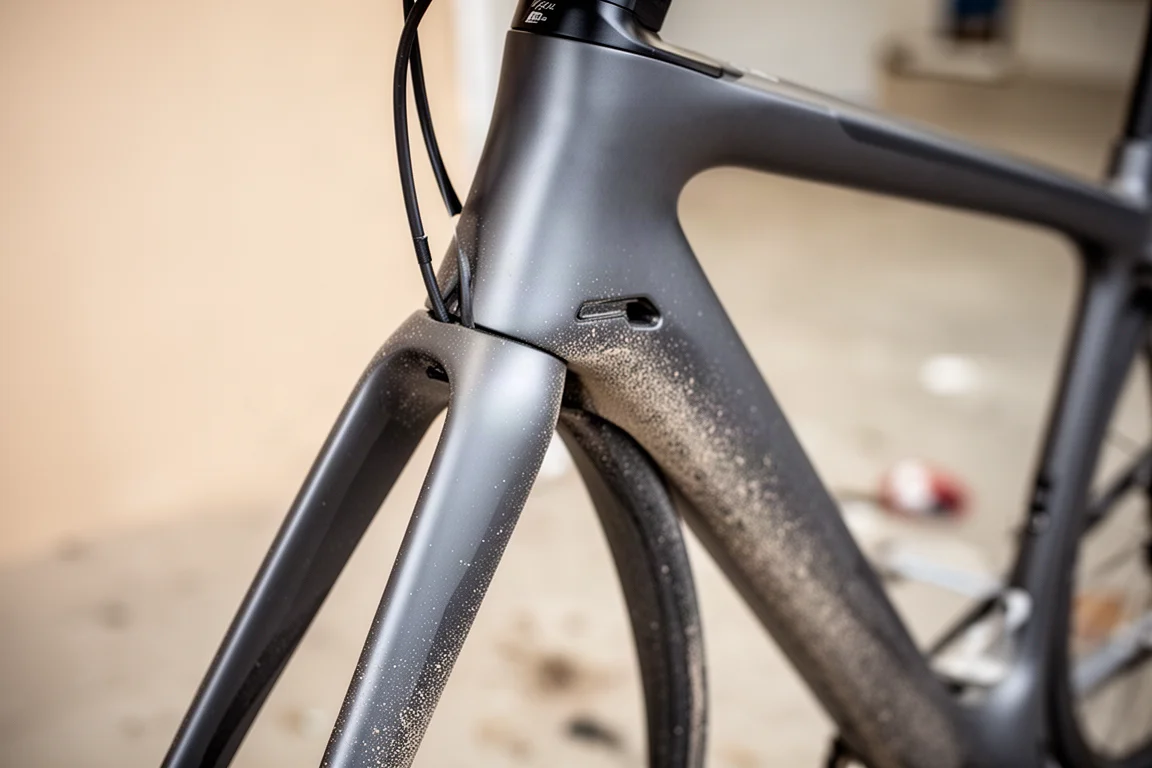
The two framesets therefore reach different conclusions. Giant spends its weight savings on a lighter, more integrated road bike, while Specialized invests a chunk of its budget in front suspension travel and all-road utility.
Giant Defy Advanced: The Pure Road Endurance Option
Giant has kept the Defy on the road rather than pushing it toward gravel, and the geometry shows it. Steering geometry is unchanged across three generations of the bike. Stack has dropped by 9mm, which sounds minor but changes how the bike feels under power. Compared with the Roubaix, the Defy’s front end sits 34mm lower and its reach is 4mm shorter. Against Giant’s own race bike, the new stack is only 15mm taller and the reach just 9mm shorter.
On the road, that adds up to a bike that feels quicker than its category usually suggests. It stays calm when the surface turns coarse: where a stiff race bike skips and darts across rough textures, the Defy holds its pace and filters vibration through the seat post and bar. The bar still feels stiff and sprint-ready in the drops.
For riders who want endurance comfort without giving up road manners, this is the more focused of the two machines, and Giant has kept the endurance bike format pure rather than blending it into a pseudo-gravel design.
Specialized Roubaix SL8: Comfort, Aero and All-Road Ambitions
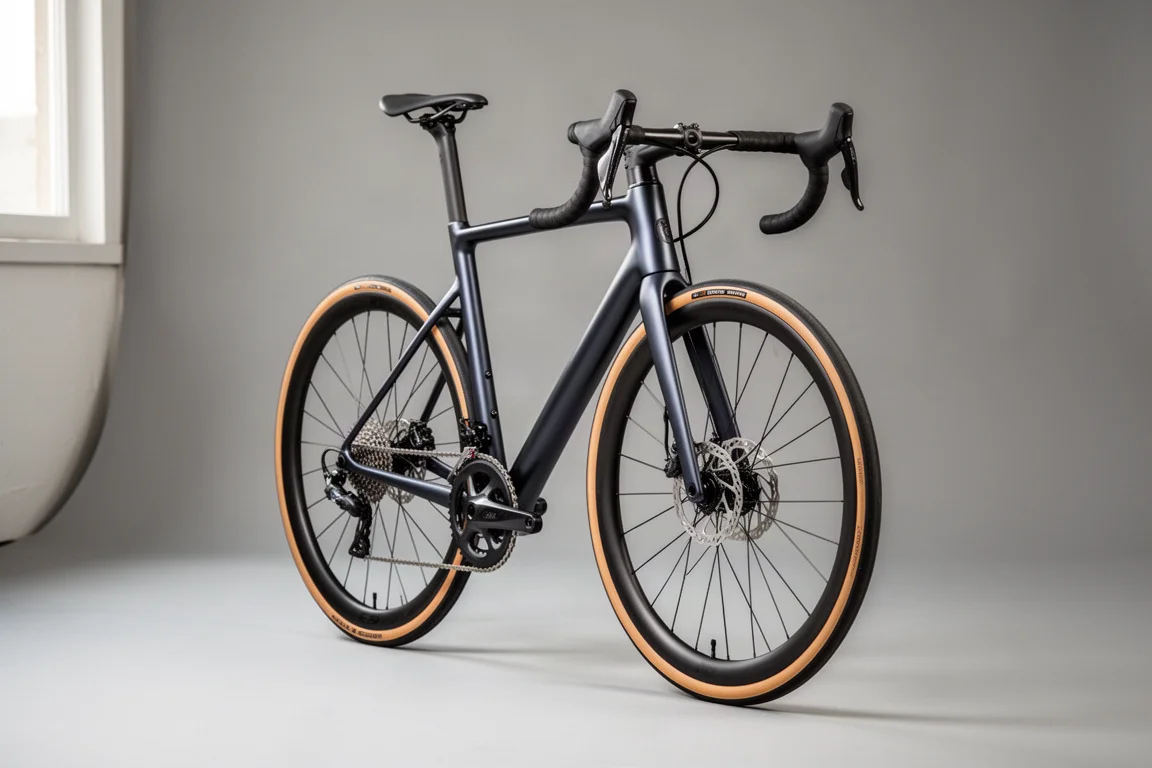
The Roubaix SL8 leans on the latest Future Shock, which brings fluid damping and real springs to the front end. The Expert model uses the 3.2 unit, set in the middle damping position and without the adjustable damper found on the 3.3 version. In practice the front end never feels too soft or too hard, whatever the surface underneath.
At the rear, a new seat tube shape and a deep aero seat post replace the older, very flexible design. The frame and fork accept tyres up to 40mm, and this build rolls on tyres that measure closer to 34mm.
On the road, the Roubaix is quick and its steering is swift, with a front end that feels constantly active. It handles broken surfaces well: bumps, scars and smaller potholes pass underneath without demanding that you slow down or steer around them. On chattery corners where grit has washed across the ideal line, it stays composed, and the wide tyres add confidence.
The trade-off is weight. Between the heavier frameset, the Future Shock and the deeper seat post, the Roubaix carries more mass than the Defy.
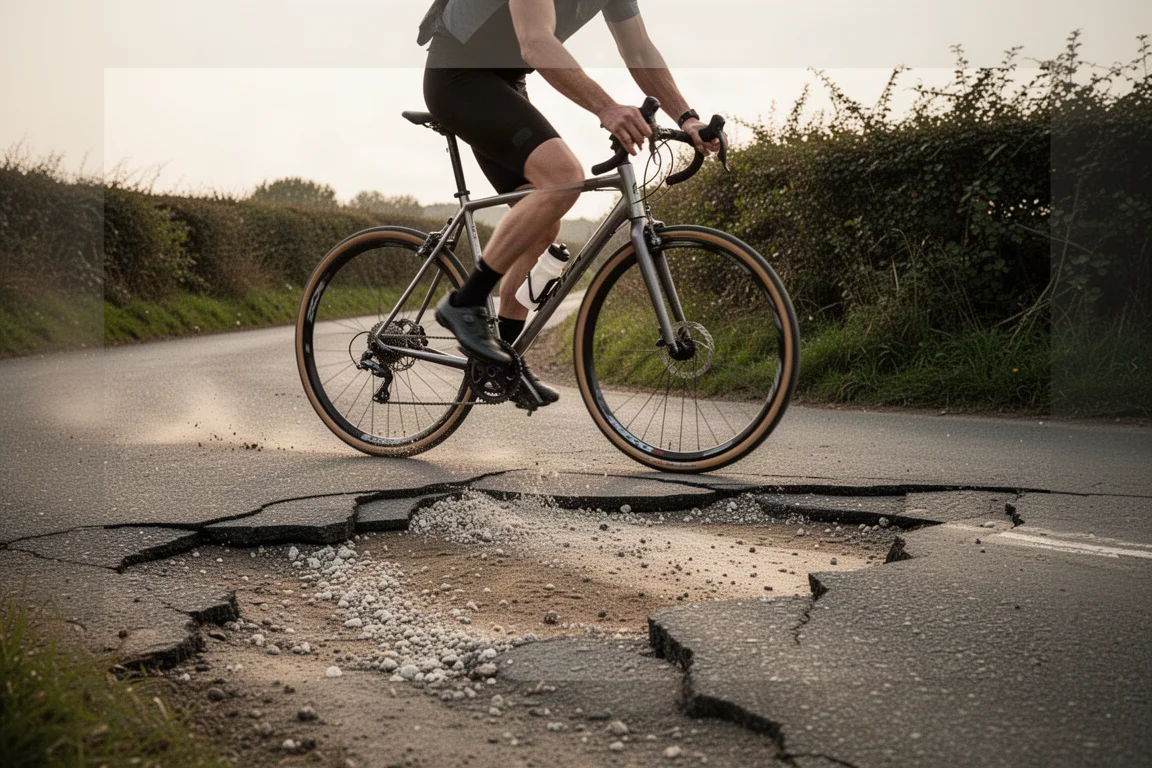
The rear of the bike is firmer than the front, particularly on smooth, well-kept roads, and it is not quite as agile as a pure road endurance bike. It is, however, a hugely versatile and comfortable machine with a good turn of pace.
Ride Feel Compared: Compliance, Pace and Composure
The two bikes differ in where their comfort comes from. The Defy spreads it front and rear: frame, fork, post and bar work together, so rough tarmac feels smoothed rather than merely survivable, and pace is preserved. It is a brilliant platform for long days where the road surface is unpredictable.
The Roubaix concentrates its compliance at the front. The Future Shock does most of the work, which makes the bike exceptionally smooth over rough, ragged roads and light gravel. On better surfaces the rear end reads as noticeably stiffer, so the ride feel splits between a plush front and a firmer back. Riders who are heavier than average may find that balance less even than the Defy’s.
Handling, Stability and Real-World Terrain
Handling is where the two bikes separate most clearly. The Defy’s unchanged steering geometry and lower front end make it feel like a race bike that happens to be comfortable. It stays composed at speed, tracks predictably through fast bends and rewards riders who like to sit close to the front of a group.
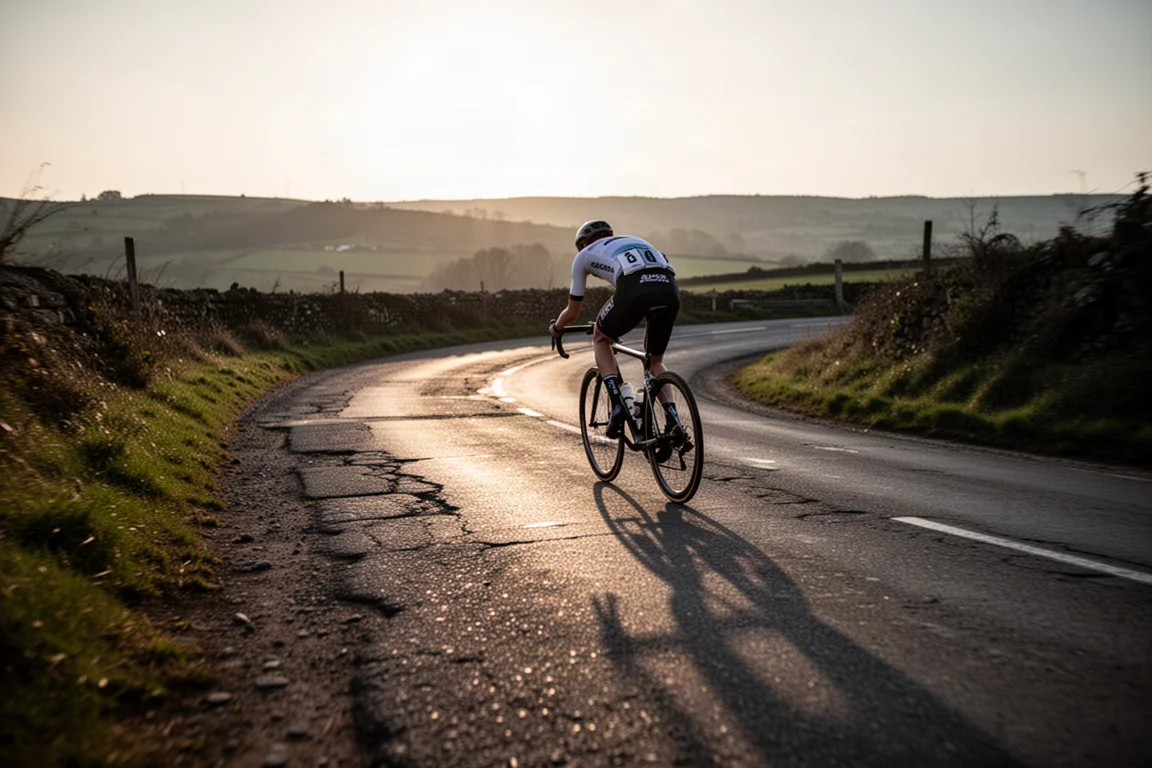
The Roubaix is engaging in a different way. Its swift steering and active front end make it fun, and its ability to absorb obstacles means you rarely need to back off on deteriorating roads. On rolling terrain with changeable surfaces, though, it is simply not as sharp as the Defy, and the extra weight makes itself known when the road tilts upward or the pace lifts.
That difference matters most for riders who split their time between smooth tarmac and rougher lanes. On smooth roads the Defy feels the faster and more balanced bike. On genuinely rough surfaces and light gravel, the Roubaix claws back ground.
Component Value and Build Choices
Builds are rarely matched across brands, so comparing like for like matters more than headline specification. At the £6,000 level, the Roubaix SL8 Expert comes with SRAM Rival AXS and an optional single-sided Quark power meter, carbon wheels and an alloy bar and stem. The equivalent Defy Advanced Pro 0 gets Shimano Ultegra Di2, a dual-sided power meter, carbon wheels and a carbon bar at the same price.
Across the range, Giant has the value edge at both ends of the scale. The lesson is straightforward: check the specification of each individual build rather than assuming that a similar price brings similar parts.
Buying Advice: Which Endurance Bike Suits You
Choose the Giant Defy Advanced if your riding is mostly tarmac and you want an endurance bike that feels fast. Its lighter frameset, lower front end and balanced compliance make it the better pure road option, while 38mm clearance and mudguard mounts keep it practical for year-round riding.
Choose the Specialized Roubaix SL8 if comfort and versatility matter more than sharpness. The Future Shock front end, 40mm tyre clearance, extra bottle bosses and bento mounts make it the more capable bike on rough roads, light gravel and long mixed-surface days. Accept that it is heavier and less agile than the Defy, and that its rear end feels firmer than its front.
Either way, ride both if you can. Front-end height, saddle position and tyre volume change the experience far more than any specification sheet suggests, and both bikes reward a proper test ride before you commit.
Conclusion
Both bikes are strong, and the choice comes down to intent. The Roubaix SL8 is a very good all-rounder and close to as good as it gets for comfortable, versatile riding, but its mix of aero shaping, weight targets and gravel-adjacent features leaves it feeling less clearly defined than its predecessors.
The Defy Advanced is the more coherent design. It modernises a long-running endurance platform without diluting it, keeping the smoothness and handling that made earlier versions so capable while adding a genuine dose of pace and race-bred excitement. For riders shopping for a new road bike, it is the one to look at first.
Further reading
Related Reviews
Cycling Bikes
Best Bikes by Budget 2026: What £1,000, £3,000 and £5,000 Buys
A practical guide to the bikes worth considering at three price points, from aluminum gravel bikes to carbon road machines, with the trade-offs explained.
Cycling Bikes
Best Bikes for Mixed Off-Road Terrain: Three Approaches Tested
A steel cross-country hardtail, a lightweight full suspension cross-country bike, and a mountain-bike-leaning gravel bike compared for long mixed off-road days.
Cycling Bikes
10 Road and Gravel Bikes Worth Knowing: Workshop Favorites
Ten road, gravel and all-road frames that hold up in daily workshop use, from Italian stainless steel to titanium, steel and hand-woven carbon.