Audio
Geshelli Labs J3 Review: A Hand-Built Multi-Bit DAC for Focused Listeners
A single-purpose desktop DAC with hybrid multi-bit conversion, a reinforced internal power supply, and a sound that rewards careful listening.
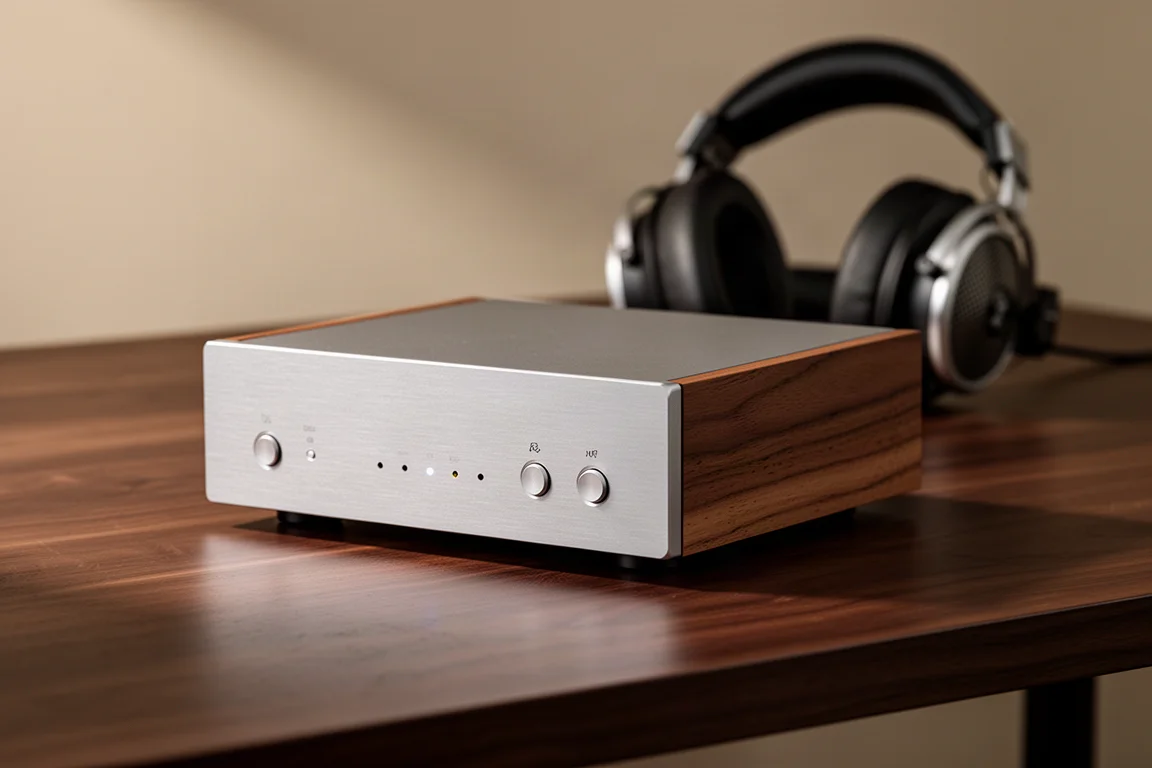
Introduction
The Geshelli Labs J3 is a digital-to-analog converter built for one job. There are no filter modes, no oversampling switches, no headphone output and no volume knob. You feed it a digital signal, and it returns an analog one. That single-mindedness is the whole point, and it is also the reason this converter will suit some listeners and frustrate others.
Geshelli Labs is a family-run company based in Florida, and the J3 is assembled largely by hand, with every unit tested before it leaves the workshop. The price sits at around $530, which puts a hand-built, multi-bit converter within reach of listeners who would otherwise be shopping in the entry-level bracket.
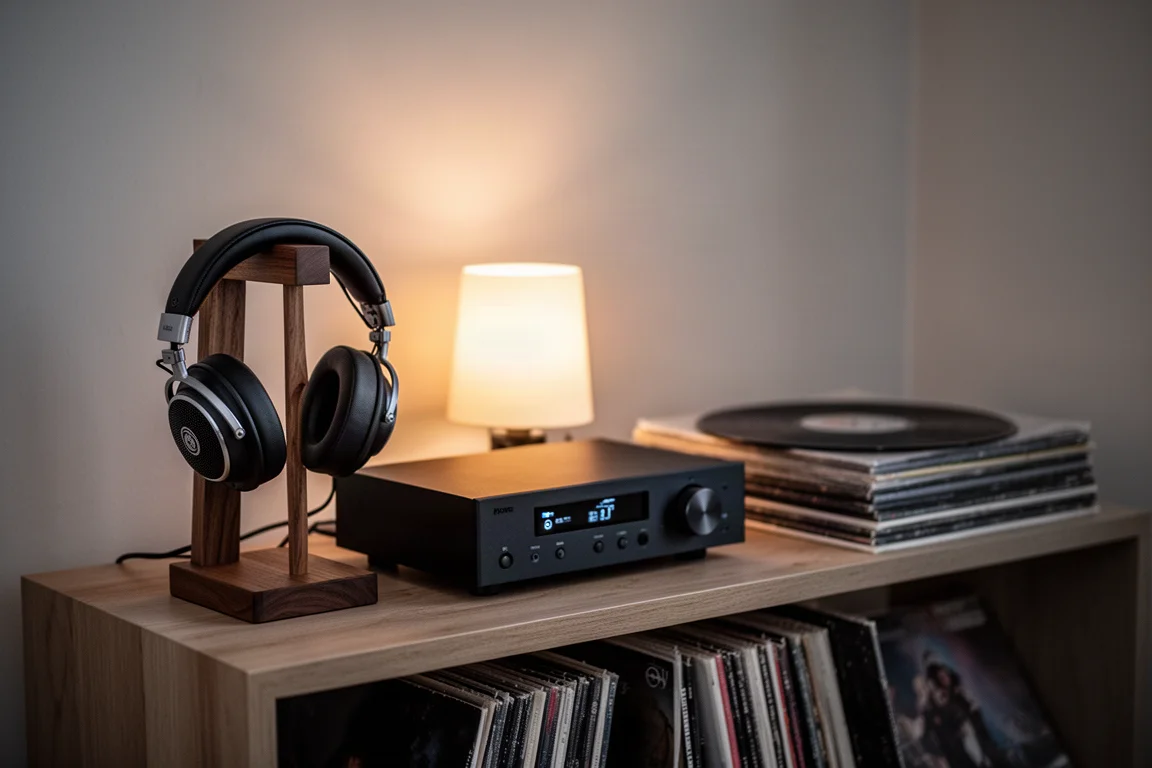
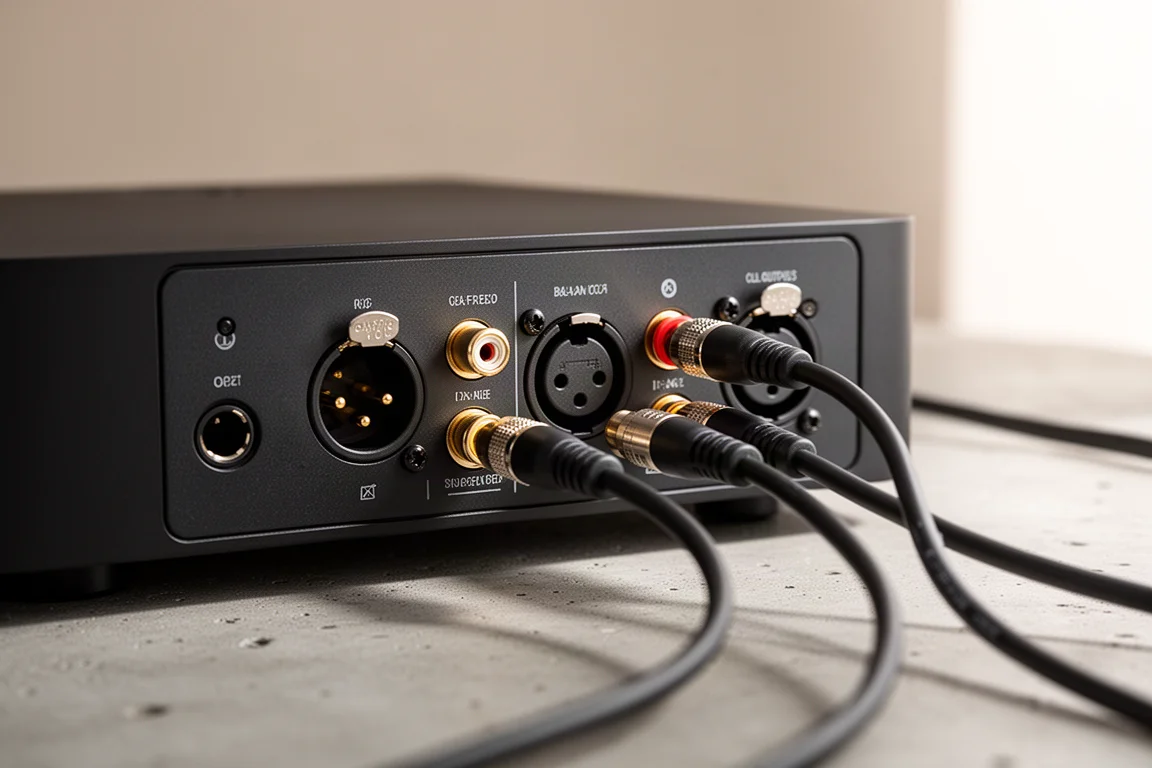
The J3 also replaces the light-pattern interface of earlier Geshelli converters with straightforward front-panel buttons and small indicator LEDs, so you no longer have to decode a row of blinking lights to work out what the unit is doing. Around the back you get a full-size USB input as an optional extra, plus coaxial and optical inputs, and outputs on both single-ended RCA and balanced XLR.
Who the Geshelli Labs J3 Is For
This converter makes the most sense for listeners who already own an amplifier or preamp with volume control and who want the cleanest possible conversion stage for the money. If your system is built around a separate DAC feeding an integrated amp or a headphone amp, the J3 slots in without any ceremony.
It is also a natural fit for anyone curious about multi-bit and ladder-style conversion but unwilling to spend flagship money. The J3 delivers that character without the size, heat or cost of a discrete resistor array.
It is less suitable for anyone who wants a one-box solution. There is no volume control, no headphone jack and no streaming features, so the J3 expects the rest of your system to handle those jobs.
Main Strengths
A Hybrid Multi-Bit Conversion Design
Inside, the J3 pairs two AKM converter chips: the 4499, a stepped-resistor multi-bit design, and the 4191, a delta-sigma chip. The two work together, which is why Geshelli describes the J3 as a hybrid converter. Multi-bit conversion sits close in spirit to the ladder and R-2R designs that many listeners associate with an organic, analog-leaning character, but it is implemented on a chip rather than through a large array of individual resistors.
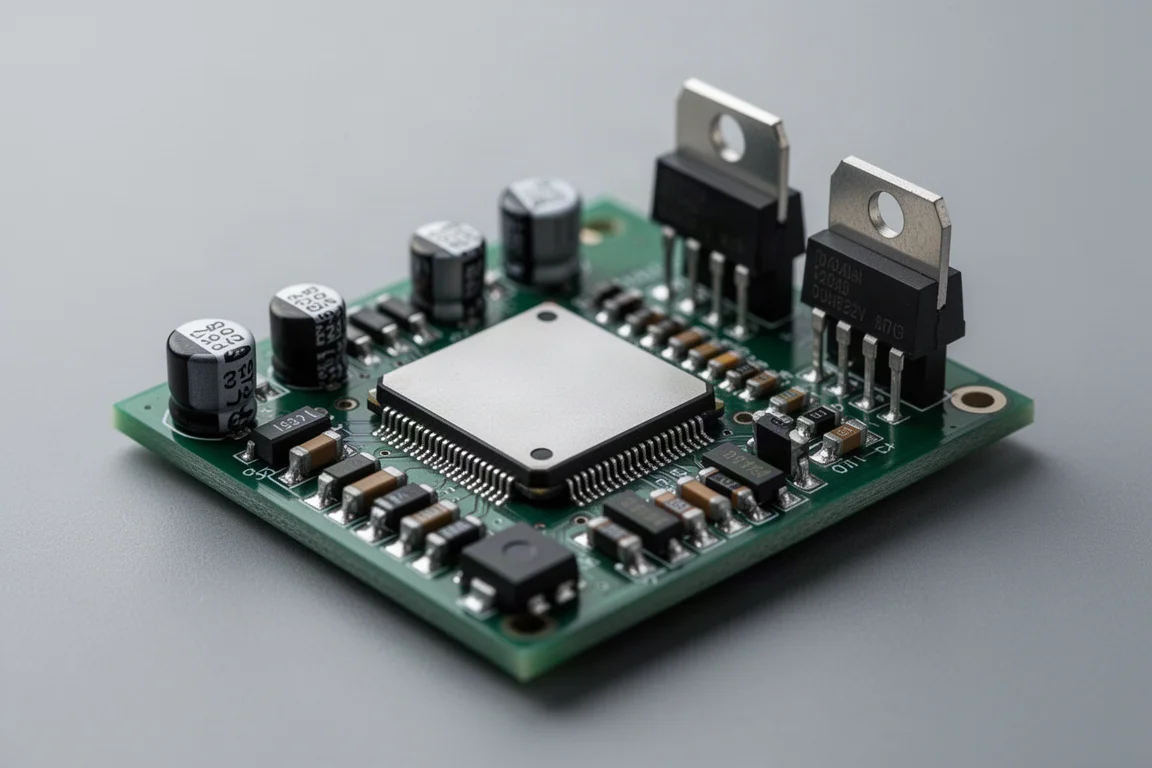
Because the conversion stage is only part of the story, Geshelli also reworked the power supply for this generation. The internal supply was strengthened to meet the demands of large discrete opamps, and the board was laid out to accommodate bigger modules. That means you can fit substantial opamps without squeezing parts into tight spaces or reaching for adapters.
Sound Quality: Dynamics, Stage, and Placement
In our listening, the J3 is the most convincing converter we have heard under $1,000. Dynamics come through cleanly, instruments hold their own space in the mix, and the presentation has a realism that is hard to find at this price.
Compared with converters built around the earlier AKM 4493 chip, the 4499 takes the same strengths and expands on them. Instrument separation improves, the soundstage opens up, and individual elements become more definitively placed in space. That is with the stock opamps. Fitting a set of Sparkos modules widens the stage further and sharpens placement even more.
The J3 also handles dense, complicated recordings well. Where busy passages can smear together on lesser converters, this one keeps the parts distinct, so layered arrangements stay readable rather than collapsing into a single mass of sound.
Build, Inputs, and Everyday Use
Every unit is tested before shipping, and the hand-built approach shows in the fit of the chassis and the layout of the rear panel. Inputs cover optical and coaxial on the front, with coaxial and optical on the back alongside the optional USB connection. Outputs are a single-ended RCA pair and a balanced XLR pair, which covers most desktop and full-size systems.
Because the J3 outputs a fixed voltage, it behaves like a pure source component. There is nothing to configure and nothing to second-guess, which makes it easy to live with once it is in place.
Things to Consider Before Buying
No Volume Control and a Minimal Feature Set
The fixed output is the single biggest thing to plan around. Volume has to come from your amplifier or preamp, so the J3 is not a standalone solution for a pair of powered speakers or headphones.
There are also no filter rolloff modes, no oversampling options and no digital extras of any kind. If you enjoy tuning and experimenting with conversion settings, this is the wrong product. If you would rather plug in a source and forget about menus, it is exactly right.
The full-size USB input is optional and adds to the price, and the wood enclosure is also an upcharge over the standard finish.
Power Supply, Opamps, and Warranty Notes
Opamp rolling is part of the appeal here, but it comes with rules. Opamps must be installed in the correct orientation, and getting it wrong can damage the unit. Buying and swapping multiple sets can also get expensive quickly.
Power supplies deserve equal caution. Using a linear power supply voids the warranty, and voltages above or below 12V can damage the converter. Geshelli has seen a number of damaged units linked to linear supplies, so this is not a theoretical warning.
Finally, the styling is genuinely divisive. The J3 is not another anonymous black box, and buyers who want a conventional look should factor that into the decision.
How the J3 Fits the Geshelli Labs Lineup
Geshelli Labs offers three converters. The J2 is the entry point at $249, a price that has held steady for years, and it offers a choice of three different DAC chips, with USB as a $50 upcharge. The J2S is the socketed version, $10 more, which lets you swap opamps and is available with the 4493 and 4499 chips.
At the top sits the Daisy, the flagship, which is essentially two J3s under one hood with a 4499 for each channel. It is better, but it costs more than twice as much. The J3 sits in the sweet spot: most of that flagship character, without the flagship outlay.
Buying Advice
Buy the J3 with the stock opamps. The converter already sounds excellent as it ships, and leaving the upgrade path open means you can add Sparkos or another module later if you want to push the soundstage further. Upgrading immediately adds cost before you have learned what the stock configuration does in your system.
Plan the rest of the chain first. You will need a preamp, integrated amplifier or headphone amp with volume control, and you should decide up front whether you need the optional USB input and whether the wood finish is worth the extra. If the budget is tighter, the J2 and J2S remain sensible starting points with the same house character.
Conclusion
The Geshelli Labs J3 earns its place through focus rather than features. A hybrid multi-bit conversion stage, a reinforced internal supply, hand assembly in Florida and a fixed-output design add up to a converter that does one thing properly. Buyers who accept its minimalism and match it to a system with volume control elsewhere will find it easy to recommend.
Product link
View more details for Geshelli Labs J3
This product is mentioned in the review. Check the specifications, options, and compatibility before buying.
View more details for Geshelli Labs J3Further reading
Related Reviews

Audio
Apos x Geshelli Merlin DAC Review: A Natural Match for the Gremlin Amp
The Apos x Geshelli Merlin DAC pairs balanced and single-ended outputs with a smooth, natural sound that complements the Gremlin tube amp.
Audio
Audio Gear That Beats Pricier Rivals: Nine Value Picks for 2026
Nine turntables, streamers, speakers, and amplifiers that deliver far more than their price suggests, plus the trade-offs worth checking before you buy.
Audio
Best Amplifiers Under $200: Four Compact Stereo Amps Worth Considering
Four compact amplifiers under $200, from a class AB design with a headphone section to a DAC-equipped integrated amp and a low-cost pick from a US-based brand.